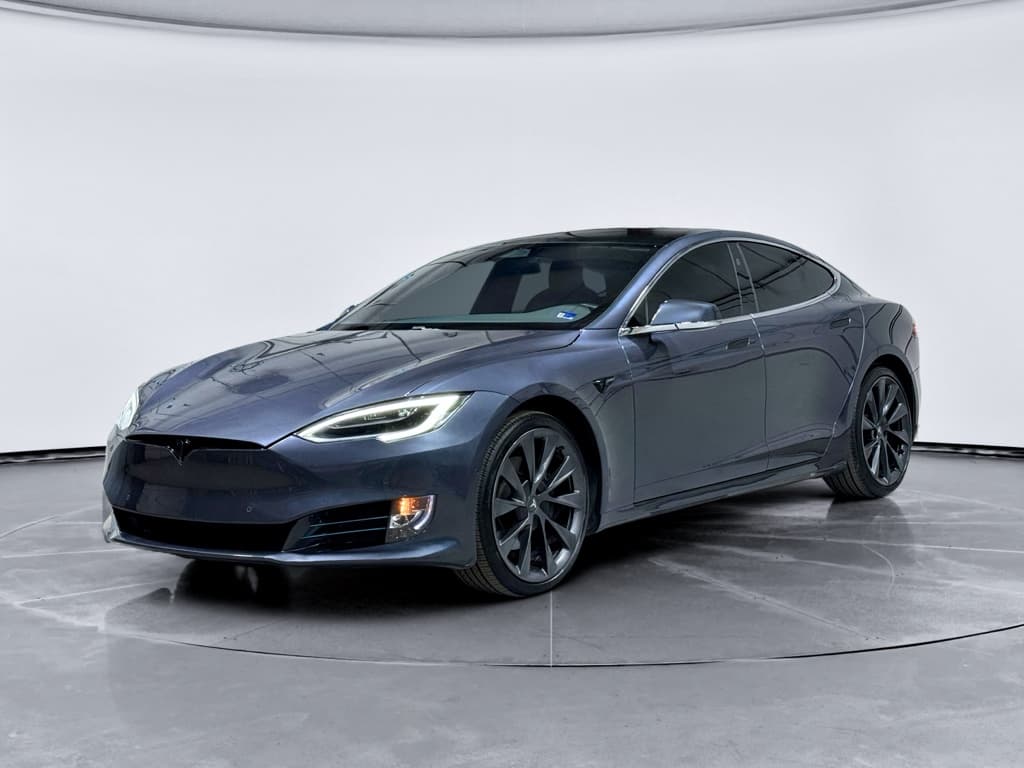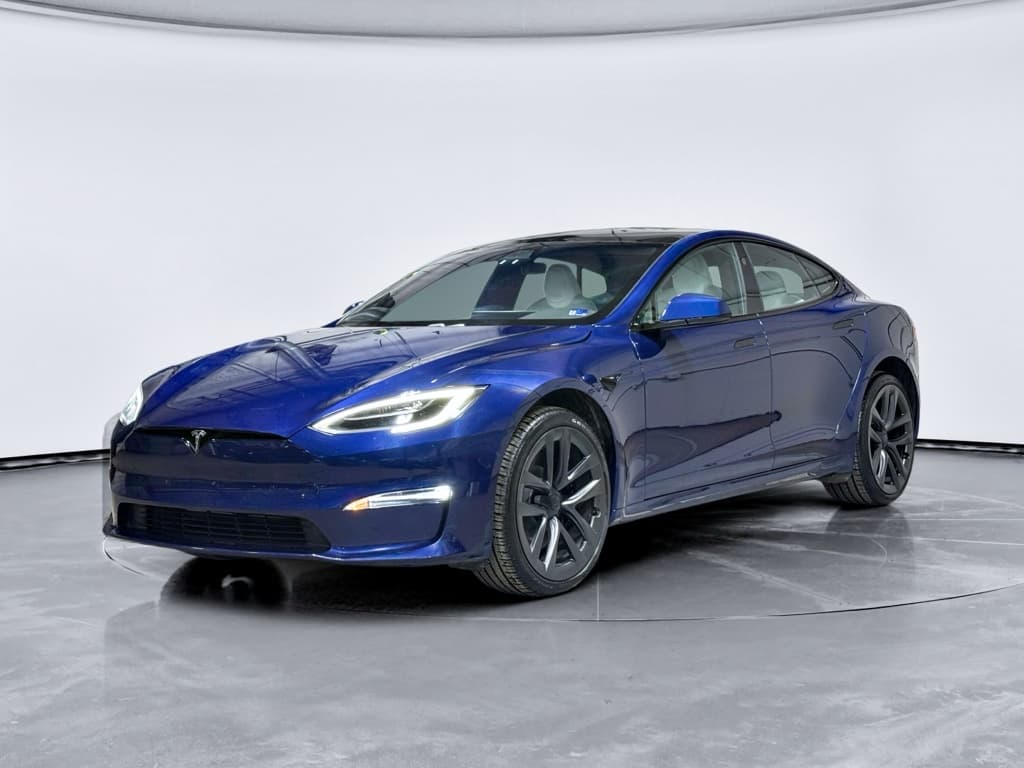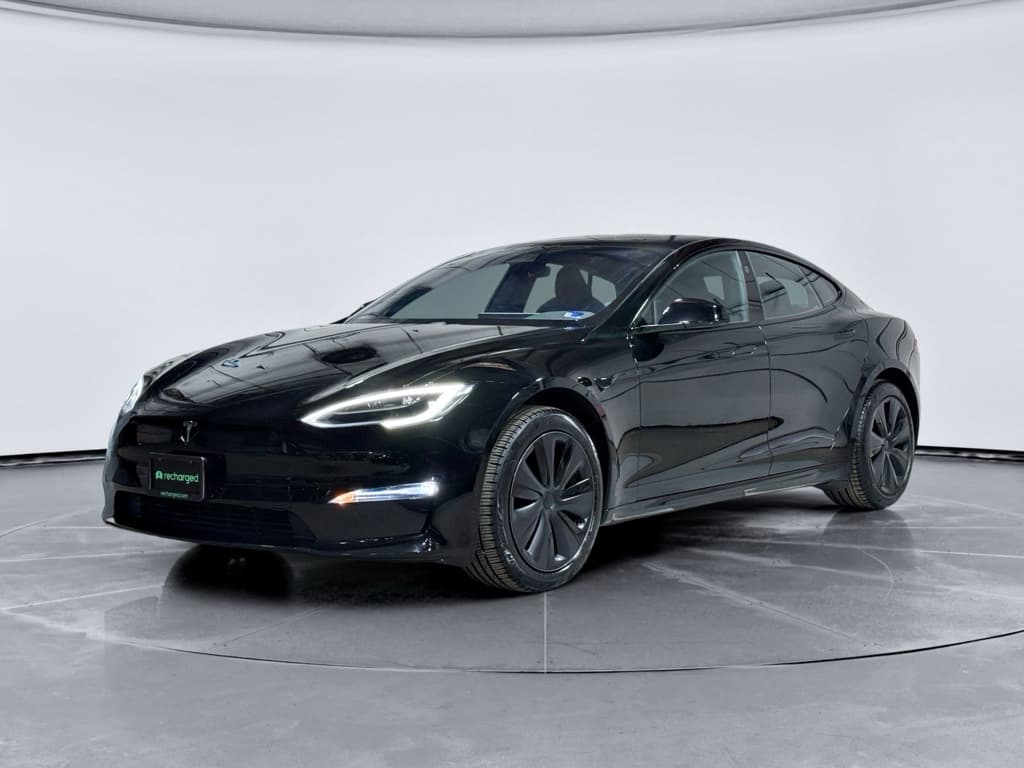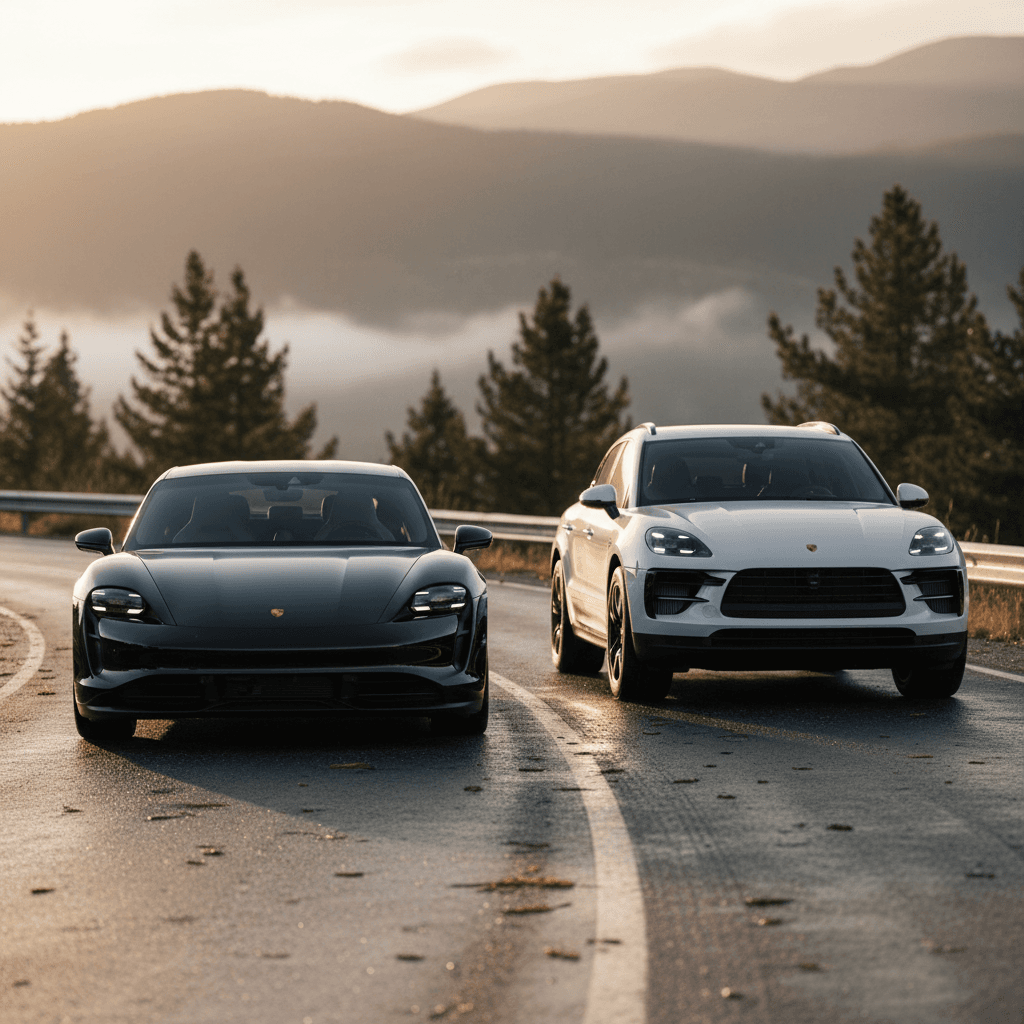
You’re cross-shopping an electric used Porsche Taycan vs a new Tesla Model S, which means you like your electrons served with speed and drama. One is the new‑car tech icon with industry‑leading range; the other is a used German luxury missile whose depreciation curve just did you a huge favor. The question is less “which is faster” and more “which actually fits your life, budget, and risk tolerance?”
What this comparison covers
Overview: Used Taycan vs New Model S
Used Porsche Taycan (3–4 years old)
- Street price: Often $60k–$90k depending on year/trim vs ~$100k+ new.
- Range: Earlier cars often rated 200–250 miles; 2025 refresh stretches well above 270 miles, but those will be newer and pricier.
- Character: Feels like a proper Porsche – precise steering, superb ride control, high‑quality cabin.
- Risk: More complex hardware, out‑of‑warranty repairs can be expensive; earlier build years had more software and 12‑volt battery gremlins.
New Tesla Model S (current generation)
- Sticker price: Frequently starts around the high‑$70k–$80k range for Long Range after recent price changes, more for Plaid.
- Range: Among the best in the business – Long Range versions commonly push ~370–400+ miles on a full charge, Plaid slightly less but still strong.
- Character: Quiet, devastatingly quick, minimalist and software‑first. Less handcrafted, more iPhone‑on‑wheels.
- Risk: New‑car money tied to a brand whose resale values have recently softened and whose build quality can be hit‑or‑miss.
Quick gut check
Price, Value & Depreciation
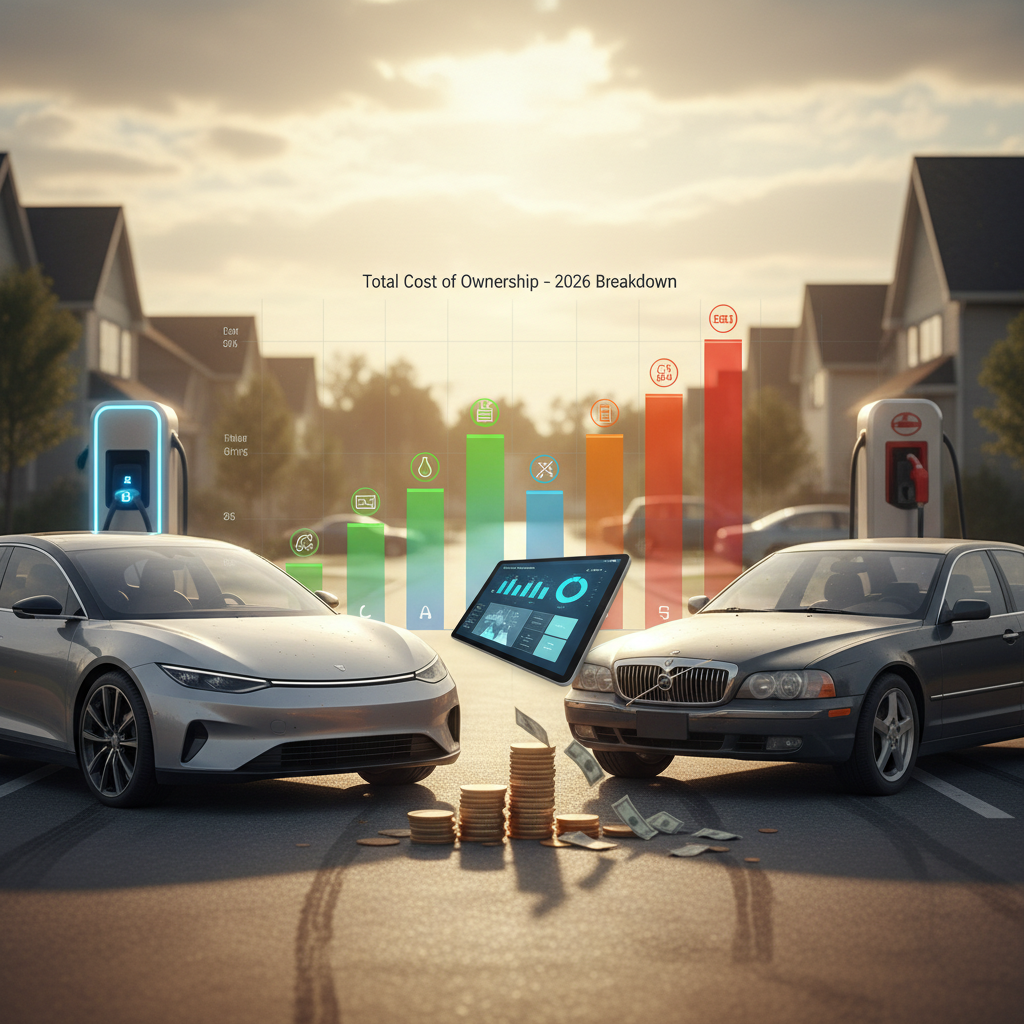
New, a Taycan and Model S live in the same tax bracket. For the 2025 model year, a base Taycan stickers around the high‑$90,000 range before options, with higher‑trim models rapidly ascending into six‑figure territory. A 2024–2025 Model S Long Range or Plaid is similarly a high‑$70k–$90k proposition depending on configuration and timing of Tesla’s frequent price tweaks.
How depreciation reshapes the math
Porsche buyers historically pay the “bespoke interior tax” up front, but that same tax turns into a discount when you shop used. A 3‑year‑old Taycan 4S that may have been $120,000 when new can easily slide into the $70k zone depending on miles and options. Because the Taycan is newer to market and doesn’t wear the mass‑market halo of Tesla, many used shoppers overlook it, which further softens prices.
The Model S story is more complicated. For years, Teslas were used‑market darlings, holding value absurdly well. Recently, as Tesla has cut new‑car prices and a flood of off‑lease cars hit the market, used Teslas have started to underperform the broader market on resale. That matters if you buy a new Model S today: you’re catching the car at the front of a depreciation slide, not the plateau.
Caution on ultra‑cheap Teslas
Performance & Driving Feel
On paper, both the Taycan and Model S make traditional sports sedans look like dial‑up internet. A 2024–2025 Model S Plaid is rated around 1,020 horsepower with 0–60 mph in roughly 2 seconds in ideal conditions. Even the “slower” Long Range variant is quicker than almost anything with pistons. The Taycan answers with a spectrum of trims: from brisk base models to the freshly updated Turbo and Turbo S, which can hit 60 mph in the mid‑2‑second range when properly optioned.
How they feel from behind the wheel
Specs are similar; the experience is not.
Used Porsche Taycan
- Steering: Talkative, precise, and beautifully weighted. Feels like a shrunken Panamera that went to race school.
- Chassis: Multi‑chamber air suspension and Porsche Active Ride (on newer trims) deliver an eerie blend of comfort and control.
- Brakes: Strong and confidence‑inspiring; pedal feel more natural than many EVs.
- Vibe: A sports car that happens to be electric, not an electric car aspiring to be sporty.
New Tesla Model S
- Acceleration: Brutally, comically quick, especially Plaid. Feels more like a high‑speed elevator than a car.
- Chassis: Updated suspension is smoother and quieter than older cars but still prioritizes straight‑line speed over nuanced feedback.
- Steering: Light and accurate but largely emotion‑free.
- Vibe: Futuristic luxury rocket; thrilling, but less engaged than the Porsche when you carve up a back road.
Enthusiast’s choice
Range & Charging Experience
Here’s where the philosophical split becomes obvious. Tesla’s mission has always been about range and charging ubiquity. Porsche’s has been about driving character first, efficiency second. That gap has narrowed with the refreshed 2025 Taycan, but the used‑car market is still full of earlier, shorter‑range cars you need to approach with clear eyes.
Approximate range & charging: Typical trims
Representative figures for popular variants; exact numbers vary by wheel/tire and options.
| Model | Typical Version | Approx. EPA Range | Peak DC Fast Charge | Onboard AC (Level 2) |
|---|---|---|---|---|
| Used Taycan (early years) | 2020–2023 Taycan 4S | ~220–250 mi | Up to ~270 kW | Up to 11 kW |
| Newer Taycan (refreshed) | 2025 Taycan base/4S | ~270–320+ mi | Up to ~320 kW | Up to ~11 kW |
| New Tesla Model S | Current Long Range | ~370–400+ mi | Up to ~250 kW | Up to 11.5 kW |
| New Tesla Model S | Current Plaid | ~350–370 mi | Up to ~250 kW | Up to 11.5 kW |
Always verify the specific EPA rating and real‑world tests for the exact car you’re considering.
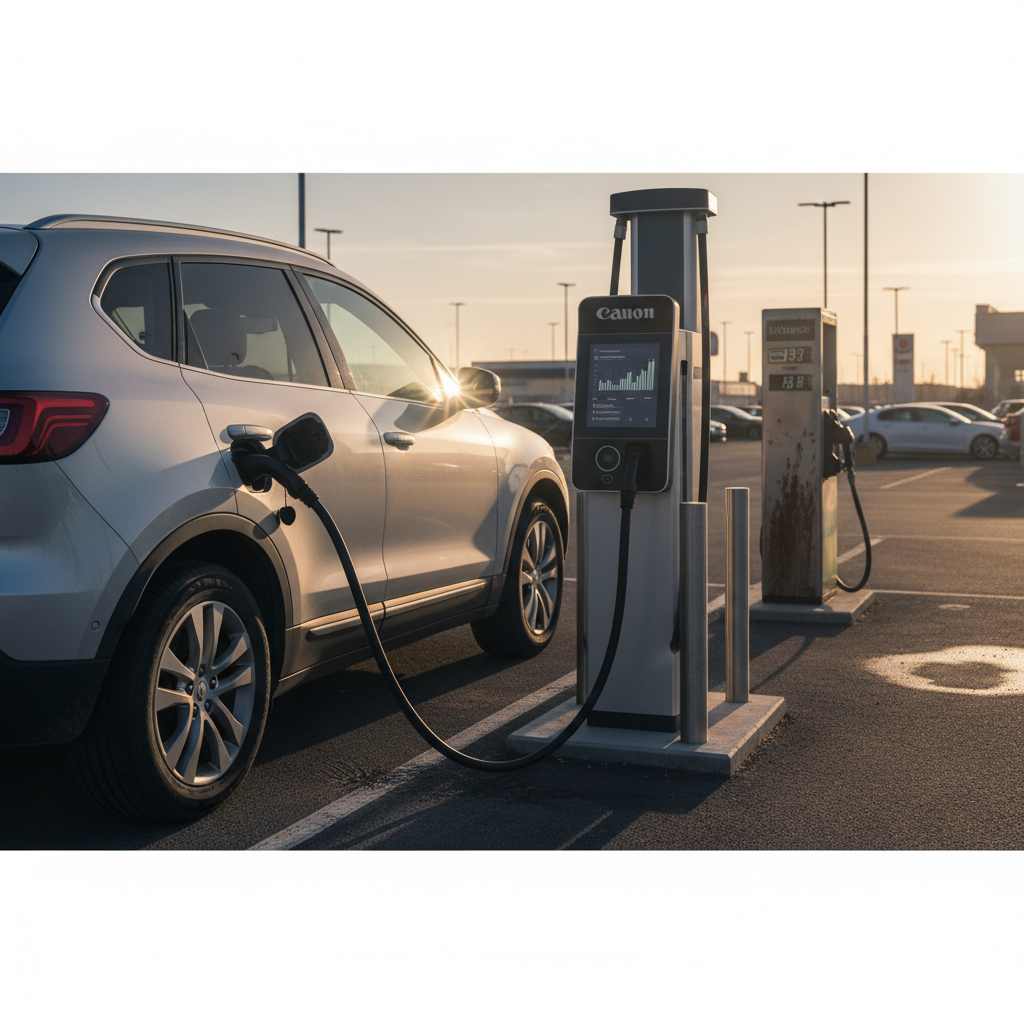
A new Model S Long Range remains one of the best road‑trip tools on sale: big battery, excellent aerodynamics, and a Supercharger network that still feels like cheating compared with most non‑Tesla public charging. You plan a trip in the Tesla app, the car navigates you charger‑to‑charger, and the stops are brief. This is what people mean when they say the car “just works.”
A used Taycan demands more homework. Many early cars have useful but modest real‑world range, especially in cold weather or at Autobahn-ish speeds. The 2025 refresh massively improves range and charging speeds, but those cars will command higher used prices and may overlap with what you’d pay for a new Model S. For road‑trip heavy drivers, that trade‑off matters: you can buy a cheaper used Taycan, but you may be buying more charging stops.
Home charging changes the equation
Tech, Interior & Everyday Usability
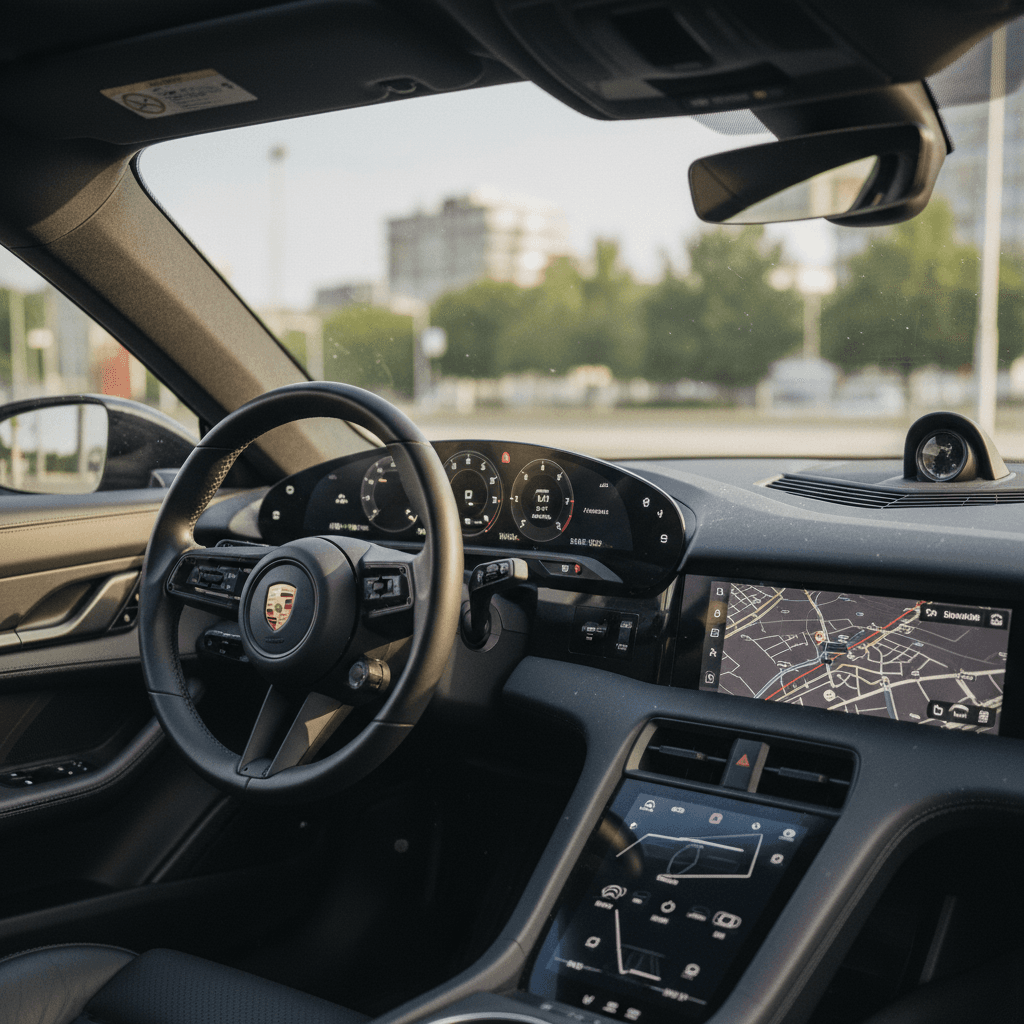
Inside, you’re choosing between two different visions of the future. Tesla’s interior is Bauhaus‑minimalist: one large center screen, a smaller instrument display, and very few physical controls. Porsche gives you more conventional luxury cues: cowl‑mounted digital cluster, multiple screens, a proper center tunnel, and materials that feel appropriately expensive even after years of use.
Used Taycan Cabin
- Materials: Leather (or Race‑Tex), real metal, and tight panel gaps; feels like a modern 911 crossed with a Panamera.
- Controls: More physical switchgear than Tesla, but still screen‑heavy. Porsche’s latest infotainment is quick and supports smartphone mirroring.
- Space: Comfortable for four adults; rear headroom is tight for tall passengers, and trunk space is decent but not Tesla‑huge.
- Noise: Very quiet and solid, with a hushed highway ride.
New Model S Cabin
- Layout: Clean, near‑buttonless environment dominated by a large horizontal touch screen; rear passengers get their own display.
- Software: Tesla’s UI remains one of the fastest and most cohesive in the industry, with frequent over‑the‑air updates.
- Space: More generous cargo area (hatchback layout) and better rear headroom; feels like a big liftback, not a traditional sedan.
- Quirks: Yoke vs wheel options, limited traditional gauge display, and some cost‑cutting in trim if you’re coming from a Porsche.
Living with each car
Battery Health, Warranty & Long-Term Confidence
The big fear with any used EV, especially a performance‑oriented one like the Taycan, is battery health. Modern packs tend to degrade slowly when properly managed, but replacing a high‑voltage pack out of warranty is a five‑figure conversation in either car, and Porsche repairs in particular are not known for their affordability.
Battery & warranty questions to ask
1. What’s the remaining high‑voltage battery warranty?
Both brands typically offer ~8 years of battery coverage from in‑service date. On a 3‑year‑old Taycan, you may still have roughly 5 years left; a brand‑new Model S starts the clock at zero.
2. How has the car been charged?
Frequent DC fast‑charging at very high states of charge can stress a pack over time. A car primarily charged on Level 2 at home will generally age more gracefully.
3. Is there a verified battery health report?
Look for objective data. At Recharged, every vehicle comes with a <strong>Recharged Score Report</strong>, including <strong>verified battery health diagnostics</strong>, so you’re not guessing about pack condition.
4. Any history of battery or charging system repairs?
Software fixes are one thing; repeated high‑voltage or charging hardware repairs are another. Review service history carefully on a used Taycan or older Model S.
Why inspection matters more for the Taycan
Ownership Costs, Insurance & Resale
Operating costs for both cars will be dramatically lower than a comparable gas V8 sedan in terms of fuel and routine service, no oil changes, spark plugs, or exhausts. The divergence comes in insurance, potential repairs, and future resale.
Where the money actually goes
Beyond the sticker price.
Insurance
Both cars are quick, expensive EVs, so premiums can be high. In many markets, Porsche + high repair costs can mean slightly pricier coverage than a Tesla, but this varies heavily by ZIP code and driver profile.
Service & Repairs
Teslas have fewer moving parts mechanically, but body and electronics repairs can still be costly. Taycan parts and labor are classic Porsche: excellent but not cheap. Buying a used Taycan that’s still under factory warranty de‑risks the first few years.
Resale Trajectory
New Model S buyers face an uncertain future as more used Teslas flood the market and competitors multiply. Taycan depreciation front‑loads the pain on the first owner, which can make a carefully chosen used Taycan hold value relatively well from your lower entry price.
Don’t ignore tax credits and financing
Which One Fits You? Buyer Profiles
The Taycan and Model S aren’t just two versions of the same idea, they cater to different kinds of drivers. Framing your choice as a lifestyle fit rather than a spreadsheet duel often makes the answer obvious.
Match the car to the driver
The Road‑Trip Power User
You regularly drive 200–400 miles in a day.
You value short, predictable charging stops and dead‑simple route planning.
You’re less concerned about handcrafted interior materials than about time saved on the highway.
<strong>Best fit:</strong> New Tesla Model S Long Range. It’s the range and charging king.
The Driving Enthusiast
You care deeply about steering feel, body control, and that last 10% of chassis polish.
Most of your driving is local or regional, not cross‑country cannonballs.
You’ve owned German performance cars and know what Porsche is about.
<strong>Best fit:</strong> Used Porsche Taycan 4S or Turbo in great condition, verified battery health, and ideally some warranty left.
The Design & Brand Aficionado
You want the car that feels special to sit in before you even press start.
Badge prestige and long‑term interior durability matter to you.
You value a dealership + service network with traditional luxury‑car touches.
<strong>Best fit:</strong> Used Taycan with the options you care about, panoramic roof, premium audio, leather packages, at a big depreciation discount.
The Set‑and‑Forget Tech Lover
You like the idea of constant software updates and new features simply appearing.
You use built‑in navigation, streaming, and voice features heavily.
You’d rather interact with one primary screen than juggle lots of buttons and sub‑menus.
<strong>Best fit:</strong> New Model S. You’re buying into an ecosystem as much as a car.
How Recharged Can Help You Shop Smarter
Luxury EVs like the Taycan and Model S are thrilling, but they also magnify the stakes of getting a purchase wrong, especially used. That’s exactly the gap Recharged was built to fill.
- Every used EV on Recharged comes with a Recharged Score Report that includes verified battery health, so you’re not guessing about pack condition or previous fast‑charging abuse.
- Pricing is benchmarked against the market to highlight fair‑value Taycan and Model S listings, not just the shiniest photos.
- You can get EV‑specialist guidance on which Taycan trims to target or avoid, and how they compare to the Model S for your use case.
- Financing, trade‑in, and even nationwide delivery are built around a fully digital experience, so you can comparison‑shop from your couch.
- If you want to put hands on a vehicle, Recharged’s Experience Center in Richmond, VA can help you understand real‑world range, charging, and daily livability before you commit.
Next step: clarify your must‑haves
Ready to find your next EV?
Browse Vehicles