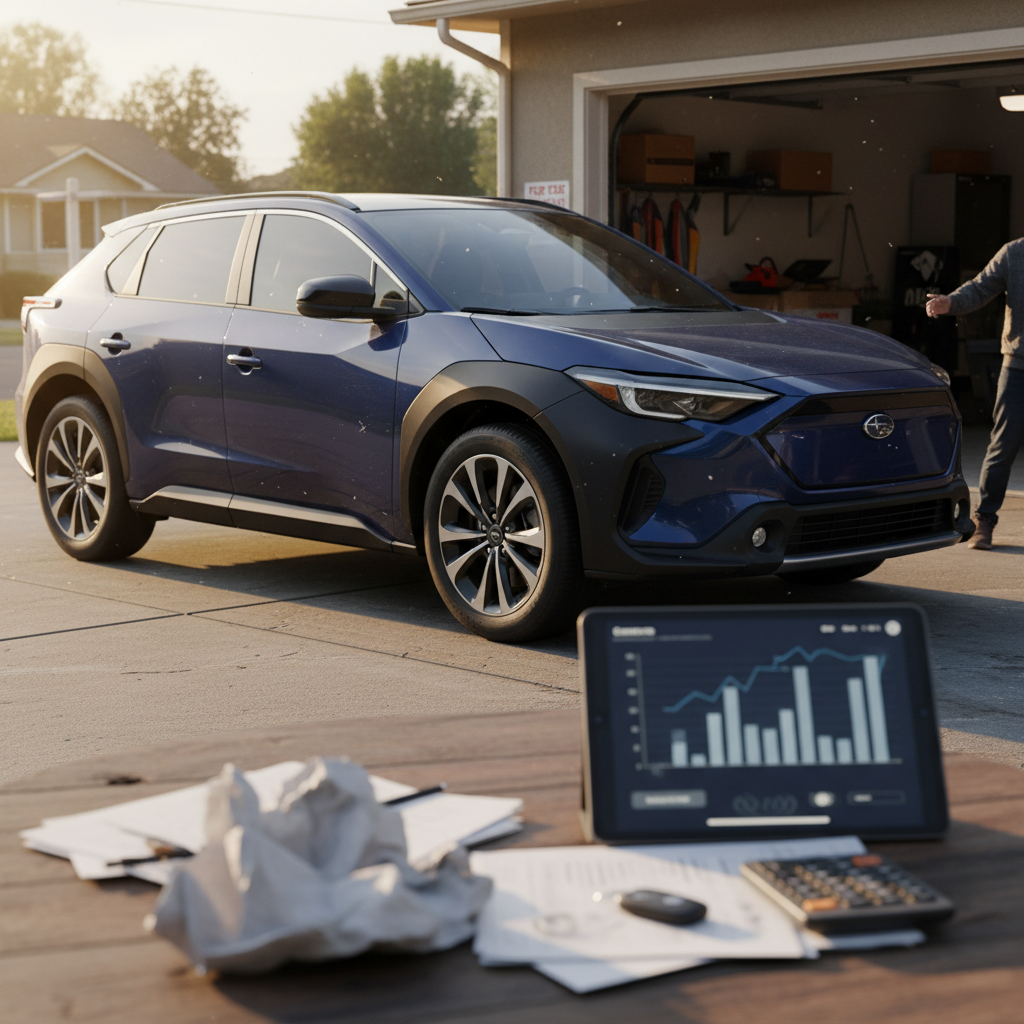
If you own a Tesla Model Y, you’re sitting on one of the most liquid EVs in the used market, but in 2025–2026, **when you sell it matters more than ever**. Between Tesla’s frequent price cuts, a surge of used inventory, and shifting incentives, picking the best time to sell your Tesla Model Y can mean thousands of dollars gained, or lost.
The short answer
Why timing matters for your Model Y sale
In a normal car market, depreciation is relatively predictable. With Teslas, it’s been anything but. Over the last few years, **used Tesla prices have fallen faster than the broader used market**, as Tesla slashed new-vehicle prices and rolled out updated models. That’s pushed many owners to sell early, putting even more downward pressure on resale values.
Three forces that drive your Model Y’s resale value
You can’t control the market, but you can time it
Tesla price cuts
When Tesla drops new Model Y prices, used values usually follow within weeks. Selling before a major cut or incentive shift preserves more of your equity.
Technology & battery age
Battery degradation on the Model Y is modest, but software and hardware updates make older cars feel dated faster. That compresses values after a few years.
Supply & demand swings
Record numbers of Teslas have hit the used market as early adopters switch brands or upgrade. When listings spike and demand softens, prices dip.
Why waiting can backfire
How fast does a Tesla Model Y depreciate?
Typical Tesla Model Y depreciation (recent real‑world data)
Those numbers paint an uncomfortable picture: **the steepest drop happens in the first 2–3 years**, and Tesla’s own pricing behavior can amplify the hit. At the same time, the Model Y is still one of the easiest EVs to sell quickly thanks to name recognition and strong demand from cost‑conscious buyers.
Rule of thumb
Best time of year to sell a Tesla Model Y
Used car prices move with the calendar, and EVs are no exception. Even in a softening Tesla market, **seasonality can give you a 5–10% swing in price**. Here’s how the year typically breaks down for U.S. sellers.
Seasonal timing for selling a Tesla Model Y
How demand usually shifts through the year, and what that means for your asking price.
| Time of year | Buyer demand | Impact on price | What it means for Model Y sellers |
|---|---|---|---|
| Late Feb – April (tax refund season) | High | Best | Many buyers have fresh cash for down payments. Strong window to list at a premium if supply in your area isn’t flooded. |
| May – early July | Medium–high | Good | Family road‑trip season and end of school year support demand. Good time to sell if you missed tax season. |
| Late July – September | Medium | Neutral | Back‑to‑school and later summer can be steady but not spectacular. Good for patient sellers with clean, low‑mile cars. |
| October – early December | Low–medium | Often weaker | Buyers get distracted by holidays and year‑end expenses. Listings sit longer unless aggressively priced. |
| Late December – January | Volatile | Depends | Can work if you undercut prices, but new‑model announcements and year‑end Tesla discounts can suddenly drag values down. |
Use this as a guide, then layer in what’s happening with Tesla announcements and local demand.
Ideal 2026 window
Mileage and age: when to consider selling
Seasonality is only half the story. Buyers anchor on **odometer and model year** just as much as price. That’s especially true with a vehicle like the Model Y, where many shoppers are upgrading from older gas crossovers and want their “first EV” to feel modern for years to come.
1–2 years old (under ~25,000 miles)
This is peak desirability: your Model Y still feels new, likely has most of its factory warranty left, and the battery has minimal degradation. You’ll get strong offers, but you’re also selling right after the steepest year‑one depreciation.
Best move: Consider selling here if you bought before a major Tesla price cut and can still come out ahead or near break‑even.
3–4 years old (~25,000–60,000 miles)
This is often the optimal value zone. The curve has started to flatten, buyers still see it as modern, and you’re exiting before post‑warranty anxiety kicks in for many shoppers.
Best move: If you’re already thinking about your next EV, this is usually the strongest mix of price and speed of sale.
5+ years old or 70,000+ miles
At this point, the depreciation curve is flatter, but buyers get pickier about battery health, accident history, and out‑of‑warranty repair risk. You can still find eager buyers, but it’s a more price‑sensitive audience.
Best move: Invest in a detailed inspection and present clear documentation of battery health to stand out.
High‑mileage commuters
If you’re racking up 18,000+ miles a year, depreciation outpaces the calendar. Crossing big psychological thresholds, like 50,000 or 75,000 miles, can dent buyer confidence.
Best move: Consider selling before you roll past those milestones, even if it’s slightly off your ideal calendar window.
Mileage thresholds to watch
Market signals that it might be time to sell
Beyond age and mileage, the broader Tesla and EV market is sending pretty clear signals. Recently, **used Tesla prices have fallen faster than the rest of the used car market**, and the Model Y has been among the hardest‑hit models. That doesn’t automatically mean you should panic‑sell, but it does mean you should pay attention.
Red flags that suggest selling sooner, not later
If several of these are true, waiting may cost you equity
Used prices dropping locally
You see similar Model Ys in your area cutting prices every week just to move. That’s a sign supply is high and buyers have options.
New inventory discounts
Tesla is aggressively discounting new Model Ys or bundling incentives, making your used example look relatively expensive.
Glut of listings
Platforms are suddenly flooded with Model Ys, especially of your trim and year. That competition can force you to chase falling prices.
Don’t chase a falling market

How incentives and new models impact your price
Tesla doesn’t follow the traditional model‑year playbook, but **software‑driven updates and surprise price cuts** can move the market overnight. Add federal and state incentives into the mix and you have a recipe for sudden value resets.
- New‑model announcement or major refresh (for example, a tech or design update to the Model Y) immediately makes older builds feel less desirable.
- Big, widely reported price cuts on new Model Ys compress the gap between new and used, forcing used sellers to follow.
- Changes to federal EV tax credit eligibility or state rebates can shift buyers from used to new, or the other way around, within weeks.
- Fleet sales or clearance events can dump additional used inventory into the market over a short period.
How to stay ahead of shocks
Pricing strategy: getting top dollar for your Model Y
Knowing *when* to sell is only half the equation. To actually capture that value, you need a **data‑driven pricing strategy** and a listing that builds trust around battery health, condition, and history.
Step‑by‑step pricing playbook
1. Benchmark your exact spec
Filter listing sites by year, trim, drive type, mileage, and options (like tow package or FSD). Ignore outliers; focus on what’s actually selling, not just asking.
2. Adjust for condition and battery health
A clean history report, strong tire/brake life, and verified battery health can justify a premium. Accident records, curb rash, or interior wear push you toward the lower end.
3. Respect the replacement cost
Look at the out‑the‑door price of a similar new Model Y after incentives. If your ask is too close, buyers will simply go new, especially with low‑APR financing.
4. Use psychological price bands
Whenever possible, land just under key thresholds: for example, $29,900 instead of $30,200. Buyers search in bands ("under $30k"), and small differences affect search results.
5. Decide on speed vs. max price
If time matters, price slightly below the market median and be ready to move. If you can wait, list toward the top of the realistic range but commit to regular price reviews.
Invest in presentation
Selling options: trade-in, private sale, or marketplace?
Once you’re confident it’s the right time to sell your Tesla Model Y, you’ll have three main paths: **dealer or direct trade‑in, private party sale, or a specialized EV marketplace** like Recharged. Each comes with different tradeoffs in price, speed, and effort.
How different selling paths compare for Model Y owners
Price isn’t the only variable, convenience and risk matter too
Trade‑in / instant offer
Pros: Fast, low‑friction, applied directly to your next purchase. No strangers at your house, no paperwork hassles.
Cons: Typically the lowest dollar amount, it’s wholesale value with a convenience premium for the buyer.
Private party sale
Pros: Highest potential sale price if you’re willing to vet buyers and negotiate.
Cons: Time‑consuming, more risk, and you handle test drives, paperwork, and payment security yourself.
Specialized EV marketplace
Pros: EV‑savvy buyers, transparent battery health reporting, and support with pricing and logistics.
Cons: May involve marketplace fees or commission, but still often nets more than a traditional trade‑in.
Where Recharged fits in
Ready to find your next EV?
Browse VehiclesSelling your Tesla Model Y with Recharged
If you’ve decided the time is right to sell, whether that’s to sidestep further depreciation or to move into your next EV, Recharged is built to make the process **data‑driven and low‑stress**.
- You can request an **instant offer** or explore **consignment** to potentially capture more value while Recharged handles marketing and buyer interactions.
- Every vehicle gets a **Recharged Score Report**, including verified battery health and fair‑market pricing benchmarks, so buyers understand exactly what they’re getting.
- If you’re trading out of your Model Y into another EV, Recharged offers **financing, trade‑in support, and nationwide delivery**, all through a fully digital experience or at their Experience Center in Richmond, VA.
- Transparent pricing and EV‑specialist support mean you’re not trying to explain over‑the‑air updates, range, or charging to a traditional dealer who doesn’t live in this world every day.
Not just for local sellers
FAQ: Best time to sell a Tesla Model Y
Frequently asked questions about timing your Model Y sale
The used Tesla market in 2026 rewards owners who pay attention. If you understand how depreciation, incentives, and seasonality interact, and time your sale accordingly, you can exit your Tesla Model Y with far more of your original investment intact. Whether you trade in, sell privately, or work with an EV‑focused marketplace like Recharged, the key is simple: **decide on your window, prepare early, and move decisively when the market is in your favor**.