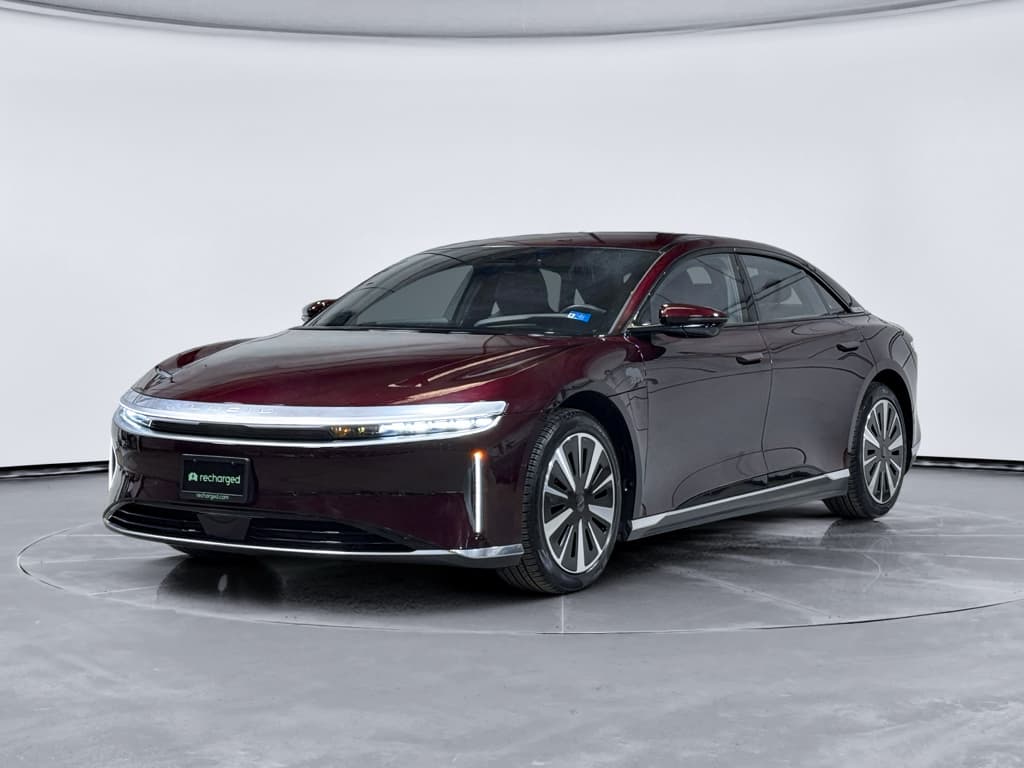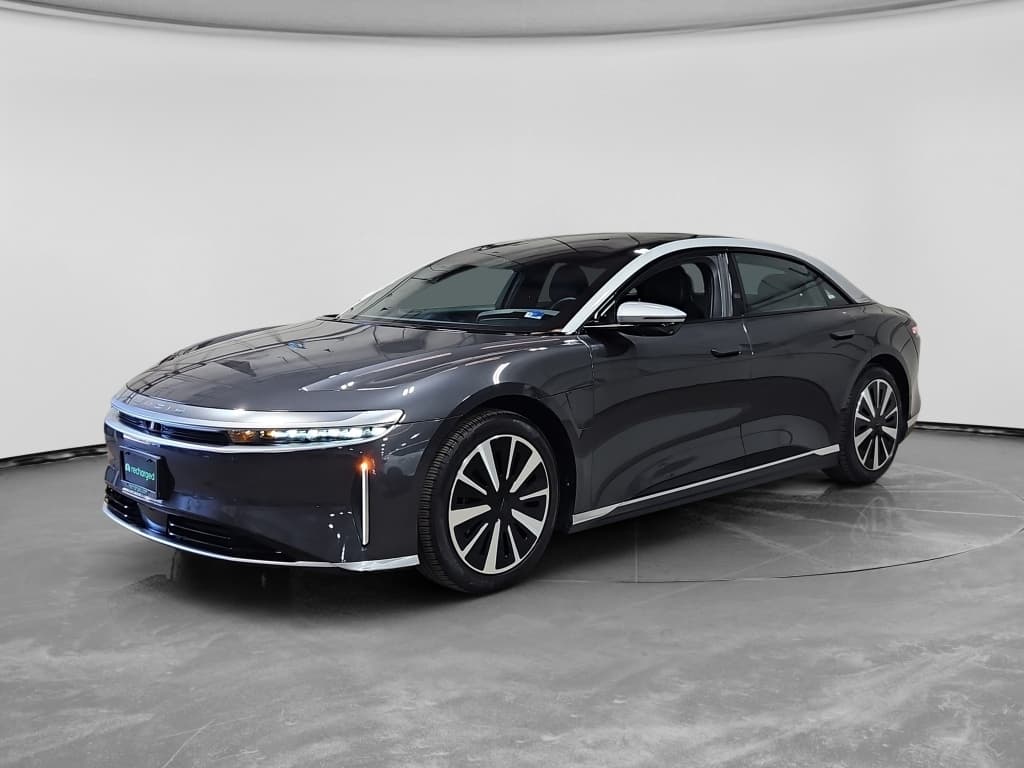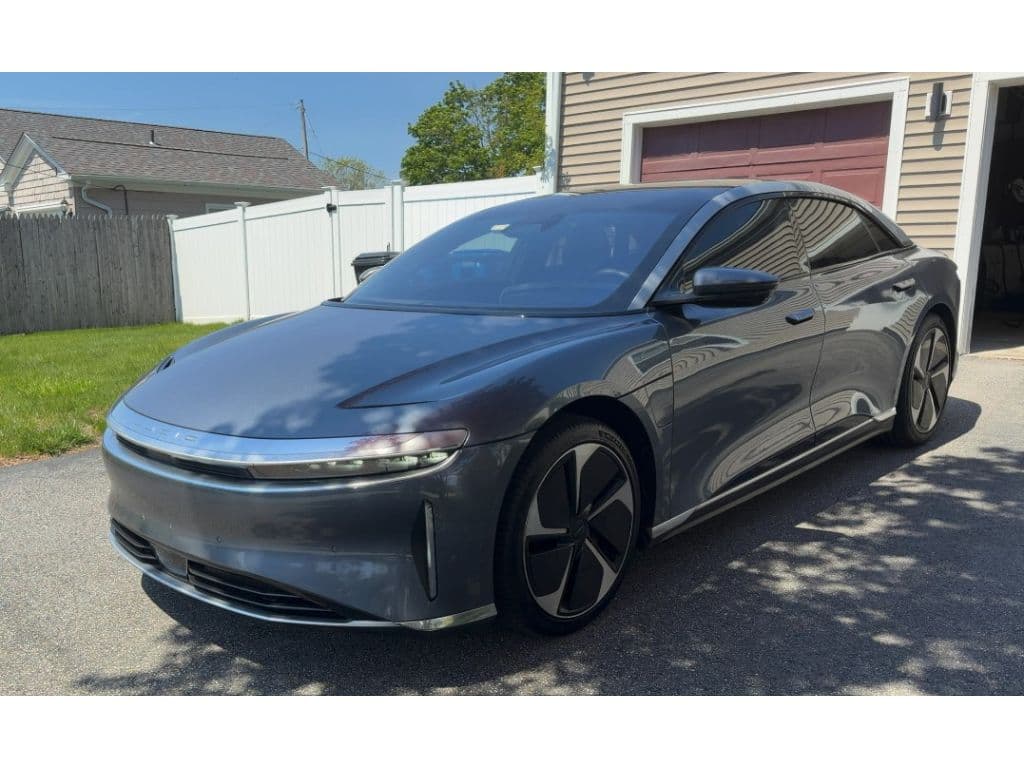
If you own a Lucid Air, you’re driving one of the most advanced luxury EVs on the road. But like any high-end electric sedan, timing your sale can mean the difference between breaking even on your loan and writing a painful check at payoff. Knowing the best time to sell a Lucid Air is about understanding depreciation, seasonality, and what’s happening in the broader EV market.
Quick answer
Why timing matters for your Lucid Air sale
Lucid is still a young brand, and the Air sits in a niche corner of the market: ultra-efficient, long‑range luxury EV sedans. That means small shifts in sentiment, incentives, or new model announcements can move prices more than they might for a mainstream crossover. If you sell during a lull, say, right after a big MSRP price cut or amid weak EV headlines, you could leave thousands on the table.
Five forces that move Lucid Air resale values
Understanding these helps you pick the right moment to sell
Depreciation curve
Seasonal demand
Battery confidence
New incentives
New trims & updates
Financing conditions
Think like a dealer
How Lucid Air depreciation really works
Depreciation is where timing really bites, or helps. The Lucid Air launched with high MSRPs and has seen price cuts and aggressive lease programs since, particularly for the Pure and Touring trims. That combination tends to pressure used values, especially in the early years.
Lucid Air depreciation snapshot (early years)
In plain English: if you bought new at full sticker, the worst time to sell is usually inside the first 12 months, especially right after a well‑publicized price cut. Once you’re past that initial drop and your loan balance has started to catch up with market value, you gain flexibility, and that’s when the calendar and market timing really matter.
Watch for new price moves
Seasonal best times to sell a Lucid Air
Even in the high‑end EV segment, the used‑car market follows a surprisingly predictable calendar. For a six‑figure luxury sedan like the Lucid Air, the best time to sell is when qualified buyers have cash in hand and are actively shopping.
Seasonal calendar: When selling your Lucid Air pays off
General patterns for the U.S. used‑car market, with notes for high‑end EVs like the Air.
| Season | Typical Timing | Impact on Lucid Air Demand | What It Means for Sellers |
|---|---|---|---|
| Tax-refund & bonus season | February–April | Buyers have cash from tax refunds and annual bonuses; luxury and EV segments benefit. | Often the best window of the year. List slightly earlier (late January) to catch early planners. |
| Spring car-shopping season | April–June | Weather improves; shoppers plan summer moves and road trips. | Strong demand and good pricing power, especially for clean, lower‑mileage Airs. |
| Mid-summer | July–August | Family and crossover demand dominates; sedans cool somewhat. | Solid but not peak demand; good if you need to sell quickly without waiting months. |
| Model-year changeover | August–October | New‑model announcements and incentive pushes on new inventory. | Can hurt used values if there’s a big refresh or price cut; consider selling before a major announcement. |
| Late fall | November–December | Focus shifts to holidays; some deal‑hunters, but less impulse buying at high price points. | OK for trade‑ins, but private‑party demand softens. Deep‑pocket buyers may look for bargains. |
| Early winter | December–January | Slow retail traffic, weather issues in many markets. | Usually the weakest time to sell unless your local market bucks the trend. Consider holding if you can. |
Seasonality won’t override depreciation, but it can easily swing your sale price by several thousand dollars on a Lucid Air.
Best seasonal window

Mileage and age sweet spots for selling
You can’t control the calendar, but you do control how quickly you rack up miles. For a data‑savvy buyer shopping used Lucid Airs, mileage is a quick proxy for battery wear, interior condition, and remaining useful life.
Key mileage and age checkpoints for Lucid Air owners
1. Under 15,000 miles (0–18 months)
This is “nearly new” territory. You’ll get top dollar, but unless you bought with heavy discounts, you may still be upside‑down on your loan.
2. Around 30,000 miles (2–3 years)
A prime time to sell. Depreciation has cooled, financing is starting to catch up, and buyers still see your Air as a low‑mileage luxury EV.
3. Around 45,000–50,000 miles
Many buyers mentally sort cars over 50,000 miles into a different bucket. Listing your Air before it crosses that mark can protect its perceived value.
4. Warranty and service milestones
Pay attention to major warranty expirations or recommended service intervals. Selling before a big ticket item is due can make your car more attractive.
5. Battery health documentation
Regardless of mileage, a strong, third‑party battery health report can help your Lucid stand out and justify a stronger asking price.
Use battery data to your advantage
Market trends: Lucid vs. other luxury EVs
The Lucid Air plays in the same airspace as the Tesla Model S, Porsche Taycan, BMW i7, and Mercedes‑Benz EQS. Over the last couple of years, demand for big luxury sedans has cooled relative to compact crossovers, but the Air has carved out a loyal niche thanks to its range and performance.
Where the Lucid Air holds up well
- Range and efficiency: Few competitors can touch the Air’s real‑world range, a big plus for second owners worried about road trips.
- Tech appeal: Over‑the‑air updates and a very modern interior make it feel newer for longer compared with some legacy luxury brands.
- Enthusiast buzz: Among EV fans, the Air is a status symbol, which supports demand for well‑specced used examples.
Where it’s more vulnerable
- Brand age: Lucid doesn’t have decades of resale history, which can make conservative buyers cautious.
- Headline risk: News about cash burn, production changes, or leadership turnover can spook shoppers, even when the product is solid.
- New‑car deals: Aggressive lease offers on new Airs or rival models can temporarily pull demand away from the used market.
What this means for timing
Life events, software changes, and model updates
Not every timing decision is about the calendar. Sometimes the best time to sell is when the car is about to change in ways that matter, for you or the next owner.
- Major software or hardware refresh: If Lucid announces a substantial cabin redesign, step‑change in range, or new driver‑assist hardware, expect earlier cars to feel older overnight.
- New body style or model (like Gravity): When a new model launches, some shoppers shift interest away from sedans toward SUVs. That can soften Air demand for a while.
- Your own life events: A move to a colder climate, a longer commute, or a new child can all change what you need from an EV. Holding out for a “perfect” month on the calendar may not be worth the stress if your life has already moved on.
- Policy or incentive changes: Announced changes to federal or state tax credits can front‑load demand into a particular quarter, then quiet the market once the change takes effect.
Don’t wait through a bad fit
Pricing strategy for your used Lucid Air
Once you’ve settled on when to sell, the next question is for how much. For a low‑volume, high‑tech car like the Lucid Air, pricing isn’t as simple as averaging a few classified listings.
How to set an asking price for your Lucid Air
Use multiple data points to triangulate a fair price, without undercutting yourself.
| Input | What it tells you | How to use it |
|---|---|---|
| Online valuation tools | Baseline private‑party and trade‑in ranges for your trim and mileage. | Make sure you’re comparing similar trims; Sapphire and Grand Touring values won’t match Pure. |
| Local listings | Real‑world asking prices in your market today. | Filter by radius, mileage, and options. Underprice tired, high‑mile cars; match clean comparables. |
| Auction and marketplace sales | What serious buyers have actually paid recently. | Look at completed sales, not just active listings, to avoid chasing unicorn prices. |
| Instant offers or trade‑ins | Real offers from dealers and online buyers. | Use these as your floor: if you list privately, your net should beat this by a meaningful margin. |
| Special features & options | Stealth packages, wheel upgrades, and audio packages can matter to the right buyer. | Highlight rare or desirable options in your listing and photos, but don’t expect dollar‑for‑dollar returns. |
Remember: list price is a starting point for negotiation, not a prediction of your final check.
Use a pricing band, not a single number
How to prepare your Lucid Air to sell fast
A well‑timed listing still won’t perform if the car looks neglected or raises question marks about its history. A few hours of prep can easily be worth thousands on a car at this price point.
Pre‑sale checklist for your Lucid Air
Detail the car inside and out
Have the interior professionally cleaned, touch up minor scuffs where possible, and make sure the glass, trim, and screens are spotless. Smudged displays and dusty carpets send the wrong signal.
Fix obvious, low‑cost issues
Replace worn wiper blades, top off fluids, inflate tires to spec, and clear any non‑serious warning messages if they’ve already been fixed.
Gather records and accessories
Service receipts, software update notes, charger cables, adapters, and both key cards all reassure a buyer, and can justify holding firm on price.
Document battery health
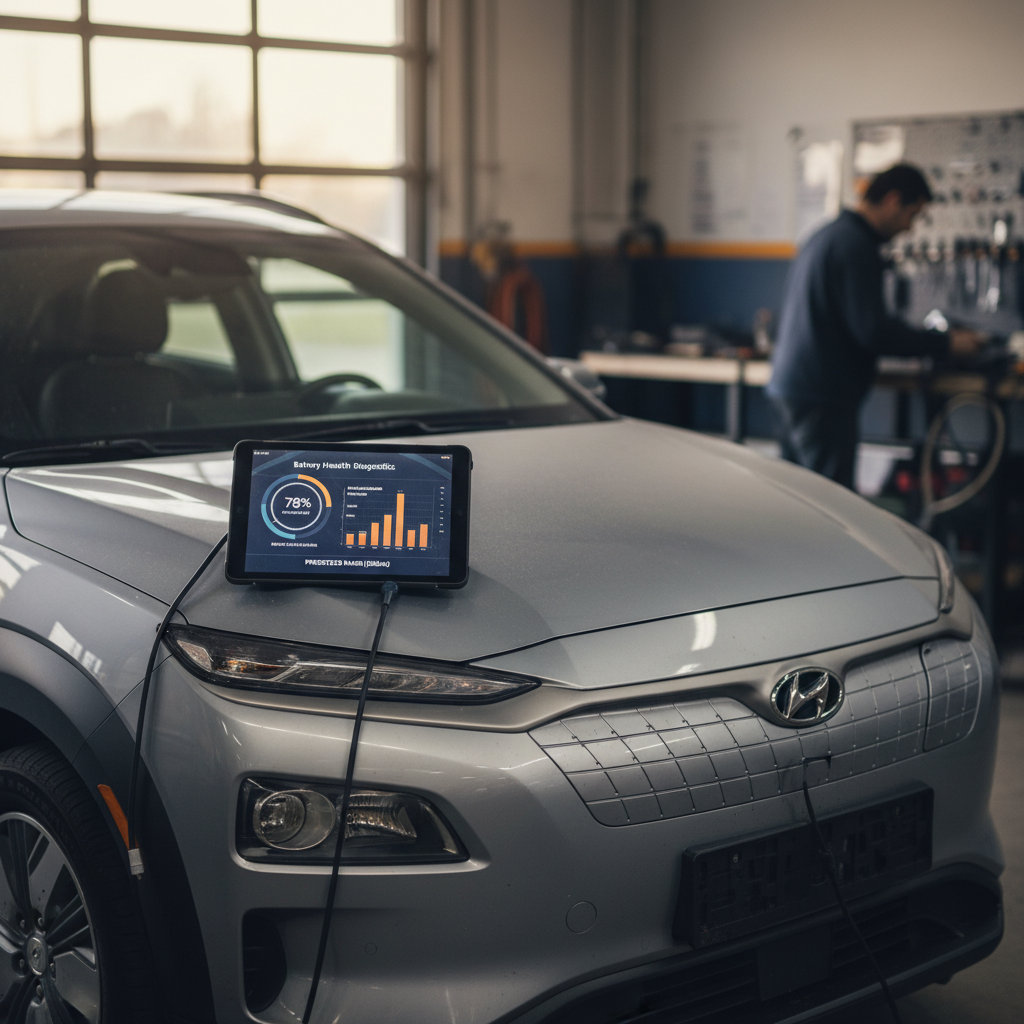
If you sell through Recharged, your Air gets a <strong>Recharged Score battery health diagnostic</strong>. If you’re selling elsewhere, be ready to show recent range data and charging habits.
Take high‑quality photos
Shoot in good light, show the driver display with mileage, highlight wheels and tires, and capture any cosmetic flaws honestly.
Write a clear, honest description
Call out original MSRP, key options, any remaining warranty, charging habits, and why you’re selling. Buyers of six‑figure EVs care about the story.
How Recharged helps
Ready to find your next EV?
Browse VehiclesWhere to sell: trade-in, instant offer, or marketplace
Getting the timing right is only half the equation. The channel you use to sell your Lucid Air can change your net proceeds by thousands of dollars and determine how much hassle you’re willing to tolerate.
Compare your sale options for a Lucid Air
Balance convenience, control, and price
Traditional trade-in
Best for: Convenience above all.
Pros: One‑stop transaction when you buy your next car, no strangers at your house.
Cons: Typically the lowest net value, especially for niche EVs a dealer may not want on the lot.
Instant cash offer / direct sale
Best for: Fast, low‑friction exit.
Pros: Quick quote, minimal negotiation, money in days.
Cons: Still usually below what a well‑marketed Lucid Air can fetch with the right audience.
Specialized EV marketplace
Best for: Maximizing price without going fully DIY.
Pros: EV‑savvy buyers, better understanding of Lucid’s tech, more realistic offers.
Cons: May take longer to find the right buyer; fees or commissions may apply.
Where Recharged fits in
FAQ: Best time to sell a Lucid Air
Frequently asked questions about selling a Lucid Air
Bottom line: When should you sell your Lucid Air?
If you’re looking for a simple rule of thumb, aim to sell your Lucid Air in years 2–4 of ownership, before it passes obvious mileage thresholds like 50,000 miles, and target the late‑winter through late‑spring window when qualified buyers are out in force. Stay alert to new‑car price cuts, major refreshes, and incentive swings, those can all shift the ground under used prices more quickly than you might expect.
At the same time, don’t let the pursuit of a perfect month keep you stuck in a car that no longer fits your life or budget. If you’re already thinking about selling your Lucid Air, this is a good moment to see where you stand. With Recharged, you can get a value estimate, explore trade‑in or instant‑offer options, or list your Lucid on a dedicated EV marketplace, all with transparent battery health data and expert support from start to finish.