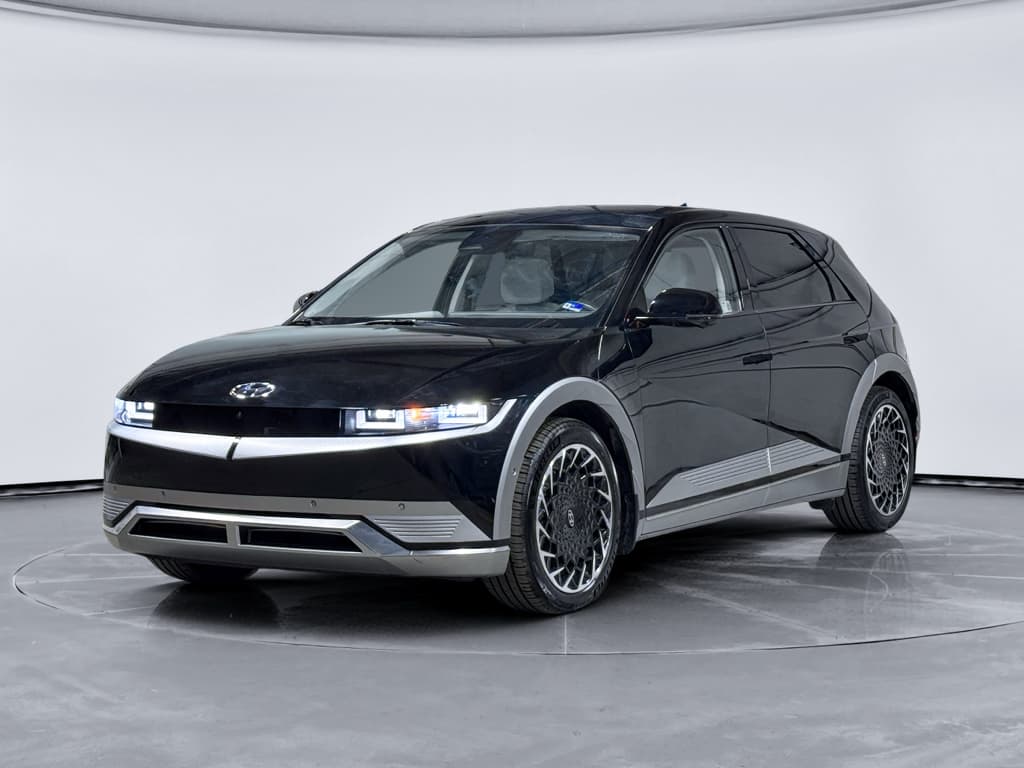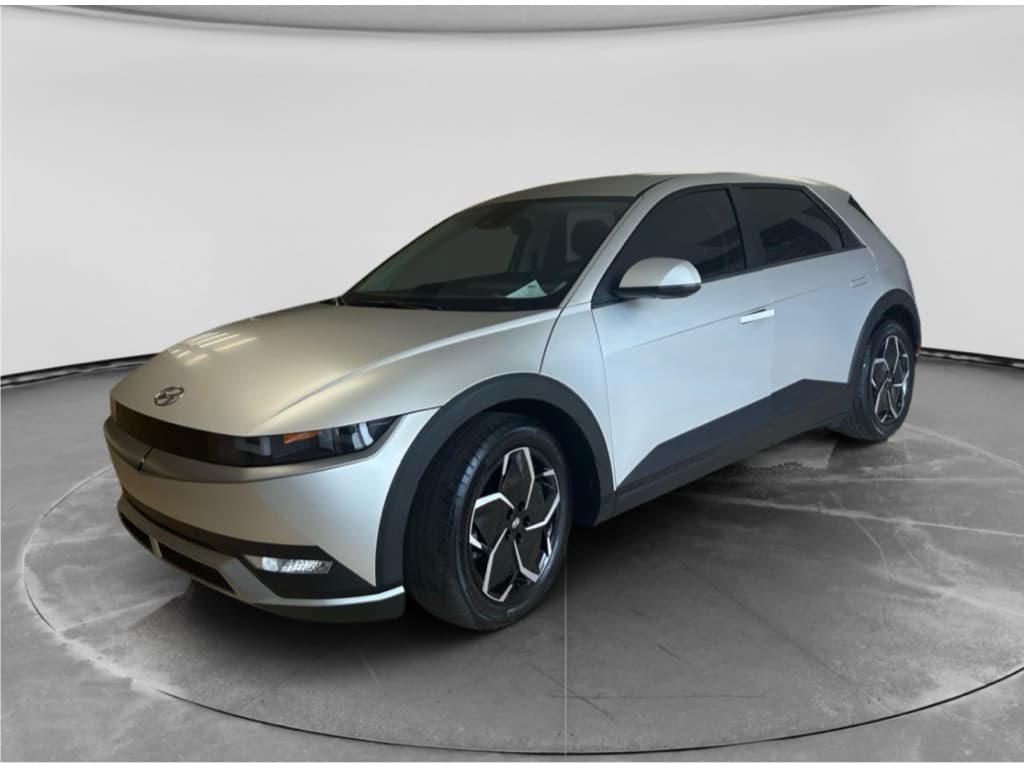
If you own a Hyundai IONIQ 5, you’re sitting on one of the most recognizable EVs on the road, but it’s also an EV caught in the middle of fast‑moving price cuts and policy changes. Knowing the best time to sell a Hyundai IONIQ 5 can mean the difference between squeezing out a strong resale number and riding depreciation all the way down.
Key takeaway
Why timing matters for Hyundai IONIQ 5 sellers
The used EV market in the U.S. is in transition. Federal EV purchase credits of up to $7,500 for new and $4,000 for used EVs ended for vehicles bought after September 30, 2025, and automakers have responded with aggressive price cuts and incentives on new models. That combination puts visible pressure on values for relatively young EVs like the IONIQ 5.
- New‑EV prices are dropping, especially on 2026 IONIQ 5 models, which were cut by roughly $7,600–$9,800 across trims, making brand‑new inventory more tempting for shoppers.
- Tax credits for new and used EV purchases are gone for vehicles bought after September 30, 2025, which changes how buyers compare used vs. new.
- EV shoppers have more options than ever, IONIQ 5 now competes directly with price‑slashed rivals from Tesla, Ford, GM and others.
Depreciation is front‑loaded
How the Hyundai IONIQ 5 is depreciating today
To talk about the best time to sell, you need a handle on how quickly the IONIQ 5 is actually losing value right now.
Hyundai IONIQ 5 depreciation snapshot
In plain language: the IONIQ 5 is not a value rock star. It’s an excellent EV, but early‑year depreciation is brutal. That’s why your timing window is narrower than with many gas SUVs.
Think in windows, not exact days
Best time to sell a Hyundai IONIQ 5 by model year
The right timing depends heavily on which model year you own, and when you bought it. Here’s how to think about it if you’re in the U.S. and looking ahead to late 2025 or 2026.
Suggested selling windows by IONIQ 5 model year
These ranges assume typical personal use, no major accidents, and mileage close to the segment average. If your situation differs, adjust earlier or later.
| Model year | Current age (early 2026) | Approx. mileage example | Risk if you wait | Suggested sell window |
|---|---|---|---|---|
| 2022 | ~4 years | 45,000–60,000 miles | Battery‑health questions rise; many cross 60k–70k miles; new 2026 IONIQ 5 prices undercut used values. | ASAP through mid‑2026 if mileage is high; before 70,000 miles if possible. |
| 2023 | ~3 years | 30,000–45,000 miles | Right at the tail end of steepest depreciation. Waiting longer offers diminishing returns and pushes you toward higher‑mileage pricing tiers. | Prime window: now through late 2026, especially before 50,000 miles. |
| 2024 | ~2 years | 20,000–30,000 miles | Already down more than half from original MSRP in many cases; looks pricey vs. cheaper 2026 new models. | Consider listing between late 2025 and end of 2027, before 45,000 miles. |
| 2025 | ~1 year | 10,000–20,000 miles | 5‑year depreciation forecast is heavy; but if you bought with big incentives, you may have equity earlier than typical. | If you want out early, selling around years 2–3 (2027–2028) should preserve more value. |
| 2026 | Brand new | Under 10,000 miles | Sticker prices are lower than prior years, and incentives may return at the state/utility level. | Only sell early if your needs change; otherwise plan for a 3–5‑year horizon. |
Use this as a starting point; local market conditions and your personal needs still matter.
Rule of thumb by ownership age
If you bought early (2022–2023 launch wave)
You’ve already absorbed the steepest hit. If your 2022–2023 IONIQ 5 is creeping toward 60,000+ miles, 2026 is a logical exit year, especially if you plan to upgrade into newer tech like higher‑range or NACS‑native EVs.
Waiting another 2–3 years will likely push you into a much lower price tier where buyers expect a discount for age, mileage, and out‑of‑warranty repairs.
If you bought recently (late‑2024 or 2025)
You might be surprised to find you’re not as underwater as you’d expect, thanks to heavy rebates and price cuts. But with forecast 5‑year depreciation around $30,000, holding forever isn’t free.
If life changes or you’re eyeing something different, selling around year 3 instead of year 5 can protect thousands in value.
Seasonal timing: When demand peaks in 2025–2026
Beyond model year, the calendar still matters. EV demand in the U.S. tends to be lumpy, and the IONIQ 5 is no exception.
Best seasons to list your IONIQ 5
Use the calendar to give your listing a tailwind.
Spring (March–May)
Why it works: Tax refunds hit, weather improves, and shoppers start thinking about summer road trips.
List in late March or April to capture buyers with fresh cash and flexible timing.
Early summer (June)
Why it works: Families shop before road trips and school‑year changes. EVs look especially attractive as gas prices rise.
Try to list before July, when vacation schedules and heat can cool buyer urgency.
Late fall (Nov–Dec)
Why it can work: Deal‑hunters look for year‑end bargains, and some shoppers rush to buy before policy or pricing changes kick in.
This can be a solid window if you price aggressively and highlight winter range performance.
Watch out for new‑model launches
How expired EV tax credits change the game
For several years, federal incentives helped keep EV prices buoyant. That’s no longer the case. Under the One Big Beautiful Bill Act, federal purchase credits for both new and used EVs ended for vehicles acquired after September 30, 2025. Buyers can no longer count on up to $7,500 off new or $4,000 off used at the federal level.
- New‑EV buyers lost a major subsidy, so automakers, including Hyundai, have cut stickers and leaned on cash incentives to keep metal moving.
- Used‑EV buyers can’t count on a $4,000 federal used‑EV credit anymore, which shrinks the price gap they’re willing to tolerate versus a discounted new IONIQ 5.
- State and utility incentives still exist in many regions, but they vary widely and often favor new vehicles or home charging hardware rather than used EV purchases.
What this means for your timing
Mileage and battery-health milestones that move your price
Even more than model year, used‑EV buyers obsess over mileage and battery health. The IONIQ 5 is no different. Two identical 2023s can be thousands of dollars apart based purely on odometer reading and how their packs test.
Mileage and battery checkpoints for IONIQ 5 sellers
Hitting each of these odometer and health tiers changes how buyers, and algorithms, see your car.
| Odometer range | What buyers think | Battery expectations | What it means for timing |
|---|---|---|---|
| Under 20,000 miles | Effectively “like new” for many shoppers | Minimal degradation expected; buyers assume near‑original range. | If you bought in 2023–2024 and drive very little, you can command a premium, especially in the spring market. |
| 20,000–40,000 miles | Normal use, still “young” | Light range loss is acceptable, but buyers want proof the pack is healthy. | This is often your strongest blend of utility and resale value. Selling in this band is ideal for many owners. |
| 40,000–60,000 miles | Serious commuter car | Buyers start asking hard questions about daily fast‑charging and highway use. | This is a key decision zone, consider selling before you hit 60,000 miles if you want mainstream buyer interest. |
| 60,000–90,000 miles | High‑mileage EV | Shoppers expect a discount and often demand recent battery‑health reports. | If you’re beyond 60,000 miles, documentation and pricing discipline matter more than perfect timing. |
| 90,000+ miles | Value shopper territory | Only price‑sensitive or EV‑savvy buyers seriously consider these cars. | Sell whenever it suits your life, timing is less important than transparent condition and a fair price. |
If you’re close to the next tier, consider selling *before* you cross it.
Get a third‑party battery report

Signals that it’s the right time to sell your IONIQ 5
Data is useful, but your personal situation matters just as much. Here are practical signs it’s time to move on from your IONIQ 5.
Common “it’s time to sell” scenarios
If two or more of these sound familiar, your timing window is probably open.
Your driving pattern changed
- You moved farther from work and now fast‑charge more often.
- Family needs changed and you need 3 rows instead of 2.
- You drive far less and don’t need a relatively new EV tied up in the driveway.
You’re upside‑down or barely ahead
- Your loan balance is close to or above market value.
- New 2026 IONIQ 5 prices plus incentives are now close to what you owe.
- Selling sooner might protect your equity rather than watching it disappear.
Battery or charging frustrations
- Real‑world range feels tight in winter.
- You rely heavily on public DC fast charging with inconsistent experiences.
- You’d like NACS‑native charging or a longer‑range pack.
Warranty clock is ticking
- You’re approaching the end of bumper‑to‑bumper coverage.
- Repairs or out‑of‑warranty concerns make you nervous.
- Buyers pay more for EVs with significant factory coverage remaining.
Don’t ignore negative equity
Where to sell: Trade‑in, instant offer, or EV marketplace
Once you’ve decided it’s the right time, the next choice is where to sell your Hyundai IONIQ 5. Each channel has a different balance of price vs. convenience.
Traditional dealer trade‑in
- Pros: Fast, bundled into your next purchase, minimal paperwork.
- Cons: Often the lowest number on the table, and many non‑EV‑focused stores are conservative on EV values.
Best when you prioritize time and simplicity over absolute top dollar.
Online instant‑offer services
- Pros: Easy quotes, multiple offers to compare, you can sell without buying.
- Cons: Numbers can move after in‑person inspection; not all services understand EV battery value well.
Great for benchmarking what your IONIQ 5 is really worth before you negotiate locally.
Specialized EV marketplaces (like Recharged)
- Pros: EV‑savvy pricing, battery‑health reports, national audience, and options like consignment or instant offers.
- Cons: May take a bit longer than a same‑day trade‑in, but usually with a stronger sale price.
Best if you want EV‑specific expertise and transparency while still keeping the process digital and streamlined.
How Recharged can help you sell smarter
Ready to find your next EV?
Browse VehiclesChecklist: Steps to maximize your IONIQ 5 sale price
Pre‑sale checklist for Hyundai IONIQ 5 owners
1. Time your sale before a mileage cliff
If you’re sitting near 30,000, 45,000 or 60,000 miles, decide whether you can list and sell before you cross the next threshold. Even a few hundred miles can change how automated pricing tools treat your car.
2. Gather service, charging, and warranty records
Pull your maintenance records, tire receipts, and any DC fast‑charging history you can document. Buyers of used EVs want proof the car was cared for, not fast‑charged to 100% every day.
3. Get a professional battery‑health assessment
A third‑party diagnostic, like the Recharged Score battery report, gives concrete data on pack health, usable capacity, and expected range. This reassures buyers and supports your asking price, especially above 40,000 miles.
4. Address obvious reconditioning items
Fix curbed wheels, replace worn tires, and handle low‑cost cosmetic issues. A couple hundred dollars in cleanup can add real money to offers, especially when buyers are cross‑shopping polished dealer inventory.
5. Price with both retail and wholesale in mind
Look at what similar IONIQ 5s list for in your region, then compare instant‑offer and trade‑in numbers. Decide where on that spectrum you’re comfortable landing given your timeline and hassle tolerance.
6. Highlight EV‑specific benefits in your listing
Call out remaining battery warranty, real‑world range, included charging equipment, and any software updates. Many shoppers are new to EVs, reminding them of low running costs and at‑home charging can justify your price.
Frequently asked questions about selling an IONIQ 5
Hyundai IONIQ 5 resale FAQs
Bottom line: When should you sell your Hyundai IONIQ 5?
Selling a Hyundai IONIQ 5 is all about getting ahead of steep depreciation while your mileage and battery health still look attractive to the next owner. In today’s market, that usually means targeting a window between years 2 and 4 of ownership, staying under about 45,000–60,000 miles, and being mindful of new‑model price cuts that can quickly reset buyer expectations.
If you suspect you’re in that window now, run the numbers. Compare trade‑in, instant‑offer, and marketplace options, and consider getting a professional battery‑health report. At Recharged, we combine EV‑specific pricing data with our Recharged Score battery diagnostics and expert support to help IONIQ 5 owners decide whether it’s time to sell, trade, or hold, and to make the process as transparent and low‑stress as possible if you choose to move on.