If you’re researching 2023 Nissan Ariya problems, you’ve probably seen a mix of glowing owner reviews and scary forum posts about dead batteries and "EV System" warnings. The truth sits somewhere in the middle: the Ariya is generally a solid electric SUV, but there are some patterns you should understand, especially if you’re shopping used.
Quick take
2023 Nissan Ariya problems: what shoppers are really seeing
The Ariya is Nissan’s second mass‑market EV after the Leaf and launched in the U.S. as a 2023 model. It arrived with a modern interior, competitive range, and all‑wheel‑drive options, but also during a disruptive supply‑chain period and with brand‑new hardware and software. That combination often means **teething issues**, and the Ariya is no exception.
Nissan Ariya reliability snapshot (early data)
Those survey numbers sound alarming at first, but most Ariya repairs so far have involved software updates or minor components rather than expensive battery or motor replacements. At the same time, there are some real pain points you should understand before you sign a contract or keep your Ariya beyond the basic warranty.
Context matters
How reliable is the 2023 Nissan Ariya overall?
On paper, the 2023 Ariya sits in the middle of the EV‑SUV pack for reliability. Independent surveys put it behind ultra‑reliable standouts but ahead of some rivals that have struggled with serious hardware problems. The pattern is clear: lots of minor faults, few catastrophic failures so far.
Where the Ariya fits among electric SUVs
Big picture view for a 2023 buyer or used‑EV shopper
Drivetrain & battery
Outside of an early inverter software campaign, there’s little evidence of widespread motor or high‑voltage battery failures on 2023 Ariyas so far. Most owners report smooth, quiet power delivery.
Annoying but fixable issues
The bulk of complaints involve 12‑volt batteries, warning lights, and software glitches that can leave the car undriveable until reset or repaired, but usually without long‑term damage.
Dealer & parts experience
Because the Ariya is a lower‑volume EV, some owners have faced long waits for parts or limited EV expertise at their local dealer, which can stretch simple problems into multi‑week repairs.
Good news for used shoppers
Most common 2023 Nissan Ariya problems
If you scan owner forums, survey data, and early service records, a few distinct 2023 Nissan Ariya problems show up again and again. Here’s what to watch for, and how serious each issue really is.
1. 12‑volt battery failures and "bricked" cars
By far the most frequently discussed Ariya issue is the 12‑volt battery dying unexpectedly. When this small battery fails, it can completely disable the vehicle, even though the large high‑voltage pack is fine. Owners describe cars that won’t unlock, won’t shift into neutral, can’t be towed easily, and are peppered with warning messages when they do wake back up.
- Multiple owners have reported their Ariya suddenly refusing to start after being parked, with the 12‑volt battery testing weak or failing shortly afterward.
- When the 12‑volt dies, the car’s electronic latches and shifter may not work, making towing and roadside assistance more complicated.
- Some owners needed more than one 12‑volt battery replacement within the first couple of years. Others have had no issues at all, suggesting a mix of supplier variation and usage patterns.
How to protect the 12‑volt system
- Asking a dealer to test the 12‑volt battery before purchase.
- Setting the car to wake regularly if it sits for long periods.
- Keeping a compact jump pack in the trunk, especially if you rely on street parking or can’t easily access roadside help.
2. "EV System" warnings and limp‑mode behavior
A smaller but significant group of owners have seen "EV System" fault messages or similar warnings. In some cases the Ariya will still drive, but only with very limited power. In other cases, it refuses to start until the fault is cleared by a dealer.
- Drivers report incidents where power suddenly drops and the car crawls, forcing them to pull over and restart.
- Other owners say the car wouldn’t start at all, displaying messages that it needed EV system maintenance.
- Many of these events have been resolved by software updates, control‑module replacement, or diagnosing a failing 12‑volt battery that triggered a cascade of false errors.
Safety angle
3. Infotainment freezes and app connectivity issues
Like many new‑generation EVs, the 2023 Ariya relies heavily on its central screen and networked software. Owners occasionally report frozen touchscreens, laggy Android Auto or Apple CarPlay connections, and glitches with the NissanConnect app that controls remote climate and charging.
- A hard reboot, holding the power/volume button until the screen restarts, usually clears temporary glitches.
- Some early owners had trouble getting the smartphone app to consistently connect, especially after software updates, though many say it stabilized over time.
- These issues are annoying rather than dangerous but can affect route planning, charging station search, and cabin comfort.
4. Ride, suspension noises, and build‑quality nitpicks
A smaller set of owners complain about suspension noises, a light or disconnected steering feel, or interior trim that doesn’t match the Ariya’s price tag. A handful have reported minor rattles or clunks over rough pavement.
These concerns are more about perceived quality and tuning than mechanical failure. But if you’re buying used, a careful test drive on imperfect roads is essential, especially on big‑wheel trims where tire and suspension noise is more noticeable.
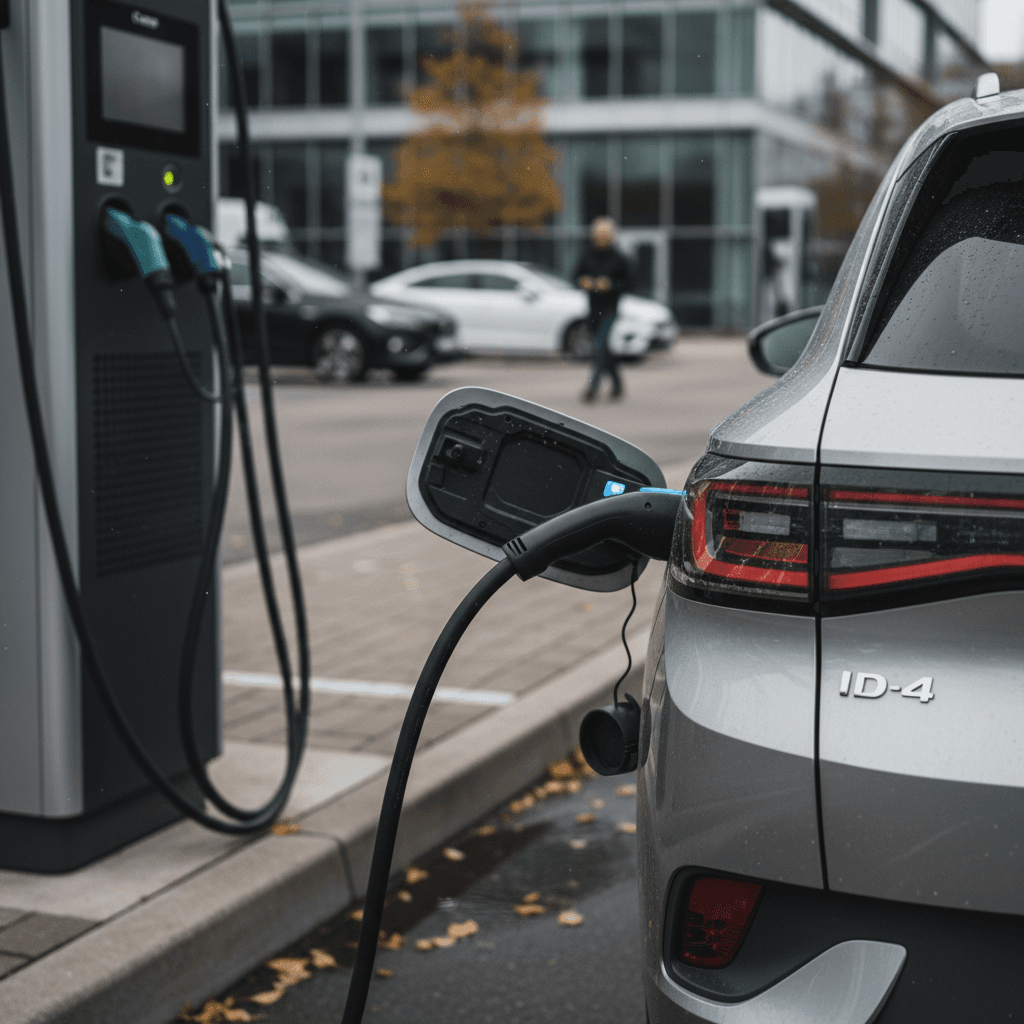
Battery health, range, and fast‑charging behavior
For most shoppers, the biggest fear around any used EV is the high‑voltage battery. So far, the 2023 Ariya is reassuring here: owner reports from vehicles with tens of thousands of miles show little visible degradation, and many still match their original EPA‑rated range in daily use.
Real‑world battery degradation
Owners of 2023 Ariyas with the larger 87 kWh pack report:
- 20,000–70,000 miles with no noticeable drop in displayed range.
- Daily Level 2 charging, often to 100%, without obvious harm so far.
- Long highway trips and periodic DC fast charging with no major capacity loss.
Some of this is likely due to Nissan’s conservative battery buffer and active thermal management, which can hide early degradation from the driver, but that’s still good news for range in the real world.
Range and charging expectations
Depending on trim, a 2023 Ariya offers roughly 205–304 miles of EPA range when new. Expect less in winter, at highway speeds, or with roof racks and cargo.
Fast‑charging performance is solid but not best‑in‑class. Most owners see typical modern EV behavior: a quick ramp to a peak, then a taper as the battery fills, especially past 80%.
More concerning are rare cases where a charging session appears normal but the car later shows 0% and won’t drive. These seem to be outliers, possibly involving safety shut‑offs or communication glitches between the charger and vehicle.
How to check Ariya battery health
- Ask for a recent screenshot of the car’s estimated range at 100% and typical state of charge.
- Use an OBD‑II dongle and a compatible app to read detailed battery data, if the seller agrees.
- Look for a third‑party battery health report, like the Recharged Score, which independently verifies usable capacity and fast‑charge performance.
2023 Nissan Ariya recalls and software fixes
Beyond individual complaints, it’s important to understand the official recalls and service campaigns that affect the 2023 Ariya. These are issues Nissan has acknowledged and is obligated to fix.
Key recall and service actions for 2023 Ariya
Exact campaigns vary by VIN; always run a VIN check with Nissan or NHTSA before you buy.
| Issue type | What can happen | Typical fix | Owner cost |
|---|---|---|---|
| Inverter software / motor shut‑off | Under specific conditions, conductive fibers in the motor could cause the inverter to trigger a shut‑off at low speeds. | Dealer updates inverter control software; visit takes roughly an hour in most cases. | None (performed under recall/warranty). |
| EV control module updates | Spurious "EV System" fault messages or limp‑mode events. | Software reflash or replacement of control modules after diagnosis. | Usually none under warranty; out‑of‑warranty cars may pay a diagnostic fee. |
| 12‑volt battery / charging logic (dealer TSBs) | Weak 12‑volt battery that fails early or isn’t properly maintained by the car’s DC‑DC converter. | 12‑volt battery replacement, charging‑logic checks, and software updates if available. | Battery often covered in early life; confirm with dealer. |
Not every 2023 Ariya is affected by every campaign, production dates and equipment matter.
How to check recall status
Ownership costs: depreciation, repairs, and downtime
Because the Ariya launched at a relatively high price and later faced heavy EV discounting and a planned discontinuation in the U.S., 2023 models have depreciated quickly. For used shoppers, that’s an opportunity, but it’s also a warning to understand total ownership cost.
Key 2023 Ariya ownership considerations
Costs go beyond electricity and insurance
Sharp early depreciation
Some early buyers paid in the $60,000 range for top trims that now sell used for roughly half that. As a used buyer, you benefit from the drop, but expect future depreciation to be closer to the broader EV‑SUV market.
Warranty vs. repair risk
Most 2023 Ariyas on the market still have substantial coverage on the battery and electric drivetrain. The bigger near‑term risk is time without the car if a problem takes days or weeks to diagnose and fix.
Service delays & downtime
Because Ariya volumes are modest and some dealers are still building EV expertise, repairs that should be quick can drag, especially when parts need to be shipped. Ask the seller for any service history showing repeated visits or long wait times.
Plan for the unexpected
Pre‑purchase checklist for a used 2023 Nissan Ariya
If you’re looking at a 2023 Nissan Ariya on the used market, you want to separate the good deals from the future headaches. Use this checklist to structure your test drive and inspection.
10 things to check before you buy a 2023 Ariya
1. Recall and software status
Run the VIN through Nissan and NHTSA lookup tools, and ask the seller for documentation that all recalls and recommended software updates have been completed.
2. 12‑volt battery condition
Ask the dealer or a trusted shop to load‑test the 12‑volt battery. If it’s original and the car is a 2023 build, consider negotiating a fresh battery or budget for replacement.
3. Warning lights & messages
Start the car several times and drive in different modes. Any "EV System" warnings, check‑engine lights, or repeated alerts are red flags that warrant a deeper diagnostic before purchase.
4. Charging behavior
Test Level 2 charging at a public station or home charger if possible. Confirm the car starts charging quickly, maintains a steady rate, and displays a reasonable time‑to‑full estimate.
5. Range vs. EPA rating
With a full or nearly full battery, compare the estimated range on the dash to the original EPA rating for that trim. A modest difference is normal; a huge gap may signal battery or calibration issues.
6. Infotainment and app performance
Pair your phone, test Android Auto or CarPlay, and try the NissanConnect app if the seller has it set up. Watch for frequent disconnects or frozen screens.
7. Suspension and steering feel
Drive over imperfect pavement at neighborhood and highway speeds. Listen for clunks or rattles and pay attention to whether the steering feels nervous or floaty for your taste.
8. Panel gaps and interior wear
Walk around the car and look for uneven gaps or signs of collision repair. Inside, check switches, seat adjustments, and soft‑touch surfaces for unusual wear for the mileage.
9. Service history
Request a printed service history. A car that’s had recall work and a couple of minor repairs is normal; one that’s been in repeatedly for the same issue deserves extra scrutiny.
10. Independent battery health report
When possible, get a third‑party EV battery assessment, such as a Recharged Score Report, which measures usable capacity and fast‑charge behavior instead of relying solely on the dash estimate.
How Recharged can simplify this
Ready to find your next EV?
Browse VehiclesWhen a used 2023 Ariya is a smart buy
Despite the list of 2023 Nissan Ariya problems above, many owners report trouble‑free driving and love the car’s quiet ride, strong acceleration, and upscale cabin. The key is to match the car’s strengths and weaknesses to your use case and risk tolerance.
Good scenarios for a used 2023 Ariya
- You want a comfortable, quiet commuter with more character than the average crossover.
- You drive mostly within the Ariya’s range envelope and have reliable Level 2 charging at home or work.
- You’re buying at a substantial discount versus original MSRP and understand that some tech quirks and dealer visits are possible.
- You value a relatively fresh battery and drivetrain backed by long factory warranties.
When you may want to look elsewhere
- You live far from a Nissan dealer that’s comfortable servicing EVs and can’t afford long downtime.
- You’re extremely sensitive to software hiccups or occasional warning lights, even if they’re harmless.
- You regularly take long road trips in areas with sparse CCS fast‑charging, where any charging‑related quirk becomes a serious headache.
- You’d prefer a model with a longer, more established reliability record in the EV‑SUV segment.
If you go in with clear eyes, understanding the 12‑volt battery risks, EV system warnings, and software quirks, the 2023 Nissan Ariya can be a compelling value on the used market. The high‑voltage battery looks strong so far, most serious issues are covered by warranty, and depreciation has already done a lot of the financial damage for you. Pair that with a thorough inspection and a trusted battery‑health report, and you’ll have a much better shot at landing an Ariya that delivers its sleek looks and smooth EV drive without the drama.