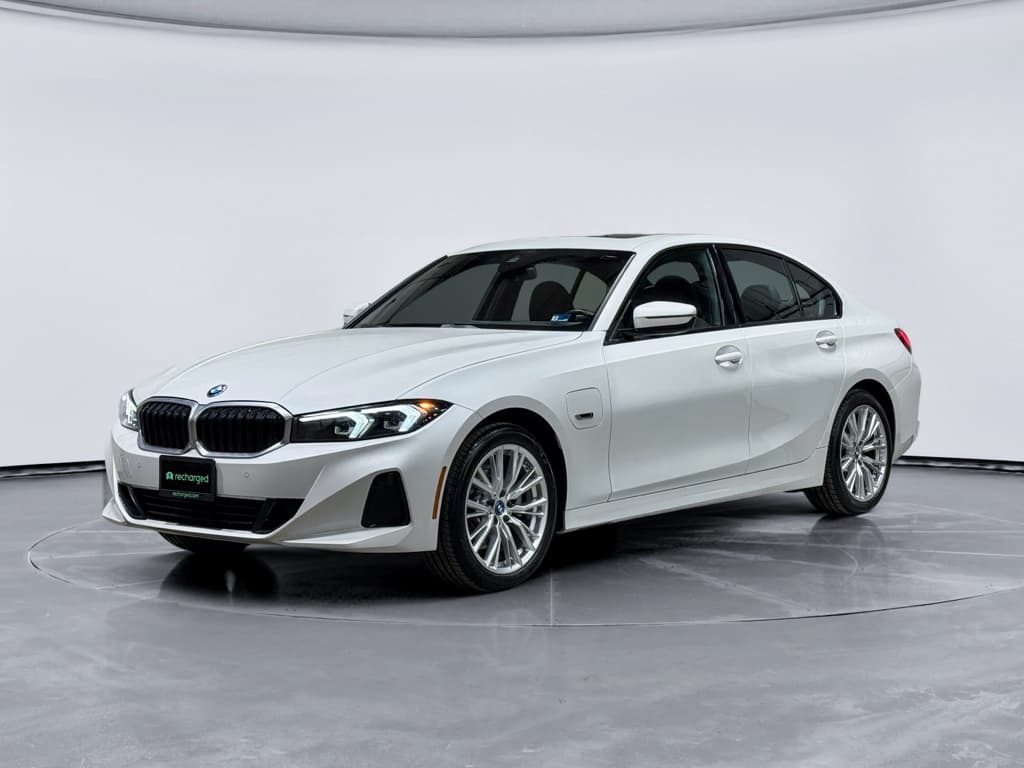
If you own a BMW i5, you’re sitting on a fantastic EV, and a fast‑moving asset. The best time to sell a BMW i5 isn’t just “whenever you feel like it.” Because luxury EVs depreciate quickly, especially in their first few years, getting the timing right can mean thousands of dollars difference in what you pocket.
What this guide covers
Why timing your BMW i5 sale really matters
The BMW i5 is still a relatively new electric 5 Series, but early data already shows what we’ve seen across the luxury EV segment: big front‑loaded depreciation, then a more gradual slide. That’s partly because new‑EV pricing is volatile and incentives keep shifting, and partly because shoppers remain cautious about long‑term battery life and rapid tech turnover.
Luxury EV depreciation snapshot (2025–2026)
Depreciation tools can mislead
BMW i5 depreciation curve: what the first 5 years look like
The 2024–2025 BMW i5 eDrive40 launched in the high‑$60,000s and up, depending on options. Early resale and modeling for similar luxury EVs point to a pattern that looks roughly like this (assuming typical mileage and clean condition):
Illustrative 5‑year BMW i5 depreciation curve
Approximate value trajectory for a well‑equipped BMW i5 eDrive40 in the US, assuming ~12,000–15,000 miles per year and normal wear.
| Owner year | Vehicle age | Estimated value vs. original MSRP | What’s happening in the market |
|---|---|---|---|
| Year 1 | 0–12 months | ≈75% of MSRP | Steep initial drop as discounts, demo units, and early leases reset real transaction prices. |
| Year 2 | 12–24 months | ≈65% of MSRP | Depreciation still brisk; more off‑lease and lightly used i5s appear, and new‑EV incentives keep pressure on prices. |
| Year 3 | 24–36 months | ≈55–60% of MSRP | Values start to stabilize. For many buyers, a 2–3‑year‑old i5 becomes the value sweet spot. |
| Year 4 | 36–48 months | ≈48–52% of MSRP | Depreciation slows a bit, but tech and range expectations rise, especially if BMW updates the i5 or a Neue Klasse successor is announced. |
| Year 5 | 48–60 months | ≈40–45% of MSRP | Battery health, warranty status, and charging tech compatibility play a bigger role than model‑year bragging rights. |
Use this as a directional guide, not an appraisal. Market conditions, incentives, and spec differences can move real prices up or down.
Use your own MSRP, not sticker memories
Best time to sell a BMW i5 by age and mileage
When people ask about the “best time to sell a BMW i5,” they’re usually really asking two questions: how old and how many miles is too many before buyers start to back away? Here’s how the sweet spot breaks down.
Age & mileage sweet spots for selling a BMW i5
If you could choose your exit, here’s where the math usually works best for US owners as of 2025–2026.
0–18 months, under 15k miles
Who this suits: Early adopters who want the newest tech and can live with swapping cars often.
- Resale is still relatively high versus MSRP.
- Most factory warranty intact, battery essentially “new.”
- Appeals to buyers who want a deal vs. new but won’t touch older EVs.
Downside: You’ve already eaten the steepest part of year‑one depreciation, so flipping this early only makes sense if your life needs have changed or you’re moving into something very different.
18–36 months, ~15k–35k miles
Often the best trade‑off.
- The car is still “nearly new” in shopper’s eyes.
- Plenty of warranty runway and a strong battery story.
- You exit before the 3–5‑year period when tech moves on and values sag further.
For many owners, selling between the 2nd and 3rd year strikes the best balance of value retained vs. depreciation avoided.
3–5 years, 35k–60k+ miles
Solid, but more sensitive to condition.
- More price‑sensitive buyers enter the picture.
- Battery health and service history matter more than trim toys.
- Still attractive if your i5 shows strong battery diagnostics and clean ownership.
If you’re pushing past year 5 and 70k+ miles, you’re playing in a very different value bracket where timing matters less than how well you’ve cared for the car.
Rule of thumb for most BMW i5 owners
Leased i5
If you leased your BMW i5, the best "time to sell" is usually near the end of your lease term if you have equity, i.e., your car’s market value is higher than the buyout.
- Get payoff quote from BMW Financial.
- Get cash offers from used‑EV buyers (including instant offers from Recharged where available).
- If offers exceed payoff, you can capture the spread as equity.
In hot used‑EV pockets, this can be worth several thousand dollars.
Financed or cash i5
If you own the car outright or with a conventional loan, focus on when depreciation slows and your life situation lines up:
- Aim to exit before year 4–5 if you want strong value.
- Consider selling earlier if BMW announces a major i5 redesign or range jump.
- Don’t forget to factor in sales tax and transaction costs on your next vehicle.
A marketplace like Recharged can help you model total cost of ownership with more realistic EV‑specific depreciation than generic tools.
Seasonal and market timing: when demand is strongest
Once you’ve dialed in the right year to sell your BMW i5, the next lever is seasonal and market timing. High‑line EV sedans have their own quirks here, but some used‑car rules still apply.
- Late winter through early summer is typically strongest. Tax refunds, bonus season, and spring buying interest tend to support higher transaction prices for premium cars.
- End of quarter and model‑year transitions can cut both ways. On one hand, aggressive new‑car deals make it harder for used prices to stay high. On the other, they push volume and visibility for the i5, growing the future used‑buyer base.
- Don’t obsess over a specific week. Yes, some datasets call out precise “sell dates,” but in the real world, well‑priced EVs with clear battery information sell quickly year‑round. Getting your pricing and presentation right matters more than listing on a magic day.
Micro‑timing around big news
Battery health: how it changes the “best time to sell”
With any EV, but especially a pricey one like the i5, battery health can matter more than model year. A 4‑year‑old i5 with excellent battery metrics can be more attractive than a 3‑year‑old car that’s been abused or rapid‑charged to 100% every day.

Battery‑health milestones that influence when to sell
These aren’t hard cutoffs, but they’re the inflection points buyers (and smart dealers) pay attention to.
0–10% degradation
For the first several years and tens of thousands of miles, many modern EVs, including the i5, show modest capacity loss under normal use.
Market impact: Minimal. Shoppers mostly care that the battery looks "healthy" and charging habits have been reasonable.
10–20% degradation
This is usually where buyers start comparing your real‑world range to new EVs on the market.
Market impact: Noticeable. If your projected range is much lower than a new i5 or rival EV sedan, expect stiffer price resistance unless your asking price reflects it.
20%+ degradation or unclear history
At this stage, or if you can’t document battery condition at all, your i5 moves into a smaller, more price‑sensitive buyer pool.
Market impact: This is when selling to a specialist who can test and stand behind battery health, rather than a nervous private buyer, often nets better real‑world outcomes.
How Recharged uses battery data
Trim and option strategy: eDrive40 vs. M60
Not all i5s depreciate at the same rate. The entry eDrive40 and the high‑performance M60 xDrive attract slightly different used‑buyer profiles, and that matters for when you sell and how you price.
i5 eDrive40
- Broadest buyer appeal. Rear‑drive, long‑range spec fits executives, commuters, and families.
- Options matter, but don’t go wild. Popular packages (driver‑assist, premium audio, ventilated seats) help resale; ultra‑niche cosmetic options rarely return their cost.
- Timing: Sweet spot typically 2–4 years in, when it becomes a more attainable alternative to a new 5 Series PHEV or gas sedan.
i5 M60 xDrive
- Smaller but passionate audience. Performance‑minded buyers hunt these but also compare them to used M5s and other fast EVs.
- Spec is critical. Desirable colors, wheel choices, and driver‑assist options can move the needle much more than on an eDrive40.
- Timing: Often best to sell a bit earlier, 1.5–3 years, before a faster or longer‑range performance EV makes it feel dated on paper.
Think like your future buyer
Where to sell: trade-in, private party, or EV specialist?
Timing isn’t just about the calendar; it’s also about where you sell. With a BMW i5, you’re dealing with a six‑figure‑MSRP‑when‑new electric sedan whose buyer pool is more specialized than a typical crossover. That’s why channel choice matters.
Main channels for selling a BMW i5
Each path trades off price, hassle, and how well the buyer understands EVs.
BMW dealer trade‑in
Pros: Fast, simple, especially if you’re buying another BMW. No strangers at your house, no paperwork headaches.
Cons: Offers often skew conservative, and many stores still treat EVs with extra risk padding in their numbers.
Best when: You value convenience over every last dollar, or your i5 has quirks a retail buyer might balk at.
Private‑party sale
Pros: Often the highest headline price if you find the right buyer. You control the story and presentation.
Cons: Time‑consuming, test drives with strangers, and you’ll field a lot of basic EV questions (and lowball offers) along the way.
Best when: You have the time, confidence, and clean battery documentation to reassure skeptical shoppers.
EV marketplace or specialist
Pros: Buyers are already shopping for EVs, and the platform can certify battery health, set fair pricing, and even handle financing and nationwide delivery.
Cons: There may be selling or consignment fees, and availability varies by region.
Best when: You want near‑retail value without doing all the legwork yourself. This is exactly the niche Recharged is built for.
How Recharged fits into your timing strategy
Ready to find your next EV?
Browse VehiclesPricing checklist before you list your i5
Once you’ve picked your window to sell your BMW i5, your next job is pricing it intelligently. With EVs, you’re not just selling a car, you’re selling a bundle of range, warranty, charging convenience, and software features.
Pre‑sale pricing and prep checklist for your BMW i5
1. Document battery health clearly
Pull battery data from the car and, ideally, get a third‑party diagnostic report. A platform like Recharged bakes this into the Recharged Score, which becomes a trust‑builder in your listing.
2. Benchmark against real listings, not just guides
Look at current BMW i5 listings with similar year, mileage, trim, and options. Adjust for outliers, then cross‑check against appraisal tools for sanity. EV markets move fast; six‑month‑old data is already stale.
3. Price realistically vs. new‑car incentives
If new i5s or rival EV sedans are heavily discounted or carry big lease credits, your used price must reflect that reality. Buyers will compare your ask to a new payment, not just to other used i5s.
4. Highlight remaining warranty and software features
Spell out the in‑service date, remaining basic and battery warranty coverage, and any paid software features or subscriptions that transfer with the car.
5. Clean history, clean presentation
Gather service records, note any repairs, and get high‑quality photos. Small reconditioning (paintless dent repair, wheel touch‑up, a professional detail) can punch above its weight in buyer confidence.
6. Decide in advance how fast you need to sell
If you need the car gone within days, price at the lower end of the market and favor a trade‑in or instant‑offer channel. If you can wait a few weeks, a slightly higher ask via consignment or marketplace can make sense.
Don’t chase the market down
FAQ: Best time to sell a BMW i5
Frequently asked questions about selling a BMW i5
Bottom line: the best time to sell your BMW i5
The best time to sell a BMW i5 is rarely about a single perfect day on the calendar. It’s about lining up three things: where you are on the depreciation curve, how healthy and well‑documented your battery looks, and whether the market around you is being distorted by aggressive new‑EV deals. For most owners, that points to an exit somewhere between year two and year three, with clean history, reasonable mileage, and a transparent battery report.
If you’re unsure whether you’re in that sweet spot, or you want a second opinion that understands EVs, consider getting a valuation and battery‑health assessment through Recharged. With fair‑market pricing, specialist guidance, and nationwide digital selling options, you can move on from your i5 confidently instead of wondering if you left money on the table.