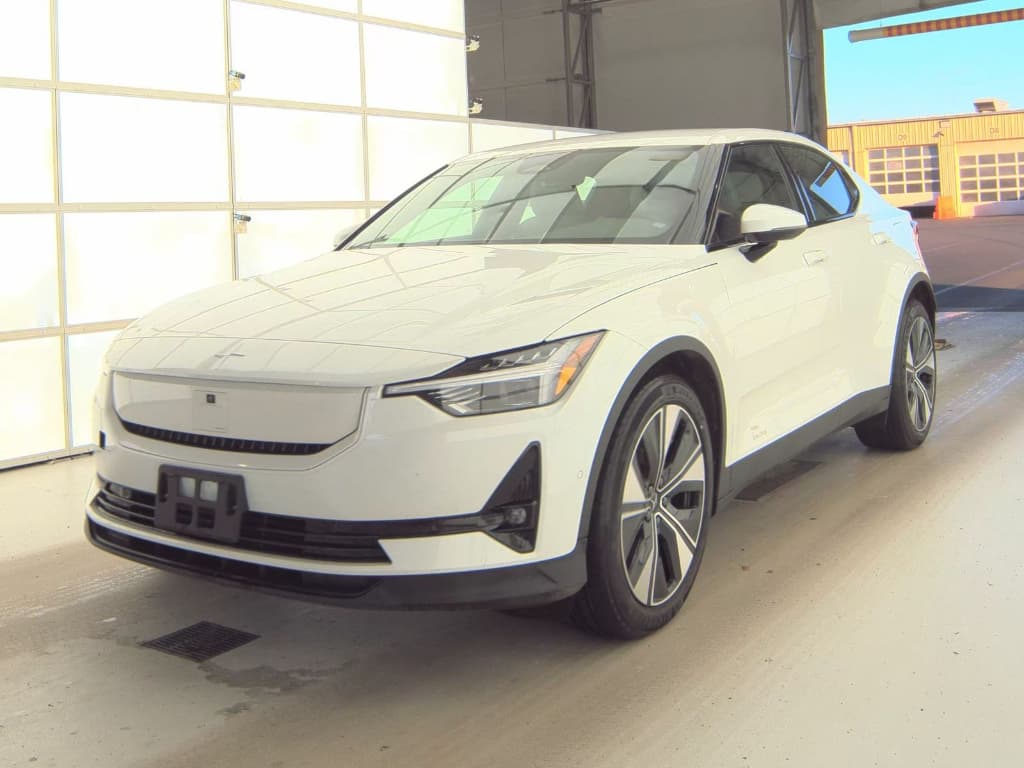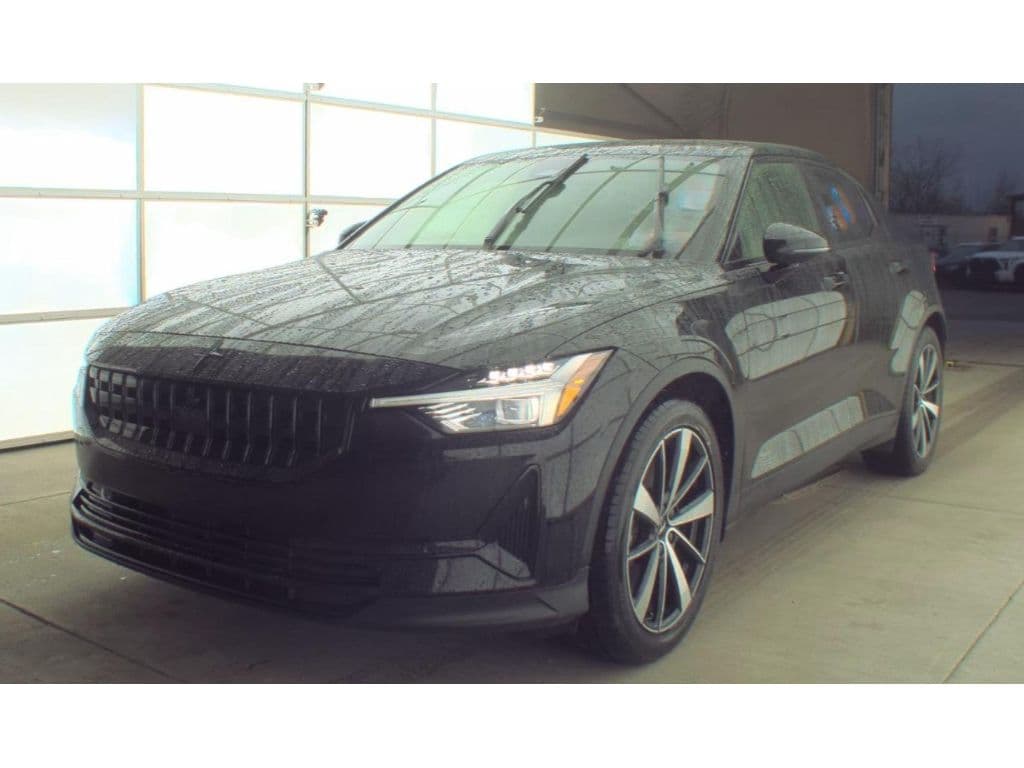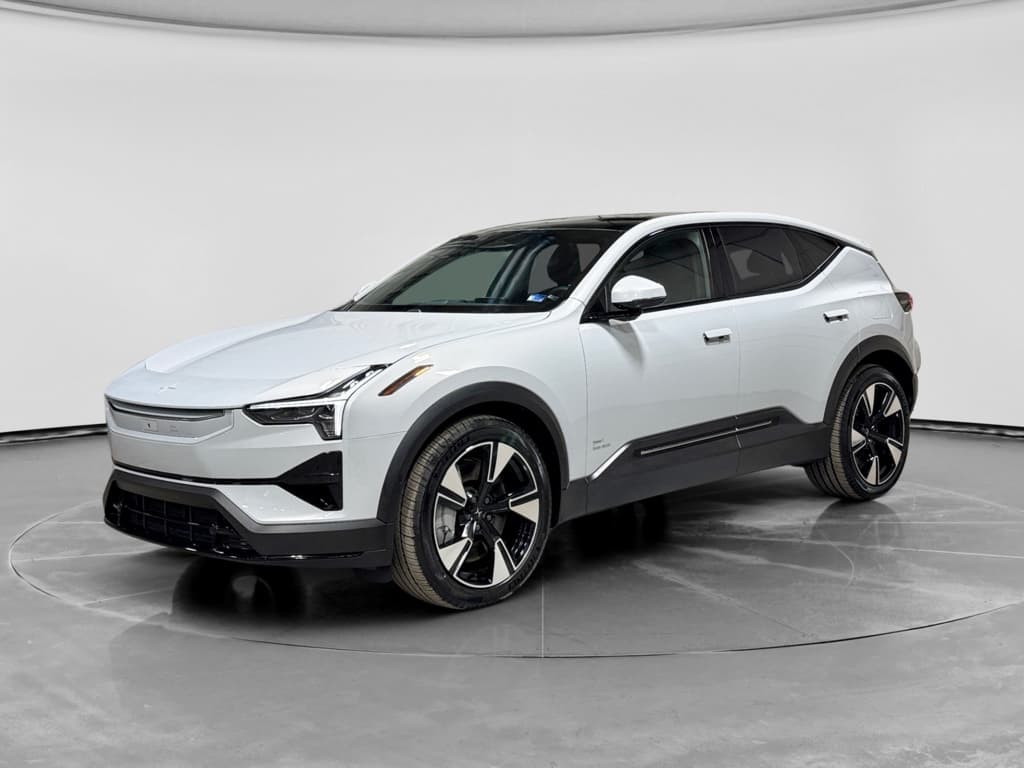
If you’re staring at your Polestar 2 and wondering how to sell it without leaving thousands of dollars on the table, you’re not alone. The used EV market in 2025–2026 is volatile, and the Polestar 2 sits in a strange middle ground: more exclusive than a Tesla Model 3, but without the same brand gravity. A clear, model‑specific Polestar 2 selling checklist is the difference between a stressful fire sale and a clean, well‑priced deal.
What makes the Polestar 2 different?
Why a Polestar 2–specific selling checklist matters
Generic used‑car advice only gets you part of the way there. The Polestar 2 is a premium EV with a relatively small owner base, specific software quirks, and a battery warranty that looks different from a typical gas car powertrain warranty. The buyers you’re dealing with are usually more informed than average and will ask detailed questions about battery health, DC fast‑charging habits, and software version, not just mileage.
What Polestar 2 buyers look for first
Use these priorities to shape your listing and prep work
Battery & charging
Has the car mostly been AC‑charged? Any degradation concerns? Is fast‑charging behavior normal?
Mileage & usage
Annual mileage, highway vs city use, and whether the car sat unused for long stretches.
Warranty & history
Remaining new‑car and battery warranty, service history, recalls, and any accident reports.
Don’t skip model‑specific questions
Step 1: Know what your Polestar 2 is worth today
Before you spend money on detailing or photography, you need a realistic value range for your car in early 2026. Polestar 2 depreciation has been front‑loaded: early 2021 cars in good shape often live in the high‑$20,000s, while later 2023–2024 cars with reasonable miles can still sit well into the $30,000s, depending on trim and options. That context is vital when you decide between trade‑in, instant offer, or a slower private‑party sale.
Polestar 2 value snapshot (early 2026, directional)
Use multiple value benchmarks
Price vs speed: how your choice affects net proceeds
Use this as a sanity check when choosing between trade‑in, instant offer, consignment, or private sale.
| Selling path | Typical speed | Pricing control | Hassle level | Who it suits best |
|---|---|---|---|---|
| Dealer trade‑in | Fastest (same day) | Low | Very low | If you’re rolling straight into another car and value time over every last dollar. |
| Instant online offer | 1–3 days | Low–medium | Low | If you want simplicity and a guaranteed floor price without test drives at your house. |
| Consignment with EV specialist | 2–6 weeks | Medium–high | Medium | If you want help marketing and negotiating but don’t want strangers managing payment and paperwork with you. |
| Private‑party sale | Weeks to months | Highest | High | If you’re willing to manage listings, messages, test drives, and payment to maximize price. |
Numbers are directional, not firm offers, your actual value depends on trim, mileage, region, and condition.
As a rule of thumb, private‑party sales can net more money but demand a lot more time and risk management. Instant offers and trade‑ins sacrifice some margin in exchange for certainty and speed. A specialist marketplace like Recharged aims to sit in the middle: EV‑savvy pricing, buyer vetting, and a structured process that still leaves you with more upside than a quick trade‑in.
Step 2: Decide how you want to sell
Option A: Trade‑in or instant offer
If you’re moving straight into another EV or just don’t want to deal with listings, a trade‑in or instant cash offer can make sense.
- Pros: Fast, predictable, no strangers test‑driving your car.
- Cons: You’re accepting wholesale‑level pricing, especially if the buyer isn’t EV‑savvy.
- Best for: Heavily used cars, accident history, or when you’re short on time.
Option B: Consignment or private‑party sale
If your Polestar 2 is clean, reasonably low‑mileage, and well‑optioned, marketing it properly can add real money.
- Pros: Highest ceiling on price, more control over the buyer and timing.
- Cons: You manage inquiries, test drives, and fraud risk, or you pay a consignment fee.
- Best for: Well‑kept cars with documentation and remaining warranty.
Where Recharged fits in
Ready to find your next EV?
Browse VehiclesStep 3: Polestar 2 pre‑sale inspection and battery health
With EVs, buyers aren’t just buying a car, they’re buying a battery pack and software platform. A Polestar 2 with documented battery health, up‑to‑date software, and a clean error‑code history is far easier to sell, and justifies stronger pricing than one that raises unanswered questions.
Pre‑sale mechanical & battery checklist
1. Confirm warranty status
Polestar’s standard new‑vehicle warranty is typically 4 years/50,000 miles, with high‑voltage battery coverage around 8 years/100,000 miles (longer in some states). Check your in‑car documents or Polestar app so you can state clearly how much coverage remains.
2. Run a basic diagnostic scan
If you have access to a service center or EV‑savvy shop, ask for a scan of active and historic fault codes. Being able to say there are no current powertrain or battery DTCs builds buyer confidence.
3. Document battery behavior
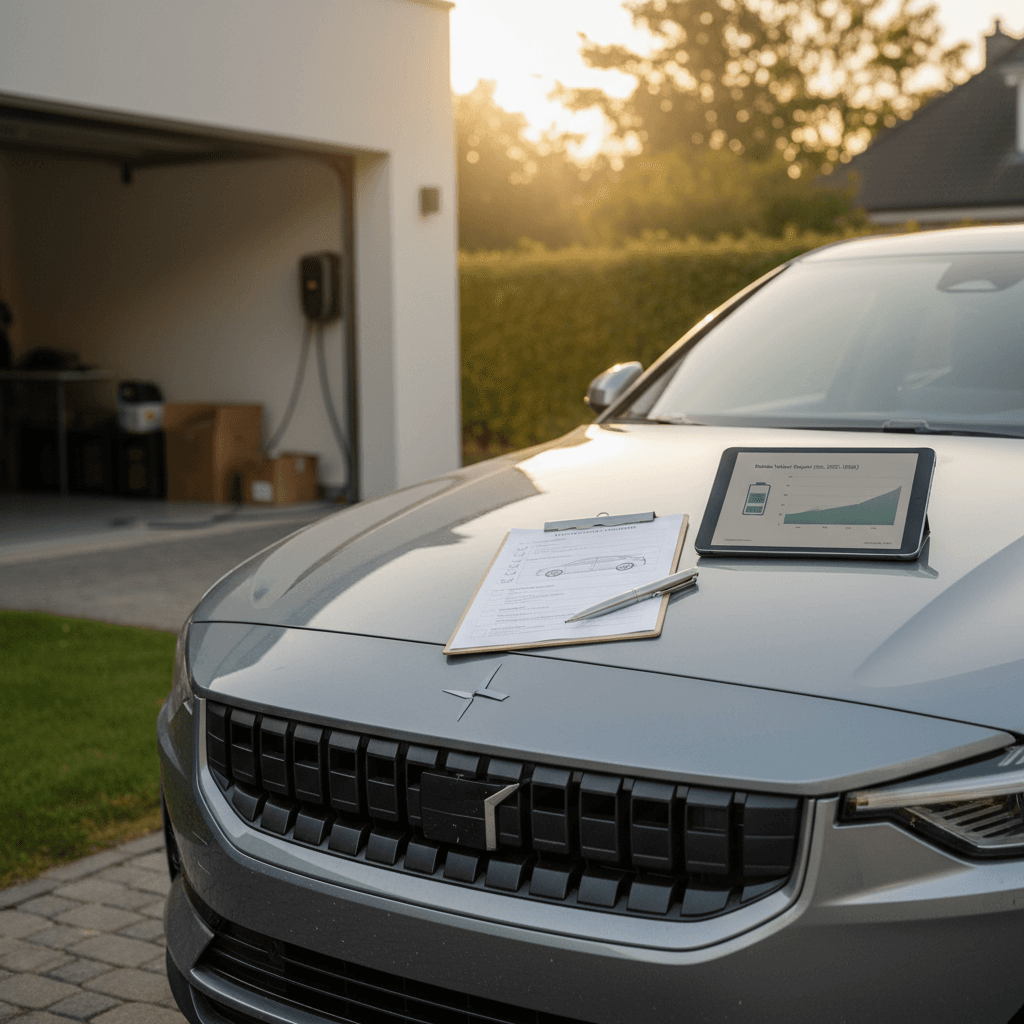
Gather real‑world data: recent full‑charge estimated range at typical settings, any noticeable changes over time, and how often you fast‑charge. Buyers understand some degradation is normal; what they fear is surprises.
4. Update software before listing
Polestar routinely improves charging behavior, efficiency, and infotainment via software. Install available updates and note the current software version in your listing so buyers know they’re not inheriting a neglected car.
5. Inspect tires, brakes, and suspension
Premium EV tires and some suspension parts aren’t cheap. If any items are near end of life, decide whether to replace them (and market "new tires") or price accordingly and disclose honestly.
6. Fix obvious warning lights
A Polestar 2 with lingering 12‑volt warnings, ADAS errors, or connectivity issues will trigger immediate discount demands. Resolve what you can under warranty before listing, or be upfront and adjust price.
Leverage third‑party battery reports
Step 4: Cosmetic detailing that actually pays back
EV shoppers are disproportionately sensitive to cosmetic condition because they often assume mechanical wear is lower than on a gas car. The good news is that you don’t need a $600 paint correction to make a Polestar 2 look great online. Focus on the basics that make photos pop and reassure buyers the car has been cared for.
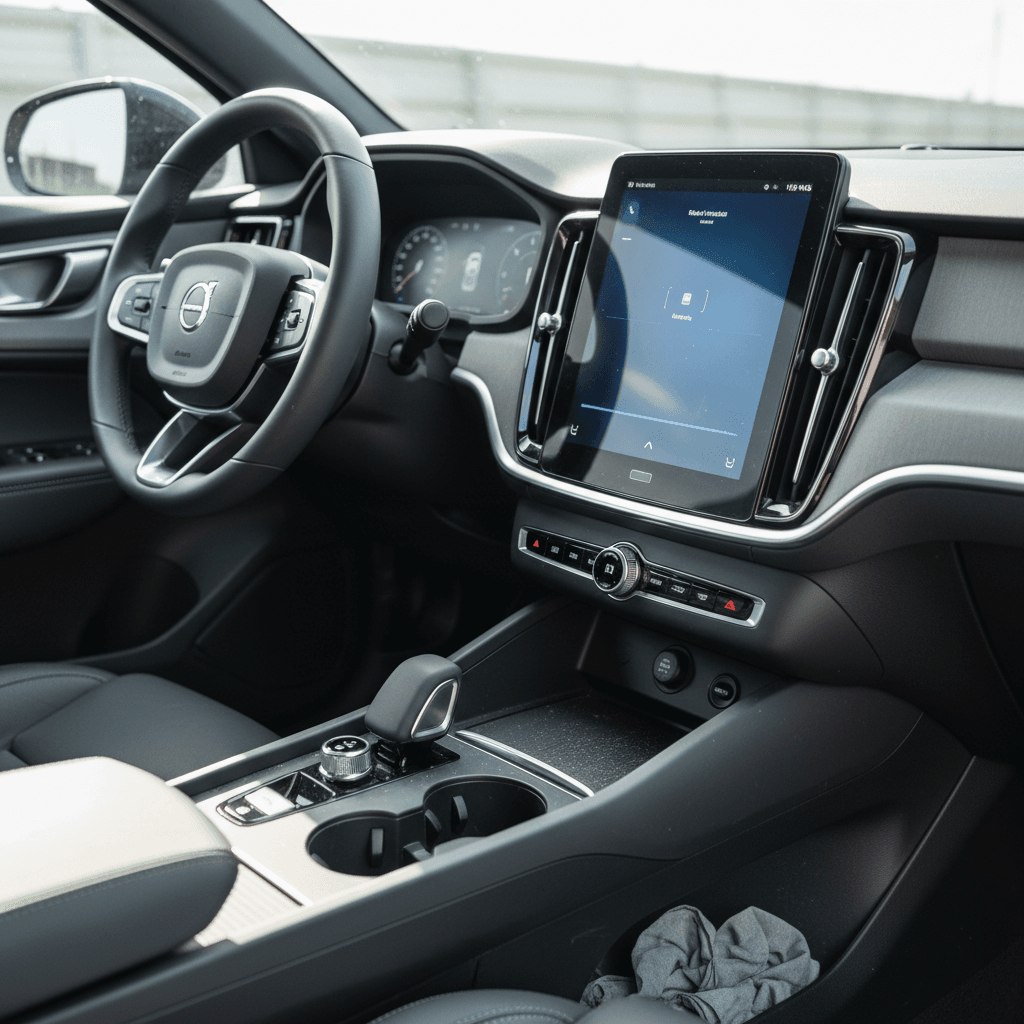
- Have the car professionally washed and vacuumed, including a wipe‑down of the vegan interior surfaces and center screen.
- Touch up or at least photograph honestly any curb rash on the 19–20 inch wheels; buyers expect a few marks but want to see them clearly.
- Remove personal items, custom stickers, and clutter so the car looks neutral and showroom‑ready.
- Clean the charge port area and include photos, grimy ports or worn charge‑cable covers can be a red flag for heavy DC fast‑charging.
- If you’ve added tasteful accessories (all‑weather mats, trunk organizer), clean them and highlight them as value‑adds in the description.
Don’t over‑invest in cosmetics
Step 5: Must‑have photos and listing details for Polestar 2
Most serious buyers shortlist cars based almost entirely on photos and a handful of line items: price, mileage, trim, and battery/warranty info. A Polestar 2 listing that looks like every other generic EV ad won’t command a premium, even if the car deserves one.
Essential Polestar 2 photo set
Aim for 20–30 clear, daylight photos
Exterior basics
- Front three‑quarter (both sides)
- Rear three‑quarter
- Direct side profile
- Close‑ups of wheels and tires
Interior & tech
- Front seats and dashboard
- Center screen with UI visible
- Rear seats and legroom
- Cargo area and under‑floor storage
EV‑specific details
- Odometer and battery percentage
- Charging port and cable(s)
- Any included adapters
- Screenshot of range estimate at typical settings
What to include in your Polestar 2 listing
Trim, options, and wheels
Spell out single vs dual motor, Performance Pack if applicable, wheel size, and any noteworthy options (Pilot/Plus packages, upgraded audio, heat pump, etc.). Many buyers are cross‑shopping trims and will pay more for the right spec.
Battery, charging, and usage pattern
Include your typical AC vs DC fast‑charging mix, any long‑term road‑trip use, and whether the car is usually garaged. This reassures buyers who worry about hard‑charged fleet or rideshare usage.
Service and software history
Note major services, tire replacements, alignment checks, and any warranty work (for example, 12‑volt battery replacement or connectivity‑module fixes). Mention that software is current as of a specific date.
Accident and title status
Disclose any accidents, repairs, or paintwork, even if they were low‑speed. Buyers will discover them via vehicle‑history reports; you gain credibility by being upfront.
Warranty status and coverage dates
List in‑service date, remaining basic warranty, and remaining high‑voltage battery warranty. If your car is Certified Pre‑Owned from Polestar or includes a third‑party warranty, spell out terms and expiration.
Extras and included equipment
Detail all included charging cables, winter wheel sets, mats, roof racks, or other accessories. These don’t dramatically change value but can tip a buyer in your favor.
Link to documentation when you can
Step 6: Test drives, safety, and transparent disclosure
Once your listing is live, the next risk point is how you handle test drives and negotiation. Private‑party buyers are testing both the car and you; how you structure the interaction says as much about the car’s history as the Polestar logo on the nose.
Safe and smooth test drives
- Meet in a well‑lit public place, ideally near chargers, for all inspections and drives.
- Ask to see and photograph a driver’s license before anyone drives your car.
- Ride along on the first drive so you can explain one‑pedal driving, regen, and driver‑assist features.
- Plan a route with highway, suburban, and rougher pavement so the buyer can evaluate noise and ride quality.
Answering tough questions
- Be ready to talk about known Polestar 2 issues (connectivity, 12‑volt batteries, software quirks) and how your car has or hasn’t been affected.
- If something isn’t perfect, minor vibration, curb rash, a repaired panel, say so and, if needed, adjust price rather than hiding it.
- Keep negotiation about market data and condition, not emotion; have a minimum acceptable number in mind before you meet.
Protect yourself from payment fraud
Step 7: Paperwork, taxes, and ownership transfer
The exact paperwork varies by state, but the basics are the same: you need to properly transfer title, handle any payoff with your lender, cancel insurance, and make sure you’re not on the hook for tickets or tolls after the car leaves your driveway.
Polestar 2 sale paperwork checklist
1. Title and payoff
If you own the car outright, make sure you have the physical or digital title ready. If you still owe money, contact your lender in advance and understand their process and timing for payoff and title release.
2. Bill of sale and odometer disclosure
Prepare a simple bill of sale with VIN, mileage, price, and "as‑is" language (unless you’re including a warranty). Many states also require a separate odometer disclosure statement, don’t skip it.
3. State‑specific forms
Check your DMV website for private‑party sale requirements: release‑of‑liability forms, emissions certificates if required, and any EV‑specific paperwork. File your portion immediately after the sale.
4. Remove plates and cancel toll accounts
Depending on your state, you may keep or surrender the plates. Either way, remove them before the car drives away, and disconnect the VIN from any toll transponders or app‑based parking accounts.
5. Cancel or transfer insurance
Once the sale is complete and paperwork signed, cancel the policy on the Polestar 2 or transfer coverage to your next vehicle. Don’t leave coverage running on a car you no longer control.
6. Keep a copy of everything
Scan or photograph all signed documents, including the buyer’s ID, bill of sale, and title. If anything comes up later, parking tickets, toll disputes, or tax questions, you’ll be glad you did.
Quick‑reference Polestar 2 selling checklist
Use this condensed checklist as your run‑sheet. If you can’t honestly check most of these boxes, expect buyers, or instant‑offer tools, to price your Polestar 2 more conservatively.
One‑page Polestar 2 selling checklist
Confirm realistic value range
Use multiple valuation sources and recent local listings to establish a fair price band for your model year, trim, and mileage.
Decide on selling channel
Choose between trade‑in, instant offer, consignment, or private sale based on your time, risk tolerance, and desired net proceeds.
Verify warranty and battery coverage
Know your in‑service date, remaining new‑car warranty, and high‑voltage battery coverage. Be ready to share that clearly.
Address key mechanical & software items
Update software, resolve warning lights, and document recent service or repairs, especially anything EV‑specific like battery or charging components.
Detail interior and exterior
Clean thoroughly, declutter, address obvious cosmetic issues that affect first impressions, and photograph any flaws honestly.
Capture a full, EV‑focused photo set
Take 20–30 daylight photos showing every angle, the interior, center display, odometer, charging equipment, and any accessories.
Write a transparent, EV‑savvy description
Highlight battery health indicators, charging habits, warranty, options, and any issues or past repairs that a buyer should know about.
Structure safe test drives and payment
Meet in public, verify ID, ride along, and use secure, verifiable payment methods or a trusted intermediary.
Complete title and state paperwork
Handle bill of sale, odometer disclosure, state forms, plates, toll accounts, and insurance cleanly at hand‑off.
Store digital copies of all documents
Keep a complete digital record in case of future questions or disputes.
FAQ: Selling a Polestar 2
Common questions about selling a Polestar 2
Selling a Polestar 2 in 2025–2026 isn’t about memorizing every forum post or chasing the last dollar of a speculative market. It’s about presenting a clear, honest story: what you own, how you’ve used it, how healthy the battery is, and why a buyer should feel comfortable living with it for years to come. Follow this Polestar 2 selling checklist, price against real‑world comparables, and lean on EV‑savvy partners like Recharged where it makes sense. Do that, and you’ll turn a complex, high‑stakes transaction into a straightforward, well‑documented hand‑off that works for both you and the next owner.