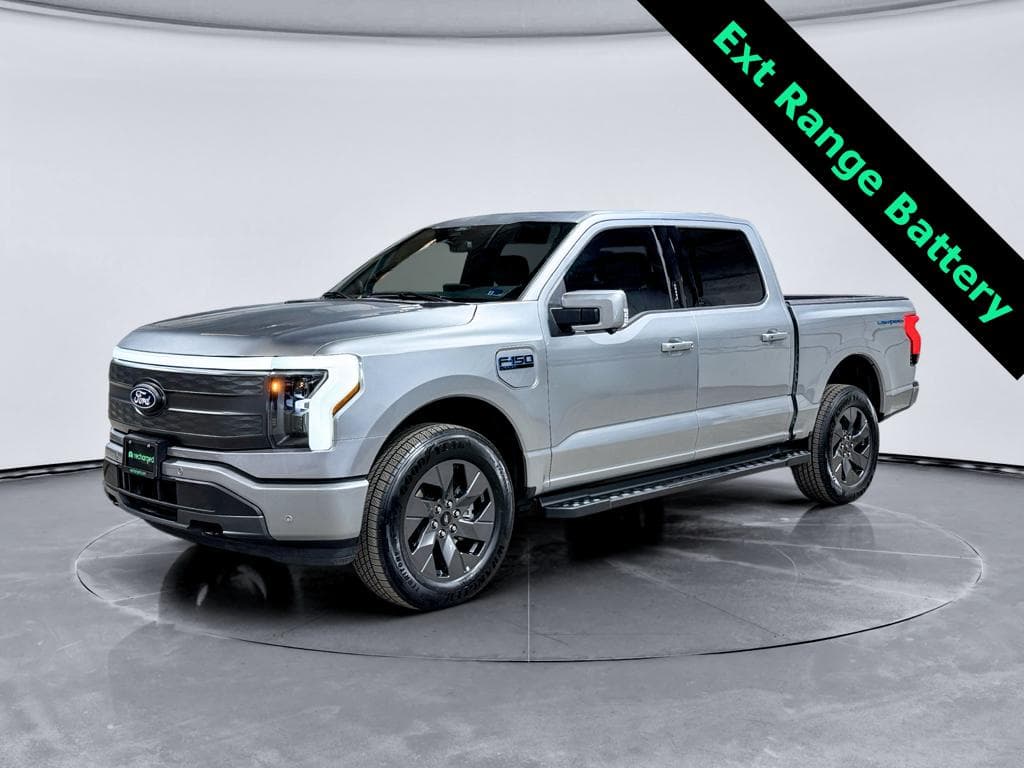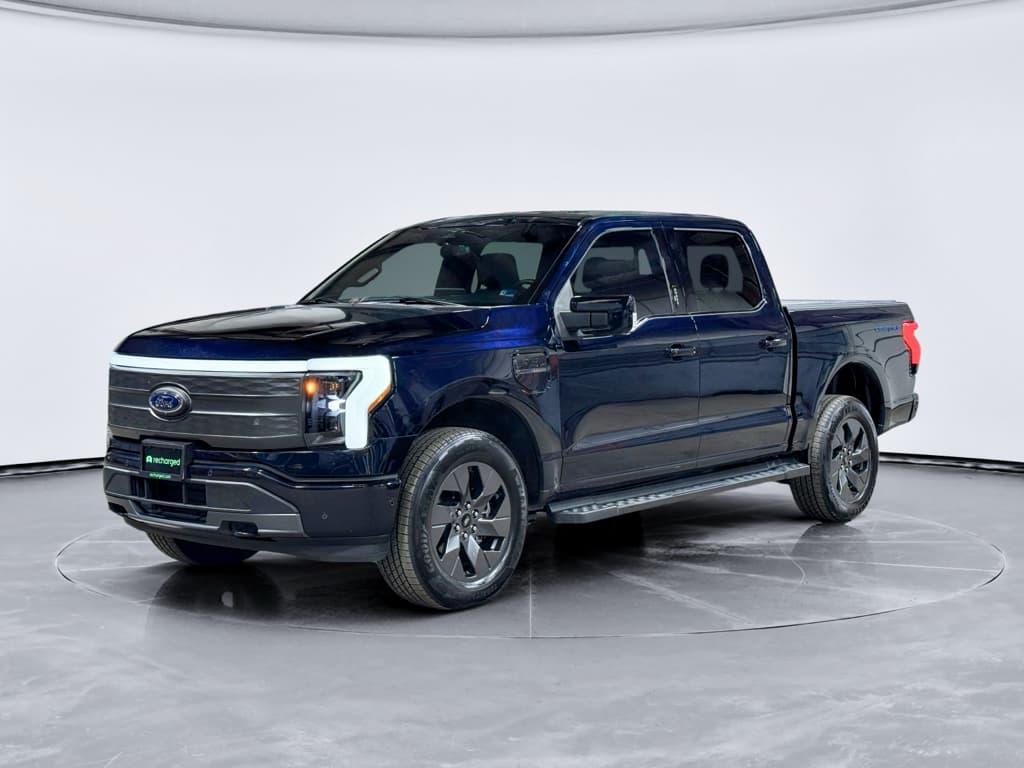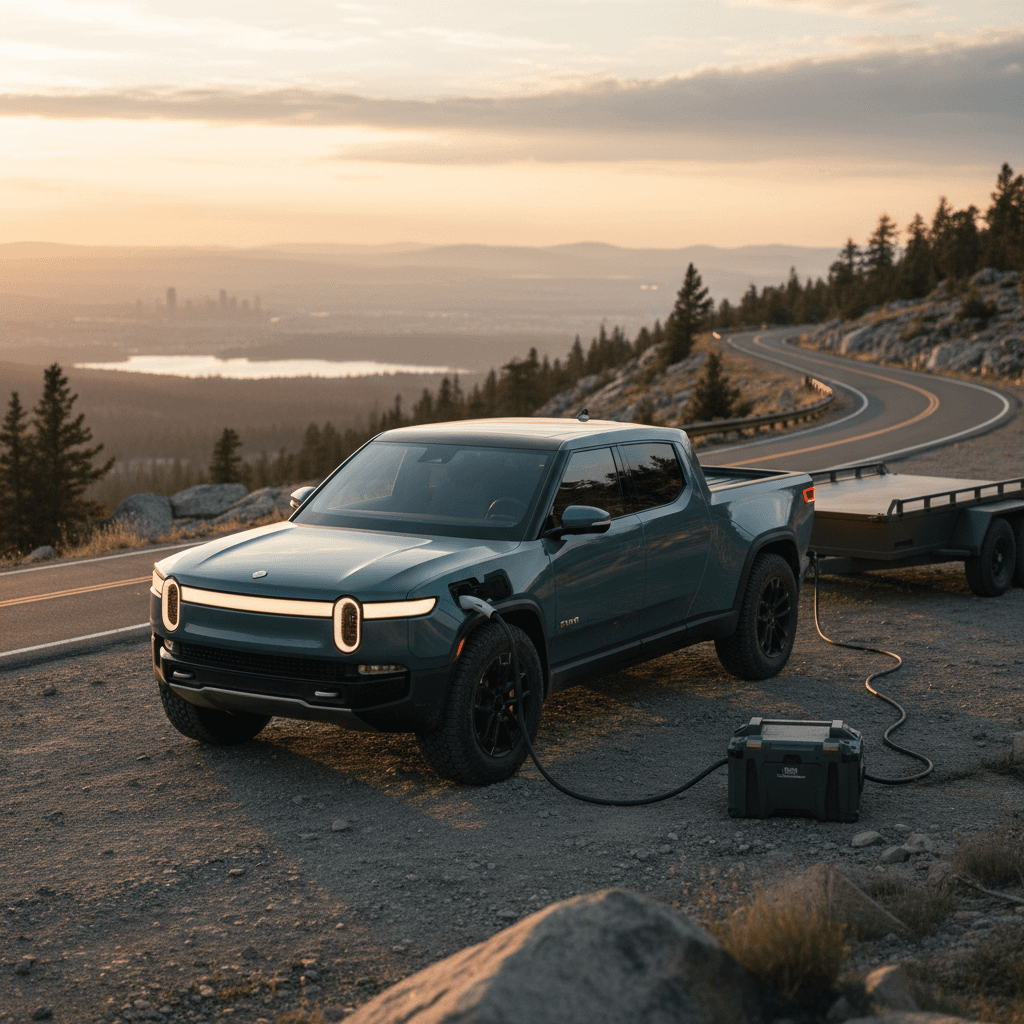
You’re not crazy: the pickup world really did turn upside down. On one side, the Ford F-150 Lightning, the first mainstream electric full-size truck. On the other, the Chevy Silverado EV, a clean-sheet Ultium-platform spacecraft with a bed. If you’re shopping the used market, “used Ford F-150 Lightning vs Chevy Silverado EV” isn’t just a keyword, it’s the fork in the road that decides how you tow, commute, and road‑trip for the next decade.
A fast note on availability
Why this electric truck comparison matters
A full-size pickup isn’t an impulse buy. You’re betting on range, charging, towing, and long‑term battery health. Ford and Chevy took very different roads to the same destination: an electric work-and-family truck. The Lightning leans on the proven F‑150 formula with an EV powertrain dropped in; the Silverado EV is a ground‑up Ultium skateboard with a futuristic body and massive battery options.
- You’re deciding between two very different design philosophies: “electric F‑150” vs. “EV truck from scratch.”
- Used EV trucks have already taken a chunk of depreciation, so value is finally on your side.
- Battery health, charging behavior, and prior usage matter more here than on a used gas F‑150 or Silverado.
Where Recharged fits in
Quick take: F-150 Lightning vs. Silverado EV
At a glance: who each truck suits best
Match the truck to your use case before falling in love with the badge
Ford F-150 Lightning (used)
Best if you want:
- A familiar F‑150 cabin and driving feel
- Plenty of used inventory and price points
- Excellent around‑town performance and comfort
- Occasional towing and short‑to‑medium trips
Think twice if: You tow heavy loads long distances or need 300+ real miles at freeway speed in winter.
Chevy Silverado EV (used)
Best if you want:
- Maximum range and huge battery options
- Serious towing / hauling with room to grow
- Tech‑forward cabin and available Super Cruise
- Ultium platform with very long EPA ranges
Think twice if: You want a cheap used truck today. Silverado EV supply is still limited and mostly high‑trim, high‑price trucks.
Headline numbers that actually matter to owners
Specs, range, and towing showdown
On paper, both trucks are monsters. In practice, the way they make and spend electrons is very different. Here’s how typical used examples compare on the stuff truck buyers actually care about.
Core specs: used Ford F-150 Lightning vs. Chevy Silverado EV
Representative figures for common trims you’re likely to see used in 2024–2026. Exact numbers depend on model year and configuration.
| Truck | Common Used Trims | Battery Size (approx) | EPA Range (best case) | Max Towing | Max Payload |
|---|---|---|---|---|---|
| Ford F-150 Lightning | XLT / Lariat / Platinum | 98–131 kWh | 240–320 mi | Up to ~10,000 lb | Roughly 1,800–2,200 lb |
| Chevy Silverado EV | WT / LT / RST | ~170–200+ kWh (Ultium) | 282–492 mi | Up to ~12,500 lb | About 1,300–1,800+ lb |
Use these numbers as ballpark guides; always confirm the specific truck’s window sticker and build sheet.
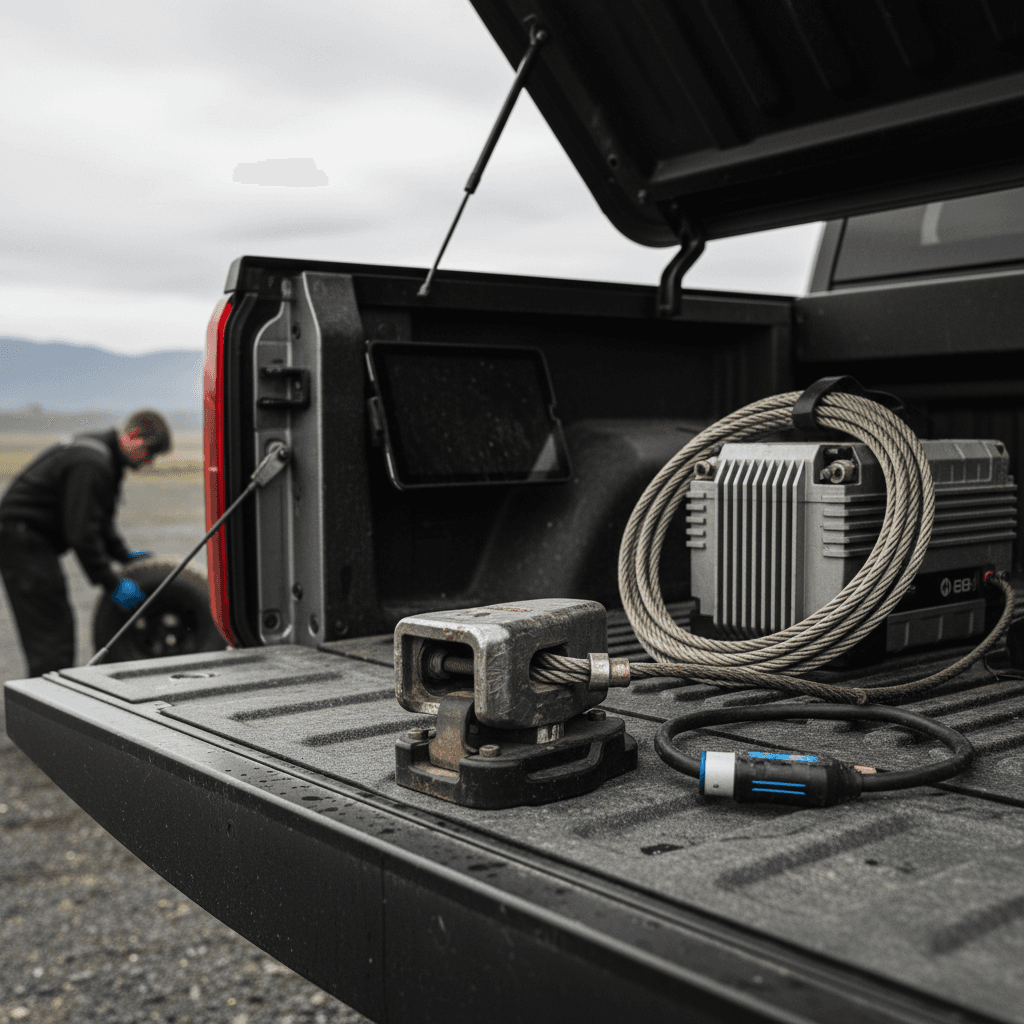
The towing reality check
Ford F-150 Lightning range in the real world
- City / mixed driving: Owners often report very smooth, predictable consumption, great for suburban duty.
- Highway at 70–75 mph: Expect a noticeable drop vs EPA, especially in cold weather; think more like 65–75% of rated range when loaded.
- Winter: Cabin heat and cold batteries hit the Lightning hard; a 320‑mile EPA truck can feel more like 180–220 miles at speed on a frigid day.
The Lightning is happiest as a commuter, jobsite, and weekend‑project truck, not as a cross‑country tow rig.
Chevy Silverado EV range in the real world
- Huge pack, huge buffer: With Extended and Max Range packs, the Silverado EV starts with so many kWh that even a 25–30% highway penalty still leaves useful range.
- Ultium efficiency tweaks: Later model‑year trucks benefit from motor and aero refinements that add real extra miles.
- Towing: You will still see big drops under trailer load, but starting from 400–490 miles EPA gives you more leeway.
If you want the most electric miles per stop, especially for towing, the Silverado EV is the current range king.
Real-world ownership: which truck fits your life?
Specs are one thing; living with the thing in your driveway is another. Here’s where the two trucks diverge in personality.
Best use cases for each truck
Think in use‑cases, not just spec sheets
City & suburban family duty
Winner: F‑150 Lightning
- Familiar F‑150 layout; easy for gas‑truck owners to adapt.
- Short‑hop errands and school runs barely dent the battery.
- Pro Power Onboard turns the truck into a rolling power strip for tailgates and outages.
Long‑distance driving & road trips
Edge: Silverado EV
- Massive EPA range numbers give you breathing room.
- Ultium pack loves high‑power DC fast charging.
- Available Super Cruise makes long days less punishing.
Heavy towing and work use
Edge: Silverado EV
- Higher max tow ratings on many trims.
- More kWh in reserve when the trailer starts drinking range.
- Work Truck and LT trims aimed squarely at fleets and serious users.
When the Lightning is secretly the smarter choice
Charging and road-trip ability
Both trucks can drink from the fastest DC fast chargers on the road, but their charging personalities are different, and that matters on a cross‑country run or a long‑distance tow.
Home and workplace charging
- Level 2 at home (240V): Both trucks strongly prefer a 40–80 amp Level 2 setup. You’re moving gigantic battery packs; think overnight, not “quick splash.”
- Lightning: 11.3 kW onboard charger on most trims. Fine for overnight top‑ups, but deep‑to‑full charges can be long.
- Silverado EV: Can support up to roughly 19 kW AC on certain trims, shrinking full‑charge times if your home electrical service can keep up.
If you don’t already have a 240‑volt circuit, budget for a proper install, Recharged can help you understand what size charger makes sense for your truck and daily mileage.
Public fast charging and networks
- DC fast charging: Both trucks can gulp well over 100 kW on a capable charger; the Silverado EV’s 800‑volt architecture targets up to about 350 kW peak, which helps on road trips.
- Network access: Ford is further along in tapping into Tesla’s Supercharger network in addition to CCS public chargers. GM is rolling out similar access; check whether a given used truck includes or qualifies for a NACS adapter for Superchargers.
- Planning tools: Native routing varies by truck and software version; many owners still prefer third‑party apps for planning towing days.
Plan around chargers, not just miles
Tech, comfort, and driving experience
Neither of these trucks is shy. They’re both brutally quick for their size, eerily quiet, and loaded with screens. But the vibe from the driver’s seat is very different.
Ford F-150 Lightning: familiar gone electric
- Cabin: Feels like a well‑equipped F‑150 you already know, straightforward controls, big physical buttons, plus a huge central screen on higher trims.
- Drive feel: Smooth, confident, and unflustered in traffic. Instant torque makes it feel smaller than it is around town.
- Driver assists: Available BlueCruise hands‑free driving on mapped highways on some trims/model years; effectiveness varies by software update.
- Utility touches: Massive front trunk, clever bed power outlets, and Pro Power Onboard turn job sites and campsites into extension cords.
Chevy Silverado EV: future‑truck energy
- Cabin: More futuristic design, with wide screens and a clean‑sheet dash. Later trucks lean hard into software‑defined everything, for better and occasionally worse.
- Driving dynamics: Standard dual‑motor AWD with serious horsepower on higher trims. Rear‑wheel steering shrinks the truck in parking lots and, with Sidewinder mode on RST, lets it move diagonally at low speed.
- Driver assists: Available Super Cruise is outstanding for long highway runs, especially when towing.
- Tech tradeoffs: Some trims and years drop native Android Auto/Apple CarPlay in favor of GM’s subscription‑heavy infotainment plan, which is worth understanding before you buy.
The Lightning is the electric truck for people who want a truck that happens to be electric. The Silverado EV is for people who want an EV that happens to be a truck.
Used pricing, depreciation, and value
The good news: early buyers ate the steepest part of the depreciation curve. The less‑good news: electric pickups are still expensive machines, and pricing can swing wildly based on battery size, trim, and options.
How the used market is shaking out
High level trends, your local market may vary
Used F-150 Lightning pricing patterns
- Plenty of 2022–2024 trucks off lease or from early adopters.
- Mid‑trims (XLT, Lariat) with the extended‑range pack are the sweet spot for value vs. capability.
- Early price hikes and later rebates created some weird MSRP histories, great for used buyers, less great for original owners.
Result: a healthy used market with negotiable prices and lots of choice.
Used Silverado EV pricing patterns
- First wave of trucks were expensive RST launch editions and well‑optioned LTs.
- Work Truck (WT) models are starting to show up from fleets, but are still a niche.
- High demand for long‑range Ultium trucks keeps used prices relatively firm, at least for now.
Result: fewer trucks, higher average prices, and more variance based on trim.
What the Recharged Score adds here
How to choose the right used electric truck
Instead of asking “Which one is better?” start with “What do I actually do with a truck, 300 days a year?” Once you’re clear on that, the F‑150 Lightning vs. Silverado EV decision gets simpler.
You’ll likely be happier in a used F-150 Lightning if…
- You’re coming from a gas F‑150 and don’t want to rethink your whole life.
- Your typical day is commuting, job sites, errands, and the occasional home‑center run.
- Towing is occasional, moderate‑distance, and mostly within your state.
- You want more trucks to choose from at more price points.
In other words, you want an F‑150 that happens to run on electrons, not gasoline.
You’ll likely be happier in a used Silverado EV if…
- You care deeply about maximum range and long‑distance capability.
- You tow heavier trailers or cover big highway miles regularly.
- You like tech‑forward cabins and don’t mind learning a new interface.
- You’re willing to pay more for a rarer, higher‑spec truck.
Here, you’re buying into GM’s Ultium ecosystem as much as the Chevy bowtie.
Don’t ignore battery and charging history
Checklist: shopping used F-150 Lightning or Silverado EV
10 must‑do steps before you buy
1. Confirm battery warranty coverage
Ask for the in‑service date so you know how much of the 8‑year / ~100,000‑mile EV battery warranty remains. This is a big part of the truck’s value.
2. Get an objective battery health report
Use a platform like <strong>Recharged</strong> that provides a Recharged Score battery diagnostic, not just a guess based on range displayed on the dash.
3. Review charging history
Trucks that lived on high‑power DC fast charging every day can show faster degradation. Occasional road‑trip fast charging is normal; daily DCFC with heavy towing is a red flag.
4. Check for towing and payload abuse
Inspect the hitch, bed, and suspension for signs of overloading. Ask how often the truck towed near its rated max and over what distances.
5. Verify range and pack size by VIN
Don’t assume a Lightning or Silverado EV has the big battery just because it’s a high trim. Use the VIN and build sheet to confirm pack size and EPA rating.
6. Test drive at highway speeds
Listen for wind and tire noise, feel for any vibration, and watch real‑time consumption at 65–75 mph. This reveals more than a slow neighborhood loop.
7. Test the charging hardware
Plug into a Level 2 charger and, if possible, a DC fast charger. Confirm the truck charges at expected speeds and that charge doors and cables behave properly.
8. Inspect software and infotainment
On Silverado EV, make sure you understand which apps and features require subscriptions. On Lightning, check that over‑the‑air updates and driver‑assist systems work as advertised.
9. Look for recalls and service history
EV trucks are early‑generation products; make sure major software and hardware recalls have been addressed by a dealer or service center.
10. Factor in home charging install costs
Get a quote for a 240‑volt outlet or wallbox if you don’t already have one. Recharged can connect you with installers and help you right‑size your charger to your truck and driving habits.
FAQ: used Ford F-150 Lightning vs. Chevy Silverado EV
Frequently asked questions
Bottom line: which truck should you buy used?
If your life is school runs, job sites, Home Depot loops, and the occasional weekend tow, a used Ford F‑150 Lightning is the more sensible, more available, and often more affordable choice. It behaves like the F‑150 you already understand, just quieter and quicker, and the used market finally has enough inventory to let you be picky.
If you’re chasing maximum range and serious towing, or you simply want the longest‑legged electric truck currently on sale, a well‑specced used Chevy Silverado EV is the one to beat. You’ll pay more and search harder, but you’ll get the range buffer and Ultium underpinnings that make big‑mileage days less stressful.
Either way, don’t let the badge decide for you, let your actual use‑case, charging setup, and battery health data make the call. Browse used electric trucks on Recharged, dig into each truck’s Recharged Score battery report, and talk with an EV specialist who understands how these machines live in the real world. The right truck isn’t the one with the wildest headline number; it’s the one that does your Tuesday morning as well as your summer road trip.