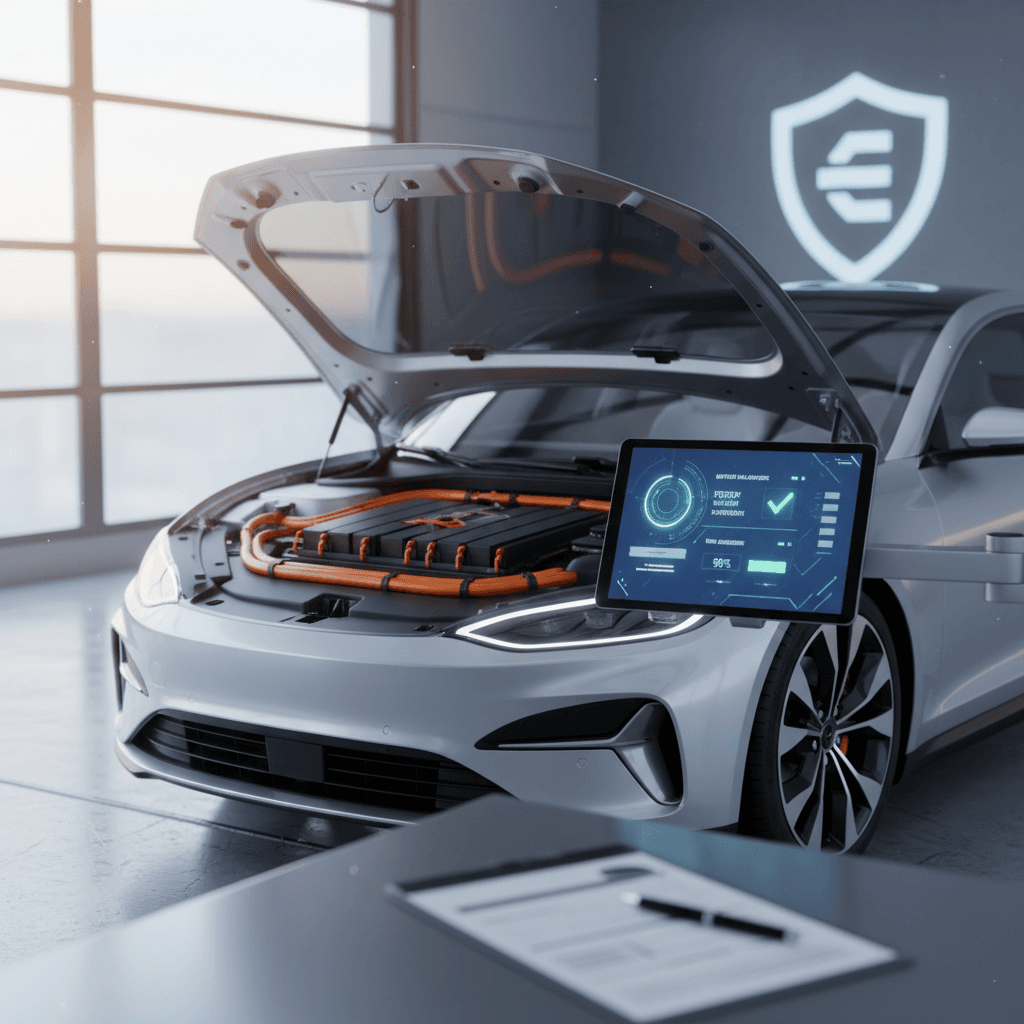
If you’ve shopped for coverage lately, you’ve probably noticed electric car insurance can feel like a moving target. Some insurers quietly hike premiums on EVs, others roll out flashy "green" products, and a few still price electric cars as if they were exotic supercars. The good news: there are clear patterns in how the **best insurance companies for electric cars** treat pricing, coverage, and claims, and you can use those patterns to your advantage.
EV insurance is in flux
Why EV insurance is different right now
Electric vehicles share the same basic coverages as any car, liability, collision, comprehensive, but the risk math behind the scenes is different. Repair networks, battery economics, and advanced driver assistance systems all feed into what you pay for insurance.
The EV insurance landscape in 2025–2026
- Higher repair costs and complexity. Battery packs, aluminum body panels, sensors and calibration work all push repair bills above similar gas cars.
- More total losses. A moderate hit in the wrong spot can damage the battery, and many insurers would rather total the car than gamble on a six‑figure component.
- Uneven repair networks. In some regions, only a handful of shops are certified to work on high‑voltage EVs, which lengthens repair times and raises rental‑car costs.
- Brand-specific experience. Some carriers now have sizable Tesla, Hyundai/Kia, or GM EV books of business and price them with real data. Others are still guessing, and padding for risk.
Don’t assume EVs are always more expensive to insure
What makes an insurance company good for electric cars?
Instead of chasing one "best" brand, focus on how a company treats EV risk and service. The strongest insurers for electric cars tend to have a few things in common.
Key traits of EV-friendly insurance companies
Look for these patterns when you shop quotes
1. Consistent EV pricing
Good EV insurers don’t swing wildly between models. They may still charge more for a Tesla Performance model, but they won’t double your premium just because your car plugs in.
2. EV-specific coverage
Look for clear language about battery damage, home and public chargers, and high‑voltage component repairs, not just generic "comprehensive" coverage.
3. Strong repair networks
Companies that invest in EV‑certified shops and repair procedures tend to fix cars faster and are less likely to default to totaling a repairable EV.
4. Usage- and safety-based pricing
Telematics programs and driving‑score discounts matter more for EVs, where sticker price alone can overstate actual risk.
5. Real discount stack
The best carriers bundle multi‑policy, home+auto, safe driver, and EV/green vehicle deals so you’re not overpaying just to drive electric.
6. Clear claims process
Ask how they handle EV towing, high‑voltage safety at the scene, and total‑loss valuations. The answer tells you how many EVs they’ve actually seen.
Bring your VIN to every quote
Best insurance companies for electric cars in 2026
No single insurer wins for every electric vehicle, but recent rate studies and owner data point to a few recurring standouts. Below is a directional U.S.-focused guide, not a guarantee, of which carriers tend to treat EVs most fairly right now. Always get quotes for your exact car, garaging ZIP, and driving profile.
Insurers that frequently price EVs competitively
Directional view based on 2025–2026 market data and owner reports. Your results will vary by state and model.
| Insurer | Best for EV drivers who… | Typical strengths for EVs | Potential drawbacks |
|---|---|---|---|
| GEICO | Drive mainstream or Korean-brand EVs and want a low price first | Often competitive on Hyundai, Kia, Nissan and compact EVs; strong multi-car discounts | Telematics program varies by state; Tesla rates can still be high for performance models |
| Progressive | Drive higher-mileage EVs or like usage-based pricing | Snapshot telematics can reward low-mile, careful EV drivers; often solid on mid-priced crossovers | Can be expensive for drivers with prior claims or tickets; repair experience varies by shop network |
| Nationwide | Want big-company stability plus broad discounts | Frequently shows up as a low-cost option in national rankings; good bundle discounts with home and umbrella | EV-specific marketing is limited, so you’ll need to ask detailed questions about battery and charger coverage |
| State Farm | Prefer local agents and simple policies | Large agent network helps you navigate claims and local repair options; reasonably priced for some non-Tesla EVs | Pricing can be hit-or-miss on newer models and performance trims; telematics discount may require app participation |
| USAA | Qualify through military affiliation and want strong service | Historically competitive rates with strong claims satisfaction; decent experience with Teslas and other EVs in many markets | Membership eligibility is limited; EV pricing can vary by region and model like any other carrier |
| Tesla Insurance | Drive primarily Tesla models in supported states and want behavior-based pricing | Quote is tightly tied to your actual Autopilot and driving behavior; built‑in coverages for chargers and OEM parts in many states | Availability is limited by state; rates can spike if your driving score drops, and it generally doesn’t cover non‑Tesla EVs |
| Regional & niche carriers | Live in a state with strong regional mutuals or digital-first insurers | Some smaller carriers quietly become very EV‑friendly to win market share, especially on used and mass‑market EVs | Harder to generalize, requires quote shopping and checking financial strength ratings |
Use this as a short list, then confirm with your own quotes.
Use comparison tools, then dig deeper

EV-specific coverages you actually need
You don’t need a special "EV-only" policy, but you do want coverage that understands how electric cars fail and how they’re repaired. The right add‑ons can be the difference between a minor headache and a five‑figure surprise.
Coverage features to confirm for your electric car
Battery damage and degradation
Ask how collision or comprehensive claims handle <strong>partial battery damage</strong>, water intrusion, or thermal events. Many OEM warranties won’t step in if the damage is crash-related, so your insurer is the backstop.
Home charging equipment
Look for explicit coverage for <strong>home wallboxes, portable chargers, and wiring</strong> against theft, fire, vandalism, and some power surges. Some carriers cap charger coverage unless you add an endorsement.
Public charging mishaps
Confirm your policy covers <strong>damage at public chargers</strong>, for example, another car backing into your EV while you’re plugged in, or tripping hazards related to cables.
Towing and high-voltage handling
EVs often require flatbed tows and high‑voltage safety protocols. Roadside assistance and towing limits should be high enough to reach an EV‑certified shop, not just the closest lot.
OEM parts and calibration
Make sure collision repairs use <strong>OEM or OEM‑equivalent parts</strong> and pay for calibration of cameras, radar, and other safety tech. Skipping this can leave your car’s driver‑assist systems unreliable.
Gap coverage or new-car replacement
If you financed or leased your EV, gap coverage or <strong>new car replacement</strong> can protect you from the combination of high MSRP and fast early depreciation if the car is totaled in the first few years.
Battery exclusion red flag
How to get lower EV insurance rates without cutting coverage
With EV repair costs still elevated in 2026, you won’t eliminate the price gap overnight. But you can usually shave hundreds of dollars a year off your premium without stripping away protection.
Smart ways to bring premiums down
- Bundle policies. Combine your EV with home, renters, or umbrella coverage. The bundle discount often offsets the EV surcharge.
- Use telematics if you drive gently. Usage-based programs can pay off for EV owners who mostly commute off‑peak or work from home.
- Adjust deductibles, not limits. Raising your comprehensive and collision deductibles by a few hundred dollars can materially lower your bill while keeping liability limits high.
- Shop widely on renewals. EV pricing is changing fast. Don’t auto‑renew without checking at least three competitors once a year.
EV-specific levers most drivers miss
- Right-size the car. A single‑motor, mid‑trim EV often insures much cheaper than a dual‑motor performance model with the same body style.
- Avoid unnecessary mods. Custom wheels, suspension tweaks, or aftermarket electronics can push an already‑expensive EV into specialty‑insurance territory.
- Ask about storage and mileage discounts. If you have a second vehicle and keep annual EV miles low, some carriers will price accordingly.
- Keep your loss history clean. Small comprehensive claims, like minor glass or cosmetic fixes, can move an EV premium more than you think. Pay out of pocket for truly minor issues if you can.
Pair insurance shopping with your EV purchase
Ready to find your next EV?
Browse VehiclesEV insurance and used electric cars
Used EVs are where the insurance story is starting to brighten. Lower vehicle values help premiums, repair parts are more available for older models, and insurers have more real‑world loss data. But there are still a few twists to understand.
How used EVs change the insurance equation
Why some pre-owned electric cars are cheaper to cover than new ones
Lower vehicle value, lower premiums
All else equal, a three‑ or four‑year‑old EV with a healthy battery and good safety record often insures for less than the same model new, because the maximum payout on a total loss is lower.
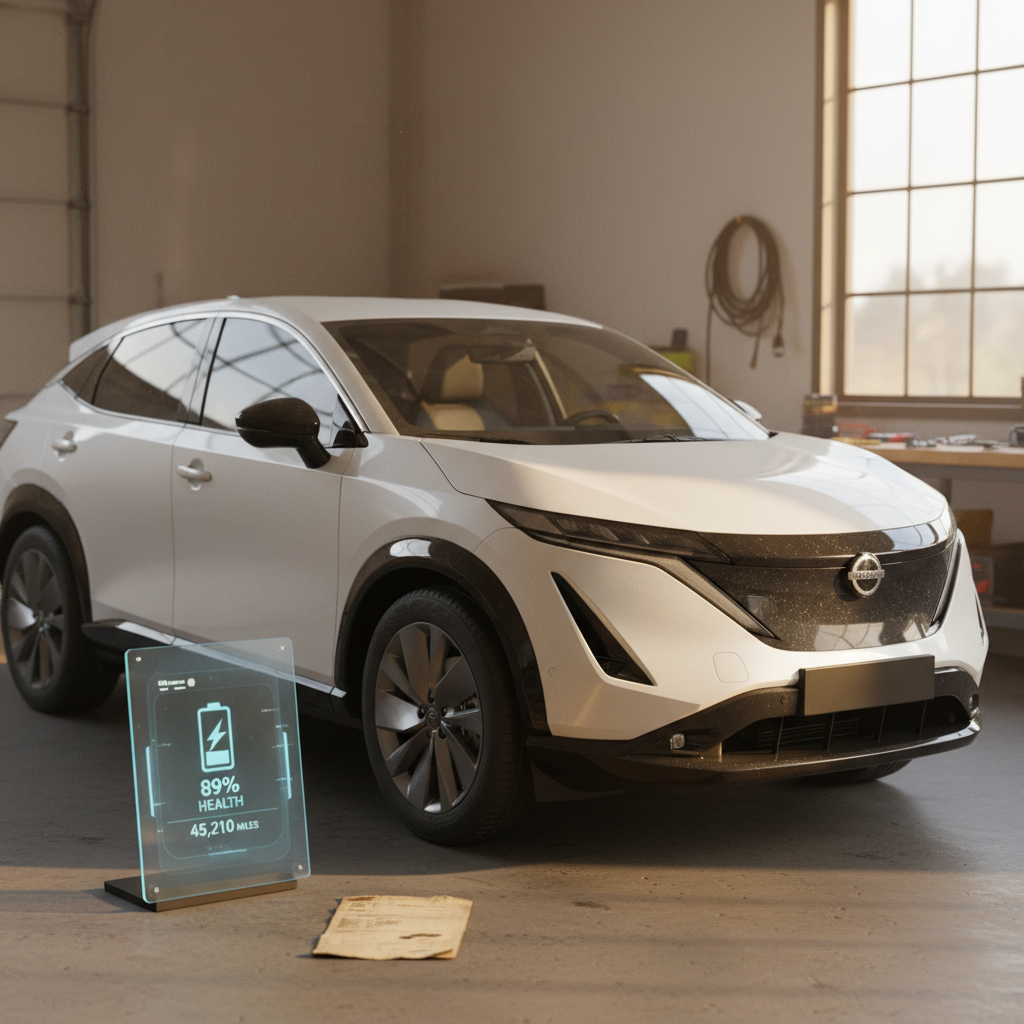
Battery health still matters
Insurers care about repairability, and so do you. A well‑documented pack with minimal degradation is less likely to be totaled, which helps keep both your risk and the insurer’s risk in check.
Extended warranties and service contracts
Some owners add third‑party battery or component coverage on older EVs. These won’t replace auto insurance, but they can absorb some repair costs and make the car more attractive to insure.
Why documentation helps
Tools like the Recharged Score, which includes verified battery diagnostics and fair market pricing, give insurers more confidence in the car’s condition, strengthening your hand when you shop quotes.
If you’re buying a used EV through Recharged, consider sharing your Recharged Score report with your chosen insurer. It won’t guarantee a discount, but it shows the car has been evaluated by EV specialists and can help frame the conversation around risk.
How to compare quotes for your specific EV
Comparison sites are a solid starting point, but EVs reward a bit more legwork. Your goal isn’t just the lowest number on the page, it’s the best long‑term value for the way you drive and charge.
Step-by-step: Comparing electric car insurance quotes
1. Lock in the same coverage across quotes
Decide on your liability limits, deductibles, and add‑ons first, then hold them constant. Changing those between quotes makes it impossible to tell whether the insurer or the coverage is driving the price.
2. Quote with your exact VIN
Trim, battery size, and driver‑assist packages all affect EV premiums. Using generic model selectors on a website can misprice your car by hundreds of dollars a year.
3. Ask about EV discounts and telematics
On each quote, ask whether they offer <strong>electric vehicle</strong>, <strong>green vehicle</strong>, or <strong>usage-based</strong> discounts, and what’s required to qualify.
4. Check how they handle chargers and batteries
Before you bind coverage, have the agent or online rep confirm, in writing, how chargers, cables, and partial battery damage are treated under collision and comprehensive.
5. Read real claims reviews from EV drivers
Search for reviews that specifically mention your model (for example, “Ioniq 5 insurance Progressive”). Patterns matter more than one angry or glowing review.
6. Re-shop after 12 months
As more EV loss data comes in, some insurers will adjust pricing faster than others. Put a reminder on your calendar to re‑shop a year after you switch.
Common EV insurance mistakes to avoid
Even savvy EV owners can stumble into insurance traps, especially when transitioning from a gas car. Avoid these mistakes and you’ll sidestep some of the biggest gotchas we see in the market.
- Assuming Tesla Insurance is always cheapest for Teslas (in some states, traditional carriers now undercut it, especially for older models).
- Taking the first quote offered by your current insurer without checking at least two EV‑friendly competitors.
- Dropping liability limits to state minimums to offset a higher EV premium, leaving your assets exposed after a serious crash.
- Ignoring charger coverage because “it’s just a box on the wall." Replacement, wiring, and installation can easily run into four figures.
- Letting your insurer total the car without asking how they valued a healthy battery pack and popular options in today’s used EV market.
Watch your total cost of ownership
Electric car insurance: FAQs
Frequently asked questions about EV insurance
Key takeaways for choosing EV insurance
Insuring an electric car in 2026 doesn’t have to be a guessing game. Focus less on chasing a mythical “#1 EV insurer” and more on how each company actually prices, covers, and repairs your specific model. Look for explicit protection for your battery and charging equipment, lean on telematics and bundling discounts if they fit your life, and don’t be afraid to walk away from a policy that can’t give straight answers about EV risks.
If you’re shopping used EVs, Recharged can help you control both sides of the equation. Our vehicles include a Recharged Score Report with verified battery health and transparent pricing, making it easier to find cars that not only fit your budget up front but also attract fair insurance quotes. Pair that with a disciplined quote comparison routine, and you’ll be in a strong position to keep your total cost of ownership in check, without skimping on protection for your EV.