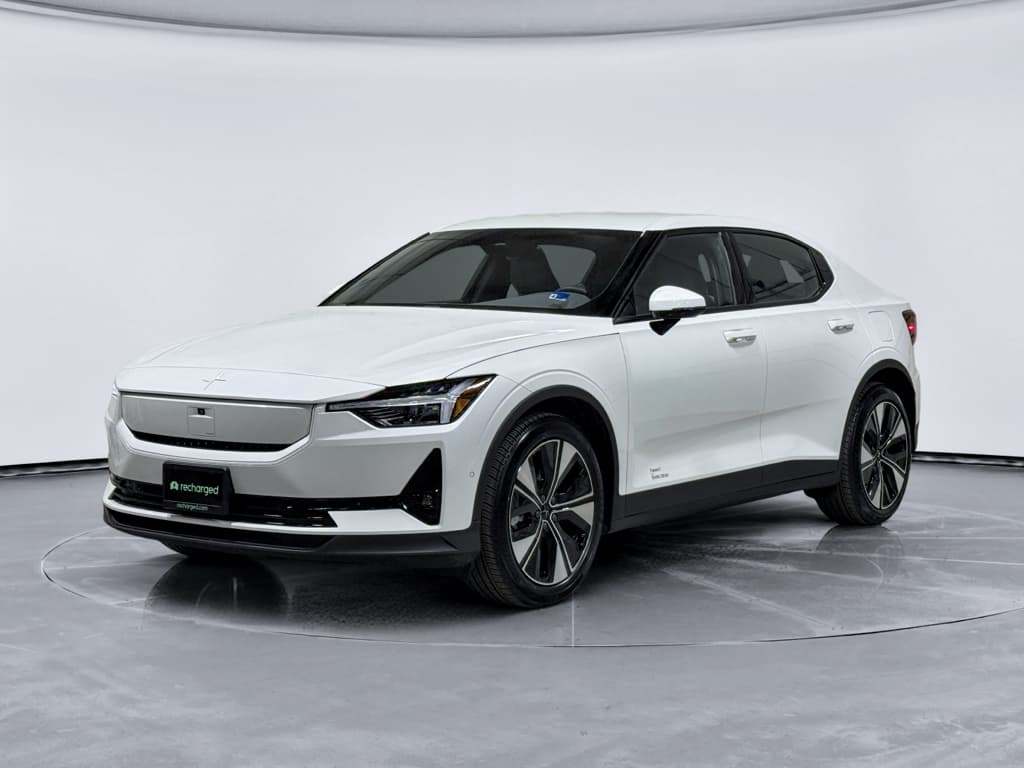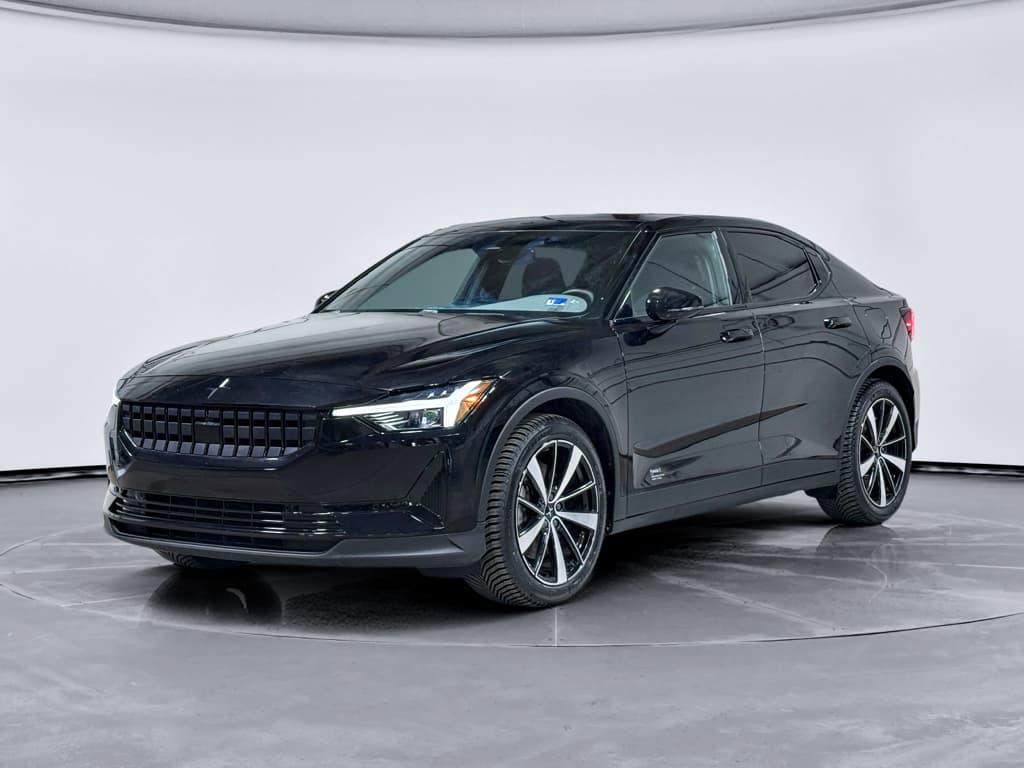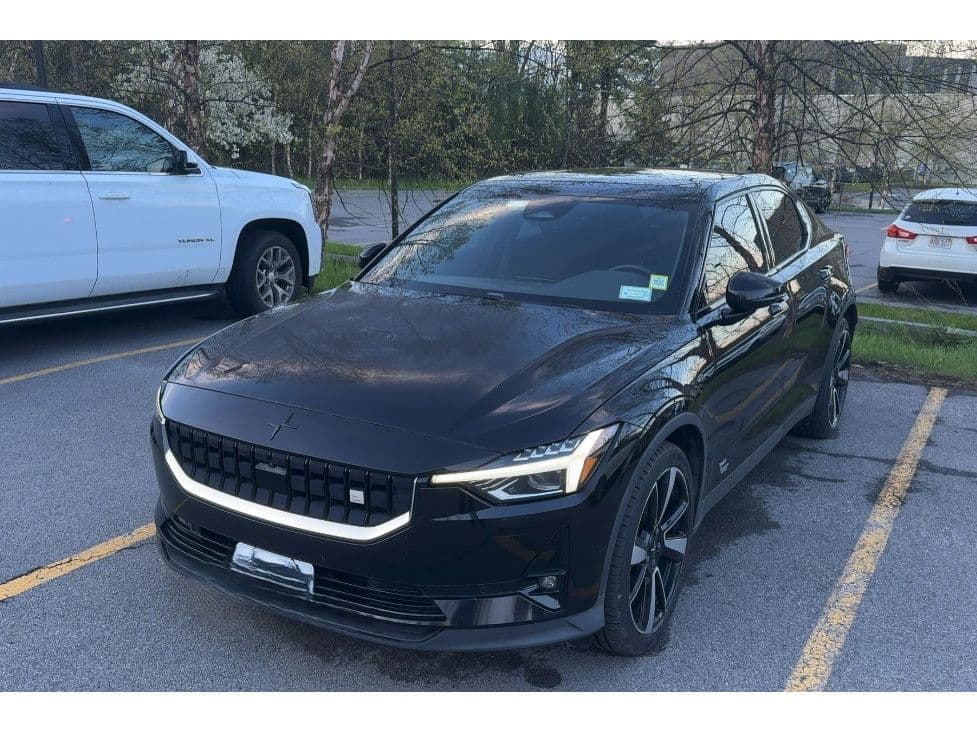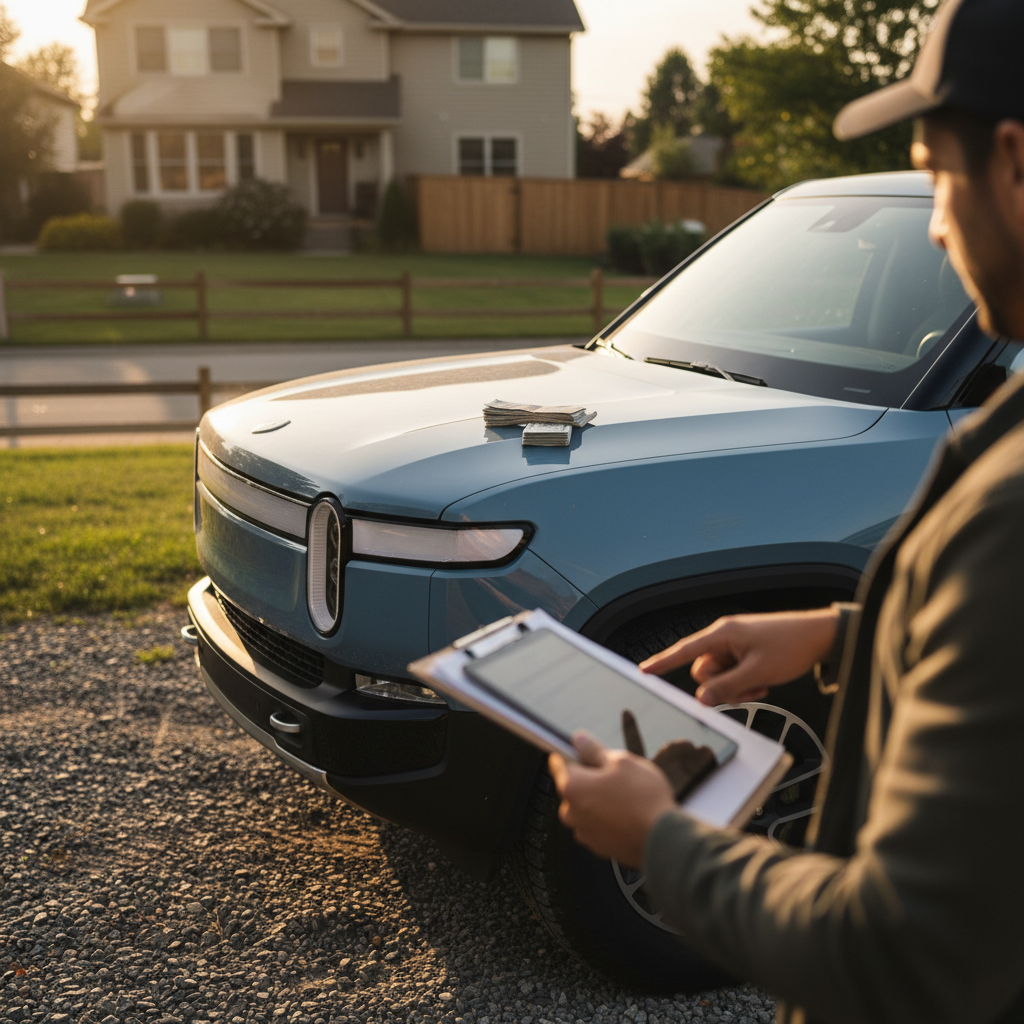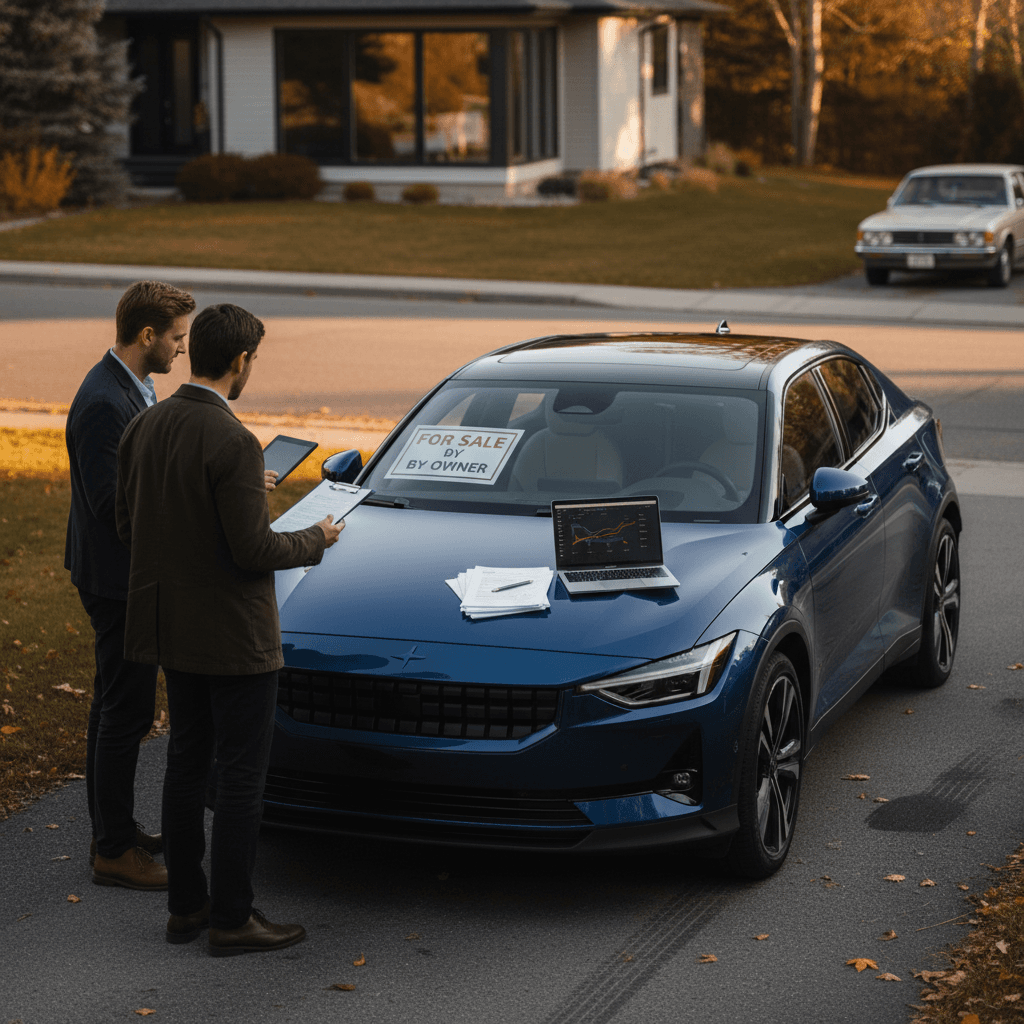
If you’re wondering how to sell a Polestar 2 in a private sale, you’re not alone. With used EV prices moving quickly and Polestar’s market still maturing in the U.S., it can be hard to know what your car is really worth and how to attract the right buyer. The good news: a well‑prepared Polestar 2, priced correctly and presented clearly, can sell quickly and for significantly more than a trade‑in or instant‑offer bid.
Quick overview
Why sell your Polestar 2 in a private sale?
What you gain with a private sale
Polestar 2 specifics that work in your favor
Higher sale price
Compared with wholesale offers or some instant‑cash platforms, a well‑marketed private sale Polestar 2 often brings thousands more. Luxury EVs like the Polestar 2 have strong feature sets buyers will pay for when they can see and test the car directly.
Control over the story
You know the car’s history, software update record, and how you’ve treated the battery. Presenting that story clearly builds trust and lets you highlight upgrades, wheel packages, and Pilot/Plus packs that algorithms often undervalue.
Choose your buyer
In a private sale, you decide who buys your car and on what terms, timing, payment method, even whether you’re comfortable including extras like winter wheels or home charging cables.
When private sale may not be ideal
Understanding Polestar 2 resale value in 2026
Before you decide how to sell, get realistic about what your Polestar 2 is worth today. The Polestar 2 launched as a premium compact EV, and like most early‑cycle EVs, it saw sharp early depreciation. But it’s also held value better than many luxury EVs. Recent analyses of luxury electric sedans show the Polestar 2 losing roughly 37% of its value over five years, putting it ahead of several German competitors and even close to Lucid and others in percentage terms. At the same time, U.S. auction and listing data show that some early high‑MSRP cars have fallen into the mid‑$20,000s, while newer, low‑mileage models are still well into the $40,000s and beyond.
Polestar 2 value snapshot (U.S., early 2026)
Why your exact car may be worth more (or less)
Private sale vs. online services vs. Recharged
1. Private sale
- Pros: Highest potential sale price, you control the narrative and timing.
- Cons: You handle marketing, vetting buyers, test drives, paperwork, and risk of flakey shoppers.
2. Instant‑offer / dealer
- Pros: Fast, low‑effort, often same‑day payment.
- Cons: Typically the lowest payout, especially for niche EVs where dealers hedge risk.
3. Recharged marketplace
- Pros: EV‑specialist support, battery health report, fair market pricing, nationwide audience, financing for buyers.
- Cons: More structured process than a casual private sale; availability varies by vehicle and location.
Where Recharged fits in
Ready to find your next EV?
Browse VehiclesPrepare your Polestar 2 for sale
Presenting your Polestar 2 well is the easiest way to separate your listing from a sea of generic used EV ads. Think like a buyer: you’d pay more for a clean car with clear records, recent service, and proof the high‑voltage battery is healthy.
Pre‑sale prep checklist
1. Get the car cosmetically ready
Wash, clay, and wax the exterior. Clean wheels and de‑yellow headlamps if needed. Vacuum the interior, clean the vegan upholstery, and wipe down the Google‑powered center display and piano‑black trim to reduce fingerprints.
2. Address inexpensive cosmetic issues
Touch up curb rash on the 19" or 20" alloys, fix small chips, replace missing tow‑hook covers, and consider a light detail. You don’t need to make it perfect, just remove obvious objections.
3. Gather records and receipts
Collect service invoices, tire receipts, software‑update documentation if you have it, and proof of any warranty work (such as a replaced 12‑V battery). Organized records reassure buyers about long‑term reliability.
4. Check tires and brakes
Document remaining tread and brake life. Most EV buyers care about consumables because EVs can be heavier on tires. If you’re close to worn‑out tires, consider replacing or adjust your price accordingly.
5. Verify battery and warranty status
Note the build year, in‑service date, and remaining factory battery and powertrain warranty. If you have access to a third‑party or Recharged battery health report, that’s a major selling point, mention it up front.
6. Factory reset and clear personal data (later)
Before handing the car over, plan to factory‑reset the infotainment system to remove Google accounts, navigation history, and Bluetooth pairings. You’ll do the full reset and Polestar ID transfer after you have a confirmed buyer.
Set the right asking price for your Polestar 2
Polestar 2 pricing can be confusing because the car straddles premium and mainstream segments, and equipment levels vary a lot. Your goal is to set a price that reflects the market but leaves a little room for negotiation without scaring off serious buyers.
Where to research your Polestar 2’s value
Use multiple sources to triangulate a realistic price, then adjust for trim, condition, and location.
| Source | What to look up | How to use it | Watchouts |
|---|---|---|---|
| Listing sites (Cars.com, Autotrader, etc.) | Similar Polestar 2s by year, miles, options | See what comparable cars in your region are actually listed for. | Ignore outliers that are obviously underpriced or sitting for months. |
| EV‑focused platforms & forums | Recent private‑party sales and community feedback | Sense of what informed EV shoppers are paying. | Individual anecdotes can be noisy, treat as color, not gospel. |
| Instant‑offer tools & dealer quotes | Cash offers for your VIN | Use as a price floor. Private sale should beat this by a comfortable margin. | Offers can swing quickly with market moves. |
| Recharged market data | Fair market range and battery‑adjusted value | EV‑specific pricing that accounts for battery health and incentives. | Not every Polestar 2 is identical, your car’s options still matter. |
Don’t rely on a single site. Look at actual asking prices and, if possible, recent sold data.
A simple pricing formula
Create a standout listing and photos
Your listing is your pitch. With a Polestar 2, you’re not just selling a used car, you’re selling design, tech, and the confidence that the EV learning curve won’t bite the next owner. Good photos and a transparent description are where that starts.
Key elements of a strong Polestar 2 listing
Focus on clarity, honesty, and battery confidence
1. High‑quality photos
- Shoot in daylight with the car clean.
- Exterior: all four corners, both sides, front and rear, wheels, badges.
- Interior: front seats, rear seats, dashboard, center display with system on.
- Detail: tires, charge port, any flaws.
2. Clear written description
- Year, trim, motor/battery (single/dual‑motor, Long Range, etc.).
- Mileage, ownership history, accident history.
- Packages (Pilot, Plus, Performance), options, and software upgrades.
- Charging habits (mostly home Level 2, few DC fast charges, etc.).
3. Battery health & running costs
- Remaining battery and powertrain warranty.
- Any battery or 12‑V warranty work performed.
- Average range you see in your climate and driving.
- Mention if you have a Recharged Score or other battery health report.
Don’t oversell range
Screen buyers and manage test drives safely
A private sale only works if you stay safe and protect your time. The right buyer will understand basic ground rules; if someone fights you on common‑sense safety steps, that’s a red flag.
Steps for safe inquiries and test drives
1. Use a separate phone or email
Create a dedicated email address and consider using a separate phone number (or app‑based number) for your listing. This keeps your personal contact info private and makes it easy to shut down spam later.
2. Pre‑qualify by message
Before meeting, ask buyers a few simple questions: whether they’ve driven EVs before, if they have financing or cash lined up, and when they’d be ready to buy. Serious buyers usually respond clearly.
3. Meet in a safe, public place
Choose a well‑lit public area, ideally near a bank or your credit union. For the test drive, ride along and keep the route short but varied, surface streets, a bit of highway, and a chance to feel one‑pedal driving.
4. Check ID and insurance
Before anyone drives your Polestar 2, confirm they have a valid driver’s license and active insurance. Take a photo of both (with their permission) or at least make a note of the details.
5. Control the keys and app access
Bring only the keys or phone key you need, and after the test drive, confirm that no new phone keys or profiles were added. You’ll do a complete factory reset just before final handover.
6. Avoid discussing final price on the street
It’s fine to talk numbers, but save detailed haggling and payment details for a calmer setting, ideally inside a bank or over email once everyone has had time to think.
Paperwork, title transfer, and Polestar ID handover
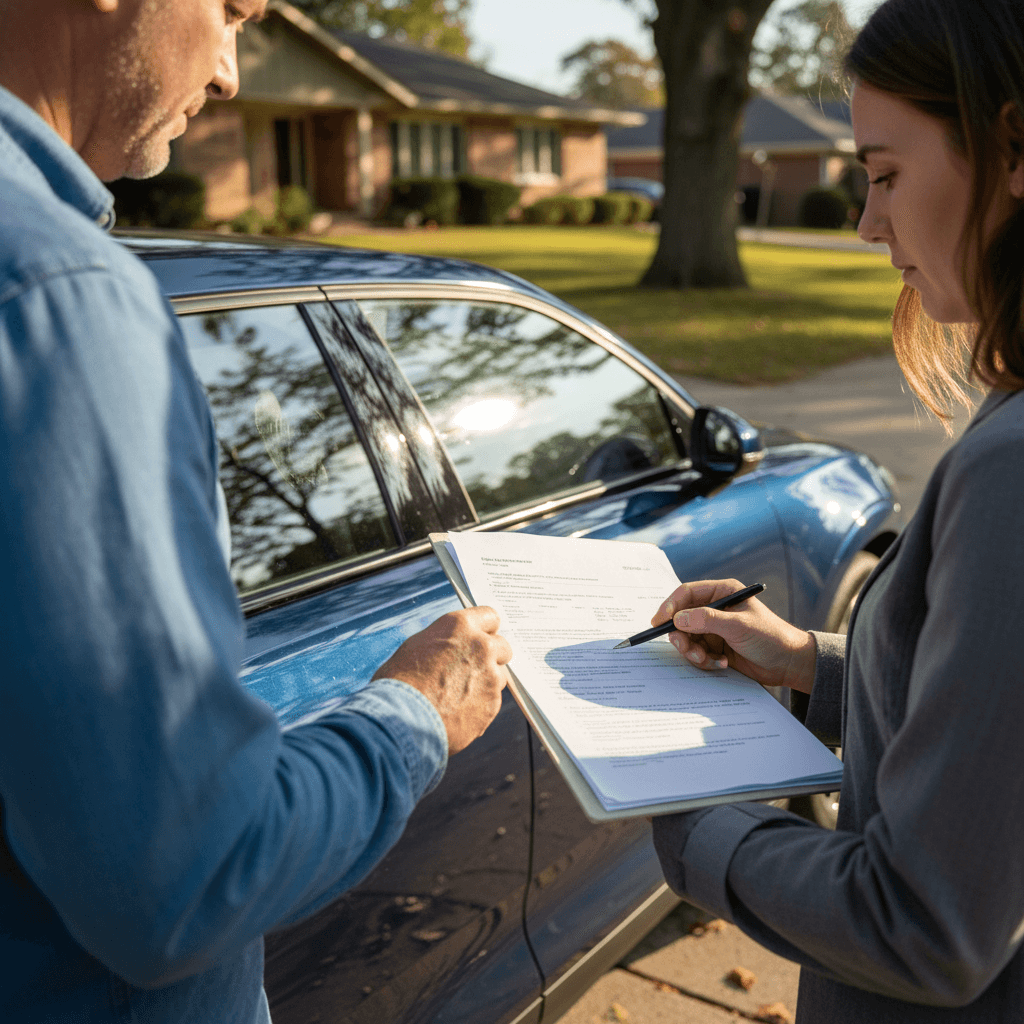
The mechanics of selling the car, title, bill of sale, and account transfers, are where many private sellers get nervous. If you slow down and follow a checklist, it’s very manageable.
Key paperwork for a private sale (U.S., general case)
Always check your state’s DMV or equivalent website for exact requirements, but these items cover the basics for most U.S. private sales.
| Item | Who provides it | What it does | Notes |
|---|---|---|---|
| Title (Certificate of Ownership) | You | Proves you own the Polestar 2 and lets you sign ownership over. | If there’s a lien, you’ll need to pay it off and get a clear title or close the deal at the lienholder’s office. |
| Bill of sale | You (template or DMV form) | Documents the sale price, VIN, and terms. | Some states require a specific form; others just recommend one. Print two copies for signatures. |
| Odometer disclosure | You or DMV form | States mileage at time of sale for federal and state records. | Often part of the title or bill of sale; some states have standalone forms. |
| Release of liability / notice of transfer | You | Notifies the state that you no longer own the car. | Critical so you’re not responsible for tickets, tolls, or accidents after sale. |
| Temporary permit or plates | Buyer (varies by state) | Lets the buyer drive legally before they re‑register the car. | In some states, your plates stay with you; in others, they stay with the car. Confirm in advance. |
Some states require a notary, emissions forms, or release‑of‑liability notices, verify before you meet your buyer.
Never skip verifying funds
Transferring Polestar ID and digital ownership
Polestar treats connected‑services ownership separately from the DMV title. After you sell the car, you’ll want to remove it from your Polestar ID so the new owner can fully use the app and services, and so you’re not tied to a car you no longer own.
- Log in to your Polestar account at polestar.com using your Polestar ID.
- Navigate to your Polestar 2 in the account dashboard and choose the option to indicate that you’ve sold the vehicle or to transfer ownership.
- Enter the buyer’s name and contact details if prompted, and confirm the transfer request with your account password.
- Perform a factory reset from the car’s center display to wipe profiles, navigation history, Bluetooth pairings, and Google accounts.
- Confirm with the buyer that they’ve successfully added the vehicle to their own Polestar ID and can access connected services.
Time your reset carefully
How to close the deal and get paid
When a buyer is serious, you’ll move from test drives and questions to actual negotiation. The key is to keep it simple, avoid emotion, and protect yourself on payment.
Structuring the deal
- Agree on a final price in writing (even a simple email recap works).
- Clarify what’s included: extra wheels, charging cables, winter mats, roof racks, or software‑activated features.
- Set a time and place to complete the sale, ideally at a bank during business hours.
Choosing a payment method
- Best: Wire transfer initiated at the bank, or cashier’s check verified by a teller while you’re present.
- Reasonable: Certified bank draft from a major institution that your bank is willing to confirm.
- Risky: Large peer‑to‑peer app payments (limits, reversals, scams). Use only for small deposits, if at all.
Avoid overpayment and shipping scams
Common Polestar 2 seller mistakes to avoid
- Pricing off hope, not data. Listing thousands above comparable Polestar 2s because “mine is nicer” will just make your ad linger and force bigger price cuts later.
- Ignoring the battery story. EV buyers care deeply about battery health and warranty. If you don’t address it, they’ll assume the worst.
- Forgetting connected‑car accounts. Leaving your Polestar ID or Google account tied to the car after sale is a privacy and security problem.
- Skipping state‑specific requirements. Not all states treat private sales the same. Spend 10 minutes on your DMV’s website before you list the car.
- Taking the first low offer. In a thin market, the loudest buyers often show up first, but not always the best ones. Give your listing time to attract serious shoppers unless you’re in a rush.