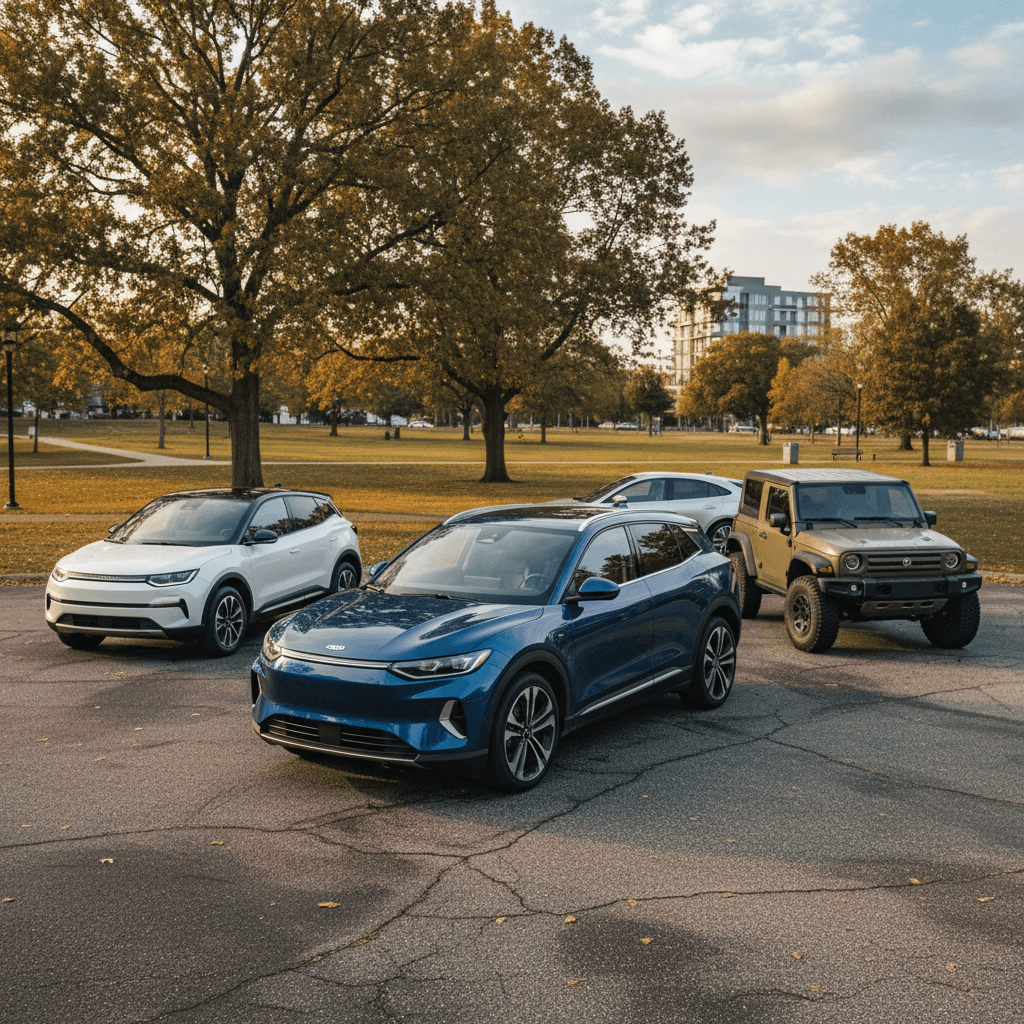
If you’re hunting for the best EV under $50,000 in 2026, you’re shopping in the real world, not in the six‑figure luxury fantasy lane. The good news: $50K now buys serious range, fast charging, and safety tech that would have been science fiction a decade ago. The challenge is deciding which of the growing crop of electric cars and SUVs actually deserves a spot in your driveway.
A quick word on prices
Why $50,000 Is the EV Sweet Spot in 2026
EV Shopping at the $50K Mark in 2026
At this price point, you’re not buying a bare‑bones eco‑appliance. You can get a comfortable family SUV, a sharp‑handling sedan, or a practical hatch with usable road‑trip range, DC fast charging, and the safety tech you want for hauling people you care about. The trick is matching the right EV to how you actually drive, commuting, kid‑shuttling, road‑tripping, or some mix of all three.
Quick Recommendations: Best EVs Under $50K for 2026
Best EVs Under $50,000 in 2026 by Use Case
Start with the role you need your EV to play, then dive into the details below.
Best All-Around EV: Hyundai Ioniq 5
Why it’s here: Outstanding blend of value, range, comfort, and ultra‑fast charging on an 800‑volt platform, now with major 2026 price cuts bringing many trims under $50K.
Best for: Families and daily drivers who want one EV that does almost everything well.
Best Budget Pick: 2026 Nissan Leaf
Why it’s here: The redesigned Leaf is gunning for the title of cheapest EV in the U.S., with base pricing around the low‑$30K mark and improved range.
Best for: Commuters and first‑time EV buyers who want maximum value and don’t need a huge SUV.
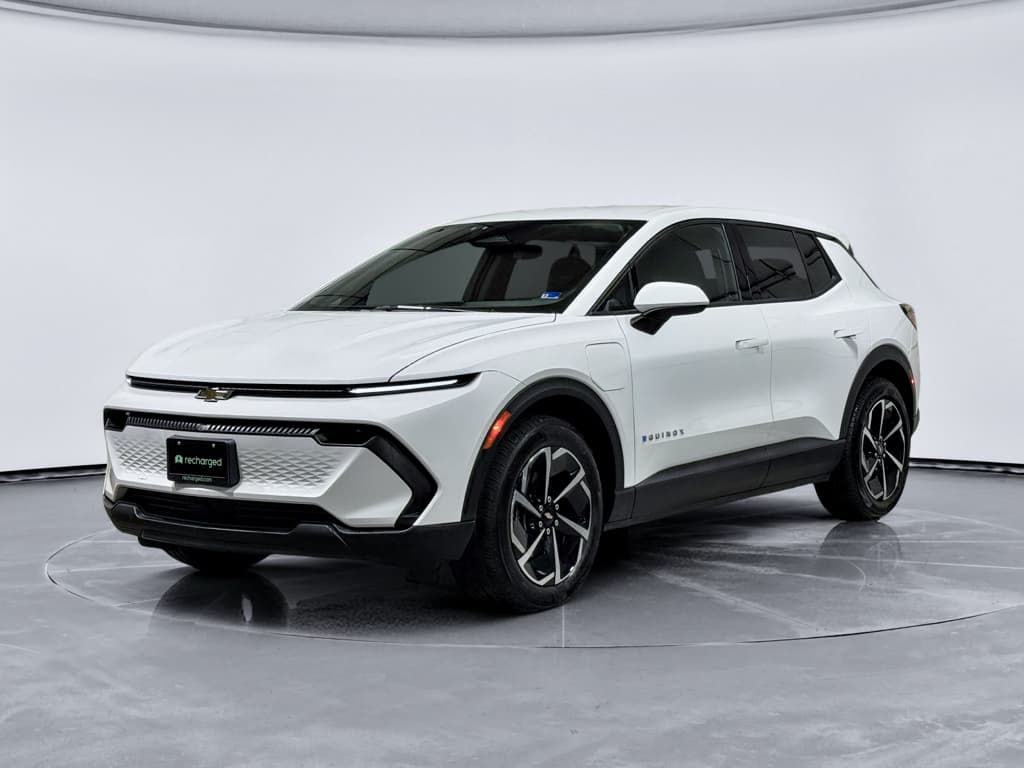
Best Value SUV: Chevrolet Equinox EV
Why it’s here: Compact SUV practicality, strong range, and one of the best price‑to‑features ratios in the EV world, with 2026 pricing starting in the mid‑$30Ks before incentives.
Best for: Small families wanting an affordable electric crossover that still feels nicely equipped.
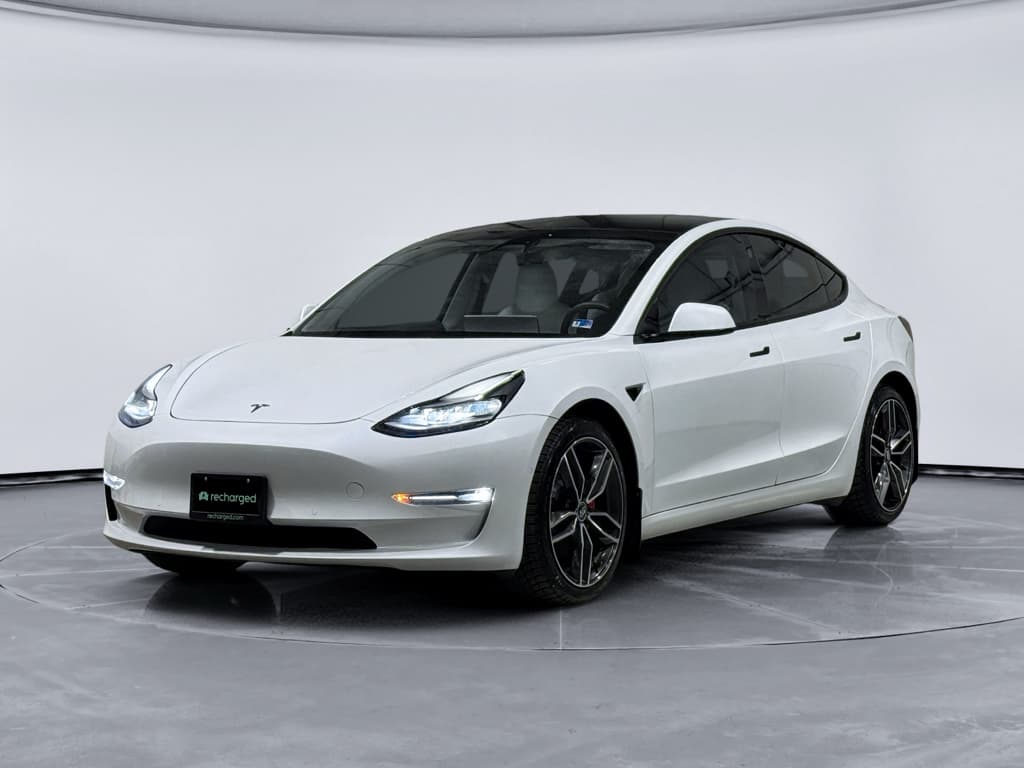
Best for Drivers: Tesla Model 3
Why it’s here: Sharp dynamics, strong performance, and efficiency, plus access to Tesla’s excellent Supercharger network, while many trims still slide under the $50K line.
Best for: Drivers who care about how a car feels on the road as much as how far it goes.
Don’t forget used EVs
How We Chose the Best EVs Under $50,000
You can’t pick the best EV purely from a spec sheet, or purely from hype. For this 2026 guide, we focused on EVs you can realistically buy in the U.S. this year and weighed both hard numbers and lived‑with‑it factors like comfort and charging convenience.
- Price cap: Configurations that land under about $50,000 before taxes and fees. Higher trims may blow past that mark, but at least one worthwhile version has to fit.
- Real‑world range: Roughly 240+ miles of EPA‑rated range for all‑rounders; shorter‑range budget city cars are judged by value, not highway heroics.
- Charging experience: DC fast‑charge speed and how easy it is to actually find and use public chargers on a road trip.
- Practicality: Interior space, cargo room, visibility, and usability for families and daily life.
- Safety & tech: Active safety features, crash‑test performance where available, and everyday tech like wireless CarPlay/Android Auto or native apps.
- Ownership costs: Energy efficiency, likely maintenance and repair costs, and potential depreciation.
About incentives and fine print
Best All-Around EV: Hyundai Ioniq 5

Hyundai’s Ioniq 5 has been winning awards since launch, and for 2026 it’s not just good, it’s a bit of a bargain. Major price cuts and aggressive incentives have pulled many trims into the mid‑$30K to low‑$40K range, while keeping its standout range and 800‑volt fast‑charging tech that embarrassed luxury brands just a few years ago.
Hyundai Ioniq 5: Key Specs (Typical 2026 U.S. Trims Under $50K)
Representative specs for mainstream Ioniq 5 models that fit under the $50,000 cap. Exact numbers vary slightly by trim and wheel size.
| Item | Typical Value |
|---|---|
| Price range (under $50K) | ≈ $35,000–$48,000 |
| EPA range | ≈ 260–303 miles |
| Drivetrain | RWD or AWD |
| DC fast charging | Up to 800‑V architecture; ~10–80% in ~18–25 min under ideal conditions |
| Body style | 2‑row compact SUV/crossover |
The Ioniq 5’s combination of price, range, and ultra‑fast charging is why it tops so many 2026 EV lists.
What you’ll like
- Spacious, airy cabin with great back‑seat room and a sliding center console that actually makes sense.
- Seriously fast charging on an 800‑volt platform, so road‑trip stops can be coffee‑length, not lunch‑length.
- Comfortable, quiet ride that still feels composed on a winding road.
- Plenty of trims under $50K, especially with 2026 discounts and incentives.
What to watch for
- Some trims use big wheels that can shave real‑world range; check the EPA figures for the exact build you want.
- Dealer markups have mostly cooled, but they can still appear in tight markets, shop around or be willing to travel.
- Software and infotainment feel modern, but you’ll want to confirm over‑the‑air update support on the specific model year you’re buying.
Best for most buyers
Best Budget Pick: 2026 Nissan Leaf
The original Leaf helped start the modern EV era. The all‑new 2026 Nissan Leaf is gunning to be the least‑expensive EV on sale in the U.S., with pricing announced around $29,990 for an S+ variant and a lineup that still tops out well below our $50K ceiling. It trades some highway range and outright speed for affordability, simple controls, and enough practicality for everyday use.
2026 Nissan Leaf: Affordability First
Approximate specs for U.S. 2026 Nissan Leaf trims that focus on value.
| Item | Typical Value |
|---|---|
| Price range | ≈ $30,000–$39,000 |
| Battery | ≈ 75 kWh (S+) with smaller packs expected on base trims |
| EPA range goal | ≈ 260–300 miles on larger battery trims |
| Body style | Compact crossover‑inspired hatchback |
| Drive | Front‑wheel drive |
The redesigned Leaf leans into value and efficiency rather than luxury swagger, and that’s exactly what many buyers want.
Who the Leaf suits best
Strengths
- One of the lowest purchase prices for a new EV in 2026, period.
- Comfortable, upright seating and a more spacious interior than the old hatchback version.
- Simple, familiar controls that won’t overwhelm first‑time EV drivers.
Tradeoffs
- Likely slower DC fast‑charging speeds than the flashier competition, fine for occasional road trips, but plan your stops.
- Front‑wheel drive only and modest power; it’s tuned more for ease than excitement.
- As with any new generation, real‑world reliability is something we’ll learn over time, consider a lease if you’re nervous.
Best Value SUV: Chevrolet Equinox EV
Chevrolet’s Equinox EV has quickly become one of the poster children for attainable electric crossovers. With 2026 pricing starting in the mid‑$30Ks and generous range and equipment, it’s routinely singled out as one of the best value EVs on the market.
Chevrolet Equinox EV: Compact SUV, Big Value
Representative 2026 Equinox EV specs for trims that land under $50K.
| Item | Typical Value |
|---|---|
| Price range | ≈ $35,000–$48,000 |
| EPA range | ≈ 250–300 miles depending on battery and drive |
| Drivetrain | FWD or AWD |
| Body style | 2‑row compact SUV |
| Notable perk | Competitive DC fast‑charging; strong features list for the money |
The Equinox EV makes the electric crossover feel mainstream, on price and practicality.
Where the Equinox EV fits
Everyday advantages
- Easy step‑in height, good outward visibility, and familiar SUV feel.
- Plenty of room for car seats and strollers without feeling like a bus.
- Chevy’s growing Ultium‑based EV lineup means more shared parts and, over time, better parts availability.
Potential downsides
- Charging‑network experience still trails Tesla’s gold standard, though that gap is closing as more networks add NACS connectors.
- Interior materials and design are practical more than premium in lower trims.
- Like many crossovers, big wheels and roof racks will nibble at range.
Best for Drivers: Tesla Model 3 (Still Under $50K)
Love it or not, the Tesla Model 3 is still the car that made EVs feel like the future instead of homework. In 2026, updated versions and shifting trims keep many configurations under $50,000 while delivering sharp steering, strong acceleration, and excellent efficiency.
Tesla Model 3: Driver’s EV Under $50K
Core Model 3 trims that typically fit under the $50K cap in 2026.
| Item | Typical Value |
|---|---|
| Price range | ≈ high‑$30Ks to mid‑$40Ks for core trims |
| EPA range | ≈ 270–340 miles depending on battery and wheels |
| Drivetrain | RWD or dual‑motor AWD |
| Charging | Full access to Tesla’s Supercharger network with NACS plug |
| Body style | Compact sedan |
The Model 3 remains one of the most efficient, engaging EVs you can buy for under $50K.
Superchargers still matter
What makes it special
- Tight, responsive steering and low center of gravity that make back roads fun.
- Excellent efficiency, many owners see eye‑opening real‑world range per kWh.
- Frequent over‑the‑air updates that genuinely change the car over time.
What some buyers dislike
- Minimalist interior that pushes almost everything through the center screen, not everyone loves that.
- Ride quality can be firm on rough pavement, especially with larger wheels.
- Build quality and service experiences vary by region; talk to local owners before you commit.
Other Solid EVs Under $50K to Shortlist
Not every great EV fits neatly into a single “best of” slot. Here are a few more 2025–2026 models you should consider if they’re available and priced right in your area:
- Kia Niro EV: One of the more affordable small electric crossovers, with pricing generally in the high‑$30Ks to mid‑$40Ks and a reputation for practicality over flash.
- Hyundai Kona Electric: A compact SUV with comfortable manners and competitive range; often shows up on low cost‑of‑ownership lists for its efficiency.
- Volkswagen ID.4: Family‑friendly interior, comfortable ride, and pricing that often sneaks under $45K on popular trims, especially with promotions.
- Subaru Solterra / Toyota bZ4X: Twin all‑electric crossovers with standard AWD in many trims, aimed at buyers who value ground clearance and light‑trail capability.
- Upcoming budget models (Lucid, Chevy Bolt reboot, etc.): Several brands have announced sub‑$50K EVs arriving from late 2025 into 2027. If you’re not in a rush, keeping an eye on these could pay off.
Used luxury for under $50K
New vs. Used EV Under $50K: Where Your Money Goes Further
Why buy new?
- Latest tech and safety features, including newer driver‑assist systems and modern infotainment.
- Full factory warranty and, often, promotional financing or lease deals.
- Easier access to software updates and the newest battery and charging tech.
New makes sense if you plan to keep the car a long time or want maximum peace of mind and the latest features.
Why buy used?
- More car for the money, luxury brands and long‑range trims that were far beyond $50K when new.
- Big depreciation already taken by the first owner, especially on higher‑end EVs.
- Often still covered by original battery and powertrain warranties.
Used is smart if you want a nicer cabin, more power, or a bigger vehicle without blowing your budget.
How Recharged helps on the used side
Ready to find your next EV?
Browse VehiclesBattery Health and Range: What Really Matters
Shopping for the best EV under $50,000 isn’t just about finding the biggest battery. It’s about finding enough range for how you live, and, if you’re buying used, making sure that range is still there.
Range & Battery Reality Check
A few truths that matter more than the marketing headline.
Know your real daily use
Most U.S. drivers cover less than 40 miles a day, which even a modest EV can handle easily. Don’t overpay for range you’ll never use, unless you routinely road‑trip.
Degradation is normal, not fatal
EV batteries lose some capacity over time, but it’s usually a slow fade, not a cliff. The key is knowing today’s usable range, not the EPA sticker from years ago.
Warranties are your friend
Most modern EVs carry 8‑year battery warranties with protections against excessive degradation. If you’re buying used, check how many years and miles are left.
Used EV red flag
With Recharged, every car comes with a Recharged Score that uses battery diagnostics and real‑world data, not just a dashboard guess, to tell you how much usable battery life is left. That’s the difference between buying an EV that still feels new and one that already drives like it’s on a permanent half‑charge.
Checklist: How to Pick the Right EV Under $50K
Step-by-Step: Choosing Your 2026 EV
1. Define your real budget, not the sticker
Decide your monthly payment, down payment, and whether you’re open to leasing. A $45K EV with great financing may cost you less per month than a $38K model with weaker terms.
2. Map your weekly driving
Look at a typical week: commuting, school runs, weekend trips. If you only see one or two days above 100 miles, you don’t need a 350‑mile monster, focus on comfort and value instead.
3. Decide on body style first
Do you truly need an SUV, or would a hatchback or sedan fit your life and parking situation better? A smaller, lighter EV will usually be cheaper and more efficient.
4. Check your charging reality
Can you install Level 2 charging at home, or will you rely on public chargers? Home charging extends your options; heavy public‑charging use makes fast‑charge speed and network quality crucial.
5. Shortlist 3–4 models and trims
Within your budget, pick a few candidates, say Ioniq 5, Equinox EV, and Model 3, and compare trims, range, and equipment. Don’t chase the press‑car spec you can’t actually afford.
6. Drive them back-to-back
Range and charging specs matter, but seat comfort, visibility, ride quality, and how the controls feel matter just as much. A 20‑minute test loop can clarify months of spreadsheet work.
7. Run a 5-year cost comparison
Factor in energy costs, insurance, maintenance, and depreciation. Many EVs are cheaper to own than gas cars even when the purchase price is similar, or slightly higher.
8. If used, demand a battery report
For any used EV, ask for recent, independent battery‑health data. A Recharged Score Report does this automatically and rolls that insight into fair market pricing.
Don’t lock on one number
FAQ: Best EVs Under $50,000 in 2026
Frequently Asked Questions
Bottom Line: Finding Your Best EV Under $50,000
In 2026, the phrase “best EV under $50,000” doesn’t point to a single winner, it points to a handful of genuinely good choices that suit different kinds of lives. The Hyundai Ioniq 5 is the all‑rounder hero, the 2026 Nissan Leaf aims to be the every‑driver value play, the Chevy Equinox EV nails the family‑crossover brief, and the Tesla Model 3 still makes an ordinary commute feel a little special.
The right answer for you comes down to how you drive, where you charge, and how long you plan to keep the car. If you’re leaning toward a used EV to stretch that $50K budget, working with a specialist like Recharged, with battery‑health diagnostics, fair pricing, nationwide delivery, and EV‑savvy support, can turn a complicated decision into a confident one.
Take your time, test‑drive back‑to‑back, and look beyond the marketing numbers. Get those steps right, and your next EV won’t just be the best one under $50,000, it’ll be the best car you’ve bought, period.