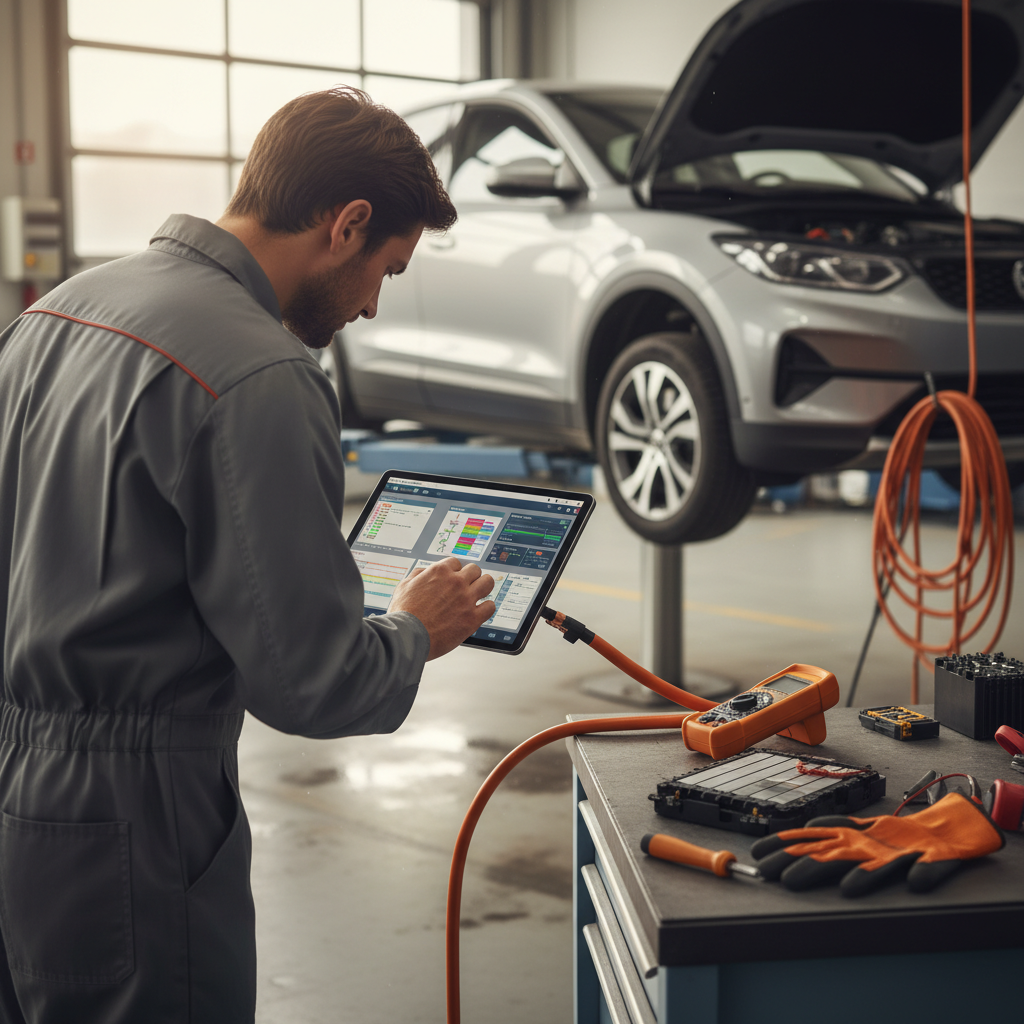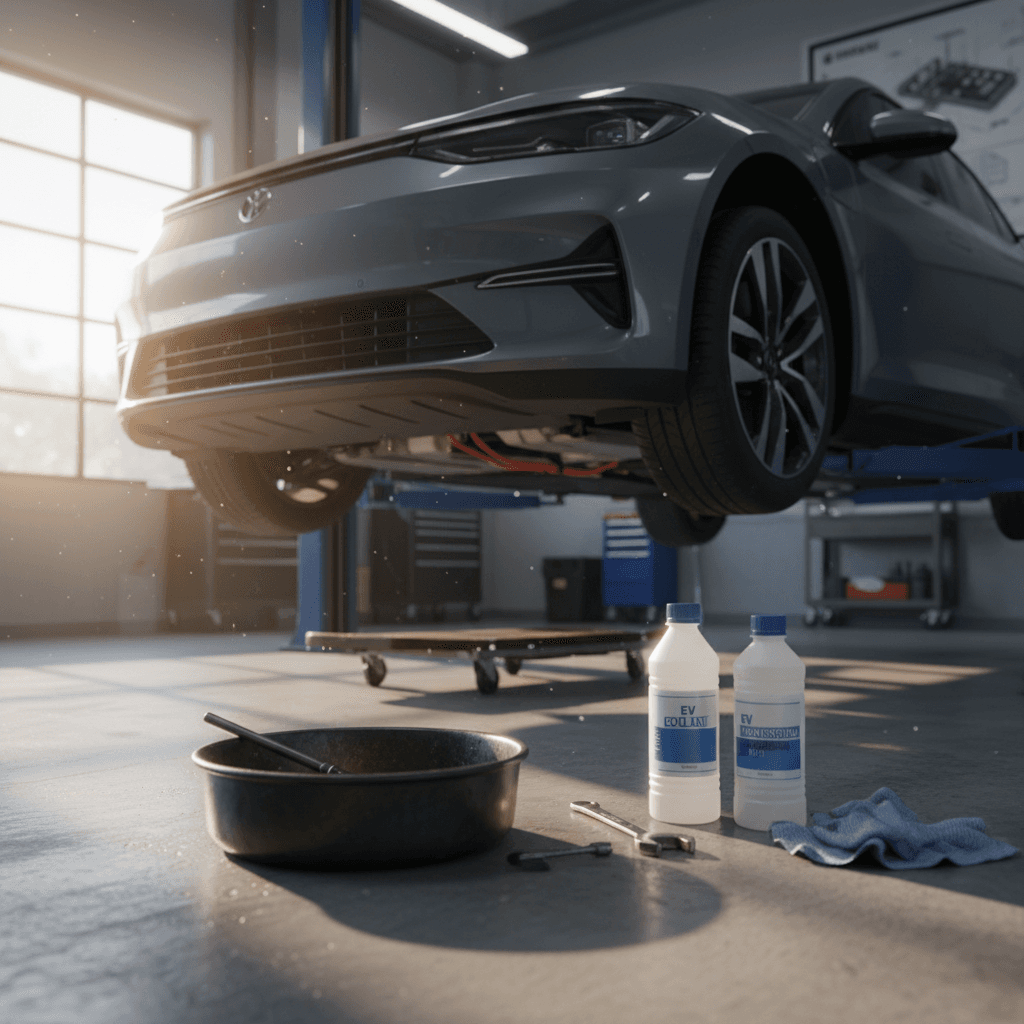
If you grew up timing your life around 3,000–7,500‑mile oil changes, it’s natural to wonder: do electric cars need oil changes at all? The answer is simple, pure battery electric vehicles (BEVs) do not use engine oil and never need an engine oil change. But that doesn’t mean they’re maintenance‑free, or that every fluid disappears.
Key takeaway
Do electric cars need oil changes? The short answer
- Battery electric vehicles (BEVs): No engine, no engine oil, no oil changes, ever.
- Plug‑in hybrids (PHEVs): Yes, they still have an engine and do need oil changes on a schedule similar to gas cars.
- Hybrids (HEVs): Also have engines and require regular oil changes.
When most people say “electric car” today, they mean a full battery electric vehicle like a Tesla Model 3, Chevy Bolt, Hyundai IONIQ 5, or Ford Mustang Mach‑E. These cars are propelled entirely by one or more electric motors. There’s no engine block, no pistons, no crankshaft, and no oil pan full of engine oil slowly degrading between services.
Watch the fine print
Why electric cars don’t need engine oil changes
1. No combustion engine
Engine oil in a gas car has three main jobs: lubricate moving metal parts, help carry away heat, and keep contaminants in suspension so the filter can catch them. An EV’s electric motor is a sealed unit with far fewer moving parts, and it doesn’t burn fuel. There’s no dirty combustion byproduct to contaminate oil, because there’s no oil bath in the first place.
2. Simple single‑speed gearbox
Most EVs use a single‑speed reduction gearbox rather than a multi‑speed automatic transmission full of clutches and valves. These units typically use a long‑life gear oil or lubricant that’s filled at the factory and only inspected or changed at very long intervals, if ever, under normal driving.
That’s the core reason electric cars skip oil changes entirely: the part of a car that needs engine oil, the engine itself, simply isn’t there. What remains is a much more compact, sealed, and durable set of components designed to run for hundreds of thousands of miles with minimal intervention.
How to sanity‑check a service quote
What fluids do electric cars still have?
While EVs don’t use engine oil, they’re not dry mechanical sculptures. They still depend on a few critical fluids for cooling, braking, and sometimes gearbox lubrication. Understanding these helps you budget realistically and avoid surprises.
Core fluids in a battery electric vehicle
No engine oil, but a few important systems to keep an eye on
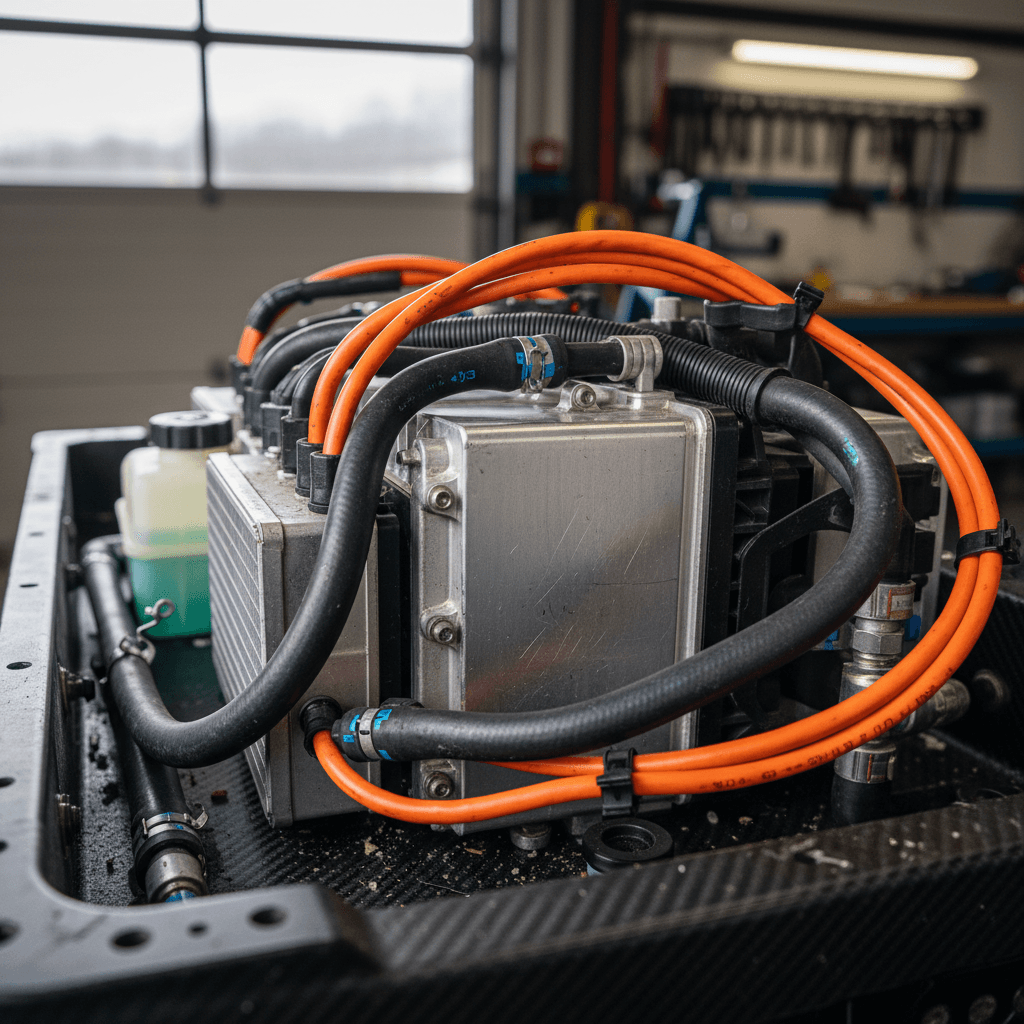
Battery & power electronics coolant
Modern EVs circulate a liquid coolant through the battery pack, inverter, and sometimes the motor to keep temperatures in the safe, efficient zone. Service intervals vary by brand, many specify a coolant check at regular services and a replacement around 8–10 years or 100,000+ miles.
No engine oil or transmission fluid service
There’s no engine oil in a pure EV. Most also skip traditional automatic transmission fluid services. A small number of models may have specialized gearbox fluid with a long replacement interval; that’s very different from changing oil every few thousand miles.
Brake fluid
EVs still use hydraulic brake fluid for the friction brakes. Because regenerative braking handles much of the stopping, pads and rotors often last longer, but the fluid still absorbs moisture over time and usually needs replacement every few years.
- Windshield washer fluid: Same as any car, top it up as needed.
- HVAC refrigerant: Sealed A/C system that may occasionally need service, especially as the vehicle ages.
- Gear oil (some models): A small amount of lubricant in the reduction gearbox; many manufacturers treat it as “lifetime fill,” some specify inspections or changes at high mileage.
Where to find real intervals
Maintenance items EVs share with gas cars
Even though EVs dodge engine oil, they’re still cars. They roll on tires, ride on suspension components, and live in the same pothole‑ridden world as everything else. Those shared systems are where most of your EV maintenance dollars will actually go.
Good news overall
How EV maintenance costs compare to gas cars
The real question for most buyers isn’t just whether EVs need oil changes, it’s what that means for total maintenance cost over years of ownership. Multiple 2024–2025 analyses of U.S. vehicles find that battery electric vehicles typically cut routine maintenance and repair spending by roughly 30–50% versus comparable gas cars, mainly because there are fewer systems to service or break.
EV vs gas maintenance snapshot
Those numbers won’t apply perfectly to every model, of course. Some luxury EVs carry pricey parts; some cheap gas cars are famously durable. And when collisions happen, EVs can be more expensive to repair because of high‑voltage safety protocols and the cost of sensors and body parts. But on the routine maintenance side, removing oil changes, spark plugs, and complex gearboxes is a structural advantage EVs will hold for the long term.
The big wildcard: Battery repairs
Used EV checklist: What to inspect instead of oil
If you’re shopping for a used electric car, asking for “oil change records” doesn’t make sense for a pure EV. Instead, you want to see whether the previous owner kept up with software updates, coolant and brake inspections, and battery care. This is exactly the gap Recharged was built to close for used EV buyers.
Used EV maintenance & health checklist
1. Battery health and warranty
Ask for data on <strong>battery state of health (SoH)</strong>, not just mileage. At Recharged, every vehicle includes a <strong>Recharged Score Report</strong> with verified battery diagnostics so you can see remaining capacity and warranty status before you buy.
2. Service history for coolant & brakes
Review maintenance records for any completed coolant or brake fluid services and regular inspections. Lack of an oil‑change log is normal; lack of any fluid or brake inspections may not be.
3. Tire condition and alignment
Check for even tread wear and ask about past alignments. Uneven wear can hint at suspension issues or chronic pothole damage, which matters more on a heavy EV.
4. Software updates and recalls
EVs are software‑defined vehicles. Confirm that onboard software is up to date and that all <strong>recalls and service campaigns</strong> have been completed.
5. Charging history and habits
If you can, learn how the previous owner charged the car, constant DC fast charging and always charging to 100% can accelerate degradation on some models. A healthy mix of home Level 2 charging and moderate charge limits is ideal.
6. Professional inspection
Before buying from a private seller, consider an inspection by a shop that understands EVs. Buying from a specialist marketplace like <strong>Recharged</strong> bakes that expertise into the process, from diagnostics to pricing.
How Recharged de‑risks used EV maintenance
Common myths and mistakes about EV maintenance
Myths about electric car oil changes and maintenance
What’s true, what’s not, and where nuance actually matters
“EVs are maintenance‑free.”
False. EVs skip engine oil changes and many engine‑related services, but you still have tires, brakes, fluids, and suspension to look after. They generally cost less to maintain, but they’re not zero‑maintenance appliances.
“Dealers wouldn’t sell unnecessary services.”
Also false. Many shops still default to gas‑car service menus or push add‑ons. For EVs, you should compare any service recommendations against the official maintenance schedule in your manual.
“EVs use a different kind of engine oil.”
For pure battery EVs, there is no engine oil at all. If someone is talking about EV “engine oil,” they are either confusing your car with a hybrid or selling something you don’t need.
“Skipping oil changes makes EVs cheaper to insure.”
Not directly. Insurance is more tied to repair costs and crash risk. EVs often have lower routine maintenance but can be more expensive to repair after a collision because of high‑voltage and body complexity.
Don’t confuse EVs with plug‑in hybrids
FAQ: EV oil changes and maintenance
Frequently asked questions about EV oil changes
Bottom line: No oil changes, but not maintenance‑free
Electric cars turn one of the most annoying recurring chores of gasoline ownership, engine oil changes, into a non‑issue. A pure battery EV doesn’t have engine oil, so it never needs to be changed. Instead, your long‑term costs center on tires, brakes, suspension components, and a handful of fluids like coolant and brake fluid that age slowly over many years.
For most drivers, that simpler mechanical recipe translates into meaningfully lower routine maintenance costs, even if EVs can be more complex to repair after a major collision. If you’re shopping used, what replaces oil‑change records is clear visibility into battery health, software history, and real‑world wear. That’s where Recharged comes in, every EV we sell includes a Recharged Score Report, transparent pricing, and EV‑specialist guidance so you can step into electric ownership without guessing about what’s happening under the floor or under the hood.