If you’re shopping for the best EV under $40,000 in 2025, you’re in a much better spot than shoppers were just a few years ago. Price cuts, new models, and a growing used market mean you can get real range, modern tech, and family-ready practicality without crossing the luxury threshold.
What this guide covers
Why $40,000 Is the EV Sweet Spot in 2025
EV Value Benchmarks Around $40K
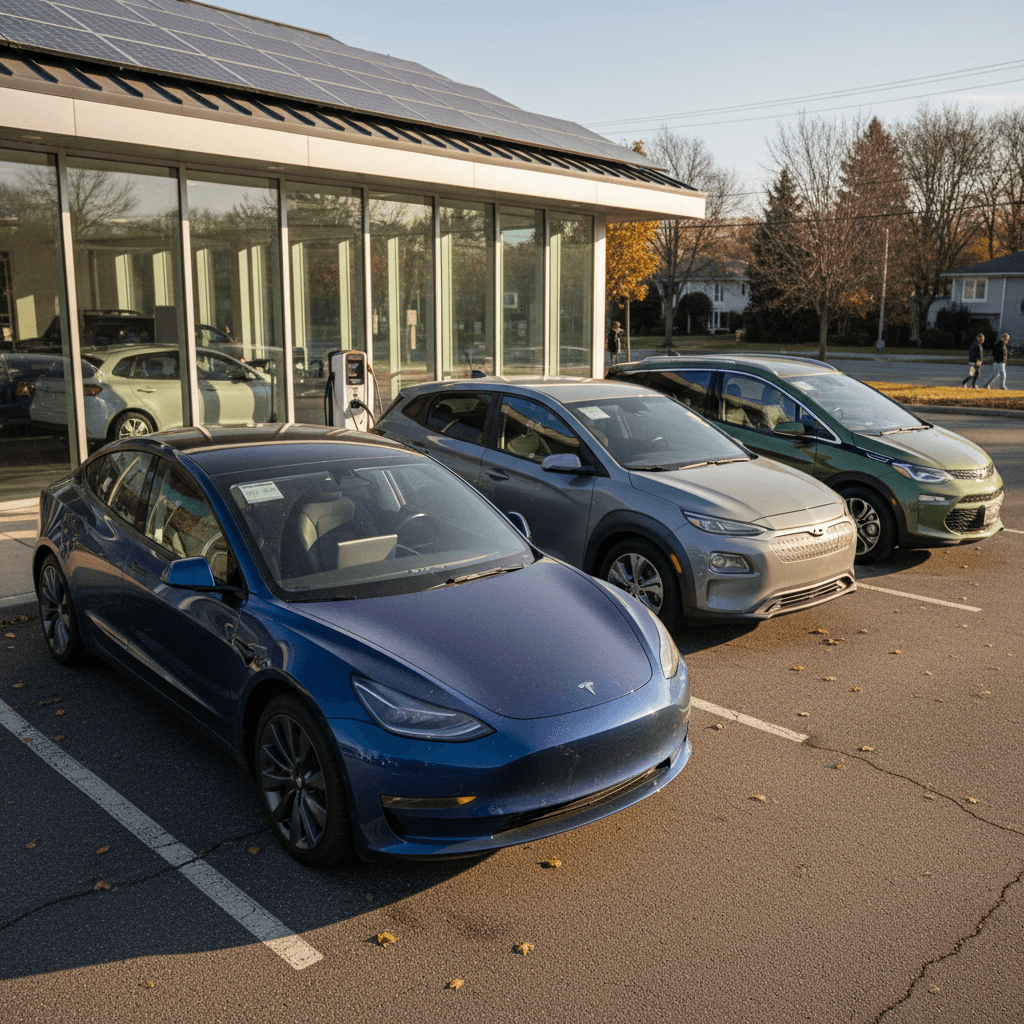
At around $40,000, you’re in the sweet spot where EVs stop feeling like experiments and start feeling like normal, well-rounded cars. You’ll see compact hatches like the Nissan Leaf, small crossovers like the Hyundai Kona Electric, and genuinely family-ready SUVs like the Chevrolet Equinox EV and Toyota bZ4X. Step into the used market, and that same budget can reach higher-end models like the Hyundai Ioniq 5 or a well-optioned Tesla Model 3.
A quick note on prices
Quick-glance: Top EVs Under $40K (New)
Representative New EVs Around or Under $40K (2025)
Approximate starting MSRPs and typical EPA-rated ranges for key 2025 models that can be configured under $40,000.
| Model (2025) | Type | Approx. Starting MSRP | Approx. EPA Range | Why it’s interesting |
|---|---|---|---|---|
| Nissan Leaf | Compact hatch | $29,000 | ~149–214 mi | Cheapest new EV; great city commuter if you can live with limited fast-charging support. |
| Fiat 500e | City car | $32,000–$34,000 | ~115–145 mi | Small, stylish city EV; perfect second car for short urban trips. |
| Hyundai Kona Electric | Subcompact SUV | $34,000–$35,000 | ~200–260 mi | Balances price, range, and warranty; strong pick for first-time EV buyers. |
| Chevrolet Equinox EV | Compact SUV | $35,000 | ~250–285+ mi | New benchmark for value; family-friendly space with serious range. |
| Toyota bZ4X | Compact SUV | $37,000–$38,500 | ~210 mi | Comfortable, easygoing crossover with Toyota’s reputation behind it. |
| Hyundai Ioniq 6 | Midsize sedan | $38,000–$39,000 | ~240–330 mi | Sleek sedan with excellent efficiency and fast charging. |
| Ford Mustang Mach-E (base) | Crossover | $39,000–$40,000 | ~250–300 mi | Fun-to-drive, tech-forward crossover that just slips under the $40K line in base form. |
| Subaru Solterra | Compact SUV | Just under $40K | ~220 mi | Standard all-wheel drive and Subaru’s outdoorsy appeal. |
Exact prices and ranges vary by trim and options; always verify on the manufacturer’s site or with a dealer.
Don’t ignore ‘around $40K’ models
Best EVs Under $40K by Category
Best EVs Under $40K: Who They’re Best For
Match the car to how you actually drive, not just the spec sheet.
Best budget commuter: Nissan Leaf
If you want the lowest possible price and mainly drive around town, the Leaf is hard to ignore. Base models come in under $30,000 new, and used examples are often significantly cheaper.
- Pros: Very affordable, simple to drive, easy to park.
- Cons: Older CHAdeMO fast‑charging standard, modest highway range.
Best balance of value & range: Hyundai Kona Electric
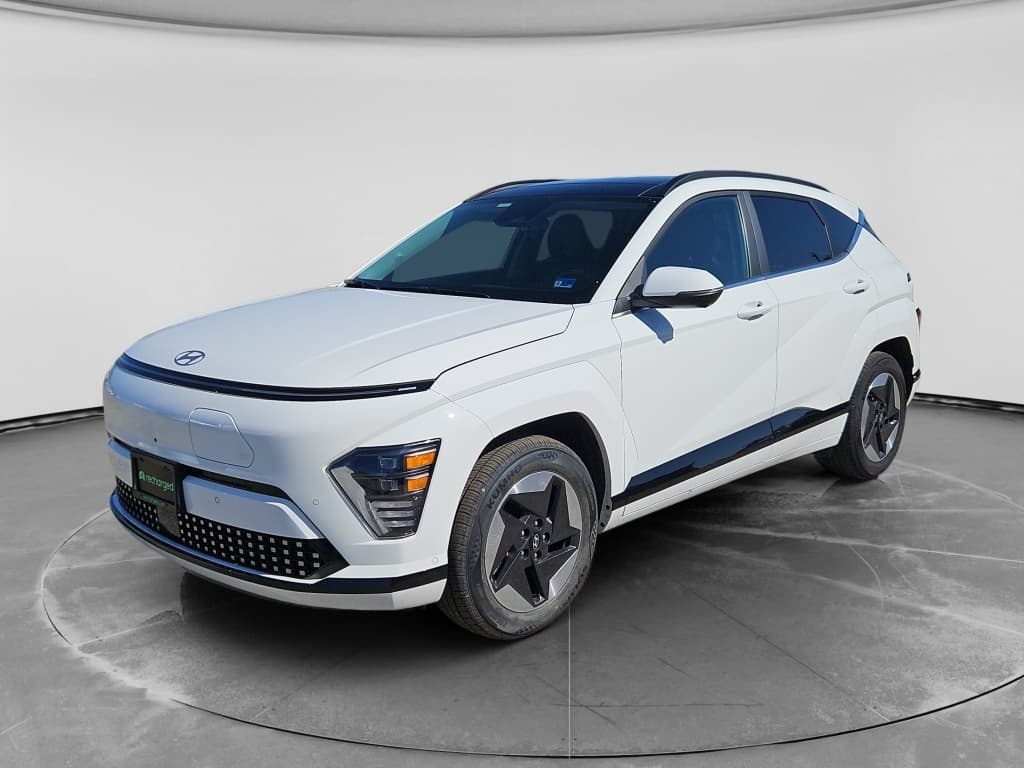
The Kona Electric is a sweet spot for many buyers. It’s a small SUV with enough range for road trips if you plan your stops, and Hyundai’s long battery warranty is a major plus.
- Typically ~200–260 miles of range depending on battery and trim.
- Comfortable for daily driving, hatchback practicality.
Best family all-rounder: Chevrolet Equinox EV
Chevy’s Equinox EV is quickly becoming the benchmark for a family EV under $40K. You get SUV space, competitive range, and a cabin that doesn’t feel like a penalty box.
- EPA-rated range around the mid‑200‑mile mark on many trims.
- Roomy back seat and solid cargo area for strollers, sports gear, and road trips.
Best long-range sedan value: Hyundai Ioniq 6
If you prefer a sedan, the Ioniq 6 offers sleek styling and standout efficiency. Certain rear‑drive trims pair a mid‑to‑high‑30s price with long range and ultra‑fast DC charging.
It’s a great choice if you do lots of highway miles and want something quieter and more efficient than an SUV.
Best for outdoor lifestyles: Subaru Solterra
The Solterra targets buyers who need all‑wheel drive and mild off‑pavement capability. Range isn’t class‑leading, but ground clearance and Subaru’s traction tech will appeal to skiers and hikers.
Best "stretch" pick: Tesla Model 3 (used or discounted)
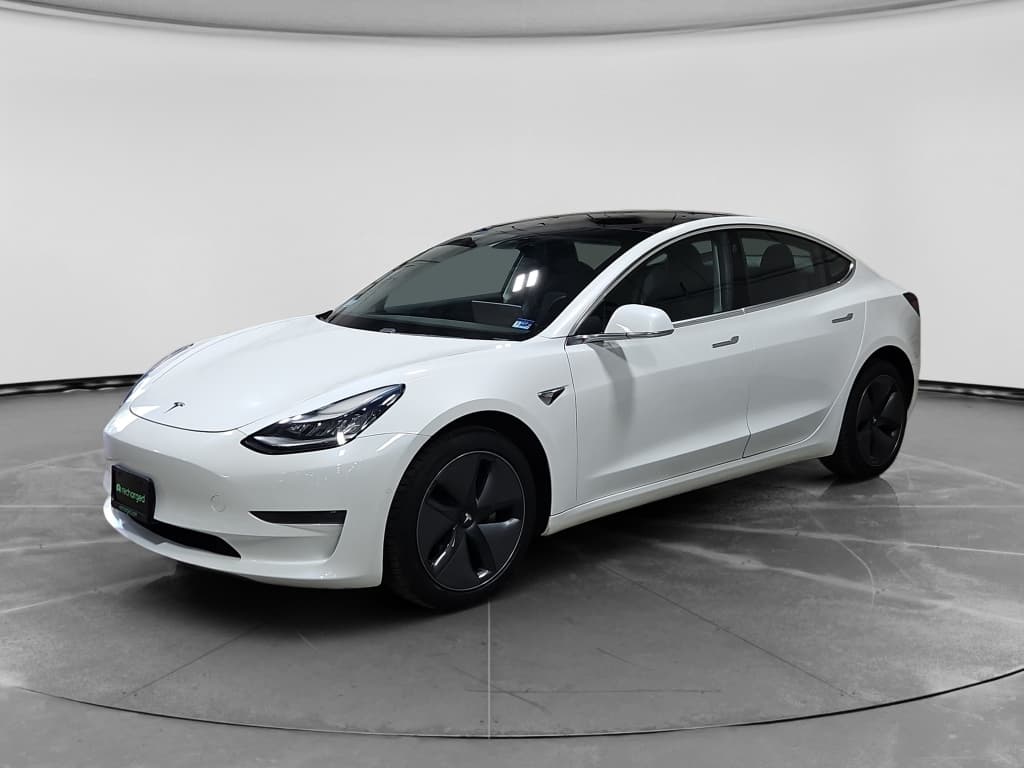
The base Tesla Model 3 often hovers around the $40,000 mark new and frequently dips below it in the used market. It combines strong range, over‑the‑air updates, and access to Tesla’s Supercharger network.
For many buyers, a lightly used Model 3 is the most compelling way to get a premium-feeling EV under $40K.
Used EVs Under $40K: Hidden Gems
A budget of $30,000–$40,000 in the used EV market opens the door to vehicles that felt aspirational when they were new. For many shoppers, this is where the real value lives, especially if you want more space, more range, or a more premium feel than today’s entry-level new EVs offer.
Standout Used EVs Commonly Found Under $40K
Exact prices depend on year, mileage, condition, and local demand.
Hyundai Ioniq 5
The Ioniq 5 has become a darling among EV reviewers for good reason: airy interior, very fast charging, and solid real‑world range. Earlier model years are increasingly attainable under $40K.
- Strong candidate if you want a "future‑feeling" EV without a luxury badge.
- Look for remaining battery warranty and service records.
Tesla Model 3 & Model Y (older years)
Depending on your market, you’ll often see Model 3 sedans and even some Model Y crossovers slide under $40,000 used. They bring strong DC fast charging speeds and a huge charging network.
Be sure to check tire wear, suspension, and previous accident history, many have seen high mileage quickly.
Volkswagen ID.4
The ID.4 is a roomy, comfortable crossover that tends to depreciate faster than some rivals, good news for used buyers. It’s a strong family hauler if you’re not chasing the fastest 0–60 time.
Premium brands, mainstream prices
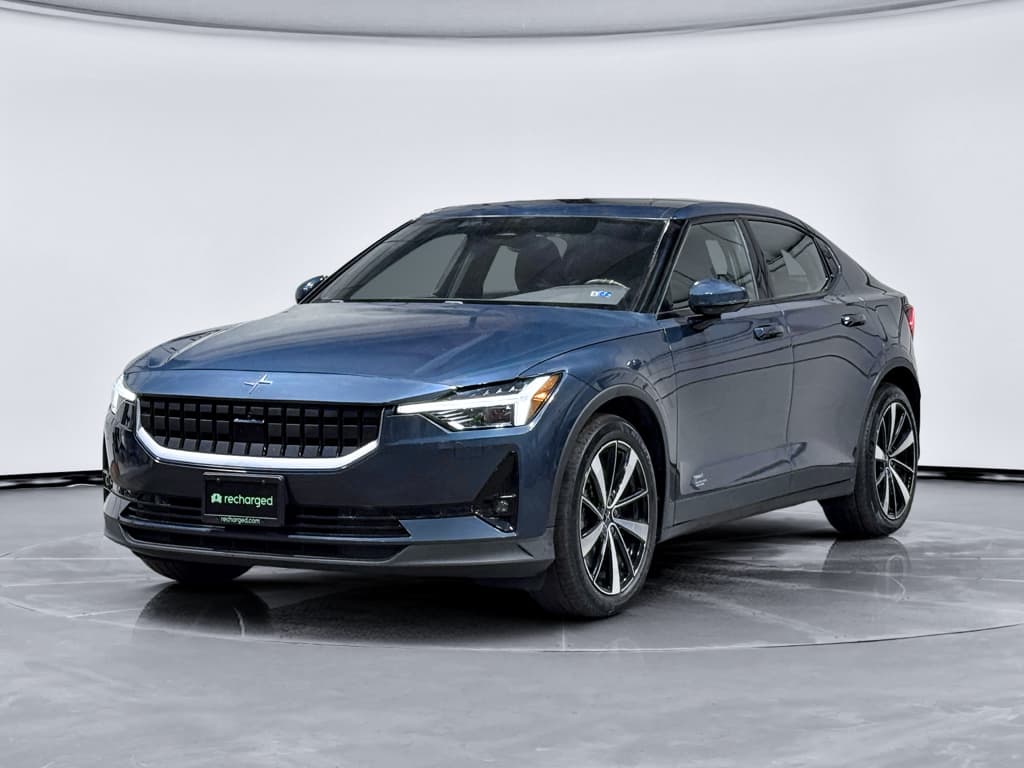
Your budget may also reach older Ford Mustang Mach‑E trims or entry-level luxury EVs (from brands like Volvo or Mercedes-Benz) once they’re a few years old. Here, condition, battery health, and history matter far more than the badge.
How Recharged can help with used EVs
New vs Used EV Under $40K: Which Makes Sense?
When a new EV makes more sense
- You want the latest tech and safety aids. Newer EVs often add better driver‑assist systems, bigger screens, and more efficient motors.
- You plan to keep the car 8–10+ years. Starting new gives you the full lifespan of the battery and drivetrain.
- You value a full warranty. Peace of mind matters, especially if this is your first EV.
When a used EV is the smarter play
- You want more car for the money. A used Ioniq 5 or Model Y can deliver more space and range than a brand‑new city EV at the same price.
- You drive modest miles. If you’re not piling on mileage, you can let the first owner eat most of the depreciation.
- You have good data. With tools like the Recharged Score and battery diagnostics, you can avoid unpleasant surprises.
Watch battery degradation, not just odometer
How to Choose the Right EV Under $40K
6 Steps to Picking the Best EV Under $40K for You
1. Be honest about your daily range needs
Track your typical weekly driving for two weeks. Many people discover they drive 30–60 miles a day, which puts a 200‑mile EV comfortably in the safe zone even without daily charging.
2. Decide on body style first
Do you really need an SUV, or would a hatchback or sedan work? Crossovers like the Equinox EV and Kona Electric are great all‑rounders, but a sedan like the Ioniq 6 may give you more range for the same money.
3. Map your charging reality
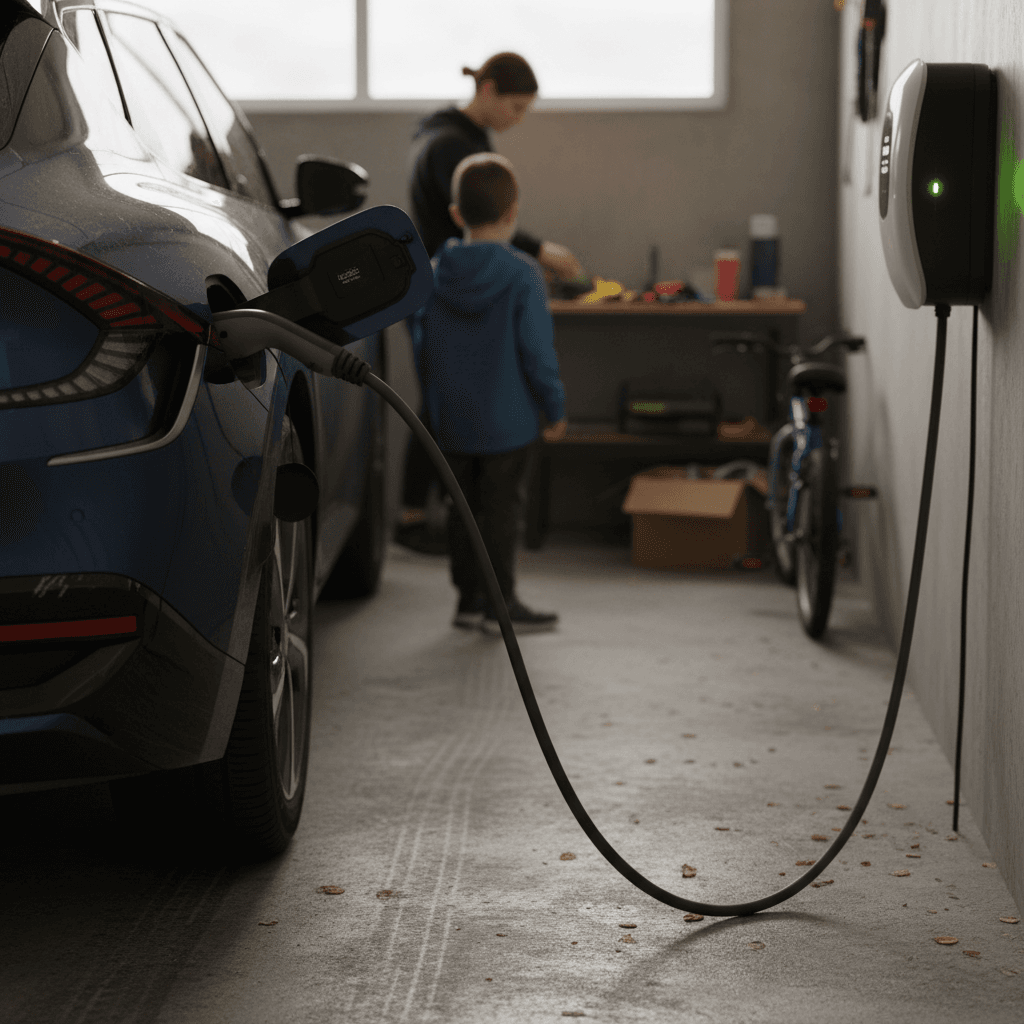
If you can install Level 2 charging at home, your life gets easier and your choice of EVs widens. If you’ll rely heavily on public charging, prioritize cars with solid DC fast‑charging speeds and good network access.
4. Compare real-world, not just rated, range
EPA numbers are helpful, but weather, speed, and terrain matter. Look for owner reports and long‑term tests that describe what the car actually delivers on the highway and in winter.
5. Factor in software and support
Modern EVs are rolling computers. Over‑the‑air updates, a clean infotainment interface, and responsive customer support can dramatically affect your ownership experience.
6. Test-drive with your real life in mind
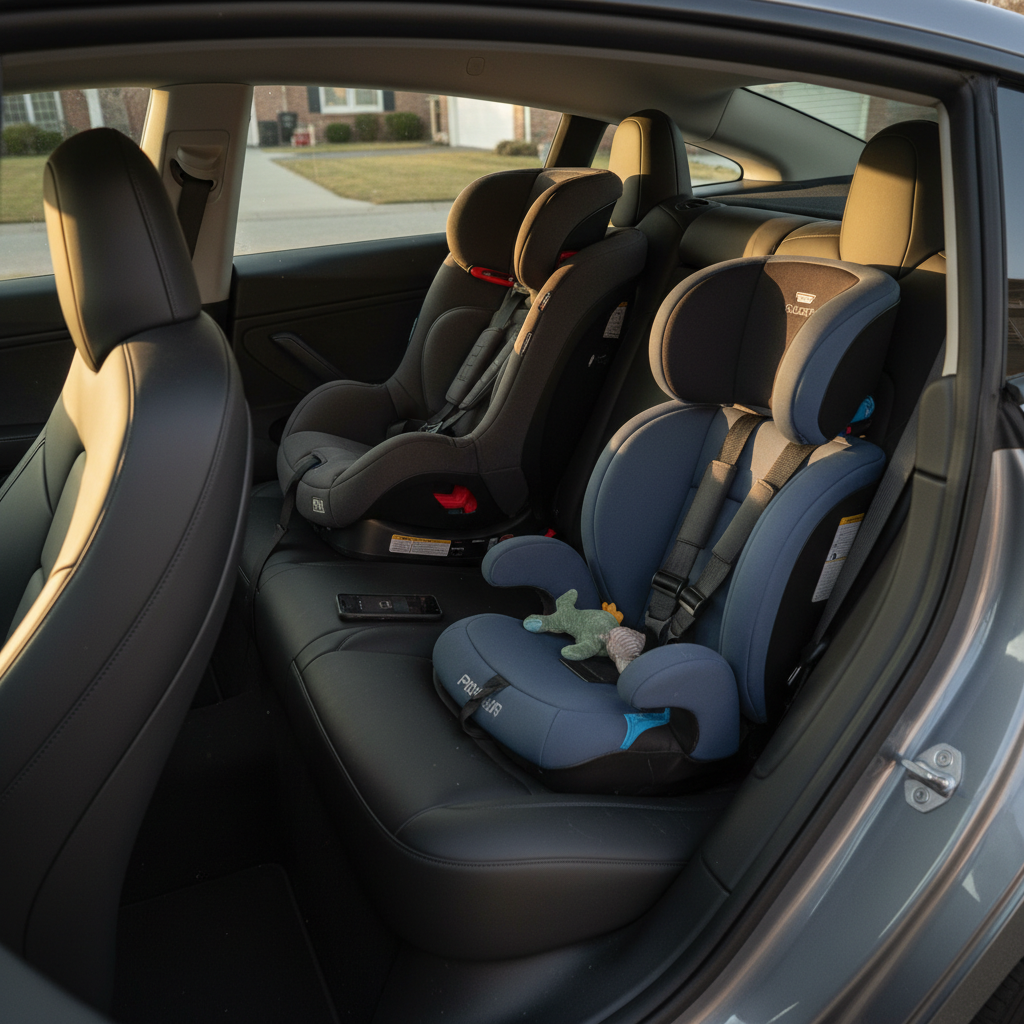
Bring your family, car seats, and even a stroller. See how the cargo area fits your gear. Don’t just focus on acceleration, think about seating comfort, visibility, and ease of using the charging apps.
Leverage expert help
Ready to find your next EV?
Browse VehiclesFinancing and Total Cost of Ownership
Comparing two EVs purely on sticker price can be misleading. A $38,000 Hyundai Ioniq 6 that holds its value well and sips electrons might be cheaper to own than a $34,000 EV with higher energy use and weaker resale. To really understand the best EV under $40K for your situation, you need to look at the whole financial picture.
- Energy costs: Check your local electricity rates and compare them with what you’d spend on gas in an equivalent vehicle.
- Home charging installation: A Level 2 home charger and any 240‑volt electrical work are one-time costs that pay off in convenience and lower public-charging spend.
- Maintenance: EVs eliminate oil changes and have fewer moving parts, but tire wear and brake service still apply, especially on heavier crossovers.
- Insurance: Some EVs can be pricier to insure, so it’s worth getting a quote before you fall in love.
- Resale value: Popular models with strong range and charging performance tend to hold their value better, which effectively lowers your cost per year of ownership.
Use pre-qualification to define your real budget
FAQ: Best EVs Under $40K
Frequently Asked Questions About EVs Under $40,000
Bottom Line: Picking Your Best EV Under $40K
Your personal "best EV under $40,000" depends less on the badge on the hood and more on how you drive, where you charge, and how long you plan to keep the car. A budget-conscious commuter might be ecstatic with a Nissan Leaf or Fiat 500e, while a growing family may be far better served by a Chevrolet Equinox EV, Hyundai Kona Electric, or used Ioniq 5 or Model 3.
Start by defining your real-world needs, then narrow down a short list that fits your budget and charging reality. From there, lean on objective data, battery health reports, range testing, and total cost-of-ownership estimates, rather than marketing claims. Whether you’re browsing online or visiting the Recharged Experience Center in Richmond, VA, taking this structured approach will help you drive home in an EV that feels like a smart decision every time you plug in.