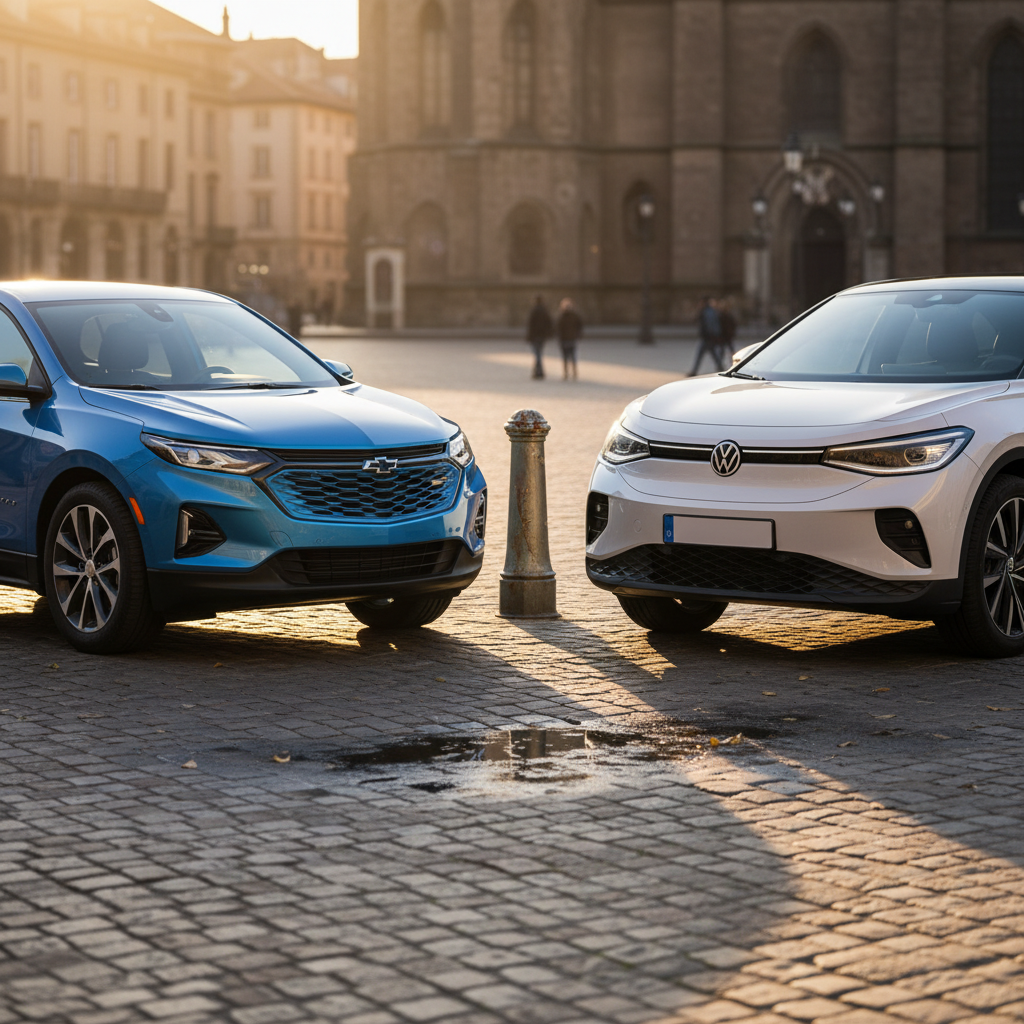
You’re not imagining it: new electric cars are getting shinier, bigger, and painfully more expensive. But if your budget tops out around $20,000, 2026 is actually a terrific year to buy a *used* EV. Thanks to brutal early depreciation, some of the **best EVs under $20,000 in 2026** are three‑ to six‑year‑old cars with range, safety tech, and comfort that would’ve been luxury material a decade ago.
Context: Tax Credits Are Gone, Values Are Not
Why $20,000 Is the EV Sweet Spot in 2026
1. EV Depreciation Is Your Friend
EVs typically **depreciate faster** than comparable gas cars in the first three to five years, largely because technology is improving quickly and early buyers chase the newest thing. For you, that means a car that sold new for $32,000 in 2021 can now live happily under $18,000 in 2026, with plenty of life left in the pack.
2. Battery Tech Has Matured
Real‑world data now shows modern EV batteries routinely losing only **2–3% of capacity per year** in normal use, and often less in cooler climates. That makes a 5‑year‑old EV with a 220‑mile EPA rating still entirely usable for a 40‑mile round‑trip commute, school runs, and weekend errands.
Important: $20,000 Means Used, Not New
Quick List: Best EVs Under $20,000 in 2026
Snapshot: Top Used EV Picks Under $20,000
Approximate U.S. pricing in early 2026 for well‑kept examples with typical mileage. Local markets will vary.
| Model | Typical Model Years Under $20k (2026) | Approx. Price Range | EPA Range (when new) | Why It’s a Smart Buy |
|---|---|---|---|---|
| Chevrolet Bolt EV | 2017–2022 | $13,000–$19,000 | 238–259 miles | Class‑leading range for the money, liquid‑cooled battery, roomy cabin. |
| Hyundai Ioniq Electric | 2019–2021 | $12,000–$17,000 | 124–170 miles | Ultra‑efficient, famously low degradation, great commuter car. |
| Hyundai Kona Electric | 2019–2021 | $16,000–$20,000 | 258 miles | Compact crossover packaging, strong range, long battery warranty. |
| Nissan Leaf (40 kWh) | 2018–2022 | $9,000–$16,000 | 149 miles | Dirt‑cheap entry to EVs; perfect for short‑range urban use in mild climates. |
| Volkswagen e‑Golf | 2017–2019 | $11,000–$16,000 | 125–144 miles | Drives like a normal Golf, high comfort and build quality. |
| BMW i3 (BEV) | 2017–2021 | $13,000–$18,000 | up to ~153 miles | Quirky premium feel, light and efficient, great city car. |
All prices are rough retail asking prices, not auction outliers.
How to Use This Shortlist
Best EVs Under $20,000 in 2026: Detailed Picks
Chevrolet Bolt EV: The Range Champ of Cheap EVs
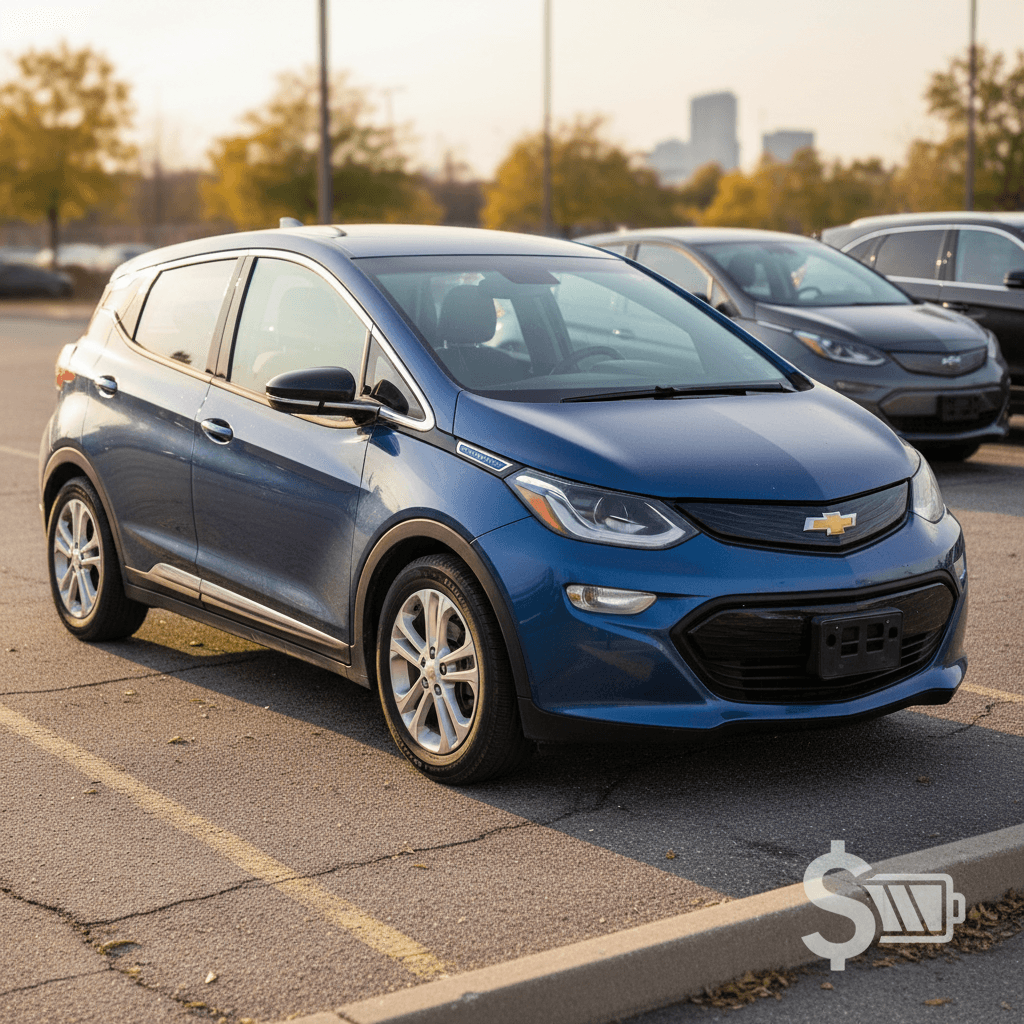
If you asked a room full of EV nerds to name the **best EV under $20,000 in 2026**, the first shouted answer would almost certainly be “Bolt.” The Chevrolet Bolt EV is the rare budget EV that doesn’t feel like a compromise: 238–259 miles of original EPA range, a liquid‑cooled battery pack, compact‑car practicality, and modern driver‑assist tech on later years.
Chevy Bolt EV: Key Highlights for Budget Shoppers
Why It’s Great Under $20k
- Serious range: 230+ miles even on older models, often still 200+ in real life.
- Liquid‑cooled pack with solid degradation history when maintained.
- DC fast charging standard; great for road‑trip‑curious buyers.
- Feels like a modern compact, not an eco‑appliance.
What to Watch Out For
- Earlier years were subject to a major **battery recall**; verify recall work was done and check documentation.
- Some cars lead hard lives as rideshare vehicles, high mileage isn’t a deal breaker if the battery tests well, but you want proof.
- Insurance can be a touch higher than a Leaf, so get quotes in advance.
Hyundai Ioniq Electric: The Efficiency Geek’s Dream
The original Hyundai Ioniq Electric is the quiet kid in the back of the class who aces every test. On paper, its 124–170‑mile range doesn’t dazzle. On the road, it’s one of the most **efficient EVs ever sold in the U.S.**, and owner data shows remarkably low degradation even past 60,000 miles. That makes it a killer commuter if you can live within its range envelope.
- Real‑world consumption as low as 4–5 miles per kWh in normal driving.
- Later 38.3 kWh versions stretch usable range closer to 150–170 miles.
- 10‑year/100,000+ mile battery warranties on many examples add confidence.
- Pricing in 2026 often lands well below $17,000, even for well‑equipped cars.
Who Should Buy an Ioniq Electric?
Hyundai Kona Electric: Sub‑$20k Crossover With Serious Range
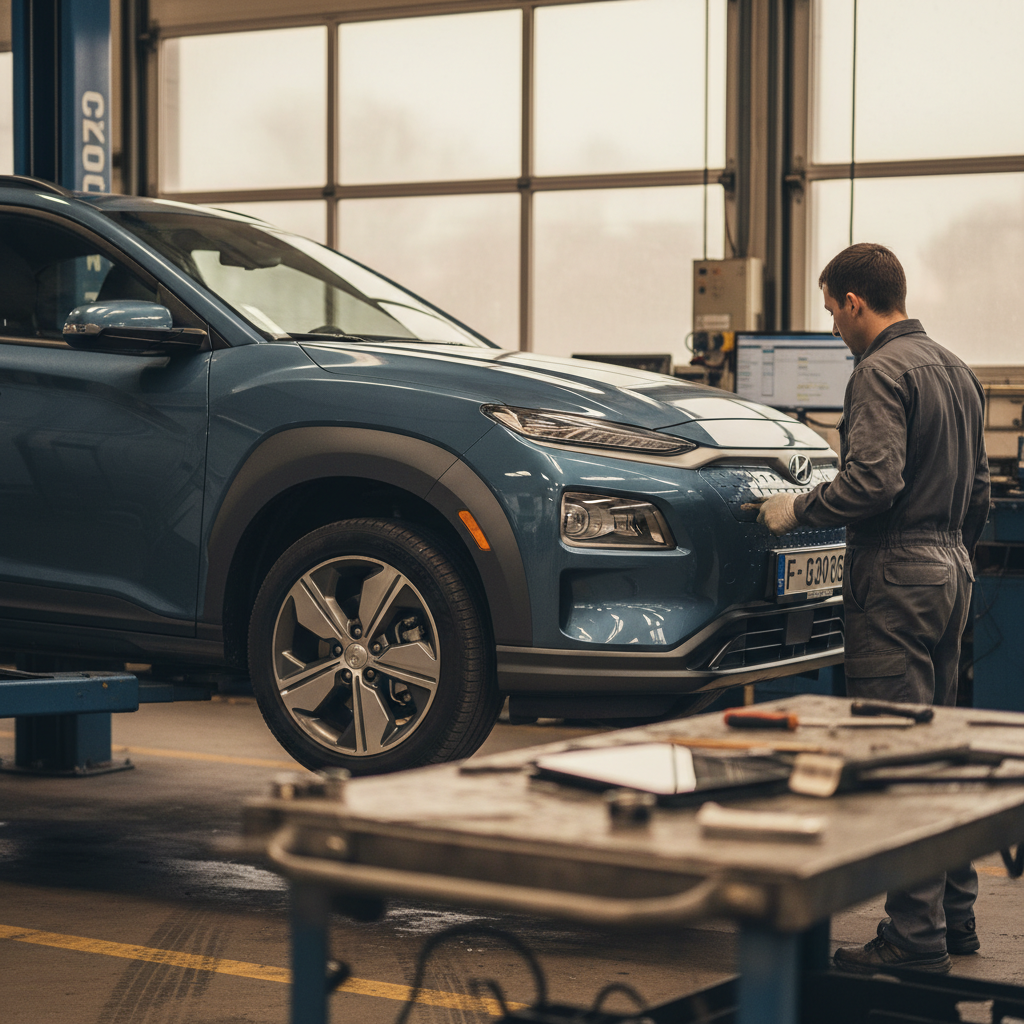
Think of the Kona Electric as the Ioniq’s outdoorsy cousin, same basic drivetrain philosophy, but in a small crossover body and with roughly **258 miles of EPA range** when new. Early 2019–2020 cars are now dipping into the high‑teens and occasionally flirting with the $20k mark depending on mileage and market.
- Comfortable seating position and hatchback practicality.
- DC fast charging for realistic weekend road trips.
- Strong reputation for battery longevity and robust 10‑year warranties on many examples.
Nissan Leaf (40 kWh): The Cheapest Way Into EV Life
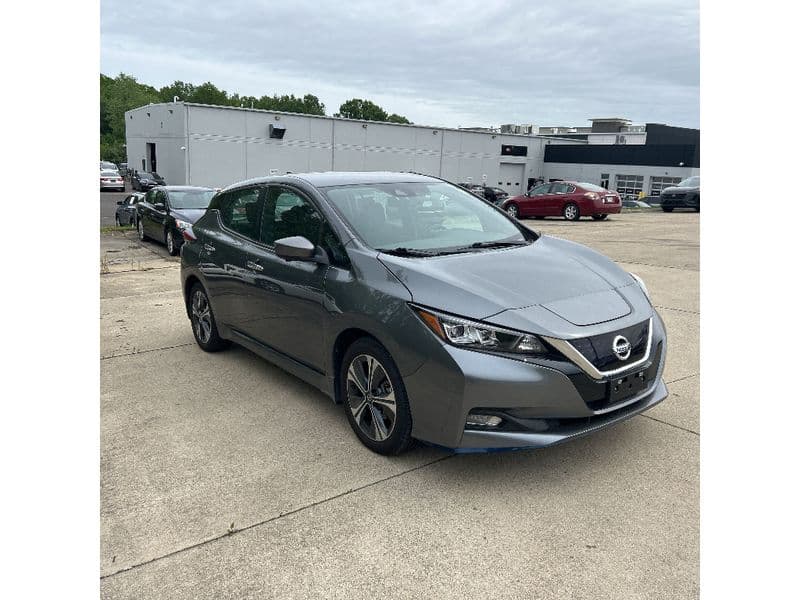
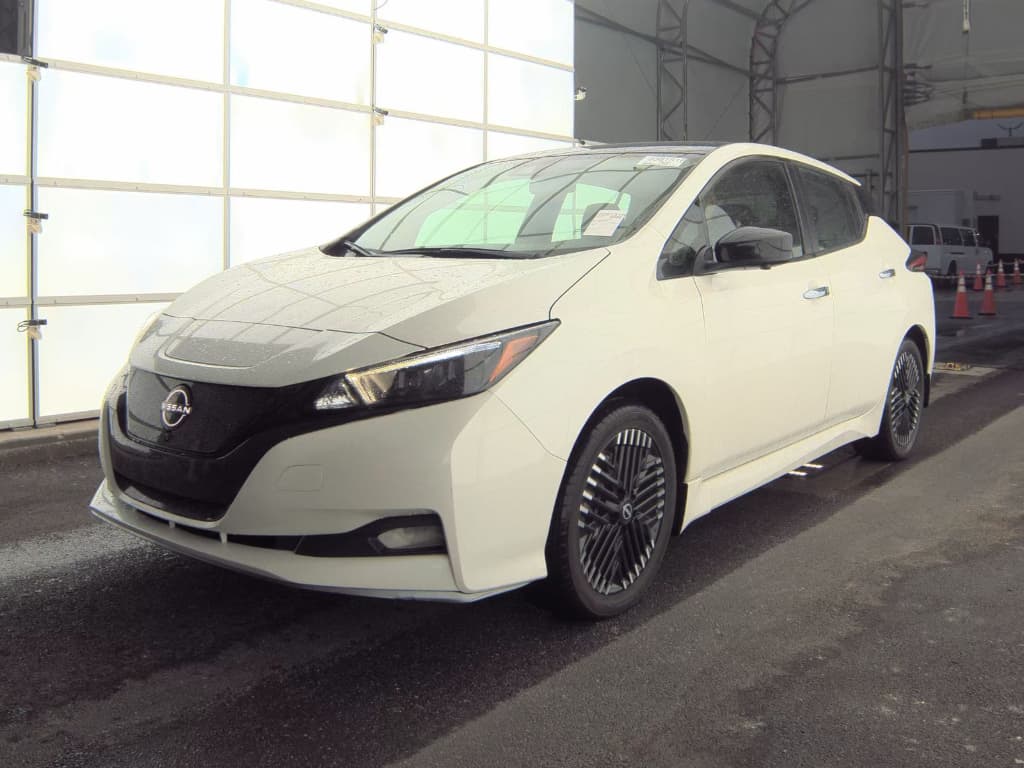
The Nissan Leaf is the Volkswagen Beetle of modern EVs: ubiquitous, simple, and unfairly underestimated. The 2018+ 40 kWh cars (149‑mile EPA rating) are **routinely available well under $15,000** in 2026, and sometimes under $10,000. For short‑distance drivers in cooler climates, a well‑cared‑for Leaf can be a steal.
Leaf Battery Caution
Volkswagen e‑Golf and BMW i3: The Left‑Field Charmer Duo
If you prize character as much as efficiency, the Volkswagen e‑Golf and BMW i3 are the oddballs worth hunting. The e‑Golf drives like a regular Golf that just happens to be electric, solid, quiet, and conservative. The i3 is the opposite: carbon fiber shell, rear‑drive, and interior décor that looks like an eco‑chic café. Neither boasts big‑league range, but both can be found **comfortably under $20,000** and make superb city cars.
City Car vs. Commuter Workhorse
Battery Health Matters More Than Sticker Price
In gas‑car land you obsess over mileage. In EV land you obsess over **battery health**. That’s the beating heart of your car and the single biggest factor in whether a “deal” is a delight or a disaster. A $14,000 Leaf with a badly degraded pack is not cheaper than a $17,000 Leaf with 90% remaining capacity; it’s just a slower‑moving bill for a future battery replacement.
What “Normal” EV Battery Degradation Looks Like
Why Recharged Puts Battery Health Front and Center
Battery Health Checklist for Any EV Under $20k
1. Ask for a documented battery health report
Ideally you’ll see a scan from OEM tools or third‑party diagnostics (like the Recharged Score), not just “it charges to 100%.” State‑of‑health (SoH) percentages and usable capacity matter far more.
2. Compare remaining capacity to original
Look up the car’s original battery size and EPA range, then compare to the current report. A 10–15% loss on a 5‑year‑old car is normal; a 30% loss usually isn’t.
3. Favor liquid‑cooled packs in hot climates
In the U.S. Sun Belt, prioritize EVs with liquid‑cooled batteries, Bolt, Kona, Ioniq, i3, over air‑cooled options like the Leaf unless the history is exceptionally gentle.
4. Study where the car has lived
A Leaf living its whole life in Seattle is a different animal from a Phoenix Leaf. Ask for service records, registration history, and charging patterns if available.
5. Check for open recalls and software updates
Some EVs received crucial battery‑related recalls and BMS updates. Confirm they’ve been completed; they can dramatically affect long‑term health and safety.
Range, Coverage, and Real-World Usage
Range anxiety is largely a marketing term. What matters is **fit**: the relationship between your daily life and your EV’s usable range. A 120‑mile car can be perfect if you have home charging and drive 35 miles a day. The same car is miserable if you commute 80 miles in sub‑freezing weather with no charger at work.
Match Your EV to Your Real Life, Not to Advertisements
Mostly Local Driving
Profile: 20–40 miles/day, home charging, occasional weekend trips.
- Leaf 40 kWh, Ioniq Electric, e‑Golf, i3 all work brilliantly.
- Search for cars with at least 100 miles of current, verified range.
Long Commute, Occasional Trips
Profile: 40–80 miles/day, mix of city and highway.
- Bolt EV and Kona Electric leap to the front of the line.
- Look for 180+ real‑world miles and DC fast‑charge support.
Regular Highway and Road Trips
Profile: Frequent 150+ mile stints, charger‑dense corridors.
- Bolt EV is the budget winner; Kona Electric a close second.
- Check charging network coverage where you actually drive.
Highway Range Reality Check
Ownership Costs, Financing, and Total Value
The good news: EVs under $20k can be **shockingly cheap to run**. There’s no oil to change, no exhaust system to rust, and brake wear is reduced thanks to regenerative braking. Your big‑ticket costs are electricity, tires, and (eventually) suspension bits and cabin wear, just like any other car.
Running Costs vs. Gas Cars
- Electricity vs. gas: Even at average U.S. power prices, many EV owners pay the equivalent of $1–$2 per gallon.
- Maintenance: Fewer moving parts means fewer services; cabin filters and tires dominate the schedule.
- Repairs: Out‑of‑warranty EV repairs can be pricey, but the frequency is often lower on well‑built models.
Financing a Sub‑$20k EV
- Even after federal tax credits ended in late 2025, lenders have grown comfortable with EVs.
- Shorter loans (36–48 months) on a $15k–$18k EV can land in monthly‑payment territory that rivals a cheap gas crossover lease.
- At Recharged, you can apply for EV‑friendly financing online and see real terms without leaving your couch.
Run the “Fuel vs. Payment” Math
How to Shop Smart for a Used EV Under $20k
Shopping for a used EV is less about sniffing exhaust and more about reading data. The good news is that the key steps are straightforward once you know where to look, and you don’t need to be a battery engineer to protect yourself.
7-Step Game Plan for Buying the Best EV Under $20k
1. Start with the right short list
Stick to models with good range, robust battery cooling, and solid real‑world reliability, Bolt EV, Kona Electric, Ioniq Electric, late‑model Leafs in mild climates, e‑Golf, and i3 are all strong candidates.
2. Decide your minimum acceptable range
Work backward from your life. Add up your worst‑case daily miles, multiply by two for weather and errands, and set that as your target usable range. Then compare it to the current battery health reports for specific cars.
3. Prioritize battery reports over low odometer readings
A 60,000‑mile Bolt with 90% battery health is a better buy than a 28,000‑mile Bolt that’s been fast‑charged to within an inch of its life and is already down 20% capacity.
4. Check charging compatibility and networks
Make sure the car’s DC fast‑charging standard works with stations along your regular routes. Also confirm you have (or can install) a suitable home charging solution.
5. Inspect service history and recall work
Look for regular maintenance, software updates, tire and brake service, and completed recalls. Spotty records aren’t a deal breaker if the battery checks out, but full documentation is worth paying for.
6. Test drive with an eye on efficiency
During the test drive, watch energy consumption, range estimates, and how the car responds at low state of charge. You’re not just checking comfort, you’re gauging how the car behaves electrically.
7. Use expert help and diagnostics
If this is your first EV, lean on specialists. A marketplace like Recharged pairs every car with a **Recharged Score Report** and EV‑savvy staff who can decode kilowatt‑hours and degradation curves into normal‑human language.
Buying Remote? Make the Inspection Data‑Rich
FAQ: Best EV Under $20,000 in 2026
Frequently Asked Questions
Bottom Line: Which EV Under $20k Is “Best”?
If you forced a verdict, the **Chevrolet Bolt EV** is the most complete answer to the “best EV under $20,000 in 2026” question: usable long range, liquid‑cooled battery, DC fast charging, and compact‑car practicality at used‑Honda‑Civic money. But that’s only half the story. For dense urban life, a Nissan Leaf, Hyundai Ioniq Electric, e‑Golf, or BMW i3 can be a better fit, and for crossover fans, the Hyundai Kona Electric is sneakily brilliant as it dips into sub‑$20k territory.
The real trick is simple: **buy the best battery and the right range, not just the lowest price**. That means insisting on a solid battery health report, matching the car’s range to your actual life, and looking beyond the nearest Craigslist bargain. If you’d like a shortcut, Recharged exists exactly for this niche, curated used EVs, transparent Recharged Score battery diagnostics, EV‑savvy guidance, and nationwide delivery. Your best EV under $20,000 isn’t just out there; in 2026, it’s closer than it’s ever been.