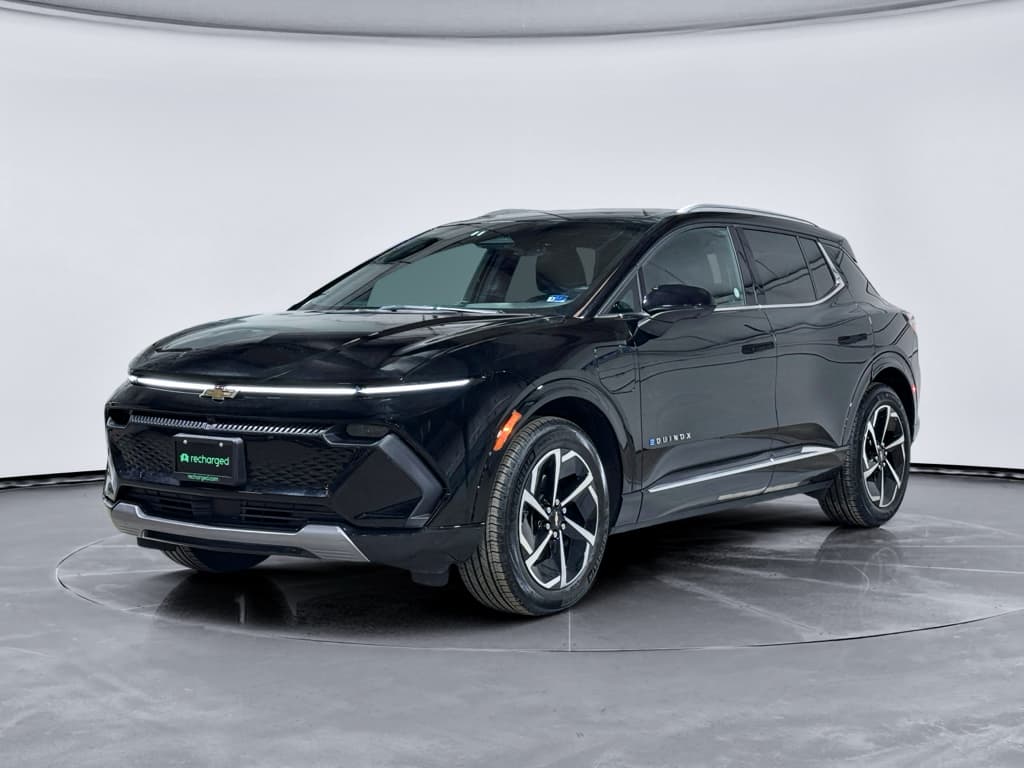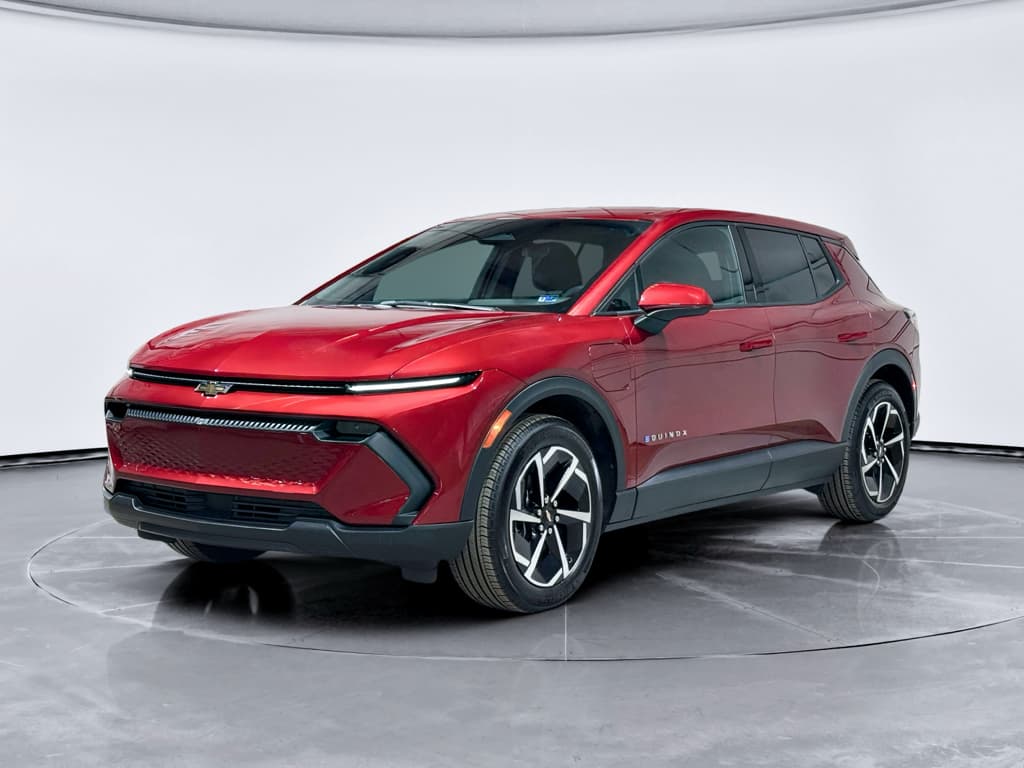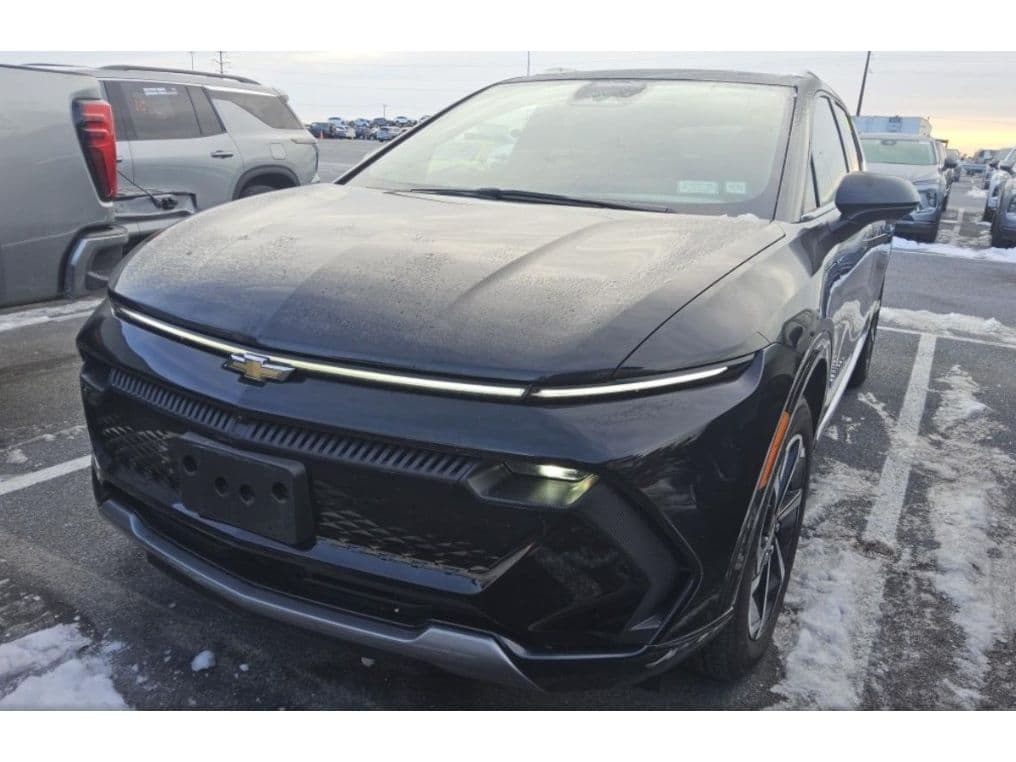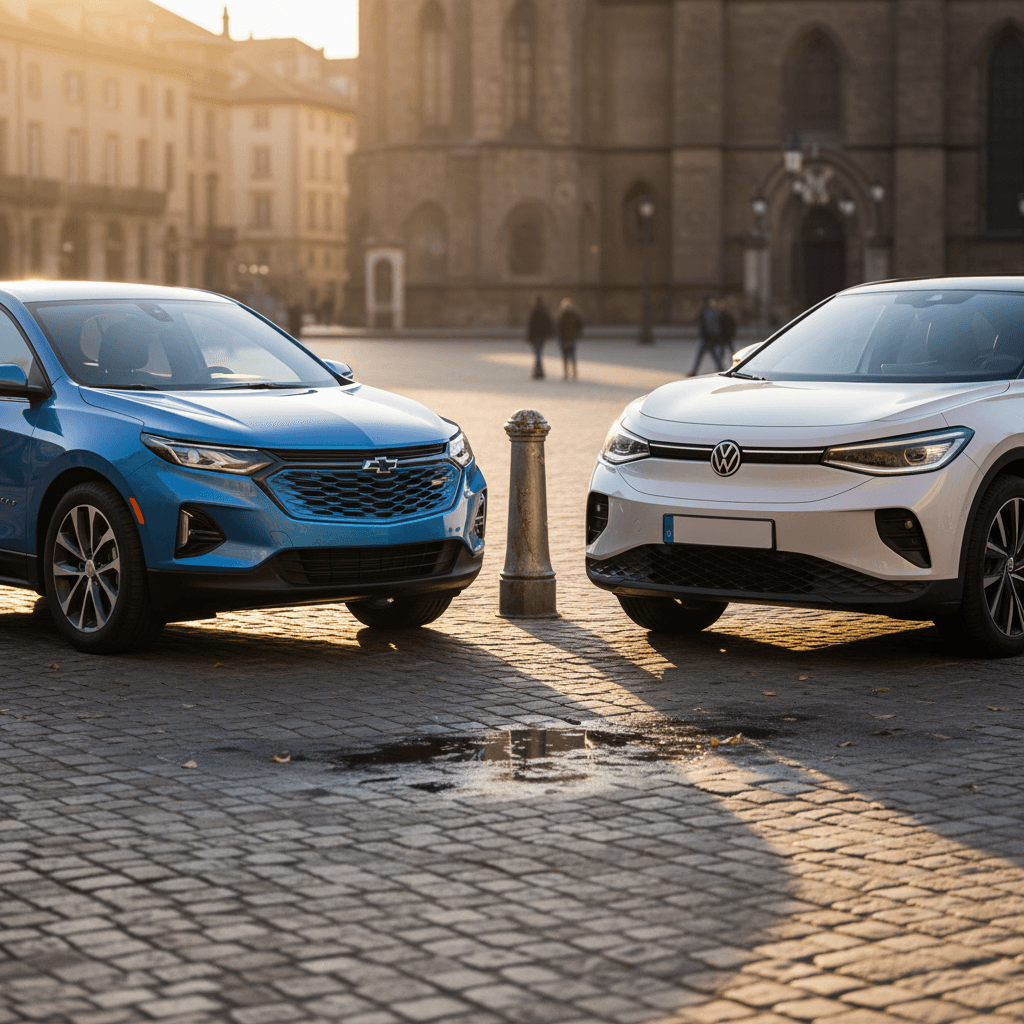
You’re shopping for a compact electric SUV and keep coming back to the Chevrolet Equinox EV vs Volkswagen ID.4. On paper they look similar: family-sized crossovers, decent range, and pricing that (with incentives) can land in mainstream territory. But they deliver that experience in very different ways. This guide walks you through the differences so you can decide which one actually fits your life.
What this comparison covers
Chevrolet Equinox EV vs Volkswagen ID.4: Quick Take
Where the Equinox EV shines
- Stronger range for the money on many trims, especially front-wheel drive models.
- Modern GM Ultium platform with a quiet, refined ride.
- Clean, straightforward interior with big screens and Google built-in on many trims.
- Competitive DC fast charging on paper (up to ~150 kW) and solid Level 2 capability.
Where the VW ID.4 shines
- Proven, widely available, on sale since 2021 with plenty of used inventory.
- Comfortable, European-style ride and solid highway manners.
- Good cargo space and family practicality.
- For later model years, improved software and charging performance versus early ID.4s.
Shopping tip
Price, Trims, and Tax Credits
Both of these SUVs aim to be the affordable side of EV ownership, but they get there in different ways. The Equinox EV is the newer entry with a simplified trim walk, while the ID.4 has evolved over several model years with more variety in batteries and equipment.
Typical New MSRP Ranges (U.S.)
Approximate starting MSRPs for popular configurations as of 2025–2026. Local incentives and dealer pricing can move these numbers up or down.
| Model | Common Battery / Drive | Approx. New MSRP* | Federal Tax Credit Eligibility |
|---|---|---|---|
| Chevrolet Equinox EV LT | 85 kWh, FWD | mid-$30,000s | Often eligible (check current IRS list) |
| Chevrolet Equinox EV RS | 85 kWh, FWD or eAWD | low–mid $40,000s | Often eligible (check current IRS list) |
| Volkswagen ID.4 Standard | smaller pack, RWD | low–mid $30,000s | Varies by model year and build location |
| Volkswagen ID.4 Pro / Pro S | 82 kWh, RWD or AWD | high $30,000s–$40,000s | Some trims/years qualify, others don’t |
Always check current manufacturer and dealer pricing before you shop, EV pricing moves quickly.
About tax credits
Value Snapshot: Equinox EV vs ID.4
How pricing and equipment feel from the driver’s seat
Chevrolet Equinox EV
Chevy pitched the Equinox EV as a "$35,000 electric SUV," and real-world LT models often land near that once you factor in incentives. For many shoppers, you’re getting a lot of range and tech for the money, plus the comfort of a familiar brand and dealer network.
Volkswagen ID.4
VW’s pricing is all over the map because you’ll see early used models, mid-cycle updates, and new builds from Chattanooga. The upside: plenty of deals if you’re flexible on color and options. The downside: you need to pay close attention to which battery and model year you’re getting.
Range, Efficiency, and Battery Specs
Range anxiety is still top of mind for many first-time EV buyers, so this is where we slow down and talk about how far these SUVs actually go between charges, and what’s under the floorboards making it happen.
Battery and Range at a Glance
Representative U.S. EPA-estimated ranges for common trims. Exact figures vary by wheel size, options, and model year.
| Model / Trim Example | Battery (usable est.) | Drive | EPA Range (approx.) |
|---|---|---|---|
| Equinox EV LT / RS FWD | ~85 kWh | FWD | Mid–high 200s to low 300s miles |
| Equinox EV eAWD | ~85 kWh | AWD | Roughly 20–40 fewer miles than FWD |
| VW ID.4 Standard (smaller pack) | ~58–60 kWh | RWD | Around 200 miles |
| VW ID.4 Pro / Pro S (82 kWh) | ~77–82 kWh | RWD | Mid–high 200s miles |
| VW ID.4 Pro / Pro S AWD (82 kWh) | ~77–82 kWh | AWD | Typically 20–30 miles less than RWD |
Think about how much range you really use most days; the right answer isn’t always "the biggest number."
Efficiency expectations
If you mostly commute and run errands, either SUV’s larger-battery trims offer more than enough range for a week of driving between charges. Where the Equinox EV tends to pull ahead is range-per-dollar on newer LTs and RS trims, while the ID.4’s value story often comes from used pricing on 82 kWh models that have already taken their depreciation hit.
Real-World Charging: Home and DC Fast Charging
On paper, these two look similar for charging. In the real world, how they behave at a public fast charger can feel very different from their spec sheets, and that matters on road trips.
Charging Specs Snapshot
Peak power vs. average speed
Home Charging vs. Road Trips
How each SUV fits into your real charging life
Home charging
- Equinox EV: With an 11.5 kW onboard charger (and optional 19.2 kW on some trims), a 240V Level 2 setup can comfortably refill the pack overnight, even from low states of charge.
- ID.4: Similar story. A 40- or 48-amp Level 2 unit in your garage is more than enough to top you off each night.
On the road
- Equinox EV: GM’s Ultium-based EVs have been criticized for slower-than-promised fast charging in some real-world tests. Expect roughly 40–60 minutes for a deep charge, not the perfect-world "add 70 miles in 10 minutes" headline.
- ID.4: Later model years improved their DC fast charging curves compared to early U.S. cars, but they’re still mid-pack, not class-leading.
Plan around 10–80%, not 0–100%
Interior Space, Comfort, and Family Practicality
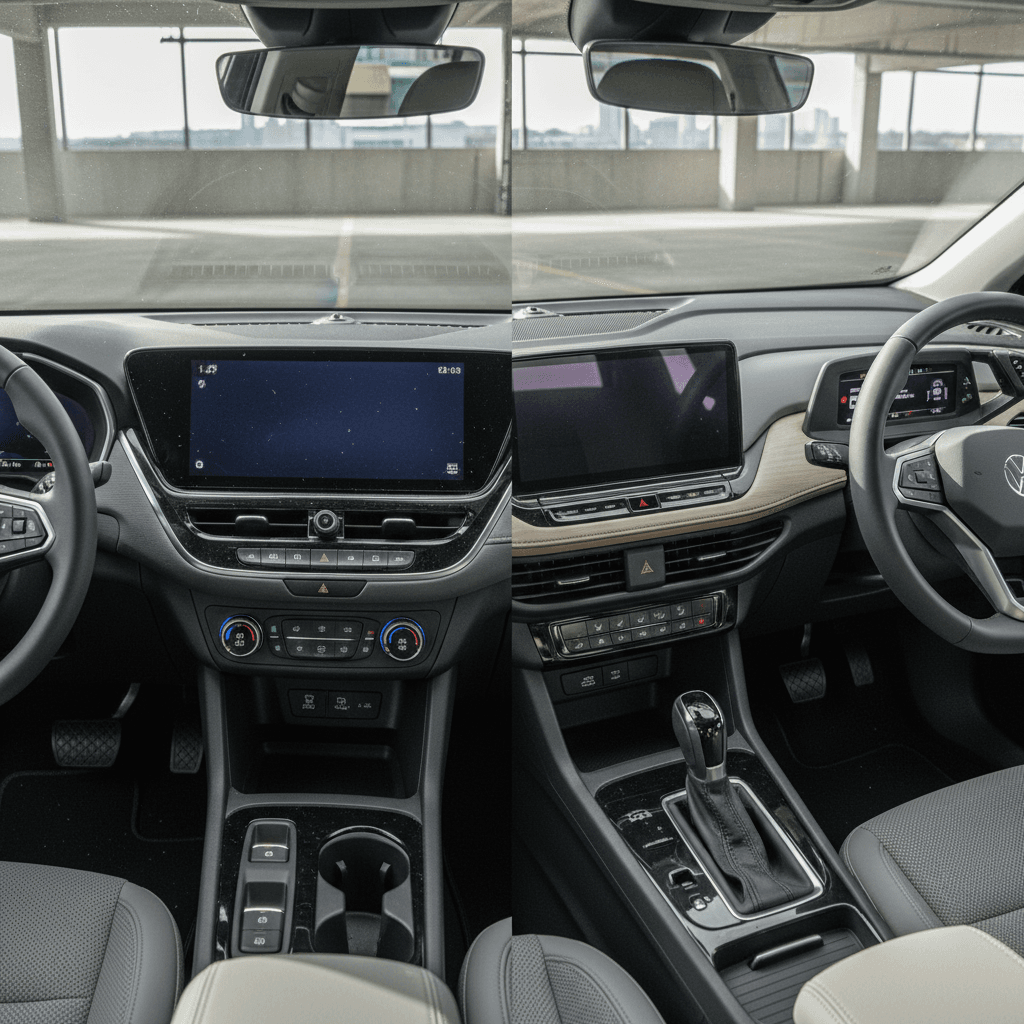
On the outside, the Equinox EV and ID.4 are nearly twins: compact crossovers with short noses and long wheelbases. Inside, they take two different approaches. VW leans into a slightly more traditional European cabin, while Chevy goes for a modern, tech-forward dashboard with bold screens and lighting.
Cargo and passenger space
- Equinox EV: Flat floor and a roomy second row give you plenty of space for adults or rear-facing child seats. Cargo figures vary by trim, but you’re in the ballpark of other compact SUVs, with a large, square opening that’s friendly to strollers and gear.
- ID.4: Very similar cargo and passenger room, with a slightly more upright feel and generous rear headroom. Many owners like how easy it is to pack the ID.4 for a weekend away.
Seats and comfort
- Both offer heated seats and steering wheel on many trims, with optional ventilated fronts in better-equipped versions.
- Ride comfort is a strong point for both, with the Equinox EV leaning a bit more toward plush and the ID.4 feeling slightly more tied down in corners.
Family-friendly by design
Driving Experience: Comfort vs. Sport
No one is cross-shopping these as track toys, but the way they drive day-to-day still matters. Think lane changes with kids in the back, rainy commutes, and the occasional on-ramp sprint.
How They Feel From Behind the Wheel
Power, traction, and personality
Chevrolet Equinox EV
- Power: Typical Ultium setups put the Equinox EV in the "quick enough" category, confident highway merging, especially in AWD, but not a drag-strip monster.
- Ride and noise: Very quiet cabin and a supple ride; it feels like a newer-generation GM crossover, because it is.
- Steering: Light and easy, tuned more for comfort than feedback.
Volkswagen ID.4
- Power: Smaller-battery RWD ID.4s are adequate; 82 kWh AWD versions feel genuinely strong around town with instant EV torque.
- Ride and handling: A little firmer and more European in character. On a twisty road, the ID.4 feels slightly more tied down.
- Steering: Heavier and more natural weighting than the Chevy, especially on the highway.
Noise, vibration, and harshness
Tech, Infotainment, and Safety Features
This is where your daily happiness often lives or dies. If you’ve ever cursed at a laggy touchscreen or baffling menu structure, you know the stakes.
Infotainment and controls
- Equinox EV: Big, high-res center screen and a clean digital gauge cluster give it a modern look. Google built-in (on many trims) means native Google Maps, Assistant, and Play Store. Physical controls are better laid out than some recent GM experiments.
- ID.4: Earlier ID.4s caught flak for touch-sensitive sliders and confusing menus. Later software updates improved responsiveness, but you’ll want to spend time in the system on your test drive to see if you like it.
Driver assistance and safety
- Both offer forward collision warning, automatic emergency braking, blind-spot monitoring, lane keeping assistance, and adaptive cruise on many trims.
- Chevy’s Super Cruise has appeared on related Ultium vehicles and may show up on specific Equinox EV configurations; if hands-free highway driving matters to you, check the exact package.
- VW’s Travel Assist bundles adaptive cruise with lane centering for relaxed highway work in many ID.4 trims.
Don’t skip the test-drive tech check
Ownership Costs, Reliability, and Resale
Owning an EV is about more than the sticker price. Electricity costs, maintenance, reliability history, and resale value all play a part in whether your purchase feels smart five years down the road.
Living With an Equinox EV vs. ID.4
Costs you’ll actually feel over time
Energy and maintenance
Both SUVs dramatically undercut gas crossovers on "fuel" costs, especially if you can charge at home on off-peak rates. Routine maintenance mostly comes down to tires, cabin filters, and brake fluid, not oil changes or timing belts.
Reliability picture
The Equinox EV is new enough that we’re still collecting long-term data, but it benefits from GM’s experience with the Bolt and Ultium platform. The ID.4 has several model years on the road; early software and 12V battery gremlins are well-documented, with many issues addressed in newer builds and updates.
Resale and depreciation
EVs have dropped quickly in value as new models and incentives roll in. ID.4s have already taken much of that hit, which is why they can be strong used buys. The Equinox EV’s future resale will hinge on how quickly GM rolls out even newer crossovers and how generous incentives remain.
How Recharged can help
Who Should Buy the Equinox EV vs. VW ID.4?
After you wade through all the specs, this boils down to matching each SUV’s personality to your lifestyle and budget. Here’s how to think about it in human terms, not just kilowatts and inches.
Choose the Chevrolet Equinox EV if…
- You want one of the newest compact EV platforms with a modern interior and strong range.
- You care about quiet, comfortable commuting more than ultra-sporty handling.
- You’re buying new or nearly new and can take advantage of current federal and state incentives.
- You like the idea of a nationwide dealer network that already knows how to service GM EVs.
Choose the Volkswagen ID.4 if…
- You’re shopping used and want a lot of EV for the money, there are many ID.4s already in the market.
- You prefer a slightly firmer, European-style driving feel.
- You’re okay learning VW’s infotainment quirks in exchange for a comfortable, practical SUV.
- You find a Pro or Pro S with the larger battery at a good price; that’s the ID.4 sweet spot.
Checklist: What to Compare on Your Test Drives
Side-by-Side Test Drive Checklist
1. Confirm battery size and drive type
Ask the seller to verify battery size and whether the SUV is FWD/RWD/AWD. On both the Equinox EV and ID.4, range and performance can change a lot based on this.
2. Look at real-world range estimates
Check the in-car range prediction at the state of charge it’s at, then do the math for your commute. If you drive 40 miles a day, you don’t need a 300-mile monster, but extra buffer is nice for winter.
3. Try home charging scenarios
If possible, simulate your home setup. Will you be on a 40-amp or 48-amp Level 2 charger? How long would it take to go from 20% to 80% overnight on each SUV?
4. Use the tech like you own it
Pair your phone, stream music, run navigation, and adjust climate controls. Pay attention to lag, weird menu logic, and whether physical buttons are where you’d expect.
5. Evaluate seat comfort and visibility
Sit in every seat, adjust the driver’s position twice (city and highway), and check sightlines for lane changes, parking, and backing out of a driveway.
6. Ask for battery health documentation
For any used Equinox EV or ID.4, request battery health reports or diagnostic data. On Recharged, this is baked into the Recharged Score Report so you’re not guessing.
FAQ: Chevrolet Equinox EV vs Volkswagen ID.4
Frequently Asked Questions
When you line them up, the Chevrolet Equinox EV vs Volkswagen ID.4 isn’t about finding a clear winner; it’s about finding your match. The Equinox EV leans modern, quiet, and tech-forward with strong range, while the ID.4 counters with a deep used market, European driving feel, and proven everyday usefulness. Take the time to drive both, test their tech, and run the numbers on the exact trims in front of you. If you want help comparing real cars, not just spec sheets, Recharged can put Equinox EVs and ID.4s side by side with verified battery health, transparent pricing, and an expert in your corner from first click to delivery.