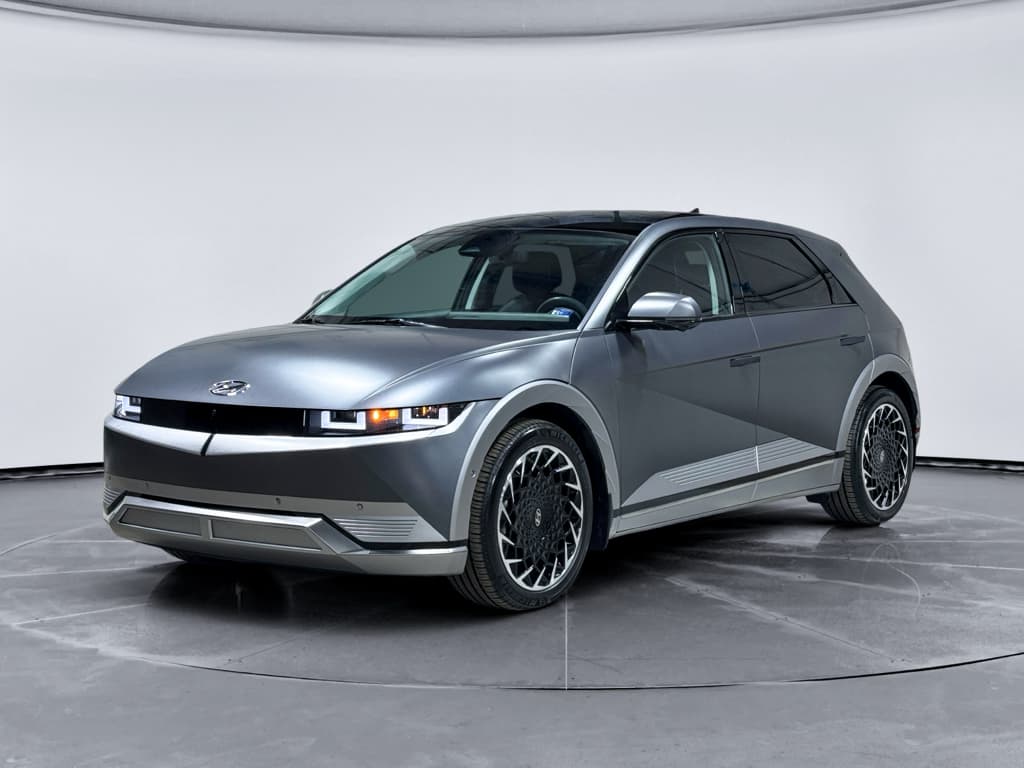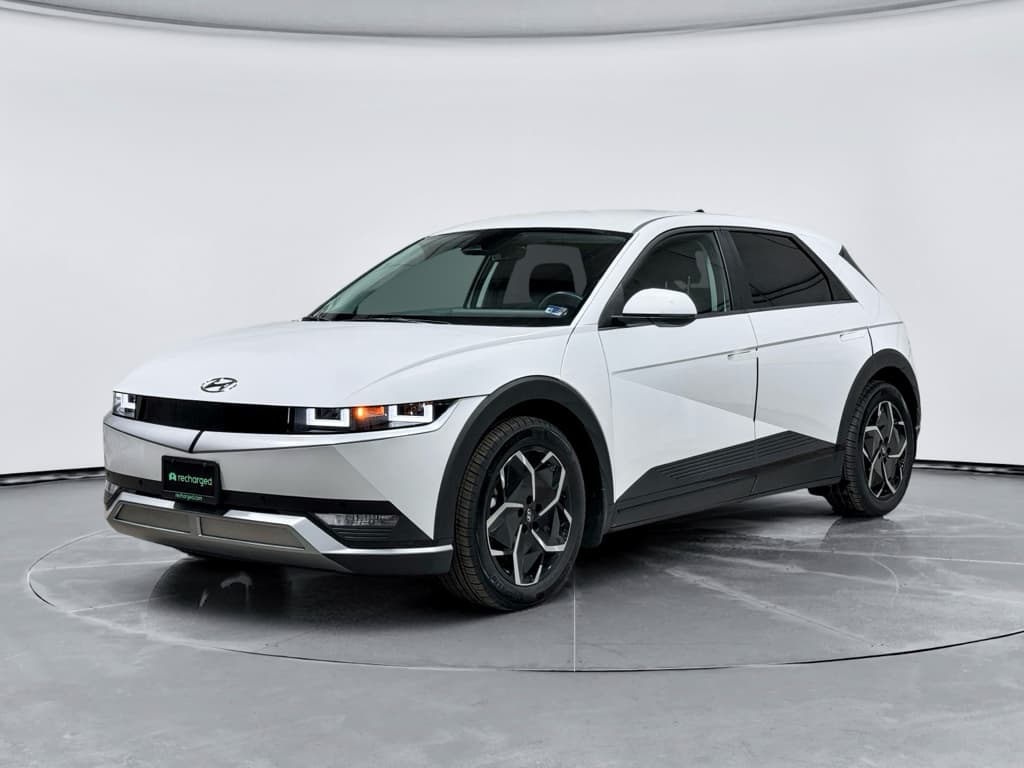
If you own or are shopping for a 2023 Hyundai Kona Electric, you’ve probably heard about Kona EV battery recalls and software updates dating back to 2018. The trouble is, most coverage blurs together different model years, markets, and even gasoline Konas. This guide pulls it apart. Below you’ll find a clear, owner‑friendly 2023 Hyundai Kona Electric recalls list, plus how those 2023 cars fit into the larger, global Kona EV recall story.
Quick context
Overview: 2023 Kona Electric recalls at a glance
Kona Electric recalls in a nutshell (2018–2023)
The 2023 Kona Electric is caught at the tail end of Hyundai’s first‑generation Kona EV lifecycle. That matters, because some worldwide battery‑safety actions cover vehicles built up to mid‑2023, while U.S.‑market NHTSA recalls are more narrowly focused. Think of the 2023 car not as a brand‑new, clean‑sheet EV, but as the last chapter of an evolving engineering story that started in 2018.
How EV recalls work (and why Kona Electric has several)
An automotive recall is a formal safety action overseen by a regulator (in the U.S., NHTSA). If Hyundai or the regulator believes a defect could affect safety, Hyundai is required to notify owners, file detailed paperwork, and provide a free remedy. For EVs like the Kona Electric, that often means software changes to the battery management system (BMS), limits on charging behavior, or, in more serious cases, high‑voltage battery inspection or replacement.
You’ll also see terms like “service campaign” or “service action.” These are typically voluntary quality fixes, not formally labeled safety recalls. From an owner’s perspective, they often feel identical: you bring the car in, the dealer applies an update or replaces a component, and you pay nothing. The distinction is mostly regulatory paperwork, but it’s one reason lists of “Kona recalls” online can be confusing.
Recall vs. service campaign
Global vs. U.S. recalls for 2018–2023 Kona Electric
Here’s where it gets messy. Hyundai builds Kona Electric for multiple markets, and different regulators publish different campaigns. If you search broadly, you’ll run into three overlapping storylines:
- Early high‑voltage battery fire recalls (around 2019–2020 builds), including pack inspection and, in some markets, pack replacement.
- Battery Management System (BMS) software updates for 2019–2023 Kona Electric (internal campaign codes like 9A4 in North America for DTC inspection and BMS update on 2019–2023 cars).
- Recent global BMS/battery software recalls, where European and Australian regulators note affected production up to mid‑2023 builds, including vehicles labeled as 2023 model year.
For U.S. shoppers focused specifically on a 2023 model‑year Kona Electric, most of the high‑profile fire‑risk pack replacements targeted earlier 2019–2020 builds. But the software‑and‑monitoring era, Hyundai teaching the car to watch its own battery more closely, extends into 2023‑produced vehicles.
U.S. vs. rest of world
2023 Hyundai Kona Electric recalls list
Let’s narrow in on what matters if you own or are considering a 2023 Kona Electric, especially in the U.S. market. Below is a practical, owner‑oriented list of the major recall and recall‑like campaigns that can touch 2023‑built Kona EVs. Exact eligibility depends on your VIN and production date, so treat this as a roadmap, not a substitute for a VIN check.
Key recall and safety campaigns that may affect 2023 Kona Electric
This table summarizes the main safety and battery‑related campaigns tied to 2019–2023 Kona Electric vehicles. Not every 2023 car is affected by every action.
| Campaign type | Rough coverage (model years / builds) | Main issue | Typical symptom / risk | Typical remedy |
|---|---|---|---|---|
| High‑voltage battery fire risk recall | Primarily 2019–2020 Kona Electric; some markets cite builds through early 2021 | Manufacturing defect in certain LG battery cells increases fire risk when parked or charging | Warning lights, reduced charging, rare cases of thermal events | Battery pack inspection, software limits, and in some cases full pack replacement |
| Battery Management System (BMS) DTC inspection & update (e.g., Service Campaign 9A4) | 2019–2023 Kona Electric built through March 2023 | Battery control software may not optimally detect abnormal cell behavior | Check‑engine / EV system warnings, reduced performance, conservative charging behavior | Dealer performs diagnostics and updates BMS software to improve fault detection and logging |
| Global BMS / battery software recall (Europe, Korea, Australia, etc.) | Kona EVs built roughly Jan 2018–July 2023, including some 2023 cars | Battery management calibration may under‑detect conditions that could precede battery damage | Potential loss of power or thermal event in rare cases if left unaddressed | Software update to battery management and sometimes revised monitoring strategy |
| Charging interruption / slow Level 2 charging campaign (TSB‑type) | Certain 2022–2024 Hyundai EVs including later Kona Electric (mostly 2024+ SX2, but may overlap late‑2023 builds in some markets) | Vehicle may experience interrupted or reduced‑speed charging on 240V AC chargers | Public or home Level 2 charging stops early or runs at a lower kW than expected | Control unit software update to improve AC charging stability |
| Non‑EV generalized Hyundai recalls (seat belts, electronics, etc.) | Various Hyundai models and years; usually not Kona Electric‑specific | Component‑specific issues shared across multiple platforms | Depends on recall, could be dash displays, seat belts, or other shared hardware | Inspection and replacement of the affected component as needed |
Always confirm with a VIN lookup, as campaigns vary by build date and market.
Important for U.S. readers
One subtle point: Hyundai often runs a software campaign first, then escalates to a formal recall if data show the risk is more serious than expected. That’s why you may see near‑identical descriptions in both a TSB (Technical Service Bulletin) and a later recall. If you’re buying used, you want evidence the newest applicable software has been loaded, not just that an early campaign box was ticked three years ago.
Software campaigns & BMS updates that affect 2023 cars
1. BMS inspections and updates
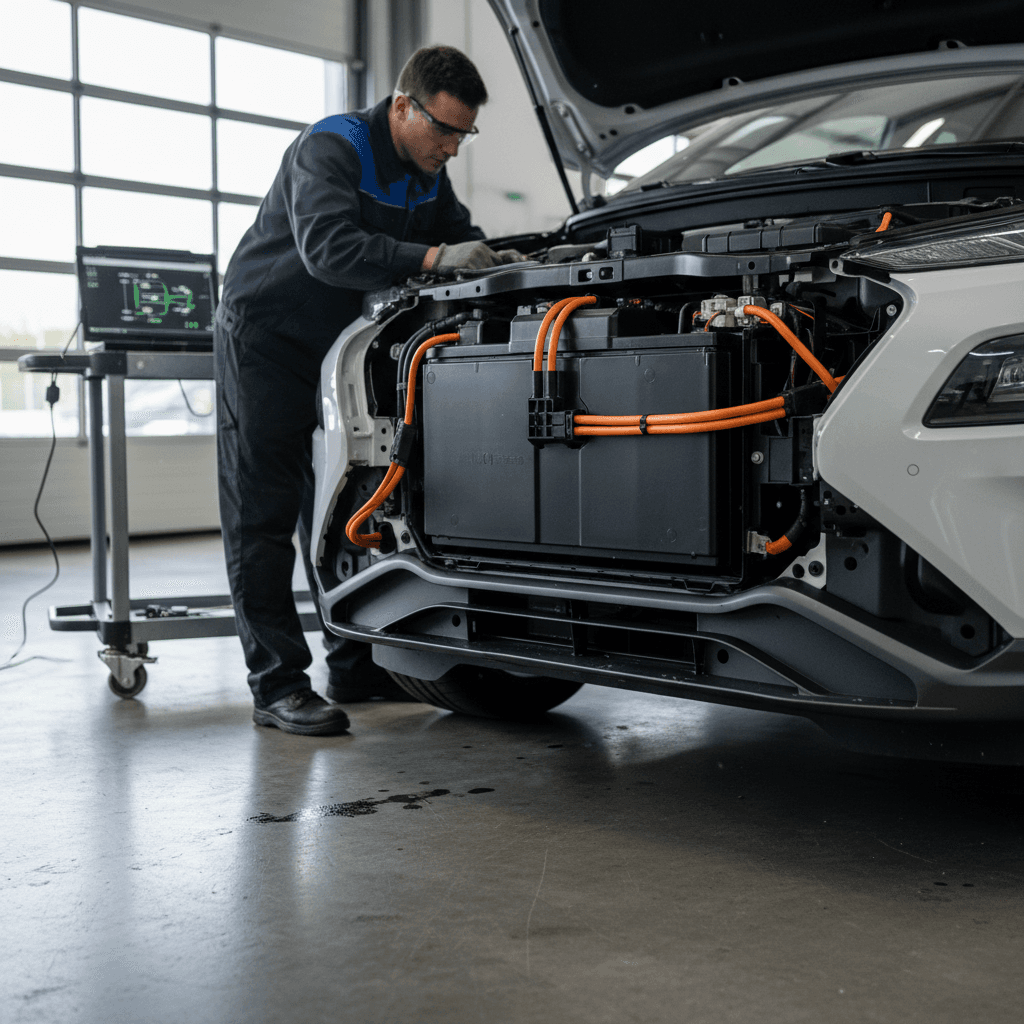
Across North America, Hyundai has run campaigns that instruct dealers to scan the Kona Electric’s battery pack for diagnostic trouble codes (DTCs) and then apply updated BMS software. These campaigns generally cover 2019–2023 vehicles built through early 2023.
The new software tightens how the car watches cell voltages and temperatures. In practice, that can mean:
- Earlier warning if the pack starts behaving abnormally.
- More conservative power or charging if the system spots something suspicious.
- Better data for Hyundai engineers if there’s a problem later.
2. Charging‑behavior fixes
Separate service campaigns target AC Level 2 charging interruptions or slow charging on some Hyundai EVs. While the most clearly documented coverage is for 2022–2024 Ioniq 5/6 and 2024–2025 Kona Electric, late‑build 2023 Kona EVs in certain regions can see similar software updates.
If your 2023 Kona Electric frequently:
- Stops charging before reaching 100%, or
- Charges at a much lower kW than the station’s rating,
it’s worth asking your dealer to check for open software or charging‑system campaigns, even if NHTSA doesn’t list a formal recall yet.
Pro tip for owners
How to check if your 2023 Kona Electric is under recall
Step‑by‑step: Confirming 2023 Kona Electric recalls
1. Grab your VIN
Your 17‑character Vehicle Identification Number is printed on a small plate at the base of the windshield on the driver’s side, on the driver‑door jamb label, and on your registration or insurance card.
2. Run a NHTSA VIN search (U.S.)
Visit the official NHTSA VIN lookup site and enter your VIN. This will show <strong>open safety recalls</strong> for U.S.‑market 2023 Kona Electric vehicles. If nothing appears, there are no outstanding NHTSA recalls, though service campaigns may still exist.
3. Check Hyundai’s own recall portal
Hyundai’s U.S. recall site allows a VIN lookup that can surface both safety recalls and certain service campaigns. This often catches battery‑software actions that don’t yet appear as full NHTSA recalls.
4. Call a Hyundai EV‑certified dealer
Ask the service department to pull your car’s record by VIN. They’ll see open recalls, service campaigns, and TSBs that apply. Confirm whether any <strong>battery or BMS‑related updates</strong> are outstanding.
5. Ask for a printed repair history
If you already own the car, request a print‑out showing what campaigns have been completed. If you’re shopping used, ask the seller to provide this and match it to the VIN on the car.
6. Recheck annually (or before purchase)
New recalls can appear years into a vehicle’s life. Make VIN checks part of your annual maintenance ritual, or any time you’re about to buy a used 2023 Kona Electric.
Good news
What to do if your Kona Electric has an open recall
Finding an open recall on your 2023 Kona Electric is not a reason to panic, but it is a reason to act. Here’s a practical playbook you can follow.
- Schedule service promptly. Battery‑ and charging‑related recalls can sometimes be performed in a single visit, but dealer capacity varies. Book as soon as you receive a notice or see an open campaign online.
- Plan for downtime. Simple software updates may take under an hour. High‑voltage battery inspections, or rare battery replacements, can keep the car overnight or longer. Ask the service advisor for an honest estimate.
- Ask exactly what’s being done. Request the campaign ID and a plain‑English explanation: Is this a software‑only BMS update? A pack inspection? Are they limiting max SOC as a safety measure?
- Document everything. Keep your service paperwork, especially anything related to high‑voltage components. If you sell the car or trade it later, this is gold for buyer confidence.
- Monitor behavior after the repair. It’s normal for an updated Kona Electric to feel slightly different, maybe more conservative with fast‑charging or power when cold. But if you see new warning lights or strange behavior, report it immediately.
If you see battery warning lights or smell burning
Buying a used 2023 Kona Electric? Recall tips from the trenches
On the used market, the 2023 Kona Electric is that rare thing: a compact EV that’s efficient, reasonably priced, and easy to live with. But because of the model’s recall history, smart buyers treat recall and software status as part of the pre‑purchase inspection, not an afterthought.
Four recall checks before you buy a 2023 Kona Electric
These steps sit alongside your usual test‑drive and cosmetic inspection.
Confirm battery‑related campaigns
Have the seller provide a dealer print‑out showing completed and outstanding campaigns. You’re looking for battery and BMS items in particular.
If paperwork is missing, call a Hyundai dealer with the VIN and ask them to email you the summary before you sign anything.
Match paperwork to the physical car
Make sure the VIN on the print‑out matches the VIN on the dash and door jamb. It sounds obvious, but used‑car paperwork has a way of wandering from vehicle to vehicle.
Test fast‑charging behavior
On your test drive, if possible, plug into a DC fast charger and see whether the Kona Electric:
- Ramps smoothly to expected kW, and
- Maintains charging without unexplained drop‑offs.
Weird charging behavior is not a deal‑breaker by itself, but it’s a conversation starter with the dealer.
Leverage third‑party reports
A used‑EV specialist like Recharged provides a Recharged Score battery health report with verified pack diagnostics, plus recall and campaign status baked into the inspection.
That’s the difference between buying a story and buying a car.
How Recharged can help
FAQ: 2023 Hyundai Kona Electric recalls
Common questions about 2023 Kona Electric recalls
Bottom line: Should recalls scare you off the 2023 Kona Electric?
The 2023 Hyundai Kona Electric is the last, most mature iteration of Hyundai’s first‑generation small EV. Yes, it lives in the long shadow of earlier Kona battery recalls, and yes, some 2023‑built cars are captured in global battery‑software campaigns. But a 2023 Kona Electric with completed BMS updates, clean diagnostics, and documented recall history can still be a smart, efficient, and affordable EV, especially on the used market.
The key is not to look away. Run the VIN, talk to an EV‑literate dealer, and demand paperwork. If you’d rather skip the detective work, buying through a specialist like Recharged gets you a Kona Electric that’s already been through battery health testing, recall checks, and fair‑market pricing analysis, all wrapped inside a Recharged Score report. In a market awash with half‑truths and shrugging salespeople, that kind of transparency is the real safety feature.