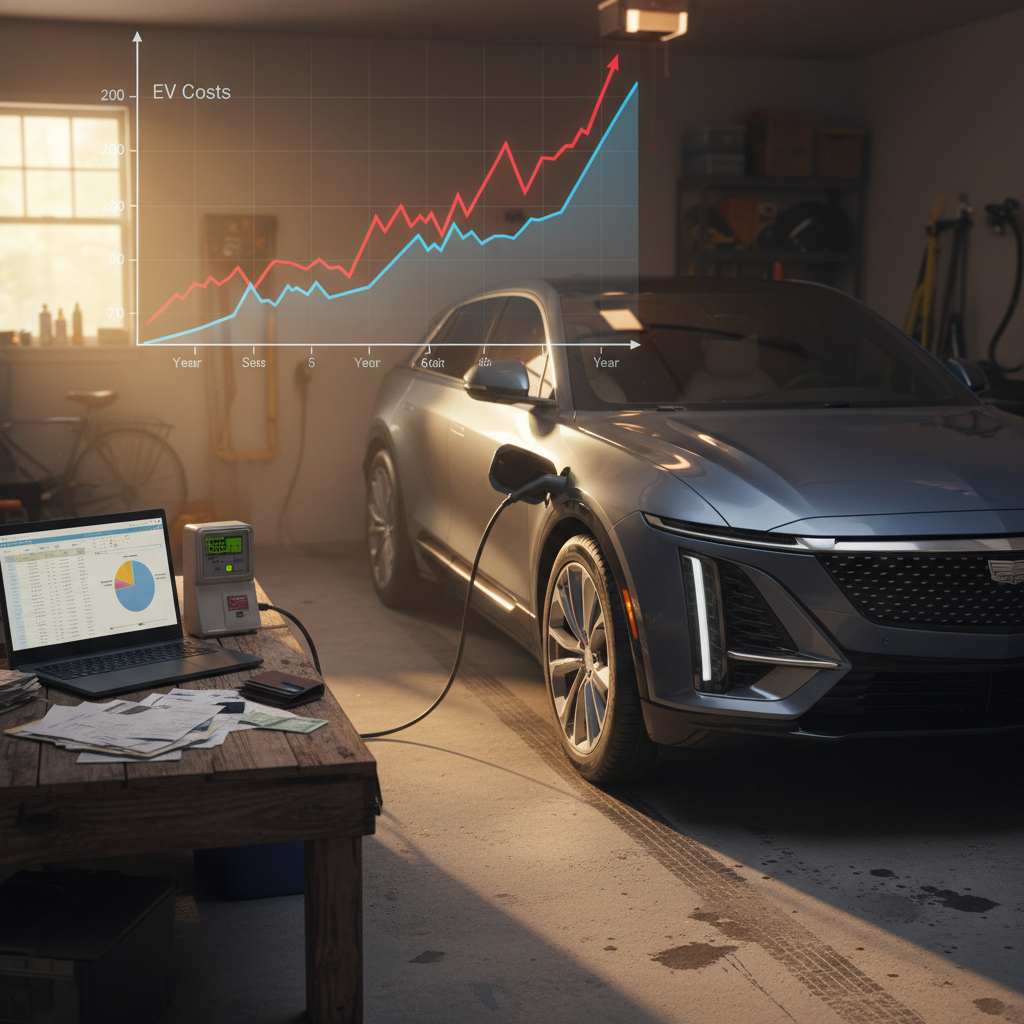
If you’re hunting for the best EV lease deals right now, you’re shopping in a very different market than even six months ago. The federal $7,500 EV tax credit on leases effectively ended on September 30, 2025, and lease prices on some models have already crept up. But there are still strong offers out there, especially from brands that are eager to keep EVs moving off lots, and in some cases a low-mileage used EV can beat a brand‑new lease on true cost.
The landscape in one sentence
Why EV lease deals look different in late 2025
For most of 2024 and early 2025, leasing was the cheapest way to drive a new EV. The so‑called lease “loophole” let finance arms claim the $7,500 commercial EV tax credit and pass it through as lower payments. That ended for most brands on September 30, 2025, when federal clean‑vehicle credits were shut off under new tax legislation. Some automakers, notably Ford and GM, set up temporary programs so their captive finance companies could keep effectively baking that $7,500 into leases on in‑stock vehicles through the end of 2025, but that relief is limited and inventory‑dependent.
EV leasing and incentives at a glance
Don’t assume last year’s deal still exists
The other big shift: automakers are trying to manage EV resale values. Shorter terms, often 24 months, and large amounts of factory lease cash help them keep vehicles cycling back into the market before technology or pricing changes make them look dated. That’s why some of the best‑looking deals right now are short, aggressively subsidized leases on compact crossovers, paired with thousands of dollars in bonus cash.
Standout EV lease deals right now
Lease programs change almost weekly, and regional fine print matters. Instead of chasing a single national “best deal,” focus on patterns: which segments are heavily subsidized, and what an effective monthly cost looks like when you factor in due‑at‑signing cash. Here are a few examples from November 2025 that illustrate what strong EV lease deals look like today. These aren’t offers from Recharged, we focus on used EVs, but they’re useful benchmarks when you’re in the showroom.
Examples of strong EV lease deals in November 2025
Numbers are manufacturer‑advertised offers in select regions as of mid‑November 2025; your local deals will vary.
Kia Niro EV
Approx. from $259/month for 36 months with around $3,999 due at signing in select western states.
- EPA range around 250 miles.
- Heavily supported with factory lease cash.
- Effective monthly cost (including down payment) lands in the mid‑$300s.
One of the sharper compact crossover EV deals when available in your region.
Ford Mustang Mach‑E
Example: $219/month for 24 months with roughly $4,500 due at signing on a Select RWD in California.
- Short term limits long‑term tech risk.
- Deal sweetened with thousands in lease cash and, in some promos, a home charger perk.
- Effective cost closer to low‑$400s once you spread out the upfront money.
Short, aggressive leases like this are common as Ford moves remaining tax‑credit-qualified inventory.
Mainstream compact EVs
Beyond halo models, look for 24–36 month leases under $300/month with $3,000–$4,000 due at signing on mainstream crossovers.
- Examples include models like Kia EV6, Hyundai Ioniq 6, and others when heavily incentivized.
- Shorter terms often carry richer support.
- Consider both 24‑ and 36‑month options; effective cost can be surprisingly close.
Use these figures as targets when you negotiate, not hard rules.
What these deals have in common
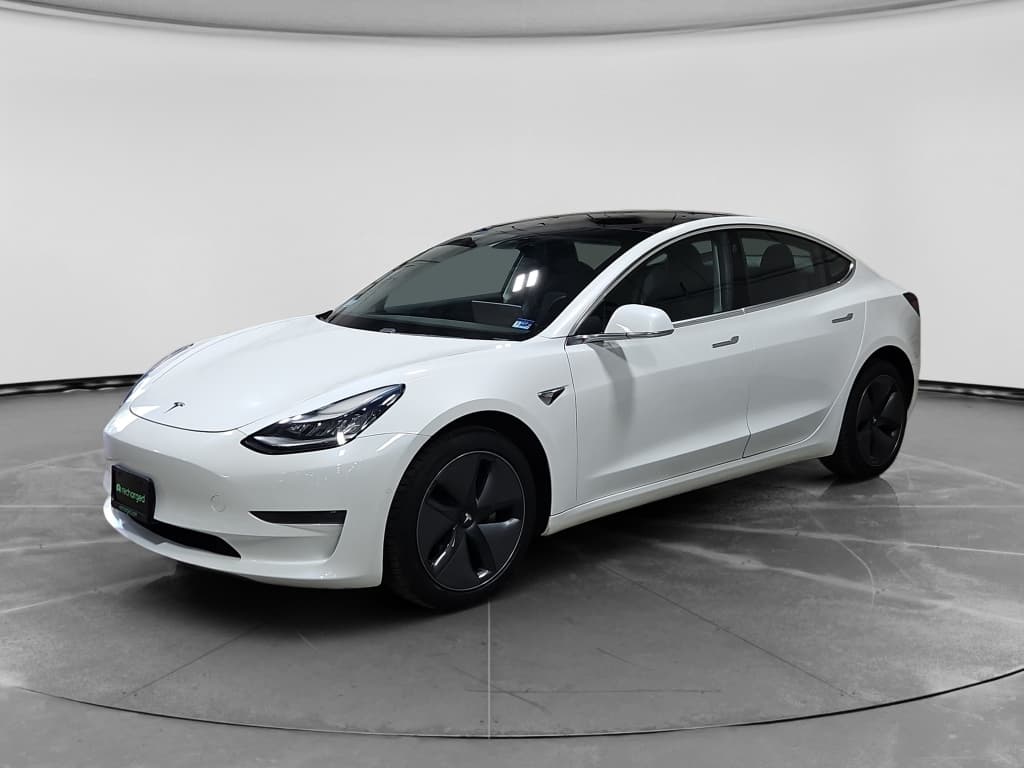
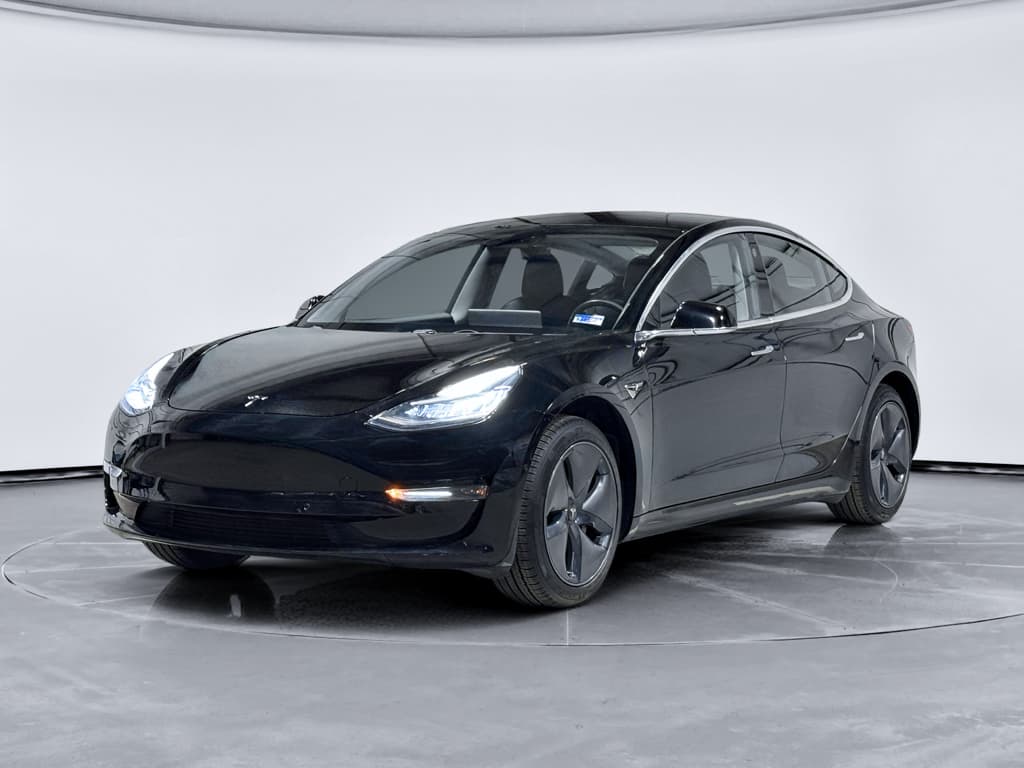
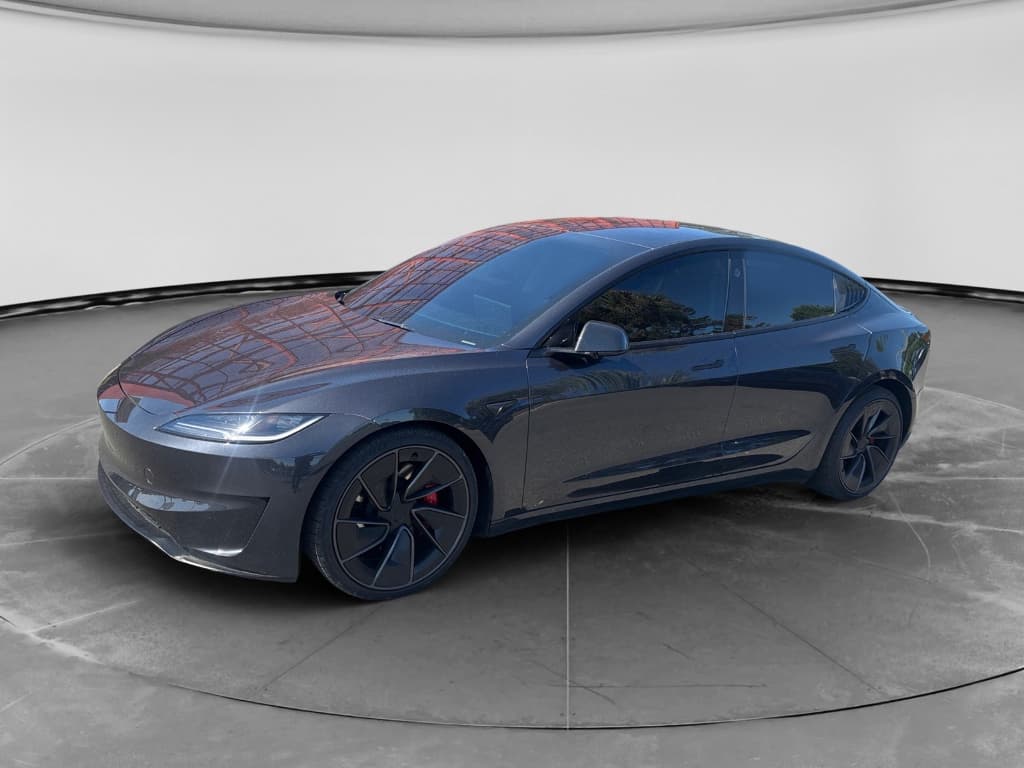
Tesla is a different story. With the federal lease credit gone, advertised leases on the Model 3 and Model Y jumped this fall, while purchase prices stayed flat. If you’re set on a Tesla, buying a lightly used Model 3 or Model Y, especially one registered before the credit sunset, can deliver a lower effective monthly cost than a new lease, even if the lease payment looks attractive on the surface.
How to tell if an EV lease deal is actually good
A low advertised monthly payment doesn’t automatically make a deal “best in market.” You need to look at effective cost, residual value, and how much flexibility you’re getting. Here’s how to break it down.
Quick checklist to evaluate any EV lease
1. Calculate the effective monthly cost
Add the total due at signing (excluding taxes and government fees) to all monthly payments, then divide by the number of months. A $259/month lease with $3,999 down over 36 months works out closer to the mid‑$300s than the ad suggests.
2. Check the mileage allowance
Typical EV leases run 10,000–12,000 miles per year. If you drive 15,000 or more, build in the cost of a higher‑mileage lease or overage fees, EVs can rack up miles quickly, especially for commuters and gig‑economy drivers.
3. Look at residual value %
A higher residual (say, 58–65% after 3 years) usually means a lower payment and can indicate the lender expects the EV to hold value. Extremely low residuals may signal weak resale expectations and higher payments.
4. Understand the money factor
Ask the dealer to disclose the money factor and convert it to an APR (multiply by 2,400). If the effective interest rate is much higher than current auto loan rates, you may be paying too much for the financing piece of the lease.
5. Watch for add‑ons and fees
Acquisition fees, dealer add‑ons, and marked‑up money factors can erase the benefit of factory lease cash. Insist on a full lease worksheet and compare the offer against what the automaker advertises online.
6. Compare to a used‑EV purchase
Before you sign, compare the effective monthly lease cost to a 60‑ or 72‑month loan payment on a low‑mileage used EV. In many cases, owning a 2‑ or 3‑year‑old EV delivers similar monthly outlay with more long‑term value.
Simple benchmark
Leasing vs buying a new or used EV
Leasing used to be the no‑brainer for many EV shoppers, especially those who were worried about battery degradation or fast‑moving tech. With federal incentives scaled back, the math has tightened. You now need to choose intentionally between leasing a new EV, buying a new EV, and buying a used EV.
Lease a new EV
- Lower payment than buying new in many cases.
- Easy exit from early‑generation tech after 2–3 years.
- Warranty coverage for the full term.
Best if you value flexibility and always driving newer tech, and you’re comfortable never owning the asset.
Buy a new EV
- More control over miles and modifications.
- Longer ownership window to spread cost.
- No surprise disposition or wear fees.
In a world without broad federal credits, this route works best if you plan to keep the car well beyond the loan term.
Buy a used EV
- Let someone else absorb the steepest depreciation.
- Can deliver a similar payment to a new‑EV lease.
- Access to higher‑trim models for the same monthly budget.
You’ll want solid data on battery health, this is exactly what Recharged’s Score Report is built to verify.
Where Recharged fits in
Ready to find your next EV?
Browse VehiclesHow to shop like a pro for EV lease deals
Whether you’re walking into a showroom or messaging internet sales managers from your couch, the way you shop matters as much as the advertised deal. Here’s a practical playbook you can use in any market.
Four steps to locking in a strong EV lease
These apply no matter which brand you’re targeting.
1. Start with the automaker’s offer
Pull up the current lease offers on the automaker’s U.S. website, then filter by your ZIP code. That gives you the "base" national or regional program before dealer markups or discounts.
Print or screenshot the offer so you can reference money factor, residual, term, and required due‑at‑signing when you negotiate.
2. Request the full lease worksheet
Ask the dealer for a detailed worksheet, not just a payment quote. You want to see selling price, rebates, fees, money factor, residual, terms, and any add‑ons.
If they won’t share it, that’s a red flag. Transparent dealers are used to educated EV customers.
3. Negotiate the sale price, not the payment
Focus on the vehicle’s selling price (cap cost) and the inclusion of all advertised incentives. Once that’s settled, then talk monthly payment. This keeps everyone honest.
Remember that a $20/month difference over 36 months is more than $700, small numbers still matter.
4. Compare offers against used EV options
Before signing, compare your best lease quote to a financed purchase on a low‑mileage used EV that meets your needs.
On Recharged, you can pre‑qualify, see your estimated payment, and line it up side‑by‑side with that lease sheet to see which path truly fits your budget and driving style.
When a used EV can be a better deal than leasing
With new‑EV lease support less generous in late 2025, the gap between a subsidized lease and a solid used‑EV purchase has narrowed. In some cases, it disappears entirely. That’s especially true in mainstream segments where depreciation has already done plenty of work.
- Popular models like the Tesla Model 3, Chevrolet Bolt EUV, Hyundai Kona Electric, and Kia Niro EV have seen meaningful price softening on the used side as new‑car incentives came and went.
- If you finance a 2‑ to 3‑year‑old EV over 72 months at a competitive rate, your payment can land in the same neighborhood as a new‑EV lease, but you’re building equity instead of handing the car back.
- A used EV with a verified‑healthy battery should still have plenty of usable capacity left, especially given long federal‑mandated warranty coverage on batteries when they were new.
Battery health is the deal‑breaker
If you drive high miles, or you plan to keep the vehicle long after a lease term would have ended, owning a used EV with solid battery health often pencils out better than leasing new. If you prefer predictable upgrades every few years and low hassle, a lease still makes sense, but you’ll want to be more selective about the deals you take.
Common pitfalls to avoid with EV leases
EVs bring a few lease‑specific traps that don’t always show up in glossy ads. Avoid these, and you’ll avoid most of the horror stories.
EV lease pitfalls and how to steer around them
Use this as a quick reference before you sign anything.
| Pitfall | Why it hurts | What to do instead |
|---|---|---|
| Ultra‑low advertised payment | Payment assumes thousands due at signing and very low miles. | Always calculate effective monthly cost including all upfront amounts. |
| Too few miles | EVs get driven a lot; overage fees add up quickly. | Match the mileage allowance to your real driving, even if the payment ticks up. |
| Marked‑up money factor | Dealer quietly inflates your finance charge. | Ask for the buy‑rate money factor and compare to the brand’s advertised program. |
| Stacked add‑ons | Paint protection, alarm systems, and extras you didn’t ask for. | Decline non‑essential add‑ons and focus on the cap cost of the vehicle itself. |
| Ignoring disposition and wear fees | Surprises at turn‑in can erase savings. | Ask about disposition fees, wear‑and‑tear policies, and excess damage charges in writing. |
| Not comparing to used EVs | Lease looks cheap only because you didn’t check alternatives. | Get a quote on a comparable used EV and compare total cost, not just payment. |
Print this table or save it on your phone and check each line against your deal sheet.
State incentives can be lease‑unfriendly
FAQ: Best EV lease deals
Frequently asked questions about EV lease deals
The EV market has moved fast in 2025, and the end of broad federal incentives has made the “best EV lease deals” harder to spot at a glance. But if you focus on effective monthly cost, understand how residuals and money factors shape a lease, and always compare the numbers against a used‑EV purchase, you’ll be miles ahead of most shoppers in the showroom. If the math points you toward owning instead of leasing, Recharged can help you find a used EV with verified battery health, transparent pricing, and expert support from your first question to the moment it shows up in your driveway.