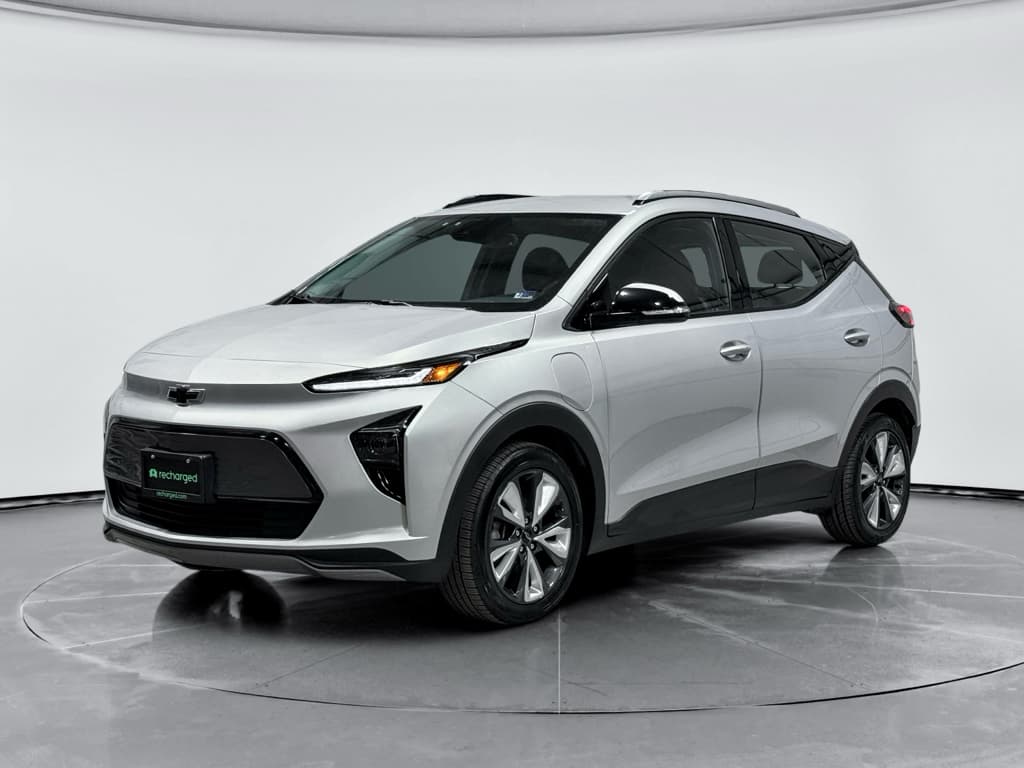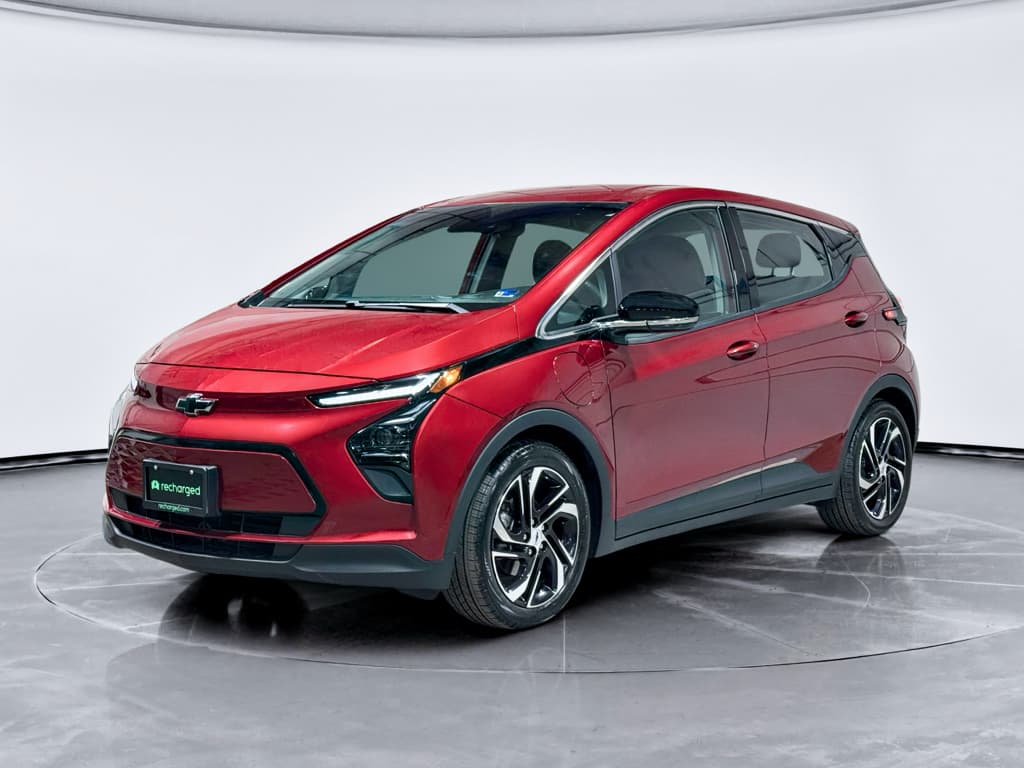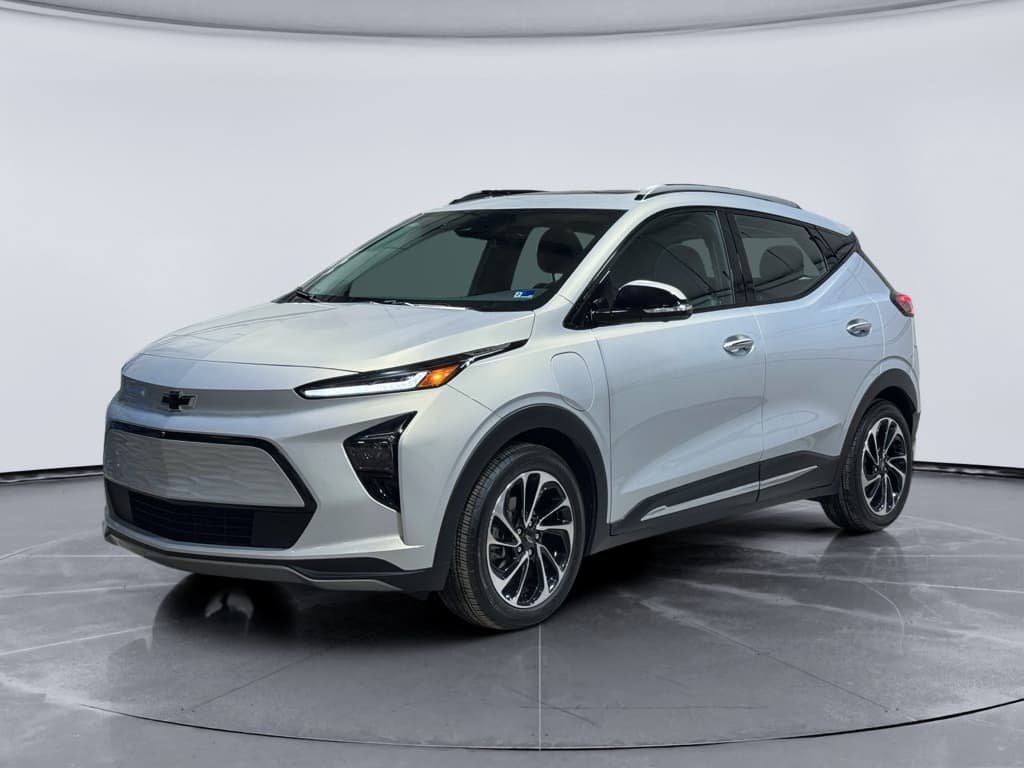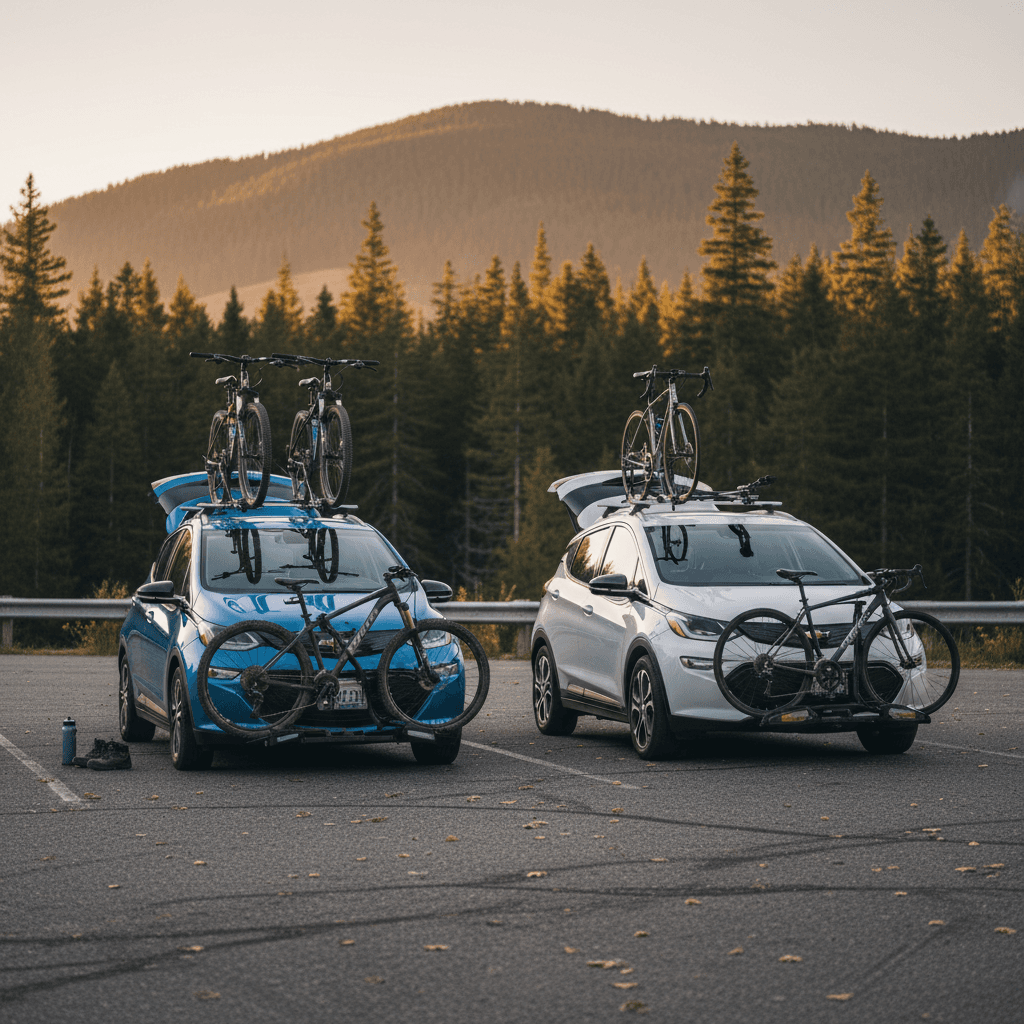
If you own a Chevrolet Bolt EV or Bolt EUV and also love riding, finding the right bike rack options is almost as important as finding a good charging plan. The Bolt’s compact hatchback body, short rear overhang, and lack of factory towing rating make bike-hauling a little different than on a typical SUV, but you still have solid hitch, roof, and trunk solutions if you choose carefully.
Applies to both Bolt EV and Bolt EUV
Bolt EV bike rack basics: what you need to know
- GM does not rate the Bolt EV or EUV for towing, but owners commonly add aftermarket hitches for racks and cargo carriers only.
- Most hitches marketed for the Bolt EV are Class 1 with a 1.25" receiver; EUV hitches also come in Class 3, 2" receivers.
- Bike racks add leverage far behind the rear axle, so the effective load at the hitch is higher than just the rack + bike weight.
- For heavy e‑bikes, you want the strongest hitch you can get that still fits your vehicle, and you must stay within both hitch and vehicle limits.
- Roof, hitch, and trunk racks are all possible on the Bolt, but each comes with trade‑offs in cost, capacity, and everyday usability.
Chevy’s official stance on towing
Hitch options for Bolt EV vs. Bolt EUV
Bolt EV (2017–2023 hatchback)
- Aftermarket hitches are typically Class 1, 1.25" receivers.
- Examples from Draw‑Tite and CURT are marketed specifically for the Bolt EV chassis.
- Common tongue weight ratings are around 100–200 lb at the ball, intended for light trailers but often used for racks.
- Plenty for 2 bikes on a quality tray rack; marginal for 3–4 bikes or very heavy e‑bikes.
Bolt EUV (2022–2024 crossover)
- The longer, slightly heavier EUV accepts more robust hitches, including Class 3, 2" receivers from Draw‑Tite and Reese rated about 300 lb tongue weight and ~2,000 lb GTW (for other vehicles).
- Premium options like the EcoHitch for Bolt EUV list up to 450 lb tongue weight at the trailer ball, though effective rating is lower for long racks.
- A 2" receiver opens the door to more heavy-duty bike racks and 4‑bike carriers.
Check the fine print on EUV hitches
Best hitch-mounted bike rack options for Chevrolet Bolt
If you’re serious about hauling bikes regularly, especially heavier mountain bikes or e‑bikes, a hitch-mounted rack is usually the best match for the Chevrolet Bolt EV or EUV. It keeps the load low, avoids roof‑height lifting, and doesn’t rest on fragile sheetmetal like a trunk rack.
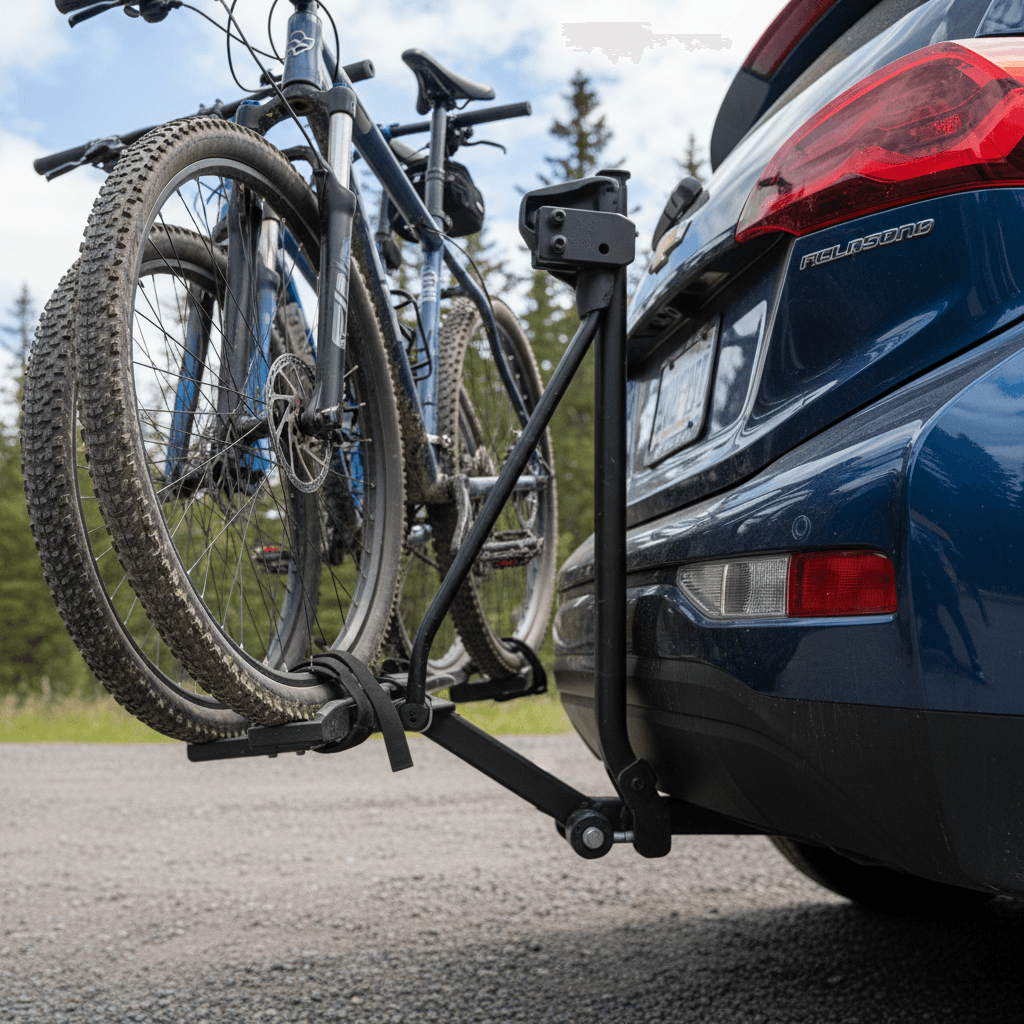
Common hitch rack styles for the Bolt
Pros and cons of platform vs. hanging designs
Platform / tray racks
Best for stability and e‑bikes. Bikes sit in wheel trays and are held by arms or hooks.
- Gentle on frames
- Easy loading, especially for heavier bikes
- Heavier and pricier than hanging racks
Hanging / mast-style racks
Good for lighter, traditional bikes. Bikes hang by the top tube on arms.
- Lighter and usually cheaper
- Can carry 3–4 bikes on some models
- Not ideal for step‑through frames or e‑bikes
Modular and tilting racks
Higher‑end racks add tilt and add‑on trays for flexibility.
- Access the hatch with bikes loaded
- Start with 2 bikes and expand later
- Make sure total weight stays within hitch limits
Example hitch rack setups that work well on a Bolt
These are representative setups Bolt owners often gravitate toward. Always confirm up-to-date specs, weights, and fitment for your exact hitch and bike fleet.
| Setup type | Receiver size | Typical rack capacity | Good use case | Watch out for |
|---|---|---|---|---|
| 2-bike tray on Bolt EV | 1.25" Class 1 | 2 bikes, 40–60 lb each | Most road, gravel, or light e‑bikes | Stay well under ~120–140 lb combined rack + bikes. |
| 2-bike tray on Bolt EUV | 2" Class 3 | 2 bikes, up to ~60–70 lb each (rack-dependent) | Heavier trail or single e‑bikes | Use a high-quality rack rated for e‑bikes. |
| 3–4 bike hanging rack | 2" Bolt EUV hitch | 3–4 lighter bikes | Family trips with hybrids or kids’ bikes | Long lever arm; keep total weight conservative. |
| Swing-away tray rack | 2" Bolt EUV hitch | 2 bikes | Maximum rear access for camping/road trips | Swing-away adapters add leverage and weight. |
Weight estimates are approximate and do not replace checking manufacturer ratings.
Owner-tested combinations that work
Checklist: choosing the right hitch rack for your Bolt
1. Confirm your receiver size and class
Check whether your Bolt has a 1.25" (most Bolt EVs) or 2" (many Bolt EUVs) hitch and whether it’s Class 1 or Class 3. Plenty of racks come in both sizes, but some heavy-duty and 4‑bike options are 2" only.
2. Add up real-world weights
Add the published rack weight plus each bike’s actual weight, not the catalog estimate. For e‑bikes, don’t forget batteries and accessories. Keep that total comfortably below your hitch’s tongue rating and what you’re comfortable putting on a compact EV.
3. Prefer tray racks for heavy or non-standard bikes
Step‑through frames, carbon road bikes, fat bikes, and e‑bikes are almost always happier on a tray‑style rack than on a hanging rack. Wheel-holding trays also avoid top‑tube clamps that can damage frames.
4. Look for tilt or swing-away features
Because the Bolt’s rear hatch is your primary cargo access, a rack that tilts or swings out of the way is worth the extra cost. Check that the mechanism is easy to use and rated for the full load you plan to carry.
5. Consider security and ease of removal
Integrated cable locks and hitch locks make spontaneous rides easier. If you live in a city or use public parking, a rack that’s easy to remove, but secure when mounted, is a big plus.
Roof rack and roof-mounted bike carriers
If your Bolt doesn’t have a hitch yet, or you prefer to keep the rear hatch completely clear, a roof rack with bike trays is your next-best option. Several companies sell crossbar kits that clamp to the Bolt EV’s roof, turning it into a flexible platform for bikes, cargo boxes, and skis.
Roof vs. hitch bike racks on a Chevrolet Bolt
Which approach fits your riders, bikes, and parking situation?
Roof-mounted pros
- No hitch required; good if you rent or lease.
- Rear hatch remains fully accessible at all times.
- Easy to mix bikes with roof boxes or skis.
- Less concern about scraping on steep driveways.
Roof-mounted cons
- More effort to lift bikes overhead, tough for heavy e‑bikes.
- Higher wind noise and noticeable range impact at highway speed.
- Watch garage doors and low clearances carefully.
- Crossbars and trays can cost as much as a hitch + rack combo.
Check the Bolt’s roof load rating
Trunk-mounted and alternative bike rack options
Trunk-mounted racks that strap to the hatch are popular on small hatchbacks, and some owners do use them with the Bolt EV. They’re attractive because they don’t require a hitch or roof bars, but on an EV like the Bolt they’re generally best as a light-duty or occasional solution.
- The Bolt’s rear hatch and spoiler are not designed to carry heavy loads; overloading a trunk rack can distort bodywork or damage glass.
- Trunk racks can rub paint and trim pieces over time, especially if you drive on rough roads or leave the rack installed for months.
- Most trunk racks aren’t rated for e‑bikes and can struggle with even two modern trail bikes.
- Access to the hatch is limited or impossible while the rack is strapped on.
- Because the Bolt has a short, upright tail, fitment lists matter, only choose racks explicitly approved for the Bolt EV or EUV.
Avoid DIY strap solutions on glass or spoilers
Special considerations for e‑bikes on a Bolt
Electric bikes change the math. A single modern e‑bike can weigh 50–70 lb before accessories, and two of them plus a sturdy rack can easily push a compact EV’s hitch or roof limits. That doesn’t mean you can’t haul e‑bikes with a Bolt; it just means you need to be strategic.
Smart practices for carrying e‑bikes on a Bolt
1. Aim for a 2" receiver if you can
If you have a Bolt EUV, a quality 2" Class 3 or EcoHitch-style receiver lets you choose racks specifically rated for e‑bikes and heavier loads. For a Bolt EV with a 1.25" hitch, stick to 1–2 e‑bikes on a stout tray rack and keep total weight conservative.
2. Remove batteries and accessories before loading
Pull e‑bike batteries, bags, and heavy locks off the bike and carry them inside the cabin. That can easily shave 10–15 lb per bike, reducing stress on the rack and hitch and lowering the center of gravity.
3. Use ramps or low-loading racks
Some premium e‑bike racks include a loading ramp or a low‑rise tray that saves your back and makes it easier to control the bike as you load it. That’s a big deal on a small EV where you’re already managing limited leverage and a short wheelbase.
4. Shorten the distance from hitch to first bike
Avoid long extensions, swing‑away adapters, and over‑spaced trays unless you absolutely need them. Every extra inch multiplies the torque at the hitch. Choose compact racks that keep bikes as close to the bumper as practical, while still clearing the hatch.
5. Re-check fasteners regularly
Heavy e‑bikes can work hardware loose more quickly. Periodically check hitch bolts, rack pins, wheel straps, and frame clamps, especially after your first few trips and after driving on rough roads.
Installing a hitch on a Bolt EV or EUV
If your used Bolt didn’t come with a hitch, you have two choices: DIY install or professional installation. Both are viable, but the Bolt’s under‑bumper trim and tight clearances mean you’ll want to know what you’re signing up for.
DIY vs. professional hitch installation on a Bolt
What owners typically discover once they crawl under the car
DIY installation
- Common on Bolt EV hatches with Class 1 hitches.
- Requires jack stands or ramps, basic sockets, and a torque wrench.
- You’ll likely remove or loosen the rear fascia and crash bar.
- Save on labor, but you own the risk of mis‑torqued bolts or damaged trim.
Professional installation
- U‑Haul, hitch shops, and some dealers regularly install Bolt hitches.
- Labor on a Bolt EV or EUV is often in the 1–2 hour range.
- You get warranty coverage on the install and peace of mind.
- Worth it if you’re planning to carry expensive bikes or e‑bikes.
Ask the installer about bike-rack use
Safety, weight limits, and warranty concerns
With compact EVs like the Bolt, weight discipline is everything. You’re combining a short wheelbase, a front‑heavy car, and a levered load hanging off the rear bumper. Staying conservative with weights and hardware is key to safe, drama‑free trips.
Key numbers to keep in mind when racking bikes on a Bolt
Don’t ignore rear axle and GVWR limits
What about warranty?
How bike racks and bikes affect range and driving
Bike racks don’t just add weight, they change aerodynamics. On a compact EV like the Bolt, that shows up as both reduced range and a different feel on windy highways or rough roads.
- Weight impact: A hitch, a tray rack, and two adult bikes can easily add 130–170 lb. That’s like driving with an extra adult on board all the time.
- Aero impact: Roof‑mounted bikes catch the most wind; hitch racks sit in the slipstream but can still cost you range at 65–75 mph.
- Handling: A loaded rear rack can make the Bolt feel more sensitive to crosswinds and bumpy corners. Take a few shakedown drives locally before committing to a long trip.
- Regen and braking: Extra mass means more energy to slow down. The Bolt’s strong regenerative braking helps, but you should still increase following distance and be gentler with inputs.
- Charging stops: When planning road trips, add a buffer–especially in winter. Apps that estimate range assume a “clean” car, not one with three mountain bikes hanging off the back.
Use ECO mode and moderate speeds
FAQ: Chevy Bolt EV and EUV bike racks
Frequently asked questions about Bolt EV and EUV bike racks
Conclusion: Making your Bolt truly bike‑friendly
The Chevrolet Bolt EV and Bolt EUV may be compact, but with the right bike rack options they make surprisingly capable adventure rigs. For frequent riders or anyone hauling heavier modern bikes, a properly installed hitch with a quality tray rack is usually the best match. Roof racks and trunk racks can fill in the gaps for specific use cases, as long as you respect the Bolt’s modest size and weight limits.
If you’re shopping for a used Bolt, it can be worth prioritizing cars that already have a well-installed hitch or roof system. At Recharged, every vehicle includes a Recharged Score battery health report and expert guidance, so you can match the EV, and any accessories, to the way you actually ride. With a little planning and the right hardware, your Bolt can carry bikes, passengers, and gear comfortably while still delivering the quiet, efficient electric miles you bought it for in the first place.