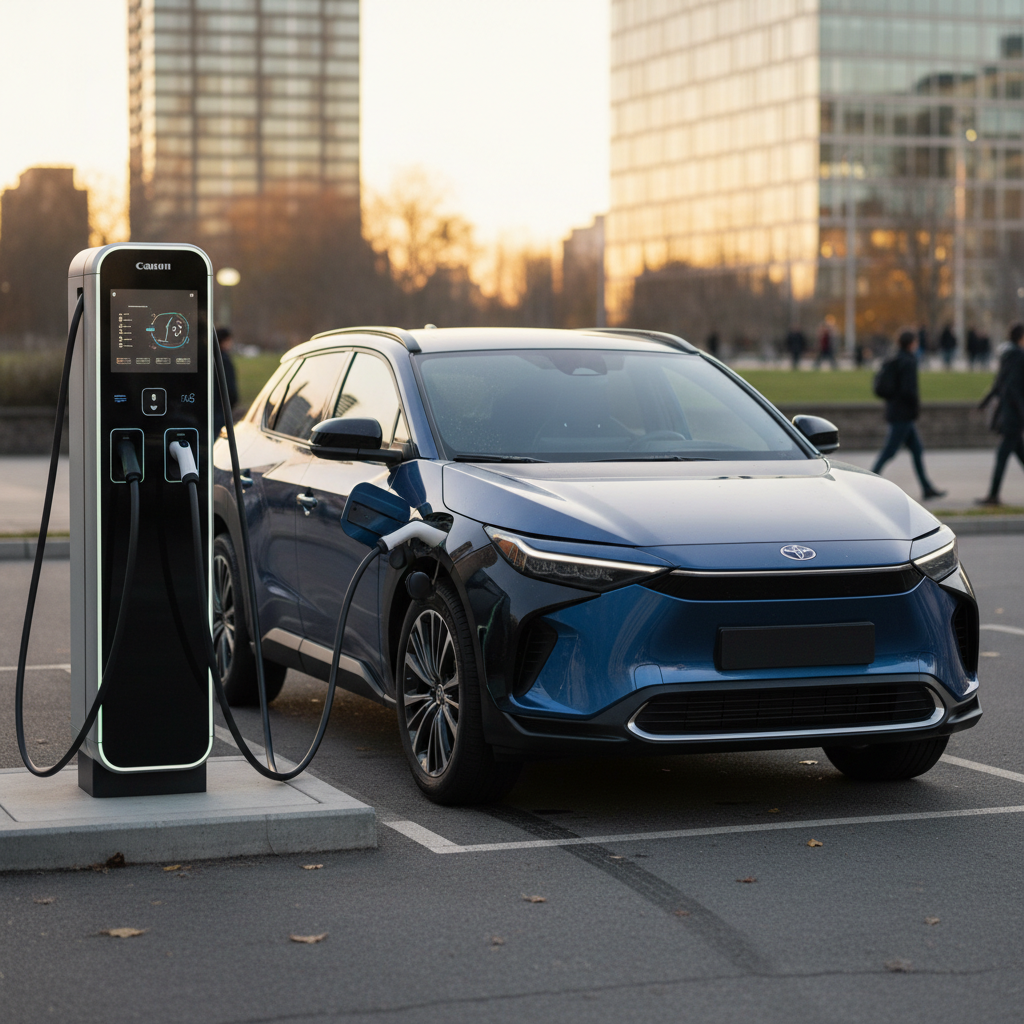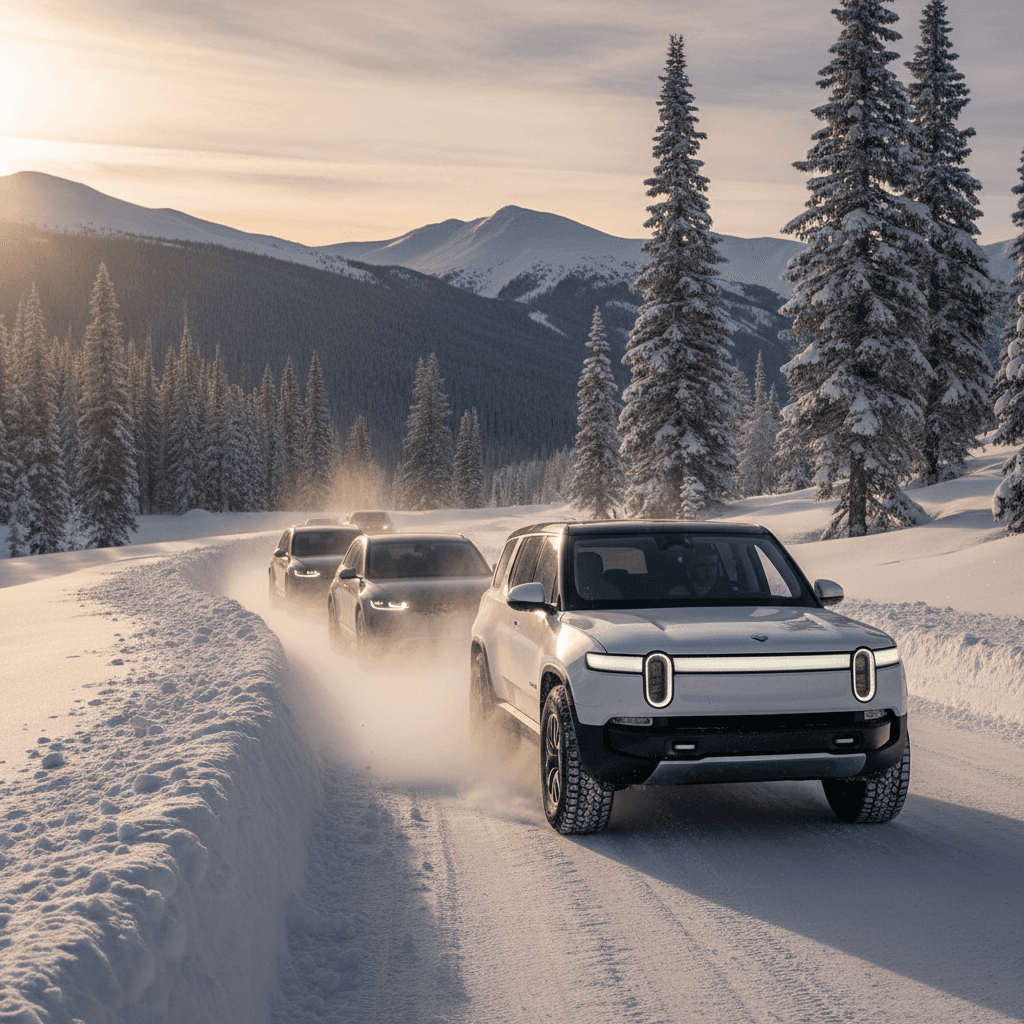
If you live where snow sticks around for months, the best EV for snow in 2026 isn’t just the one with the biggest battery or flashiest screen. You need an electric SUV or crossover that can claw its way up an icy hill, stay predictable in a blizzard, and still deliver enough winter range that you’re not white‑knuckling your drive home.
Quick take
Why winter driving demands the right EV
EVs can be excellent winter vehicles. Their batteries sit low in the chassis, which lowers the center of gravity and helps stability. Electric motors can meter torque to each axle, or even each wheel, far more precisely than a traditional mechanical AWD system. That’s why so many owners describe their EVs as “mountain goats” in the snow. Still, cold weather exposes weak spots: reduced range, slow cabin warm‑up without a heat pump, and traction systems that aren’t tuned for ice and slush.
How cold affects EVs in real life
What makes an EV good in snow? Key criteria
Core ingredients of a winter-ready EV
Use these as your shopping filter before you ever take a test drive.
1. Confident traction & control
For snow driving, start by looking for:
- Dual‑motor AWD (or at least a very good front‑ or rear‑drive setup if you’re in lighter‑snow regions).
- Dedicated snow/X‑Mode/terrain settings that soften throttle response and adjust traction control.
- Fine torque control at low speeds for deep snow or rutted driveways.
2. Cold‑weather efficiency hardware
To keep range usable in winter, prioritize:
- Heat pump for cabin heating instead of resistive elements.
- Battery preconditioning you can schedule or trigger from the nav/app.
- Efficient seat and steering‑wheel heaters so you can dial back cabin temps.
3. Ground clearance & body design
Even the best AWD system struggles when you’re plowing snow with the bumper.
- Look for 7–8 inches or more of ground clearance if you regularly see deep snow.
- Short overhangs and smart bumper design help avoid “snow plowing.”
4. Tires & winter tuning
A great EV on the wrong tires will still be bad in snow.
- Real winter tires make a bigger difference than any drive mode.
- Some EVs have very sharp traction/regen tuning; winter modes help smooth things out.
Don’t buy on range alone
Best EVs for snow 2026: The short list
Based on recent winter testing, owner feedback, and the hardware that matters most, here are standout EVs for snow in 2026. Some are new; several are excellent used buys you can often find on Recharged or other marketplaces.
Standout EVs for snow and winter driving (2026)
Key specs and traits that matter if you live with real winters. Specs are approximate and may vary by trim; always verify for the specific vehicle you’re considering.
| Model | Drivetrain | Approx. Clearance | Heat pump?* | Why it’s strong in snow |
|---|---|---|---|---|
| Subaru Solterra / Toyota bZ4X AWD | Dual‑motor AWD | ≈8.3 in | Yes on most AWD trims | Subaru‑tuned X‑Mode, very secure feel on snow, lots of owner praise for winter manners. |
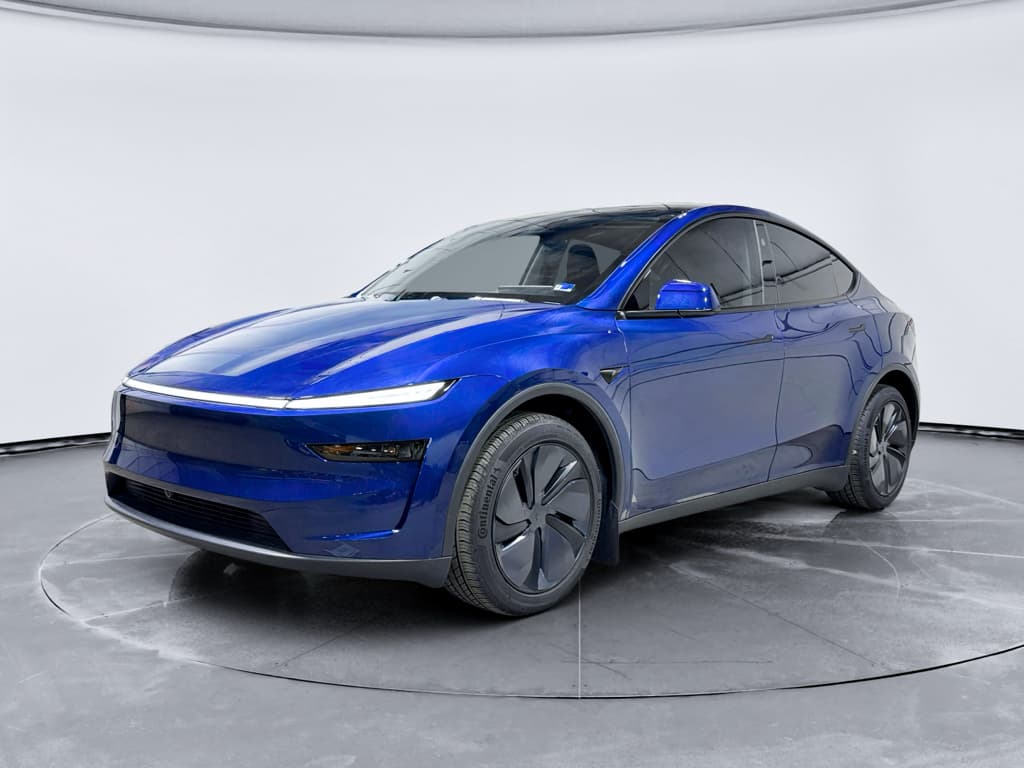
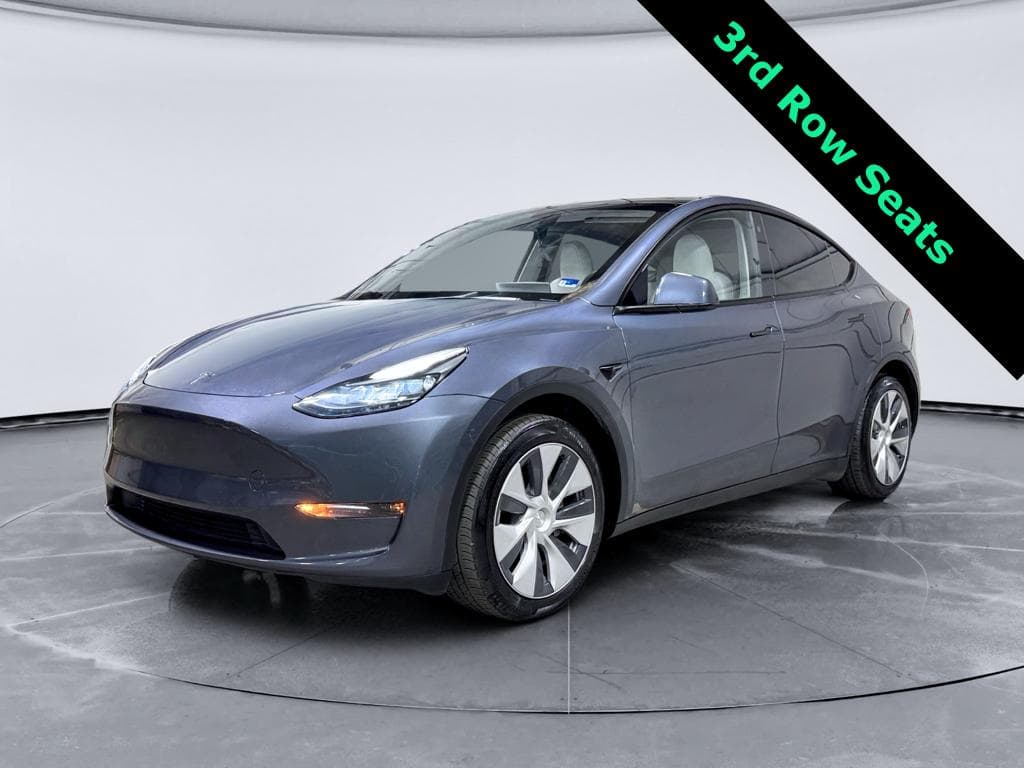
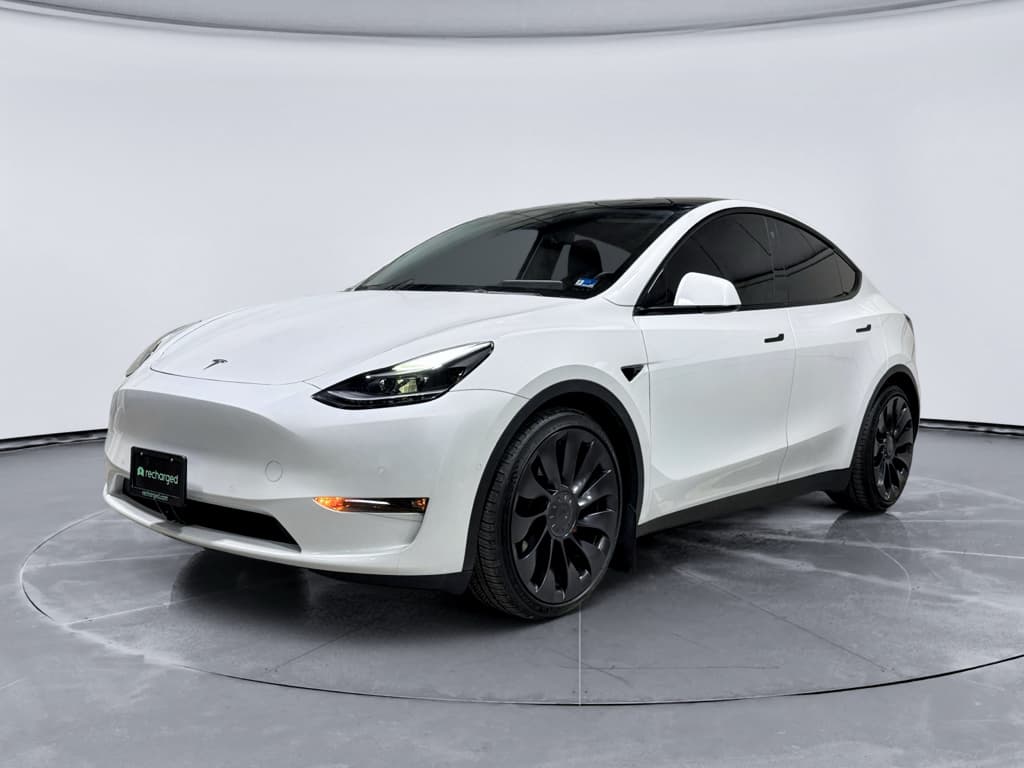
| Tesla Model Y Long Range AWD (2024–2026) | Dual‑motor AWD | ≈6.8 in | Yes | Efficient in cold, excellent traction control, strong fast‑charge network for ski trips. |
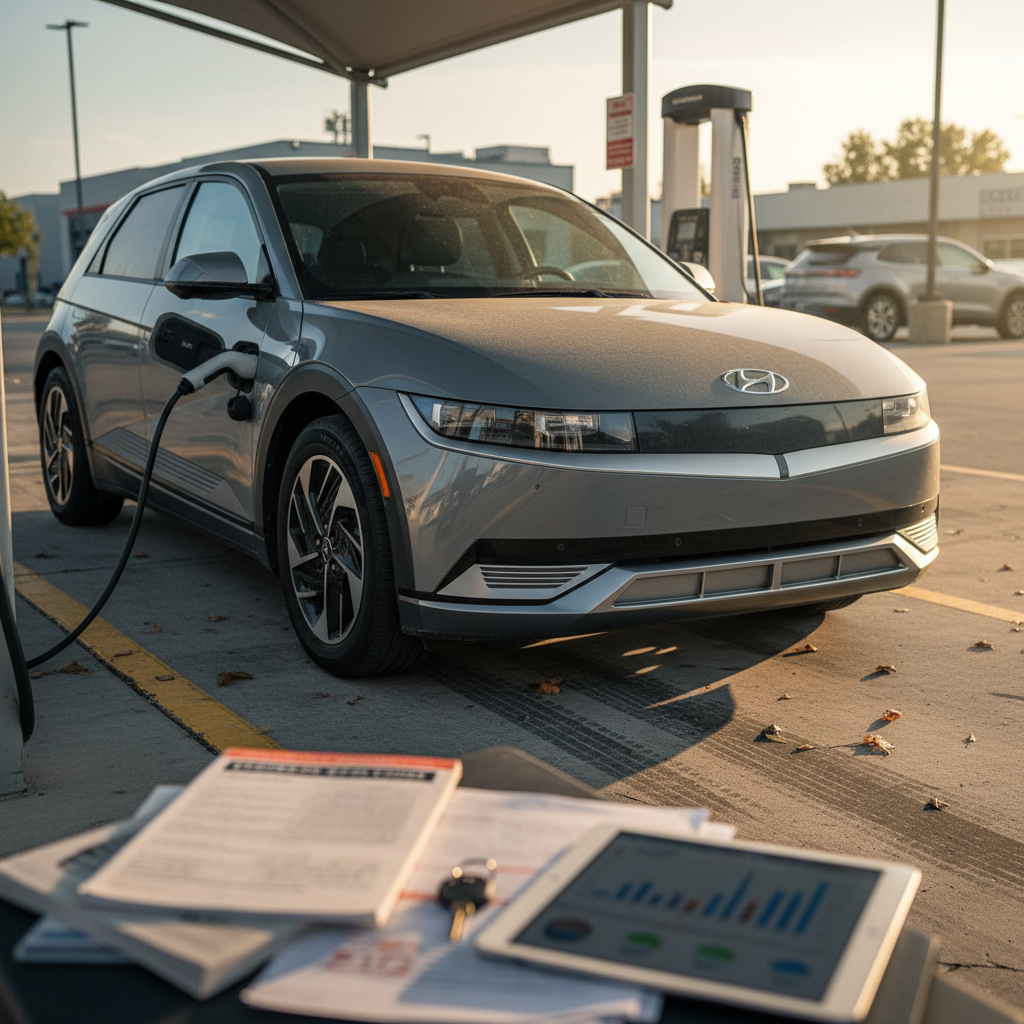
| Hyundai Ioniq 5 HTRAC AWD (2024–2026) | Dual‑motor AWD | ≈7.9 in | Yes on most trims | Soft, composed ride, good cold‑weather performance when preconditioned, strong tech suite. |
| Kia EV9 AWD (2024–2026) | Dual‑motor AWD | ≈7.8 in | Yes | Three‑row SUV with serious winter hardware and space for people + gear. |
| Volkswagen ID.4 AWD (2023–2025) | Dual‑motor AWD | ≈8.2 in | Heat pump on many trims | Well‑tuned AWD, solid road manners; range drops more than some rivals, so size your battery accordingly. |
| Audi Q4 e‑tron quattro (2024–2026) | Dual‑motor AWD | ≈8.1 in | Yes | Premium feel, refined traction tuning, strong cold‑weather comfort. |
| BMW iX xDrive (all years) | Dual‑motor AWD | ≈8.0 in | Yes | Luxury SUV with excellent winter ride/handling balance and sophisticated thermal management. |
| Kia EV6 AWD (2023–2026) | Dual‑motor AWD | ≈6.1 in | Yes on most later trims | Lower and sportier, but very competent in snow with winter tires and preconditioning. |
Always confirm exact equipment, especially AWD and heat pump, on the VIN you’re shopping.
About heat pumps
Model spotlights: Why these EVs shine in winter
Subaru Solterra / Toyota bZ4X AWD
If your idea of winter is unplowed side streets and ski‑town access roads, the Solterra and its Toyota twin are standouts. Subaru’s heritage shows up in the tuning: the dual‑motor AWD system, X‑Mode terrain settings, and generous ground clearance make these feel like traditional Subaru crossovers that just happen to be electric.
Owners routinely report that with quality snow tires, the Solterra behaves like a "true Subaru" in deep snow, stable, predictable, and confidence‑inspiring. The tradeoff is range: in bitter cold, you’ll see a noticeable hit, so it’s best for households that do shorter daily trips, have home charging, and maybe keep a gas vehicle for the rare 300‑mile winter haul.
Tesla Model Y Long Range AWD
The Model Y has become a default choice for many snow‑belt EV drivers, and for good reason. The dual‑motor AWD system reacts quickly, its traction control is finely calibrated, and real‑world data shows the Y retaining a relatively high percentage of its rated range in freezing temperatures when preconditioned.
Add in Tesla’s robust Supercharger network, increasingly accessible even on busy ski‑weekend corridors, and the Model Y is one of the best all‑rounders for drivers who need to cover serious mileage in winter. Just remember that it sits lower than a Subaru or ID.4, so for unplowed back roads you’ll want to slow down and lean on a good set of winter tires.
Hyundai Ioniq 5 HTRAC AWD
The Ioniq 5 doesn’t look like a traditional winter rig, but underneath the retro sheetmetal is a very competent cold‑weather platform. Dual‑motor HTRAC AWD trims, paired with a heat pump and battery preconditioning, deliver respectable winter range and very smooth power delivery on snow and ice.
Its wheelbase is long, which helps highway stability in slush but means parking‑lot maneuvering on packed snow requires a little care. On proper winter tires, though, the Ioniq 5 is more than a match for typical city and suburban winter conditions.
Kia EV9 AWD
If you need three rows and real snow capability, the Kia EV9 jumps to the top of the list. Dual‑motor AWD, decent ground clearance, strong thermal management, and available snow‑specific drive modes make it a natural for families who ski, camp, or just run carpools through messy winters.
Its size and weight mean you’ll want to budget a bit more time and distance for stopping, even on good tires, but that’s true of any three‑row SUV. As a winter road‑trip machine with DC fast charging and plenty of room for gear, the EV9 is one of the most compelling new‑for‑2026 choices.
Premium options like the Audi Q4 e‑tron and BMW iX lean into comfort and refinement while still offering excellent winter traction and advanced heat‑pump systems. They’re not cheap, but on the used market they can be surprisingly competitive with new mainstream SUVs, especially if someone else already ate the first‑owner depreciation.
EV winter range: what to really expect
Range loss is the elephant in the room when you talk about the best EV for snow in 2026. The good news: modern EVs often retain around 80% of their normal range in freezing temps when you use preconditioning and a heat pump. Some of the best‑optimized models do even better; others, particularly without heat pumps, can drop into the mid‑60% band in harsh conditions.
- Plan around a 15–35% winter range hit depending on temperature, speed, elevation, and how much HVAC you use.
- Short in‑town trips in deep cold can be surprisingly inefficient because the car keeps reheating a cold cabin and battery.
- Highway drives after a proper preheat usually see more consistent consumption, range loss, but predictable.
- Heat pumps, seat heaters, and moderate cabin temps help tame the biggest losses.
Winter range planning rule of thumb
Used EVs for snow: how to shop smart
If you’re open to a pre‑owned vehicle, a used EV can be a terrific way to get serious winter hardware for less money. But you need to look past the badge and dig into battery health, equipment, and history.
Used winter EV buying checklist
Confirm dual‑motor or AWD
Model names can be confusing, some trims are rear‑drive only. Check the exact trim and VIN for dual‑motor or AWD, not just a generic "Model Y" or "Ioniq 5" label.
Verify cold‑weather packages
Many EVs bundle a heat pump, heated seats, heated steering wheel, and battery heater into a specific package. Ask for the original window sticker or build sheet.
Check real battery health
Cold weather makes a weak battery painfully obvious. A third‑party battery health report, like the Recharged Score that comes with every EV on Recharged, helps you understand true usable capacity, not just a dash estimate.
Look for winter‑region history
A car that has already lived in the snow belt may have options you want (block heaters, winter package) but might also need extra scrutiny underneath for corrosion. A thorough inspection is worth it.
Inspect tires and wheels
Factor the cost of dedicated winter tires into the deal if the car is on worn all‑seasons or low‑profile performance tires that won’t cut it in snow.
Test drive in bad weather if possible
If conditions cooperate, drive the EV on a slushy side street and a plowed road. Pay attention to how smoothly it meters power and how the ABS and stability control intervene. You want predictable, not dramatic.
How Recharged can help
Ready to find your next EV?
Browse VehiclesMust-have winter options and settings
Winter features that make a real difference
You don’t need every bell and whistle, but these are worth hunting for.
Heat pump HVAC
A heat pump uses far less energy than resistive heaters to warm the cabin, especially in the 20–40°F band many drivers see all winter. That means more usable range without sacrificing comfort.
Battery preconditioning
This lets the car warm the battery before you drive or fast‑charge. Look for automatic preconditioning tied to your departure time or DC fast‑charger destination.
Seat & wheel heaters
Heating you instead of the whole cabin is efficient and comfortable. You can often dial cabin temps down and run seat and wheel heat on high to save energy.
Snow/X‑Mode drive settings
These modes usually soften throttle response, adjust ABS and stability control, and sometimes alter torque split to keep you composed on slick surfaces.
Remote start & app control
Being able to warm the car while still plugged in is a big winter win. That way the grid, not your battery, does the heavy lifting on the first warm‑up.
Heated mirrors & wipers
Small features, big safety. Heated mirrors, wiper de‑icers, and rear defrosters are worth their weight in salt when visibility drops.
Tires beat tech: why rubber matters more than badges
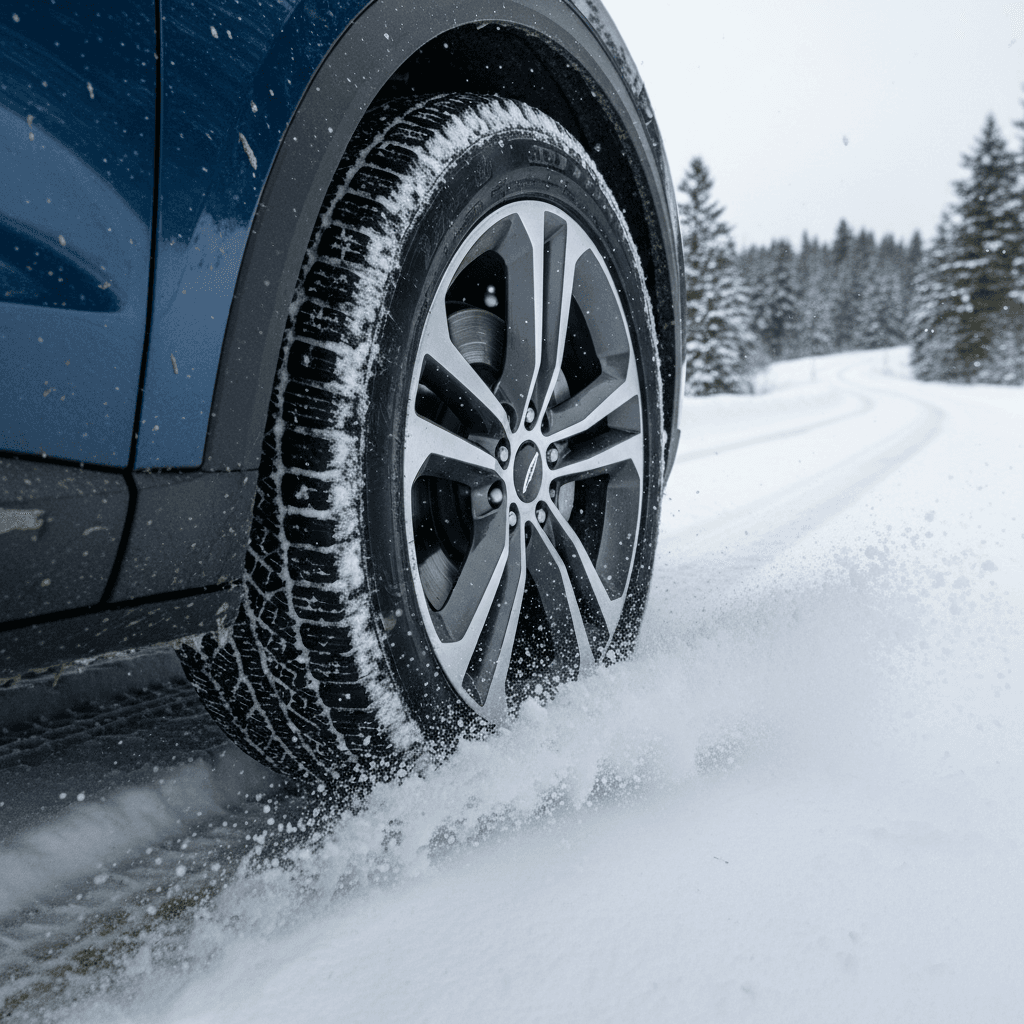
Ask any seasoned winter driver and you’ll hear a similar refrain: all‑wheel drive helps you go; tires help you stop and steer. That’s doubly true with EVs, which are heavy and make a lot of instant torque.
- Dedicated winter tires (or high‑quality studless snow tires) can reduce stopping distances dramatically compared with all‑season rubber on ice and packed snow.
- Heavier EVs benefit from winter tires’ softer compounds and aggressive siping, which help them bite into slick surfaces.
- If you’re buying a performance‑oriented EV (low‑profile tires) for a snowy climate, budgeting for a second set of wheels with taller, narrower winter tires is smart planning.
- Tire pressures drop in cold weather; checking pressures a few times each winter can keep traction and efficiency where they should be.
Common and costly mistake
Checklist: choosing the best EV for your winters
Step‑by‑step: find the right winter EV for you
1. Define your real winter use case
How many truly bad‑weather days do you drive each year? Are we talking about plowed suburbia, lake‑effect side streets, mountain passes, or occasional ski trips? Your answer should shape how much priority you give to ground clearance and snow‑mode hardware versus range and efficiency.
2. Map your worst‑case winter route
Think of the coldest, snowiest day you still plan to drive. How far is it, round‑trip? Add a buffer for detours and range loss, and compare that number to 70% of the rated range of the EVs on your list.
3. Filter your list by AWD and heat pump
From here forward, drop any candidates that can’t be had with dual‑motor/AWD and a heat pump or solid cold‑weather package if you live with serious winter. In milder climates you can be more flexible.
4. Check ground clearance and approach angles
If you regularly see deep, unplowed snow, target EVs with close to 8 inches of clearance and modest overhangs. If your roads are plowed quickly and you mostly see packed snow, clearance is less critical.
5. Plan your tire strategy
Budget for a dedicated set of winter tires and, ideally, wheels. Think about where you’ll store them, how often you’ll swap, and whether you’ll have them installed at a local shop or dealer.
6. Evaluate charging access in winter
Do you have home Level 2 charging so you can precondition while plugged in? Are public fast chargers plowed and accessible near your winter routes? These factors can be as important as the car itself.
7. Use data, not just a quick test drive
Look for real‑world winter testing and owner feedback on the specific models you’re considering. Then, when you shop used, lean on tools like the Recharged Score to confirm battery health before you commit.
FAQ: Best EVs for snow and cold weather
Frequently asked questions about EVs in snow
Bottom line: the best EV for snow in 2026
If you’re hunting for the best EV for snow in 2026, don’t just chase the longest range or fanciest badge. Look first for dual‑motor AWD, a heat pump and preconditioning, sensible ground clearance, and the ability to run a proper set of winter tires. On that score, vehicles like the Subaru Solterra/Toyota bZ4X, Tesla Model Y, Hyundai Ioniq 5, Kia EV9, and a handful of premium SUVs rise to the top.
From there, think honestly about your climate, your worst‑case winter days, and your charging situation. A carefully chosen EV can be better in snow than the gas SUV it replaces, quieter, smoother, and more controllable in slippery conditions. And if you’re leaning toward a used EV, leveraging tools like the Recharged Score and EV‑specialist guidance can help you find a winter‑ready electric SUV with battery health and pricing you can trust.