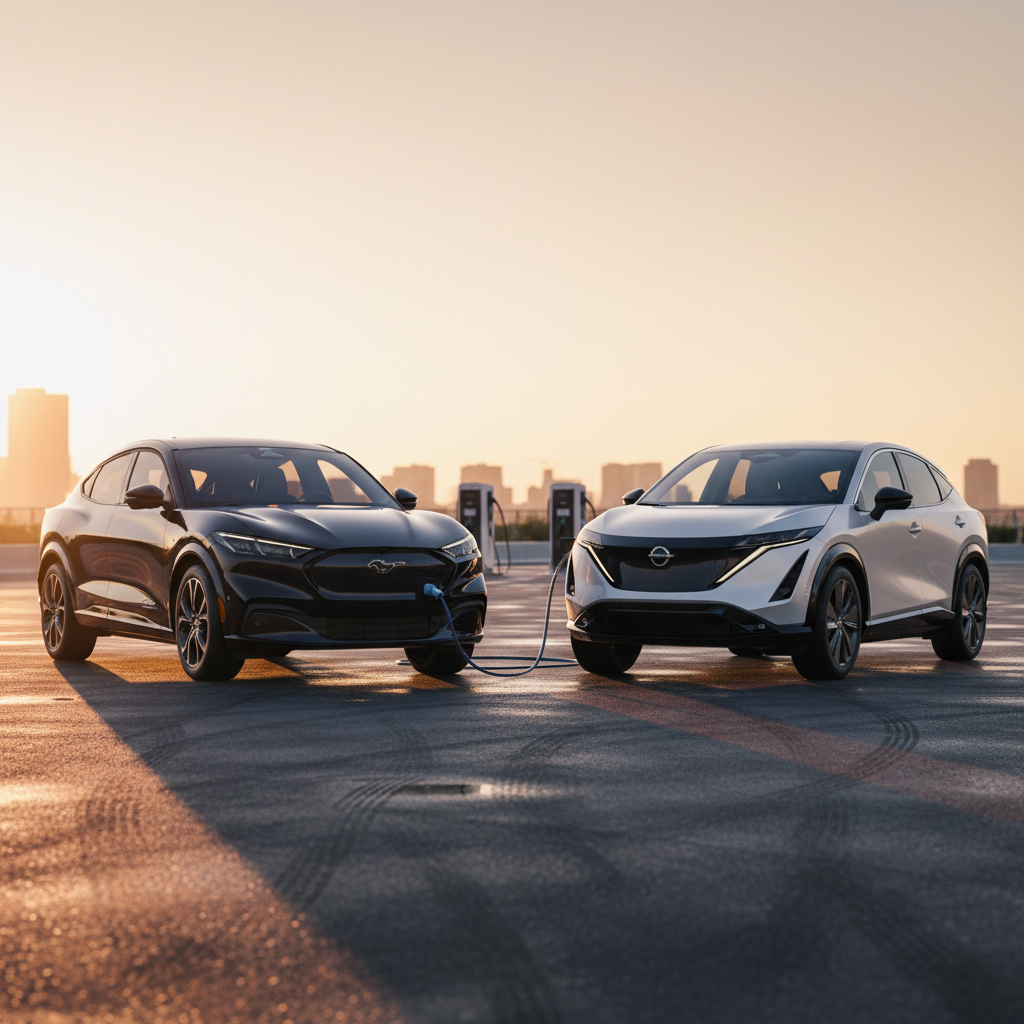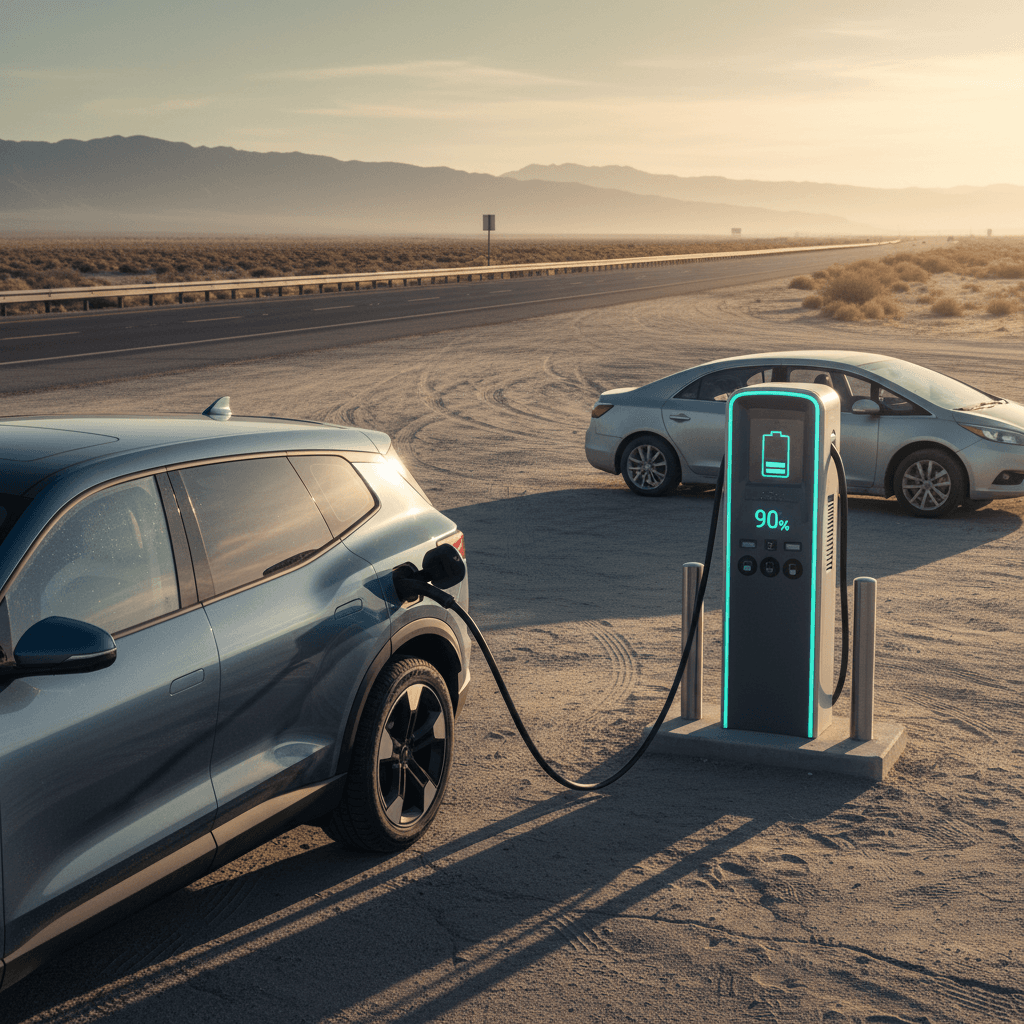
If you’re wondering what the best EV for road trips in 2026 is, you’re asking the right question, but there isn’t a single winner. Today’s top electric sedans, SUVs, and trucks can cover 300–400+ miles on a charge, add 150–200 miles in about 15–20 minutes on a fast charger, and tap into much better trip‑planning tech than we had even a couple of years ago.
Road trips in an EV are finally “normal”
Why 2026 is a breakthrough year for EV road trips
EV road‑trip milestones as of 2026
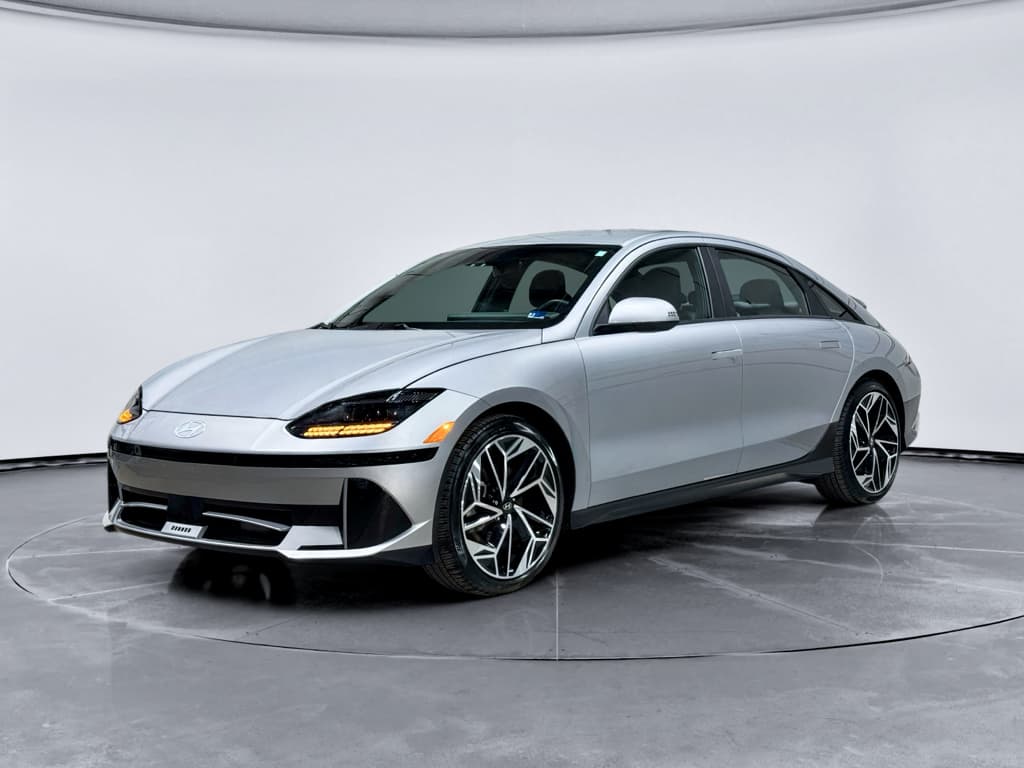
For years, the knock on EVs was simple: great commuters, awkward road‑trippers. In 2026, that’s changed. Long‑range sedans like the Lucid Air and Tesla Model S sit alongside highly efficient mainstream models like the Hyundai Ioniq 6 and family‑friendly three‑row SUVs such as Kia EV9 and Hyundai Ioniq 9. Newer trucks like the Chevrolet Silverado EV can push toward 400–450 miles of highway range when properly configured.
Just as important, 800‑volt architectures and refined battery‑thermal management mean you care less about peak charging numbers and more about how quickly the car can add 100–200 real‑world miles. Many 2025–2026 EVs can do that in roughly the same time it takes to fuel your family and grab snacks, if you arrive with the battery properly pre‑conditioned.
What actually makes an EV great for road trips?
Ignore the marketing for a moment. The best EV for road trips in 2026 nails four fundamentals: range, charging speed, comfort, and charging‑network access. Price and cargo space matter too, but they’re secondary if the car constantly has you hunting for plugs.
Key qualities of a great road‑trip EV
Range and charging speed are just the start
Real‑world range, not just EPA
Look for at least 275–300 miles of real‑world highway range if you road‑trip more than a few times a year. Many top picks can comfortably exceed that in mild weather.
Fast, repeatable DC charging
Peak numbers (250–350 kW) are nice, but more important is how quickly the car adds 100–200 miles from 10–60% or 10–80% repeatedly.
Comfort & noise control
Quiet cabins, good seats, and smooth driver‑assist (adaptive cruise, lane centering, hands‑free systems) keep you fresher after hours on the interstate.
Network access & planning
Native access or adapters for NACS / Tesla Superchargers, plus smart in‑car route planning or good app support, drastically reduce stress.
Think in hours, not miles
Best EVs for road trips in 2026, by category
Instead of a single “winner,” here are the EVs that consistently show up near the top of 2025–2026 long‑range and fast‑charging lists, plus what kind of driver they suit. Availability and exact specs vary by trim, so always confirm for the specific model year you’re shopping, especially if you’re comparing new to used.
Standout EVs for road trips in 2026
Approximate figures for U.S.‑spec models, focusing on trims optimized for range and road‑trip travel.
| Model (2025–2026) | Type | Approx. EPA Range | Fast Charging Character | Best For |
|---|---|---|---|---|
| Lucid Air (long‑range trims) | Luxury sedan | Up to ~410 mi | Very high peak, excellent sustained charging | Maximum range & minimal stops |
| Tesla Model S / Model 3 Long Range | Sedans | Mid‑300s mi | Strong Supercharger access & robust charging curve | Frequent long‑distance drivers |
| Hyundai Ioniq 6 Long Range RWD | Midsize sedan | ~361 mi | 800‑V, ~18 min 10–80% in ideal conditions | Efficient value road‑trip sedan |
| Hyundai Ioniq 5 / Kia EV6 (long‑range) | 2‑row CUVs | 300+ mi | Fast 800‑V charging, 200 kW+ | Families who road‑trip often |
| Kia EV9 / Hyundai Ioniq 9 | 3‑row SUV | 300+ mi | Fast charging, roomy interior | 3‑row road‑trip duty |
| Rivian R1T / R1S (Max Pack) | Truck / SUV | ~400+ mi | Strong DC fast‑charge, growing network | Adventure & overlanding trips |
| Chevrolet Silverado EV (long‑range trims) | Full‑size truck | ~400–450 mi est. | Large pack, strong highway range | Towing & truck‑based travel |
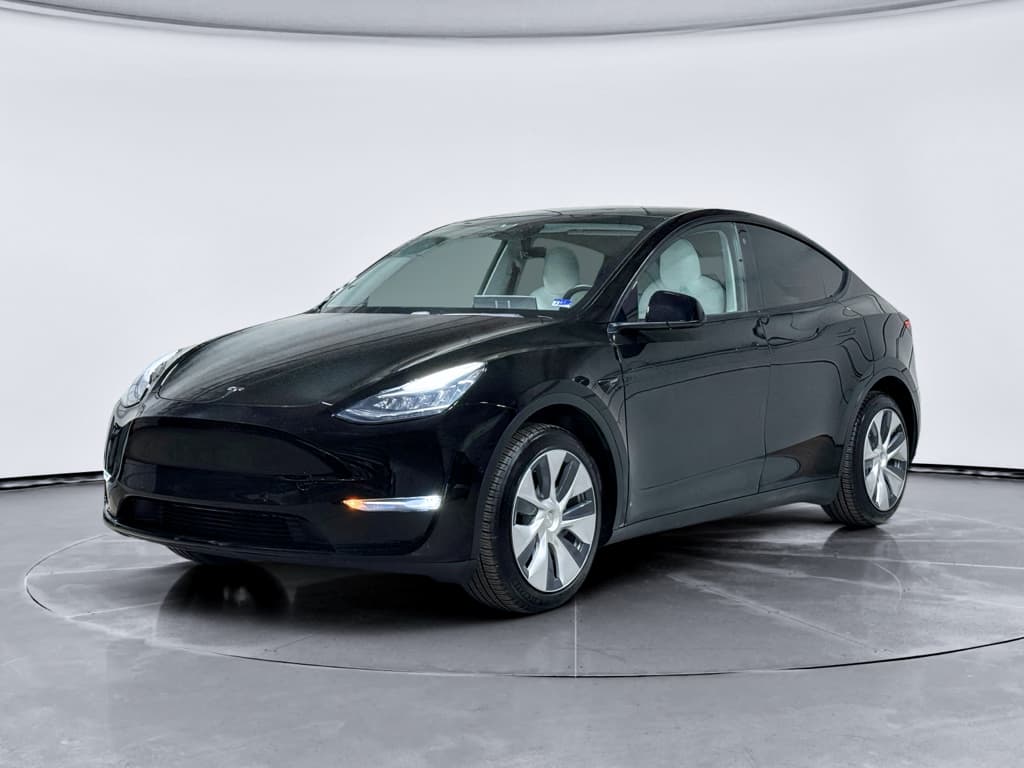
| Tesla Model Y Long Range | Compact SUV | >300 mi | Supercharger access, good efficiency | Most popular all‑rounder road‑trip EV |
Ranges are rounded; always check EPA labels and independent tests for the trim you’re considering.
Don’t forget trim and wheels
How far can you really go? 2026 range reality check
Lab numbers are a starting point. On the highway, you’re usually dealing with higher speeds, wind, elevation, cargo, and climate control. That’s why many testers now focus on real‑world highway range, not the optimistic side of the EPA label.
EPA vs. real highway range
As a rule of thumb, assume you’ll see 75–90% of EPA range on long highway stretches, depending on speed and conditions. A Lucid Air with ~410 miles EPA might deliver around 350–390 miles in the real world when driven carefully at U.S. interstate speeds.
At the other end, budget‑oriented EVs tuned primarily for city use may fall off more quickly at 70–80 mph, making them less pleasant on multi‑state drives, no matter how good the sticker looks.
What “good” looks like in 2026
- 300+ real‑world highway miles on a full charge is becoming the new normal for road‑trip‑capable EVs.
- Top‑tier cars can realistically cover 350–400 miles between fast‑charge stops in mild weather.
- Fast‑charging speed means adding ~150–200 miles in about 15–25 minutes on high‑power DC chargers.
If you routinely stretch 400–500 miles in one shot today with a gas car, expect to stop slightly more often in an EV, but those stops can double as normal rest breaks instead of pure “fuel” time.
Pro move: start at 90–100%, then hop between 10–60%
Charging networks, NACS, and smarter trip‑planning tech
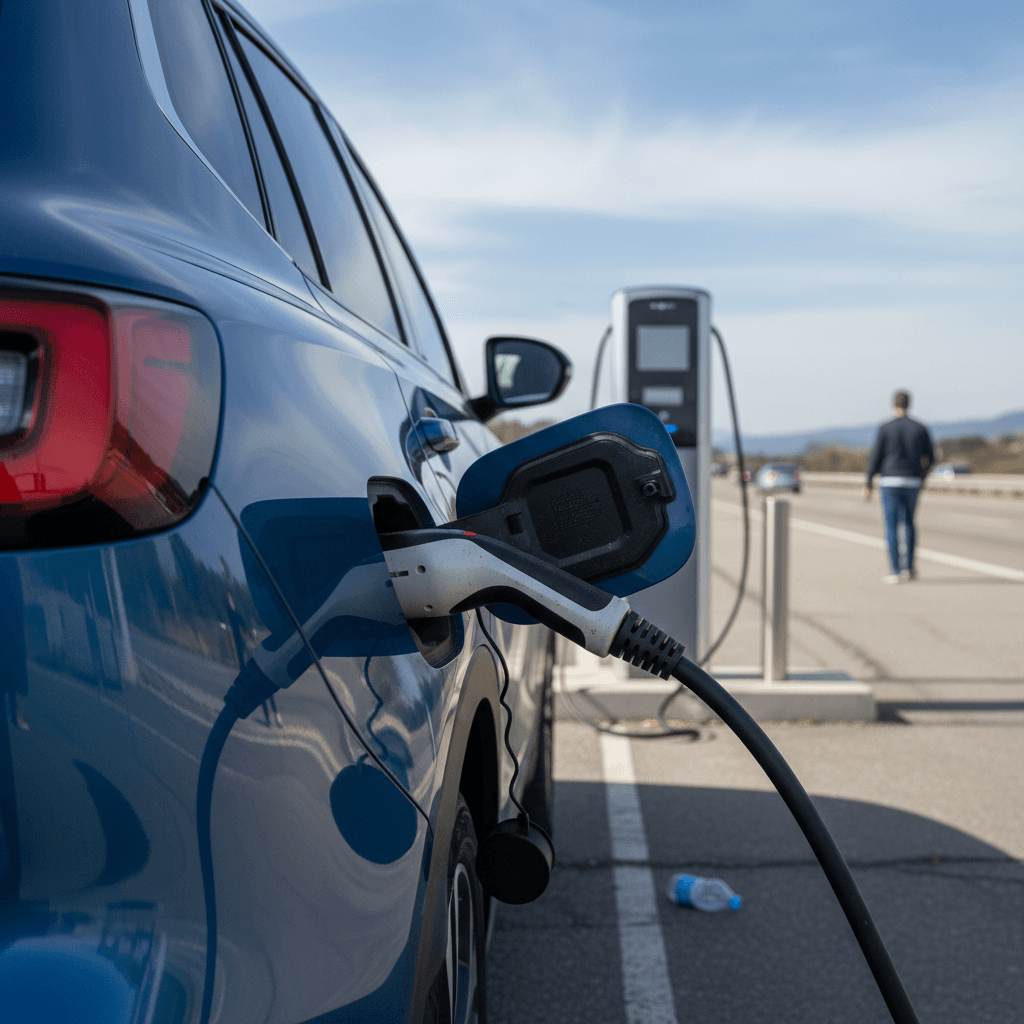
In 2026, the charging story isn’t just “Tesla vs everyone else” anymore, but Superchargers still matter. Many non‑Tesla automakers are adopting the NACS (North American Charging Standard) connector on new models, and older CCS‑equipped cars increasingly have access via adapters and software integration. That means your choice of EV can now buy you easier access to the most reliable fast‑charging network in North America.
Smarter tools that make EV road trips easier
Your car no longer has to do all the planning by itself
In‑car route planners
Modern navigation in brands like Tesla, Hyundai/Kia, Rivian, and others can estimate arrival battery state, automatically add charging stops, and even pre‑condition the battery before you arrive.
Google Maps EV routing
On Android Auto, Google Maps can now predict battery level at arrival for hundreds of EV models, adjust for traffic and elevation, and recommend charger stops along your route.
Third‑party apps
Tools like A Better Routeplanner, PlugShare, and network‑specific apps (Electrify America, ChargePoint, etc.) help you double‑check station availability, expected speed, and real user reviews.
Watch for brand‑new chargers on the map
Used EVs that still make fantastic road‑trip cars
You don’t need a brand‑new 2026 model year car to enjoy EV road trips. In fact, some of the smartest buys live in the 2021–2024 used market, where depreciation has done its work but range and charging tech are still very current. The key is verifying battery health and making sure the car supports the charging networks you’ll rely on.
Strong used EV picks for road trips
Models you’ll frequently see recommended for highway use
Hyundai Ioniq 5 (2022–2024)
An early 800‑V hero, the Ioniq 5 combines solid 300‑mile‑class range in long‑range trims with very fast DC charging and a comfortable ride. It’s a sweet spot if you want a spacious family EV without going all‑in on a huge three‑row.
Kia EV6 (2022–2024)
Shares much of its hardware with the Ioniq 5 but skews sportier. Strong highway efficiency and quick charging make it a great used buy for couples or smaller families that road‑trip often.
Tesla Model Y Long Range
Used Model Ys remain popular because they combine good range, access to Superchargers, and a spacious cabin. If you take a lot of interstate trips, that network integration is hard to beat.
Rivian R1T / R1S (early builds)
Adventure‑oriented trucks and SUVs that can double as cross‑country cruisers, especially in larger battery configurations. Look for vehicles with a documented charging history and software updates.
Where Recharged fits in
How to choose the best EV for your kind of road trip
The right answer depends on whether you’re solo, traveling with kids, towing, or chasing campgrounds. Use these scenarios to narrow things down before you even start comparing individual models.
Pick the right road‑trip EV for your lifestyle
Solo travelers & couples
Prioritize <strong>efficiency and range</strong> over sheer size; sedans like Lucid Air, Tesla Model 3 Long Range, or Hyundai Ioniq 6 shine here.
Look for the most advanced <strong>driver‑assist systems</strong> your budget allows; they reduce fatigue on long interstate stretches.
Cabin storage still matters: think about laptops, camera bags, and luggage, you don’t need a giant SUV, but you do need flexible space.
Families with kids
Focus on <strong>2‑row or 3‑row crossovers</strong> with generous rear‑seat space and cargo volume, Tesla Model Y, Hyundai Ioniq 5/9, Kia EV9, and similar.
Consider road‑trip logistics: easy access to snacks, rear‑seat USB ports, and enough room for a travel crib or stroller.
Value fast‑charging consistency over one‑time hero numbers; kids rarely want a 45‑minute stop just so you can eke out the last few percent.
Adventurers & campers
Look at trucks and SUVs with <strong>higher ground clearance</strong> and accessory support, Rivian R1T/R1S, Chevy Silverado EV, and others.
Be honest about towing. Trailers can cut range dramatically; you may want the biggest pack available or a lighter, more aerodynamic camper.
Research charging options near your usual destinations; remote trailheads often mean slower charging or fewer backups.
Budget‑minded buyers
A smart used EV with 275–300 miles of real‑world range can beat a pricier new one with similar specs; depreciation is your friend here.
If you only road‑trip a couple of times a year, you can tolerate slightly slower charging, as long as you plan well and choose strong routes.
Use tools like the Recharged Score Report to prioritize cars with healthier batteries over the absolute cheapest options.
EV road‑trip checklist: before you hit the highway
Pre‑trip EV checklist
1. Validate your realistic range
Set your navigation to a test route at highway speeds and note projected arrival battery percentage. Do this with the car fully loaded and climate control running to mimic your trip conditions.
2. Map primary and backup chargers
Use your in‑car planner plus apps like Google Maps, PlugShare, or network apps to choose <strong>primary stops and at least one backup</strong> in case a site is busy or offline.
3. Test your charging accounts & payment
Make sure you’ve created accounts for key fast‑charging networks you’ll use, added payment methods, and run at least one test charge session near home before departure.
4. Check tires, software, and cables
Properly inflated tires improve both safety and range. Confirm you’re on current software, especially for older EVs, and pack any adapters or portable EVSE cables you might need.
5. Plan around 2–3 hour legs
Instead of driving to 5% and white‑knuckling it to the next charger, plan comfortable 2–3 hour stints with breaks around 10–20% state of charge, that keeps both you and the battery happier.
6. Think about luggage & aero drag
Rooftop boxes, bike racks, and heavy loads all hurt range. If possible, pack efficiently inside the cabin and cargo area and avoid unnecessary external add‑ons for long highway days.
If you’re buying now, shop like a road‑tripper
FAQ: Best EV for road trips in 2026
Frequently asked questions about 2026 road‑trip EVs
Bottom line: the “best” road‑trip EV in 2026 is the one that fits you
In 2026, you no longer have to choose between loving road trips and driving electric. The best EVs for road trips combine 300–400+ miles of range, fast and repeatable DC charging, quiet and comfortable cabins, and access to robust charging networks that make long‑distance planning feel routine instead of risky.
If you want maximum range and minimal stops, long‑range sedans like Lucid Air and Tesla Model S still set the pace. If you’re hauling kids and gear, crossovers and three‑row SUVs such as Hyundai Ioniq 5/9, Kia EV9, and Tesla Model Y make highway miles easy. And if you’re value‑driven, the used market is full of capable road‑trip EVs, as long as you choose a car with healthy battery diagnostics and solid fast‑charging support.
The smartest next step is to define your typical trip, how many miles, how many people, how often, then shop for an EV that turns those journeys from range‑anxiety exercises into the kind of relaxed, quiet travel only an electric powertrain can deliver. When you’re ready to explore used options, Recharged can help you compare real battery health, pricing, and features so your next road trip starts with confidence, not guesswork.