When shoppers search for the best EV battery life in 2026, they usually care about three things: how far the car will go on a charge today, how quickly that range will shrink over time, and whether the battery will still feel strong when it’s time to sell or trade. Get any of those wrong and an otherwise great EV can become a headache.
Battery life is more than just range
Why “Best EV Battery Life” Matters More Than Ever in 2026
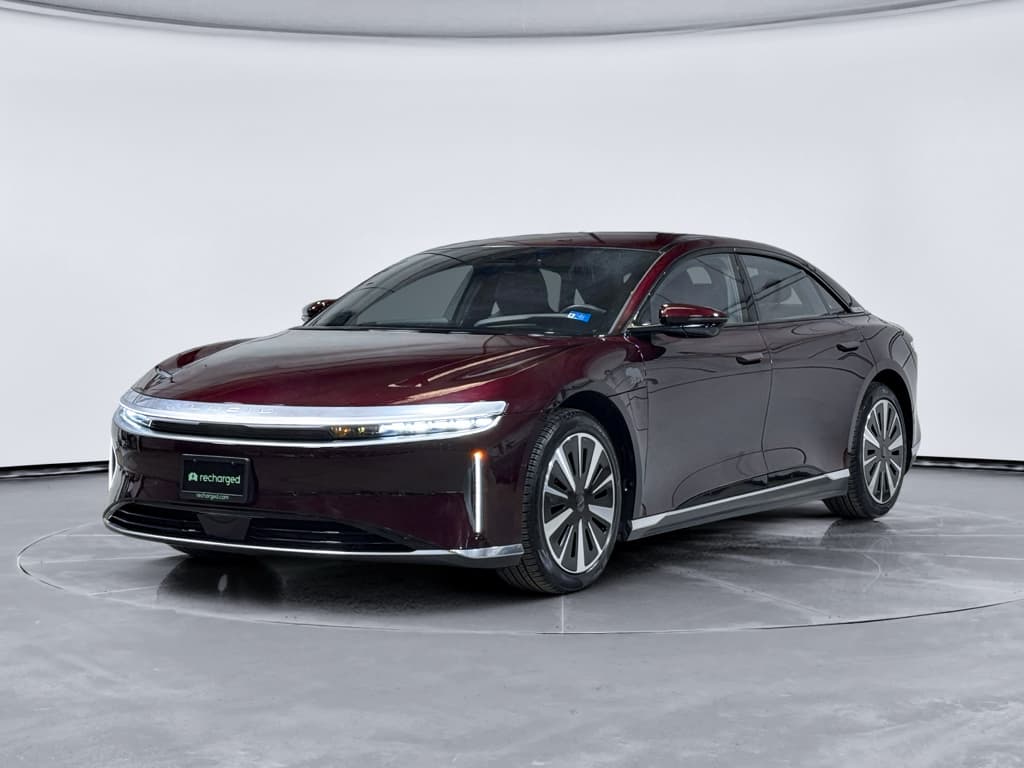
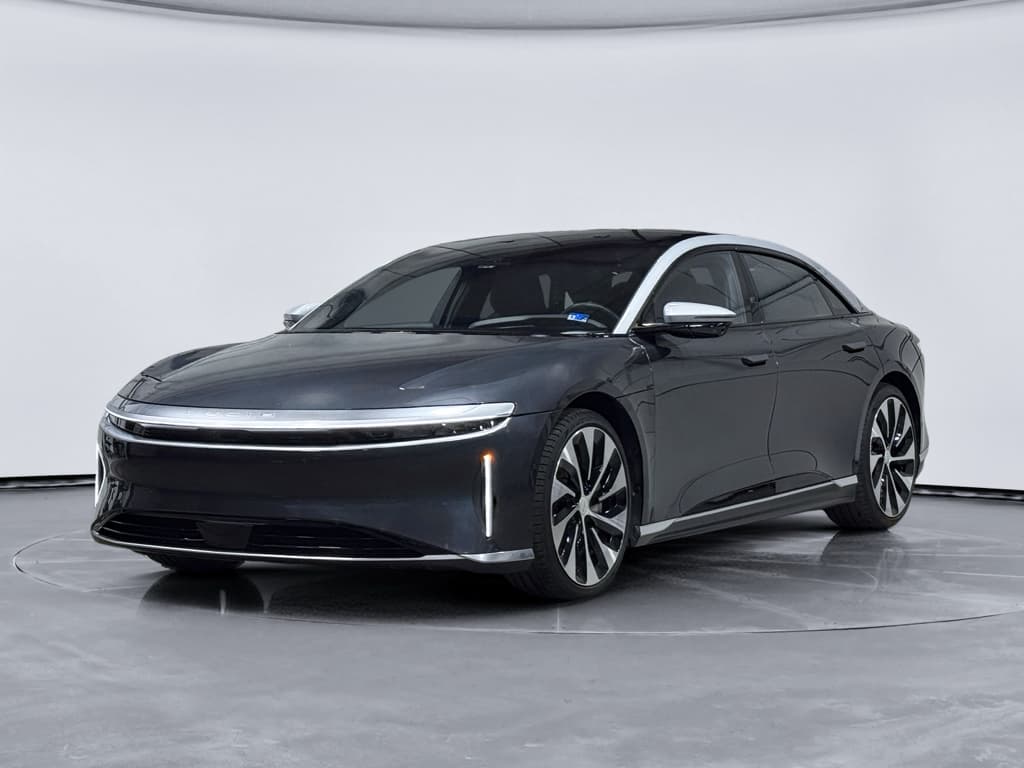
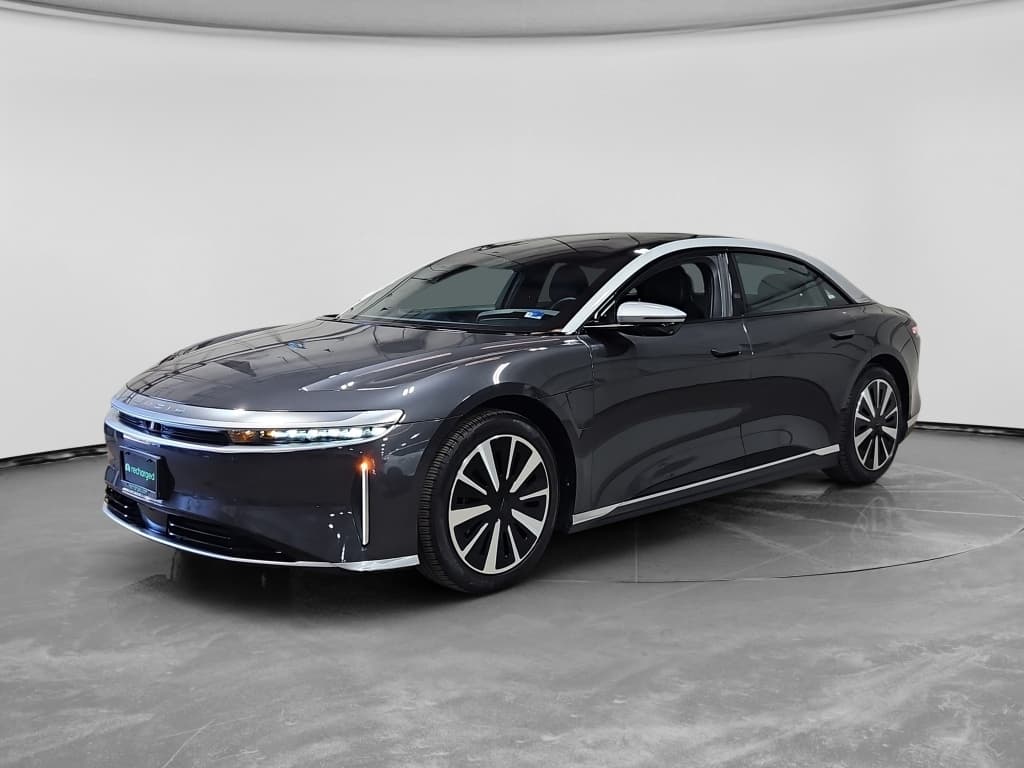
Between 2024 and 2026, EV range has quietly crossed an important threshold. Many mainstream models now advertise 300 miles or more of EPA-rated range, while high-end flagships like the Lucid Air push past 500 miles on a charge. At the same time, more first-generation EVs are hitting 8–10 years old, giving us clear real‑world data on how batteries actually age.
EV Battery Life Fast Facts for 2026
If you’re buying in 2026, especially if you’re shopping used, choosing a car with a strong combination of range, durability, and warranty coverage can save you thousands of dollars over the life of the vehicle and make ownership feel much closer to a conventional car.
Battery Life vs. Range vs. Longevity: Know the Difference
1. Range (today)
Range is how far the car can go on a full charge right now. In the U.S., you’ll usually see the EPA-rated range on the window sticker. A 2026 long‑range sedan might show 350–410 miles; a compact crossover might list 250–300 miles.
Real‑world range can be lower depending on speed, temperature, wheels, and driving style, so use the EPA number as a yardstick, not a promise.
2. Battery life & longevity (years)
Battery life is how that range changes over time. All lithium‑ion packs lose capacity, but the rate differs by design and usage. An EV that loses 8% in 5 years will feel very different from one that loses 25% in the same period.
When we talk about the best EV battery life in 2026, we mean cars that combine useful range today with slow, predictable degradation tomorrow.
Don’t be fooled by test-cycle hype
2026 EVs With the Longest Range on a Charge
Range isn’t the whole story, but it’s a huge part of battery life satisfaction. For 2026, several EVs stand out for exceptional EPA‑rated or manufacturer‑estimated range. Exact figures can change with trims, wheels, and software updates, but these nameplates consistently appear at the top of independent lists.
Notable 2026 EVs With Exceptional Range
Representative high-range configurations based on early 2026 EPA data and manufacturer estimates. Always confirm exact specs for the trim you’re considering.
| Model (2026 MY or current) | Segment | Approx. Max EPA Range (mi) | Battery Size (kWh, approx.) | Key Battery/Range Highlights |
|---|---|---|---|---|
| Lucid Air (long-range trims) | Luxury sedan | ≈ 500+ | 110–118 | Benchmarks long-range efficiency; sophisticated cooling and software management |
| Tesla Model S Long Range | Large sedan | ≈ 380–410 | ≈ 100 | Mature pack design; strong Supercharger access for fast top‑ups |
| Mercedes‑Benz EQS 450+ | Luxury sedan | ≈ 350–360 | 107 | Efficient aero; real‑world tests often rival or beat EPA numbers |
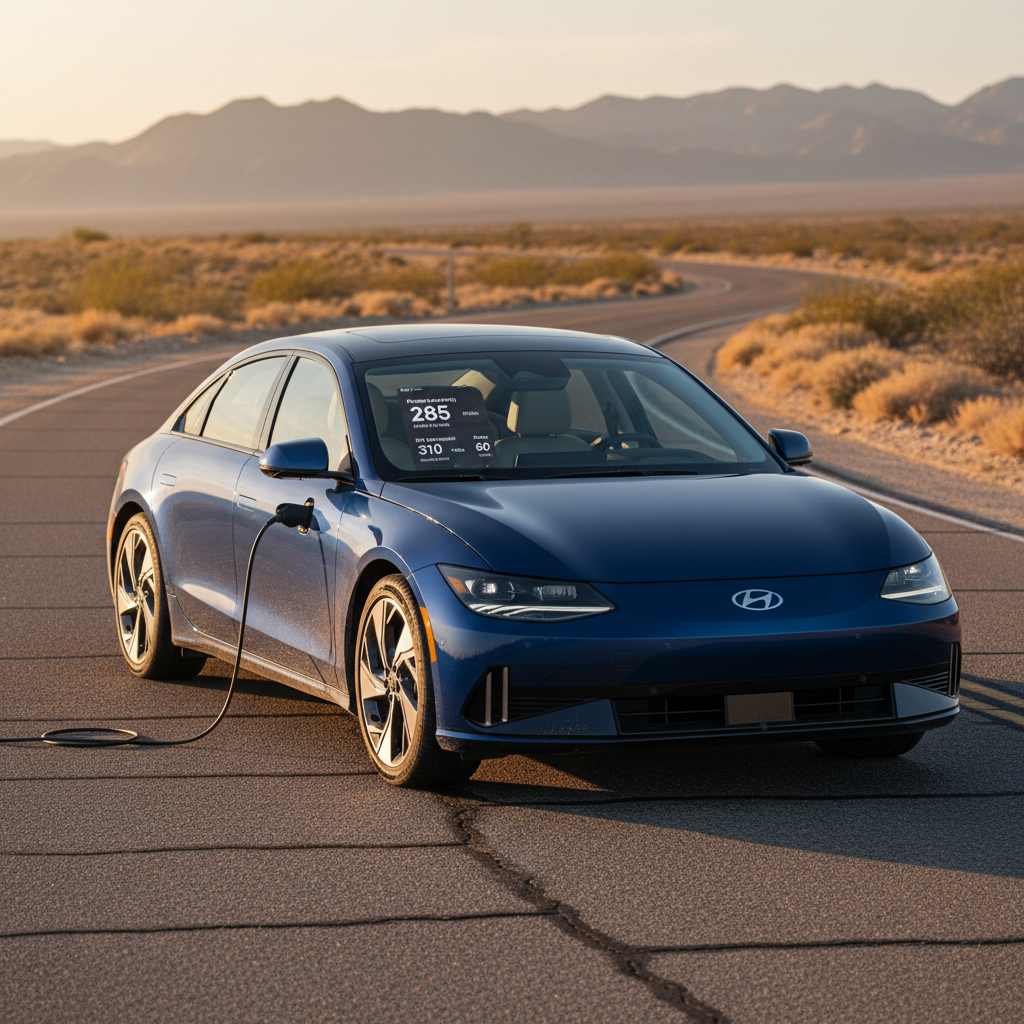
| Hyundai IONIQ 6 Long Range RWD | Midsize sedan | ≈ 320–360 | 77 | High efficiency per kWh; 800‑V platform enables very fast DC charging |
| Kia EV6 Long Range RWD | Compact crossover | ≈ 300–310 | 77 | Balances range and performance; proven 800‑V architecture |
| Rivian R1S Max Pack | 3‑row SUV | ≈ 390–400 | ≈ 135 | Large pack, strong off‑road capability; real‑world tests show solid highway range |
| Tesla Model Y Long Range | Compact SUV | ≈ 320–330 | ≈ 75 | One of the most efficient crossovers; benefits from Tesla’s charging network |
These models set the pace for long-distance driving on a single charge in 2026.
How to read range tables
EVs Known for Strong Long-Term Battery Life
Range tests tell you who goes far when new. Battery-life data tells you who stays strong as the odometer rolls past 100,000 miles. Real‑world studies from fleet telematics providers and driver surveys suggest some brands and chemistries have an edge when it comes to slow, predictable degradation.
Patterns We See in Long-Lived EV Batteries
What today’s data says about tomorrow’s usable range
Makers with strong track records
Long‑term data on earlier models indicates that brands like Tesla, Hyundai, and Kia often show modest degradation when properly maintained. Many vehicles from these makers still retain 85–90% of original capacity after the first 5–7 years.
Chemistry choices matter
Newer LFP (lithium iron phosphate) packs, increasingly used in standard‑range trims, tend to trade a bit of range for excellent cycle life and tolerance of daily 100% charging. Nickel‑rich chemistries (NCM/NCA) power most long‑range packs and can deliver huge range if managed carefully.
Thermal management is critical
EVs with robust liquid cooling and heating for their battery packs tend to show slower degradation, especially in very hot or very cold climates. Simple air‑cooled systems are cheaper but usually can’t protect the pack as effectively during fast charging and heat waves.
“When you’re judging EV battery life, you’re really judging the engineering discipline of the automaker: cooling, chemistry, and software. That’s why some cars age gracefully while others give up range much faster.”
Battery Warranties in 2026 and What They Really Cover
Battery warranties don’t tell the whole story, but they’re a powerful signal of how confident a manufacturer is in its pack. Most mainstream automakers now guarantee the traction battery for 8 years and around 100,000 miles, with some Korean brands stretching to 10 years. Many of these warranties promise replacement or repair if the battery falls below roughly 70% of its original capacity within the covered period.
Typical 2025–26 EV Battery Warranties (U.S.)
Representative warranty patterns; always verify the exact terms for the specific model year and trim you’re considering.
| Brand (examples) | Typical Years | Typical Miles | Minimum Capacity Clause? |
|---|---|---|---|
| Hyundai / Kia / Genesis | 8–10 | 100,000–150,000 | Yes, often around 70% |
| Tesla | 8 | 100,000–150,000 (varies by model) | Yes, usually around 70% |
| Ford | 8 | 100,000 | Yes, often around 70% |
| GM (Chevy, Cadillac, GMC) | 8 | 100,000 | Yes, typically around 70% |
| Most other mainstream brands | 8 | 100,000 | Commonly 60–70% range, but wording varies |
Longer coverage with a clear minimum-capacity promise is a plus when you’re judging long-term battery life.
Warranty fine print that can bite you
How to Maximize Your EV’s Battery Life Day to Day
The EV you choose sets the baseline for battery life, but how you treat the pack can move that line significantly. The good news: you don’t need to live like a lab technician to protect your range. A handful of common‑sense habits can dramatically slow degradation while keeping the car easy to live with.
Everyday Habits for Longer EV Battery Life
1. Live in the 20–80% zone when you can
For lithium‑ion batteries, repeatedly charging to 100% and running near 0% accelerates wear. For day‑to‑day commuting, set your charge target around 70–80% and avoid deep discharges when possible. Save 100% charges for road trips or special occasions.
2. Don’t fear fast charging, but don’t abuse it
Occasional DC fast charging is fine on modern packs, but making it your primary fuel source, especially at high states of charge, can increase heat and stress. If you’re road‑tripping, it’s usually faster and gentler to charge from about 10–20% up to 60–80% and then get back on the road.
3. Protect the pack from extreme heat
High temperatures are rough on battery chemistry. Whenever possible, park in the shade or a garage, avoid leaving the car at 100% in hot weather, and let the car finish a fast charge before shutting it down so the cooling system can do its job.
4. Use scheduled charging
Most EVs let you schedule charging to finish near your departure time. That keeps the battery from sitting at high state of charge for hours and often lets you take advantage of cheaper overnight electricity rates.
5. Keep software up to date
Automakers frequently refine thermal‑management and charging strategies through over‑the‑air updates. Staying current can mean better battery protection, more accurate range estimates, and even small boosts in usable capacity.
6. Drive smoothly, especially early in ownership
Hard launches and repeated high‑speed runs crank up pack temperatures. Enjoy the torque, but remember that smoother driving isn’t just efficient, it’s easier on the battery over the long haul.
Buying a Used EV? Battery-Life Checklist
If you’re considering a used EV in 2026, the single biggest question is, “How much battery do I really have left?” Asking the right questions, and getting objective data instead of guesses, can turn a risky purchase into a smart bargain.
Used EV Battery-Life Checklist
1. Compare indicated range to original EPA rating
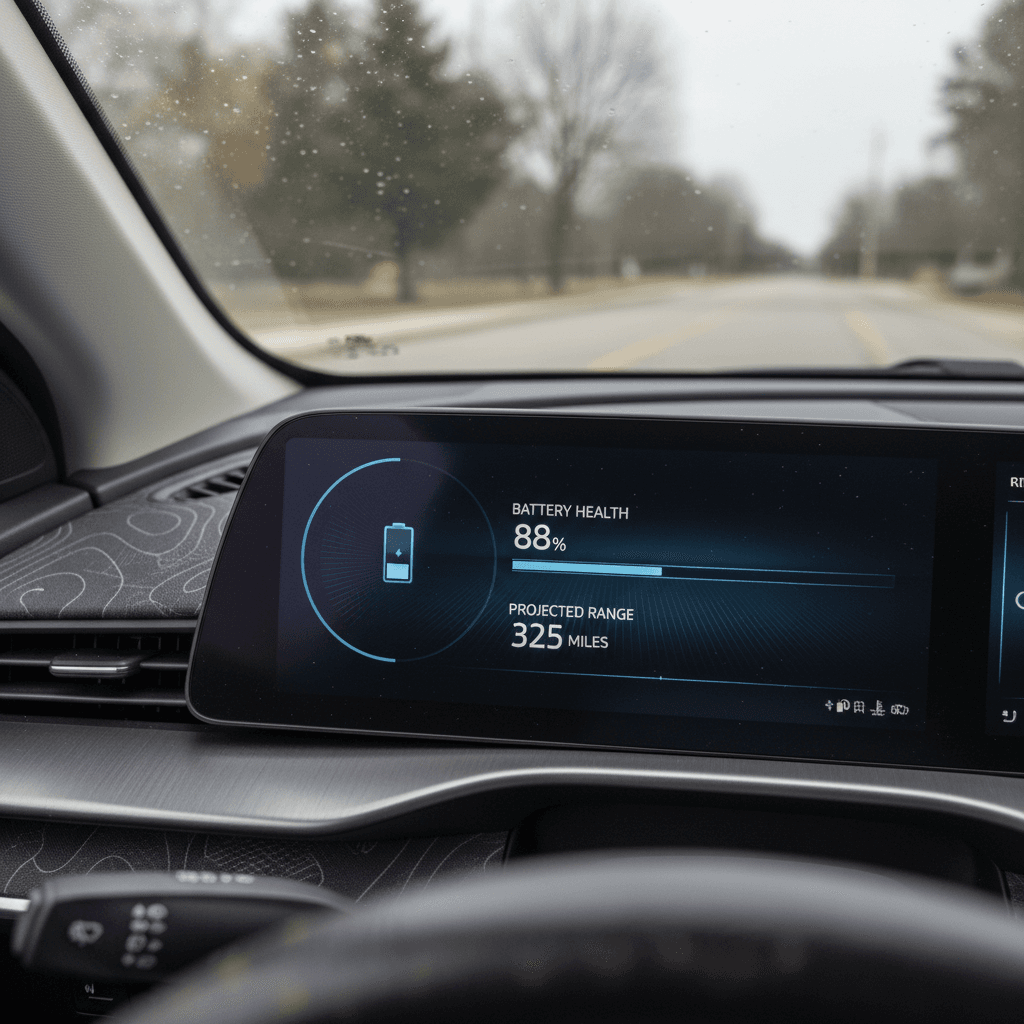
Look up the original EPA range for that trim and compare it to what the car shows at 100% charge. A 10–15% gap on an older EV can be normal. A much larger gap may indicate accelerated degradation or software capping.
2. Check age, miles, and climate history
A 5‑year‑old EV with 40,000 highway miles from a mild climate can have more remaining battery life than a 3‑year‑old car with many fast‑charge cycles from a very hot region. Ask where and how the car was used.
3. Review DC fast‑charging habits
If the seller lived on DC fast chargers, that’s a data point. It isn’t necessarily a deal‑breaker, but frequent ultra‑fast charging from high states of charge can accelerate wear on some chemistries.
4. Verify battery warranty status
Confirm the in‑service date and miles so you know exactly how much warranty remains. A car with several years of battery coverage left carries less risk than one that just aged out of its pack warranty.
5. Look for warning lights and fault codes
Dashboard warnings related to the high‑voltage system or repeated DC‑fast‑charging throttling can signal trouble. Have a qualified shop or EV marketplace pull diagnostic trouble codes before you sign.
6. Get an independent battery health report
Built‑in “battery health” readouts are often rough estimates. A <strong>third‑party diagnostic scan</strong> that reads cell voltages, usable capacity, and pack balance gives you a far clearer picture of remaining battery life.
How Recharged simplifies used EV battery questions
How Recharged Evaluates EV Battery Health
A simple range estimate on the dashboard won’t tell you whether a battery is aging gracefully or hiding an expensive surprise. That’s why professional EV marketplaces and specialist shops now use deeper diagnostic tools.
Inside a Recharged Battery Health Evaluation
What goes into the Recharged Score for used EVs
Usable capacity vs. original
We compare the pack’s current usable kilowatt‑hours to the original spec. That tells you, in concrete terms, how much energy (and therefore range) you’ve lost relative to new.
Cell balance & thermal history
We look at how evenly individual cells share the load and watch for signs of overheating or chronic imbalance. A well‑balanced pack ages more predictably and is less likely to suffer sudden range loss.
Warranty & cost-of-ownership context
Battery health isn’t just a number. We tie it to remaining warranty coverage, projected ownership horizon, and your driving needs so you can judge whether a given car is a strong value for you.
Ready to find your next EV?
Browse VehiclesIf you’re trading in or selling your current EV, Recharged can also provide an instant offer or consignment option, factoring in real battery data rather than treating every car of the same year and model as identical.
FAQ: Best EV Battery Life in 2026
Frequently Asked Questions About EV Battery Life in 2026
The Bottom Line on the Best EV Battery Life in 2026
In 2026, choosing the EV with the “best battery life” isn’t as simple as picking the car with the biggest range number. You’re weighing three interlocking pieces: usable range today, how gracefully the pack will age, and how much support you’ll have if something goes wrong. Flagship sedans like the Lucid Air show what’s possible for long‑distance driving, but many mainstream models from Tesla, Hyundai, Kia, and others now offer more than enough range with reassuring real‑world degradation records.
If you’re shopping new, look for a thoughtful mix of range, efficiency, warranty coverage, and battery chemistry that fits your use case. If you’re shopping used, make battery health the center of the conversation, not an afterthought. A clear, data‑backed report, like the Recharged Score that comes with every vehicle on Recharged, can turn an intimidating decision into a straightforward comparison. Do that, and the EV you choose in 2026 should still feel like the right choice well into the 2030s.