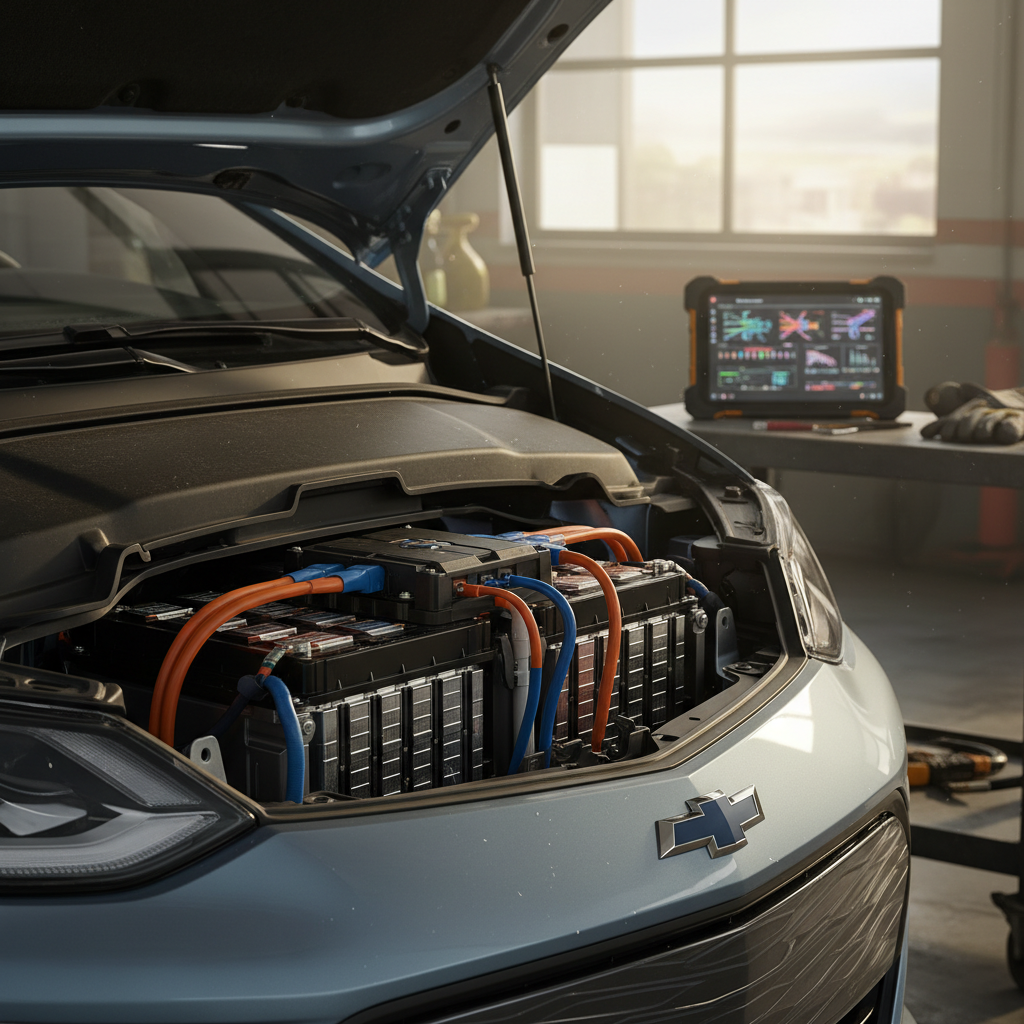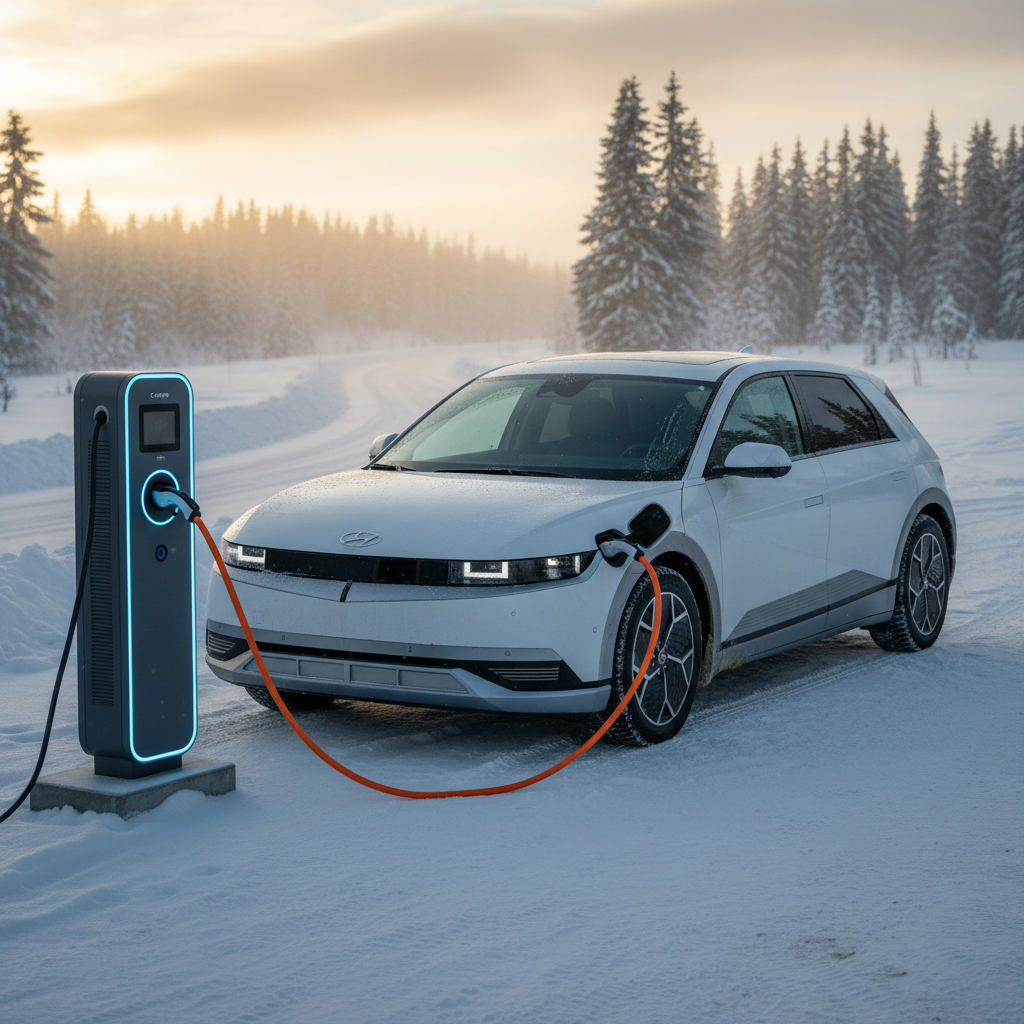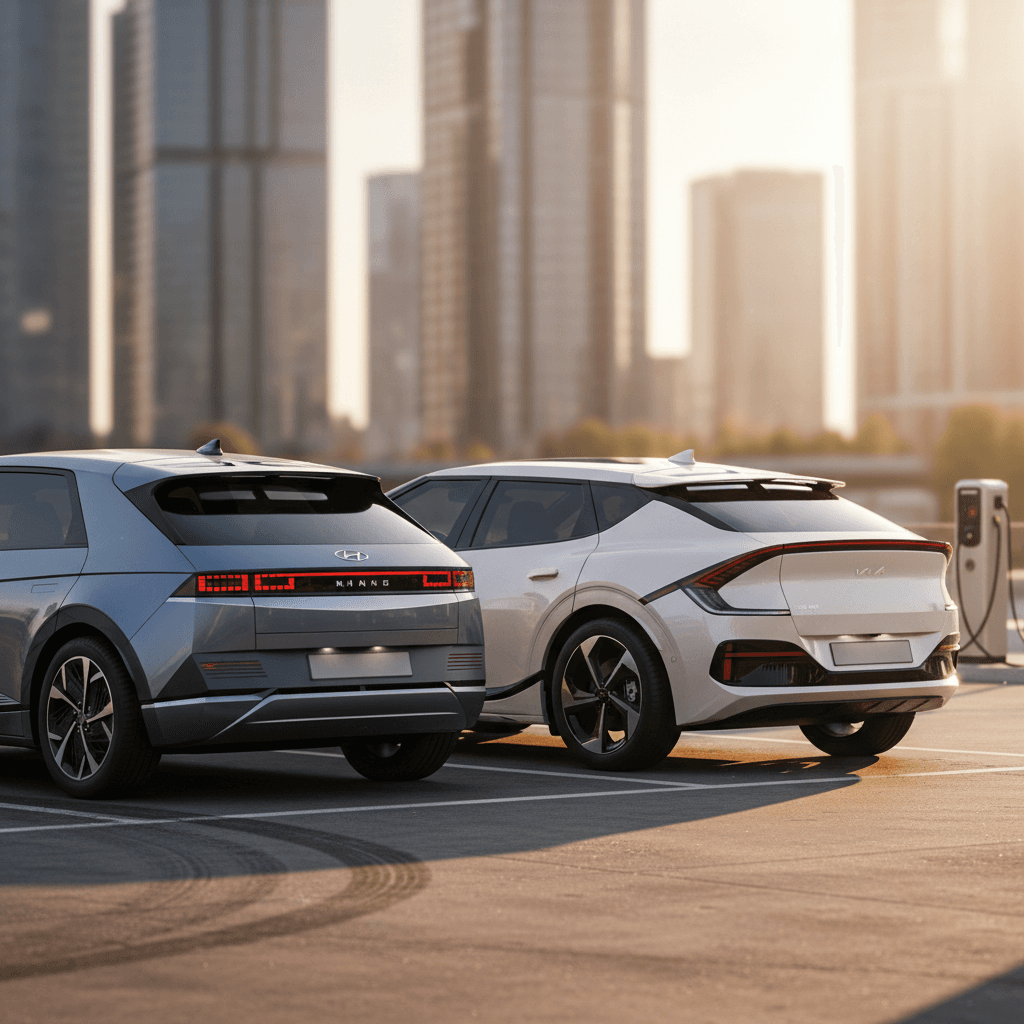
If you feel like the best electric cars made in Korea are suddenly everywhere, you’re not imagining it. Hyundai, Kia, and Genesis have sprinted from the sidelines to the front row of the EV world, with models that charge quickly, go far on a charge, and undercut many European and American rivals on price.
Korean EVs have gone global
Why Korean electric cars are suddenly everywhere
Over the last few years, Korean automakers have quietly done the homework. Instead of electrifying existing gas cars, Hyundai Motor Group (which includes Hyundai, Kia, and Genesis) built a dedicated 800‑volt EV platform. That’s the hardware behind the Ioniq 5, Ioniq 6, Ioniq 9, Kia EV6, EV9, and Genesis GV60, and it’s why these cars can add serious range in the time it takes to grab a coffee.
- Fast DC charging: Many Hyundai/Kia/Genesis EVs can go from about 10% to 80% in roughly 18–25 minutes on a strong DC fast charger.
- Real‑world range: Top trims of Ioniq 5, Ioniq 6, and several Kia/Genesis models land around the 270–320‑mile band when new, depending on wheels and drivetrain.
- Smart packaging: Long wheelbases and flat floors mean big‑car cabin space in not‑so‑big footprints.
- Aggressive pricing and incentives: Korean EVs often undercut similar German or American models, especially on the used market.
Tip for U.S. shoppers
Best Korean electric cars at a glance
Korean EV highlights for 2026 shoppers
Best Korean electric cars (simplified comparison)
Approximate specs for popular Korean EVs sold in the U.S. Your exact range and pricing will vary by model year, wheels, weather, and driving style.
| Model | Body style | Typical EPA range (new) | Max DC charge rate | Character |
|---|---|---|---|---|
| Hyundai Ioniq 5 | Compact SUV | 220–303 mi | Up to ~235 kW | Best all‑rounder, great value |
| Kia EV6 | Sporty SUV | 225–310+ mi | Up to ~240–250 kW | Driver’s choice, long‑legged |
| Genesis GV60 | Luxury SUV | 235–294 mi | Up to ~240 kW | Quiet, quick, upscale |
| Hyundai Ioniq 6 | Sedan | 240–361 mi | Up to ~235 kW | Efficiency champ, great commuter |
| Hyundai Ioniq 9 | 3‑row SUV | ~270–300 mi (early figures) | High-power DC fast charge | Family hauler, new to U.S. |
| Kia EV9 | 3‑row SUV | 230–304 mi | Up to ~230 kW | Boxy, family‑friendly SUV |
Use this table as a starting point, then dig into specific trims and years when you shop.
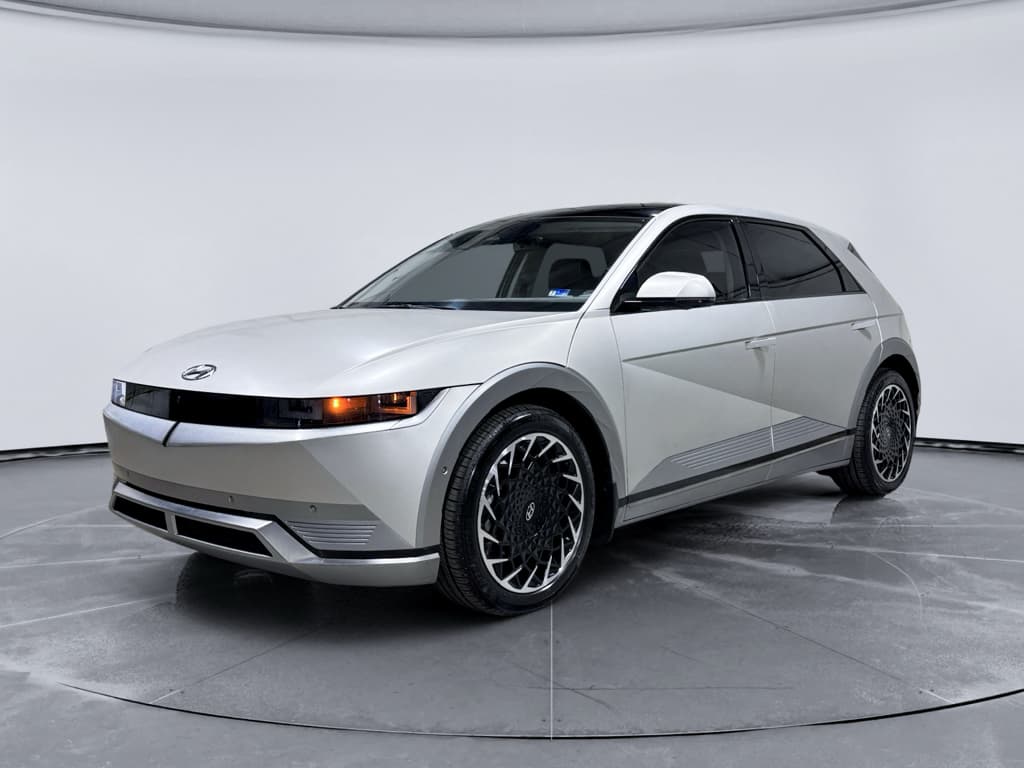
Hyundai Ioniq 5: Best all‑around Korean EV
The Hyundai Ioniq 5 is the car that really put Korean EVs on shopping lists worldwide. It looks like a ’80s hot hatch drawn with a ruler, but inside you get a calm, modern living room. On the road, it’s quiet, punchy, and extremely easy to live with.
Hyundai Ioniq 5 pros and cons
What makes it a standout among electric cars made in Korea
What the Ioniq 5 does best
- Excellent fast charging: On a good 350 kW charger, going from low state of charge to around 80% can take roughly 20 minutes when conditions are right.
- Spacious interior: Long wheelbase means nearly midsize‑SUV room in a compact‑SUV footprint.
- Friendly pricing used: Early model‑year Ioniq 5s often undercut similar‑range European rivals, especially on the used market.
- Easy to drive: Smooth power delivery, clear controls, and strong driver‑assist features.
Where to be picky
- Range depends heavily on spec: Big 20‑inch wheels and all‑wheel drive eat into range versus rear‑drive on smaller wheels.
- Charging curve sensitive to conditions: Cold weather or a weak charging site can slow real‑world speeds.
- Early software quirks: Like many first‑wave EVs, early cars had some infotainment and charging‑network teething issues that are often fixed via updates.
Real‑world range snapshot
Used‑buyer tip: Ioniq 5
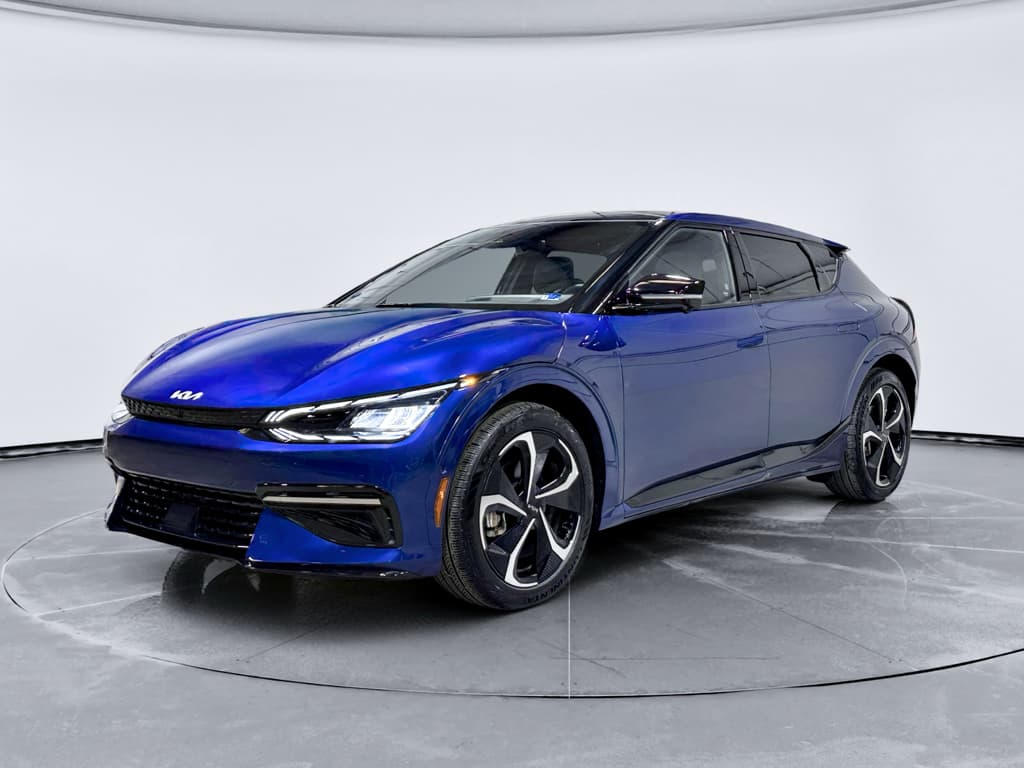
Kia EV6: Sporty Korean EV with road-trip legs
If the Ioniq 5 is the friendly, upright family member, the Kia EV6 is the one that shows up in running shoes. Same basic platform, but a lower, sportier stance, more buttoned‑down handling, and a cockpit that feels a little more driver‑centric.
Why drivers love the EV6
- Sporty feel: Taut suspension and more direct steering give it real personality on a twisty road.
- Strong range: Many EV6 trims land near the 270–310‑mile range band when new, especially rear‑drive long‑range versions.
- Road‑trip ready: That 800‑volt hardware means impressive fast‑charging times on capable DC chargers.
- Wide spread of trims: From efficient rear‑drive models to the EV6 GT performance halo with massive power.
What to watch for
- Firm ride on big wheels: GT‑Line and GT models with 20‑ or 21‑inch wheels can feel busy on poor pavement.
- Performance costs range: The EV6 GT’s power is hilarious, but expect noticeably less highway range than standard trims.
- Cargo area shape: The raked rear makes it sportier, but some boxier rivals are easier for big dogs and tall cargo.
EV6 GT reality check
Genesis GV60: Luxury Korean EV done right
The Genesis GV60 is where Korean electric cars go upmarket. Think of it as a tech‑laden compact luxury SUV that happens to be electric, and very quick when you want it to be. Inside, it feels expensive in all the right ways: quiet, beautifully trimmed, and filled with thoughtful details.
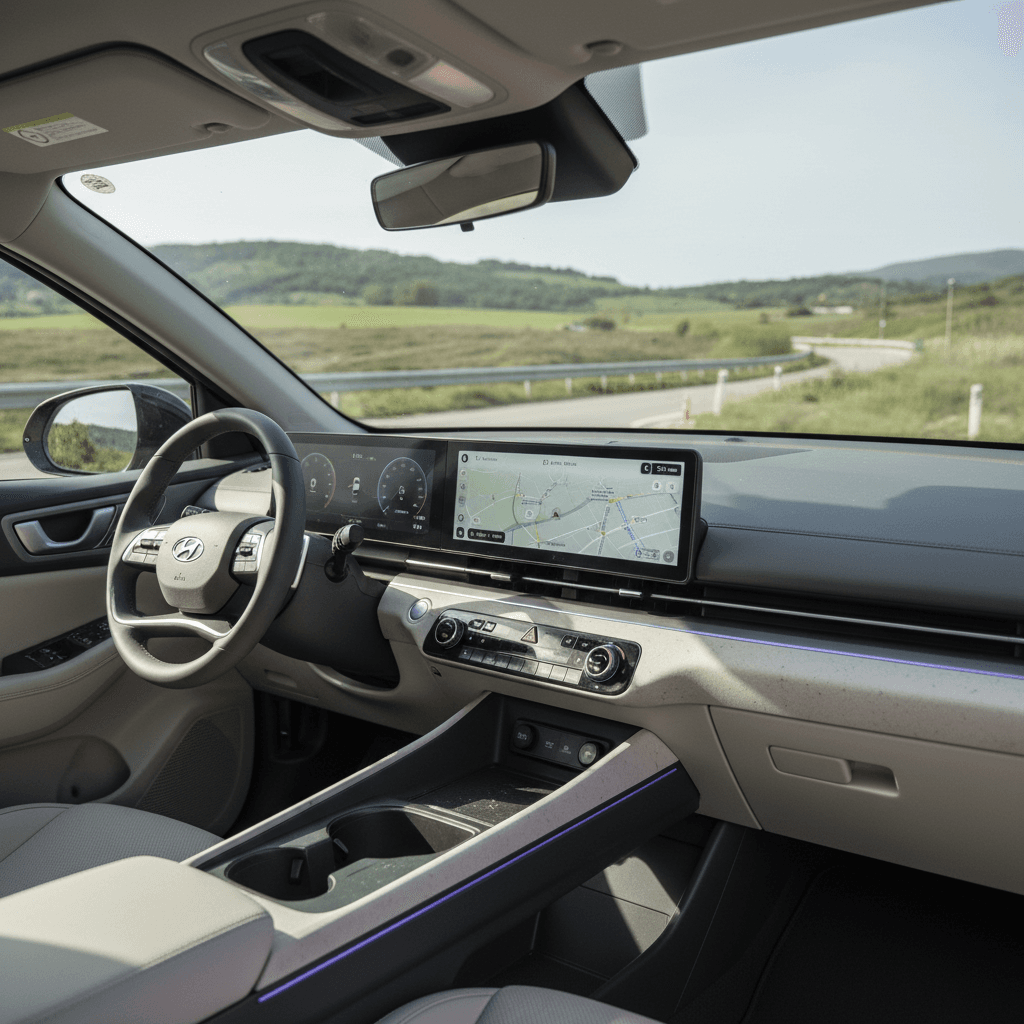
Genesis GV60: Who it’s for
A Korean EV for drivers who want comfort, not just kilowatts
Daily luxury
Serious performance
Safety and tech
Used‑market sweet spot
Hyundai Ioniq 6: Korean electric sedan for commuters
If you prefer a sedan over an SUV, the Hyundai Ioniq 6 takes the Ioniq 5’s efficient powertrain and wraps it in a sleek, aerodynamic body. That slipperier shape pays off at the plug: some versions are among the most efficient EVs you can buy, with standout range for the battery size.
- Sleek fastback sedan with a striking, almost concept‑car profile.
- Excellent efficiency, many trims travel further per kWh than chunkier SUVs using the same hardware.
- Cabin feels more cocooned than the airy Ioniq 5, which some drivers love and others don’t.
- Trunk opening is more traditional sedan‑style, so long bulky items are trickier than in a hatch or SUV.
Best for heavy commuters
Ioniq 9 and Kia EV9: Best three‑row Korean electric SUVs
Need real family space and a third row? Korea has you covered there too. The Hyundai Ioniq 9 and Kia EV9 take the same fast‑charging, long‑wheelbase formula and scale it up to full‑size family duty, with boxy shapes that actually work for people and cargo.
Hyundai Ioniq 9
- Three rows on the new Ioniq platform with the same 800‑volt electrical architecture.
- Comfort‑focused ride tuning and a more understated design than EV9.
- Best for families who like the Hyundai aesthetic and may already be familiar with Ioniq 5 or 6.
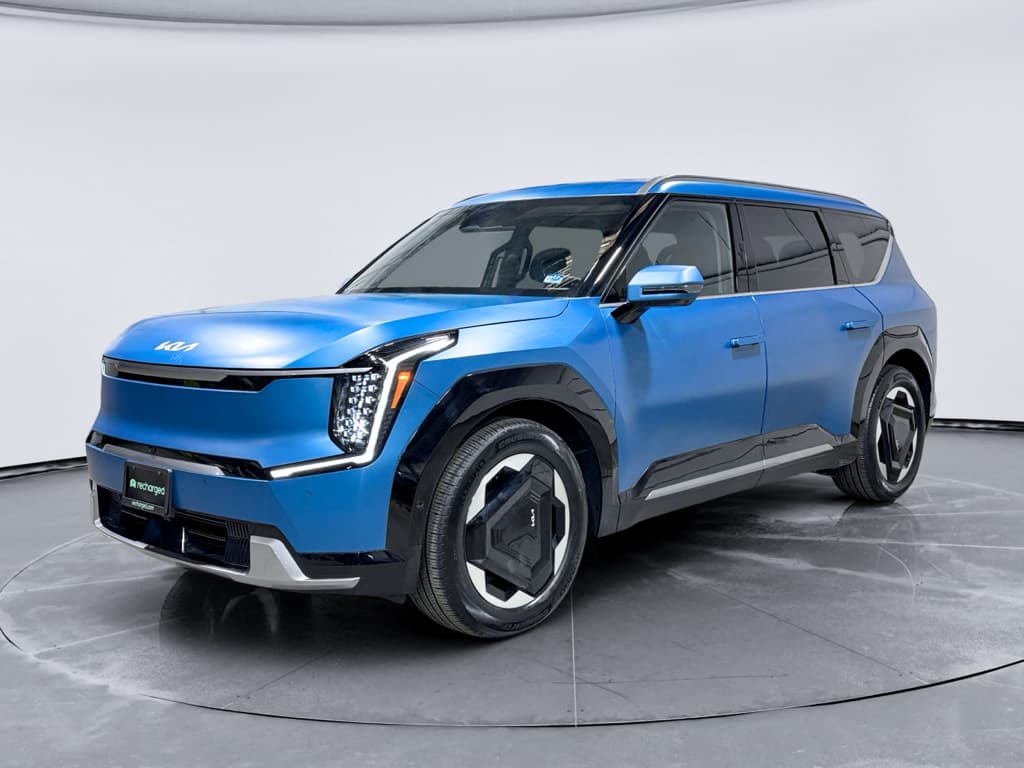
Kia EV9
- Bold, boxy styling that stands out in a parking lot.
- Family‑friendly cabin with available captain’s chairs and thoughtful third‑row details.
- Range and charging are competitive for such a big vehicle, but expect less efficiency than smaller Korean EVs.
Physics still apply
How to choose the best Korean EV for you
You can’t test‑drive a spec sheet, so start with your life, not the brochure. Here’s how to narrow down the best electric cars made in Korea for your actual day‑to‑day.
Korean EV buyer’s checklist
1. Be honest about range
Add up your typical weekly driving, then your longest regular trips. Most Korean EVs with around 270–300 miles of original EPA range will easily cover daily commuting plus weekend errands. If you road‑trip often, prioritize larger‑battery trims and strong fast‑charging.
2. Pick a body style that fits your stuff
If you haul bikes, strollers, or dogs, an Ioniq 5, EV6, GV60, or EV9/Ioniq 9 likely makes more sense than an Ioniq 6 sedan. Hatch and SUV shapes are simply more forgiving.
3. Decide how much performance you’ll really use
The wildest EV6 GT or high‑power GV60 trims are fun, but they cost more and eat into range. Many shoppers are happier with mid‑range dual‑motor trims that still feel quick but go further between charges.
4. Look beyond the sticker price
Factor in home charging installation, electricity rates, and potential tax credits on new cars. On the used side, focus on total cost of ownership, depreciation, insurance, and maintenance, not just the monthly payment.
5. Plan your charging life
Do you have a driveway or garage where you can install a Level 2 charger, or will you depend mainly on public fast charging? Korean EVs shine on fast chargers, but daily life is simplest if you can plug in at home.
6. Get a battery health snapshot
With any used EV, the battery is the big-ticket component. A third‑party report, like the Recharged Score, which analyzes real‑world battery health and pricing, can tell you whether that Ioniq or EV6 still has the range you’re paying for.
Buying a used Korean electric car: What to watch for
If you’re value‑hunting, used Korean EVs are some of the best deals on the market. Early Ioniq 5s and EV6s, for example, combine still‑excellent charging hardware with prices that undercut many newer rivals. But with any used EV, you need to ask a few extra questions.
Key used‑buying questions for Korean EVs
Whether it’s a Hyundai, Kia, or Genesis, don’t skip these steps
How’s the battery, really?
Any open recalls or software updates?
Has it lived in extreme climates?
Don’t skip the EV‑specific inspection
FAQ: Korean-made electric cars
Frequently asked questions about Korean EVs
Bottom line: Which Korean EV is “best”?
The truth is, there’s no single “best” electric car made in Korea, there’s a best one for you. If you want a balanced, family‑friendly all‑rounder, start with the Hyundai Ioniq 5. If you love driving and want something sharper, look at the Kia EV6. If comfort and quiet matter more than anything, the Genesis GV60 is your electric lounge on wheels. Heavy commuters should test‑drive the Ioniq 6, and growing families will gravitate toward the Ioniq 9 or Kia EV9.
What ties all of these Korean EVs together is a focus on fast charging, solid range, and thoughtful design at prices that often undercut the competition, especially on the used market. If you’re ready to shop, a platform like Recharged can help you compare real‑world range, verified battery health, and fair pricing across multiple Korean EVs, then get that car to your driveway with expert support from first click to first charge.