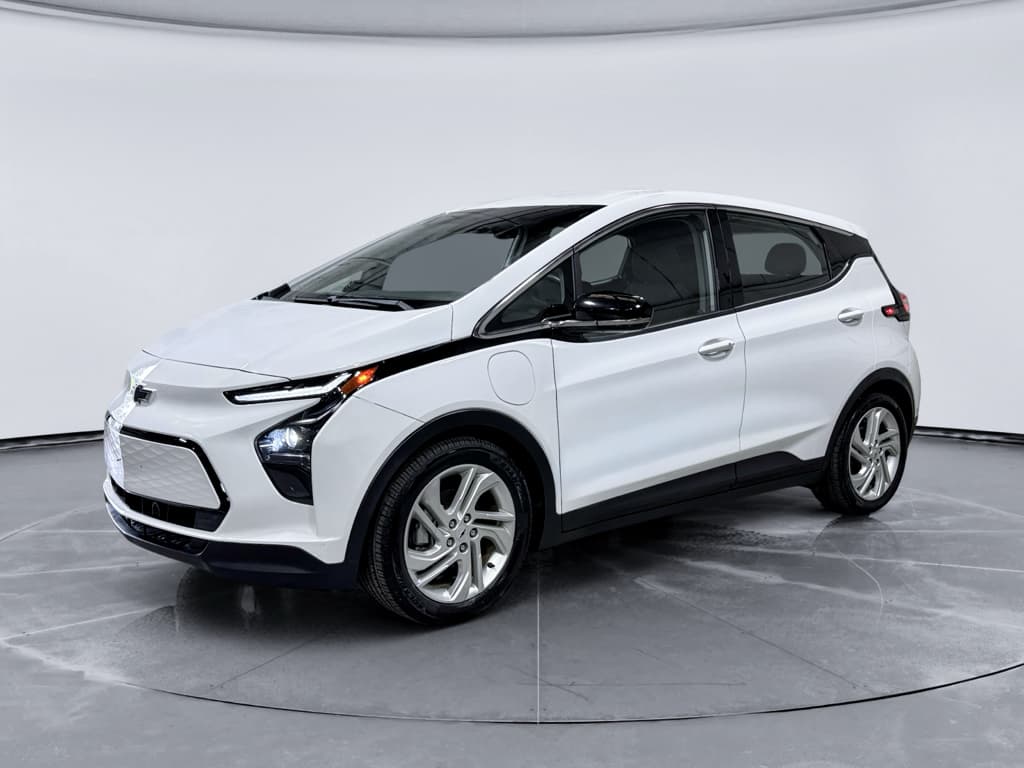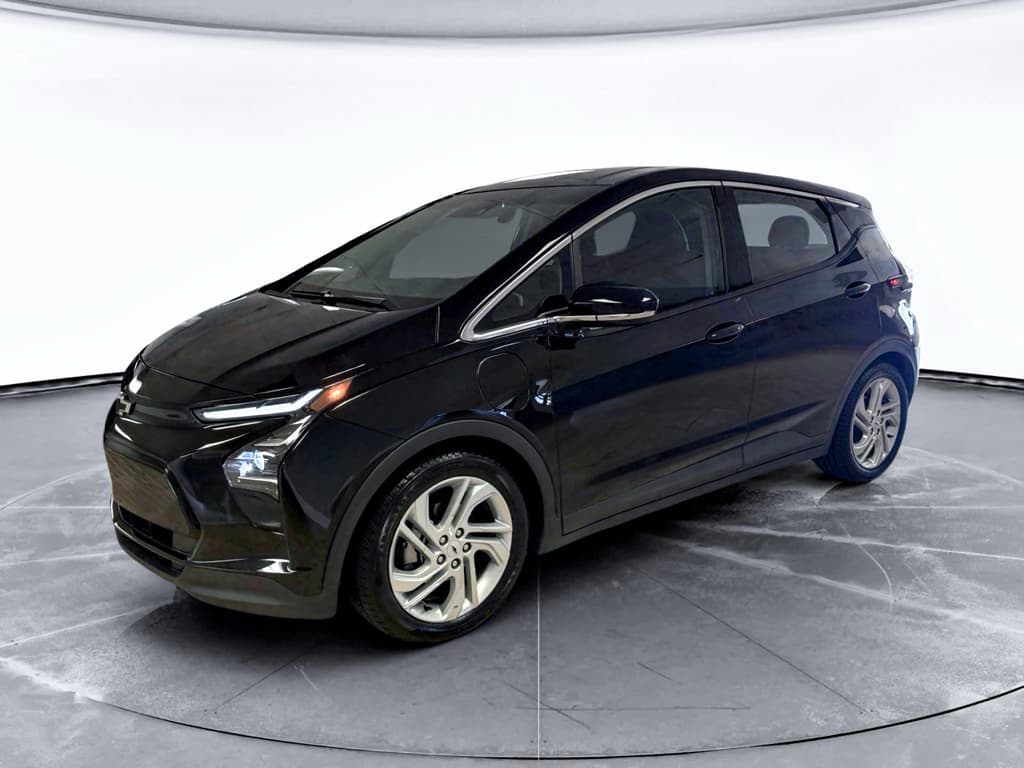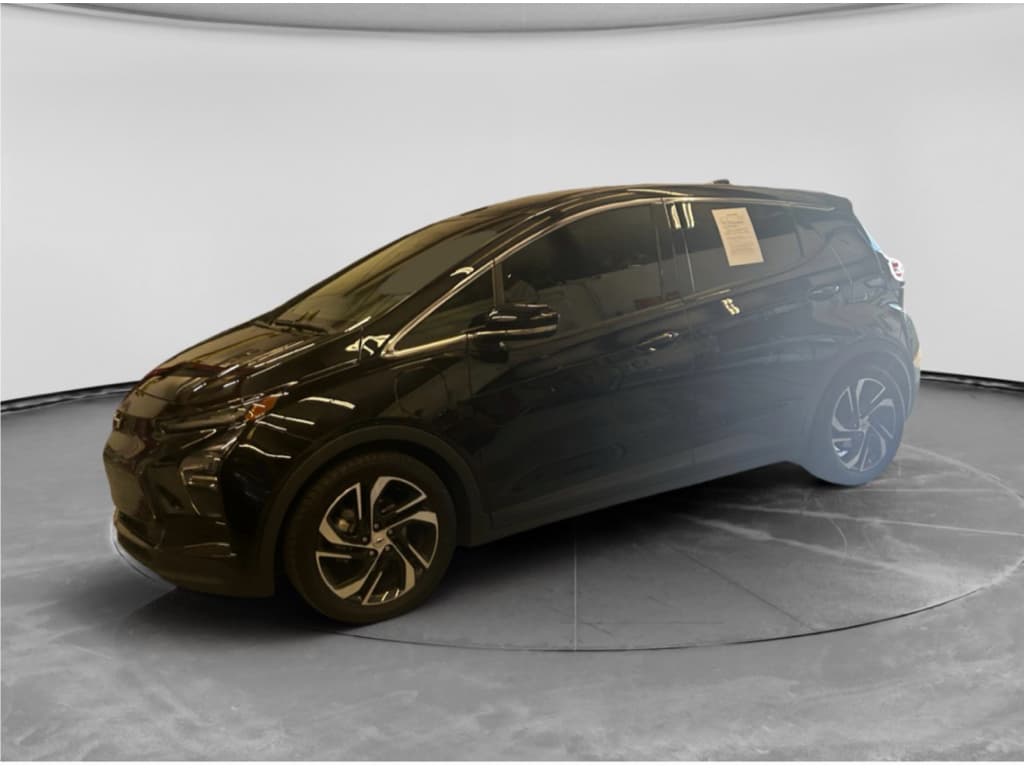
If you’re shopping for an affordable electric car with real range, a used Chevrolet Bolt EV should be on your short list. The Bolt was one of the first long‑range mass‑market EVs, and on the used market in 2026 it often costs less than half the price of the average used car while still delivering over 200 miles of range. This buying guide walks you through pricing, model‑year differences, battery recalls, and what to inspect so you can buy a used Bolt EV with confidence.
Quick take
Why the Chevy Bolt EV makes so much sense used
Why used Bolts are such strong values
The Bolt EV launched for the 2017 model year as a compact hatchback with over 200 miles of real‑world range, a tall seating position, and relatively simple front‑wheel‑drive layout. Unlike some early EVs, the Bolt doesn’t feel like a science experiment. It’s a straightforward small car with a big battery and strong acceleration that happens to be electric.
- Roomy hatchback practicality with a tall seating position and fold‑flat rear seats.
- Genuinely quick: 0–60 mph in around 6.5 seconds thanks to instant electric torque.
- Low running costs: no gas, fewer moving parts, and inexpensive routine maintenance.
- Heavy early depreciation, which turns into excellent value once you’re the second or third owner.
City car that can still road‑trip
Chevy Bolt EV model years & key differences
Every U.S.‑market Bolt EV from 2017 through 2023 is a front‑wheel‑drive hatchback with a roughly 60–66 kWh battery and similar overall footprint. But each model‑year group has its own pros, cons, and pricing sweet spot on the used market.
Chevy Bolt EV model‑year cheat sheet
High‑level differences between major Bolt EV generations to orient your search.
| Model years | Battery & range (EPA) | Notable changes | Why pick this |
|---|---|---|---|
| 2017–2018 | 60 kWh, 238 miles | Original design, simpler interior, older infotainment | Often the cheapest Bolts; great if price matters most and range needs are modest. |
| 2019–2020 | 60 kWh, 238 miles | Slight feature tweaks; similar look and feel to 2017–2018 | Good value if you find one with recall work done and lower mileage. |
| 2021 | 66 kWh, 259 miles | Last year of first‑gen body, but with larger battery | Best range in the original body; sweet spot for range‑per‑dollar. |
| 2022–2023 Bolt EV | 65 kWh, 259 miles | Major interior and exterior refresh, better seats, updated tech, lower new MSRP | Feel more modern inside; many still under bumper‑to‑bumper warranty. |
| 2022–2023 Bolt EUV | 65 kWh, 247 miles | Stretched rear seat, available Super Cruise, slightly lower range | Best if rear‑seat space or driver‑assist tech matters to you. |
The Bolt EUV (2022–2023) shares most mechanical bits with the EV but adds rear legroom and available Super Cruise.
What about the relaunched Bolt?
Best budget choice
If you want the lowest purchase price and mostly do city driving, a 2017–2019 Bolt EV can make sense. Focus on cars with documented battery recall work, clean accident history, and ideally under ~100,000 miles.
Best all‑around choice
If you can stretch your budget, a 2021–2023 Bolt EV or EUV gives you the larger 65–66 kWh pack, fresher software, and, on later cars, more remaining factory warranty, often for only a few thousand dollars more than older models.
Battery recalls & fire concerns: what they mean for you
You can’t talk about used Chevrolet Bolt EVs without talking about the battery recall and fire risk. GM and its battery supplier identified manufacturing defects that could, in rare cases, cause thermal runaway and fires. In 2021, GM expanded its recall to cover essentially every 2017–2022 Bolt EV and EUV and replaced battery modules, or entire packs, in many cars.
- All 2017–2022 Bolt EV and EUV models were covered by a high‑voltage battery recall.
- Many cars received full battery pack replacements; others had specific modules replaced plus updated diagnostic software.
- GM pushed software limits that temporarily capped state‑of‑charge until inspections and replacements were complete. Updated software continues to monitor packs for issues.
- A small subset of vehicles later needed additional software fixes when earlier diagnostic updates weren’t installed correctly.
Non‑negotiable: verify recall completion
Battery recall checklist for used Bolt buyers
1. Run a VIN recall check
Use NHTSA’s recall lookup or Chevrolet’s recall tool to confirm if the car has any open recalls, especially related to the high‑voltage battery or diagnostic software.
2. Ask for dealer paperwork
Request service records that explicitly show the battery recall repair codes, whether the pack or modules were replaced, and when the work was done.
3. Confirm latest software
Battery‑diagnostic software has been updated several times. Verify with a Chevy dealer that the car has the latest calibration and that charge limits were properly reset.
4. Inspect charging behavior
On a test drive, watch how the car charges. Sudden stops, unexpected charge limits, or warning messages are red flags that warrant a dealer inspection before purchase.
Battery health & real-world range
On paper, most Bolt EVs are rated between 238 and 259 miles of EPA range when new. In the real world, a used Bolt’s range will depend on pack health, temperature, driving style, and whether the car has had a replacement battery under recall. Many owners with newer packs still see 220–250 miles in mixed driving when the weather is mild.
How to gauge a used Bolt’s battery health
You can’t see degradation directly, but you can triangulate it.
Range estimate at 100%
After a full charge, check the car’s displayed range. Compare it to the original EPA rating (usually 238–259 miles). A healthy pack will often show a realistic estimate within ~10–20% of that in mild weather.
Energy use while driving
During a long test drive, note average kWh/100 miles or mi/kWh. Unusually high consumption in mild conditions can hint at underlying issues, or just very aggressive driving.
Independent battery report
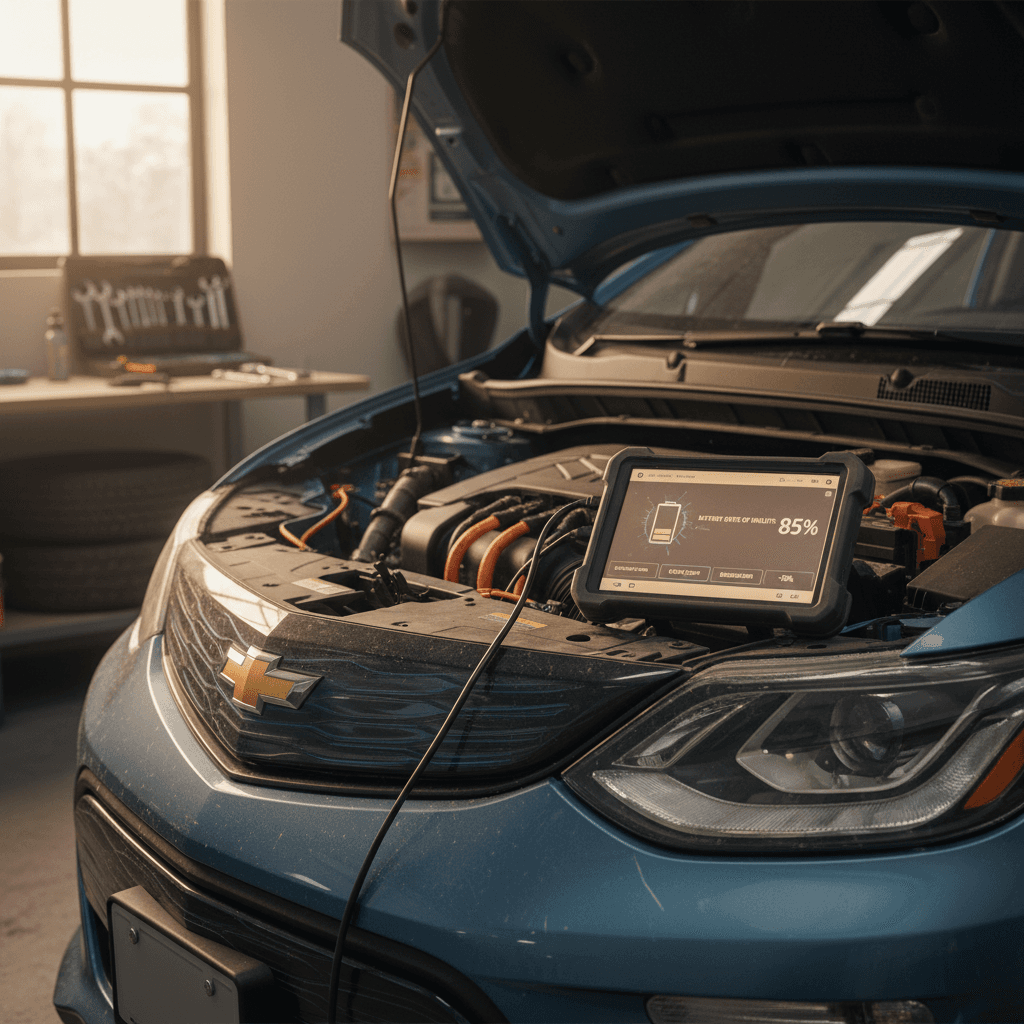
Specialized diagnostics, like the Recharged Score battery health report, read pack data directly rather than guessing from the dash. This is the most reliable way to understand true battery condition.
Factor in climate and use case
Used Bolt EV pricing & depreciation in 2026
The Bolt EV has depreciated harder than many gas cars, largely because of falling new‑EV prices, tax‑credit shifts, and its recall history. That’s tough for original owners but a major opportunity if you’re buying used in 2026.
Typical used Chevy Bolt pricing (U.S. 2025–2026)
Independent analysis of resale values shows early Bolts now retaining roughly 25–35% of their original MSRP. Newer 2022–2023 cars have lost a large chunk of value in their first few years as GM cut new‑car pricing and as broader EV prices softened, but that curve is beginning to flatten. In practical terms, the sweet spot for many buyers is a 2019–2022 Bolt EV: you skip the steepest new‑car depreciation while still getting many years of useful life.
Compare against your alternatives
What to inspect on a used Chevy Bolt EV
A used Bolt EV doesn’t need oil changes or timing belts, but it does have its own inspection priorities. You’re mainly buying a battery, an electric motor, and some software wrapped in a compact hatchback shell, so you want to know all three are healthy.
Used Bolt EV inspection checklist
1. Recall and service history
Confirm that all battery‑related recalls and relevant software updates have been performed. Ask for dealer invoices and check for other recurring issues in the service history.
2. Battery health and range
Charge the car to near full and note the projected range and percentage. Take a longer test drive to see if the estimate falls predictably or if there are big jumps or warning messages.
3. DC fast‑charging behavior
If possible, plug into a DC fast charger and watch the peak power and taper. The Bolt isn’t a road‑trip monster even when perfect, but extremely low charging speeds can hint at pack or thermal issues.
4. Tires and brakes
EVs are heavy and have strong instant torque, so cheap or worn tires and neglected brakes are common. Budget for replacement if you see uneven wear, cracking, or pulsation on braking.
5. Interior electronics
Test the infotainment, Bluetooth, HVAC, heated seats, and driver‑assist features. Pay attention to any strange warning lights on startup, especially related to the propulsion system or high‑voltage battery.
6. Undercarriage and body
Look underneath for corrosion, accident damage, or poorly repaired crash repairs. A clean, rust‑free underbody is especially important in snow‑belt states that use road salt.
Walk away from these red flags
Charging your used Bolt EV: home and public options
Every Bolt EV comes with a J1772 connector for AC charging and a CCS combo port for DC fast charging. That means you can plug into essentially any Level 2 public charger in North America and most non‑Tesla DC fast‑charging networks. Newer Bolts are also gaining access to Tesla’s Supercharger network via adapters and, on upcoming models, native NACS ports, but on the used market today you should still assume CCS is your primary fast‑charging standard.
Bolt EV charging options
Match your setup to your daily driving.
Level 1 at home (120V)
Using a standard household outlet adds roughly 3–4 miles of range per hour. Fine for very short commutes or as a backup, but slow if you drive more than 25–30 miles a day.
Level 2 at home (240V)
A dedicated 240V Level 2 charger typically adds 25–35 miles of range per hour, easily refilling a depleted battery overnight. This is the ideal setup if you own your home or have a friendly landlord.
DC fast charging (public)
On CCS fast chargers, most Bolts peak around 50–55 kW. That’s fine for occasional road trips and quick top‑ups, but plan on longer stops than with newer 150‑kW‑plus EVs.
Ask about included charging gear
Ownership costs, reliability & common issues
Setting the battery‑recall saga aside for a moment, the Bolt EV has been broadly solid in day‑to‑day use. There’s no engine oil, transmission fluid, spark plugs, or exhaust system to maintain. Routine service mostly comes down to cabin filters, brake fluid every few years, tire rotations, and the occasional coolant service for the battery and drive unit.
- Brake wear is often minimal thanks to regenerative braking, especially for drivers who use "L" mode and one‑pedal driving.
- Tire wear can be heavier than on a comparable gas compact because of the Bolt’s weight and torque; budget accordingly.
- Some owners report infotainment glitches and occasional squeaks/rattles, especially in earlier model years.
- Like any compact hatchback, interior materials and sound insulation are more economy‑car than luxury‑car.
Warranty considerations
How Recharged makes buying a used Bolt EV simpler
If you don’t live and breathe EV forums, evaluating a used Chevrolet Bolt EV on your own can feel intimidating. That’s exactly the problem Recharged was built to solve.
What you get with a Bolt EV from Recharged
Less guesswork, more transparency.
Recharged Score battery report
Every vehicle on Recharged comes with a Recharged Score that includes objective battery‑health diagnostics, so you can see usable capacity and pack behavior instead of guessing from a range readout.
Verified history & fair pricing
We verify recall completion, scan for fault codes, and benchmark pricing against the market so you can see how each Bolt EV is priced relative to comparable cars.
Financing, trade‑in & delivery
Recharged can arrange financing, evaluate your trade‑in or purchase your current vehicle, and coordinate nationwide delivery, all through a fully digital process or at our Experience Center in Richmond, VA.
Ready to find your next EV?
Browse VehiclesGuided support from EV specialists
Recharged data
Used Chevrolet Bolt-EV battery health
91%
avg remaining capacity
From Recharged battery inspections, not manufacturer estimates.
- Lowest
- 84%
- Median
- 91%
- Highest
- 98%
- Est. range
- 233 mi avg
- Cell balance pass
- 98%
Average cell imbalance: 7.1 mV
Based on vehicles Recharged tested as of Jul 23, 2026
Recharged data
Recent Chevrolet Bolt-EV sold prices
$16,087
median sold price
What buyers actually paid through Recharged, not list price.
- Lowest
- $9,997
- Average
- $16,295
- Highest
- $21,998
Monthly median sold price
Based on Recharged sales in the last 12 months as of Jul 23, 2026
Frequently asked questions about used Chevy Bolt EVs
Used Chevrolet Bolt EV FAQ
Bottom line: is a used Bolt EV right for you?
If your daily driving fits within a couple hundred miles and you have a place to plug in regularly, a used Chevrolet Bolt EV delivers a lot of modern EV experience for surprisingly little money. The flip side is that you can’t treat it like any other compact hatchback, you need to take the battery recall history, software status, and real‑world range seriously. Do that work up front, and the Bolt becomes one of the most rational used‑car buys on the market: quick, quiet, cheap to run, and already past the worst of its depreciation curve.
If you’d rather not decode all of that alone, browsing curated used EVs on Recharged is an easy next step. You’ll see transparent battery‑health data, fair market pricing, and the option to finance, trade in, and arrange delivery without setting foot in a traditional dealership.