If you’re shopping for the best electric cars for the money in 2026, you’re probably seeing headlines about cheaper EVs, bigger incentives, and a used market that suddenly looks like a bargain bin. The upside: it’s never been easier to get into an EV without overspending. The downside: it’s hard to sort genuine value from attention-grabbing deals. This guide walks you through the best-value new and used electric cars in 2026, based on price, range, running costs, and how they fit real life in the U.S.
Why 2026 is a turning point for EV value
How we picked the best electric cars for the money in 2026
“Best value” is more than just the lowest MSRP. For this list we focused on EVs you can actually buy in the U.S. in 2026 (new or used) and weighed four factors:
- Purchase price or used-market price around or below mainstream budgets (roughly under $50,000, with a few exceptions where value is exceptional).
- Range per dollar – how many miles of EPA-rated range you get for every $1,000 you spend.
- Real-world practicality – charging speed, space, comfort, safety ratings, and how easy it is to road-trip or commute.
- Long-term ownership costs – energy costs, maintenance, and how well the model tends to hold value on the used market.
Note on pricing and availability
2026 EV value snapshot at a glance
Quick-glance list: Best value electric cars for 2026
Best electric cars for the money 2026: headline picks
New and used models that balance price, range and everyday usability
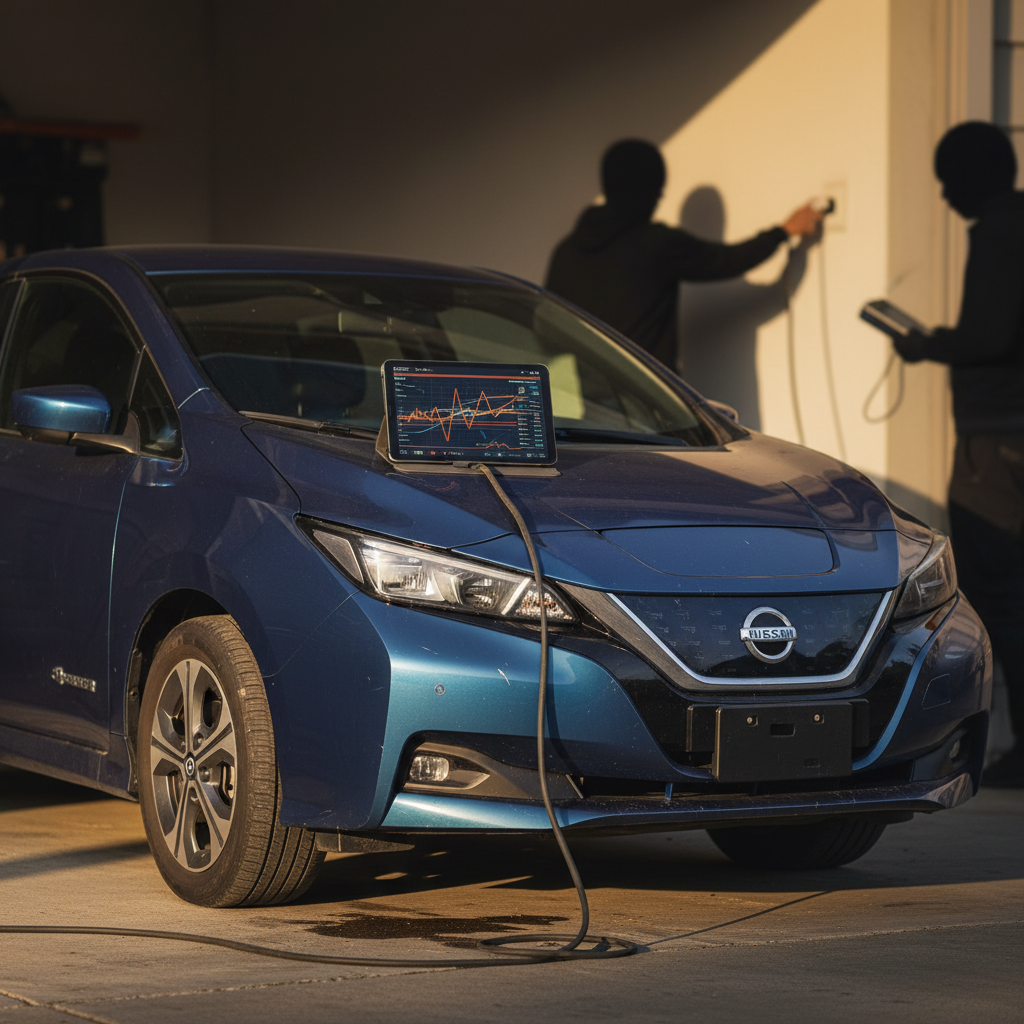
2026 Nissan Leaf (redesigned) – Best cheap new EV
Approx. starting price: ~$30,000
A fully redesigned Leaf is expected to undercut most rivals on price while improving range and tech, making it one of the easiest entry points into new EV ownership.
2026 Hyundai Ioniq 5 SE – Best all-around new EV value
Approx. starting price: ~$36,600 (SE RWD Standard Range)
Combines strong range, fast charging, and a family-friendly cabin at a price that undercuts many rival crossovers.
Used Chevrolet Bolt EV/EUV – Best budget used EV
Typical used price (3–5 years old): often under $20,000
Plenty of range for commuting, low running costs, and steep depreciation make the Bolt line one of the best bargains in the used EV world.
Used Tesla Model 3 RWD – Best used EV for range and charging
Typical used price (3–5 years old): mid-$20,000s–low $30,000s
Strong range, access to the Supercharger network, and mature software support make the Model 3 a standout value if you buy carefully.
Kia EV9 / Hyundai Ioniq 9 – Best three-row family EV value
Approx. starting prices: low-to-mid $50,000s
If you need three rows, these Korean SUVs undercut many luxury rivals while offering long range and fast charging.
Hyundai Ioniq 6 – Best efficiency per dollar
Approx. starting price: under $40,000 for lower trims
One of the most efficient EVs on the market, helping you save on both upfront costs and every kWh you buy.

New electric cars: Best bang for your buck in 2026
New EV shoppers in 2026 are spoiled for choice. Models that were pricey niche products a few years ago now show up with realistic pricing, NACS fast-charging ports, and enough range to handle most American commutes and road trips. Here are new EVs that stand out on value, not just hype.
Representative new EV value picks for 2026 (U.S.)
Typical starting MSRPs and EPA range figures as of early 2026; verify current specs and pricing before buying.
| Model (2026) | Type | Approx. Starting Price | Approx. Range | Why it’s good value |
|---|---|---|---|---|
| Nissan Leaf (redesigned) | Compact hatch | ~$30,000 | 200+ mi (est.) | Cheapest new EV with improved tech and range vs. prior generation. |
| Hyundai Ioniq 5 SE RWD SR | Compact SUV | ~$36,600 | ~245 mi | Well-priced family crossover with strong charging and comfort. |
| Hyundai Ioniq 6 SE | Midsize sedan | High $30Ks | 300+ mi (select trims) | Excellent efficiency and range at non-luxury pricing. |
| Chevrolet Equinox EV | Compact SUV | Low $40Ks | ~300+ mi (select trims) | Family-friendly range and space at a mainstream price point. |
| Toyota bZ (updated) | Compact SUV | Mid $30Ks | ~230–250 mi | Improved second-generation effort with Toyota reliability image. |
| Kia EV9 / Hyundai Ioniq 9 | 3-row SUV | Low–mid $50Ks | ~260–300 mi | One of the most affordable ways into a three-row electric family hauler. |
Price and range figures are rounded and may vary by trim, options and region.
Value tip: Don’t overbuy range
Used electric cars: Where the real value is in 2026
Because EV prices surged and then corrected after the pandemic, the used EV market in 2026 is unusually attractive. Three- to five-year-old models that originally sold in the $35,000–$55,000 range often show up well under $30,000 today. That depreciation hurts original owners, but if you’re buying used, it’s your opportunity.
Used Chevrolet Bolt EV/EUV
The Chevy Bolt EV and slightly larger Bolt EUV deliver 230–259 miles of range in earlier model years, simple hardware, and one of the lowest energy costs per mile you’ll find. After the 2020–2023 battery recalls, most used Bolts on the market either have new or remanufactured packs or updated software, further improving peace of mind.
Why it’s a value play:
- Often priced under $20,000 for well-equipped examples.
- Perfect for commuting, rideshare work, or a second car.
- Simple to charge at home with Level 2; no need to road-trip often.
Used Tesla Model 3 (RWD and Long Range)
Early Model 3s opened the door to long-range EV ownership for many Americans, and they’re still strong value today, especially as more non-Tesla brands adopt the NACS connector and broader charging options improve.
Why it’s a value play:
- Many used cars deliver 250–300+ miles of range.
- Access to a mature, dense fast-charging network.
- Frequent over-the-air updates keep software and features current.
Checklist: What makes a used EV a good value?
1. Verified battery health
Battery condition is the single biggest factor in used EV value. Look for a <strong>third-party battery health report</strong> like the Recharged Score, or, at minimum, compare state-of-charge vs. rated range on a full charge to spot obvious degradation.
2. Remaining factory warranty coverage
Many EVs carry longer battery and electric-drive warranties (often 8 years / 100,000 miles). A car with a few years of battery warranty left is usually worth more than a slightly cheaper one that’s out of coverage.
3. Charging standard and adapter support
In 2026, more new EVs use the North American Charging Standard (NACS). If you’re buying an older CCS or CHAdeMO car, check which adapters exist, what road-trip charging looks like in your region, and whether that fits your use case.
4. Realistic range for your climate
Cold weather, high speeds, and big hills can noticeably cut range. A car with 220 miles of EPA range may deliver 150–170 miles in winter highway driving, still fine for many, but you should know that before buying.
5. Transparent vehicle history
Flood damage, salvage titles, and poor repairs can wreck EV value. Always pull a history report, and consider a pre-purchase inspection from a shop that truly understands EVs.
6. Fair-market pricing, not just a low number
Compare asking prices to similar vehicles nationwide. Platforms like Recharged benchmark used EV prices and battery health so you can see whether you’re paying less because it’s a deal, or because something’s wrong.
How Recharged helps on the used side
Price vs. range: Which EV stretches each dollar the furthest?
One quick way to compare value is to look at miles of EPA range per $1,000 of purchase price. It’s not perfect, features, safety, and charging speed matter too, but it highlights which EVs give you the most usable miles for every dollar you spend upfront.
Illustrative price-to-range value for popular EVs
Miles of EPA range per $1,000 of approximate starting MSRP for representative 2025–2026 trims.
| Model / Trim (2025–2026) | Approx. Price | Approx. Range | Miles per $1,000* |
|---|---|---|---|
| Hyundai Ioniq 5 SE RWD SR | $36,600 | ~245 mi | ~6.7 |
| Hyundai Ioniq 6 SE RWD | $39,000 | ~340 mi (select trims) | ~8.7 |
| Chevrolet Equinox EV (mid trim) | $41,000 | ~319 mi | ~7.8 |
| Used Chevy Bolt EV (typical) | $20,000 | ~240 mi (healthy pack) | ~12.0 |
| Used Tesla Model 3 RWD (typical) | $28,000 | ~250 mi (healthy pack) | ~8.9 |
Higher miles per $1,000 generally means better range value, though overall ownership costs still matter.
How to use miles-per-dollar (without obsessing over it)
Incentives and total cost of ownership: Don’t just shop sticker price
When you’re judging the best electric cars for the money in 2026, sticker price is only half the story. Incentives, fuel costs, maintenance, and resale value can swing the math by thousands of dollars over a few years.
Four pillars of EV value beyond MSRP
These factors can make a $40,000 EV cheaper to own than a $30,000 gas car.
1. Tax credits & rebates
Federal and state incentives can dramatically change the true cost of an EV. Some models qualify for point-of-sale federal credits, while others may be eligible only if you buy used or meet specific income and assembly requirements.
Always confirm eligibility at purchase time and factor credits into your comparison.
2. Fuel (energy) costs
Electricity is typically cheaper per mile than gasoline, especially if you can charge overnight on a home Level 2 charger with off-peak rates.
Public DC fast charging often costs more per kWh, so consider how much of your charging will be done away from home.
3. Maintenance & repairs
EVs don’t need oil changes, have fewer moving parts, and usually go through brakes more slowly thanks to regenerative braking.
However, out-of-warranty battery or high-voltage repairs can be expensive, another reason verified battery health matters on a used EV.
4. Depreciation & resale value
Some models, like Teslas and efficient Korean EVs, tend to hold value better than low-range or niche models.
Buying used can let you “skip” the steepest part of the depreciation curve, but only if the particular car is priced in line with its condition and battery health.
Watch out for “cheap” EVs with expensive lifestyles
Which electric car is the best value for your life?
The best electric car for the money in 2026 depends heavily on what you’re asking it to do. Instead of chasing one “winner,” match your use case to the models that deliver the most value for that job.
Best-value EV picks by driver type
Daily commuter (under 60 miles/day)
Prioritize used EVs like the Chevy Bolt EV/EUV, Nissan Leaf (previous generation), or Kia Niro EV with 200+ miles of range.
Home Level 2 charging turns even a modest-range hatchback into a no-stress daily driver.
Look for lower-priced trims without all-wheel drive or huge wheels; you won’t miss them in traffic.
Budget-conscious first-time EV buyer
Consider the redesigned 2026 Nissan Leaf or other entry-level new EVs that start around $30,000 before incentives.
If you’re open to used, a Bolt EV/EUV, older Ioniq Electric, or earlier Model 3 can deliver more range for similar money.
Make sure your insurance quotes and charging plan fit your total budget, not just the payment.
Family with kids and gear
Compact and midsize crossovers like the Hyundai Ioniq 5, Kia EV6, Chevrolet Equinox EV, and Toyota bZ-series often deliver the best blend of space and price.
If you need three rows, look at the Kia EV9 or Hyundai Ioniq 9, they’re not cheap, but they undercut many luxury three-row EVs while still offering long range.
Factor in rear-seat comfort, cargo volume, and roof-rack compatibility; these matter more for families than 0–60 times.
Road-trip and outdoor adventure driver
Prioritize long-range models with fast-charging hardware (often 200–350 kW peak) and robust charging-network coverage.
Used Tesla Model 3 and Model Y, Hyundai Ioniq 5/6, Kia EV6, and some upcoming Jeep and Subaru EVs can fit this profile.
Invest in a good route-planning app or built-in planner that understands charging stops; this can save you time and money every trip.
Good value doesn’t mean bare-bones
How buying a used EV with Recharged maximizes value
If you’re leaning toward a used EV, which is where many of the strongest 2026 values live, who you buy from can matter almost as much as what you buy. That’s where Recharged is designed to help.
Battery health made transparent
Every vehicle on Recharged comes with a Recharged Score Report that includes verified battery diagnostics. Instead of guessing how much range a five-year-old EV has left, you see real data collected by EV specialists.
That clarity lets you compare two similar cars not just by mileage and trim, but by their most expensive component: the battery.
Fair pricing, financing, and trade-in options
Because Recharged focuses solely on EVs, pricing is benchmarked against real-world sales and current incentives, not just generic book values.
- Financing: Apply online and see payments for different terms before you commit.
- Trade-in or instant offer: Get value for your current car and roll it into the deal.
- Nationwide delivery: Shop the right EV for your budget, not just the one that happens to be on a nearby lot.
Try before you buy at the Experience Center
FAQ: Best electric cars for the money in 2026
Frequently asked questions about EV value in 2026
Bottom line: Getting the most EV for your money in 2026
In 2026, the best electric cars for the money are no longer just tiny compliance cars or six-figure status symbols. Whether you’re considering a budget-friendly used Chevy Bolt, a long-range Hyundai Ioniq 6, or a three-row Kia EV9 for the family, there’s likely an EV that fits both your life and your wallet. The real trick is looking past the buzzwords and incentives to the fundamentals: purchase price, verified battery health, realistic range, charging access, and total cost of ownership.
If you approach the market with those questions, and lean on tools like the Recharged Score, expert EV guidance, and transparent online pricing, you’re far more likely to end up with an electric car that still feels like a smart buy five years from now. In a fast-moving EV market, that long-term satisfaction is the best value of all.