Porsche sells the Taycan as a low-maintenance EV, but some line items on the service menu still make owners pause, especially the Porsche Taycan coolant flush cost. You’re not dealing with oil changes anymore, yet you do have several coolant circuits protecting the battery, power electronics, and cabin comfort. Understanding when that coolant needs to be changed and what you’ll really pay can help you budget smarter, especially if you’re considering a used Taycan.
Quick answer
Why the Taycan Has Coolant, and Why It Matters
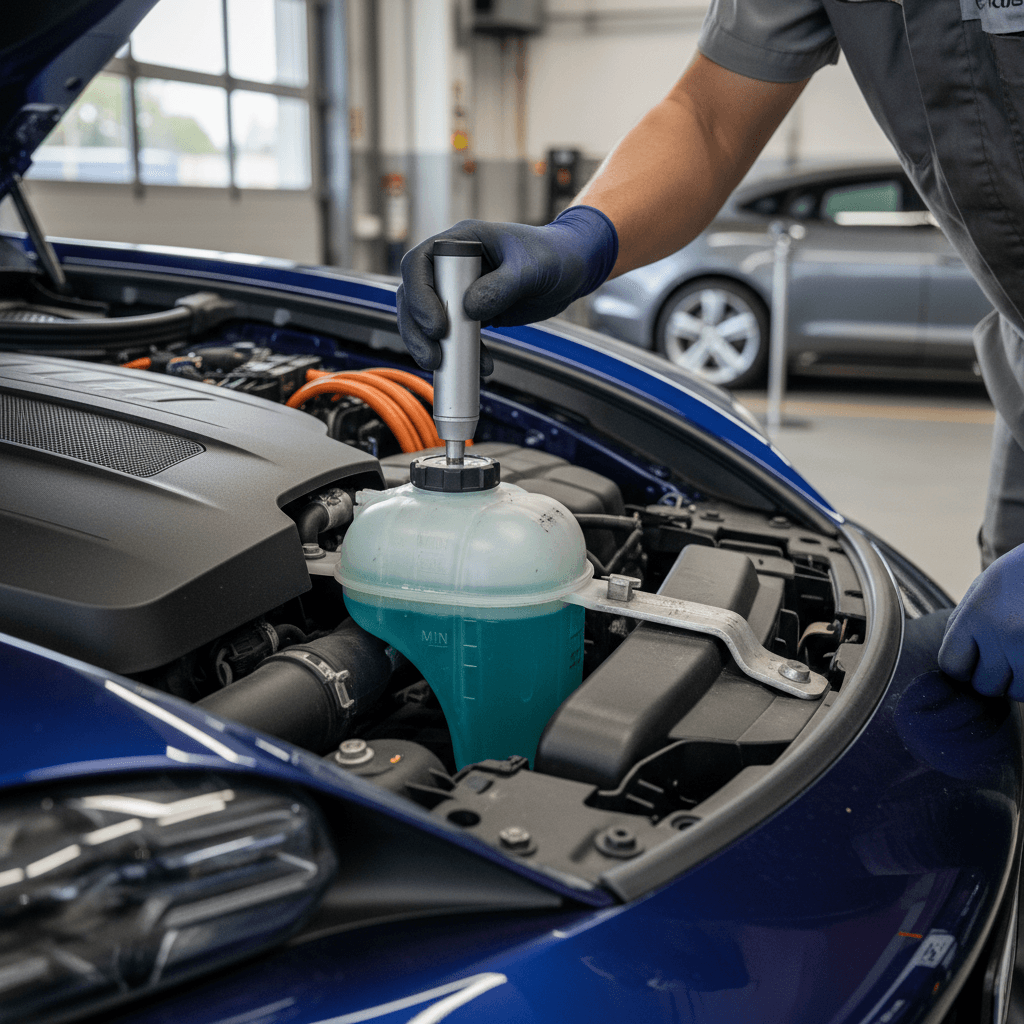
It’s easy to assume an EV has almost no fluids, but the Taycan actually relies on a complex liquid thermal management system. Multiple coolant loops circulate through the high-voltage battery, power electronics, on-board charger, and sometimes the cabin heater. That liquid keeps temperatures in a tight operating window so you get consistent performance, fast DC charging, and long-term battery health.
- Battery loop: Regulates pack temperature during driving, rapid charging, and preconditioning.
- Power electronics loop: Cools the inverter, on-board charger, and other components.
- HVAC integration: In some conditions, coolant works with the heat pump or cabin heater to manage comfort and efficiency.
Why coolant health matters
Porsche Taycan Coolant Flush Cost: Real-World Range
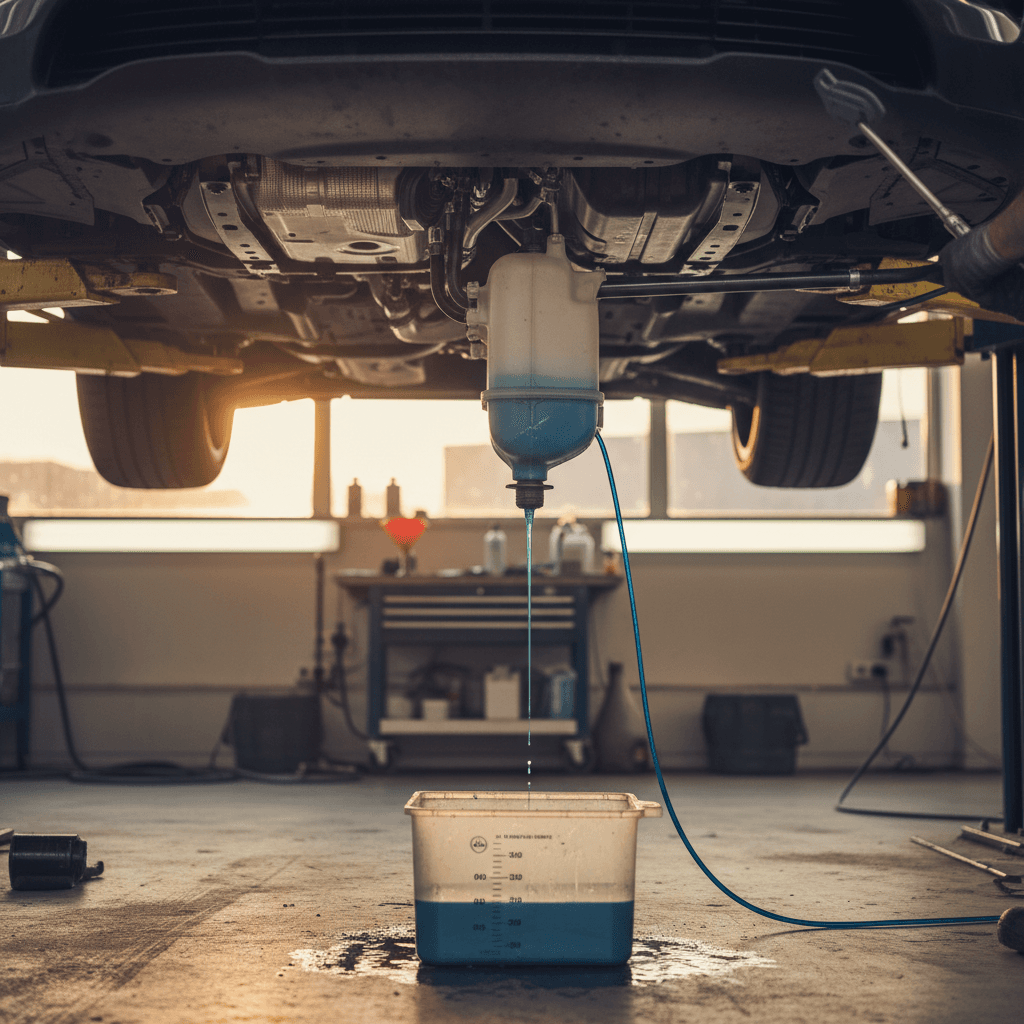
Because Porsche doesn’t market coolant service as often as, say, brake jobs, many owners are surprised when the estimate shows up. Based on typical U.S. dealer labor rates and parts pricing, a Porsche Taycan coolant flush cost generally falls into these ballparks:
Typical Taycan Coolant Flush Cost Ranges
Dealer vs. independent shop expectations in the U.S.
Single circuit at Porsche dealer
Approx. $450–$650
Common when servicing the main battery loop only in a routine interval or time-based service.
Multiple circuits same visit
Approx. $700–$1,100
Battery plus power electronics and related loops, often bundled into a major service.
Specialist EV shop
Approx. $350–$800
Independent EV-certified shops sometimes undercut dealer labor rates while using OEM-spec coolant.
Look at the line items
What Drives the Cost of a Taycan Coolant Flush
Why can one Taycan owner pay $500 while another sees a four-figure estimate? Under the skin, this isn’t a simple drain-and-fill like you’d see on a 15‑year‑old gas sedan. A few factors push the Porsche Taycan coolant flush cost up or down:
Key Factors That Affect Coolant Flush Price
1. How many coolant loops are serviced
Taycans use more than one coolant circuit. Flushing only the battery loop costs less than doing battery, power electronics, and heater circuits in one visit.
2. Labor time and hourly rate
Porsche dealer labor often runs higher than independent shops, and the procedure can be 2–4 labor hours depending on scope and model year.
3. Coolant type and quantity
You’re paying for Porsche‑approved premixed coolant, often several liters. Using the correct spec matters more than trying to save a few dollars on fluid.
4. High-voltage safety procedures
Technicians must follow EV-specific lockout and testing steps before opening the cooling system. That training and time show up on the invoice.
5. Additional work while they’re in there
Some shops synchronize coolant service with brake fluid, cabin filters, or software updates. That can inflate the visit total even if coolant is only part of it.
Do not DIY this job
Service Intervals: How Often to Change Taycan Coolant
Porsche’s service schedule for the Taycan is more time‑ and mileage‑based than the old oil‑change rhythm you might remember. Exact recommendations can vary slightly by model year and region, so always confirm with the maintenance booklet or a service advisor, but here’s the general pattern many owners will see:
Typical Porsche Taycan Coolant Service Timing
Approximate intervals based on common Porsche guidance. Always check your specific maintenance booklet.
| Service Item | Approx. Interval | Notes |
|---|---|---|
| Battery coolant circuit inspection | Every 2 years | Usually inspection only; flush may be based on time/mileage or test results. |
| Full battery coolant replacement | Around 10 years / high mileage | Often listed as a long-term service; some owners may never reach it in the first ownership cycle. |
| Power electronics coolant service | 8–10 years (or as needed) | Timing may be aligned with major battery coolant service for efficiency. |
| Coolant level/top-off | As needed | Done whenever the Taycan is in for other service or when warning appears. |
Use this as a planning tool, your VIN-specific schedule is the final word.
Follow the booklet, not internet folklore
Signs Your Taycan May Need Coolant Service Sooner
Most Taycan coolant service will be entirely preventative. But there are a few conditions that can pull that schedule forward and affect your eventual Porsche Taycan coolant flush cost if you ignore them.
- Coolant warning message in the cluster or PCM, even if it disappears after a restart.
- Visible low level in the coolant reservoir under the frunk, or obvious residue around connections.
- Repeated derating of power or noticeable reduction in DC fast‑charge speed in moderate weather, not just in winter extremes.
- Evidence of previous repair (for example, a battery or inverter replacement) that may not have been followed by a full system bleed.
Watch cold‑weather behavior
Dealer vs. Independent: Where to Service Your Taycan
There’s a trade‑off between familiarity and cost. Porsche dealers see Taycans every day, but EV‑focused independents are catching up quickly. Both choices can be valid if they understand high‑voltage systems and follow Porsche’s procedures.
Porsche dealer pros and cons
- Pros: Factory training, PIWIS diagnostic tools, access to the latest technical bulletins, seamless warranty handling.
- Cons: Higher posted labor rates, strict adherence to factory time guides, less flexibility on sourcing parts.
Independent EV specialist pros and cons
- Pros: Often lower hourly rates, more flexibility on scheduling, can bundle services creatively to save you money.
- Cons: Skill level varies; you need to confirm Taycan experience and that they use Porsche‑approved coolant and procedures.
What to ask before you book
Sample Cost Breakdowns for Taycan Coolant Service
To make the Porsche Taycan coolant flush cost more concrete, here are example scenarios that line up with what many owners in the U.S. report. These aren’t quotes, just reasonable planning numbers.
Illustrative Taycan Coolant Service Scenarios
Line‑item style examples to help you budget. Actual prices vary by region and shop.
| Scenario | Labor (hrs) | Labor ($) | Parts & Coolant | Total Est. Cost |
|---|---|---|---|---|
| Battery loop flush at Porsche dealer | 2.5 | $425 | $150–$200 | $575–$625 |
| Battery + power electronics flush at dealer | 3.5–4.0 | $600–$750 | $200–$300 | $800–$1,050 |
| Battery coolant flush at EV specialist | 2.0–2.5 | $300–$400 | $150–$200 | $450–$600 |
Assumes typical U.S. labor rates for premium EV service.
Bundle logically, not blindly
Coolant Flush Costs and Used Taycan Buyers
If you’re shopping used, coolant cost isn’t just a one‑time line item, it’s part of the total cost of owning a pre‑loved Taycan. A high‑mileage example approaching its first major coolant service could be a bargain if the price reflects upcoming maintenance. It’s more complicated if you have no record of what’s been done.
Coolant & Thermal System Checklist for Used Taycan Shoppers
Ask for full service history
Look for documented coolant checks or replacements and any repairs involving the battery, charger, or power electronics that would have required opening the cooling system.
Look for warning‑light photos
If the seller has screenshots of past coolant or temperature warnings, you’ll want to know when they occurred and how they were resolved.
Get a third‑party EV health report
Tools like the <strong>Recharged Score</strong> pair on‑road data with diagnostics to give you a clearer picture of battery health and how effectively the car manages temperature.
Budget for a first major service
If records are thin, assume you may need to catch the Taycan up on Porsche’s recommended schedule, including coolant, within the first year of ownership.
How Recharged approaches used Taycans
Money-Saving Tips on Taycan Coolant Service
You can’t skip critical maintenance on a six‑figure EV, but you can keep the Porsche Taycan coolant flush cost in check with a few practical moves.
- Get itemized estimates from at least two shops. Compare labor time, hourly rate, and parts markup, not just the grand total.
- Align coolant service with other scheduled work. If your Taycan is already in for a major service interval, you’ll save on duplicate intake, inspection, and administrative time.
- Confirm OEM‑spec coolant. Cheaper fluids aren’t worth it. Insist on Porsche‑approved coolant, especially while the car is under warranty.
- Ask about software updates. Some thermal‑management improvements arrive via software. If the car is in the bay, that’s a smart time to verify everything is current.
- Consider a service contract carefully. For high‑mileage drivers, a reputable service plan that covers major EV systems can smooth out big‑ticket items like coolant and battery‑adjacent work.
Think in cost per year, not per visit
FAQ: Porsche Taycan Coolant Flush Cost
Frequently Asked Questions About Taycan Coolant Service
Bottom Line on Taycan Coolant Flush Costs
For most owners, the Porsche Taycan coolant flush cost will be an occasional, not annual, expense. You’re likely looking at a mid‑three‑ to low four‑figure bill once or twice in the car’s lifetime, depending on how long you keep it and how hard you drive. In return, you’re protecting the most expensive components on the vehicle: the battery, power electronics, and fast‑charging capability.
If you’re already in the Taycan ownership club, or thinking about joining via a used example, the smart play is to treat coolant as part of your long‑term plan, not an unpleasant surprise. Understand the intervals, get clear estimates, and work with shops that know these cars inside and out. And if you’re shopping used, buying through a platform like Recharged that provides a detailed battery health and service insight report can turn unknowns about past coolant and thermal‑system care into informed, confident decisions.