If you’re shopping for the best electric cars by range in 2025, you’re not alone. Range is still the number-one question most EV shoppers ask, and the good news is that today’s long‑range EVs can comfortably handle daily driving, weekend escapes, and even serious road trips, new or used. The key is understanding how range is measured, which models truly go the distance, and what range you actually need for your life.
Quick takeaway
Why EV range matters more in 2025
EV range and ownership in 2025 at a glance
In the internal‑combustion world, you’ve probably never obsessed over the size of the fuel tank. With EVs, though, usable battery capacity and efficiency determine how far you get between charging stops. That matters more in 2025 as people use EVs for everything from commute duty to cross‑country trips, and as more non‑Tesla EVs gain access to fast, reliable DC charging networks.
Range is freedom
How EV range is measured (and why it’s confusing)
EPA & lab-tested range
In the U.S., EV range is usually quoted as an EPA‑estimated range in miles. Automakers run standardized lab tests (city, highway, or a mix) to generate a number that appears on the window sticker. It’s a useful comparison tool between vehicles, but not a guarantee of what you’ll see every day.
- Assumes controlled temperatures and driving profile
- Test cycles differ between countries and regions
- Manufacturers sometimes choose a more optimistic test mix
Real‑world range factors
Independent testing and owner data routinely show that popular EVs can deliver 5–20% less than their rated range in daily use, depending on conditions. That doesn’t make the cars bad, it just means the lab can’t mimic every scenario.
- Speed: 75 mph vs 60 mph makes a big difference
- Weather: Cold temps and HVAC use sap range
- Load: Full passengers, roof boxes, and trailers add drag
- Elevation: Long climbs hurt range, long descents help it
Don’t size your battery to zero
Top new electric cars by maximum range in 2025
Let’s start with the headline acts, the new EVs with the best range in 2025. Exact numbers vary by wheel size, trim, and drivetrain, but these models sit at or near the top of today’s charts.
Selected 2025 long‑range EV leaders (approx. max EPA estimates)
Representative trims and approximate maximum EPA‑estimated ranges as of late 2025. Always verify the specific configuration you’re considering.
| Model | Vehicle type | Approx. max range (mi) | Key strengths |
|---|---|---|---|
| Lucid Air Grand Touring | Luxury sedan | ≈512–516 | Range king, ultra‑fast DC charging, high efficiency |
| Tesla Model S Long Range | Luxury sedan | ≈402–405 | Proven long‑range leader with expansive fast‑charge access |
| Mercedes‑Benz EQS 450+ | Luxury sedan | ≈390 | Quiet, comfortable flagship with strong efficiency |
| Volvo ES90 (RWD) | Premium sedan | ≈430 (target) | Upcoming high‑riding sedan with long projected range |
| Rivian R1T Max pack | Electric pickup | ≈400–410 | Long‑range adventure truck with serious off‑road capability |
| Hyundai IONIQ 6 SE RWD | Midsize sedan | ≈340–360 | Aerodynamic efficiency champ with 800‑V fast charging |
Luxury sedans dominate the absolute range race, but practical pickups and crossovers now crack the 300+ mile club as well.
Who should chase 400+ miles?
Best electric SUVs by range
Sedans still rule the absolute range leaderboard, but many buyers want the space and ride height of an SUV. The good news is that several electric SUVs now deliver 300+ miles of range without straying into six‑figure pricing.
Long‑range electric SUVs to know in 2025
Approximate max EPA‑rated ranges; always confirm the specific trim you’re considering.
Tesla Model Y Long Range
Approx. max range: around 320 miles
The compact SUV companion to the Model 3, with strong efficiency and broad fast‑charging access via Tesla’s network and growing NACS adoption from other providers.
Kia EV9 Light Long Range RWD
Approx. max range: about 300–304 miles
One of the first three‑row electric SUVs with genuinely useful range, plus DC fast charging and a family‑friendly cabin.
Chevrolet Blazer EV RS RWD
Approx. max range: roughly 330+ miles
Sporty midsize crossover that pairs meaningful range with modern tech. A good fit if you like a more dynamic feel than a traditional family SUV.
SUV range vs sedan range
Affordable long‑range EVs worth a look
You don’t have to buy a six‑figure luxury car to get serious range. In 2025, several mainstream models deliver 300+ miles of rated range at relatively approachable prices for new EVs, especially once you factor in potential federal and state incentives.
Selected affordable long‑range new EVs (2025)
Representative trims with 300+ miles of range and comparatively accessible pricing.
| Model | Type | Approx. max range (mi) | Notable highlights |
|---|---|---|---|
| Chevrolet Equinox EV LT1 FWD | Compact SUV | ≈319 | 300+ miles of range at a relatively low starting price; hands‑free Super Cruise available. |
| Hyundai IONIQ 6 SE RWD | Midsize sedan | ≈342 | Exceptional efficiency, fast charging, and a strong warranty in a sleek package. |
| Kia EV6 RWD (long‑range pack) | Crossover | ≈310 | Sharp handling with 800‑V architecture for very quick DC fast charging. |
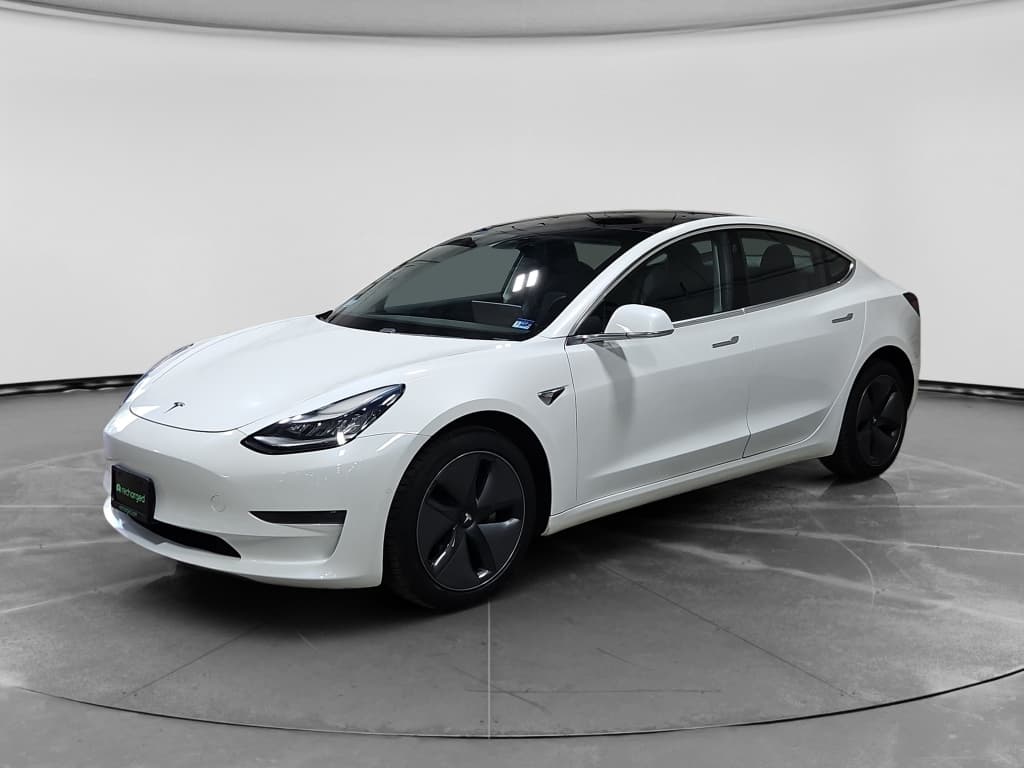
| Tesla Model 3 Long Range | Compact sedan | ≈330–340 | Balanced blend of price, range, and fast‑charging access; popular step‑up from entry EVs. |
These models balance range, price, and everyday usability for shoppers who want to go the distance without blowing the budget.
Watch incentives and total cost
Used long‑range EVs: smart buys with strong range
If you’re open to a used EV, you can often get premium range for a much lower price, especially with earlier long‑range Teslas and the first wave of high‑efficiency Korean and European models. The key is verifying battery health, not just reading the original window‑sticker range.
Examples of used long‑range EVs to consider
Exact range depends on model year, battery pack, and condition, but these nameplates are known for strong original range figures.
Tesla Model S & Model 3 Long Range
For years, these cars set the benchmark for everyday EV range. A well‑cared‑for Model S or Model 3 Long Range can still be an outstanding road‑trip machine, especially as more networks open up to NACS connectors.
When buying used, focus on battery health and charging history rather than just mileage.
Hyundai IONIQ 5 & Kia EV6
These crossovers combine solid range with 800‑V fast‑charge capability. That means you spend less time at the charger on road trips, even if the rated range isn’t at the very top of the charts.
Look for long‑range battery versions and check remaining warranty coverage.
How Recharged helps on used EV range
Ready to find your next EV?
Browse VehiclesEPA vs real‑world range: what you’ll actually see
Official range numbers are a helpful yardstick, but real life rarely looks like a laboratory. Independent testing programs have shown that some popular EVs can deliver 5–23% less range than advertised in mixed driving. That’s not a reason to avoid EVs, it’s a reason to build in a buffer and understand the variables.
- High speeds (75+ mph) can significantly increase energy use compared with the EPA cycle.
- Cold weather reduces battery efficiency and increases heater use, both of which cut into range.
- Big wheels and performance tires look great but often reduce efficiency compared with smaller, aero‑optimized setups.
- Roof racks, bike carriers, or trailers add drag and weight, trimming range further.
- Fast‑charging frequently from very low state‑of‑charge to 100% isn’t ideal for long‑term battery health.
Don’t plan to arrive at 0%
How much EV range do you really need?
The right answer isn’t "as much as possible", it’s as much as you need, with a comfortable margin. Bigger batteries add cost, weight, and sometimes charging time. Here’s how to think about your real requirement.
Match your range to your life, not the spec sheet
Primarily city & suburban driving
Daily round‑trip under 60 miles with easy home or workplace charging.
A 220–260 mile rated range EV is usually plenty, even with winter losses.
Prioritize comfort, efficiency, and value over the very highest range numbers.
Mixed commuting and weekend trips
Daily commute up to 80 miles, plus occasional 150–250 mile weekend drives.
Target 280–330 miles of rated range for easy getaways without constant charging stops.
Fast‑charging speed matters, look for strong DC fast‑charge capability if you road‑trip often.
Frequent long‑distance or rural travel
Regular 200–300 mile highway runs, limited charging infrastructure, or frequent towing.
Aim for 330–400+ miles of rated range, especially in SUVs and trucks that see heavy loads.
Consider the maturity and coverage of the fast‑charging networks you’ll rely on.
Think about charging, not just range
Range checklist for EV shoppers
Key range questions to answer before you buy
1. What’s my longest regular drive?
List the trips you actually take a few times a year, commute, visits to family, favorite weekend spots. Add 20–30% to cover weather, traffic, and detours, and use that number as your minimum comfortable range.
2. Where and how will I charge?
Home Level 2 charging makes shorter‑range EVs perfectly livable. If you rely on public charging, prioritize cars with longer range and stronger DC fast‑charge performance.
3. How important is road‑trip flexibility?
If you love spontaneous 300‑mile weekend drives, a 300+ mile EV will feel less restrictive. If you mainly fly for long trips, you may be better off saving money with a shorter‑range model.
4. Am I okay with a sedan, or do I need an SUV?
If you’re flexible on body style, long‑range sedans are often more efficient and can go farther on the same battery than SUVs. Families or outdoor enthusiasts, however, may gladly trade a few miles of range for extra space.
5. What does battery health look like on a used EV?
For used EVs, don’t just look at the original range rating. Ask for battery health data. With Recharged, your <strong>Recharged Score Report</strong> includes diagnostics that show how much capacity the pack still has and how that affects expected range.
6. How does financing and total cost of ownership pencil out?
A slightly more expensive long‑range EV might save money over time if it fits your driving pattern better and avoids the need for a second car. Recharged can help you run the numbers with EV‑savvy financing and trade‑in options.
FAQs about the best electric cars by range
Frequently asked questions about long‑range EVs
Bottom line: choosing the right long‑range EV
Modern EVs have turned range from a deal‑breaker into a strategic choice. The absolute best electric cars by range now push well past 400 miles, while a growing field of sedans and SUVs sit comfortably in the 300‑mile band at more attainable prices. Used long‑range EVs add even more options if you’re willing to let someone else take the initial depreciation.
Instead of chasing the biggest number on paper, start with your real driving patterns, your charging options, and how often you truly need to drive far without stopping. Then look for an EV that hits your range target with a healthy buffer, charges quickly on the networks you’ll use, and fits your budget.
If you’d like help finding that sweet spot, Recharged can connect you with EV‑specialist support, transparent financing options, trade‑in or consignment for your current vehicle, and a curated inventory of used EVs, all backed by a Recharged Score Report that makes range and battery health clear. That way, when you pick your next electric car, you can be confident it will go the distance for years to come.