If you own a small business, your vehicle isn’t a toy, it’s a tool. The **best electric car for small business owners in 2026** is the one that quietly cuts your operating costs, projects the right image to customers, and still fits your budget and daily routes. With more EV options than ever and major tax-credit changes taking effect, it’s a good time to step back and choose strategically.
Who this guide is for
Why EVs Make Sense for Small Business Owners in 2026
EVs and Small Business: 2024–2026 Snapshot
For small businesses, vehicles are often the second‑largest expense after payroll. An EV can deliver **predictable operating costs**, reduced downtime, and a quieter, more professional impression during customer visits. And while the big federal EV tax credits started phasing out in late 2025, electricity is still cheaper and more stable than gasoline in most regions, so the math can pencil out, especially if you log a lot of miles each year.
Think payment, not price
How to Choose the Right EV for Your Business
Start with your daily use case
- Daily mileage: Add your typical round‑trip distance plus a safety buffer. Most small‑business EVs with 220–260 miles of EPA range feel comfortable for 120–150 mile workdays.
- Cargo & passengers: Do you haul tools, samples, or packages? Need rear seats for clients or staff?
- Driving mix: Mostly city, mostly highway, or a blend? Highway miles eat into rated range faster.
Then weigh features and image
- Brand impression: A sleek crossover or SUV can double as a rolling billboard for your business.
- Tech & safety: Driver‑assist, built‑in navigation with charging, and large touchscreens can reduce fatigue.
- Charging flexibility: If you can install Level 2 at home or at the shop, your options (and savings) expand.
- Range that comfortably covers your **worst** typical day with 25–40% buffer
- Cargo space and roof load for your equipment or samples
- Seat count and comfort if you carry clients or staff
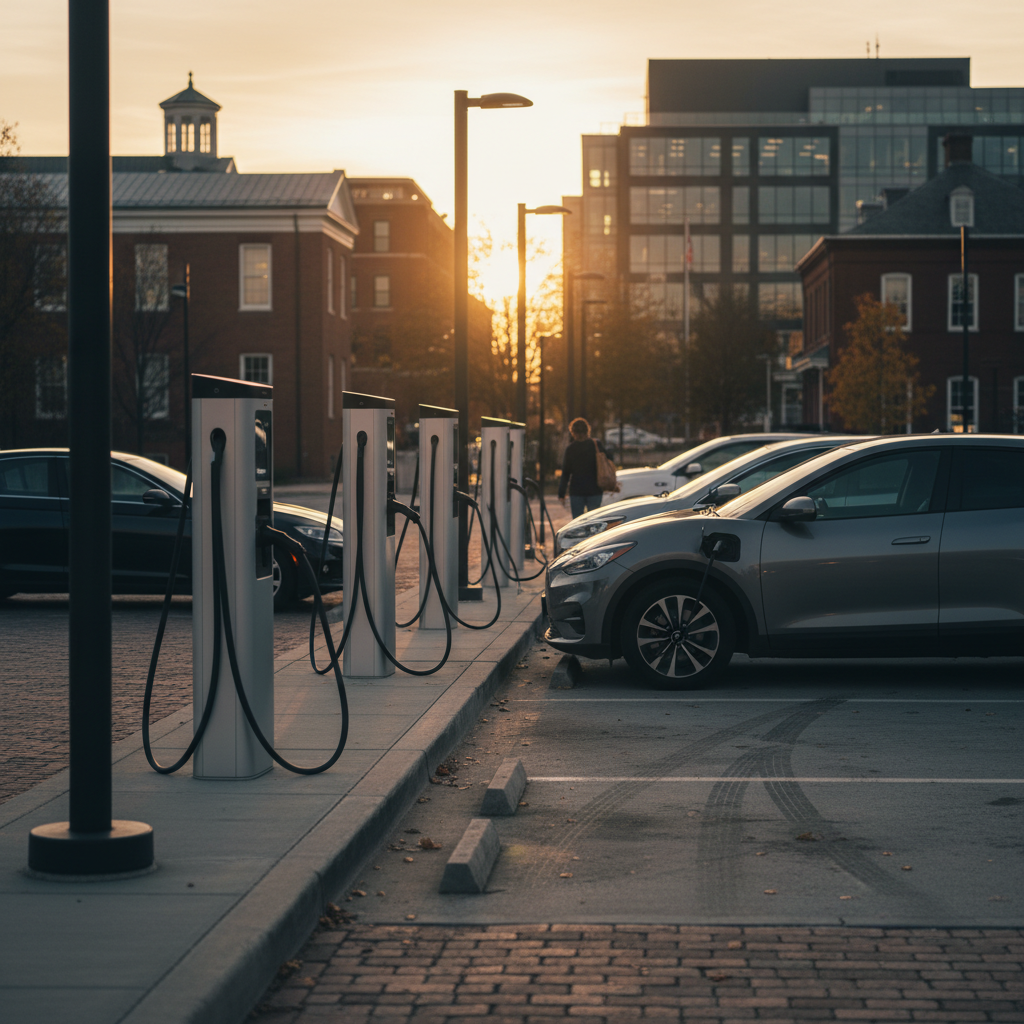
- Charging access at home, office, or along your usual routes
- Warranty coverage and service access in your area
- Resale value and battery health (especially for used EVs)
Best Electric Cars for Small Business Owners in 2026: Shortlist
Quick View: Top 6 EVs for Small Business Owners in 2026
These picks balance cost, range, practicality, and professional image. Exact pricing and availability vary by market.
Kia EV9 (3‑Row SUV)
Best for: Real estate teams, premium client transport, multi‑purpose family + business duty.
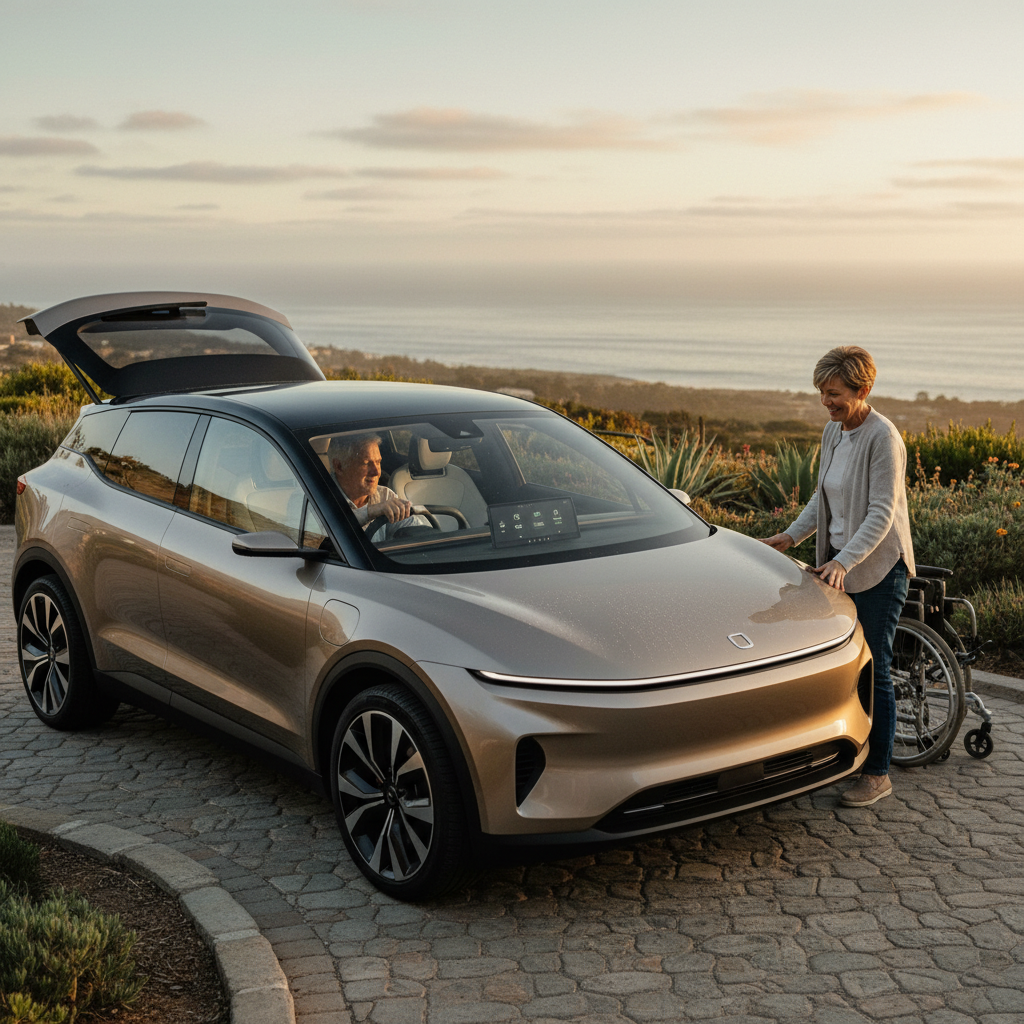
Why it stands out: Award‑winning 3‑row SUV with strong range, upscale cabin, and excellent tech, doubles as personal and business vehicle.
Ford E-Transit & Similar Cargo Vans
Best for: Trades, delivery, catering, and mobile services.
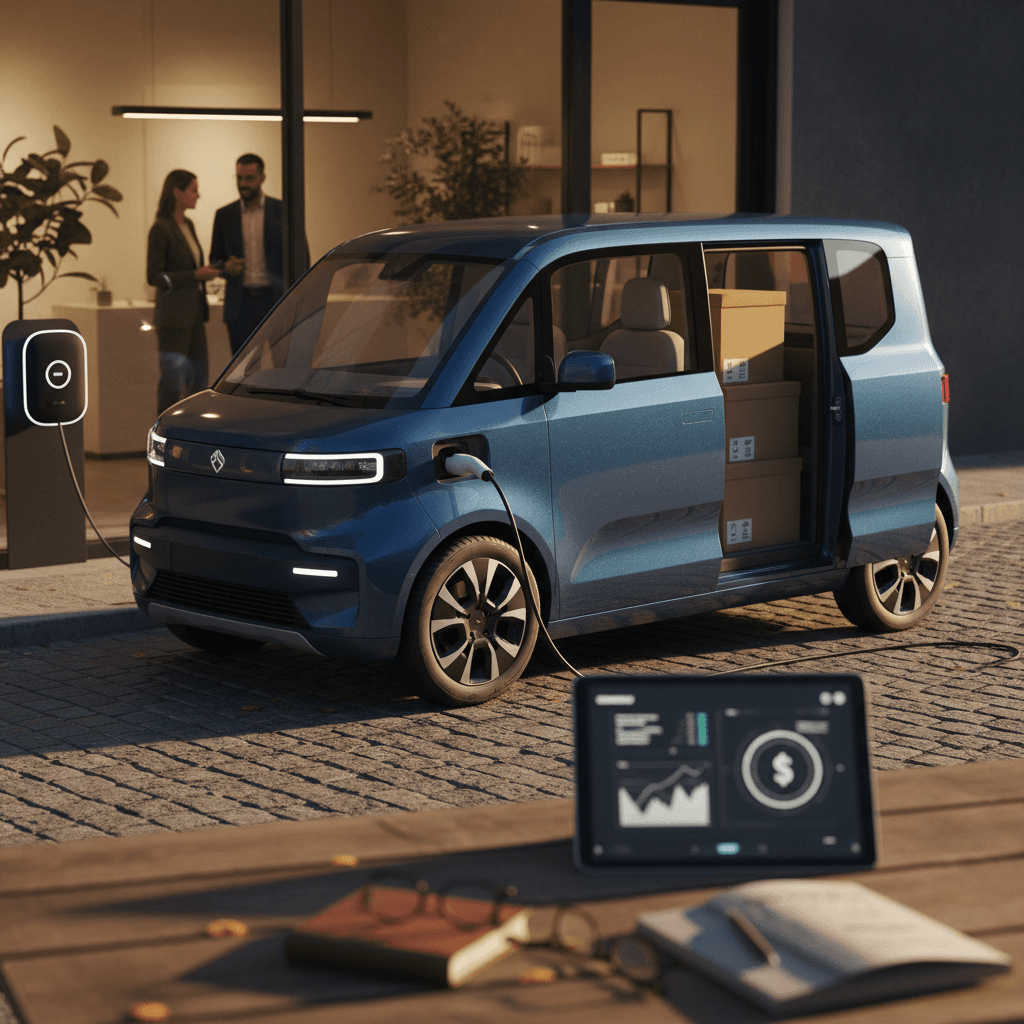
Why it stands out: Big, configurable cargo area, built for city routes where predictable mileage makes EVs shine.
Hyundai Kona Electric & Kia Niro EV
Best for: Solo owners, sales reps, mobile professionals.
Why it stands out: Compact, efficient crossovers with good range and reasonable pricing on the new and used market.
Chevrolet Bolt EV / EUV (Used)
Best for: Budget‑conscious owners who still rack up miles.
Why it stands out: Low purchase price on the used market, simple to charge, easy to maneuver in cities.
Tesla Model 3 & Model Y (Used)
Best for: Image‑sensitive businesses and long‑distance sales routes.
Why it stands out: Access to Tesla’s Supercharger network, strong range, and a tech‑forward feel customers notice.
Volkswagen ID. Buzz Cargo & Other Compact Vans
Best for: Urban deliveries and lifestyle‑oriented brands.
Why it stands out: Eye‑catching design with practical commercial versions where available; great rolling billboard.
Model names will vary by region and year
Model Breakdowns: Top EV Picks by Use Case
Best EV Formats for Common Small Business Use Cases
Use this as a starting point, then drill into specific models and years that match your budget (new or used).
| Use Case | Recommended Format | Example EV Types | Key Advantages |
|---|---|---|---|
| Real estate, consulting, client visits | Mid‑size or 3‑row SUV | Kia EV9, Tesla Model Y, Hyundai Ioniq 5 | Professional image, room for clients and materials, strong safety tech |
| Solo sales rep, field engineer, account manager | Compact crossover / hatchback | Hyundai Kona Electric, Kia Niro EV, Chevy Bolt EUV (used) | Easy to park, solid range, lower purchase price |
| Trades, local delivery, catering | Electric cargo van | Ford E‑Transit, BrightDrop/GM vans, compact city vans | Boxy cargo, shelving options, ideal for city routes |
| Mobile services (pets, detailing, wellness) | Small van or tall hatchback | ID. Buzz Cargo, E‑Transit, used minivan conversion | Room for equipment, branding space on the sides |
| Multi‑purpose family + business | 2‑ or 3‑row crossover | Tesla Model Y, Kia EV9, VW crossovers | One vehicle doing double duty, strong resale potential |
Vehicle examples are illustrative; the used market may offer better value for many buyers.
When you’re shopping, think less in terms of a single model name and more in terms of a **vehicle format that matches your workday**. A compact crossover with fold‑flat seats, for example, can serve a solo consultant, a home‑staging professional, or a mobile IT technician equally well.
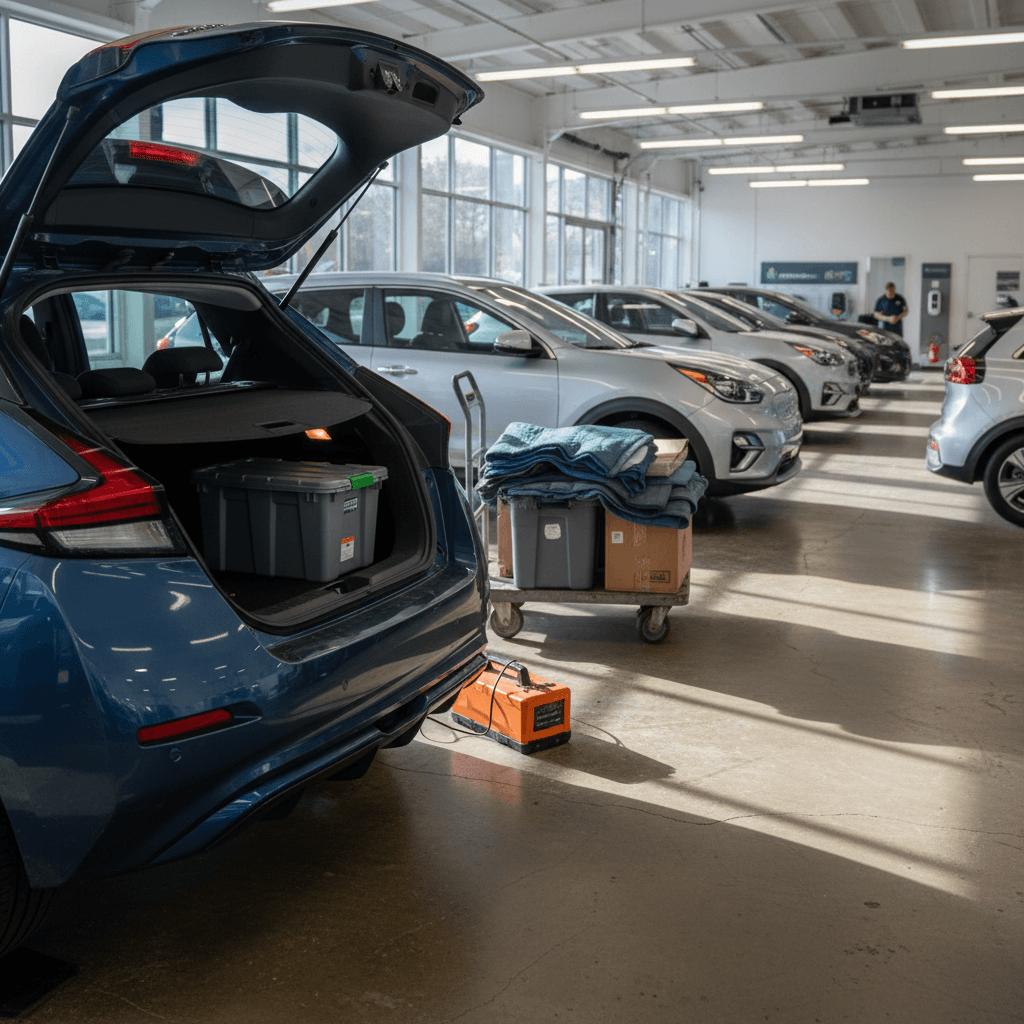
New vs. Used EV: What’s Smarter for a Small Business?
When a new EV makes sense
- Heavy daily mileage: If you’re easily clearing 20,000–25,000 miles per year, starting with a fresh warranty can be comforting.
- Client image is critical: Luxury real estate, boutique consulting, or medical practices may want the latest styling and tech.
- You need specific tech: The newest driver‑assist features, bidirectional charging, or the longest range may only be on current‑model EVs.
Why many small businesses go used
- Lower capital outlay: A 2‑ to 4‑year‑old EV can cost tens of thousands less than a comparable new model.
- Depreciation already hit: Early‑year depreciation is absorbed by the first owner, which can make your books look better later.
- Plenty of range: Many used EVs still offer 200+ miles of real‑world range, more than enough for daily business use.
How Recharged fits in
Understanding Costs: Total Cost of Ownership for Business EVs
For business owners, the right question isn’t “What’s the cheapest EV I can buy?” It’s “What will this vehicle actually cost me per mile over the next three to five years?” That’s **total cost of ownership (TCO)**, and it’s where EVs often shine.
Major cost components
- Acquisition: Purchase price, down payment, or upfront lease cost.
- Financing: Interest on loans, or implied financing in a lease.
- Energy: Electricity vs. gasoline or diesel. Many EV owners effectively pay the equivalent of $1–$1.50 per "gallon" in electricity.
- Maintenance & repairs: Tires, brakes, cabin filters; fewer moving parts than a gas drivetrain.
- Insurance & fees: Registration, business insurance, potential telematics costs.
How EVs typically save money
- Energy: For high‑mileage drivers, fuel savings alone can reach thousands of dollars per year.
- Maintenance: No oil changes; fewer fluids, belts, and wear items mean fewer shop visits.
- Downtime: Scheduled maintenance is simpler and more predictable, time you’re out making money, not sitting in a waiting room.
Run the numbers for your routes
Tax Credits and Policy Changes After 2025
In the early‑to‑mid 2020s, many small businesses leaned on generous federal tax credits to help justify an EV purchase. Under legislation that took effect in late 2025, most **federal EV purchase credits for new, used, and commercial clean vehicles ended for vehicles put into service after September 30, 2025**, and EV charging infrastructure credits are set to sunset for equipment installed after June 30, 2026.
Don’t count on a federal vehicle credit in 2026
- Check your state’s energy or transportation department site for current EV or business‑fleet incentives.
- Talk with your accountant about how to expense or depreciate a business vehicle under current tax law.
- If you install **business** charging (Level 2 or DC fast charging) before mid‑2026, ask your tax pro whether the remaining federal charger credit applies in your situation.
- Remember that even without credits, lower fuel and maintenance costs still make EVs attractive for high‑mileage uses.
Battery Health and Resale Value for Business EVs
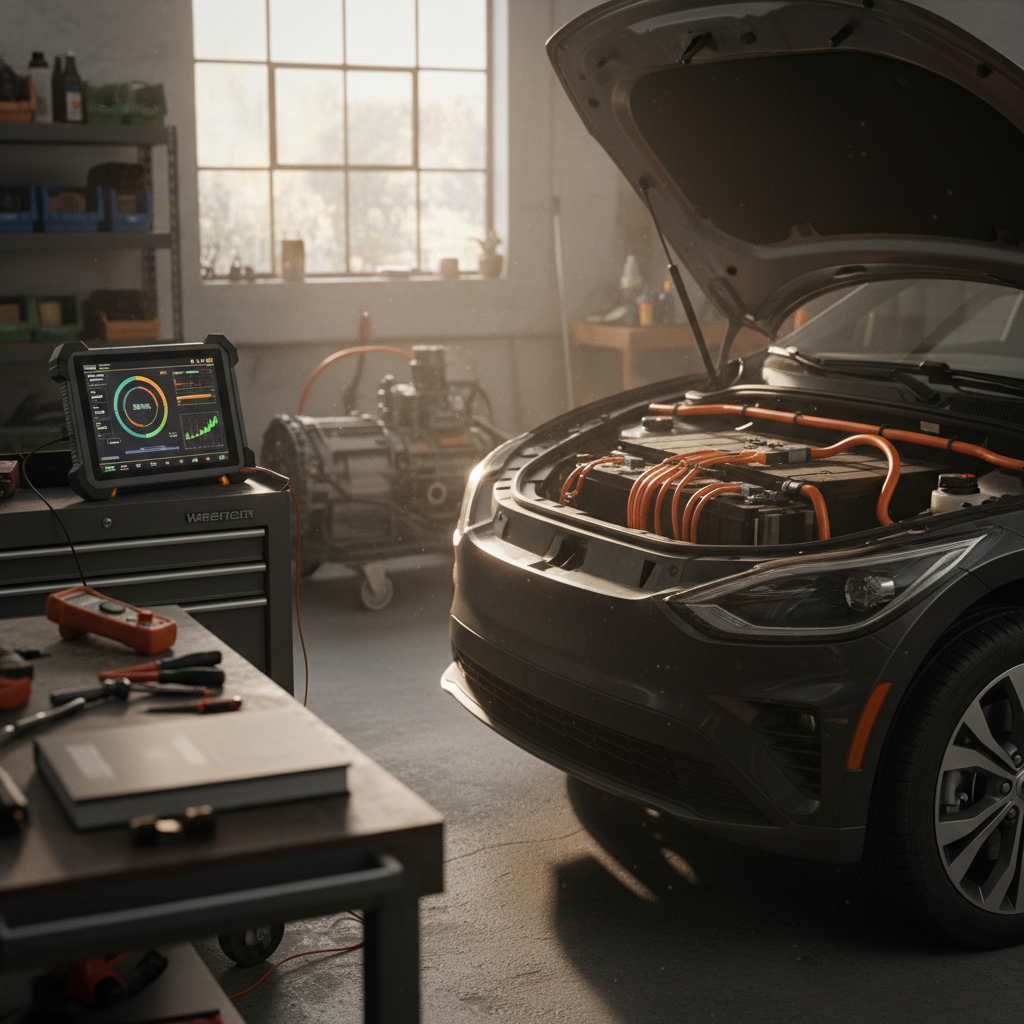
For a small business, an EV’s battery is both its heart and its largest single asset. Healthy batteries deliver consistent range and power; degraded ones shorten your workday or force extra charging stops. When you eventually sell or trade the vehicle, documented battery health can be the difference between a quick, well‑priced sale and a discount‑driven slog.
Why on‑screen range isn’t enough
Marketplaces like Recharged address this by including a Recharged Score Report with every vehicle. That report translates technical battery data into plain English: estimated remaining capacity, real‑world range projections, and how that car compares to similar EVs on the market. As a business owner, that makes it far easier to treat an EV purchase like the capital investment it is, not a guess.
"For a business, an EV shouldn’t be a science experiment. You want to know what you’re getting, what it will cost you per mile, and how it’ll hold up when you’re depending on it day in and day out."
Checklist: Buying an EV for Your Small Business
10-Step EV Buying Checklist for Small Business Owners
1. Define your mission profile
List your typical and worst‑case daily routes, cargo needs, passenger count, and parking constraints. If one vehicle has to cover multiple roles (family + business, for instance), be honest about that upfront.
2. Choose the right vehicle format
Decide whether you need a compact crossover, 3‑row SUV, or cargo van before falling in love with any specific model. Format is much harder to change later than trim or options.
3. Set a realistic total budget
Work backward from a comfortable monthly business outlay, factoring in energy, insurance, and maintenance. Compare that to what you currently spend on your gas vehicle.
4. Decide new vs. used
If you value lower upfront cost and still‑strong range, focus your search on 2‑ to 5‑year‑old EVs with verifiable battery health. If you need the latest tech or very long range, keep new models in the mix too.
5. Plan your charging strategy
Confirm whether you can install Level 2 charging at home or your business location, or whether you’ll rely on public networks. Consider charger installation timelines before you take delivery of the vehicle.
6. Verify service and support nearby
Make sure there’s a dealer or service center within reasonable distance that knows your chosen EV. Ask about parts availability and typical turnaround times for common repairs.
7. Demand battery health documentation
For any used EV, ask for recent battery diagnostics, not just a screenshot of the dash. Buying through <strong>Recharged</strong> or another marketplace that includes a detailed battery report can remove a major unknown.
8. Test‑drive in real conditions
Drive the vehicle on routes that resemble your workday, freeway on‑ramps, stop‑and‑go downtown, and parking maneuvers. Pay attention to visibility, comfort, and how easy it is to load your normal gear.
9. Confirm title and tax treatment
If you’re buying through your business, confirm how the vehicle will be titled and how you’ll depreciate or expense it under current rules. Coordinate the timing with your accountant or tax preparer.
10. Plan for resale from day one
Keep records of battery checks, charging habits, and maintenance. When it’s time to sell, a clean paper trail and a current battery health report can command a higher price or faster sale on platforms like Recharged.
FAQs: Best EVs for Small Business Owners
Frequently Asked Questions
Bottom Line: Which EV Is Best for Your Small Business?
Picking the **best electric car for small business owners in 2026** isn’t about chasing the latest headline model. It’s about matching the right format, compact crossover, 3‑row SUV, or cargo van, to your actual workday, then finding a specific vehicle whose costs and capabilities line up with your business plan.
If you value a premium client experience and long‑distance flexibility, a 3‑row SUV like the Kia EV9 or a used Tesla Model Y might be your best bet. If you care more about keeping costs tight while logging serious miles, used EVs such as the Chevrolet Bolt EV/EUV, Hyundai Kona Electric, and Kia Niro EV deliver impressive value. For trades and delivery work, electric cargo vans are quickly becoming the new normal in city fleets.
Whichever direction you lean, new or used, treat battery health, charging access, and total cost of ownership as non‑negotiables. And if you decide a used EV is the smarter move, consider browsing options through a specialist marketplace like Recharged, where every vehicle includes a Recharged Score battery health report, fair‑market pricing, and EV‑savvy support from first search to final signature.