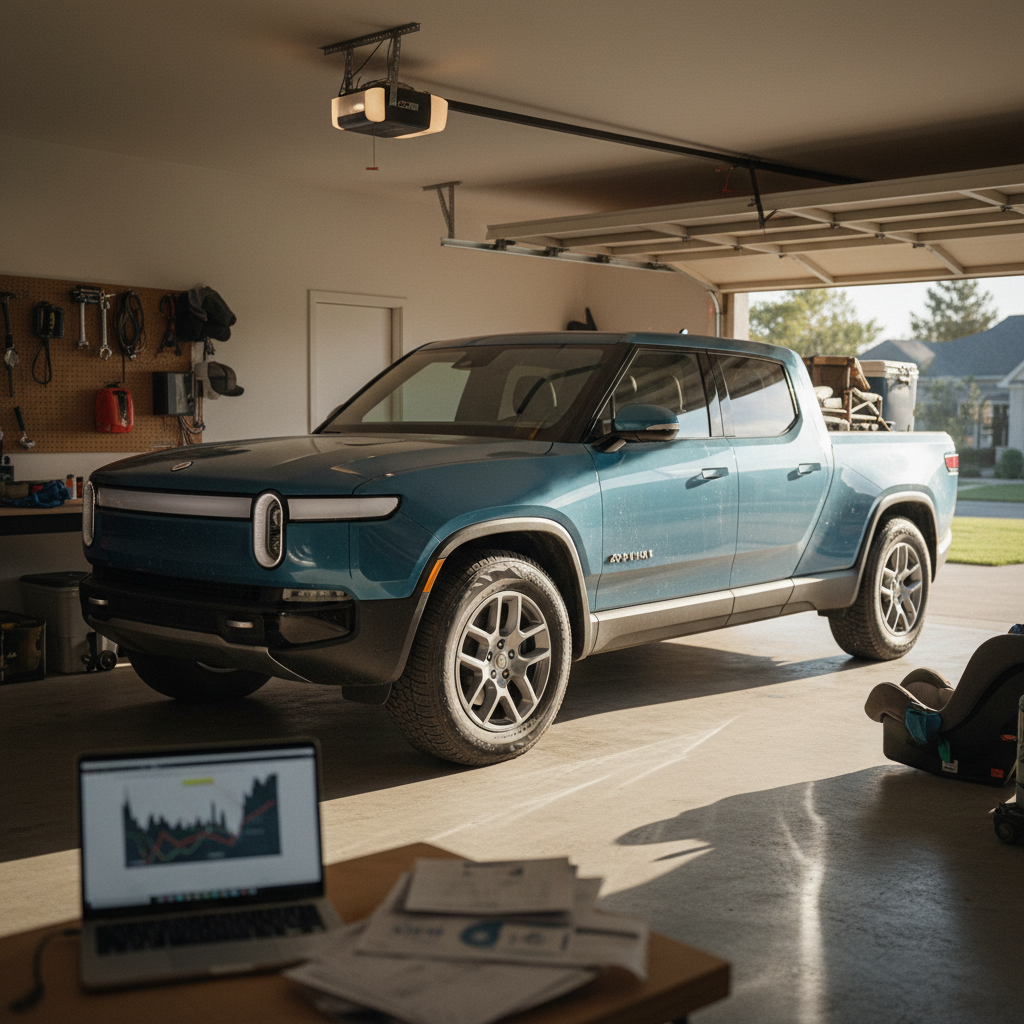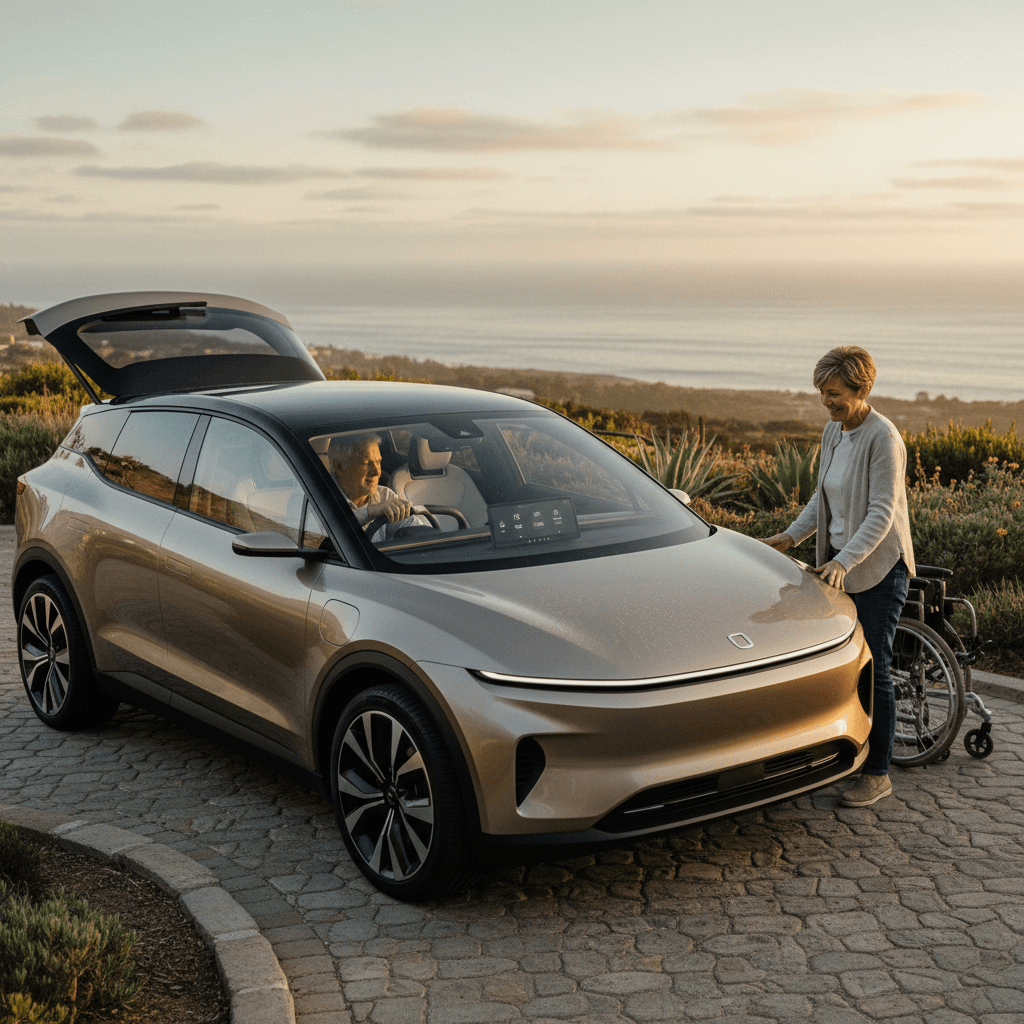
If you’re retired and thinking about going electric, you’re not alone. EVs are quieter, simpler to drive, and cheaper to run than gas cars, big wins when you’re watching your budget and planning more time on the road. The challenge is figuring out the best electric car for retirees in 2026 when there are so many choices and so much new tech to sort through.
Who this guide is for
Why retirees are embracing EVs in 2026
Why an EV can be a smart retirement car
Surveys over the last two years show EV reliability improving, even if some models still have more issues than comparable gas cars. For retirees, the bigger story is day-to-day experience: no trips to the gas station, one-pedal driving that’s easy on joints, and the ability to pre-heat or pre-cool the cabin from a phone or key fob before you ever step outside.
Think about today’s habits, not yesterday’s commute
What makes an electric car good for retirees?
Key features retirees should look for in an EV
Comfort and simplicity matter more than 0–60 times
Easy entry and comfort
Look for a higher seating position so you can slide in rather than drop down or climb up. Test:
- Seat height and thigh support
- Adjustable lumbar support
- Soft, compliant ride over bumps
Great visibility
Large windows and thin pillars help with confidence at intersections and in parking lots. Check:
- Rear visibility with headrests up
- Standard rear camera and parking sensors
- Optional 360° surround-view system
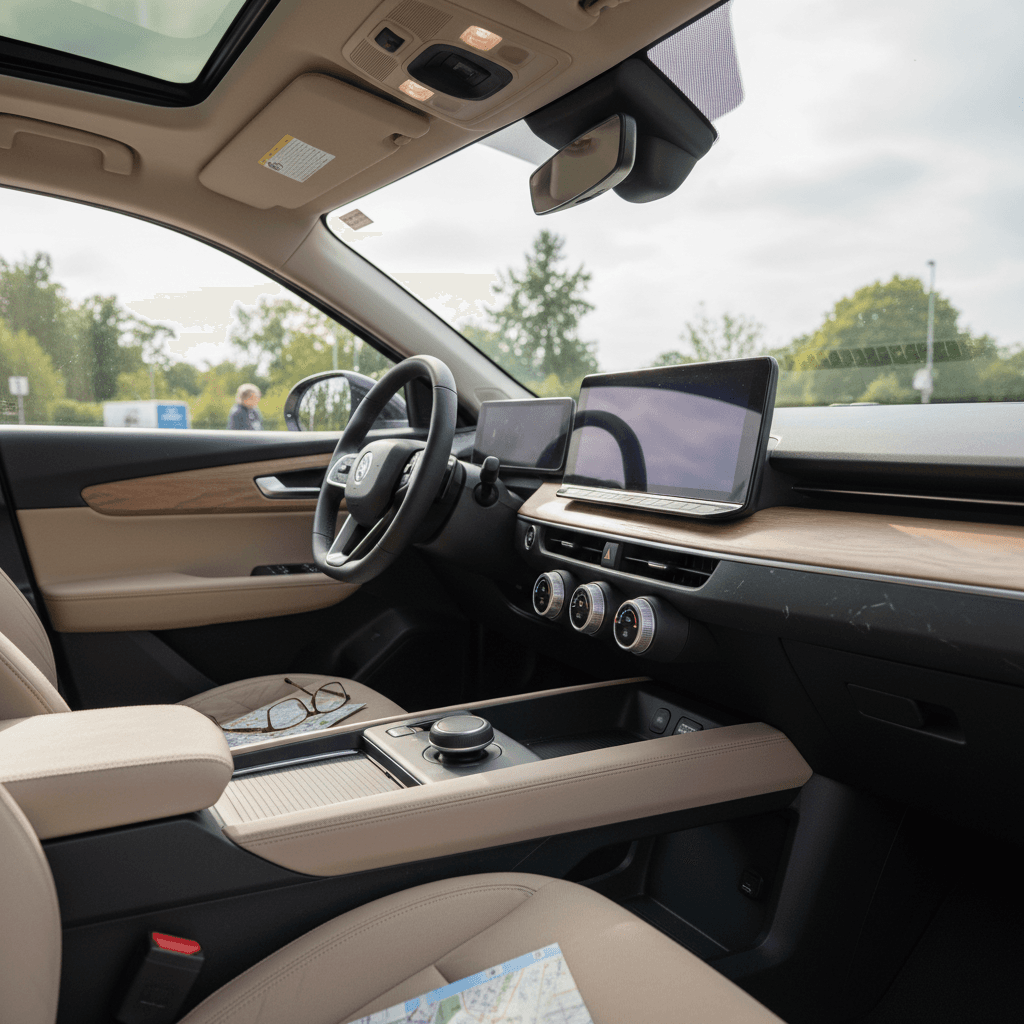
Simple, intuitive controls
Not all screens are created equal. For retirees, the best EVs combine:
- Physical knobs for volume & climate
- Clear, high-contrast fonts
- Plain-English menus, not tiny icons
Safety and driver assistance
Many retirees rank advanced driver-assistance systems (ADAS) as must-haves. Prioritize:
- Automatic emergency braking with pedestrian detection
- Blind-spot monitoring and rear cross-traffic alert
- Lane-keeping assist that’s gentle, not grabby
- Adaptive cruise control for highway trips
Accessibility and ownership costs
The right EV should make life easier physically and financially:
- Wide-opening doors and low step-over height
- Room for mobility aids, golf clubs, or grandkids’ gear
- Reasonable upfront price or payment, especially used
- Warranty coverage on the battery and electric components
Watch out for overly complex interiors
Quick picks: best electric cars for retirees in 2026
Top electric cars for retirees in 2026 by use case
These picks favor comfort, ease of use, and value, with an emphasis on trims widely available new and used in the U.S.
| Use case | Model | Why it works for retirees | Approx. EPA range | Best as |
|---|---|---|---|---|
| Easiest to own on a budget | Nissan Leaf (2023–2024 used) | Simple controls, small footprint, affordable used pricing | 149–212 miles | First EV or city runabout |
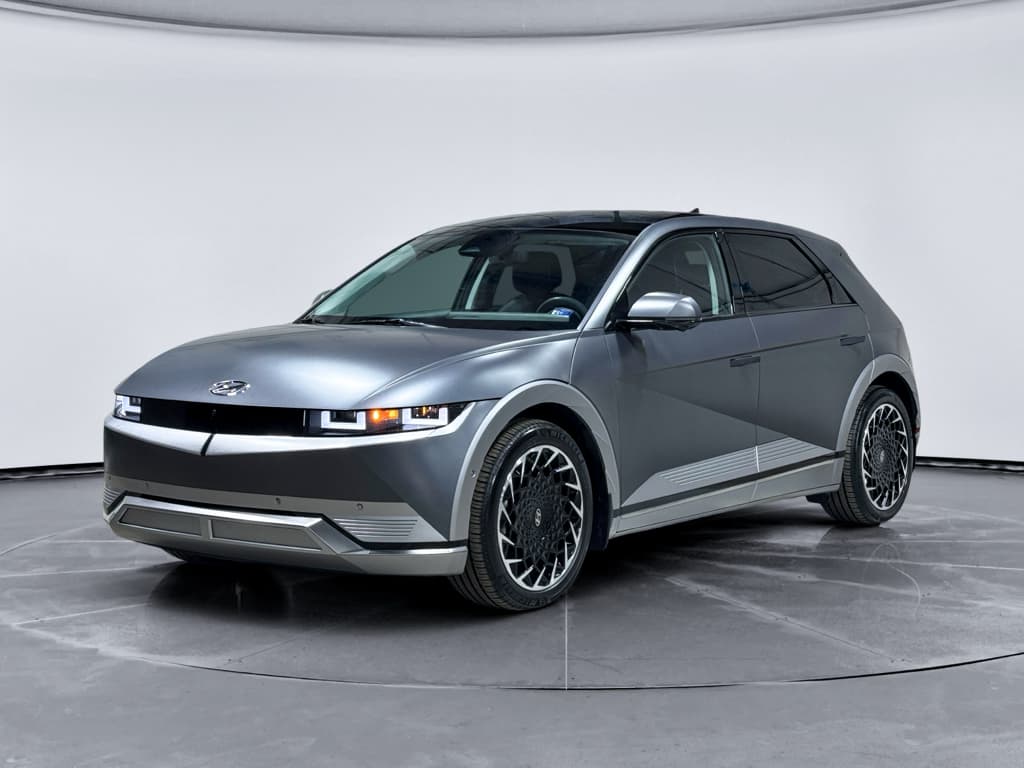
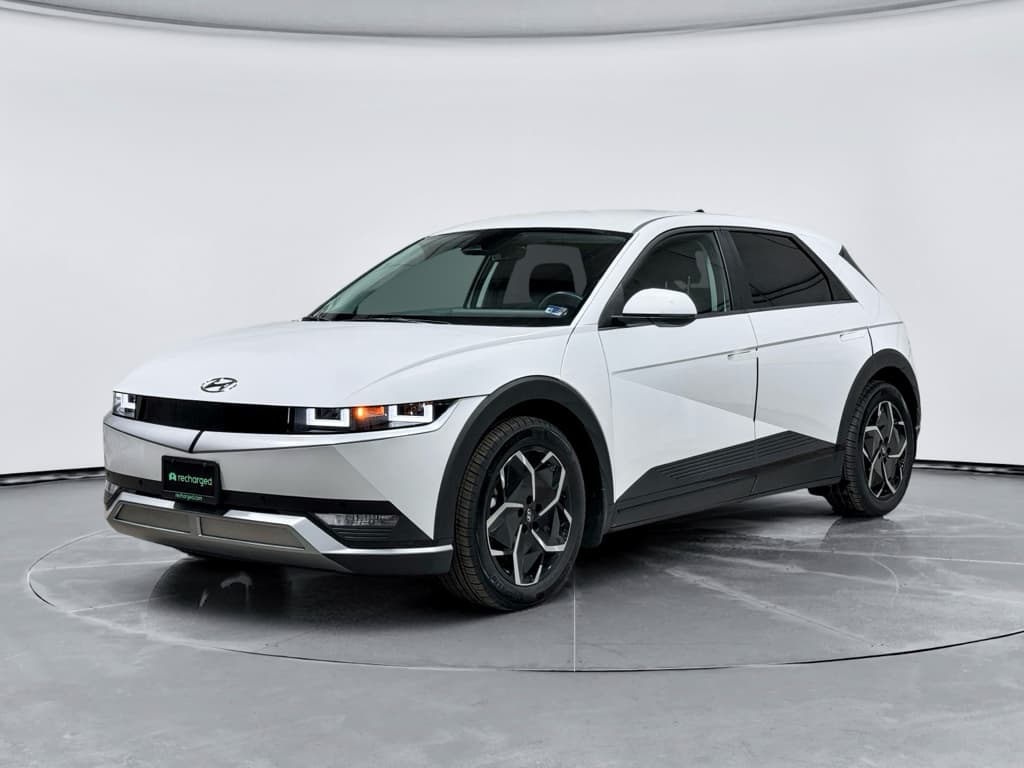
| Small, comfortable crossover | Hyundai Ioniq 5 | High seating, smooth ride, excellent safety tech | 220–320+ miles | Daily driver + trips |
| Roomy, high seating SUV | Kia EV9 | Three-row space, high driving position, strong safety ratings | 270–300+ miles | Grandkids & road trips |
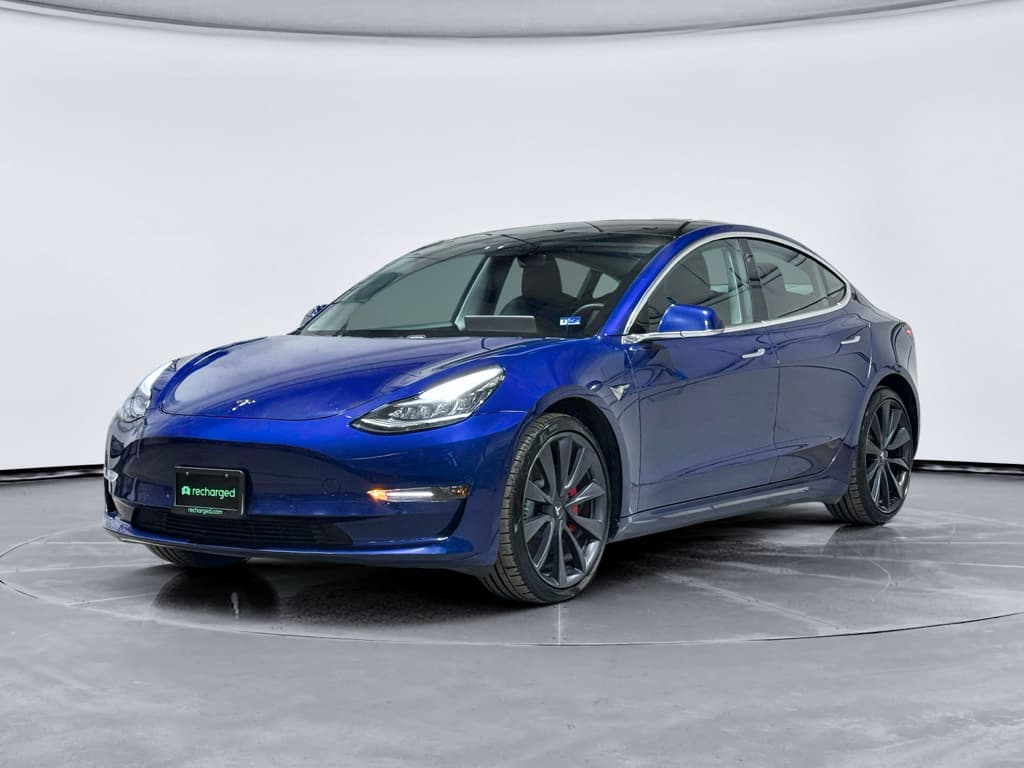
| Sporty yet accessible sedan | Tesla Model 3 (RWD or Long Range) | Smooth ride, strong ADAS, great charging network | 270–333+ miles | Retirees who still love driving |
| Value-focused compact SUV | Chevrolet Equinox EV | User-friendly tech, upright seating, aggressive pricing | 250–300+ miles (est.) | Budget-friendly all-rounder |
Ranges are manufacturer estimates; real-world results vary with weather and driving style.
New or used? A quick rule of thumb
Best small and easy-to-park EVs
If you live in a city, a condo, or just hate hunting for wide parking spaces, a smaller EV can be less stressful. Here are top picks that are compact outside but still comfortable inside.
Small EVs that work well for older drivers
Easier to maneuver, easier to live with
Nissan Leaf (used, 2020–2024)
The Nissan Leaf has been a senior favorite for years. It’s not the flashiest EV, but that’s exactly the point.
- Simple, familiar controls with physical buttons
- Soft ride and excellent visibility
- Affordable used pricing and often low-mileage examples
- Ideal if you mostly do local driving under 70–80 miles a day
Tip: Aim for the newer "Plus" versions if you want more range.
Chevrolet Bolt EV / EUV (used, 2022–2025)
The Chevy Bolt hatchback and slightly larger EUV version are nimble and surprisingly roomy for their footprint.
- High seating in the EUV with good headroom
- Easy-to-use infotainment and clear gauges
- Excellent value on the used market after 2024 price cuts
- Range typically 230–260 miles when new; test range on a drive
Parking helpers are worth it
Best comfortable crossovers for active retirees
If you take weekend trips, visit kids in other states, or just want an easier time getting in and out, a compact or midsize crossover is often the sweet spot for retirees. These models ride higher than a sedan but aren’t as bulky as a full-size SUV.
Hyundai Ioniq 5
The Hyundai Ioniq 5 has quietly become one of the best all-around EVs on the market and regularly wins family and EV awards. For retirees, its strengths line up nicely with real-world needs:
- Upright seating and wide-opening doors
- Spacious, flat-floor cabin that’s easy to move around in
- Comfortable, compliant ride that soaks up rough pavement
- Intuitive mix of buttons, knobs, and touchscreen
Look for trims with a full suite of Hyundai’s Highway Driving Assist if you do regular highway miles.
Volvo EX30 and similar compact crossovers
If you want something smaller but still premium-feeling, the Volvo EX30 and similar compact EV crossovers offer:
- High seating position in a tidy footprint
- Strong safety focus typical of Volvo
- Advanced driver-assist features on upper trims
- Quiet, refined cabins for longer drives
Just be sure the touchscreen-centric controls feel comfortable to you; some retirees prefer more physical buttons.
Awards to watch for
Best roomy and accessible EVs for grandkids and gear
If grandkids, road trips, or hobbies that require hauling gear are a big part of your life, you may want something with more space and towing capability. These larger EVs cost more, but they can replace a minivan or three-row SUV while still slashing fuel and maintenance costs.
Larger EVs retirees should consider
When you need space, comfort, and range
Kia EV9
The Kia EV9 is a three-row electric SUV that’s already snagged major awards for being one of the best electric family vehicles.
- High, commanding driving position and easy step-in height
- Room for kids and grandkids across three rows
- Strong safety and driver-assist tech suite
- Good real-world range for road trips when planned with charging stops
If you don’t always need all three rows, a two-row trim with more cargo space may be easier to live with.
Hyundai Ioniq 9 / other midsize EV SUVs
Hyundai’s larger EV SUVs (such as the Ioniq 9) and similar midsize EVs from other brands give retirees:
- Plenty of cargo and passenger space
- Comfortable, quiet highway manners
- Advanced driver assistance suited to long-distance touring
- Configurations with bench or captain’s chairs in back
Be realistic about size
Why a used EV can be the smartest choice in retirement
Retirees are often value-focused, and EVs depreciate faster than many gas cars, especially in the first three years. That makes the used EV market a sweet spot if you’re comfortable buying a vehicle that’s a model year or two old.
Advantages of a used electric car for retirees
Lower purchase price or monthly payment
The steepest depreciation usually happens in the first 2–3 years. You can often buy a well-equipped used EV for thousands less than new, lowering your payment or even enabling a cash purchase.
Range that’s still more than enough
Many used EVs started with 230–300+ miles of range when new. Even with some battery degradation, that’s more than enough for typical retiree driving and regular regional trips with planned fast-charging stops.
Known reliability story
By 2026, we have several model years of real-world data on popular EVs. You can choose models with a track record of solid reliability and avoid early versions that had more issues.
Existing incentives and lower insurance
In some states and with some insurers, used EVs can qualify for incentives or slightly lower premiums than brand-new models. It’s worth asking your agent to price both scenarios.
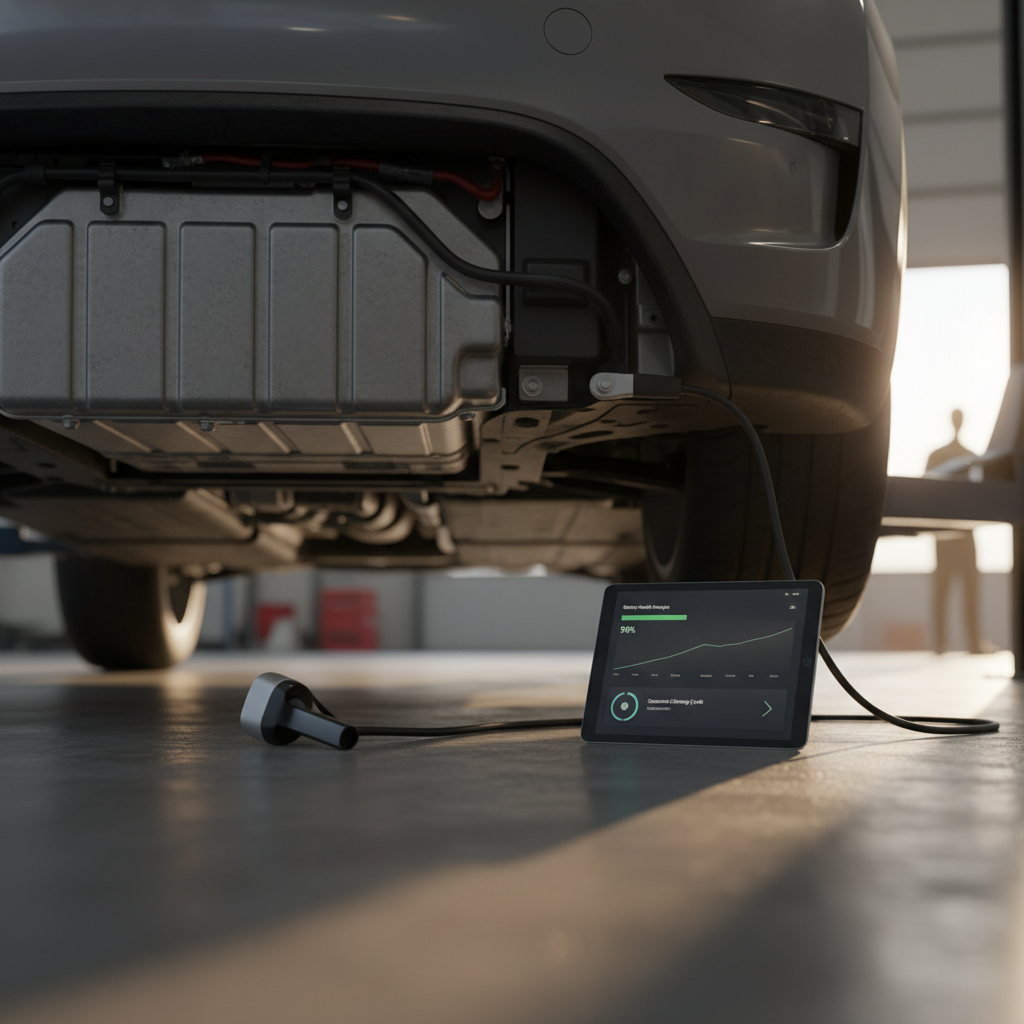
Battery health matters, verify it
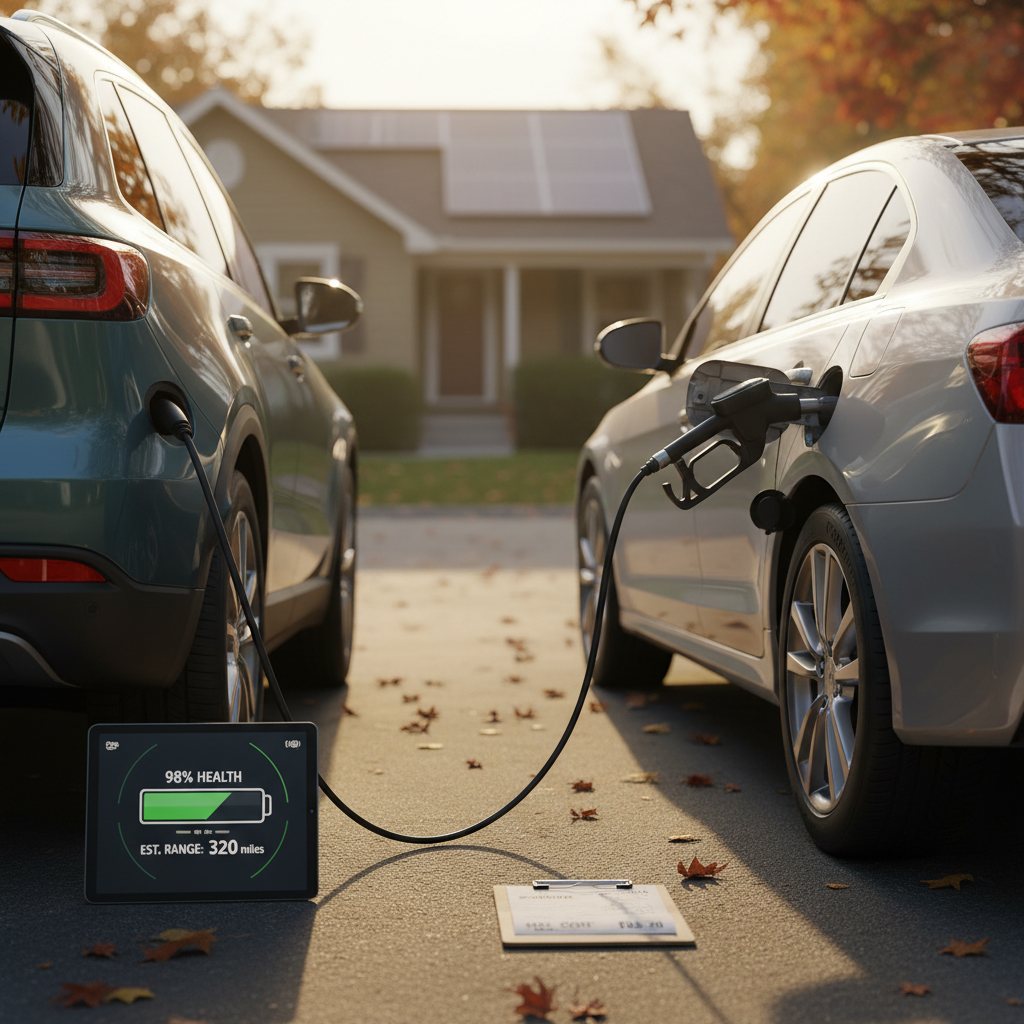
This is where a specialist marketplace like Recharged can help. Every used EV listed includes a Recharged Score Report with verified battery health, fair-market pricing analysis, and expert notes. That makes it much easier to understand whether a 5-year-old EV still has the range and longevity you need.
How to choose the right EV for your retirement lifestyle
Step-by-step: match an EV to your lifestyle
1. Map a typical week of driving
Write down how many days you drive, typical trip lengths, and the longest trip you make in a normal week. Most retirees find they drive far fewer miles than they once did, which opens up more EV options.
2. Decide who and what you carry most often
Is it mostly just you and a partner, or do you regularly haul grandkids, friends, or bulky items? This will steer you toward a hatchback, compact crossover, or full-blown SUV.
3. Try different seating heights and door openings
Visit a dealer or EV retailer and get in and out of several models. Pay attention to how your knees, hips, and back feel. The “right” EV is one you can enter and exit comfortably on your worst day, not just your best.
4. Test the tech at low speed first
On a test drive, start in a parking lot and low-speed streets to try the shifter, regen braking levels, cameras, and audio controls. You shouldn’t have to think hard to do basic tasks.
5. Confirm driver-assist settings work for you
Try adaptive cruise and lane-keeping on a short highway stretch. Some systems feel smooth and supportive; others are too aggressive. Don’t hesitate to turn a car down if the tech feels stressful.
6. Run the numbers on total cost, not just price
Compare payment, charging costs, and expected maintenance with your current car. Many retirees find that a slightly higher purchase price is offset by hundreds of dollars a year in fuel and maintenance savings.
Charging and range planning for retirees
For many older drivers, charging is the biggest unknown. The good news: if you have a driveway or garage, day-to-day charging can be nearly invisible. Plug in when you get home, wake up with a “full tank” most mornings.
Home charging: the ideal retiree setup
- Level 1 (120V): Uses a standard outlet. Adds ~3–5 miles of range per hour. Fine if you drive very little.
- Level 2 (240V): Uses a dryer-type outlet or dedicated circuit. Adds ~20–40 miles per hour, enough to fully recharge overnight.
- Smart scheduling: Many EVs and chargers let you charge automatically during off-peak electricity hours to save money.
If you’re not comfortable dealing with electricians, an EV-focused retailer or service can help coordinate a safe installation.
Public fast charging for trips
- DC fast charging can add 150–200+ miles in 20–30 minutes on many newer EVs.
- Use built-in navigation or apps to plan stops at major highway chargers.
- If you choose a Tesla or EV with a NACS port, you’ll have wide access to Tesla’s Supercharger network as it opens to more brands.
- For mobility, plan bathroom and snack breaks to coincide with charging stops.
Plan your first road trip around chargers, not hotels
Frequently asked questions: best EVs for retirees in 2026
FAQ: electric cars and retirement
Bottom line: the best electric car for retirees in 2026
The best electric car for retirees in 2026 isn’t the one with the biggest screen or quickest 0–60 time. It’s the one that you can get in and out of easily, see clearly out of, operate without stress, and afford comfortably on your retirement budget.
For many older drivers, that means a compact or midsize crossover like the Hyundai Ioniq 5 or a similar EV from Kia, Chevrolet, or Volvo. If you mostly drive around town and want to keep costs down, a used Nissan Leaf or Chevy Bolt can be a smart, low-risk starting point, especially when you have verified battery health in hand.
If you’re ready to explore options, Recharged can help you compare used EVs side by side, understand each car’s battery condition through the Recharged Score, arrange financing, trade-in, or consignment, and even handle nationwide delivery. That way, you can spend less time worrying about the technology and more time enjoying where retirement takes you.