If you’re comparing the **best electric car for people with disabilities in 2026**, you’ve probably already discovered the problem with most lists: they throw out a few nameplates and ignore how wildly different disabilities, bodies, and daily routines actually are. The reality is that the “best” EV for a wheelchair user who drives from their chair, for someone with chronic pain, or for a neurodivergent driver will not be the same vehicle.
One car rarely fits all
Why accessible EVs matter in 2026
In the U.S., tens of millions of adults live with disabilities that can affect driving, ranging from mobility impairments and arthritis to low vision, hearing loss, or cognitive conditions. At the same time, electric vehicles are becoming mainstream transportation rather than a niche. If disabled drivers are boxed out of EV adoption by bad design or lack of information, the transition to electric simply isn’t equitable.
EVs, disability, and access in 2026
Important safety note
Disability and EVs: start with your needs, not just a model list
When people search for the **best electric car for people with disabilities 2026**, they’re usually offered a generic top‑10 list. A better approach is to **start from your functional needs** and then map those to EV body styles and specific models.
Common mobility‑related needs
- Limited leg strength or paralysis requiring hand controls.
- Difficulty bending or twisting to get into low cars.
- Need to transfer from a wheelchair or scooter into the driver’s seat.
- Need to remain in a wheelchair while driving or riding.
- Chronic pain or fatigue that makes long reaches and heavy doors a problem.
Non‑mobility conditions that still affect driving
- Low vision or hearing that benefits from strong ADAS alerts.
- Neurodivergence or brain injury where sensory load and simple controls matter.
- Anxiety where lane‑keeping, adaptive cruise, and parking aids reduce stress.
- Conditions that flare unpredictably, where hands‑free features or shared‑driving tech help.
Bring your team into the process
Key accessibility features in electric cars
Rather than hunting for one “disability car,” you’ll get better results by targeting EVs with the right **accessibility‑friendly features** and enough aftermarket support.
Core features that make an EV more disability‑friendly
Use this as your short list when you compare models
Seating height & doorway
For many drivers, a **small crossover or compact SUV** hits the sweet spot: you slide laterally rather than drop down or climb up.
- Hip point near standing height.
- Wide, tall door opening.
- Minimal door sill to step over.
Doors, handles & controls
Look for:
- Large door openings that stay open on inclines.
- Conventional door handles (not tiny flush tabs) if you have grip issues.
- Physical buttons for climate and volume if touchscreens are hard to use.
Adaptive‑equipment compatibility
Most modern EVs can accept hand controls, left‑foot accelerators, or pedal guards, but installers favor models with:
- Room under the steering column.
- Robust mounting points.
- Simple pedal geometry.
Visibility & cameras
High seating, large glass area, and **good camera quality** help if you have limited neck mobility or low vision.
Clear 360° or parking views can matter as much as mirror size.
Driver‑assist (ADAS)
Adaptive cruise, lane‑centering, rear cross‑traffic alert, blind‑spot monitoring, and automatic emergency braking are huge for many disabled drivers.
In 2026, many EVs add **hands‑free highway features** on mapped roads, which can reduce fatigue.
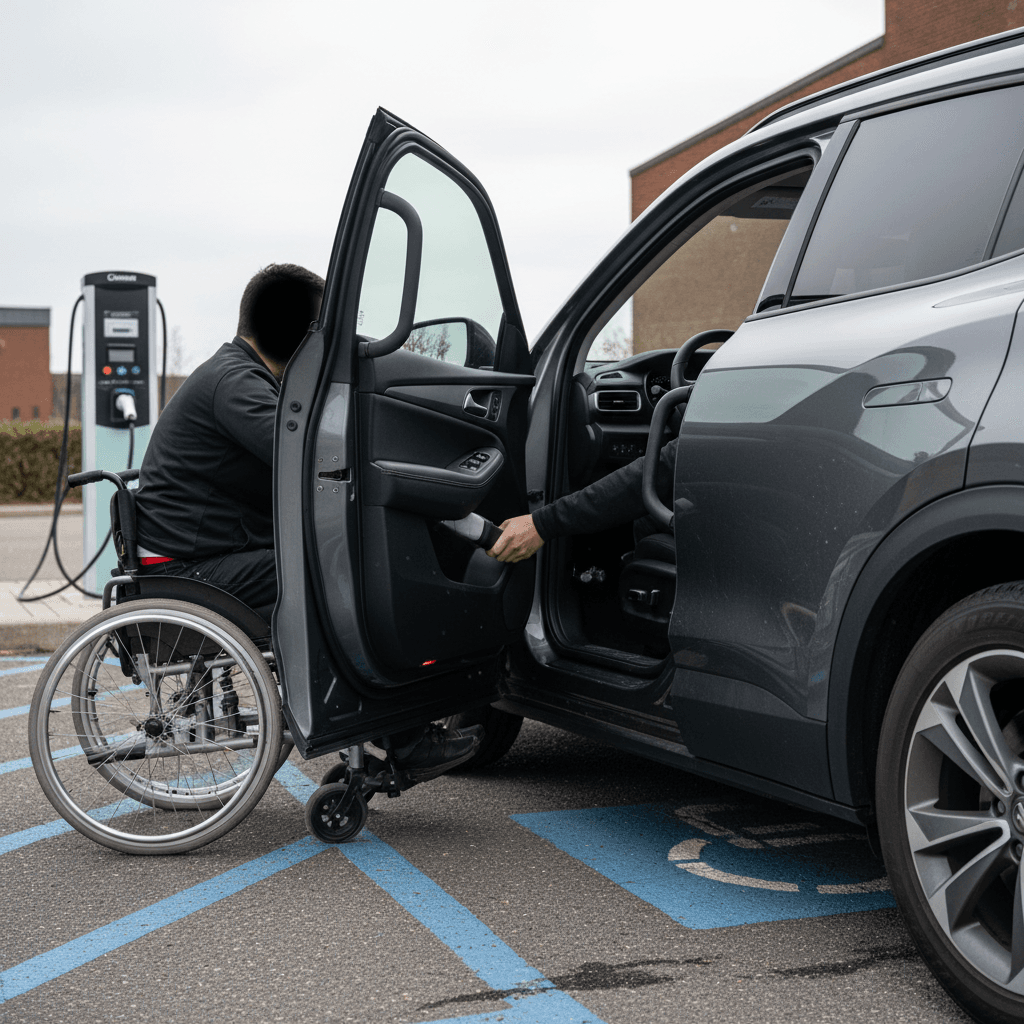
Charging access
A car that’s easy to drive but hard to charge isn’t truly accessible.
- Charge port near the driver side, low enough to reach.
- Home charging near a ramp or wide path.
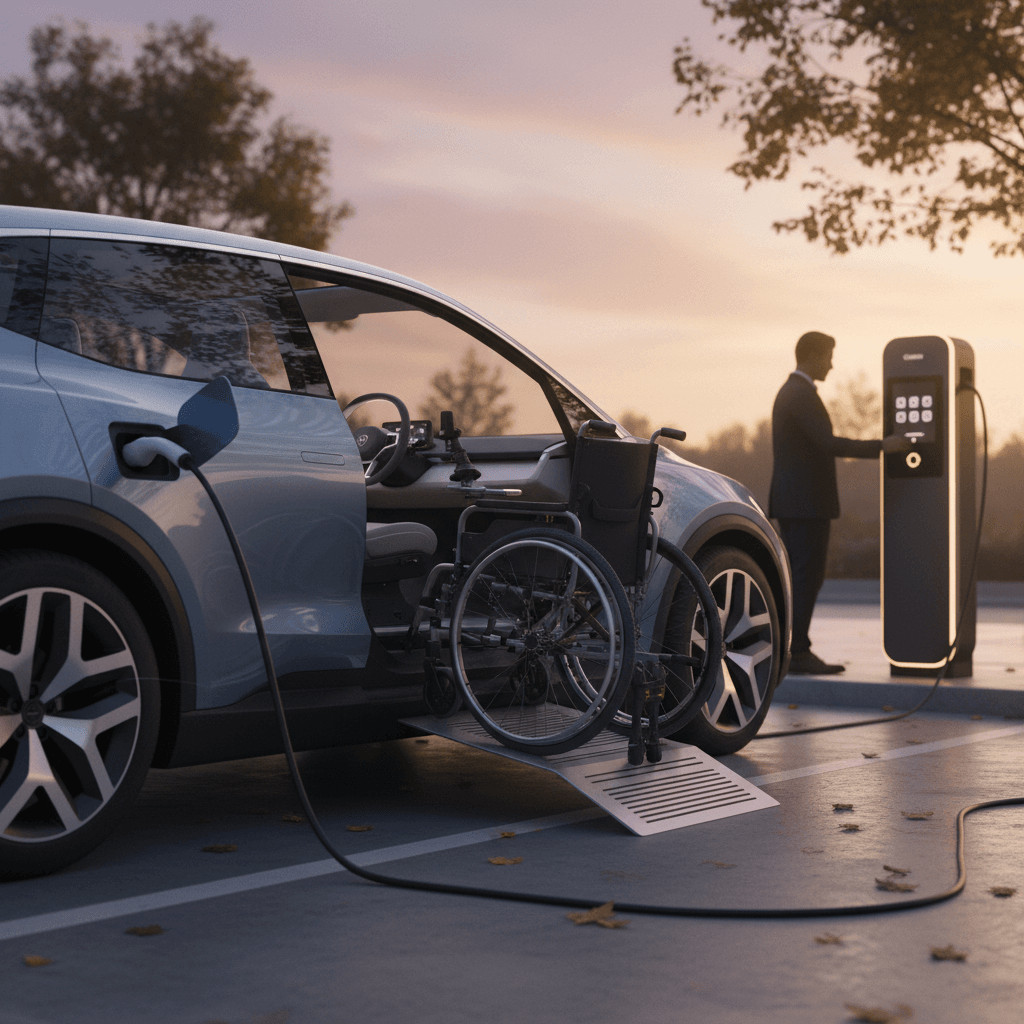
- Public chargers with space to deploy a ramp or lift.
Don’t assume any EV is pre‑approved for you
Best electric cars for people with disabilities in 2026: shortlist
With those principles in mind, here’s a **shortlist of EVs** that tend to work well for many disabled drivers in 2026. This is **not** a ranking from best to worst; it’s grouped by common use cases and focuses on models widely available in the U.S., especially on the used market where Recharged operates.
EVs that often work well for disabled drivers (2026)
Always verify compatibility with your adaptive‑equipment installer and test‑drive your specific configuration.
| Use case / priority | Example EVs (2024–2026 model years) | Why they’re compelling for accessibility |
|---|---|---|
| Easier entry & exit, higher seating | Tesla Model Y, Hyundai Ioniq 5, Kia EV6, Volkswagen ID.4 | Compact‑SUV ride height, wide doors, flat floors, and large hatch openings for mobility gear. |
| Strong driver‑assist & hands‑free highway help | Ford Mustang Mach‑E (BlueCruise‑equipped), Cadillac Lyriq (Super Cruise), Hyundai Ioniq 5/6 (Highway Driving Assist), selected BMW and Mercedes EQ models | Lane‑centering, adaptive cruise, and, on some trims, hands‑free highway driving on mapped roads reduce fatigue on longer trips. |
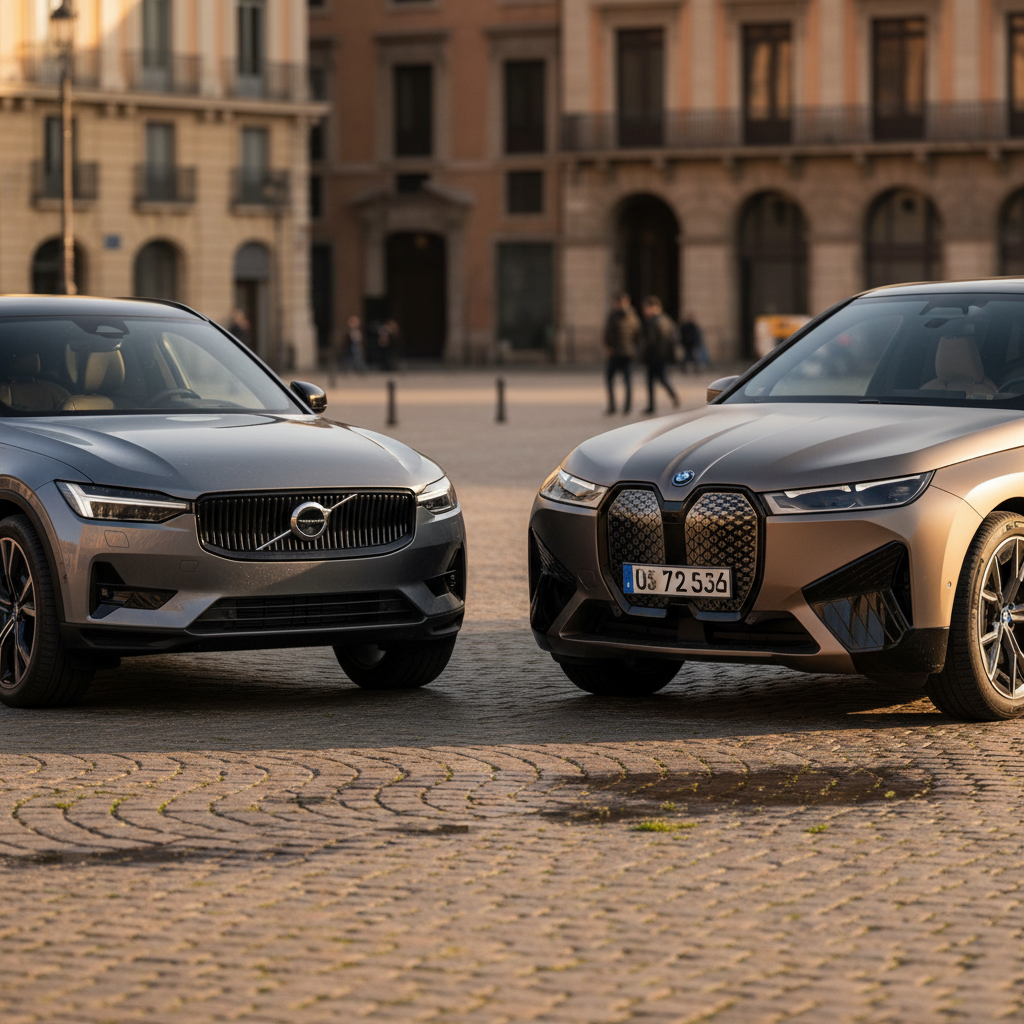
| Simple, intuitive controls and calmer cabins | Kia EV6, Hyundai Ioniq 5, BMW i4/iX, many newer Volvos and Polestars | More physical buttons than screen‑only setups; good sound insulation and adjustable driver‑assist alerts help neurodivergent drivers and those with sensory sensitivity. |
| Cargo space for mobility devices | Volkswagen ID.4, Tesla Model Y, Kia EV9, Hyundai Ioniq 5 | Large rear openings and flexible rear seating make it easier to load wheelchairs or scooters without complex lifts. |
| Budget‑friendlier used EVs | Chevy Bolt EUV (while available used), Nissan Leaf Plus, older Hyundai Kona Electric and Kia Niro EV | Lower purchase prices, compact size for city driving, and decent headroom. Good pairing with basic hand‑control installs. |
| Emerging WAV / shuttle platforms (mostly fleets) | Kia PV5 wheelchair‑accessible variant, dedicated electric shuttles from mobility converters | Designed around ramps, tip‑up seating near wheelchair positions, and flat floors. These are more often purchased as commercial WAVs than private family cars. |
These models combine relatively easy access, strong driver‑assist tech, and decent aftermarket support.
How Recharged can help
Ready to find your next EV?
Browse VehiclesWheelchair‑accessible EV options: today and coming soon
If you or a family member **stays in a wheelchair to ride or drive**, the question changes from “which EV is best?” to “which platforms can safely be turned into a wheelchair‑accessible vehicle (WAV)?” In 2026 that ecosystem is still maturing, but there are real options, mostly vans, crossovers, and small commercial EVs.
- Factory‑engineered WAV EVs are emerging overseas, like Kia’s PV5 wheelchair‑accessible variant, with a low, flat floor, integrated ramp, and seating layouts that let a caregiver sit beside, not behind, the wheelchair position.
- In North America, most WAV EVs are still **conversions** built by mobility specialists on top of vans and crossovers (for example, taking an electric van or three‑row SUV and adding a lowered floor, ramp, and tie‑downs).
- Niche urban EVs like the Chairiot Solo or microcars in Europe show what a purpose‑built wheelchair‑driver setup can look like, but they’re limited to low speeds or specific markets.
WAV reality check for 2026
Questions to ask a WAV converter
- Which EVs do you already have engineering data and crash testing for?
- Can the high‑voltage battery and wiring be kept fully protected after the floor is lowered?
- What’s the certified weight rating with a power ramp and multiple occupants?
- How will range change with the added weight and aerodynamics?
Everyday practicality checks
- Can you deploy the ramp at home and at work without blocking sidewalks?
- Is the wheelchair position far enough from side airbags and interior trim?
- Can a support person sit next to the wheelchair user, not marooned in the far rear?
- Are tie‑downs and belts quick to use every single day?
How driver‑assist tech (ADAS) can help disabled drivers
One of the quiet revolutions for disabled drivers is that mainstream EVs are now shipping with **very capable driver‑assist suites**. For some people, these features are nice‑to‑have; for others they’re what make driving possible at all.
ADAS features that can be especially helpful
Look for the strongest versions your budget allows
Adaptive cruise + lane centering
When your car can keep speed and stay centered in the lane, highway driving becomes much less physically demanding for people with pain, tremors, or limited strength.
Hands‑free highway systems
On some EVs, systems like BlueCruise or Super Cruise allow **true hands‑free** driving on mapped highways while the car handles steering, braking, and acceleration. You still must watch the road, but it can be a game‑changer for fatigue.
Parking aids & surround view
360° camera views, automatic parking, and cross‑traffic alerts help if twisting to look over your shoulder or gauging distances is difficult.
Customizable alerts
Being able to tune volume, tone, and type of ADAS alerts can make EVs more usable for drivers with hearing loss or sensory sensitivity, too many shrill beeps can be as bad as none.
ADAS does not replace a licensed, capable driver
Charging an EV when you have a disability
Charging is often overlooked in accessibility discussions, but for many disabled drivers it’s the hardest part of EV ownership. A perfect car that’s impossible for you to plug in at home or on the road is not a good match.
Home charging considerations
- Can an electrician install a Level 2 charger close to your ramp or primary door, on a flat, well‑lit surface?
- Will you be able to reach the connector and open the charge port with one hand?
- Is there enough slack in the cable for a wheelchair to maneuver without rolling over the cord?
- Do you need cord management (reels or hooks) to avoid tripping hazards?
Public charging considerations
- Many fast‑charging plazas still put chargers on narrow islands or between two tight spaces, difficult or impossible for ramp deployment.
- Look for pull‑through or end‑of‑row chargers where you can park with extra space on the passenger side.
- Some networks and utilities are beginning to add ADA‑conscious chargers; check apps for photos and reviews before you commit.
- Consider route‑planning tools that factor in charger reliability so you aren’t forced to improvise if a site is down.
Scout your charging like you’d scout accessibility in a building
Buying a used EV with accessibility in mind
In 2026, the most practical route for many disabled drivers in the U.S. is a **used EV**: you avoid the steepest depreciation and often get better value in driver‑assist features. But used EVs add two extra layers of homework: **battery health** and **adaptive‑equipment compatibility** on that exact model year.
What to prioritize in a used, disability‑friendly EV
Battery, body, and tech matter more than leather and wheels
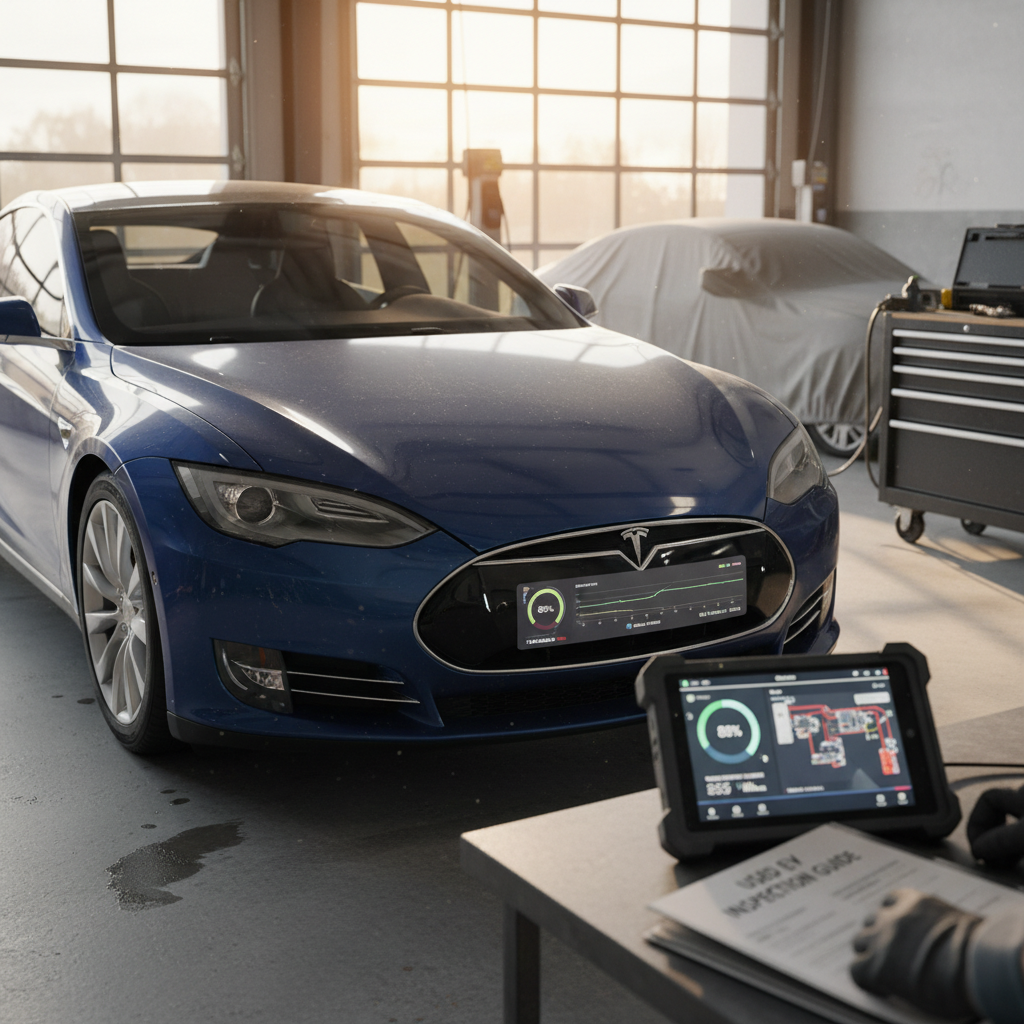
Verified battery health
A degraded pack doesn’t just shorten road trips; it can reduce confidence for anyone who fatigues quickly or can’t easily adapt to surprise detours.
Look for a third‑party battery report like the Recharged Score rather than guessing from range estimates alone.
Persistent access measurements
Seat height, door opening dimensions, and load‑in angles don’t change with age. If a 2021 model works for your body, a 2023 version with similar hard points probably will too.
Installer familiarity
Mobility installers may already have jigs and engineering data for popular EVs (like the Model Y or Ioniq 5). That can cut cost and risk compared with being the first customer to modify a brand‑new model.
How Recharged fits into the process
Checklist: questions to ask before you buy
Essential checklist for choosing an accessible EV
1. Can I get in and out on a bad day?
Test the car on a day when your symptoms are closer to your worst case. Can you enter, exit, and close the door independently? Try both driver and passenger sides.
2. Is there a mobility‑dealer path for this model?
Before signing anything, call at least one certified mobility dealer and ask whether they’re comfortable installing your required equipment on this exact year and trim.
3. Does the seating position actually work for my body?
Sit for at least 15–20 minutes. Check thigh support, back angle, headrest interference with your device (if any), and whether you can comfortably reach stalks, screen, and climate controls.
4. Are ADAS features helpful or overwhelming?
Drive with lane‑keeping, adaptive cruise, and alerts turned on. If the car is constantly beeping or nudging the wheel in ways that bother you, see how much can be adjusted or switched off.
5. Where will my chair or scooter go?
Try loading your wheelchair, scooter, walker, or other device several times. Are you lifting above shoulder height? Twisting? Is there enough flat floor space and tie‑down points if needed?
6. What’s the real‑world range with my use pattern?
Factor in HVAC usage, hills, and any added weight from ramps or lifts. Ask for realistic range expectations, not just the original EPA number.
7. Does home charging fit my space and mobility?
Walk or roll the path from your entrance to where the car will charge. Is the surface smooth? Is there room for a ramp? Could snow, mud, or standing water become an obstacle?
FAQ: best electric car for people with disabilities 2026
Frequently asked questions about accessible EVs in 2026
Bottom line: there’s no single “best” accessible EV
In 2026, the **best electric car for people with disabilities** isn’t a single make or model, it’s the EV that fits your body, your equipment, your home charging reality, and your legal and medical constraints. For many people, that will be a mainstream compact crossover with good driver‑assist tech and room for a chair or scooter. For others, it may be a professionally converted wheelchair‑accessible van or an EV paired with robust public transit and ride‑hail options.
If you’re considering a used EV, start by defining what you need to do comfortably on your worst day, not what you hope you can manage on your best. Then treat range, charging, and tech as tools to support those needs rather than shiny features to chase. A platform like Recharged can help you filter the used‑EV universe down to vehicles with solid batteries and modern safety tech, so you and your mobility team can focus on the most important question: **“Can I live my life more freely in this car?”** If the answer is yes, and it’s repeatable on a bad day, you’re looking at the right EV.