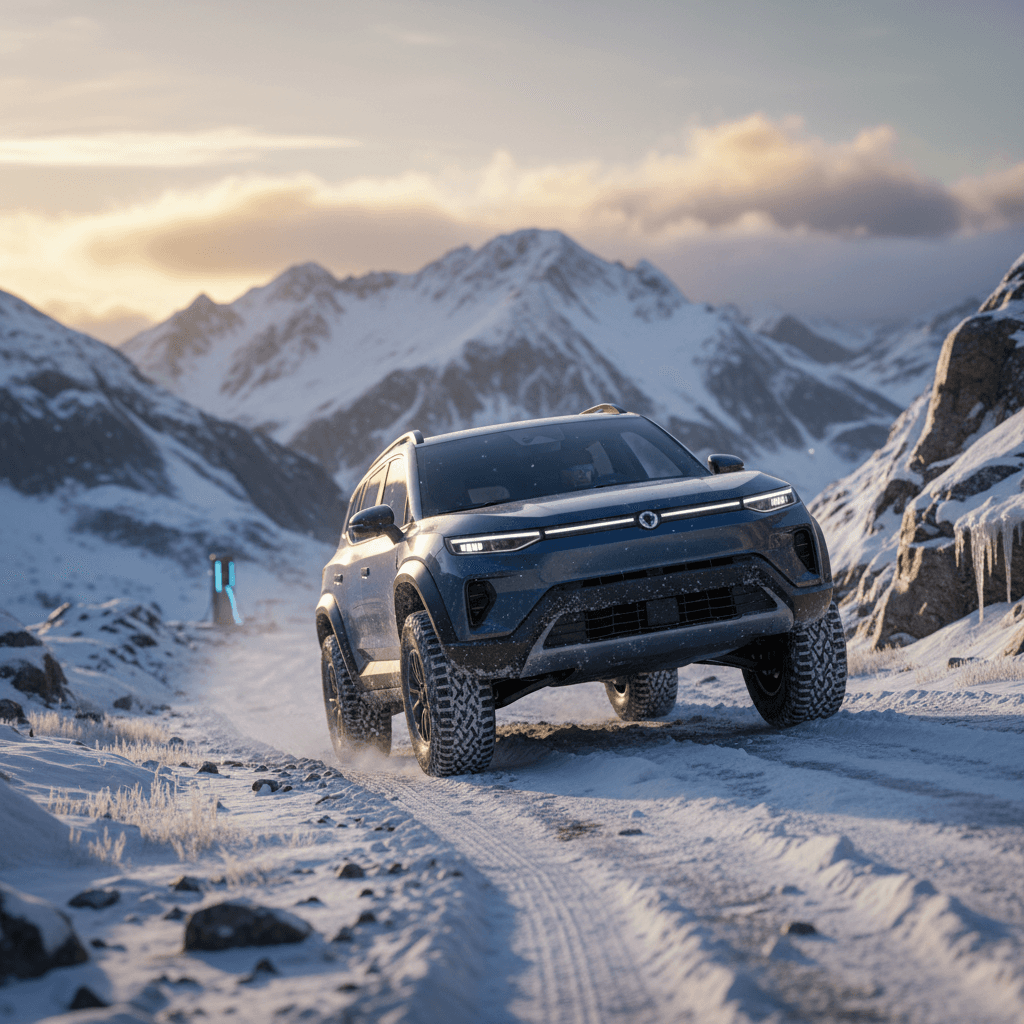
If you live in the Rockies, Appalachians, Sierra Nevada, or even just tackle one serious grade on your commute, the “best electric car for mountains” isn’t the same thing as the best EV for flat suburbia. Steep climbs, long descents, snowpack and thin air expose the difference between a pleasant commuter and a confident mountain machine.
EVs and altitude: a quiet advantage
Why mountain driving is different in an EV
On paper, most modern EVs have more than enough power for any paved mountain road. What changes in the high country is how the battery and brakes behave, and how honest the range meter is when you start climbing.
- Long, steep climbs can spike energy use to many times your normal highway consumption, shrinking practical range fast.
- Cold, dense air and winter tires increase drag and rolling resistance, hurting efficiency and range.
- Regenerative braking can claw back a surprising amount of energy on the way down, but only if the battery is warm and not already near 100% state of charge.
- On slick grades, traction control and all‑wheel‑drive logic matter more than raw horsepower.
Cold batteries, weak regen
Key specs that matter in the mountains
If you’re shopping for the best electric car for mountains, spec sheets can be misleading. Zero‑to‑60 times are fun; on Loveland Pass, you care about very different numbers.
Mountain EV priorities: what to look for
Not all “electric SUVs” are created equal once the road tilts up and ices over.
Instant torque & control
Electric motors give you full torque from zero rpm, which is ideal for climbing and tight hairpins. What matters is how smoothly the car meters that torque on slippery surfaces and whether you have an off‑road or snow mode that softens throttle response.
AWD & traction modes
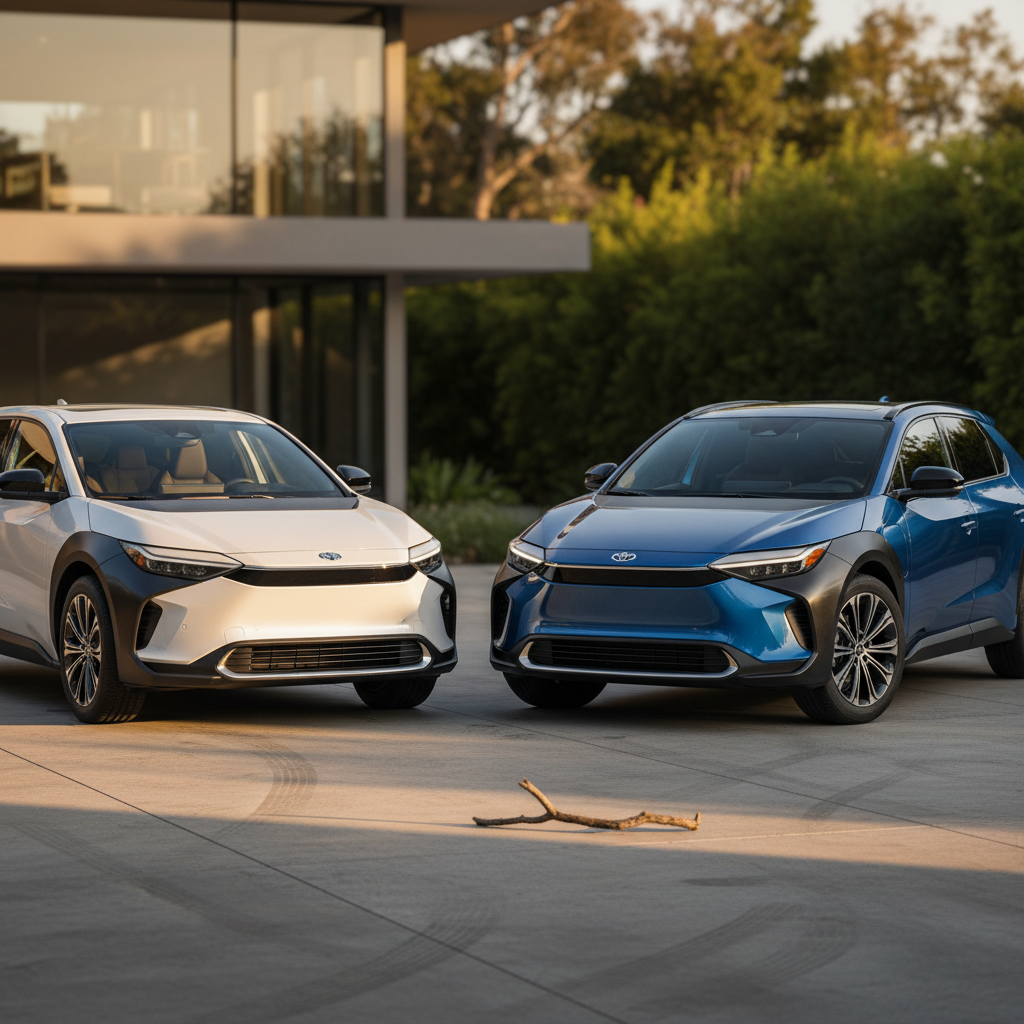
Look for a dual‑motor or advanced AWD system with dedicated snow/X‑Mode/terrain modes. Subaru’s Solterra and Toyota’s AWD bZ4X, for example, use EV‑tuned versions of Subaru’s off‑road logic to balance grip in winter and on rough roads.
Ground clearance & geometry
For real mountain work, aim for at least 7–8 inches of clearance; over 8 inches is better if your roads are rutted or plowed into frozen berms. Approach and departure angles matter if you regularly crest sharp driveways, unplowed passes or cabin roads.
Secondary, but still important, mountain EV specs
Range numbers sell cars. Torque curves and thermal management save you on the pass.
Usable range & fast charging
EPA range is tested on relatively mild routes. In winter climbs you can easily lose 30–40% of rated range. A pack rated around 250+ miles gives needed buffer, especially if chargers are sparse between valleys.
Thermal management
A good heat pump and active battery conditioning help keep the pack warm enough to deliver power uphill and accept regen downhill. This matters a lot if you park outside at altitude.
Brakes & regen integration
Modern EVs blend regenerative and friction braking. Long descents are far gentler on brakes than in a gas car, but you still want predictable pedal feel when regen tapers off due to cold or a nearly full battery.
When ground clearance really matters
Best electric cars for mountains in 2025
There isn’t one single “best electric car for mountains,” because drivers use the mountains differently. Some commute over a pass every day; some head up a few weekends a year with skis and kids. Below are strong options in three broad categories, all available new, and increasingly as used bargains.
Mountain‑friendly EVs: quick comparison
Core specs that matter when the road climbs and the weather turns.
| Model | Drivetrain | Clearance (approx.) | EPA range (AWD trims) | Why it works in mountains |
|---|---|---|---|---|
| Tesla Model Y Long Range | Dual‑motor AWD | ~6.8 in | ~310 mi | Efficient, plentiful fast charging, strong regen, excellent all‑weather software tuning. |
| Hyundai Ioniq 5 (AWD) | Dual‑motor AWD | ~8.3 in | ~260 mi | Great winter manners with updates, generous clearance, ultra‑fast DC charging for ski‑town top‑ups. |
| Kia EV6 (AWD) | Dual‑motor AWD | ~6.1 in | ~250 mi | Sporty but composed in snow, strong efficiency, excellent charging curve for road‑trip passes. |
| Subaru Solterra / Toyota bZ4X AWD | Dual‑motor AWD w/ X‑Mode | ~8.3 in | ~220–228 mi | Higher clearance and EV‑tuned off‑road modes; built with winter traction in mind more than range bragging. |
| Ford Mustang Mach‑E (AWD) | Dual‑motor AWD | ~5.7 in | ~250–290 mi | Solid all‑rounder with good traction control; better for plowed highways than deep unplowed tracks. |
| Rivian R1S / R1T | Quad/dual‑motor AWD w/ air suspension | Up to 14+ in (adjustable) | ~270–350 mi | Overkill for most paved roads, but spectacular for serious high‑country access and dirt passes. |
Approximate U.S. specs; always verify exact figures for the trim you’re considering.
1. Tesla Model Y: the default mountain EV
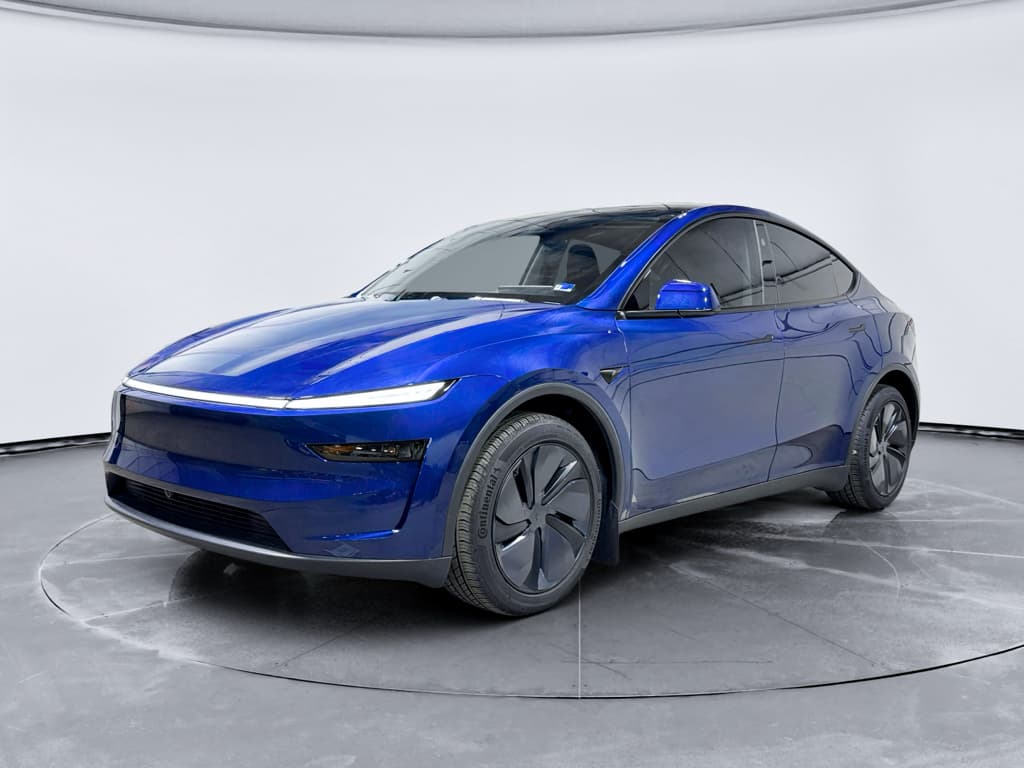
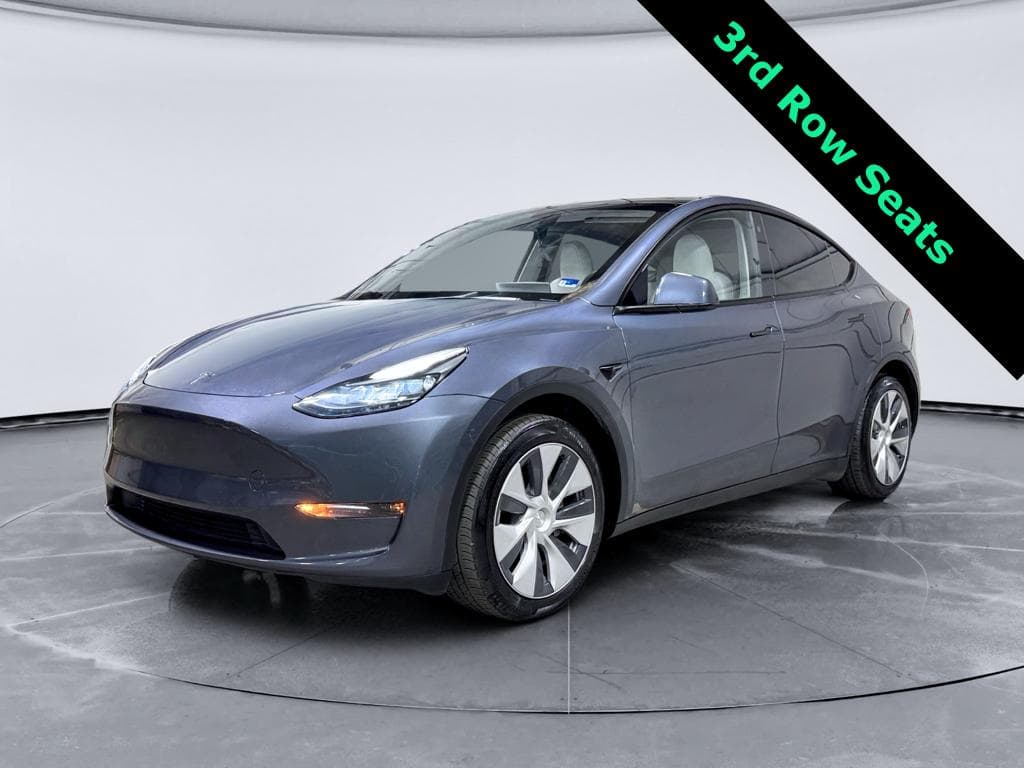
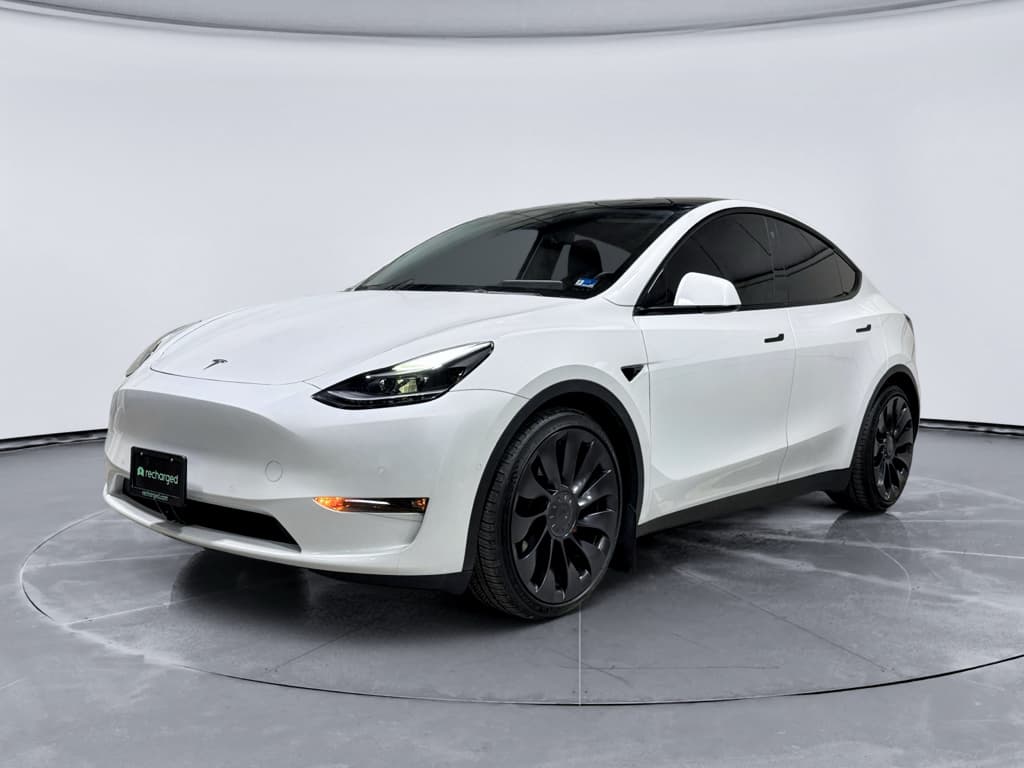
The Tesla Model Y has become the de facto answer to “what’s the best electric car for mountains?” for a reason. Dual‑motor traction, predictable stability control and strong, consistent regenerative braking make it feel planted on steep grades, even when the weather gets theatrical. Combine that with the Supercharger network, which increasingly dots ski corridors and mountain towns, and you get a crossover that’s as practical in Vail as it is in Phoenix.
Why the Model Y works so well in the hills
2. Hyundai Ioniq 5 & Kia EV6: fast‑charging all‑rounders
Hyundai’s Ioniq 5 and Kia’s EV6 share a platform and a super‑fast 800‑volt charging architecture. In AWD form with recent software, they’ve proven to be very capable winter and mountain cars: stable at speed, confident on plowed passes, and blessed with some of the best DC‑fast‑charging performance on the market. The Ioniq 5 also offers notably generous ground clearance for a road‑biased EV, which helps with rutted snow and cabin driveways.
3. Subaru Solterra / Toyota bZ4X AWD: built for bad weather
If your life involves crusty snowbanks, marginal plowing and sketchy dirt in spring thaw, the Subaru Solterra and its twin, the Toyota bZ4X AWD, deserve a close look. Their range numbers won’t win any internet arguments, but the combination of higher ground clearance, symmetrical‑style dual‑motor AWD and X‑Mode traction programs is squarely aimed at the kind of roads that swallow city crossovers. Think less ‘Instagram range king,’ more ‘gets you to the trailhead in February.’
4. Rivian R1S/R1T: if your “driveway” is a fire road
Rivian’s R1S SUV and R1T truck are the nuclear option. With available quad motors, adjustable air suspension and truly off‑road‑grade geometry, they’re overbuilt for normal paved passes and borderline miraculous for high‑clearance tracks, forest‑service roads and remote trailheads. They’re also expensive and heavy, and their DC‑fast‑charging ecosystem is still maturing compared with Tesla’s, so they make the most sense if mountain access is central to your lifestyle, not an occasional weekend.
What about compact EVs?
Choosing between new and used for mountain driving
A lot of the best electric cars for mountains entered the market a few years ago, right in the sweet spot for used‑EV values today. Buying used can get you a lot more AWD, battery and clearance for the same payment, as long as you’re smart about battery health and prior use.
Why consider a used mountain EV
- Depreciation has already done its worst on many early Model Ys, Ioniq 5s and Mach‑Es.
- You can afford higher trims with AWD and larger packs instead of a new base model.
- Real‑world winter and mountain behavior is well documented by now, no beta‑testing required.
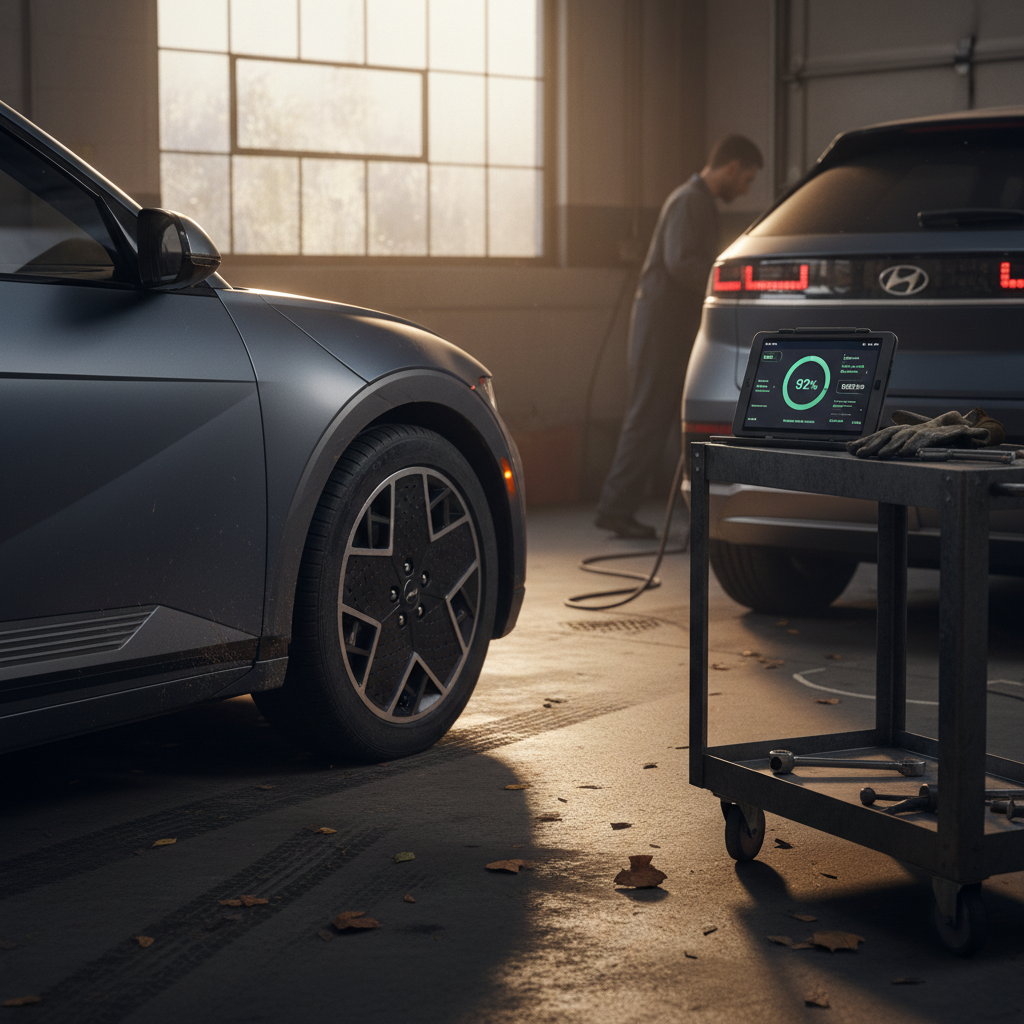
What to watch closely on used EVs
- Battery health if the car lived near fast‑chargers at a ski resort or high‑mileage fleet duty.
- Underbody and suspension wear from rough roads and de‑icing chemicals.
- Previous tire choices and alignment, chopped winter tires and curb rash tell a story.
How Recharged helps on the used side
How EVs really behave on big climbs and descents
The first time you drive an EV into serious altitude, the energy graph looks like a cardiogram: a big spike on the way up, then a long glide on the way down. Once you understand what’s happening, it stops being scary and starts feeling like a superpower.
Energy reality in the mountains
Physics is simple but unforgiving: lifting a two‑ton vehicle up a mountain costs a lot of energy. Modern EVs can convert a large share of that energy back into battery charge on the way down via regenerative braking, but not all of it. Round‑trip, you’re still spending more energy than a flat route of the same distance.
Watch for reduced regen
Mountain EV setup: tires, drive modes and technique
Pick the right EV and you’re halfway there. The other half is how you set it up and how you drive it when the grade hits six percent and the plows are running.
Three levers you control, regardless of EV brand
The best electric car for mountains can be ruined by the wrong tires and settings.
1. Tires first, always
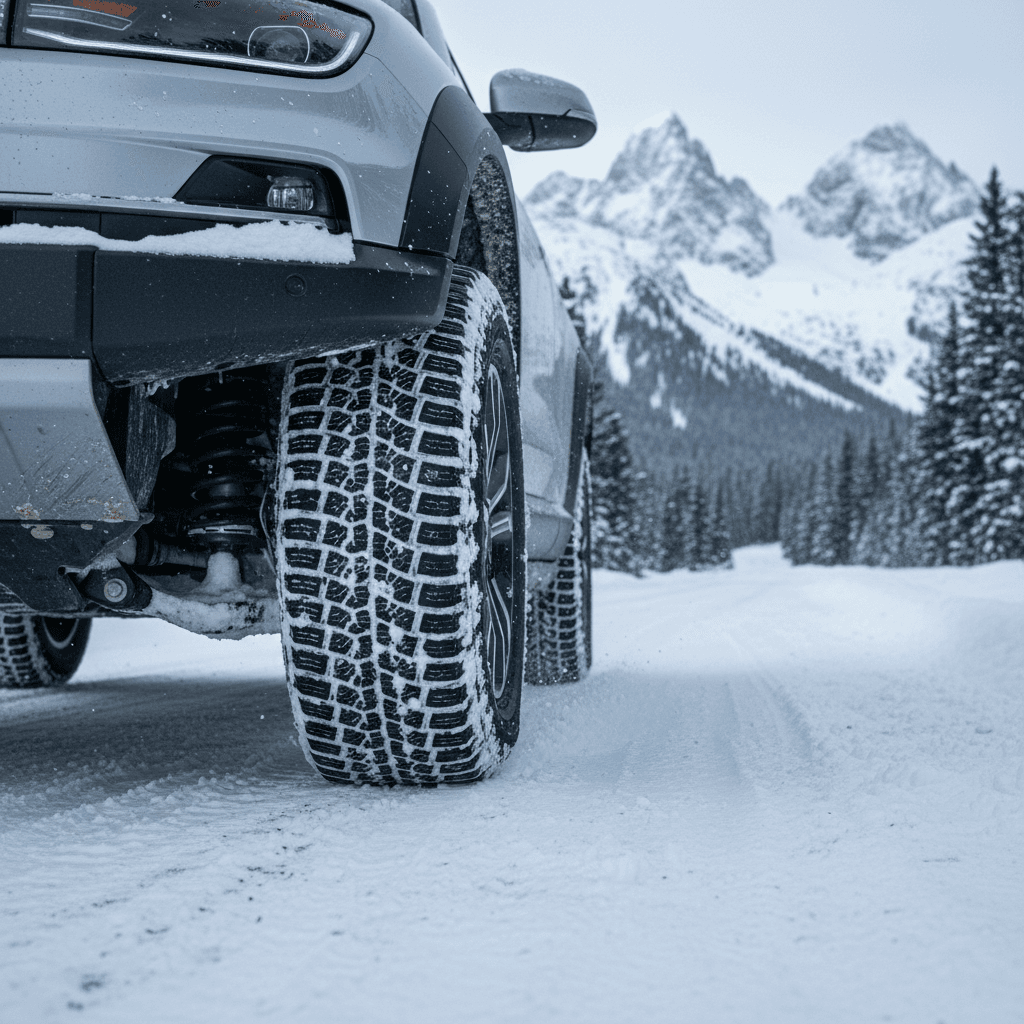
The ugliest secret in winter driving is that AWD on all‑season tires is worse than FWD on good winters. If you see consistent snow and ice, budget for a dedicated set of winter tires on separate wheels. They transform even a humble crossover.
2. Use the right drive mode
Most EVs offer snow, eco or off‑road modes that soften throttle response, alter ABS/traction behavior and sometimes raise the suspension. Learn what your car’s modes do before the first blizzard.
3. Drive the grade, not the guess‑o‑meter
On big climbs, ignore moment‑to‑moment range predictions and watch energy consumption in kWh/100 mi or mi/kWh. On descents, set regen high enough to maintain speed without riding the brakes, but not so high that the car feels grabby on patchy ice.
Pre‑trip checklist for an EV mountain run
Check weather, wind and temperature
Cold plus headwinds can quietly eat range. If the forecast is ugly at altitude, add at least a 30–40% buffer to the trip energy the car predicts.
Start climbs with a warm battery
If possible, DC‑fast‑charge or drive a bit of highway before a big ascent so the pack is at operating temperature. That helps both power delivery and regen later.
Don’t top off to 100% right before a descent
Arriving at the top with 70–85% state of charge leaves room for regenerative braking. Topping off right at the summit just forces the car to use friction brakes on the way down.
Dial in regen level
For most EVs, a higher regen setting is ideal on dry pavement. On patchy ice or gravel, a medium setting can make the car feel more natural and less grabby when you lift off the accelerator.
Carry charging options
In remote areas, a compact Level 2 portable EVSE and knowledge of campground/RV hookups can be a trip saver if public fast‑chargers are thin on the map.
Have a plan B town
When in doubt, plan your route around conservative charging stops in valley towns rather than hoping a lonely fast‑charger at altitude will be up and running.
Don’t let regen tempt you into speeding
Mountain EV buyer’s checklist
When you’re actually sitting in a dealership, or browsing a used‑EV marketplace like Recharged, here’s how to turn all this theory into a specific purchase.
Questions to answer before you sign
What’s my worst‑case winter route?
Map the longest, coldest, steepest trip you realistically take: say, home to the ski hill and back in January. Shop for an EV that can do that journey with at least 25–30% range in reserve.
Do I need real off‑road ability or just snow competence?
If your roads are paved but plowed poorly, a Model Y or Ioniq 5 on winters is plenty. If your cabin road looks like a Jeep commercial, think Solterra, bZ4X or Rivian with extra clearance.
Is the AWD system purely for marketing, or actually tuned for slippery surfaces?
Dig into whether the AWD system has specific snow/X‑Mode/terrain settings and how it behaves in owner reports. Some ‘AWD’ systems are tuned mostly for straight‑line launches, not sideways snow days.
What’s the real‑world winter range in my climate?
Search owner forums and reviews for winter range at your typical temperatures. EPA numbers flatten out the extremes; lived experience tells you whether you’ll be limping into chargers in February.
How is battery health, especially on a used EV?
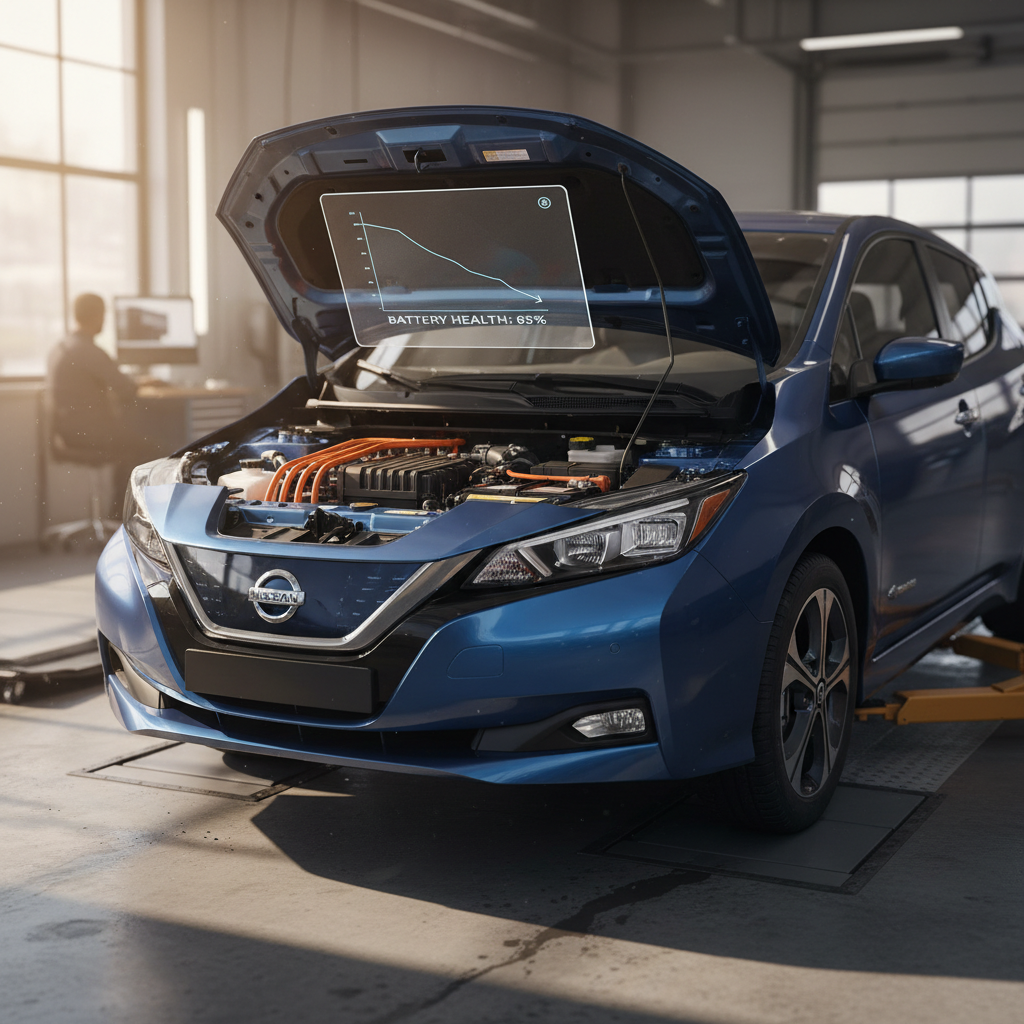
Ask for a battery health report or diagnostic. Recharged includes a Recharged Score battery health diagnostic so you know whether the pack has been cooked by years of fast‑charging at altitude.
What’s the charging situation on my routes?
Look at Superchargers, CCS/SAE and destination chargers along your usual passes. An EV that’s perfect on paper but stranded by infrastructure is the wrong tool for your mountains.
FAQ: best EVs for mountains and snow
Common questions about EVs in the mountains
Bottom line: picking the right electric car for mountains
The best electric car for mountains isn’t just the one with the biggest battery or wildest spec sheet. It’s the one whose traction systems, ground clearance, thermal management and charging network match your real roads and real winters. For many drivers, that’s a dual‑motor crossover like the Tesla Model Y, Hyundai Ioniq 5, Kia EV6 or Ford Mustang Mach‑E on proper winter tires. For those whose lives are stitched together by dirt roads and plow berms, Subaru’s Solterra, Toyota’s bZ4X AWD or a Rivian might be the right hammer for the nails you face.
If you’re ready to shop, consider starting with a used mountain‑capable EV on a marketplace built for electric cars. Recharged pairs each vehicle with a Recharged Score battery‑health report, fair‑market pricing and EV‑savvy support, from trade‑in to nationwide delivery, so you can focus on finding the car that will handle your favorite pass in January the same way it does in July: calmly.