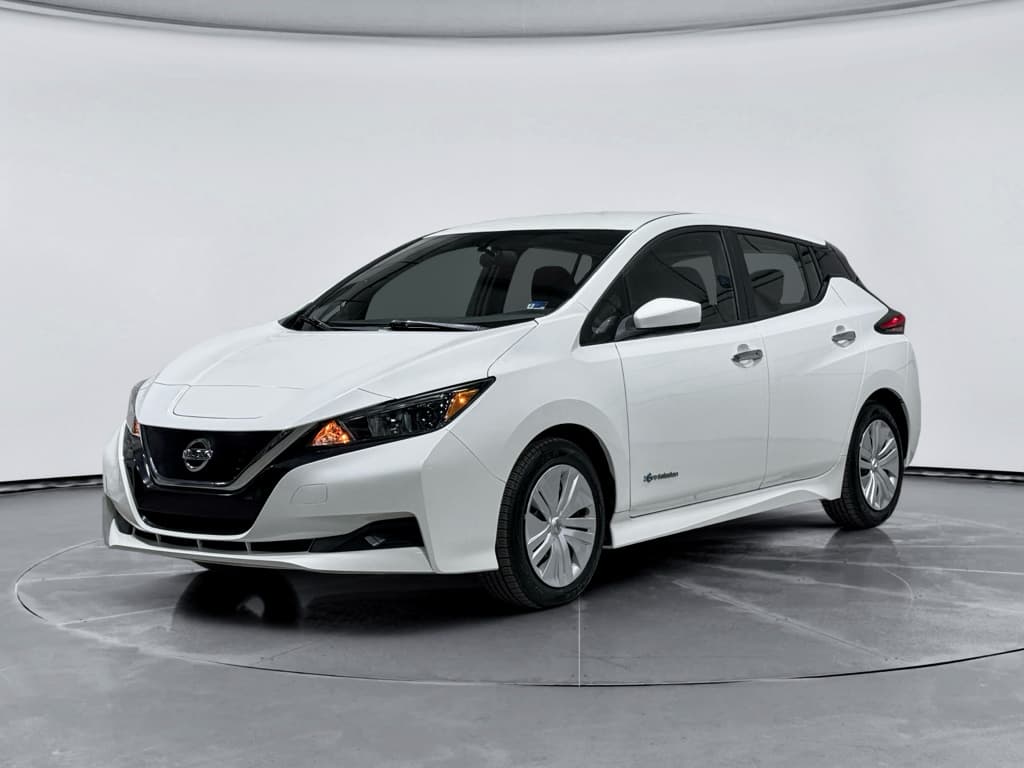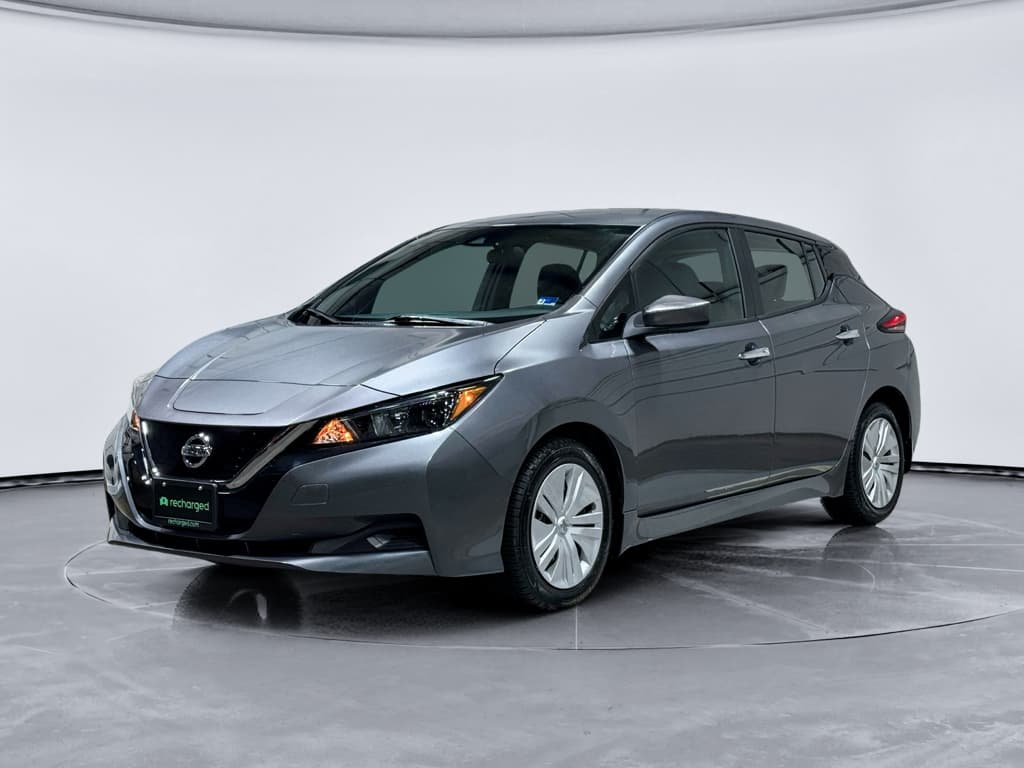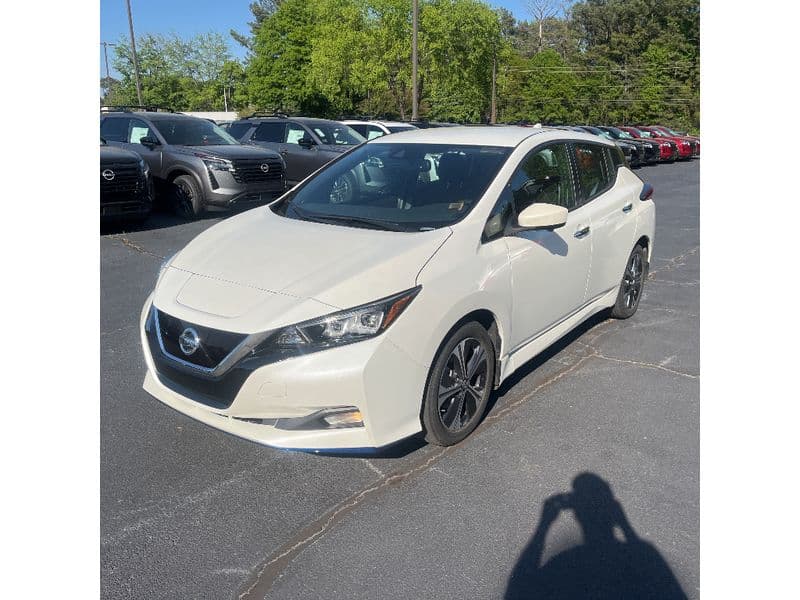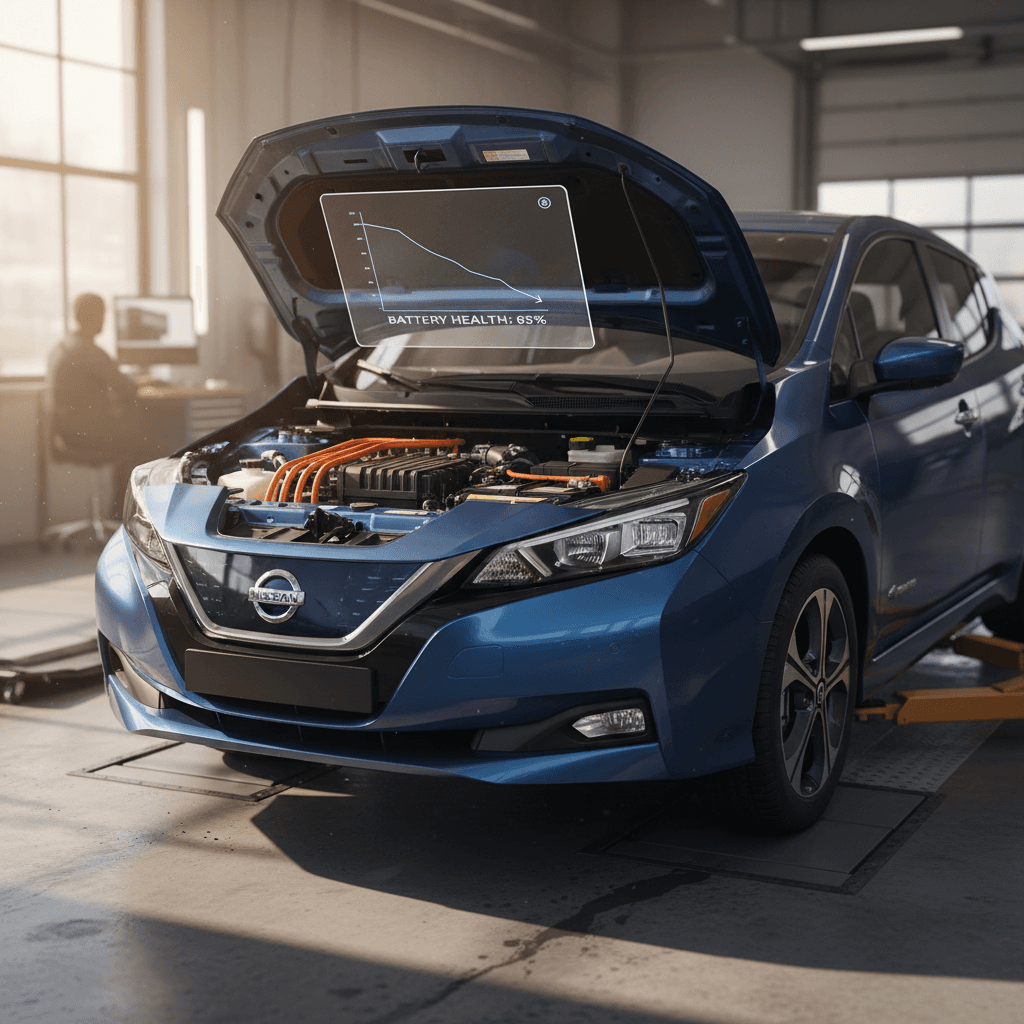
When you search for a 2020 Nissan Leaf range test, you’re not looking for brochure numbers. You want to know how far this car really goes on a charge in everyday driving, city, highway, winter, summer, and, if you’re shopping used, five or six years down the road. Let’s walk through what owners and instrumented tests actually see, and what that means for you.
Quick takeaway
2020 Nissan Leaf range at a glance
2020 Nissan Leaf range snapshots
For 2020, Nissan sold two basic Leaf flavors. The regular Leaf uses a 40 kWh battery and carries a 149‑mile EPA combined rating. The Leaf Plus, with its 62 kWh pack, is rated between 215 and 226 miles depending on trim. On paper, that’s solid commuter range. On real roads, it gets more interesting.
2020 Nissan Leaf: trim, battery, and EPA range
Use this as a starting point, real‑world range tests often land lower, especially at highway speeds or in cold weather.
| Trim | Battery | Official EPA range | Best use case |
|---|---|---|---|
| S (40 kWh) | 40 kWh | 149 miles | Short commutes, urban/suburban use |
| SV (40 kWh) | 40 kWh | 149 miles | Daily driver with easy home charging |
| SL (40 kWh) | 40 kWh | 149 miles | Comfort‑focused commuter |
| S Plus (62 kWh) | 62 kWh | 226 miles | Longest range; best for frequent highway use |
| SV Plus (62 kWh) | 62 kWh | 215 miles | Balanced features and range |
| SL Plus (62 kWh) | 62 kWh | 215 miles | Range with all the toys |
EPA ratings for a brand‑new 2020 Leaf. Expect some loss from age and conditions.
EPA isn’t a promise
EPA ratings vs real-world range tests
The 2020 Leaf’s official numbers are straightforward: 149 miles for the 40 kWh car, 215–226 for the Plus. Real‑world range tests at steady highway speed tell a more conservative story, especially for the Plus models.
How the 2020 Leaf performs in independent range tests
What road tests and owner reports typically show compared with EPA ratings.
Leaf Plus (62 kWh)
EPA rating: 215–226 miles
Highway test @ ~70 mph: around 180 miles before near‑empty, from full.
That’s roughly 80–85% of the EPA figure when you cruise at real‑world interstate speeds.
Leaf 40 kWh
EPA rating: 149 miles
Owner reports (mixed use): often 120–140 miles in normal weather.
Lots of city driving with gentle acceleration can stretch it closer to EPA; fast highway use pulls it down.
Think in buffers, not just maximums
One well‑documented 70‑mph highway test of a 2020 Leaf SV Plus delivered about 180 miles from a claimed 215. That’s completely normal: the EPA cycle doesn’t spend its life in the left lane. Around town, where the Leaf is happiest, many owners see the dash’s range estimate creep above 200 miles in a Plus and into the 150s on a healthy 40 kWh car.
City vs highway range tests
City and suburban driving
The Leaf is at its best when you’re doing what most people buy it for: commuting, errands, and school runs. Frequent slowing and coasting means regenerative braking is constantly feeding energy back into the pack.
- 40 kWh Leaf: 130–150 miles in mild weather with mostly city/suburban use and patient driving.
- Leaf Plus: 200+ miles isn’t unusual when speeds are mostly 30–50 mph.
Short hops at low to moderate speed also let the battery and cabin heater or A/C settle into a rhythm, which helps efficiency.
Highway and interstate driving
On the interstate, aerodynamics and speed take over. At a steady 70–75 mph, air resistance rises and the Leaf’s relatively bluff hatchback body works against you.
- 40 kWh Leaf: 100–120 miles at 70+ mph is typical.
- Leaf Plus: about 170–200 miles at similar speeds.
If your life is mostly three‑hour highway stints, the Plus is the only sensible 2020 Leaf, and you’ll want CHAdeMO fast‑charging along your route.
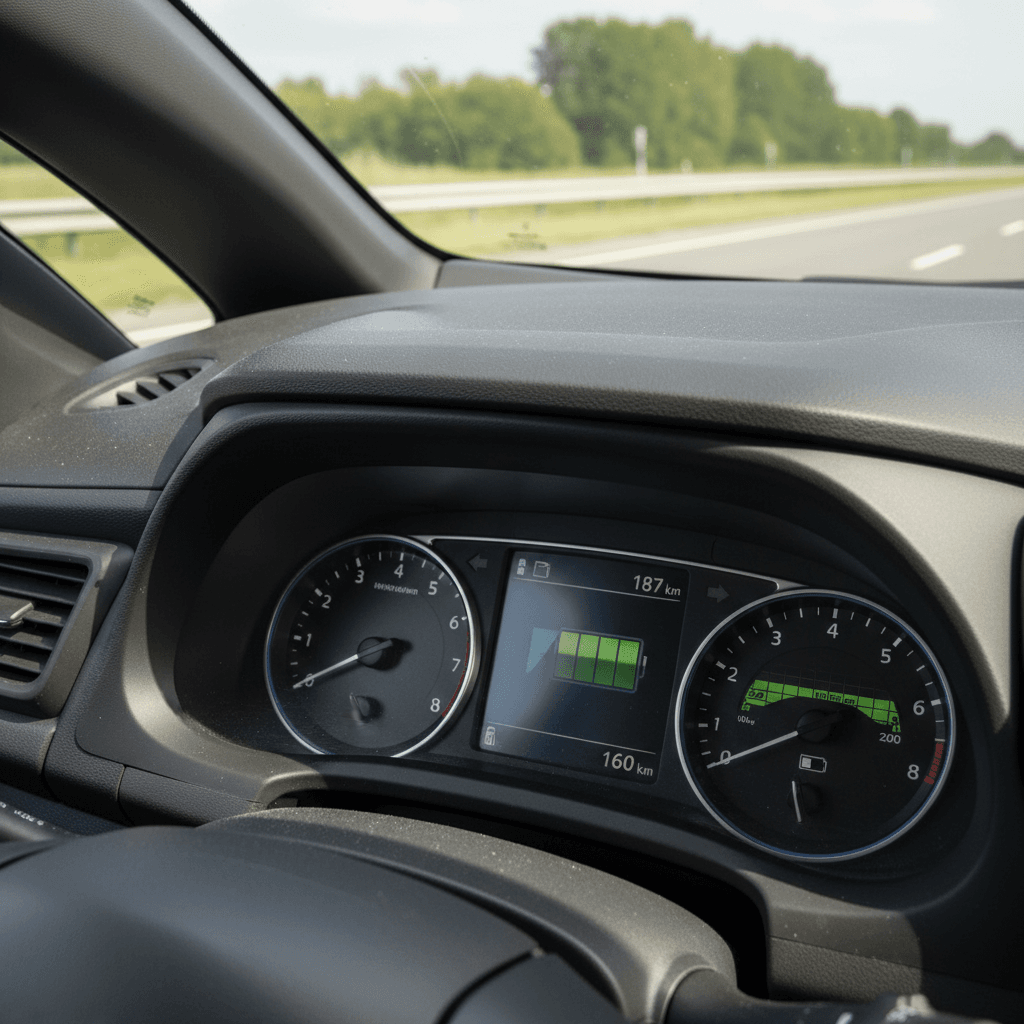
Fast charging & range: one more wrinkle
How weather and climate change Leaf range
The 2020 Leaf is more sensitive to weather than many newer EVs because its pack is passively cooled. Temperature swings and how you heat the cabin both show up clearly in any 2020 Nissan Leaf range test.
Typical seasonal range for a healthy 2020 Leaf
Approximate real‑world numbers from owner reports and tests, assuming mild driving and a healthy battery.
Mild weather (60–75°F)
- 40 kWh: 130–150 miles mixed city/highway
- Plus: 200–220 miles mixed use
- Best case for matching or beating EPA ratings.
Cold weather (20–40°F)
- 40 kWh: 95–120 miles is common.
- Plus: roughly 150–190 miles.
- Heater use and a cold pack can cost 20–30% of your range.
Heat (85°F and up)
- Air conditioning costs some range, but far less than resistive heat.
- Repeated fast‑charging in high heat can accelerate battery wear over years.
Precondition like a pro
On a bitter winter day, a short highway commute can feel like a stress test. The Leaf’s resistive heater draws real power, and if you’re hopping straight from a cold soak to 75 mph, the battery is outside its comfort zone. Warm‑up time, slower first miles, and seat/steering‑wheel heaters instead of full‑blast cabin heat all help preserve miles.
Battery degradation on 2020 Leafs
When these cars were new, the question was, “Can I make it to work and back?” Today, with 2020 Leafs approaching six years on the road, the smarter question for any range test is, “How much battery is left?” A tired pack can turn a 149‑mile car into a 110‑mile car pretty quickly.
How 2020 Leaf batteries typically age
Averages from owner data sets and community reports, individual cars can be better or worse.
Typical degradation rates
- For 2018–2020 40 kWh Leafs, many owners report ~1.5–2.5% capacity loss per year under normal use.
- A 2020 Leaf at 60,000 miles might still have 85–90% of its original capacity if treated gently.
In practice, that takes a 149‑mile EPA rating down into the 125–135‑mile real‑world window in mild weather.
Outliers & recalls
- Some 2019–2021 packs have been caught in recalls related to overheating or rapid cell deterioration during DC fast charging.
- Those cars can show much sharper range loss and may have restrictions on fast‑charging until software updates or pack replacements are completed.
Always run a VIN check for open battery recalls before you buy.
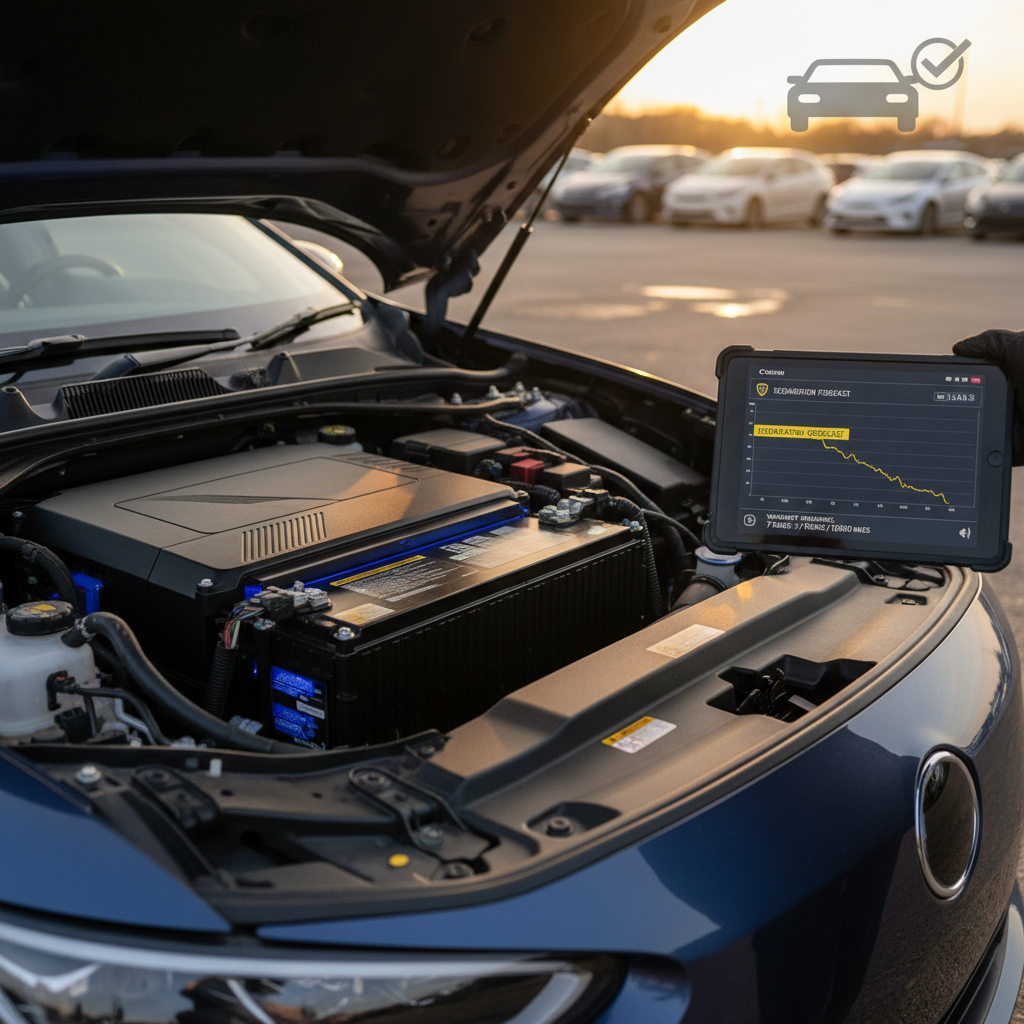
How Recharged measures Leaf battery health
If you’re shopping on the private market, you don’t have that luxury. You’re seeing the same 12 little capacity bars Nissan gives you and hoping they tell the whole story. They don’t, especially if the pack has had a tough life on fast chargers in hot climates. That’s why a proper range test and a scan of battery SOH are both worth insisting on.
How to run your own 2020 Leaf range test
You don’t need a proving ground to do a useful 2020 Nissan Leaf range test. You just need a repeatable route, some time, and a notepad, or a notes app.
DIY 2020 Leaf range test: step‑by‑step
1. Start with a full, warm battery
Charge to 100% at home or Level 2. In cold weather, finish the charge close to departure time so the pack isn’t ice‑cold when you pull out of the driveway.
2. Pick a realistic route
Choose a loop or out‑and‑back that mirrors your real life, if you mostly do 65–70 mph highway, test that. If you’re a city commuter, pick your normal route.
3. Reset trip and efficiency data
Reset your trip odometer and energy economy display before you leave. That gives you clean data on miles driven and mi/kWh for the test alone.
4. Drive at steady, legal speeds
Use cruise control where it’s safe. Avoid jackrabbit launches. Steady driving makes your results easier to repeat and compare.
5. Note miles at key charge levels
At 75%, 50%, and 25% remaining, pull over somewhere safe and jot down odometer, average mi/kWh, and what the car thinks your remaining range is.
6. Don’t run it to zero
Plan to end your test around 10–15% state of charge. You’ll have enough data to extrapolate total range without stressing the battery or your nerves.
What “good” looks like
What to expect from a used 2020 Leaf today
By 2026, a typical 2020 Leaf is on its second or third owner, with anywhere from 30,000 to 80,000 miles on the clock. That makes “how far will it go?” much more about this specific car than about Nissan’s 2020 press release.
Realistic range expectations
- Low‑mileage 40 kWh (under 40k miles): 120–140 miles in mild weather, 90–110 in cold.
- Higher‑mileage 40 kWh (60k+ miles): 105–125 miles in mild weather.
- Low‑mileage Plus: 190–215 miles in mild weather if the pack is healthy.
- Higher‑mileage Plus: 170–200 miles in most conditions.
Those are ballparks, not promises, but if a seller insists their six‑year‑old Leaf Plus still does 230 miles in winter, keep your skeptic antennae up.
Red flags in a range test
- Capacity bars missing on the dash, especially more than two.
- Car drops from 40% to under 20% state of charge over just a few miles.
- DC fast‑charge disabled or restricted due to open recalls the seller can’t explain.
- Energy economy stuck in the low 3s (mi/kWh) on gentle, slow driving.
On Recharged, we filter these out with our Recharged Score Report so you see actual tested range, not wishful thinking.
Charging strategy to get the most range
How and where you charge your 2020 Leaf matters almost as much as how you drive it. The goal is simple: keep the battery comfortable and avoid wasting energy on heat and detours.
- Use Level 2 at home when possible; it’s gentler on the pack than frequent DC fast charging.
- On daily use, charging to around 80–90% is enough; save 100% charges for days when you truly need the full range.
- In hot climates, avoid back‑to‑back fast‑charge sessions that push pack temperatures sky‑high.
- In winter, pre‑heat while plugged in and lean on the seat and wheel heaters instead of blasting cabin heat at max.
A note on CHAdeMO and recalls
Is the 2020 Leaf’s range enough for you?
Range isn’t about bragging rights; it’s about how you live. For a lot of Americans, the 2020 Leaf, especially the Plus, still covers a week’s worth of life without breaking a sweat. For others, no amount of clever planning makes 150–200 miles work.
Match 2020 Leaf range to your lifestyle
Short‑hop commuters (under 50 miles/day)
Either 40 kWh or Plus will feel generous, even with some aging.
You can likely charge every other night on Level 2 at home.
Winter will still sting, but you’ll have plenty of margin.
Mixed suburban & highway drivers (50–90 miles/day)
A healthy 40 kWh Leaf can still work if you have home charging and don’t mind topping up often.
The Plus gives a much easier buffer for cold snaps and surprise side trips.
Fast‑charging on road trips will depend on CHAdeMO availability in your region.
Frequent highway travelers & road‑trippers
You’ll want the Plus, and you’ll still plan carefully around faster, newer fast‑charge networks that favor CCS and NACS over CHAdeMO.
Consider whether a newer EV with more range and modern fast‑charge hardware might fit better.
If you love the Leaf format, think of a 2020 Plus as an excellent second car for everything except the big cross‑country journeys.
Where Recharged fits in
Ready to find your next EV?
Browse VehiclesA proper 2020 Nissan Leaf range test doesn’t end with a single number. It’s a story that blends battery health, weather, speed, and how the car has been treated over the last six years. A well‑kept 40 kWh Leaf still makes a terrific short‑range commuter. A clean 2020 Leaf Plus can be a comfortable 200‑mile car in the real world, especially in kinder weather. The key is knowing which car you’re getting. Whether you test‑drive and log the data yourself or lean on tools like the Recharged Score Report, go beyond the EPA sticker, and buy the Leaf that actually fits the way you drive.