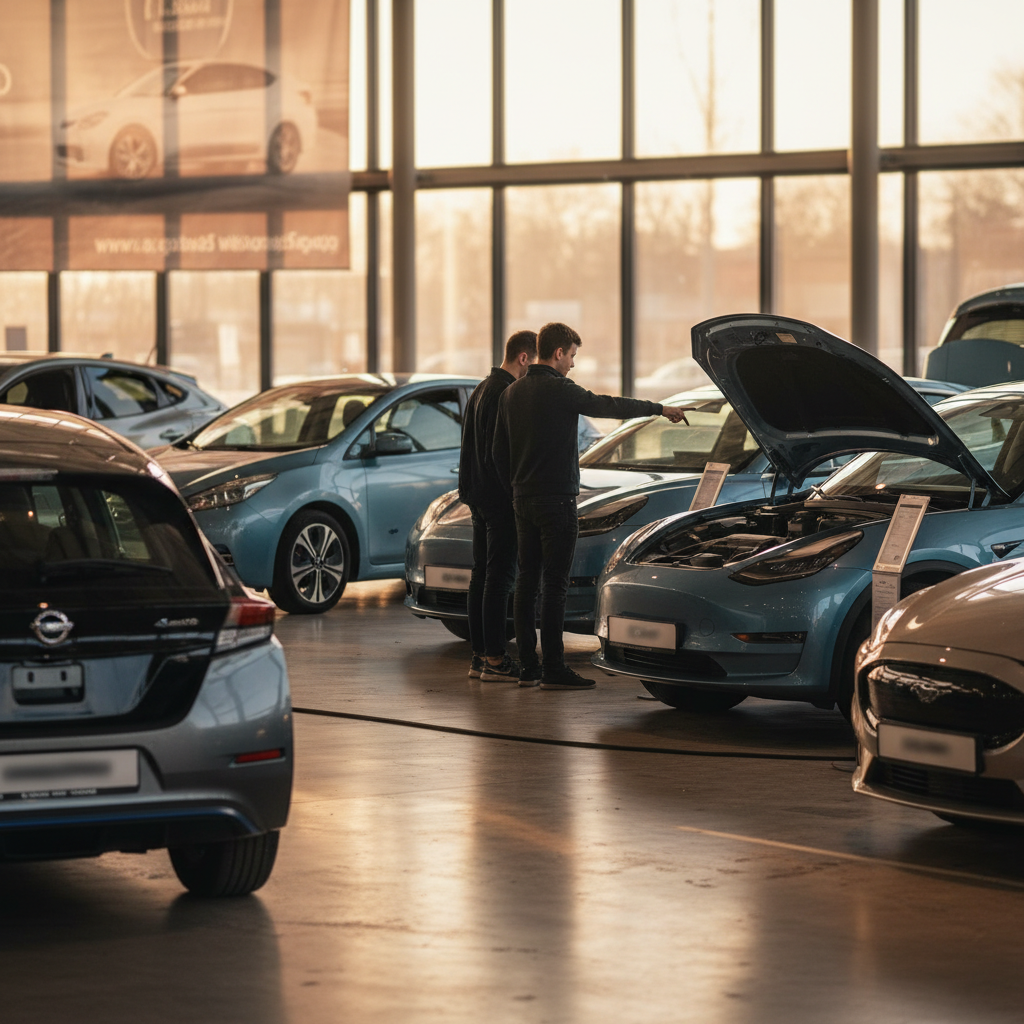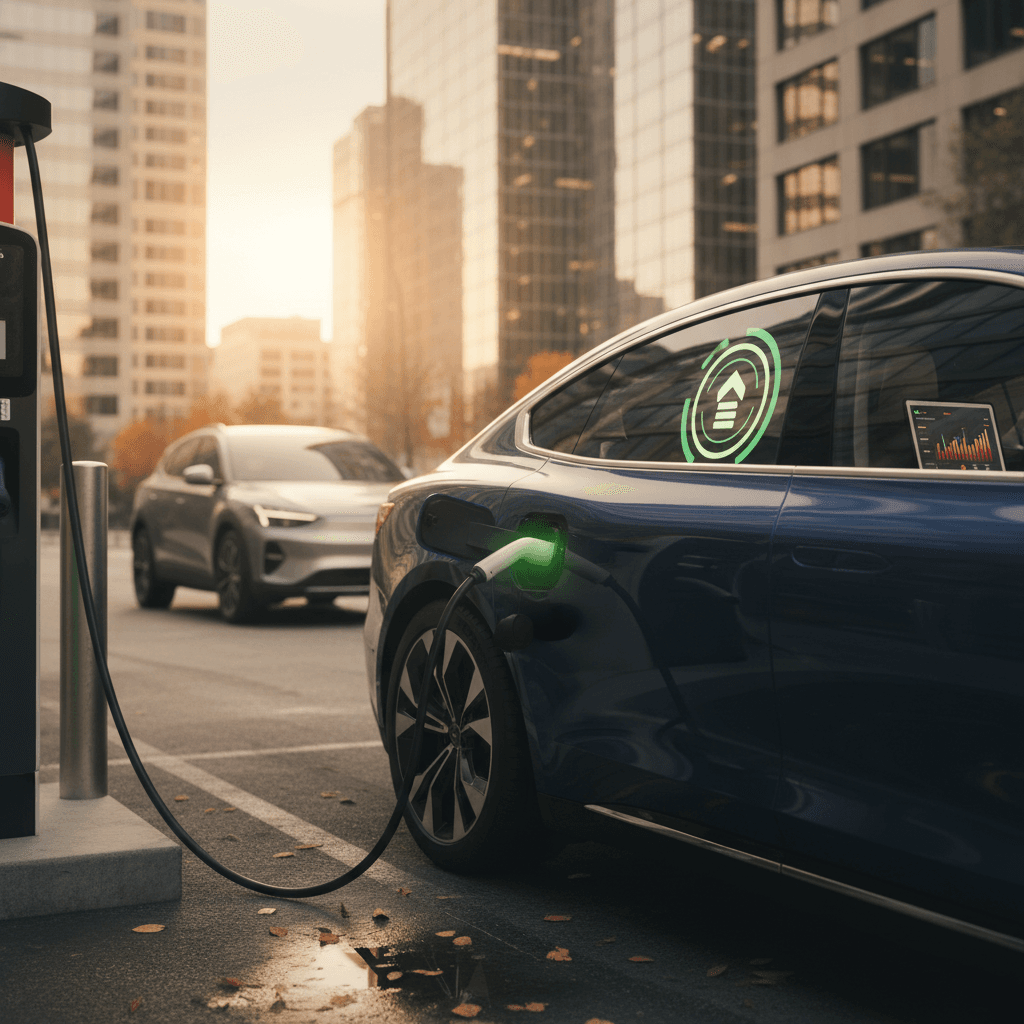
If you’re driving or planning to drive for Lyft in 2026, choosing the best electric car for Lyft drivers is one of the biggest financial decisions you’ll make. Get it right and you cut your fuel bill to a fraction, unlock EV bonuses, and give riders a quieter, more comfortable trip. Get it wrong and you’ll fight range anxiety, long charging breaks, and a monthly payment that eats your profits.
Why this matters now
Why EVs Make Sense for Lyft Drivers in 2026
How an EV Changes Your Lyft Economics
For Lyft drivers, the appeal of an EV is simple: lower cost per mile, less maintenance, and potential bonus pay for zero‑emission trips. But that only happens if the car you choose fits your market, your shift length, and your charging reality at home and on the road.
What Makes an Electric Car Good for Lyft?
Key Criteria for a Lyft-Friendly EV
Judge every candidate by these five buckets before you sign anything.
1. Real‑World Range
Look beyond the brochure number. For Lyft, you want at least 230–250 miles of realistic range so you can work a long shift without constant fast‑charging.
Cold weather, high speeds, and HVAC use can shave 20–40% off the EPA range, so build in that buffer.
2. Passenger Comfort & Space
Rear‑seat legroom, headroom, and trunk space matter. Think about:
- Two adults in back during rush hour
- Airport runs with 2–3 suitcases
- Car seats and strollers
3. Total Cost per Mile
Don’t just look at the payment. Add:
- Financing or lease cost
- Electricity and charging fees
- Insurance for rideshare
- Tires and maintenance
Your goal: lowest predictable cost per mile, not just the lowest sticker.
4. Charging Practicality
Ask yourself:
- Can I install Level 2 at home or at least at work?
- How dense and reliable are DC fast chargers in my zone?
- Does this EV charge from 10–80% in under ~35 minutes?
5. Reliability & Warranty
Rideshare driving is brutal on a car. Prioritize EVs with:
- Strong battery warranty (8 years / 100k miles typical)
- Good reliability track record
- An available used‑car history you can verify
6. Lyft Eligibility & Tiers
Make sure your EV:
- Meets Lyft’s model‑year rules in your city
- Shows as eligible for Electric/Green or comfort tiers if available
- Doesn’t age out of your preferred tier mid‑loan
Check eligibility before you buy
Quick Picks: Best EVs for Lyft Drivers in 2026
Best Electric Cars for Lyft Drivers in 2026
These picks balance range, comfort, and cost for U.S. Lyft drivers in 2026. Ranges are EPA‑rated; expect lower numbers in cold weather or heavy highway use.
| Use Case | Model | Why It Works | Approx. EPA Range | Best As |
|---|---|---|---|---|
| Lowest upfront cost | Chevrolet Bolt EV / EUV (used) | Cheap to buy, efficient, easy to park, great starter EV | 247–259 mi | Part‑time or mixed city driving |
| Budget with more space | Hyundai Kona Electric (used) | Solid range, good reliability, more cargo space than a Bolt | ~258 mi | Full‑time city + suburban |
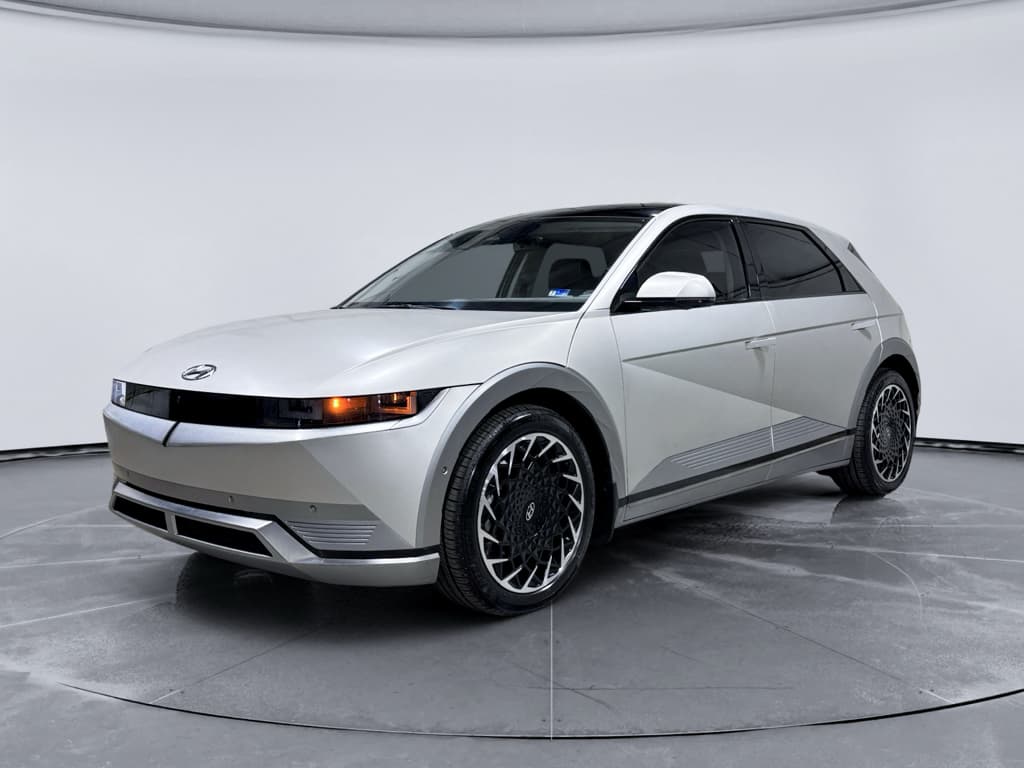
| Best all‑around | Hyundai Ioniq 5 | Spacious back seat, fast charging, comfortable ride | ~260–303 mi (trim‑dependent) | Full‑time multi‑shift driver |
| Comfort‑focused | Kia Niro EV | Quiet, efficient, upright seating and decent cargo for riders | ~239–253 mi | Comfort / longer local trips |
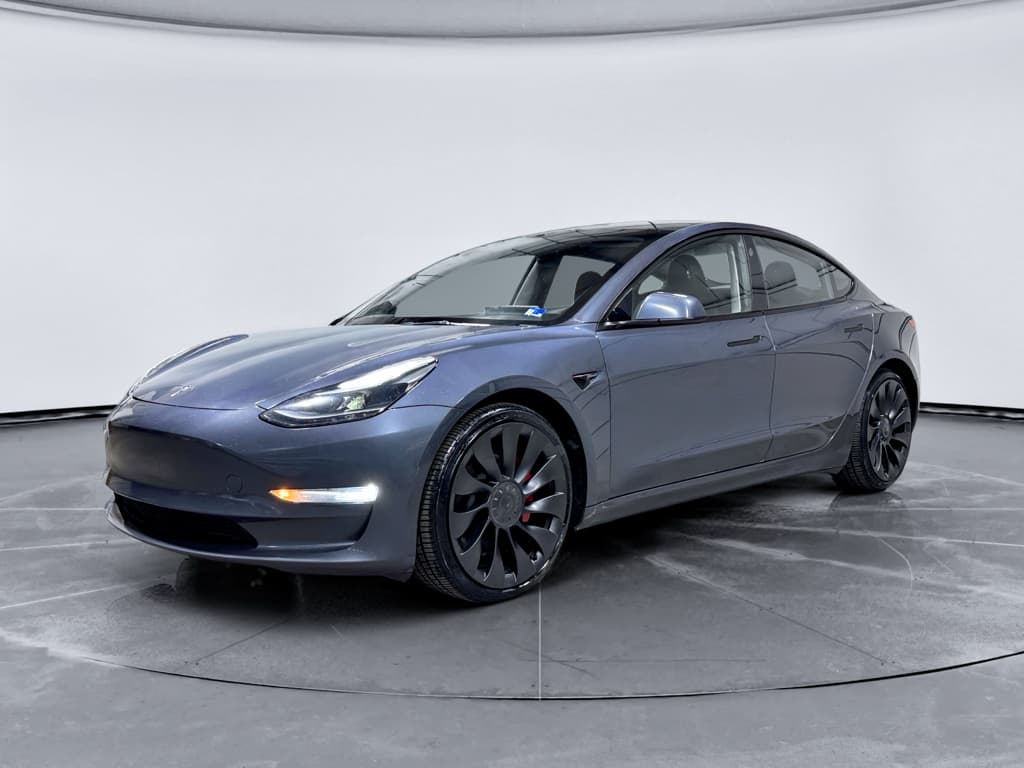
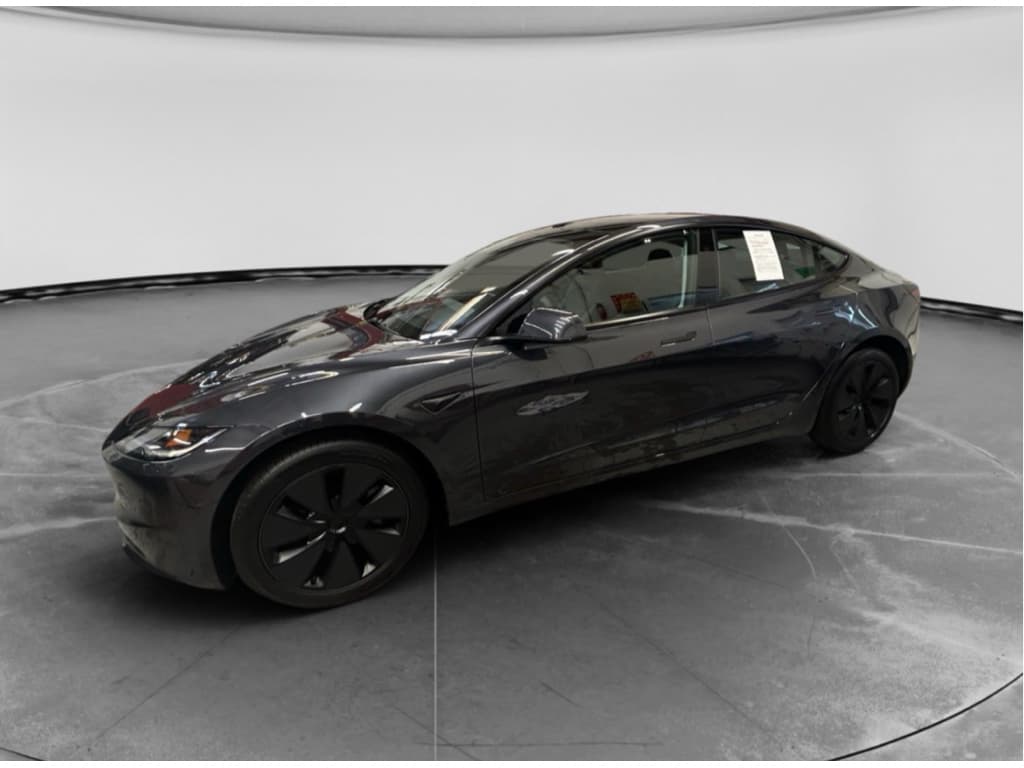
| Premium experience | Tesla Model 3 RWD/AWD (used) | Strong range, tech‑forward cabin, access to Superchargers | ~272–341 mi (battery/trim‑dependent) | Full‑time, tech‑savvy drivers |
| Family + bags | Hyundai Ioniq 6 / Kia EV6 | Long highway range, good rear comfort, fast DC charging | ~270–361 mi (model/trim‑dependent) | Airport runs and highway‑heavy markets |
Always confirm exact specs and Lyft eligibility for your specific model year and trim.
Think of this table as a starting grid, not the checkered flag. The “best” electric car for Lyft in 2026 depends heavily on whether you’re part‑time, full‑time, urban, or spending half your week on the freeway to and from the airport.
Best Budget EVs for Lyft Drivers
Chevrolet Bolt EV / Bolt EUV (Used)
If you’re cost‑sensitive but committed to going electric, a used Chevy Bolt EV or Bolt EUV is usually the best value on the market in 2026. Early depreciation and fleet usage have pushed prices down, while range and efficiency still look competitive.
- Why drivers like it: 240+ miles of range, small footprint for city driving, and low purchase prices.
- What to watch: Older Bolts had battery recall campaigns; you want documented recall work and a verified state‑of‑health on the pack.
Hyundai Kona Electric (Used)
The Hyundai Kona Electric shows up increasingly in used listings, including ex‑rental and ex‑fleet cars. It offers slightly more cargo flexibility than a Bolt with comparable efficiency.
- Why drivers like it: 250‑ish miles of range, relatively simple controls, and a comfortable ride for city streets.
- What to watch: Earlier model‑year infotainment quirks and limited DC fast‑charge speed compared with newer 800V‑class cars.
Be careful with very short‑range EVs
Best All-Around EVs for Full-Time Lyft Drivers
Top All‑Rounders for Long Shifts
If you’re putting in 30–50 hours a week, these EVs hit the sweet spot between comfort, speed, and cost.
Hyundai Ioniq 5
Why it stands out: One of the most rideshare‑friendly EVs on the road.
- Generous rear legroom and flat floor for passengers
- Comfortable ride and quiet cabin for long days
- Fast DC charging, ideal for a quick top‑up between peaks
For many full‑time Lyft drivers, this is the modern “Goldilocks” EV.
Kia EV6
Why it stands out: Sharper handling than the Ioniq 5 with similar fast‑charging hardware.
- Good highway efficiency for long trips
- Plenty of tech and safety features that riders notice
- Hatchback practicality for luggage
If your market skews more highway than stop‑and‑go, the EV6 is worth a close look.
Hyundai Ioniq 6
Why it stands out: A slippery sedan with excellent highway range, perfect for airport and long‑haul rides.
- Low drag design stretches every kWh
- Comfortable rear seating for business travelers
- Fast DC charging support on newer model years
Test the back seat, not just the driver’s seat
Best Comfort and Premium EVs for Lyft
If your city supports Lyft Comfort, Lyft Lux, or similar tiers, the car you choose determines whether you can access higher‑fare segments. EVs can work here, but you’ll want to be picky.
Don’t overbuy for the badge
New vs. Used EV for Lyft: What Actually Pays Off?
Why a Used EV Often Wins
- Lower depreciation hit: The steepest EV depreciation usually happens in the first 3 years. Buying a 2–4‑year‑old EV means someone else took that hit.
- Plenty of life left: Most EV batteries are warrantied to 8 years / 100,000+ miles. With the right diagnostics, you can see how much usable range remains.
- Better cash flow: Smaller loan balances and payments matter when your income can swing week to week.
When a New EV Can Make Sense
- Heavy mileage: If you’re driving 35,000+ miles per year, fresh warranty coverage and maximum range can justify the higher payment.
- Targeted incentives: Some states, utilities, and even platforms run time‑limited EV programs that dramatically lower ownership cost.
- Tax position: If you’re filing as a business and can use accelerated depreciation or Section 179 (talk to a tax pro), a new EV may pencil out.
How Recharged’s battery check helps
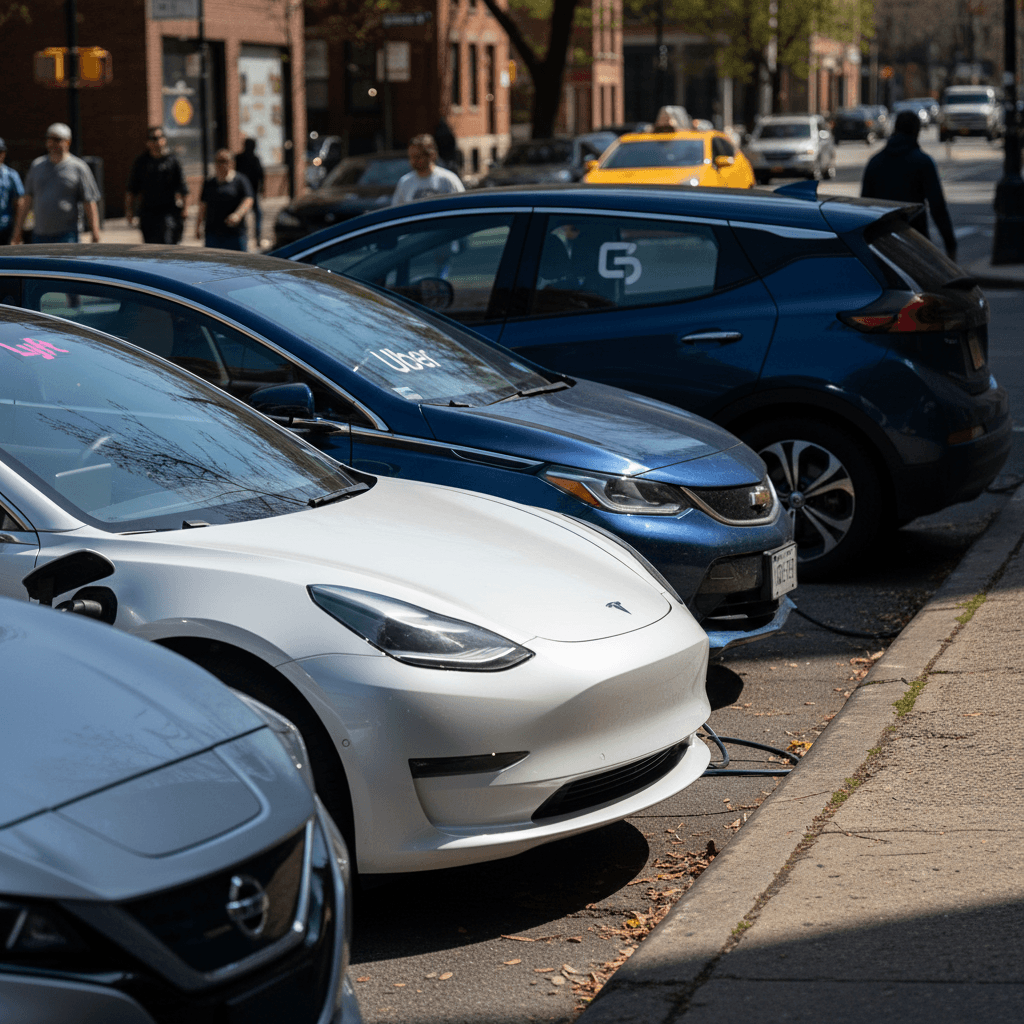
Charging Strategy: Keep Earning, Not Waiting
Build a Charging Plan Around Your Shift
1. Secure Overnight Level 2 If Possible
If you can install a 240V Level 2 charger at home (or access one where you park overnight), you’ll start most days at 80–100% without wasting time at public chargers. This is the single biggest quality‑of‑life upgrade for EV rideshare drivers.
2. Know Your Fast-Charge Spots
Map out 2–3 reliable DC fast chargers near your main pickup zones and along your path to the airport. Check average wait times and reliability in apps like PlugShare or the station operator’s own app.
3. Charge During Slow Periods
Plan 20–40 minute top‑ups when rides are typically slow, often mid‑day or late at night. That way, you’re converting dead time into fueling time instead of abandoning peak hours to sit at a charger.
4. Avoid the Bottom 10%
Consistently running your battery to near‑zero before charging isn’t great for long‑term health and can create stressful gaps between rides. Aim to plug in around 10–20% remaining when possible.
5. Track Your True Cost per kWh
Use your car’s trip computer and your charging receipts to calculate your real electricity cost per mile. That’s how you’ll know if a paid DC fast‑charging plan or a special rideshare EV rate from your utility is worth it.
Give yourself a buffer for airport days
Lyft Rules, EV Bonuses, and Market Nuances
Lyft’s vehicle rules and EV programs shift over time and can differ by city, but there are some stable patterns drivers should keep in mind in 2026.
- Model‑year requirements: Lyft won’t accept older cars that fall below its minimum model‑year threshold, and that threshold can differ by region. A “cheap” EV that’s about to age out in your city is not a bargain.
- Trim and body‑style quirks: Some trims qualify for Comfort or premium tiers while others don’t, even if they share a nameplate. Crossovers and sedans aren’t always treated the same.
- EV bonuses and incentives: Lyft and competing platforms have offered EV bonuses that pay extra per ride or per week if you hit certain trip counts in an electric vehicle. These programs can come and go, so treat them as upside, not guaranteed income.
- Regulatory pressure: States like California are ratcheting up clean‑miles requirements for rideshare fleets over this decade. That doesn’t mean you’ll be forced into an EV overnight, but the direction of travel is clear: more electric miles, sooner.
Check local rules, not just national blogs
How Recharged Helps Rideshare Drivers Pick the Right EV
Picking the right EV as a Lyft driver isn’t just about finding any electric car, it’s matching the right battery, body style, and payment to your specific work pattern. That’s where Recharged can tilt the odds in your favor.
Why Rideshare Drivers Work With Recharged
Tools and support designed for high‑mileage EV owners.
Battery Health, Quantified
Every Recharged vehicle includes a Recharged Score Report that measures real battery health, estimated usable range, and how that compares to similar EVs. For a Lyft driver, that’s your fuel tank and your paycheck.
Financing for Real-World Drivers
Recharged offers financing options tailored to used EVs, so you’re not stuck choosing between a high payment and a high‑mileage, low‑range car. You can also explore trade‑in or instant offer options if you’re moving from gas to electric.
Nationwide Delivery & Expert Support
Shop digitally, talk with EV‑specialist staff who understand rideshare use, and have the car delivered to your door. If you’re near Richmond, VA, you can visit the Recharged Experience Center to see vehicles in person.
Ready to find your next EV?
Browse VehiclesTalk through your Lyft use‑case
FAQ: Best Electric Car for Lyft Drivers in 2026
Frequently Asked Questions
Bottom Line for Lyft Drivers
The best electric car for Lyft drivers in 2026 isn’t the flashiest EV on the lot, it’s the one that delivers predictable range, low running costs, and day‑in, day‑out comfort for you and your riders. For most budgets, that means a well‑vetted used EV like a Bolt EV/EUV or Kona Electric, or a capable all‑rounder like the Hyundai Ioniq 5 or Kia EV6 if you’re clocking serious weekly miles.
Run the math honestly on cost per mile, be realistic about your charging options, and double‑check Lyft eligibility for your market before you sign anything. And if you want help finding a used EV that can handle rideshare duty without surprising you on range or reliability, exploring Recharged’s inventory with built‑in battery health reports is a straightforward way to start on the right foot.