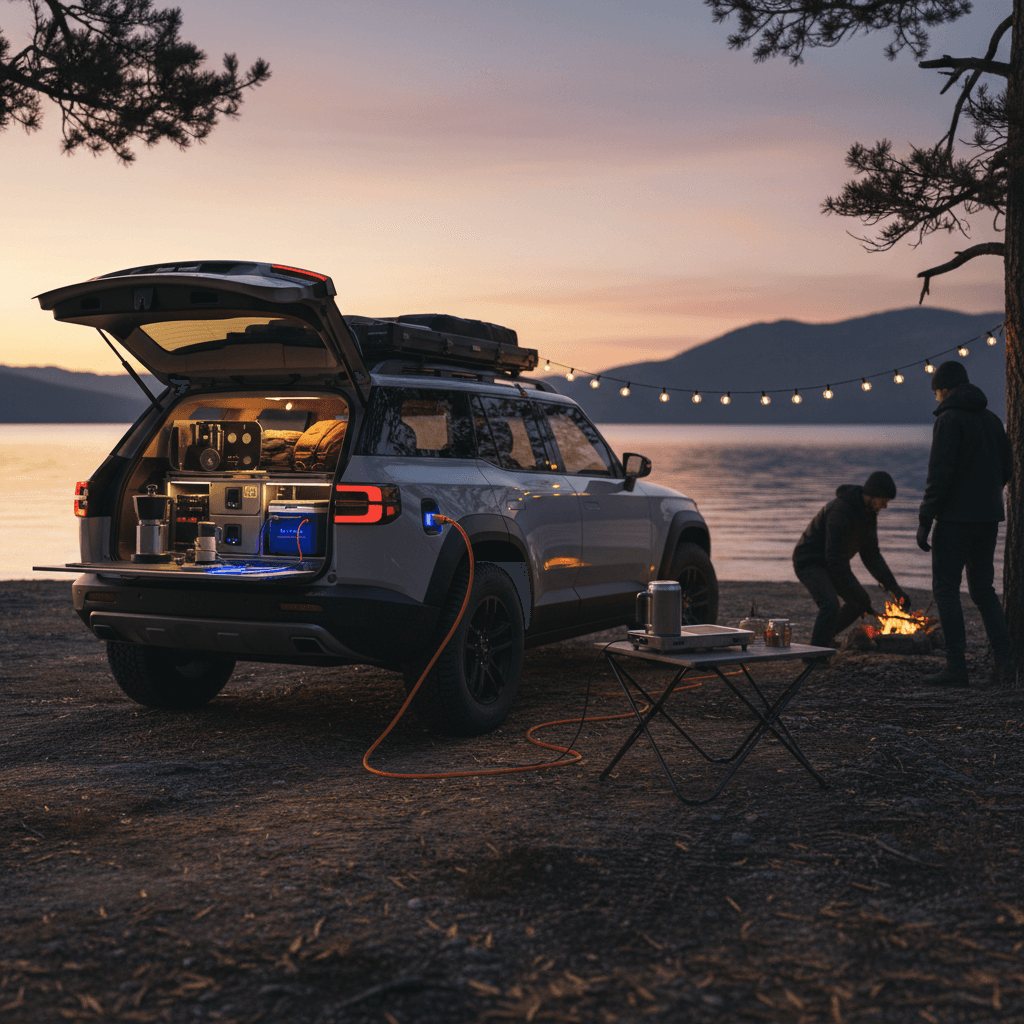
If you spend your weekends chasing trailheads or quiet campsites, the **best electric car for camping in 2026** isn’t just the one with the biggest battery. It’s the EV that can haul your gear, power your campsite, handle rough access roads, and still get you home without a white‑knuckle range calculation. This guide breaks down the top new and used EVs that actually work for camping, plus the features and specs that matter more than the marketing.
Quick takeaway
Why EVs Make Surprisingly Good Camping Rigs
- Silent climate control while you sleep, without idling a noisy engine or dealing with exhaust fumes.
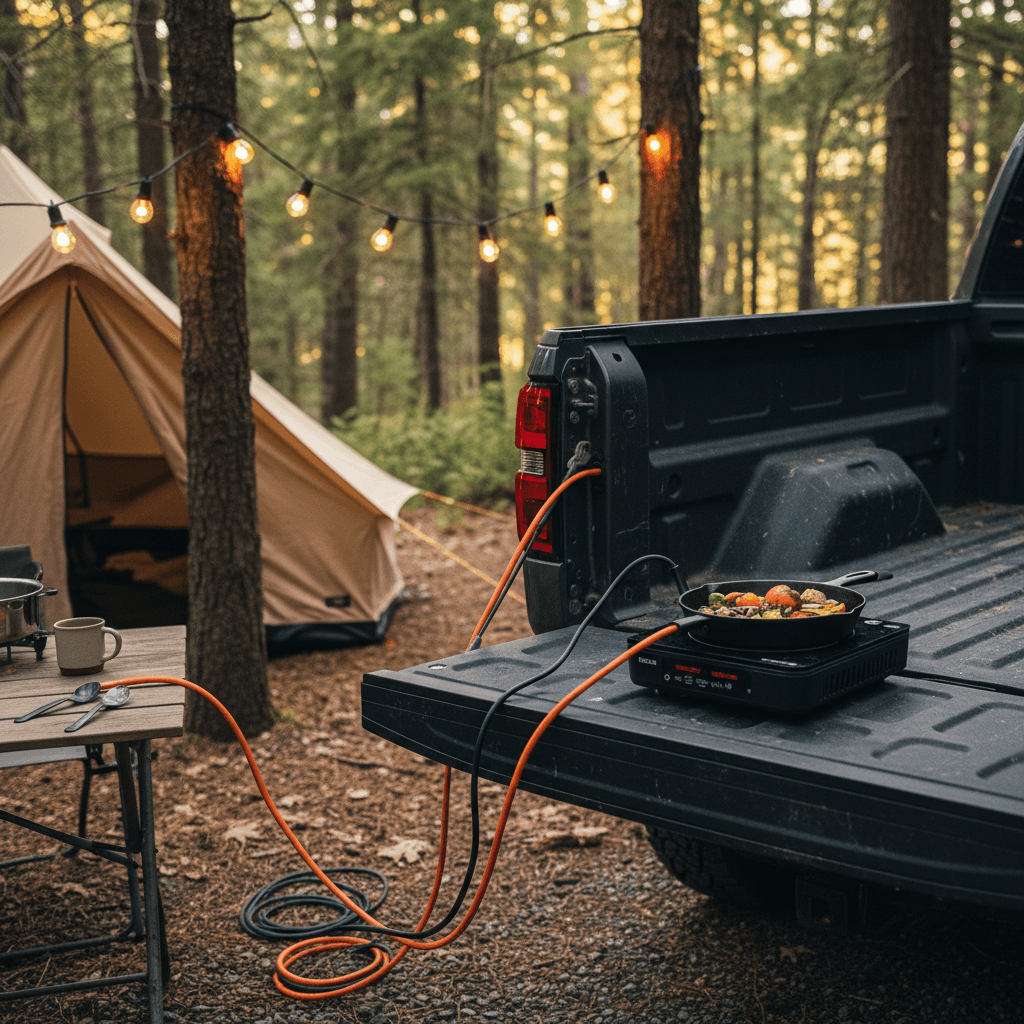
- Built‑in **high‑capacity battery** that can power lights, laptops, pumps, or even an induction cooktop via V2L or onboard outlets.
- Fine control over cabin temperature, perfect for shoulder‑season camping when nights can swing from warm to freezing.
- Excellent low‑speed torque and one‑pedal driving on rutted forest roads or gravel approaches.
- Lower running costs than a gas SUV or truck, especially if you charge at home before you leave.
EV camping comfort advantage
Key Features That Matter for EV Camping
The 6 specs that matter more than 0–60
How to read EV brochures through a camper’s lens
Usable range
Look for **250+ miles EPA rated range** if you’re mixing highway driving with some elevation or cold weather. For frequent long‑distance trips or towing, 300+ miles is a safer buffer.
Vehicle‑to‑Load (V2L) or outlets
V2L or onboard outlets let your EV replace a gas generator. Many 2026 models offer **2–3.6 kW** of export power, enough for lights, laptops, a coffee maker, or an induction burner.
Cargo space & fold‑flat seats
Check cubic feet of cargo behind the second row and with seats folded. For car‑camping inside the vehicle, you want a **flat, level load floor** that’s at least ~6 feet long in one dimension.
Ground clearance & traction
For forest roads or light overlanding, look for **7–9 inches of clearance**, optional AWD, and at least an all‑weather tire. You don’t need rock‑crawler specs, but low bumpers are limiting.
Charging speed & network
For multi‑day trips or cross‑country camping, fast DC charging (150 kW+ peak) and good access to CCS/NACS fast chargers along your routes matters more than absolute peak numbers.
Efficiency & energy use
An efficient EV (low kWh/100 mi) lets you go further on a given battery size and leaves more energy for campsite power. Slab‑sided trucks and boxy SUVs will use more range at highway speeds.
Don’t forget payload
Best Electric Cars for Camping in 2026: Top Picks
The list below focuses on EVs you can realistically buy or find used in the U.S. in 2026, and that have a proven track record or clear design intent for camping and outdoor use. We’ll group them by size and use case rather than chasing a single unrealistic “best.”
EVs are growing into camping duty
Best Compact & Midsize EVs for Weekend Camping
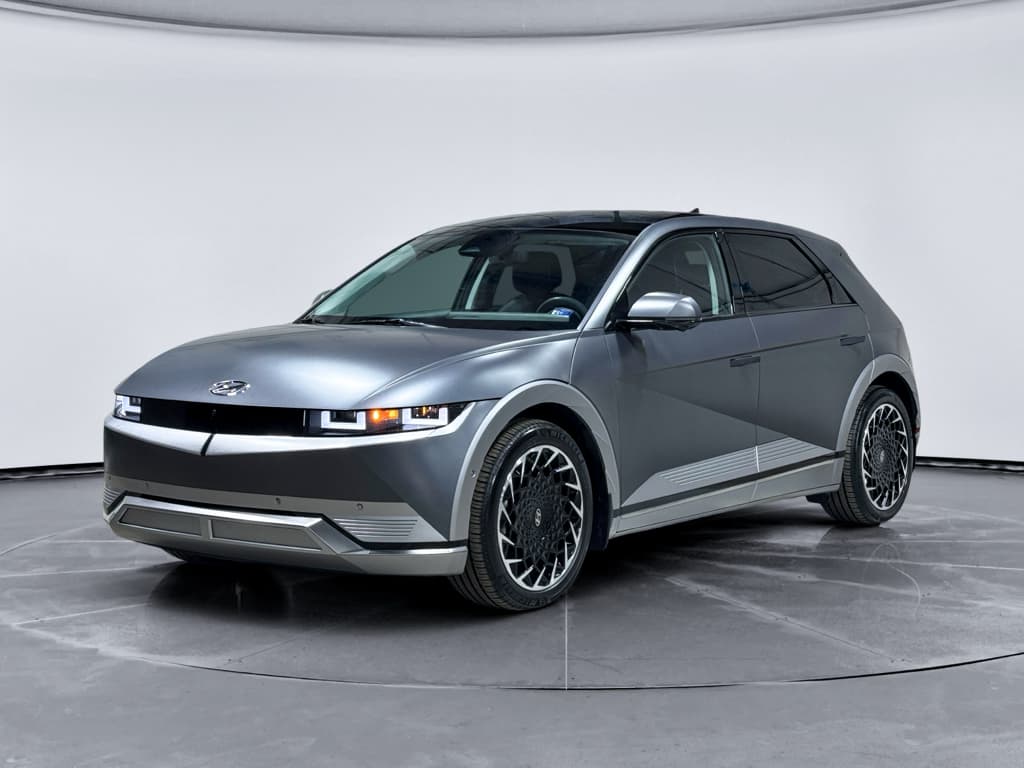
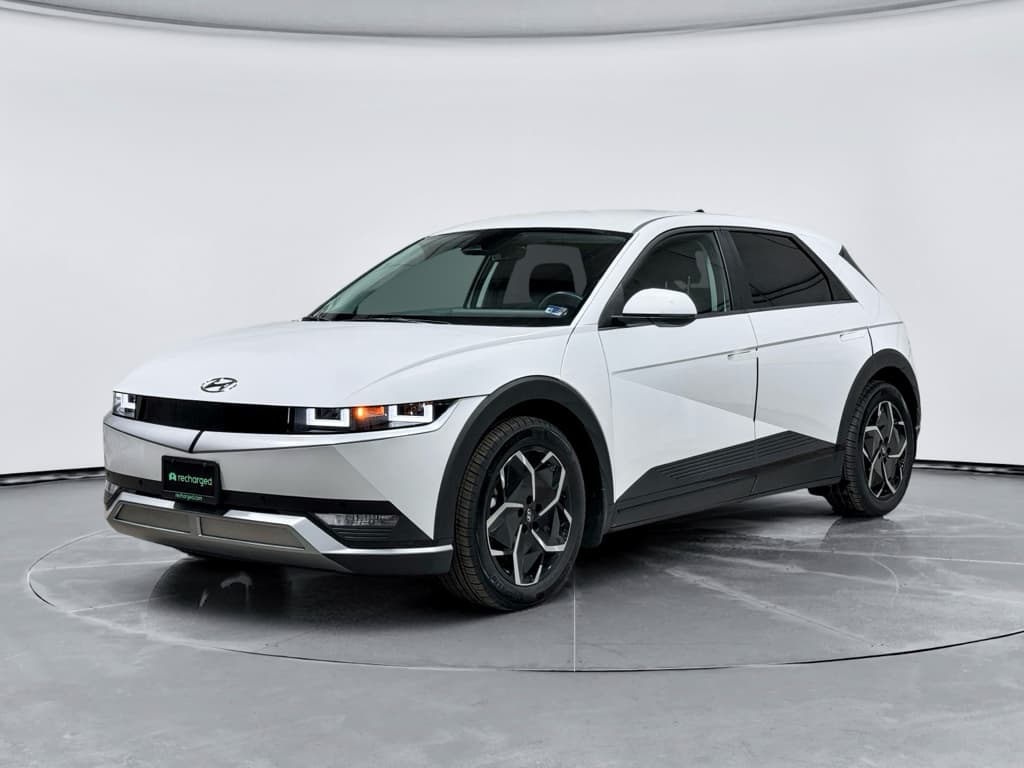
Hyundai Ioniq 5
The Ioniq 5 has become a cult favorite for car‑camping, and for good reason:
- Up to ~300 miles EPA range depending on battery and drive configuration.
- Standard **V2L up to ~3.6 kW** via an adapter and interior outlet, perfect for powering a portable fridge, lights, or induction hob.
- Spacious, nearly flat rear load floor with seats folded, great for sleeping inside with a mattress.
- Fast DC charging (up to 350 kW peak on an 800V architecture) if you do need a mid‑trip top‑up.
If you mostly do weekend trips and occasional longer journeys, it’s one of the most versatile EVs for camping in 2026.
Kia EV6
The Kia EV6 shares much of the Ioniq 5’s hardware but in a lower, sportier body. For camping:
- Similar **V2L capability** for campsite power.
- More driver‑focused handling if you’re also using it as a daily commuter or long‑distance highway car.
- Less vertical cargo space than the Ioniq 5, better for two‑person car‑camping than max‑gear family trips.
If you want something that feels more like a wagon than an SUV but still handles gravel roads and light camping duty, the EV6 is a strong pick.
Other solid compact and midsize EVs for camping
Good all‑rounders if you don’t need a truck or three rows
Tesla Model Y
Excellent range and efficiency, strong Supercharger access, and a big aftermarket for **mattresses and storage systems**. No official V2L yet, so it’s best if you’re focused on sleeping in the car and using low‑power USB devices, not running heavier appliances.
Subaru Solterra / Toyota bZ4X (updated models)
The latest iterations improve efficiency and capability compared with early models. Standard AWD and higher ground clearance make them appealing for dirt‑road trailheads. They’re still range‑limited when fully loaded, so treat them as shorter‑range adventure rigs.
Budget‑minded options
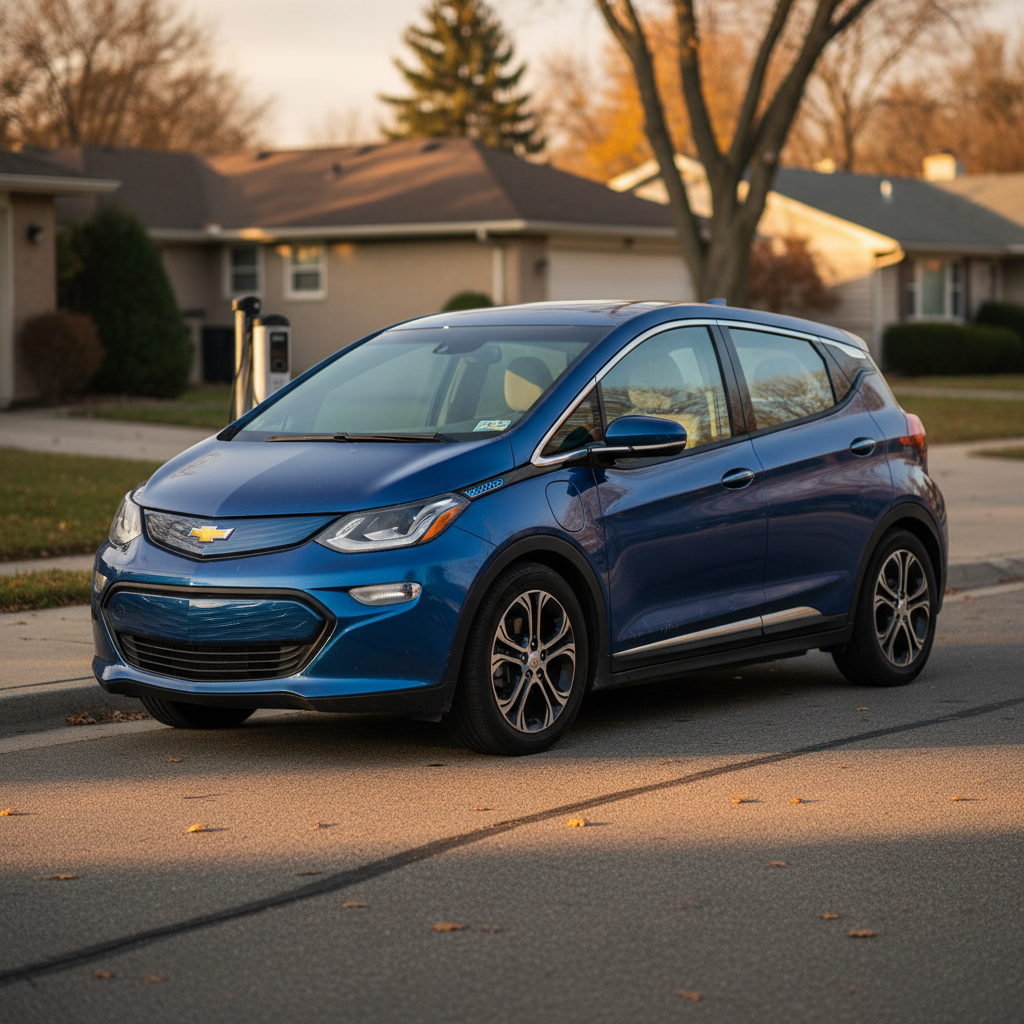
Compact EVs like the Nissan Leaf or Chevy Bolt EUV (where available used) can work for **light campground duty** if you don’t need much off‑pavement ability. Prioritize healthy batteries and realistic range expectations.
Best overall compact/midsize camping pick
Electric SUVs & Vans for Family Camping Trips
Kia EV9
The Kia EV9 is one of the first three‑row EVs that actually feels built with camping and road‑tripping in mind:
- Three rows with adult‑usable space and generous cargo volume.
- V2L capability (around **3.6 kW**) via interior outlets and an external adapter, ideal for family campsites.
- Available AWD and decent ground clearance for unpaved campground roads.
- DC fast charging on an 800V system, making long drives with mid‑trip charging realistic.
If you camp with kids, pets, and a lot of gear, the EV9 is arguably the best electric SUV for camping in 2026.
Hyundai Ioniq 9 and other emerging three‑row EVs
Hyundai’s Ioniq 9 and other three‑row electric SUVs arriving for the 2026 model year build on the same formula: large batteries, three‑row seating, and increasing support for V2L or broader bidirectional power. If you’re shopping new, they’re worth cross‑shopping with the EV9 for space, range, and price.
What about electric camper vans?
Electric Trucks: The Ultimate Camping Power Stations
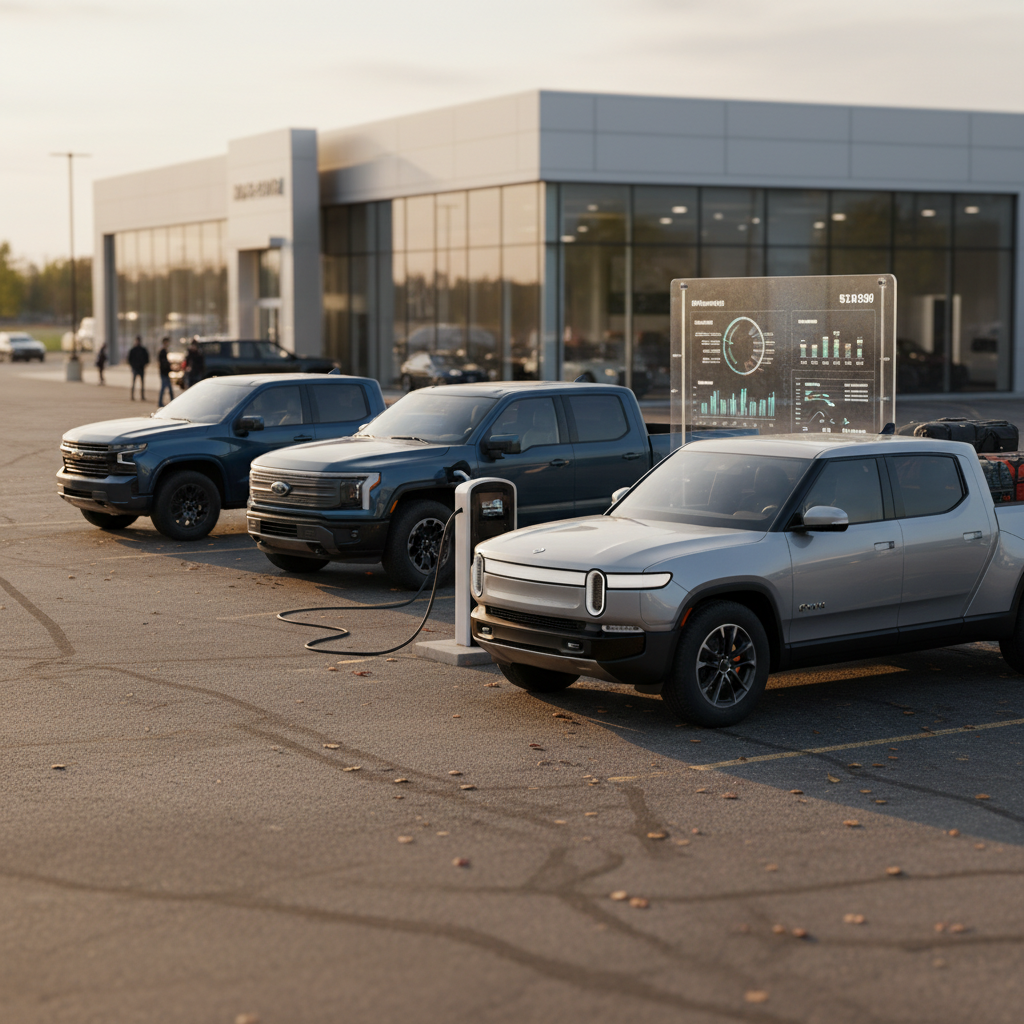
If your idea of camping includes towing a small trailer, hauling bikes and kayaks, or running a serious off‑grid basecamp, electric pickups are where things get interesting. They’re rarely the cheapest or most efficient answer, but they are unrivaled for onboard power.
Electric trucks for camping: key specs at a glance
Approximate, simplified snapshot of how current electric pickups stack up for camping. Always verify exact specs for the trim and model year you’re considering.
| Model | Why it’s great for camping | Onboard power | Best for |
|---|---|---|---|
| Ford F‑150 Lightning | Multiple 120V outlets plus available 240V bed outlet; mature full‑size truck platform | Up to ~9.6 kW Pro Power Onboard in higher trims | Families and contractors who want one vehicle for work, towing, and camping |
| Rivian R1T | Adventure‑oriented design, available camp kitchen modules, strong off‑road hardware | AC outlets plus DC export options; good for tools and camp gear | Outdoor enthusiasts and overlanders who prioritize trail access |
| Chevy Silverado EV / GMC Sierra EV | Ultium‑based pickups with growing support for home backup and export power | Bidirectional‑capable when paired with GM’s energy hardware; strong towing payload potential | Towing travel trailers, future‑proof home/vehicle energy setups |
Payload and range vary significantly by configuration; if you’re towing a camper, assume a large range hit and plan charging accordingly.
Big battery, big energy use
Range Planning: How Far Can You Go and Still Camp?
Camping changes how you use your battery. You’re not just driving to a destination and back, you may also be running climate control and powering devices at camp. That doesn’t mean you need a 400‑mile luxury EV, but it does mean you should be conservative.
Range planning rules of thumb for EV camping
Aim to arrive with 40–60% state of charge
If you’ll be running A/C, heat, or V2L at camp, it’s smart to arrive with extra buffer. Plan charging stops so you’re not rolling in with 5–10% and immediately draining more.
Expect higher use at highway speeds
At 70–80 mph, wind resistance hits EVs hard, especially trucks and tall SUVs. Your real‑world range can be 20–30% lower than the EPA rating even before you add cargo or a roof box.
Cold or hot weather = more energy for comfort
Heating and cooling use real energy. If you’re winter camping or relying on A/C at night, bake that extra usage into your range planning.
Towing? Cut your range in half by default
Small, streamlined trailers might do better, but many EV owners see **40–50% range losses** when towing boxy campers at highway speeds. Plan routes around that.
Use camp mode or scheduled climate
Many EVs now have a specific camp mode that keeps climate and 12V systems running without other drains. Learn your vehicle’s settings before you leave.
Charging Strategies for Camping With an EV
1. Charge at home, then camp off‑grid
For weekend trips within a couple hundred miles, the simplest approach is:
- Charge to 90–100% at home before leaving.
- Drive to your campsite with a healthy buffer (40–60%).
- Use V2L or outlets modestly, LED lights, a fridge, phones, maybe an induction burner for short stints.
- Drive home and recharge on your home Level 2 charger.
This works especially well if your EV is efficient and your campsite isn’t too far from home.
2. Use public fast charging near your destination
If you’re heading farther afield, look for DC fast chargers:
- Near highway exits before you turn off toward national parks or trailheads.
- In towns close to popular campgrounds.
- At or near big‑box stores where you can resupply while charging.
Make sure to filter for **NACS vs CCS** compatibility depending on your connector and any adapters you carry.
Mix Level 2 and DC to keep it stress‑free
Used EVs for Camping: Smart Buys in 2026
You don’t have to buy a brand‑new 2026 model to build a great EV camping setup. In fact, some of the most camping‑friendly models, like early Hyundai Ioniq 5s, Kia EV6s, or Ford F‑150 Lightnings, are now hitting the used market in decent numbers, often at a meaningful discount from new.
Used EVs that punch above their weight for camping
Great value if you shop battery health and specs carefully
Hyundai Ioniq 5 (used)
Still one of the best all‑rounder camping EVs thanks to V2L, fast charging, and ample interior space. On the used market, **battery health** is the key variable, prioritize cars with verified capacity and limited DC fast‑charge abuse.
Kia EV6 (used)
Shares the Ioniq 5’s core strengths in a sleeker package. A smart used buy if you camp light and care more about efficiency and handling than maximum cargo volume.
Ford F‑150 Lightning (used)
For campers who also tow or need a work truck, a used Lightning with Pro Power Onboard can replace both a pickup and a generator. Focus on trims with the onboard power features you care about and verify remaining range.
How Recharged helps with used EVs for camping
Checklist: What to Look For in an EV Camper
Pre‑purchase checklist for a camping‑ready EV
Confirm V2L or onboard outlets
If you want to power more than phones and laptops, prioritize EVs with an official V2L system or multiple 120V outlets. Ask about total kW export and which outlets can be used simultaneously.
Measure your sleep space
If you plan to sleep inside the vehicle, physically measure the cargo area with seats folded. Make sure it fits your mattress or sleep system with a little extra room for bags.
Check ground clearance and approach angles
Look for at least 7 inches of clearance for rutted roads and pay attention to long front or rear overhangs that can scrape on dips and berms.
Assess battery health (used EVs)
Degraded batteries shrink your usable radius. Ask for a battery health report, or shop through platforms like Recharged that provide independent diagnostics as part of a **Recharged Score**.
Plan charging where you actually camp
Map your regular trip patterns in an app like A Better Routeplanner or PlugShare. Make sure you’re not relying on a single remote charger to make your favorite campsites workable.
Think about your camping style
Backcountry trailheads, national parks, and full‑hookup RV parks each reward different EV traits. Choose for how you really camp, not an Instagram fantasy rig you’ll never use.
FAQ: Best EVs for Camping in 2026
Frequently asked questions about camping with an EV
Bottom Line: Choose the Right EV for Your Kind of Camping
The **best electric car for camping in 2026** isn’t automatically the one with the biggest screen or the longest spec‑sheet range. It’s the one that matches how you actually camp: a V2L‑equipped crossover like the Hyundai Ioniq 5 or Kia EV6 for weekend car‑campers, a three‑row Kia EV9 or similar for family trips, or a Ford F‑150 Lightning or Rivian R1T if you tow and want a rolling power plant.
As EVs add more bidirectional power and outdoor‑oriented trims, the gap between “car” and “camper” keeps shrinking. Whether you’re shopping new or used, focus on **battery health, real‑world range, cargo layout, and power export features**, then sanity‑check those against the routes and campsites you actually visit. If you’d rather not decode spec sheets alone, Recharged’s EV specialists and **Recharged Score Reports** can help you find a used EV that’s ready for both the weekday grind and your next long weekend in the woods.