If you drive about 60 miles a day, you are smack in the sweet spot for electric cars. A 60‑mile round‑trip commute is long enough that gas costs add up quickly, but short enough that you don’t need a giant, expensive battery. The trick is choosing the best electric car for a 60 mile commute so you get easy range, low running costs, and a car you actually enjoy living with.
The 60‑mile commute, by the numbers
Do you need an EV for a 60‑mile commute?
No, you don’t need an EV. But if you’re doing 60 miles a day, an electric car can make your commute cheaper, quieter, and less stressful than almost any gas alternative. Electricity is typically the equivalent of paying $1–$2 per gallon, and efficient EVs can travel around 3–4 miles for every kWh of energy they use, depending on the model and conditions. Over a year of commuting, that gap adds up to thousands of dollars saved.
Just as important, an EV turns every morning into “leave with a full tank” if you can plug in at home. No more early‑morning fuel stops or hoping the cheap gas station on your route isn’t packed. For a 60‑mile commute, you’re squarely in the zone where that convenience starts to feel like magic.
What a 60‑mile EV commute really looks like
About those cost numbers
How much range do you really need for 60 miles a day?
This is the big question, and where many shoppers overspend. For a 60‑mile daily commute, the right range target depends on how you charge and where you live. Think in terms of usable daily range rather than the biggest number on a brochure.
Range targets for a 60‑mile commute
Approximate EPA rated ranges and how they feel in daily use.
| EPA rated range | Best for | Daily comfort level | Notes |
|---|---|---|---|
| 150–180 miles | Short commute + home charging | Tight but workable | Fine for mild climates if you charge every night and don’t do many side trips. |
| 200–230 miles | Budget commuters | Comfortable | Good balance of price and peace of mind for most 60‑mile drivers. |
| 240–280 miles | One‑car households | Very comfortable | Generous margin for winter, detours, and skipped charging nights. |
| 300+ miles | Frequent road‑trippers | Overkill for commuting | Great for cross‑country drives, but often more battery (and money) than a pure commuter needs. |
You don’t need 300 miles of range to cover 60 miles a day with a margin of safety, especially if you can plug in at home.
A simple rule of thumb
Key features of a great commuter electric car
What actually matters for a 60‑mile commute
Spoiler: it’s not just the biggest battery.
Efficiency
An efficient EV squeezes more miles from each kWh, so you charge less and pay less. Look for cars that average 3+ mi/kWh in real‑world driving or have strong EPA MPGe ratings.
Charging fit
Home Level 2 charging is ideal for a 60‑mile commute. If that’s not possible, prioritize fast‑charging speed and easy access to public stations along your route.
Comfort & ergonomics
You’ll spend 10+ hours a week in this car. Supportive seats, good ride quality, and quiet highway manners matter just as much as the spec sheet.
Safety & driver assists
Adaptive cruise control, lane‑keeping assistance, and automatic emergency braking can take the edge off long highway slogs and stop‑and‑go traffic.
Total cost, not just price
Factor in insurance, maintenance, tires, and electricity. Many used EVs offer excellent value because they’ve already taken the initial depreciation hit.
Battery health
A healthy battery is everything in a commuter EV. A quality battery health report, like the Recharged Score, tells you how much capacity is left compared to new.
How Recharged can help
Best electric cars for a 60‑mile commute (new & used)
You don’t need a luxury budget to find the best electric car for a 60 mile commute. In fact, many of the most sensible choices are compact and midsize EVs that combine decent range, excellent efficiency, and reasonable prices, especially on the used market.
Efficient all‑rounders (great new or nearly new)
- Hyundai Ioniq 6 – Slippery aerodynamics, strong efficiency, and 300‑ish mile range in some trims make it a superb long‑distance commuter with plenty of margin for bad weather.
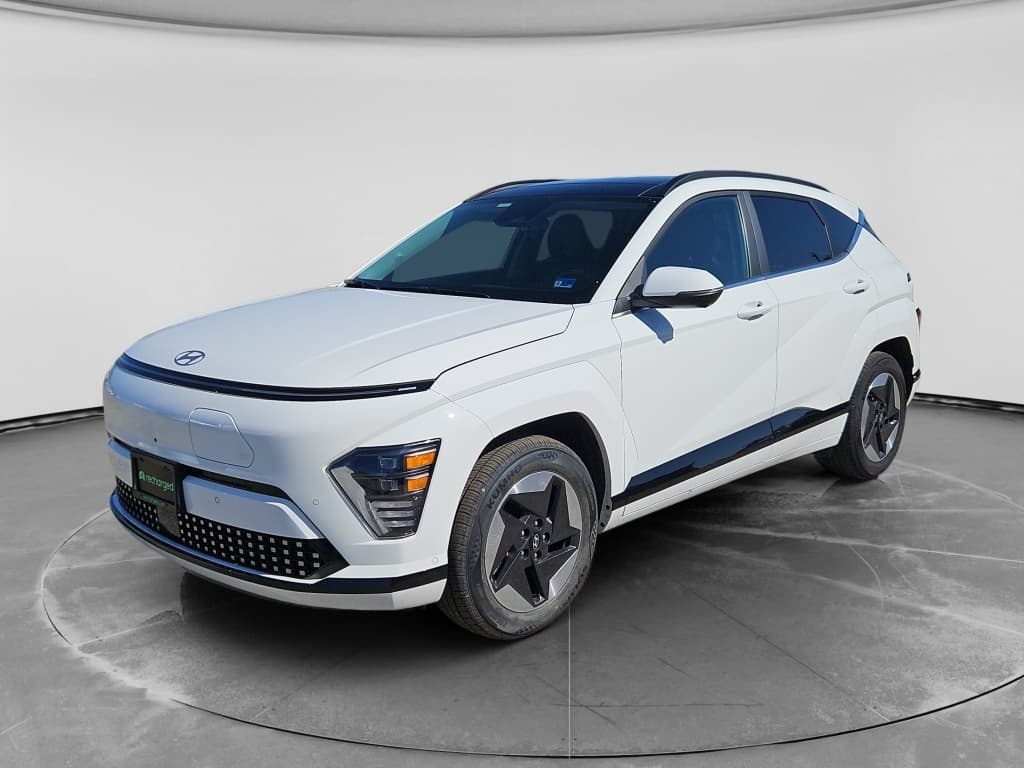
- Hyundai Kona Electric (new generation) – Real‑world tests show it can crack 4+ mi/kWh in mixed driving, which means low running costs even if your electricity rates are high.
- Tesla Model 3 – Excellent efficiency and access to the Supercharger network for longer trips. For a 60‑mile commute, even older 240–270‑mile versions are more than enough.
Value heroes (especially as used buys)
- Chevrolet Bolt EV / EUV – Around 250 miles of EPA range, compact size, and very strong efficiency make the Bolt a commuter darling. On the used market, it’s often one of the best bargains.
- Kia Niro EV / Hyundai Kona Electric (prior gen) – 230–260 miles of range and crossover practicality. Ideal if you want a slightly higher seating position without the bulk of a big SUV.
- Nissan Leaf (long‑range trims) – Newer Leafs with the bigger battery can handle a 60‑mile commute comfortably, though CHAdeMO fast‑charging is a drawback for frequent road‑trippers.
Think twice about oversized trucks and SUVs
Used EV spotlight: budget‑friendly commuter champs
If your main goal is to slash commuting costs, a used EV is hard to beat. The first owner takes the steepest depreciation hit; you step in when the price is realistic, but the car still has plenty of life and range left, if the battery checks out.
Three standout used EV commuters
Strong range, reasonable prices, and easy daily manners.
Chevrolet Bolt EV
Why it works: Around 250 miles of range in later years, excellent efficiency, simple cabin, and compact footprint. Ideal if you park in cities but drive a lot of highway.
Watch for: Battery recalls were addressed on many cars; a third‑party health report is still essential.
Kia Niro EV
Why it works: Crossover‑style space in a compact package, 230–240‑ish miles of range, and plenty of real‑world owners reporting low running costs.
Watch for: Make sure any software updates and recall work have been done.
Hyundai Kona Electric
Why it works: Small, efficient, and surprisingly fun to drive. Its range is plenty for a 60‑mile commute with a healthy buffer.
Watch for: Check tire wear, short wheelbase cars can be hard on rubber when driven aggressively.
Why a battery health report matters more than model year
Ready to find your next EV?
Browse Vehicles
Charging strategy for a 60‑mile daily drive
The best electric car for a 60 mile commute is the one that fits your charging life. Driving needs and charging access go hand‑in‑hand, so think about where your electrons will actually come from.
Build a stress‑free charging routine
1. Install (or plan for) Level 2 home charging
A 240‑volt Level 2 charger can add 20–40 miles of range per hour, depending on the car. For a 60‑mile commute, that means you can recover a full day’s driving in just a couple of hours overnight.
2. Confirm your electrical panel can handle it
Before you fall in love with a specific EV, make sure your home can support a 240‑V circuit without a huge electrical upgrade. A licensed electrician, and in many cases your utility, can help you sort this out.
3. Map out public chargers on your route
Even if you rarely need them, it’s comforting to know where the DC fast chargers and Level 2 stations are near work, school, or your kid’s practice field.
4. Use scheduled charging to save money
Many utilities offer cheaper off‑peak rates overnight. Most EVs let you schedule charging so the car finishes just before you leave, with a warm cabin and a full battery.
5. Plan for the occasional long day
If your 60‑mile commute can suddenly turn into 120 miles with errands or client visits, favor cars with at least 220–240 miles of rated range or excellent fast‑charging speed.
You don’t have to charge to 100%
Cold weather and highway driving: what changes
If you’re in a colder climate or spend nearly all of your 60‑mile commute at 70–80 mph, you’ll see less range than the EPA rating. Batteries dislike the cold, and higher speeds chew through energy faster.
- Expect winter range to drop by roughly 20–30% in freezing conditions, especially on short trips where the cabin heater runs hard.
- At sustained highway speeds, many EVs perform closer to their highway MPGe rating, which is often lower than the combined figure.
- Heat pumps (now common on many newer EVs) reduce the winter penalty compared with old‑school resistive heaters.
If you live in serious winter country…
Should you consider a plug‑in hybrid instead?
If you can’t reliably charge at home or work, or you frequently do long out‑and‑back trips beyond your 60‑mile commute, a plug‑in hybrid (PHEV) can be a smart compromise. Models with 30–50 miles of electric range can cover much of your weekday driving on electricity, while the gas engine erases road‑trip anxiety.
When a PHEV makes sense
- You live in an apartment with no dedicated charger, but you can plug in at work a few days a week.
- Your commute is 40–50 miles, but winter weather or occasional detours push your daily driving well beyond 60 miles.
- You often head straight from work into long evening drives, and public charging isn’t convenient where you live.
When a full EV is still better
- You can reliably charge at home or work.
- Most of your longer drives are predictable and pass near fast‑charging stations.
- You prefer simpler maintenance and want to skip oil changes and exhaust systems altogether.
Step‑by‑step: how to choose your commuter EV
From wish list to the right car
1. Map your real driving pattern
Write down your typical round‑trip commute, plus the longest usual day you drive once or twice a month. That’s the real number your car has to cover, not just the 60‑mile average.
2. Decide where you can charge
Home Level 2 is the gold standard; workplace charging is a solid backup. If both are out, focus on EVs with strong fast‑charging and public stations in smart locations.
3. Pick a range target, then a budget
For a 60‑mile commute, set a minimum range (for example, 200–230 miles) and then shop within your budget, rather than chasing the biggest range at any cost.
4. Shortlist 3–5 models
Mix new and used options, say, a used Bolt EV or Niro EV, a newer Kona Electric, and a Tesla Model 3, and compare efficiency, comfort, and features, not just range numbers.
5. Check battery health and pricing
For used EVs, insist on objective battery data. On Recharged, the <strong>Recharged Score</strong> bundles battery diagnostics with a fair‑price analysis so you can quickly dismiss weak candidates.
6. Test drive your commute style
On your test drive, mimic your real commute: highway speeds, traffic, on‑ramps. Listen for wind and road noise and pay attention to seat comfort and visibility.
Frequently asked questions
Best electric car for a 60‑mile commute: FAQ
Bottom line: focus on right‑sized range, not bragging rights
For a 60‑mile commute, the “best” electric car isn’t the one with the biggest battery or the flashiest badge. It’s the car that has enough range with real‑world margin, charges easily in your life, and doesn’t drain your bank account every month. For many drivers, that means a compact or midsize EV, often bought used, with roughly 220–260 miles of EPA range, good efficiency, and a clean bill of health on the battery.
Start by mapping your actual miles, then work backward: pick a sensible range target, decide how you’ll charge, and only then start shopping models. If you’re looking at used EVs, lean on objective battery diagnostics like the Recharged Score Report and don’t be afraid to walk away from any car whose numbers don’t match your comfort level. Do that, and your 60‑mile commute becomes the easiest part of your day, quiet, predictable, and a lot cheaper than feeding a gas tank.