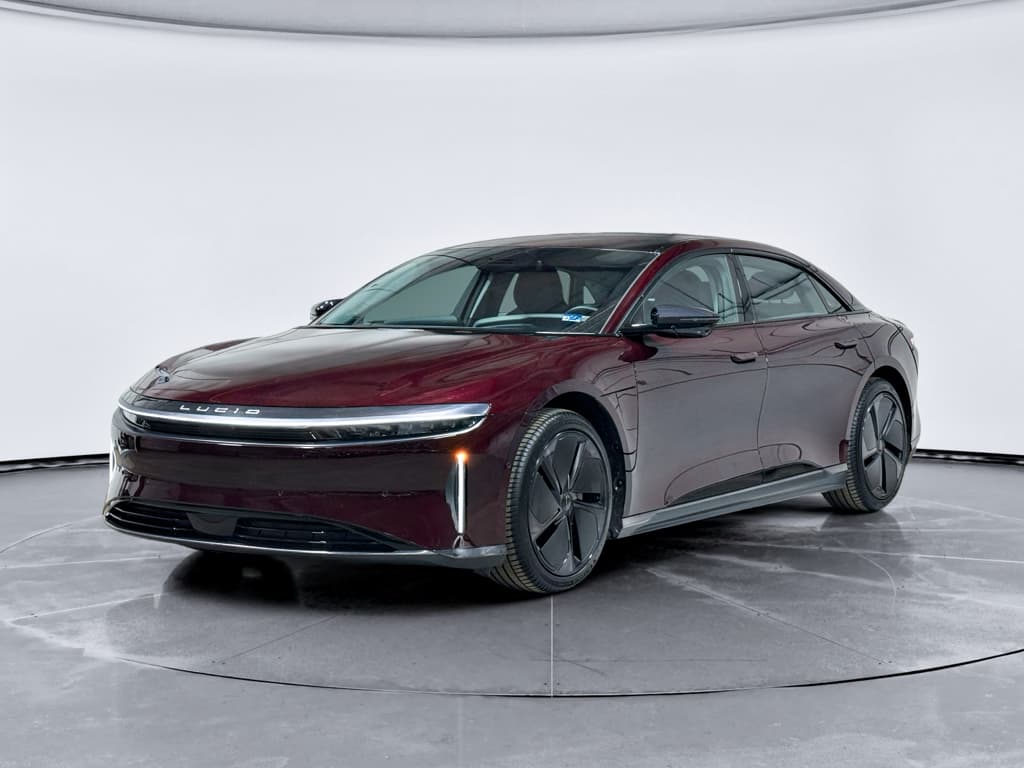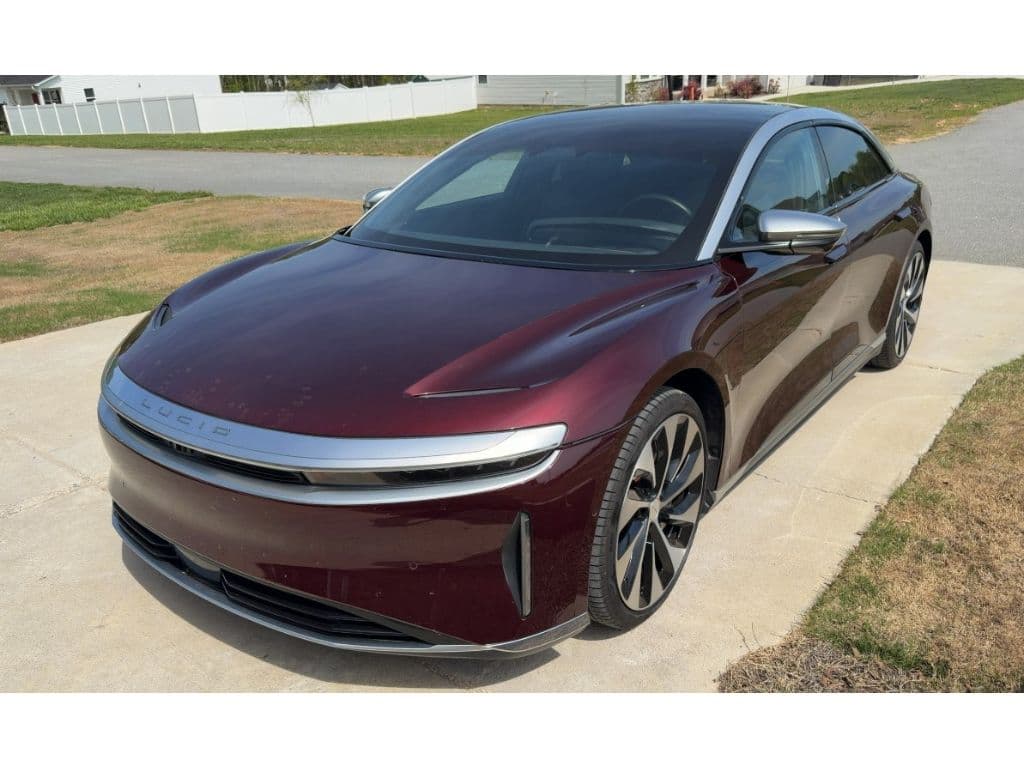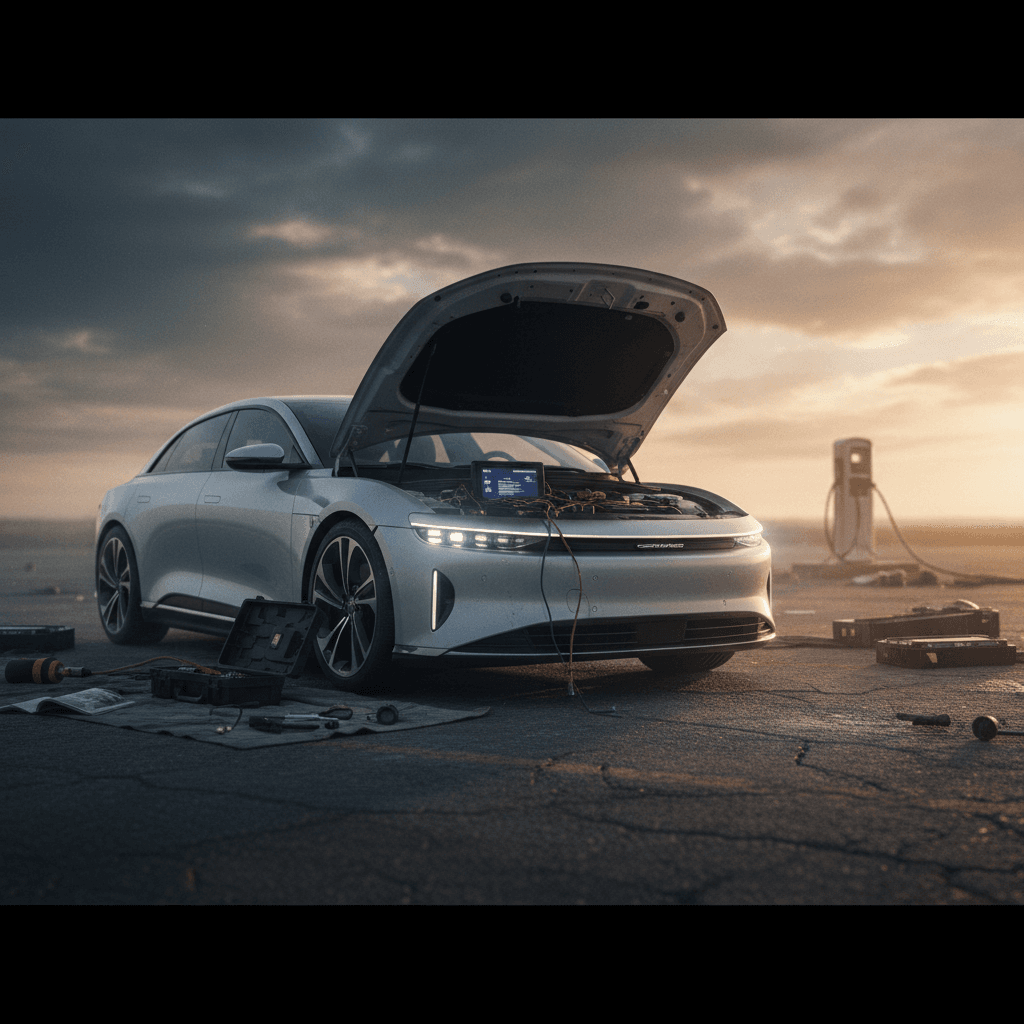
If you’re looking at a used 2022 Lucid Air, you’re probably attracted to its stunning design, huge range, and Tesla-rivaling performance. But early builds of any all-new EV, especially from a startup, can bring reliability trade-offs. Understanding real-world 2022 Lucid Air reliability is critical before you commit tens of thousands of dollars to one.
Quick take
2022 Lucid Air reliability overview
The first model year Lucid Air started reaching customers in late 2021. That means 2022 cars combine cutting-edge hardware with the realities of a young production line and rapidly evolving software. Third-party reliability data is still thin, sales volumes are low, but what we do have points to a mixed picture:
- Multiple recalls affecting safety, drivability, and convenience systems
- Scattered but high-profile owner complaints about build quality and software bugs
- Strong battery and range performance with relatively few high-voltage failures reported so far
- Ongoing over‑the‑air (OTA) software updates that can fix issues, but also occasionally introduce new ones
Key 2022 Lucid Air reliability signals so far
Early-production reality
Recall history for the 2022 Lucid Air
By early 2026, the 2022 Lucid Air had accumulated a substantial recall list. The good news: many issues are addressed via free software updates or component replacements. The bad news: they highlight just how much early owners are acting as beta testers.
Major 2022 Lucid Air recalls (high level)
This summarizes some of the more consequential recalls on 2022 Air models. Exact VIN coverage varies, so always run a VIN check.
| Area affected | Example issue | Risk if not fixed | Typical remedy |
|---|---|---|---|
| Powertrain / electrical | Inverter or high‑voltage contactors may fail to respond properly, causing sudden loss of drive power. | Unexpected loss of propulsion and higher crash risk, especially at speed. | OTA software update plus, in some campaigns, physical replacement of contactors or related hardware. |
| Rear visibility | Rearview camera image may be blank or badly lagging when shifting into reverse. | Reduced rear visibility increases the chance of backing into obstacles or pedestrians. | OTA software update to a newer version; some cars may require hardware updates if equipped with earlier controllers. |
| Displays / controls | Loose or misrouted wiring harness can disable the gauge and infotainment screens. | Loss of speedometer, warning lights, and controls makes the car unsafe to drive. | Inspection and securing of wiring harness at a Lucid service center. |
| Suspension / brake lines | Front suspension snap ring may fail, changing ride height or damaging front brake lines. | Potential sudden front drop or brake line damage, leading to loss of control or braking. | Inspection and replacement of front strut assemblies where necessary. |
| Towing / structure | Front tow‑eye bracket may not be properly attached to the subframe. | Vehicle could detach from a tow truck if improperly secured. | Inspection and reinforcement or re‑attachment of the tow bracket. |
Always verify an individual car’s recall status with its VIN before you buy.
How to check a 2022 Air for open recalls
Common issues 2022 Lucid Air owners report
Beyond formal recalls, early Lucid owners have shared a mix of minor annoyances and more serious frustrations. A single vocal owner doesn’t define a model, but patterns across reports give you a feel for day‑to‑day reliability.
Where 2022 Lucid Air owners see the most trouble
Most problems cluster around software, fit‑and‑finish, and a few hardware components, not the battery itself.
Software glitches
- Freezes or reboots of the center screen
- Intermittent loss of audio, including turn‑signal clicks
- Failed or looping OTA updates that require a service visit
- Infotainment bugs, including CarPlay switching profiles unexpectedly
Phone‑as‑key & app quirks
- Phone‑as‑key not reliably locking/unlocking
- Owners reverting to key cards for peace of mind
- Mobile app draining phone battery more than expected
Fit and usability issues
- Sticky or misaligned front trunk latches
- Charge port doors needing more force than expected
- Controls or buttons (like climate keypad) requiring replacement
Most of these issues are repaired under warranty, but they matter if you value a "get in and go" ownership experience. Each glitch might mean time at a Lucid service center or waiting on mobile service to arrive.
Watch for patterns, not one‑offs
Battery and powertrain reliability
The Lucid Air’s battery pack and powertrain are the stars of the show: enormous range, excellent efficiency, and blistering performance in some trims. From a reliability standpoint, that’s a mixed blessing, more complexity, but also a powertrain engineered from the ground up for EV duty.
- As of early 2026, there have been far fewer reports of catastrophic high‑voltage battery failures than of software or cosmetic problems.
- Drive‑unit issues do appear, but at low volumes relative to total production, and they’re typically handled under warranty.
- Battery capacity retention data is still limited due to the Air’s youth, but early indications show normal degradation, especially for cars that avoid frequent 100% fast charges and extreme heat.
How the battery warranty helps
Strengths of the Lucid powertrain
- Efficient design: High range per kWh compared with many rivals.
- Advanced thermal management: Helps maintain performance and battery health.
- Fast DC charging: Can take advantage of high‑power fast chargers when conditions are right.
Risks to watch for
- High repair costs: Out‑of‑warranty battery or drive‑unit work will be expensive.
- Limited service network: Fewer service centers than Tesla or legacy luxury brands.
- Unknown long‑term data: Not enough 10‑year‑old Lucid Airs to judge lifetime durability.
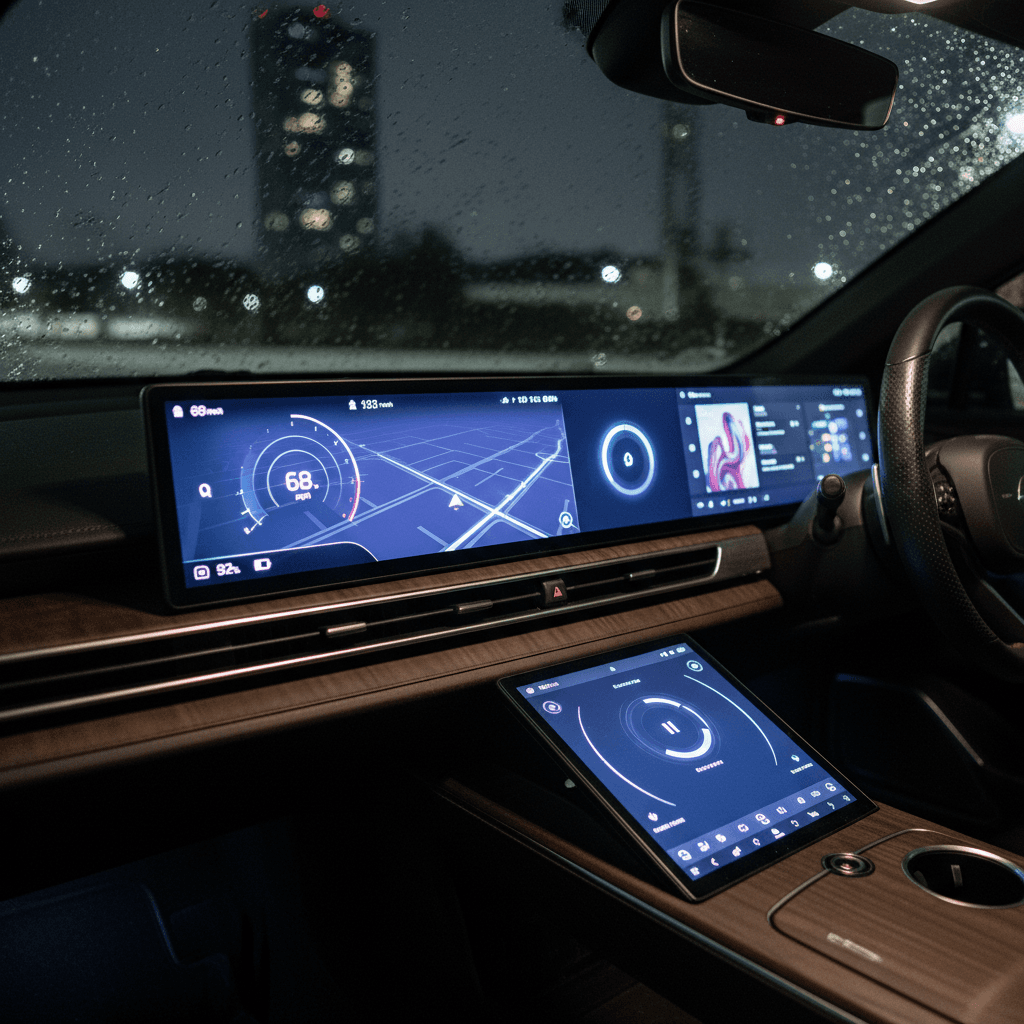
Software and tech: how much do they matter?
The 2022 Air is as much a rolling computer as it is a car. That’s good news for features, giant displays, slick graphics, driver‑assist features, but it also means software reliability is central to your experience. Many of the frustrations owners describe are software‑driven, not mechanical.
How to evaluate software reliability on a test drive
1. Check software version and update history
Confirm the car is running a recent, stable software build and ask the seller whether any updates required service intervention rather than installing cleanly over the air.
2. Power‑cycle the screens
During your drive, intentionally reboot the infotainment screen (if the car allows). Note whether it comes back quickly and cleanly or hangs and glitches.
3. Test the audio and alerts
Make sure all speakers work, the turn‑signal click is audible, and system chimes and alerts play reliably. Intermittent audio issues can affect warnings as well as entertainment.
4. Pair your phone and try phone‑as‑key
If possible, pair your own device and test the phone‑as‑key feature plus CarPlay or Android Auto. You want reliable locking, unlocking, and consistent connections.
5. Engage driver‑assist features
On an open road, test adaptive cruise and lane‑keeping where legal and safe. Confirm that warnings, displays, and steering behavior feel predictable and confidence‑inspiring.
6. Look for random error messages
During and after your drive, watch for stray warning lights or notifications that disappear on their own. Intermittent faults can be the hardest to track down later.
Accept that this is a “living” product
Warranty coverage for a used 2022 Lucid Air
Warranty coverage is one of your best tools for managing reliability risk on a 2022 Lucid Air. Exact terms can vary slightly, but many 2022 cars will have coverage similar to other premium EVs:
Typical 2022 Lucid Air warranty coverage
Approximate coverage you can expect on a 2022 Lucid Air. Always verify the in‑service date and any transferable extended coverage.
| Component | Typical coverage | What it means for a 2022 today |
|---|---|---|
| Basic (bumper‑to‑bumper) warranty | Around 4 years / 50,000 miles | Many early 2022 cars are near or just beyond basic coverage; later‑delivered 2022s may still have a year or so left. |
| High‑voltage battery & drive units | Often 8 years / 100,000 miles | Most 2022s should still have several years and tens of thousands of miles of EV‑system coverage remaining. |
| Corrosion / rust‑through | Longer term (e.g., 7–12 years) | Less of a concern on a relatively new EV but still useful in harsh climates. |
| OTA software updates | Ongoing, usually at no extra cost | Many recall fixes and feature updates arrive via software, but complex cases may still require a service visit. |
The in‑service date, not the model year, determines how much coverage is left on a used car.
How Recharged helps you de‑risk a used Lucid Air
Ready to find your next EV?
Browse VehiclesWhat 2022 Lucid Air reliability means for used buyers
So, should you buy a used 2022 Lucid Air? The answer depends on your expectations and appetite for risk. You’re not just buying an appliance, you’re buying an early, ambitious luxury EV from a startup. That can be thrilling or exhausting, depending on your personality.
Who the 2022 Lucid Air fits well
- Tech‑forward early adopters who don’t mind occasional glitches in exchange for cutting‑edge design and range.
- Owners near a Lucid service center or within easy reach of mobile service coverage.
- Buyers who prioritize range and performance above absolute trouble‑free ownership.
Who may be happier elsewhere
- Set‑it‑and‑forget‑it drivers who value rock‑solid reliability above all else.
- Shoppers in remote areas without reasonable access to Lucid service options.
- Budget‑sensitive buyers who would be stressed by the possibility of out‑of‑warranty repairs on a complex luxury EV.
Don’t overpay for early‑build risk
Used 2022 Lucid Air pre‑purchase checklist
When you’re serious about a specific car, use a structured checklist. That way you’re not relying on gut feel when you’re standing in a driveway or showroom with a gorgeous Air in front of you.
Essential checks before you commit to a 2022 Lucid Air
1. Confirm recall completion
Run the VIN through the NHTSA recall tool and ask for proof that all campaigns, especially those involving power loss, camera visibility, and suspension, have been completed.
2. Pull full service and repair history
Look for repeat visits for the same software, electrical, or hardware issue. Occasional one‑off fixes are normal; chronic gremlins are not.
3. Get a professional EV inspection
Have an EV‑literate technician or a service center inspect brakes, suspension, tires, steering, and underbody, plus verify that high‑voltage components show no damage or leaks.
4. Review battery health data
Ask for a recent battery health report or range test. On a car sold through Recharged, you’ll see this summarized in the Recharged Score report so you know how its real‑world range compares with original EPA estimates.
5. Stress‑test the software on a long drive
Take at least a 30–45‑minute test drive. Use navigation, media, climate, phone integration, and driver‑assist features to tease out any glitches that only appear over time.
6. Evaluate warranty and support
Confirm in‑service date, remaining basic and EV‑system warranty, and your distance to the nearest Lucid facility or mobile service coverage. If you’re far from support and coverage is nearly expired, price should reflect that risk.
7. Check for physical build‑quality issues
Inspect door and trunk alignment, seals, panel gaps, interior trim, and controls. Early vehicles can show more cosmetic and fit‑and‑finish flaws than later builds.
8. Compare pricing to alternatives
Look at similar‑year Tesla Model S, Mercedes EQS, or BMW i5/i7 listings. If the 2022 Air isn’t meaningfully cheaper, or better equipped, make sure its reliability profile still makes sense for you.
FAQ: 2022 Lucid Air reliability
Frequently asked questions about 2022 Lucid Air reliability
The 2022 Lucid Air is a landmark luxury EV, brilliant to drive, impressively efficient, and genuinely special. It’s also an early‑run car from a young automaker, with a reliability story that’s still being written. If you approach it with clear eyes, prioritize a well‑maintained example with clean recall and service history, and leverage tools like a professional EV inspection and a verified battery‑health report, you can tilt the odds in your favor. And if you’d like expert help evaluating a specific car, or exploring alternatives with fewer question marks, Recharged is built to make that used‑EV decision simpler and more transparent.