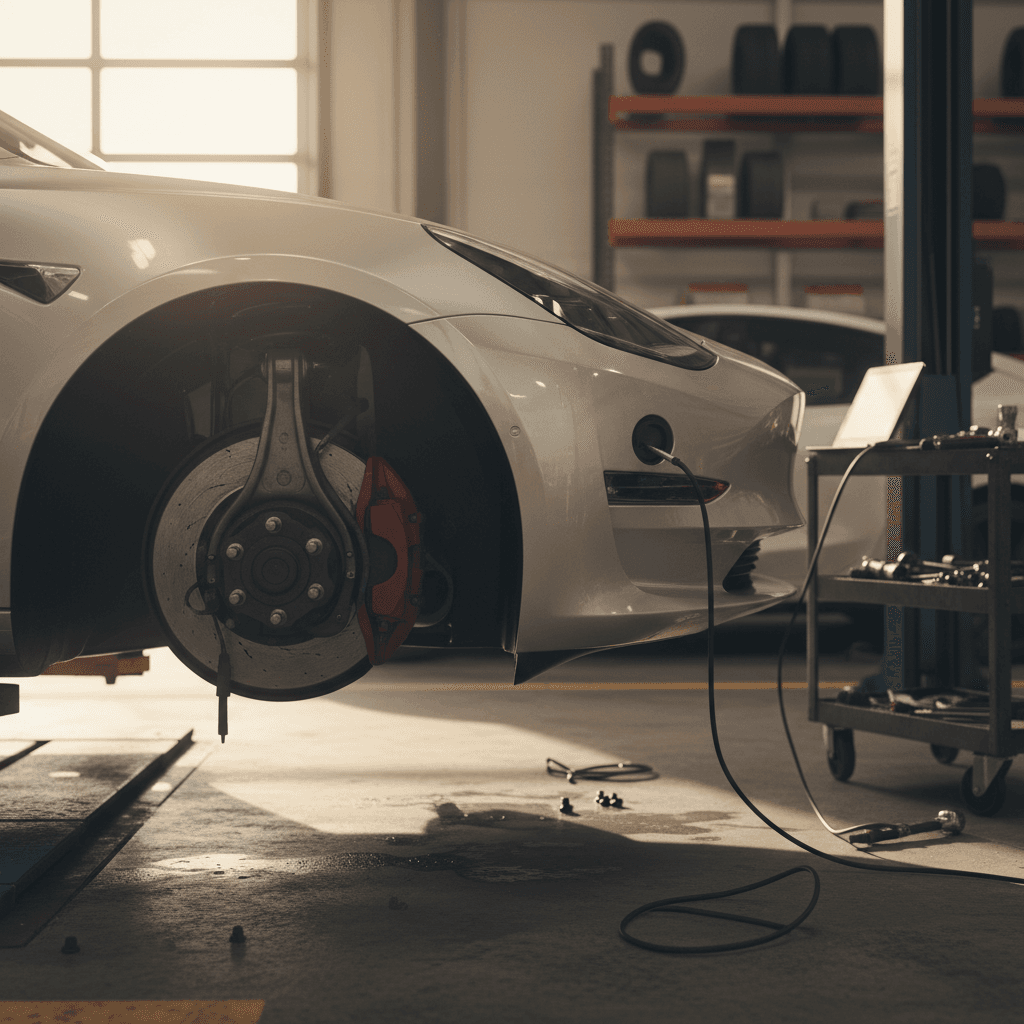
Ask three Tesla owners about the average Tesla repair cost and you’ll get three wildly different answers. One will swear they’ve only paid for tires in five years; another has a horror story about a $4,000 bumper; a third is quietly hoping their battery never needs replacing. The truth lives somewhere in the middle, and if you’re shopping for a used Tesla, you need numbers, not vibes.
Quick takeaway
Why Tesla repair costs feel confusing
Part of the confusion is semantic. When people say “average Tesla repair cost,” they mix together three different buckets:
- Routine service (tire rotations, cabin filters, wiper blades)
- Wear items (tires, brakes, suspension bushings)
- Unplanned repairs (bodywork, electronics, battery or drive unit issues)
Tesla’s marketing leans on the first bucket, fairly, because electric cars really do skip oil changes, transmission service, spark plugs and exhaust systems. Independent data puts annual Tesla maintenance in roughly the $300–$600 range, versus $1,000+ for a typical gas car. But insurance and collision repairs can be higher than average because Teslas use aluminum body panels, lots of sensors, and tightly integrated components.
Terminology matters
Average Tesla repair and maintenance costs in 2025
Average annual Tesla upkeep in 2025 (all-in view)
Independent ownership-cost calculators and insurance analyses converge on a similar story: if you exclude catastrophic events, the average Tesla repair + maintenance cost per year lands somewhere around $700–$1,500 for a typical driver putting 12,000–15,000 miles on the odometer. That’s still lower than a comparable luxury gas sedan or SUV, but it’s not the near-zero fairy tale some early adopters tell.
Tesla annual upkeep snapshot
- Routine maintenance: ~$300–$600/year depending on model and mileage.
- Tires & wear: $400–$900/year averaged over several years (heavier EVs eat tires faster).
- No oil or exhaust: You skip oil changes, spark plugs, mufflers, catalytic converters.
- Long‑life brakes: Regenerative braking can stretch pads and rotors beyond 80,000–100,000 miles.
Typical gas luxury car
- Maintenance: $1,000–$1,500/year once you factor in oil services, transmission fluid, and more frequent brake jobs.
- More moving parts: Engine, transmission, exhaust and fuel systems all add failure points.
- Cheaper bodywork: Parts and labor can be lower, but you’ll still feel major collisions in your premiums.
- Net effect: Teslas usually cost less to keep running, but individual repairs can be eye‑watering when they do occur.
How to use these averages
Typical Tesla repair costs by job
Let’s move from theory to invoices. Here’s what common Tesla repairs typically cost at a Tesla Service Center or reputable EV shop in the U.S. in 2025. Local labor rates vary, but these ranges are representative of what owners report and what shops quote.
Common Tesla repair costs in 2025
Approximate out-of-pocket repair pricing before tax. Insurance may cover collision damage subject to your deductible.
| Repair or service | Typical cost range (USD) | Notes |
|---|---|---|
| Tire rotation + balance | $70–$150 | Often every 6,000–7,500 miles; some shops bundle with alignment checks. |
| Four-wheel alignment | $150–$300 | Highly recommended after pothole hits and before a new tire set. |
| Full set of tires (Model 3/Model Y) | $900–$1,600 | Performance trims with 19–21" wheels sit at the top of the range. |
| Cabin air filter replacement | $80–$200 | DIY possible for many owners; labor is the big variable. |
| Windshield replacement | $900–$1,800 | Higher than average due to sensors and cameras; often an insurance claim. |
| Side window glass | $300–$700 | Depends on model and whether trim/door cards need replacement. |
| Minor paintless dent repair | $200–$500 | If the paint isn’t broken and there are no sensors involved. |
| Front or rear bumper cover replacement | $1,500–$4,000+ | Can climb with radar, cameras and hidden structural damage. |
| Headlight or taillight unit | $600–$1,500 each | LED units with integrated electronics cost more than old-school bulbs. |
| Suspension control arm or bushing | $400–$900 per corner | Heavier EVs are hard on front-end suspension in rough climates. |
| HVAC or heat pump issue | $800–$2,500 | Can affect range and comfort; diagnosis matters as much as parts. |
| Infotainment or screen replacement | $1,000–$2,000 | MCU and screen repairs are much rarer on newer cars but not unheard of. |
Real invoices will vary, but these ranges show what many Tesla owners actually see on service quotes.
Where bills jump from $1,000 to $4,000
Tesla battery replacement costs in 2025
The question everyone asks: what if the big one, the battery, goes? In 2025, a full pack replacement for a Tesla Model 3 or Model Y typically runs $12,000–$16,000, parts and labor. Larger packs in the Model S or Model X usually land between $17,000 and $20,000+, depending on configuration and local labor.
- These figures assume out‑of‑warranty, full pack replacement. Module-level repairs or refurbished packs can be cheaper, but availability varies.
- If your pack fails inside Tesla’s 8‑year / 100,000–150,000‑mile battery and drive unit warranty (depending on model), much or all of the cost may be covered.
- True pack failures are rare compared with internet lore; most owners sell or trade long before they face this bill.
Battery failure vs battery aging
Estimated Tesla battery replacement costs by model (2025)
High-level view of battery pack replacement pricing if you’re out of warranty.
| Model | Estimated replacement cost | Notes |
|---|---|---|
| Model 3 | $12,000–$15,000 | Most common; standardized packs help keep costs at the lower end of Tesla’s lineup. |
| Model Y | $12,000–$16,000 | Similar chemistry to Model 3, slightly higher for long‑range variants. |
| Model S | $17,000–$20,000+ | Larger, older packs; performance models and early cars can be pricier. |
| Model X | $17,000–$20,000+ | Heaviest vehicle; long‑range and Plaid packs sit at the upper end. |
| Salvage/rebuilt options | Varies widely | Independent EV shops sometimes source used packs or perform module-level repairs at a discount. Vet them carefully. |
Numbers represent typical quotes for full pack replacement; taxes and shop fees extra.
Don’t build your budget around pack replacement
How insurance and collision repairs change the picture
Here’s the twist: many of the “average Tesla repair cost” horror stories you hear are actually insurance stories. The driver didn’t cut a check for $8,000; their insurance company did, and then quietly raised their premium the following year.
Modern Teslas have aluminum bodywork, complex crash structures and a ring of cameras and sensors. That’s great for safety and driver assistance, but it makes repairs precise and time‑consuming. It’s not unusual for a relatively minor front or rear collision to generate a $5,000–$10,000 repair estimate once you add structural checks and sensor calibration. Your exposure is usually your deductible and higher premiums over time.
Shop insurance as carefully as you shop the car
Used Tesla vs new: who pays more for repairs?
New Teslas enjoy the warm glow of warranty coverage and fresh components. As they age, they start to behave more like any other premium car: still efficient, still quick, but more likely to need suspension work, HVAC service, door-handle fixes, and the occasional electronic gremlin chased down at $180 per hour.
Repair risk: new vs used Tesla
Why the right used Tesla can be a better financial move than a brand‑new one
New Tesla (0–3 years)
- Pros: Most major repairs covered under warranty, latest hardware, fewer unknowns.
- Cons: Higher depreciation, higher insurance, you’re still on the hook for tires and glass.
- Typical repairs: Occasional trim or software issues, warranty-covered component replacements.
Used Tesla (3–8+ years)
- Pros: Lower purchase price, much of early depreciation already paid by someone else.
- Cons: More likely to need suspension, HVAC or cosmetic work; some or all of the battery/drivetrain warranty may be gone.
- Typical repairs: Tires, alignment, control arms, weatherstripping, infotainment fixes, cosmetic bodywork.
What matters most on a used Tesla
How to keep your Tesla repair costs low
You can’t dodge every repair, but you have more control than you think. Teslas respond really well to boring, methodical care.
Practical ways to lower your Tesla repair bill
1. Treat tires like a wear item, not an afterthought
Performance EVs are hard on rubber. Rotate every 6,000–7,500 miles, keep pressures correct, and budget for a full set every 25,000–40,000 miles depending on how you drive.
2. Fix alignment before it eats your tires
If the car starts pulling, the steering wheel sits off-center, or you see odd wear patterns, get an alignment. It’s cheaper than sacrificing a $1,200 set of tires halfway through their life.
3. Protect the glass and cameras
Avoid tailgating on gravel or construction roads, and consider comprehensive coverage with a reasonable glass deductible. Camera calibration after glass replacement is part of the modern repair bill.
4. Use mobile service when it makes sense
Tesla’s mobile technicians can handle a surprising amount of minor work, saving you towing costs or long drives to a service center.
5. Mind your charging habits
Living at 100% state of charge and fast‑charging every day will age your battery faster. For most daily use, charging to 70–85% is a good compromise between range and longevity.
6. Don’t skip software and recall updates
Some “repairs” are software fixes. Staying current can prevent issues and improve efficiency, safety and longevity.
DIY vs professional EV service
How Recharged helps you avoid a money‑pit Tesla
When you’re buying used, you don’t just inherit the car, you inherit its previous owner’s habits. That’s where a marketplace like Recharged changes the equation on Tesla repair risk.
Why a Recharged Tesla is easier to budget for
Transparent battery health, fair pricing, and expert support
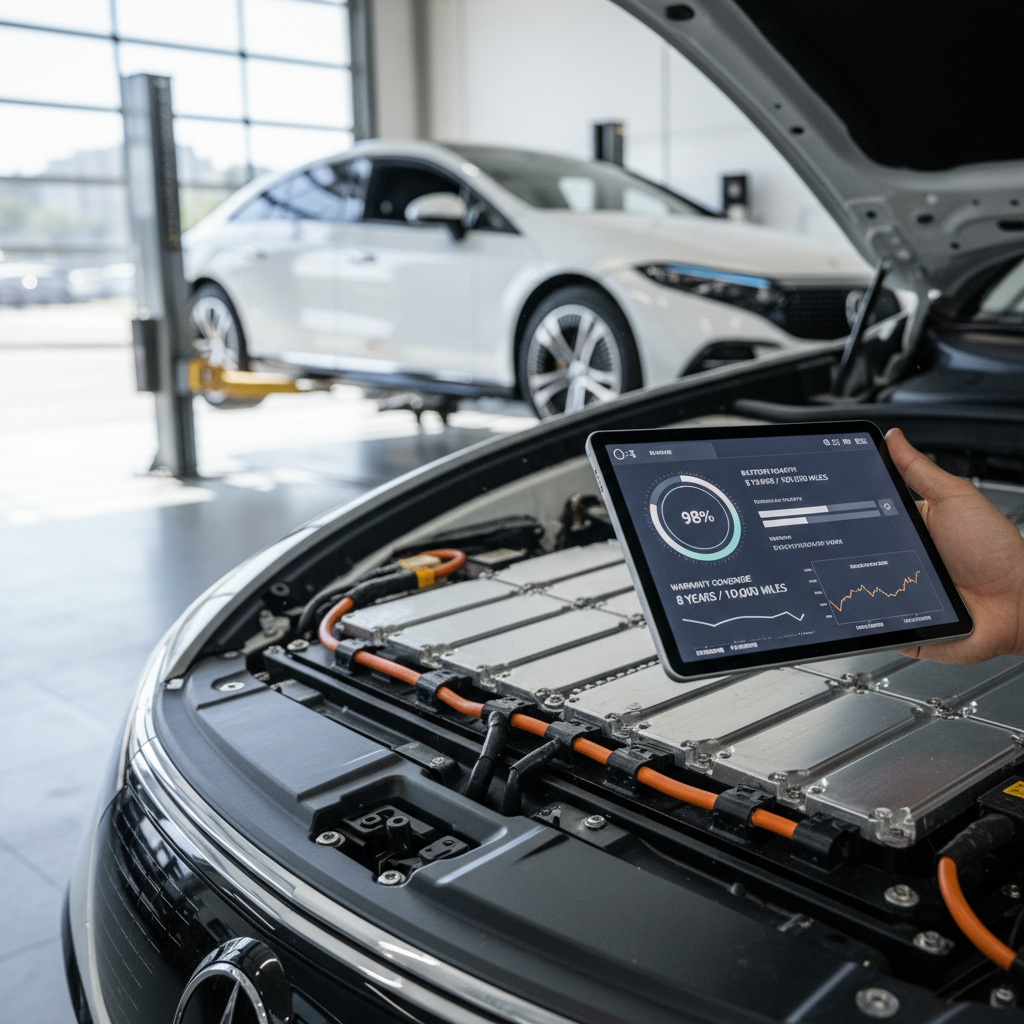
Recharged Score battery diagnostics
Fair market pricing baked in
EV‑specialist guidance
Ready to find your next EV?
Browse VehiclesOn top of that, Recharged offers financing, trade‑in options, instant offers or consignment, and nationwide delivery. The entire experience, from browsing to signing, is fully digital, with an Experience Center in Richmond, VA if you prefer to see and feel the car first. In practical terms, that means you can compare several used Teslas side by side, understand their likely repair costs, and choose the one that actually fits your budget.
Average Tesla repair cost: FAQs
Frequently asked questions about Tesla repair costs
Bottom line: what you should actually budget
Viewed over several years, the average Tesla repair cost is less dramatic than the outlier stories suggest. Most owners spend a few hundred dollars a year on routine service, another few hundred smoothing out the rough edges, tires, glass, the odd sensor, and then occasionally collide with a bigger bill tied to bodywork or electronics. That pattern isn’t unique to Tesla, but the numbers are kinder than they are for most gas luxury cars.
If you budget around $1,000 per year for repairs and maintenance, choose a car with verified battery health and a clean history, and carry sensible insurance, owning a Tesla doesn’t have to be a financial high‑wire act. And if you’d rather not gamble, shopping a used Tesla through Recharged, with its battery‑health Score Report, fair‑market pricing and EV‑savvy support, lets you enjoy the range and performance without constantly worrying about the next repair invoice.