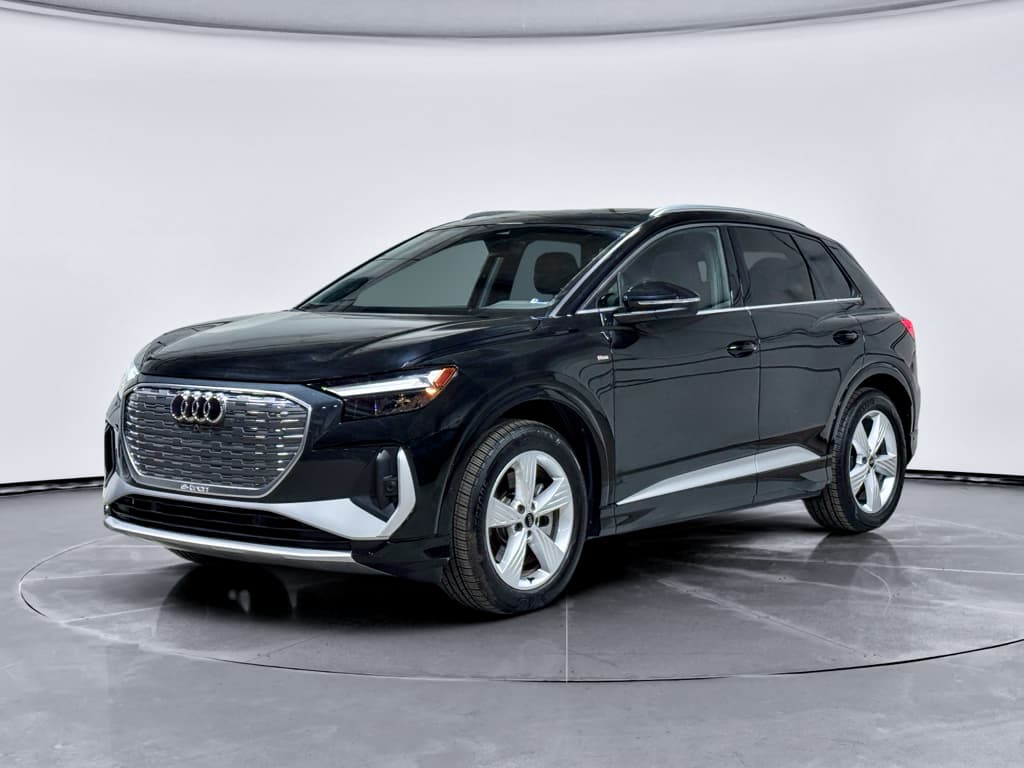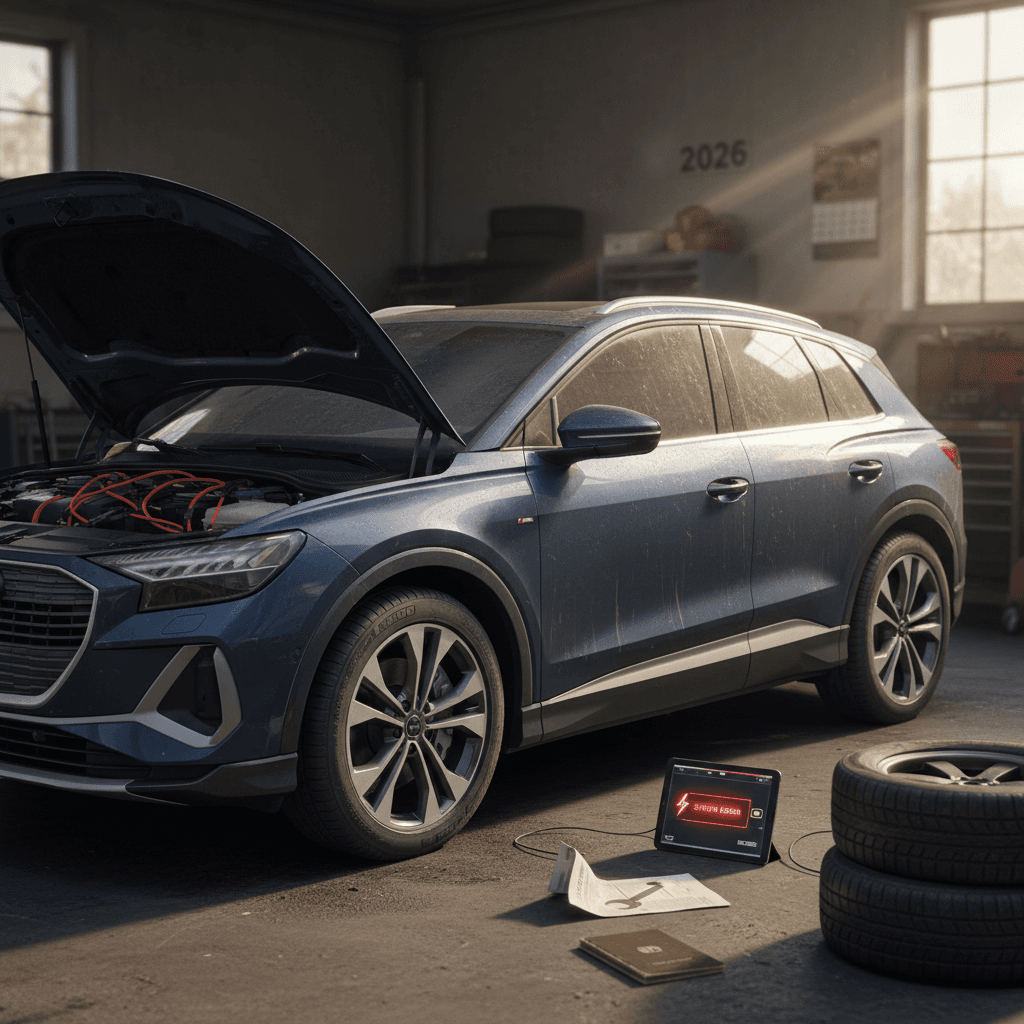
If you’re looking at a new lease or a used example, you’re probably wondering how Audi Q4 e-tron reliability in 2026 stacks up against rivals like the Tesla Model Y, Hyundai Ioniq 5, and Volkswagen ID.4. The short answer: the Q4 e-tron delivers solid battery and motor durability, but it’s been dogged by software gremlins, a few hardware recalls, and some frustrating dealer experiences. Understanding those tradeoffs is critical before you sign anything.
Quick take
Overview: How reliable is the Audi Q4 e-tron in 2026?
The Q4 e-tron launched for the 2022 model year in the U.S. and shares the Volkswagen Group’s MEB platform with the VW ID.4. By 2026, we have a few model years’ worth of real-world data, owner surveys, and recall history to work with.
Audi Q4 e-tron reliability snapshot (through early 2026)
Context matters
Reliability scores & owner satisfaction
Reliability scores for the Audi Q4 e-tron are still evolving because the vehicle is relatively new, but a few patterns have emerged in 2024–2025 data. Independent predicted reliability models peg the Q4 e-tron in the “fair to low-average” band, with scores in the high 60s on a 100‑point scale, below segment leaders, but not catastrophic. Owner-survey organizations have also listed the Q4 among the less‑satisfying EVs to own, pointing to infotainment glitches, warning lights, and dealer repair delays more than catastrophic failures.
That mix is important. The Q4 e-tron generally doesn’t leave owners stranded with failed battery packs or motors. Instead, problems tend to fall into the “death by a thousand cuts” category: repeated trips for software updates, HVAC quirks, charging errors, odd noises, and intermittent driver‑assist warnings. If you value a completely drama‑free ownership experience, that may give you pause. If you can tolerate some quirks in exchange for Audi refinement and pricing that’s becoming attractive on the used market, the Q4 can still make sense.
Major recalls that affect Q4 e-tron reliability
When you’re evaluating Audi Q4 e-tron reliability, you can’t ignore its recall history. Recalls are not automatically a deal‑breaker, especially if they’ve been completed properly, but they tell you where the engineering weak spots were.
Key Audi Q4 e-tron recalls through early 2026
Always verify a specific vehicle’s recall status by VIN before you buy. This table highlights the recalls most relevant to reliability and safety, not every minor campaign.
| Issue | Model years most affected | What can happen | Reliability impact |
|---|---|---|---|
| Onboard charger / DC-DC converter failure (Recall 93FR in the U.S.) | Primarily 2024 Q4 e-tron | Possible 12‑volt battery depletion and sudden loss of drive power. | High – a critical safety and reliability concern if not repaired; verify recall completion and test drive thoroughly. |
| Software issue causing incorrect gear display / rollaway risk | 2022–2023 Q4 e-tron and Q4 Sportback | Vehicle may not clearly indicate it’s in Neutral, increasing rollaway risk if parking brake isn’t set. | Moderate – mainly a safety concern, but erodes driver confidence until fixed. |
| Various control-unit and infotainment software updates | Multiple years (2022–2025) | Warning messages, frozen screens, driver‑assist misbehavior, and charging errors. | Moderate – more annoyance than catastrophe, but contributes heavily to perceived unreliability. |
| HVAC and A/C system defects (region‑specific campaigns and TSBs) | Mostly 2022–2023 | Loss of cabin cooling, refrigerant leaks, possible water leaks into cabin in some cases. | Moderate – comfort issue that can mean extended shop time and potential mold concerns if water ingress is involved. |
Recall campaigns vary by model year and build range. Confirm completion records for any Q4 e-tron you’re considering.
Used‑car must: run a VIN check
Common Audi Q4 e-tron problems by system
Beyond formal recalls, owner forums, complaint databases, and survey comments point to a cluster of recurring Audi Q4 e-tron problems. Not every vehicle will see these, but they’re common enough that you should ask about them directly.
Where the Q4 e-tron tends to cause headaches
Most issues fall into electronics, HVAC, and charging, less so the core battery and motors.
1. Electrical & warning messages
Owners report repeated alerts like “safety system: fault,” “vehicle sound: malfunction,” or general drivetrain warnings that sometimes trigger limp mode.
Most trace back to control‑unit software or the onboard charger/DC‑DC converter; in some cases diagnosis has taken weeks.
2. HVAC & A/C issues
Early‑build Q4s in particular have seen failed A/C compressors, refrigerant leaks, or poor cooling performance. A few owners have also reported moisture leaks into the cabin, raising mold concerns.
Even when covered under warranty, these repairs can mean your car is at the dealer for extended stretches.
3. Charging errors & port quirks
Intermittent DC fast‑charging failures, “charging error” messages, and finicky behavior at some public stations show up in owner accounts.
In many cases, updated software, a new charge port, or revised charging procedures help, but you want to test this yourself before buying.
4. Driver‑assist false alarms
Some Q4 drivers report oversensitive pre‑sense / forward‑collision warnings, including abrupt braking or constant chimes in ordinary traffic.
This is unnerving on the road and can be tough for dealers to replicate on demand.
5. Infotainment freezes & glitches
Slow boot‑up, random reboots, frozen navigation, and Bluetooth oddities are recurring themes, especially on earlier software builds.
Updates improve things, but they don’t always eliminate issues.
6. Build-quality odds and ends
Like many first‑wave EVs, the Q4 can suffer from minor rattles, trim noises, and alignment quirks.
Individually small, they add up if your expectations are set by Audi’s best gasoline models.
Red‑flag behavior on a test drive
Battery health, range, and charging reliability
The good news for Q4 shoppers is that the high‑voltage battery packs and motors themselves are not major trouble spots so far. The Q4’s pack, shared with other MEB‑platform EVs, has shown relatively modest degradation for the typical U.S. usage pattern, many owners stay within 10–15% loss over the first few years when they avoid frequent 100% DC fast‑charging and keep daily use in the middle of the state‑of‑charge band.
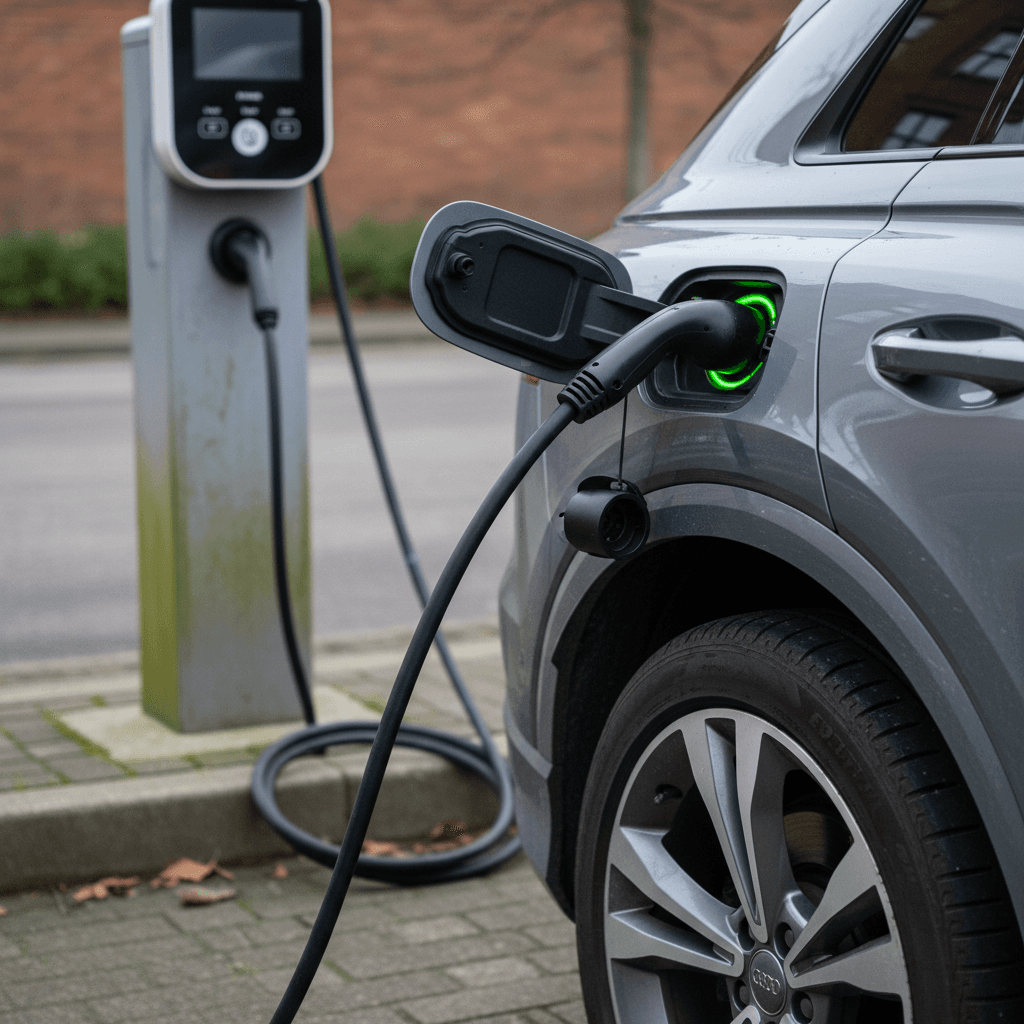
Where reliability concerns do surface is around the edges of the charging ecosystem: onboard chargers, DC‑DC converters, charge ports, and software that controls charging sessions. Those components have been central to some of the larger recalls and a number of individual complaint cases. When they act up, you can see intermittent charging failures, slow charge rates, or in worst cases, total loss of drive power if the 12‑volt system is compromised.
Range and charging reality check
Software and infotainment: the weak spot
If there’s one theme that runs through Q4 e-tron owner feedback, it’s frustration with software polish. Audi has pushed multiple waves of updates to address bugs in the infotainment system, driver‑assist stack, and charging controls. Those updates help, but owners still describe the system as laggy and occasionally flaky compared with the best in the segment.
Everyday annoyances
- Slow start‑up of the main screen when you first power on the car.
- Random Bluetooth disconnects or audio stutters with certain phones.
- Apple CarPlay / Android Auto hiccups, particularly wireless connections.
- Navigation freezes or map lag, especially when zooming and panning.
None of these will strand you, but they drag down perceived quality in a premium‑badged EV.
Higher‑impact glitches
- Warning lights that appear after software updates and require another visit.
- Charging‑related errors that turn out to be software‑side rather than hardware failures.
- Driver‑assist systems that brake too aggressively, or refuse to engage until updated.
These issues can take time to diagnose, which is where loaner availability and your dealer’s EV competence really matter.
Why the software story matters for used buyers
Maintenance costs, warranty coverage, and downtime
Routine maintenance on the Q4 e-tron is generally reasonable for a luxury EV. There’s no oil to change, and standard services mostly involve inspections, brake‑fluid changes, cabin filters, and tire rotations. Where costs can spike is in out‑of‑warranty repairs on complex electric components, onboard chargers, HVAC systems, or control modules.
- Basic warranty: typically 4 years/50,000 miles on the vehicle, plus roadside assistance during the term.
- Battery warranty: around 8 years/100,000 miles against excessive capacity loss, similar to other premium EVs.
- Brake wear: light regeneration means pads and rotors can last a long time if you drive smoothly, but heavy drivers in hilly areas can still see wear.
- Tires: As with most EVs, the Q4 e-tron is heavy and torquey; expect more frequent tire replacement than a comparable gas crossover.
The hidden cost: time without your car
Buying a used Audi Q4 e-tron in 2026: smart or risky?
Used pricing and lease‑return volume are making the Q4 e-tron increasingly visible on the pre‑owned market. If you approach it with eyes open, a used Audi Q4 e-tron in 2026 can be a compelling value play: upscale feel, decent range, and strong battery warranty coverage at a discount to new EVs. But it’s not a car you want to buy casually off a random lot without documentation.
Why a used Q4 e-tron can make sense
- Fast‑depreciating luxury EV pricing works in your favor as a buyer.
- Battery packs and motors have generally held up well so far.
- Later‑build and updated vehicles often have the worst bugs ironed out.
- Interior quality and driving refinement compare well to many mainstream EVs.
Where the risks live
- Spotty recall and software‑update completion on some examples.
- Potential HVAC and water‑leak issues on early model years.
- Electrical/charger‑related complaints that are time‑consuming to fix.
- Inconsistent dealer EV expertise, depending on your region.
Who the Q4 e-tron fits best
Checklist: what to inspect on a used Q4 e-tron
Pre‑purchase checklist for Audi Q4 e-tron buyers
1. Confirm recall and software‑update history
Ask for a printout showing all completed recalls and software campaigns. Specifically confirm completion of any onboard‑charger/DC‑DC converter and rollaway‑risk recalls. A Q4 that’s missed these is a hard pass.
2. Review battery health data, not just range estimate
Have the seller provide battery‑health information from the car’s diagnostic screen or a third‑party test. At Recharged, the Recharged Score includes pack health so you can see usable capacity versus original spec.
3. Test home and DC fast‑charging
If possible, plug the car into a Level 2 charger and a DC fast charger. Look for error messages, unusually slow charge rates, or sessions that stop abruptly. Charging quirks can be expensive and frustrating to diagnose.
4. Run the HVAC hard
Set climate control to full cold and then full hot. Listen for odd compressor noises, check that air is blowing strong and cold/hot as requested, and inspect the front passenger footwell and cargo area for any signs of moisture or water staining.
5. Check for warning lights and stored faults
On a test drive, cycle through all drive modes and driver‑assist features. Afterward, have a scan performed for stored error codes. A vehicle with a clean dash but a history of unresolved electrical faults deserves extra scrutiny.
6. Inspect for leaks, odors, and interior wear
Look under the mats, in the spare‑tire well (if applicable), and along door seals for signs of water intrusion. Musty odors in a relatively new EV can hint at prior leaks and mold risk.
7. Evaluate dealer support in your area
Call your local Audi service center and ask specifically about Q4 e-tron experience, EV loaners, and parts availability. Even a solid vehicle can become a hassle if the nearest competent service department is states away.
How Recharged evaluates Audi Q4 e-tron reliability
Because the Q4 e-tron has a mixed reliability record, objective evaluation matters even more than usual. At Recharged, every incoming EV, including the Q4, is put through a structured diagnostic process before it ever appears on the site.
What a Recharged Q4 e-tron goes through before listing
The goal is simple: no surprises once the car is in your driveway.
Battery & drivetrain scan
We pull live data from the high‑voltage battery, motors, and charging system to understand usable capacity and spot any out‑of‑range values.
Recharged Score report
Every vehicle gets a Recharged Score that rolls battery health, cosmetic condition, and market pricing into a clear, easy‑to‑compare snapshot.
Recall & software verification
We verify that major Audi Q4 e-tron recalls have been completed and document the software level so you know where the car stands.
Nationwide delivery & support
Whether you buy fully online or visit our Experience Center in Richmond, VA, our EV‑specialist team walks you through the details before the car ships.
Ready to find your next EV?
Browse VehiclesIf you already own a Q4 and are thinking about selling, Recharged can also provide an instant offer or work with you on consignment. Either way, a transparent condition and battery‑health report tends to give buyers more confidence, and can help you capture more of the vehicle’s remaining value.
FAQ: Audi Q4 e-tron reliability questions
Common questions about Audi Q4 e-tron reliability in 2026
Bottom line: Should you buy an Audi Q4 e-tron?
By 2026, the Audi Q4 e-tron has proven to be a mixed bag: fundamentally sound battery and motor engineering wrapped in software and support that haven’t always lived up to the four‑ring badge. If you want the absolute lowest‑drama EV ownership experience, you might look harder at competitors with cleaner reliability records. But if you like the way the Q4 drives, appreciate its design, and can find a well‑documented example that’s had its recalls and updates done, it can still be a smart buy at the right price.
The key is to treat reliability as something you measure, not guess at. That means reviewing service records, checking recall completion, scanning for electrical faults, and confirming battery health before you sign. Whether you do that work yourself or lean on a partner like Recharged, with its Recharged Score diagnostics and EV‑specialist support, you’ll walk into Q4 e-tron ownership with far fewer surprises and a much clearer picture of what you’re getting.