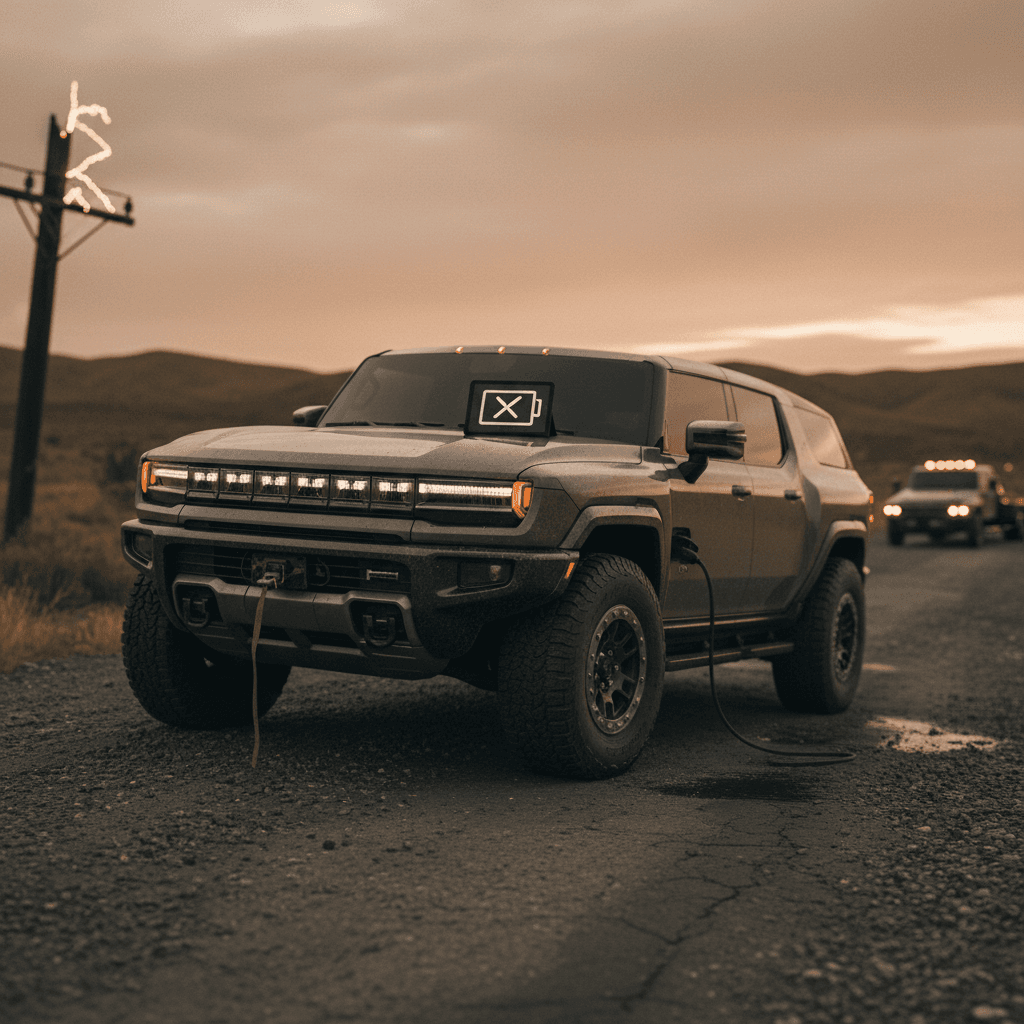
You don’t buy a Rivian R1S because you want a sensible appliance. You buy it because you want a three‑row electric SUV that can crawl up a rocky fire road on Saturday and haul kids and dogs on Monday. The real question is whether you should buy a used Rivian R1S in 2026, when early builds are out of warranty, prices have dropped, and the stories about recalls and rattles are out in the wild.
Short on time?
Is a used Rivian R1S right for you?
Before we dive into trims and torque, start with fit. A used R1S is best for someone who wants a luxury, off‑road capable, three‑row EV and is comfortable owning a vehicle from a young brand that’s still working through early‑production teething issues. If you lose sleep over the possibility of suspension clunks or a service visit, a used R1S may frustrate you. If you see your vehicles as partners in adventure and you’re okay with a little drama along the way, it might be perfect.
Who a used Rivian R1S does, and does not, fit
Match the SUV to your life before you start shopping listings.
Perfect for
- Drivers who want a 3-row EV with real off‑road ability.
- Families who road trip and need lots of cargo room.
- Enthusiasts who care about design, performance, and tech.
Good fit for
- Suburban commuters with home charging.
- Drivers stepping up from a luxury SUV or truck.
- Buyers who like owning something a little different.
Probably not for
- Anyone with zero tolerance for service visits or software glitches.
- Shoppers on a tight budget who can’t absorb a repair bill.
- People without reliable home or workplace charging.
Quick answer: when a used R1S makes sense
Used Rivian R1S at a glance
When a used R1S is a smart buy
Rivian R1S basics: trims, batteries, and range
Used R1S listings in 2026 will mostly be 2022–2025 models, with a few refreshed 2025+ trucks trickling in. The two big variables you need to understand are powertrain and battery pack, because they drive both performance and range, and they explain a lot of the price gaps you’ll see.
Common used Rivian R1S configurations
These are the setups you’re most likely to see on the used market and what they mean in the real world.
| Powertrain & pack | Model years you’ll see used | Approx. EPA range* | Real-world character |
|---|---|---|---|
| Dual Motor + Standard | 2024–2025 | ~270 miles | The "budget" R1S: plenty quick, lowest price, but shortest range. |
| Dual Motor + Standard+ | 2024–2025 | ~315 miles | Sweet spot for many buyers; balance of price and range. |
| Dual Motor + Large | 2022–2024 | ~350 miles | Great for road‑trippers; you’ll pay more, but you stop less. |
| Dual Motor + Max | 2023–2024 | ~400 miles | Road‑trip monster. Rarer and expensive, but huge range. |
| Quad Motor + Large | 2022–early 2024 | ~320–340 miles | Insane performance and off‑road traction; more complex hardware. |
Exact range depends on wheels, tires, and temperature; always treat EPA ratings as best‑case numbers.
Don’t obsess over the Max pack
What used R1S pricing and depreciation look like
Rivian priced the R1S like a premium luxury SUV when it launched, and early buyers paid for the privilege of being first. Like most startup EVs, it has depreciated faster than a Toyota, but not catastrophically for a luxury segment. That’s your opportunity as a used buyer.
Why depreciation is your friend
- Early R1S trucks commonly stickered in the high-$80Ks to $90Ks with options.
- By 3–4 years in, it’s normal for similar premium EVs to be trading at 30–40% below original MSRP, depending on mileage and condition.
- Because Rivian keeps adding lower‑priced trims and new incentives for new vehicles, used prices have to stay honest.
What that means in the real world
- You may find a 2022–2023 R1S with a Large pack and good miles for the price of a new mid‑trim gas SUV.
- Later‑build Dual Motor/Standard+ trucks will usually cost more, but they benefit from hardware and software improvements.
- Condition, battery health, and warranty coverage matter more than shaving a couple thousand off the asking price.
Watch out for “too cheap”
Reliability and recalls: what owners are actually seeing
Let’s be blunt: the R1S is not a set‑it‑and‑forget‑it Honda Pilot. Independent surveys have flagged lower‑than‑average reliability so far, and the truck has seen multiple NHTSA recalls for things like suspension service procedures, driver‑assistance software behavior, and even seat‑belt issues. Many of these are fixed with software updates or revised parts, but they still require attention.
The real‑world R1S reliability picture
What you’re likely to hear from actual owners.
The good
- Plenty of owners report thousands of mostly trouble‑free miles.
- Over‑the‑air updates regularly improve features and fix bugs.
- Rivian’s mobile service van can handle many issues at your driveway.
The not‑so‑good
- Some trucks need repeated visits for suspension, half‑shaft, or trim issues.
- There have been recalls tied to rear suspension service procedures and driver‑assist behavior.
- Startup‑brand customer service can be more variable than legacy luxury brands.
How to protect yourself
- Verify all recalls and campaign work are complete by VIN.
- Favor trucks with documented service history.
- Consider an extended warranty once factory coverage nears its end.
Non‑negotiable for a used R1S
Battery health and charging: what matters on a used R1S
Battery degradation is the number‑one fear for any used EV buyer, and the R1S is no exception. The good news is that most packs are holding up well so far when they’re not abused. The bad news is that you can’t judge battery health from a pretty listing photo or a seller’s guess.
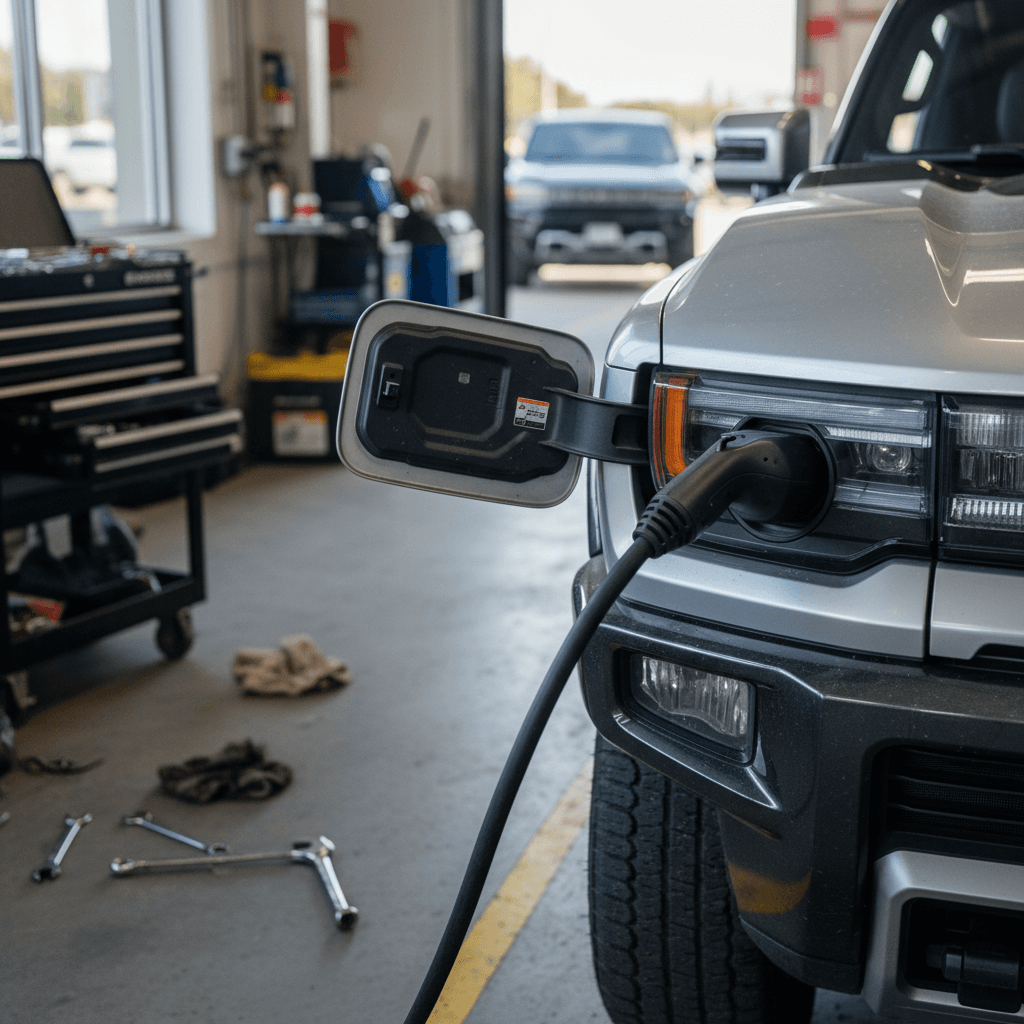
- Rivian’s packs are large, which helps reduce the impact of normal degradation on usable range.
- Frequent 0–100% fast‑charge sessions, heavy towing, and chronic high‑speed driving can accelerate wear.
- You should expect some loss of range with age and mileage, your goal is to avoid the outliers.
How to sanity‑check battery health on a used R1S
1. Look at the rated range at high state of charge
On a test drive, charge close to 100% and compare the displayed range to the original EPA number for that configuration. A modest gap is normal; a huge gap is a red flag.
2. Ask how the truck was charged
Home Level 2 with occasional road‑trip DC fast charging is ideal. A life spent almost entirely on fast chargers deserves closer scrutiny.
3. Review road‑trip behavior
If the previous owner can describe recent road trips, ask what speeds they drove and how often they had to stop. Weirdly short legs may hint at battery or efficiency problems.
4. Get a third‑party battery health report
This is where a <strong>Recharged Score Report</strong> matters: we use professional diagnostics to verify battery health and flag anomalies you can’t see from the driver’s seat.
Charging compatibility
Daily driving vs. adventure: how the R1S really feels
Reading specs is one thing. Living with a 7,000‑pound electric adventure bus is another. As a daily driver, the R1S is comfortable, quick, and eerily quiet. As an adventure rig, it’s one of the few EVs that feels completely at home on a forest road or snowy trail.
As a daily driver
- Instant torque makes short work of freeway merges and two‑lane passes.
- The air suspension can kneel for easier loading and raise for rough roads.
- Three rows make it practical for school runs and carpools, though the third row is best for kids or shorter adults.
- The cabin is airy, with big glass and clean, modern design.
As an adventure vehicle
- Quad‑ and Dual‑motor setups deliver serious traction on dirt, sand, and snow.
- Selectable drive modes and adjustable ride height give real off‑road flexibility.
- Range drops faster on big all‑terrain tires or at highway speeds with a roof box; plan road trips accordingly.
- The frunk and split tailgate make camping and gear‑hauling life noticeably easier.
Think about your actual life, not your fantasy life
Used Rivian R1S buying checklist
If you’ve decided you probably do want a used Rivian R1S, here’s how to separate the great trucks from the problem children. Use this checklist whether you’re shopping private party, at a traditional dealer, or with a dedicated EV marketplace like Recharged.
Step‑by‑step used Rivian R1S checklist
1. Confirm the exact configuration
Decode the listing: model year, Dual vs Quad motor, battery pack, wheel size, and installed options. That tells you what range and performance you should expect, and what you’re paying for.
2. Pull the full service and recall history
Ask for service records and confirm that all open recalls and service campaigns are complete. Pay particular attention to work on suspension, half‑shafts, driver‑assist systems, and seat belts.
3. Inspect the body and interior closely
Panel alignment, tailgate fit, and trim around glass are worth a careful look. Inside, listen for rattles on a test drive and check for water leaks near door seals and the driver’s floor area.
4. Drive it like you mean it
On your test drive, do a few hard accelerations, highway merges, quick lane changes, and tight turns in a parking lot. You’re listening for clunks, vibrations, and anything that feels loose or inconsistent.
5. Test the tech and driver‑assist
Check the main touchscreen, HVAC, audio, and driver‑assist features. Glitches happen, but repeated warnings or non‑functional features can point to deeper software or hardware issues.
6. Verify battery health and charging behavior
If possible, observe a fast‑charge session and watch how quickly power ramps up and tapers. Pair that with a professional battery health assessment, like the one in a Recharged Score Report, to avoid surprises.
7. Look at total cost, not just price
Factor in remaining factory warranty, potential extended coverage, home charging installation, insurance, and taxes. A truck that’s a bit more expensive up front but better covered can be cheaper over five years.
How buying a used R1S works at Recharged
A Rivian R1S is not the kind of vehicle you want to buy on a hunch. At Recharged, every used EV, including the R1S, comes with a Recharged Score Report so you’re not guessing about the stuff that matters most: battery health, pricing fairness, and condition.
What Recharged adds to a used R1S purchase
Beyond glossy photos and a Carfax.
Verified battery health
Fair market pricing
End‑to‑end EV support
Want payment clarity up front?
Frequently asked questions about used Rivian R1S models
Used Rivian R1S FAQ
Bottom line: should you buy a used Rivian R1S?
If you want an electric SUV that feels like an event every time you drive it, a used Rivian R1S belongs on your short list. It’s not the lowest‑risk choice in the segment, but it is one of the most rewarding when you get a good one.
You should seriously consider buying a used Rivian R1S if you value performance, design, and adventure, have reliable charging at home, and you’re willing to be a bit more engaged with your vehicle’s maintenance and software updates. You should probably skip it, and look at something more conventional, if you expect flawless reliability, live far from Rivian service, or don’t have the budget buffer for the occasional repair.
Either way, don’t buy blind. Use checklists like the one above, insist on real data about battery health, and lean on EV‑savvy sellers. And if you’d like a Recharged Score Report, expert guidance, and financing options tailored to used EVs, Recharged is built to help you find an R1S that fits your life without the guesswork.