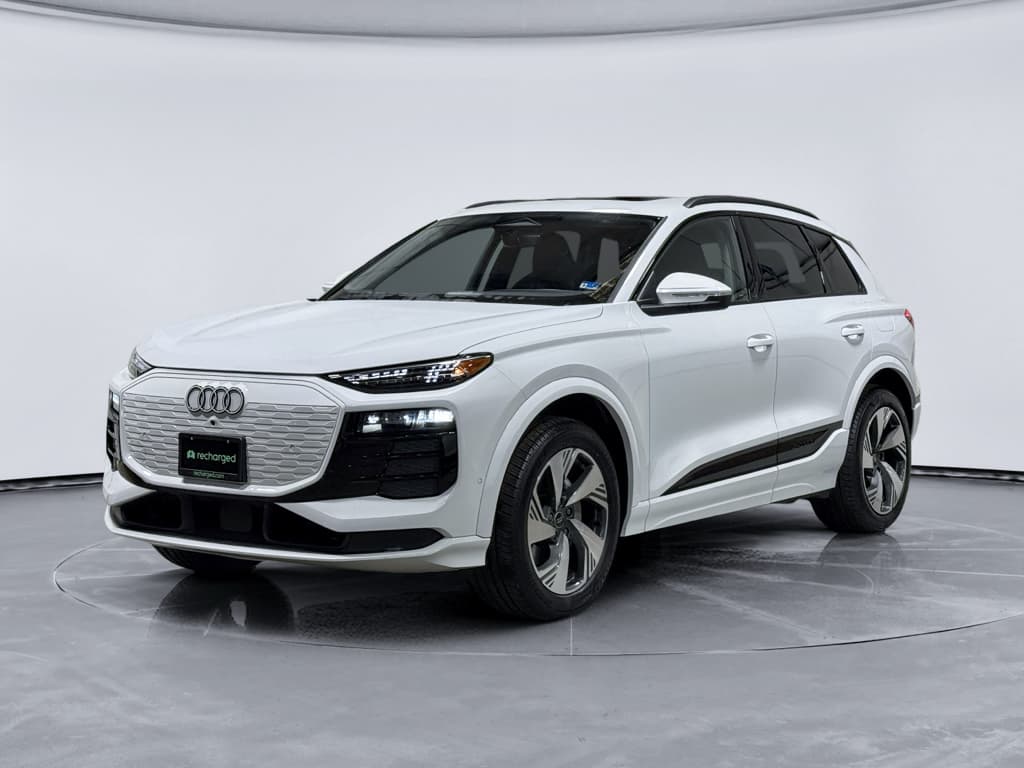
If you’re considering an Audi Q4 e-tron in 2026, especially on the used market, you’re probably asking a simple question with a surprisingly hard-to-find answer: what does Q4 e-tron maintenance really cost? The good news is that this compact luxury EV is generally cheaper to maintain than a comparable gas Audi SUV, but you still need to budget realistically for service, tires, and the occasional surprise.
Key takeaway for 2026
Audi Q4 e-tron maintenance cost in 2026: quick overview
Audi Q4 e-tron 5-year maintenance cost snapshot (2026 view)
Third-party cost-to-own analyses peg Q4 e-tron maintenance over five years at around $2,600–$2,700 for a new model, or just over $500 per year on average. That lines up with what we see across the luxury EV segment: fewer routine services than a gas SUV, but higher prices when you do visit the dealer.
Tip for used shoppers
Typical annual maintenance costs for the Audi Q4 e-tron
Let’s translate the big numbers into something more useful: a realistic annual maintenance budget for your Q4 e-tron in 2026. These figures assume U.S. ownership, 12,000–15,000 miles per year, and service at a mix of Audi dealers and quality independent shops where appropriate.
Estimated annual Audi Q4 e-tron maintenance budget (2026)
Approximate yearly maintenance spend for a Q4 e-tron at different ages, excluding collision repairs and extreme tire use.
| Ownership stage | Model years / mileage | Typical annual maintenance | What’s usually included |
|---|---|---|---|
| Early years | Years 1–3, under ~30,000 miles | $300–$500 | Basic inspections, cabin filter, brake-fluid interval if due, tire rotations, the odd alignment or wiper replacement. |
| Middle years | Years 4–6, ~30,000–60,000 miles | $500–$700 | Scheduled Audi services, more frequent alignments, possible brake work, out-of-warranty fixes like sensors or door hardware. |
| Later years | Years 7+ or 60,000+ miles | $650–$900+ | Larger services (coolant, more thorough inspections), occasional suspension work, and repairs that crop up on any aging luxury vehicle. |
These are directional planning numbers, not a quote, but they’ll put you in the right ballpark when you build a 2026 budget.
Don’t forget tires
Service intervals: what Audi actually requires
The Q4 e-tron is still an Audi, so you’ll see familiar European luxury patterns: fewer oil changes to worry about, but relatively pricey scheduled services that bundle inspections and fluid work. Exact intervals vary slightly by model year and region, so always confirm in your owner’s manual, but here’s the general rhythm many U.S. Q4 e-tron owners will see in 2026:
- Initial check at around 10,000 miles or 1 year: basic inspection, software and recall checks, tire rotation if needed.
- Core services at roughly 20,000‑mile increments: deeper inspections of suspension and steering, high‑voltage components visual checks, cooling system inspection, brake system inspection, cabin filter replacement and other items.
- Time-based items every 2–3 years: brake-fluid replacement, key fob battery, and other small consumables regardless of mileage.
- Occasional software updates: these can address drivability, charging behavior, and efficiency. Some are handled over the air; others require a shop visit.
What a typical 20k–40k service can include
Dealer servicing
Staying with an Audi dealer keeps your digital service record neat and makes warranty conversations easier. You’ll usually pay more per visit, but you’re getting factory tools and up-to-date technical guidance on the Q4’s battery and charging systems.
Independent shops
As EVs mature, more EV‑savvy independent shops are willing to do tires, alignments, brakes, and cabin filters on e-trons. They typically charge less than dealers for this work, but still send you back to Audi for high‑voltage or warranty issues.
Common wear items: tires, brakes, and fluids
One reason you’re looking at an EV is to get away from timing belts and transmission rebuilds. The Q4 e-tron obliges, but it still has conventional hardware that wears out. Here’s what to plan for and roughly what it may cost in 2026 at typical U.S. rates.
Major wear items on an Audi Q4 e-tron
None of these are unique to the Q4 e-tron, but they do behave a little differently on an EV.
Tires
Expected life: 25,000–40,000 miles depending on driving style.
Estimated cost: $900–$1,400 installed for four quality tires in 2026.
How to save: Rotate on schedule, maintain proper pressures, and avoid full‑throttle launches if you want maximum life.
Brakes
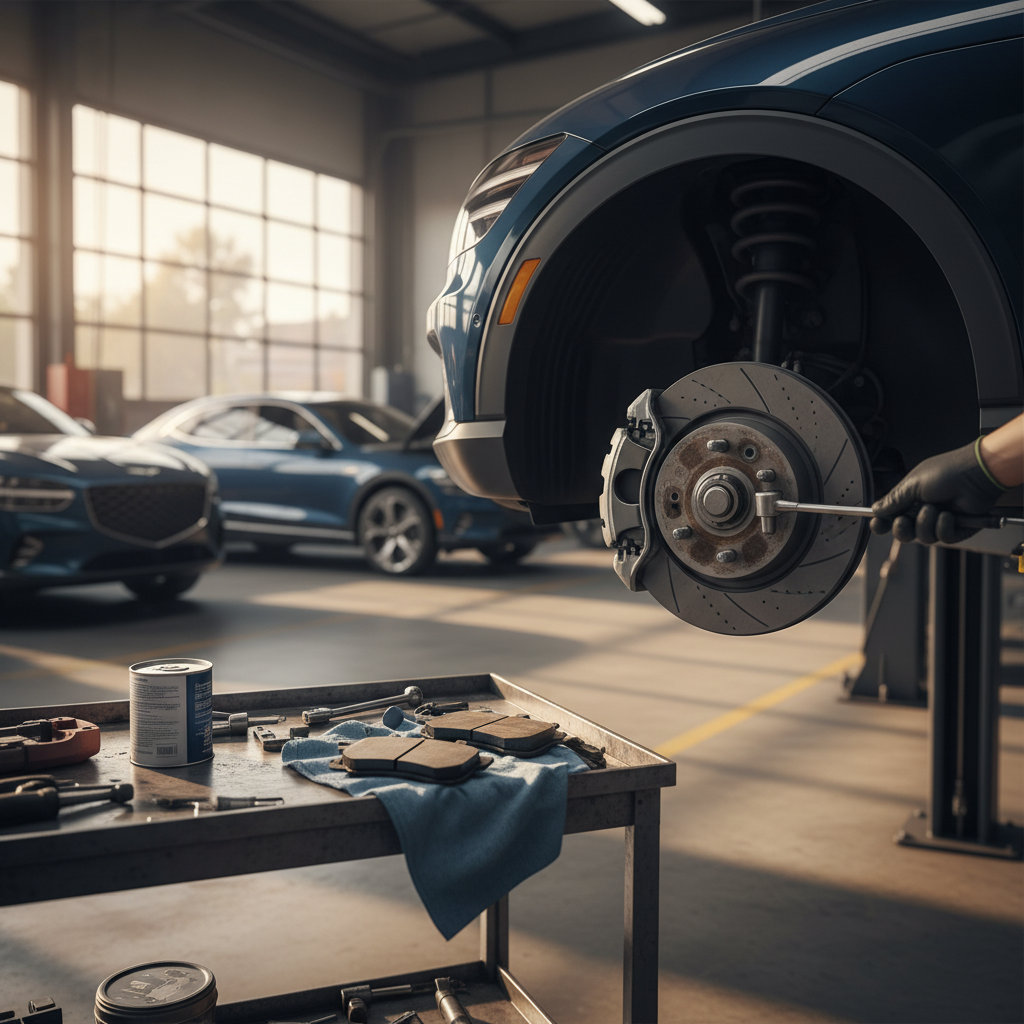
Expected life: Often 60,000+ miles thanks to regenerative braking.
Estimated cost: $400–$900 per axle for pads/rotors at a dealer, less at an independent.
How to save: Use the Q4’s regen settings aggressively around town; it reduces pad wear dramatically.
Fluids & filters
Brake fluid: Typically every 2–3 years, often $150–$250.
Cabin filter: Usually under $150 at a dealer, less DIY.
Coolant: High‑voltage cooling system has longer intervals and can be pricey, plan for several hundred dollars when due at higher mileage.
Be cautious with DIY on high-voltage systems
Audi Q4 e-tron vs gas SUV: maintenance cost comparison
The bigger question for many shoppers isn’t “Is the Q4 e-tron cheap?” It’s “Is it cheaper than the gas SUV I’m cross‑shopping?” On maintenance alone, the answer in 2026 is usually yes.
Estimated 5‑year maintenance cost: Q4 e-tron vs comparable gas SUV
Approximate maintenance-only costs (no fuel, insurance, or depreciation) for a compact luxury SUV driven 12,000–15,000 miles per year in the U.S.
| Vehicle type | Example models | 5‑year maintenance estimate | What drives the cost |
|---|---|---|---|
| Electric compact luxury SUV | Audi Q4 e-tron, Volvo XC40 Recharge | $2,600–$3,000 | Fewer moving parts, no oil changes, longer brake life, but higher dealer labor rates and EV‑specific checks. |
| Gas compact luxury SUV | Audi Q5, BMW X3, Mercedes GLC | $3,500–$4,200 | More frequent services (oil, filters, plugs), complex emissions systems, transmission service, and similar tires/brakes. |
Real numbers vary by brand and driving style, but EVs like the Q4 e-tron consistently undercut gas rivals on maintenance over the first 5–8 years.
Where the Q4 e-tron saves you money
Audi Care and extended coverage: worth it for a Q4 e-tron?
Audi offers Audi Care, a prepaid maintenance plan that bundles scheduled services at a discount. In 2026, you’ll see Q4 e-tron–eligible plans covering several factory services over a set mileage window. Pricing is dealer‑set, but owners often see the plan discounted versus paying à la carte, especially when rolled into a lease or finance deal.
Coverage options for Q4 e-tron maintenance
Where prepaid plans and warranties do, and don’t, make sense.
Audi Care (prepaid maintenance)
- Covers specific factory‑scheduled services over a mileage window (for example, 20k–40k–60k‑mile visits).
- Often discounted compared with pay‑as‑you‑go dealer pricing, particularly when added at purchase.
- More valuable if you’ll stay under mileage and keep the car for the full term of the plan.
Extended warranties & service contracts
- Kick in after the 4‑year/50,000‑mile Audi new‑car warranty ends.
- Can help with big‑ticket repairs (electronics, HVAC, infotainment) but usually exclude routine maintenance and wear items.
- Worth considering if you plan to keep a Q4 e-tron well past 60,000 miles and want predictable costs.
How to decide if Audi Care pencils out
Buying a used Audi Q4 e-tron: how maintenance costs change
Used Q4 e-trons are becoming more common in 2026, often coming off 3‑year leases with 25,000–40,000 miles. That’s the point where maintenance cost risk starts to diverge: a well‑serviced example can stay inexpensive to run, while a neglected one can blindside you with catch‑up work.
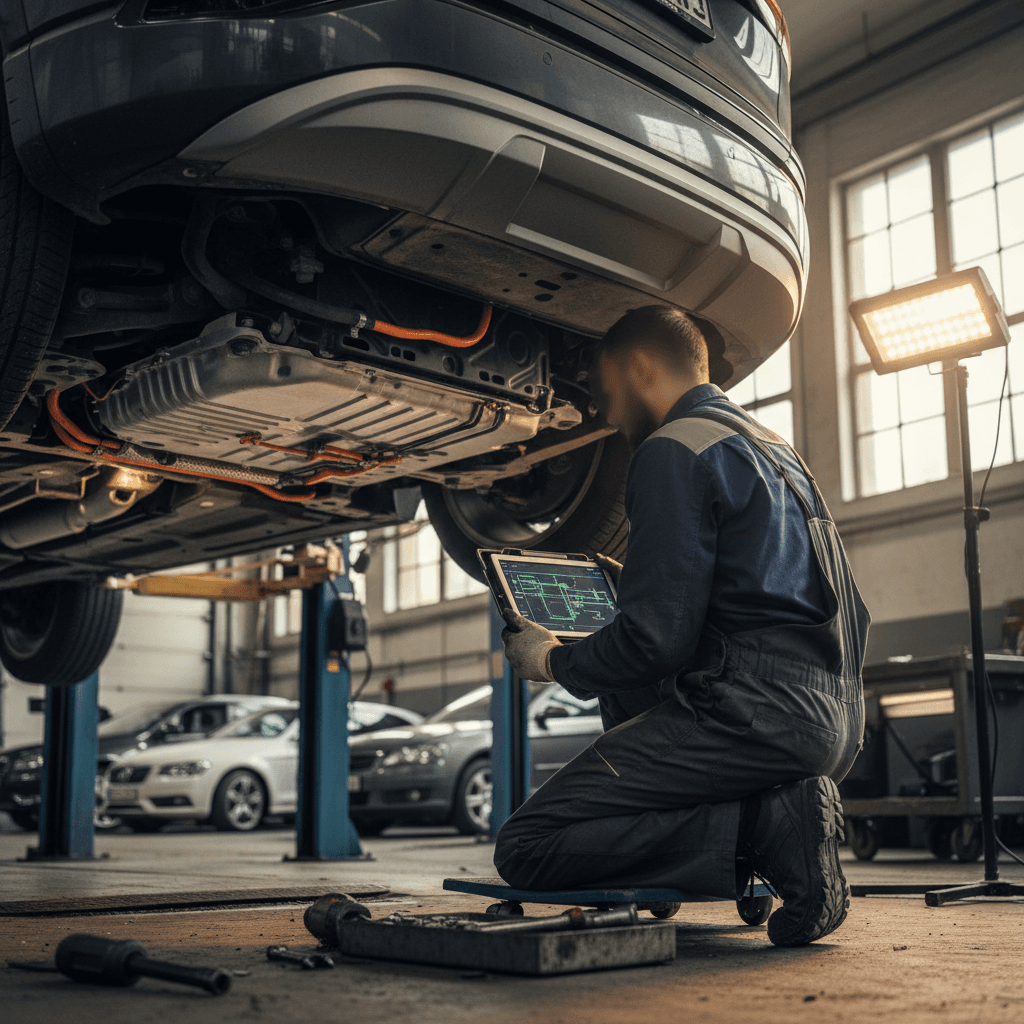
Used Q4 e-tron maintenance checklist before you buy
1. Verify service history
Confirm that time‑ and mileage‑based services (especially the first 20k and 40k visits) were performed at an Audi dealer or reputable shop. Gaps aren’t a deal‑breaker, but they should factor into price negotiations.
2. Check remaining warranties
Look at in‑service date and mileage to see how much factory and battery warranty remains. A Q4 e-tron still under its 4‑year/50,000‑mile bumper‑to‑bumper coverage is less likely to surprise you.
3. Inspect tires and brakes
A Q4 e-tron coming off lease might be <strong>days away from needing $1,500+ in tires and brakes</strong>. Have a technician measure tread depth and pad/rotor thickness so you can budget, or negotiate, the cost.
4. Scan for software or warning lights
Ask for a pre‑purchase scan to uncover stored fault codes or incomplete software updates. Minor software issues are common and often fixable under warranty; chronic faults are a red flag.
5. Review charging behavior
Test AC home charging and, if possible, DC fast charging. Inconsistent charging sessions can point to issues with the onboard charger, charge port, or battery management that may be expensive to resolve.
How Recharged helps on used Q4 e-trons
How to budget, and save, on Q4 e-tron maintenance
You don’t have to treat maintenance like a mystery line item in your spreadsheet. With a little planning, you can smooth out the spikes and avoid paying more than you need to for Q4 e-tron service in 2026.
Smart budgeting rules of thumb
- Set aside $50 per month for routine maintenance if your Q4 e-tron is still relatively new (under ~30,000 miles).
- Bump that to $75–$100 per month as you approach 60,000 miles to cover larger services and the odd repair.
- Maintain a separate tire fund of $30–$40 per month if you drive aggressively or cover a lot of highway miles.
Ways to lower your costs
- Use Audi dealers for warranty and high‑voltage work, but price shop tires, alignments, and basic brake jobs with reputable independents.
- Stay current on software updates; they can fix small issues before they require hard‑part replacements.
- Avoid repeated hard launches and heavy high‑speed driving if you want to maximize tire and brake life.
Leasing vs buying, from a maintenance lens
FAQ: Audi Q4 e-tron maintenance cost in 2026
Frequently asked questions about Q4 e-tron maintenance costs
Bottom line: is the Audi Q4 e-tron expensive to maintain?
When you put the numbers in context, the Audi Q4 e-tron is not an expensive vehicle to maintain by luxury‑SUV standards. Most owners will spend somewhere in the $2,600–$3,000 range on maintenance over five years, with relatively few major surprises if the car is serviced on time and driven reasonably.
Compared with a gas‑powered Q5 or BMW X3, you give up oil changes and much of the engine‑related drama in exchange for periodic EV‑specific inspections and the usual luxury‑car wear items. If you’re looking at a used Q4 e-tron, the key is to buy the right example, one with a clean service record, healthy battery, and no looming tire or brake bombshells waiting in the wings.
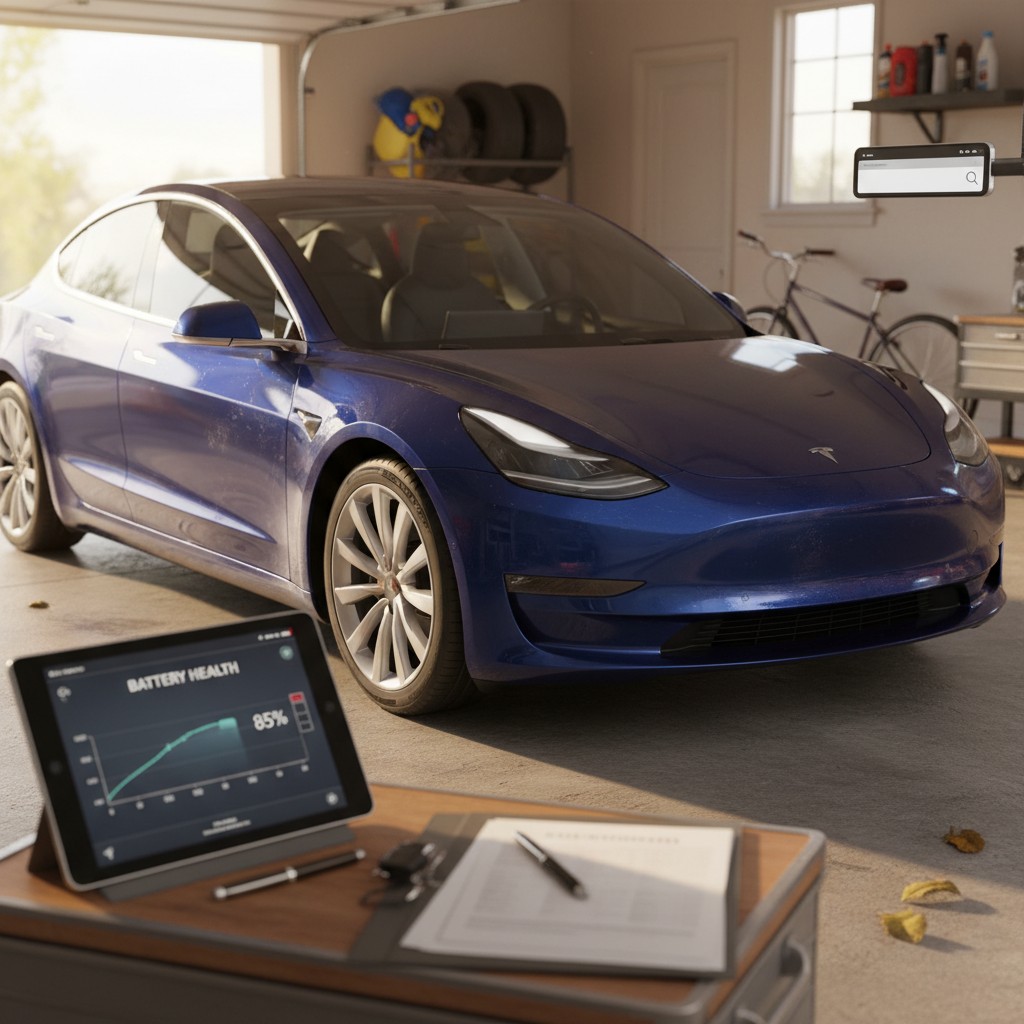
That’s exactly where a curated marketplace like Recharged can tilt the odds in your favor. Every used EV we list, including Q4 e-trons, comes with a Recharged Score battery report, fair‑market pricing, and EV‑specialist support from search to delivery. Do that, set aside a reasonable maintenance budget, and the Q4 e-tron can be one of the more painless ways to enjoy a premium electric SUV in 2026.