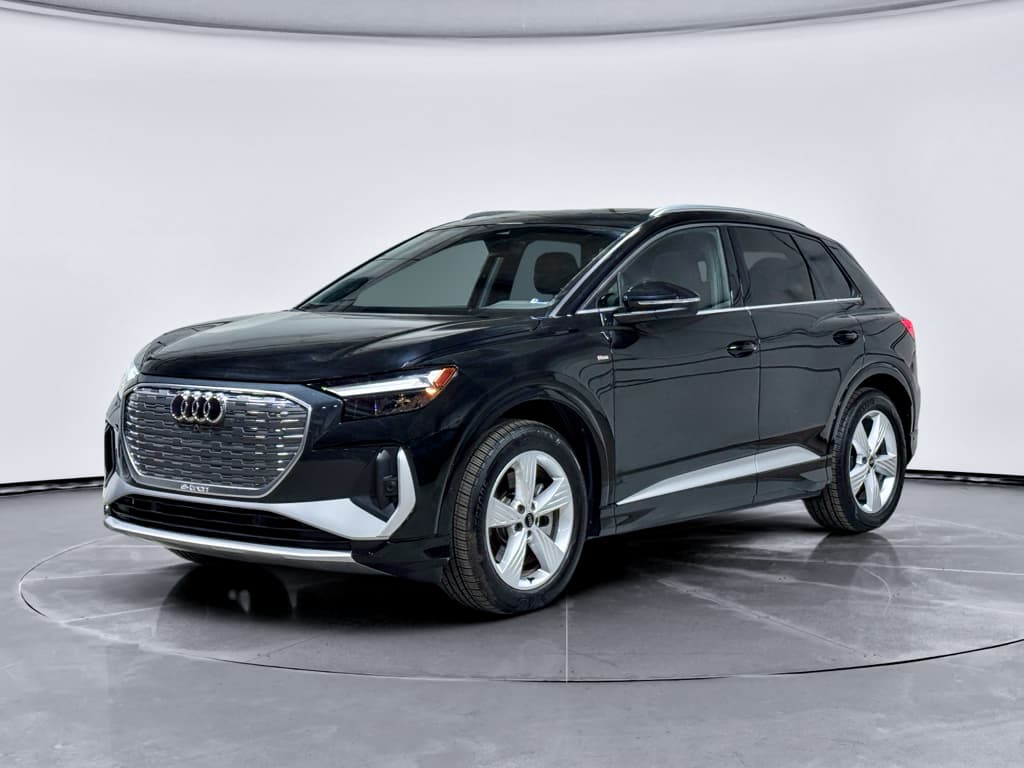
If you own or are shopping for an Audi Q4 e-tron, it’s natural to fixate on one big question: what will a Q4 e-tron battery replacement cost in 2026, especially once the 8‑year warranty runs out? You’re not alone, battery anxiety has replaced range anxiety as the top concern for many used‑EV shoppers.
Quick take for 2026
Overview: Q4 e-tron battery and why costs are tricky
The Audi Q4 e-tron is a compact luxury SUV based on the VW Group MEB platform, sharing core battery tech with the Volkswagen ID.4. In most U.S. configurations it uses an 82 kWh gross (77 kWh usable) lithium-ion pack, split into modules mounted in the floor. That pack is the single most expensive component in the vehicle.
- High-voltage pack value often exceeds the entire drivetrain in a comparable gas SUV.
- Audi does not publish retail pack prices the way it publishes, say, brake rotors.
- Most real-world jobs involve diagnosing and replacing modules, not installing a brand‑new pack.
So when you ask, “what’s the Q4 e-tron battery replacement cost in 2026?” there isn’t one single number. You’re really talking about a range of outcomes, from a warranty-covered module swap that costs you nothing, to a full pack replacement on an out‑of‑warranty car that can equal a big chunk of the vehicle’s market value.
2026 Q4 e-tron battery cost snapshot (U.S.)
How much does a Q4 e-tron battery replacement cost in 2026?
Let’s put real numbers around it. Using 2024–2026 parts catalog pricing for the Q4 e-tron high‑voltage pack plus broader EV battery cost data, you can think in terms of three tiers:
Typical 2026 Audi Q4 e-tron battery-related repair costs
These are directional U.S. retail ranges for out‑of‑warranty work. Actual quotes vary by dealer, region, and VIN.
| Repair scenario | What’s happening | Estimated 2026 owner cost | Notes |
|---|---|---|---|
| Minor high‑voltage repair | Contactors, sensors, wiring, coolant leak repair | $800–$3,000 | Usually no pack removal; more like advanced electrical work. |
| Module-level repair (out of warranty) | One or more weak modules replaced, pack re‑sealed | $3,000–$8,000 | Still labor intensive but far cheaper than a full pack. |
| Full pack replacement (out of warranty) | Complete high‑voltage pack replaced with new OEM unit | $9,000–$18,000+ | Based on ~$110–$130/kWh pack cost plus Audi markup and labor. |
| Full pack replacement (under warranty) | Pack repaired or replaced by Audi | $0 | You may still pay for diagnostics or towing depending on policy, but the pack itself is covered. |
Warranty coverage can reduce your out‑of‑pocket cost to zero if the failure meets Audi’s criteria.
What Audi actually charges for a Q4 e-tron pack
Online Audi parts catalogs that list the Q4 e-tron high-voltage battery show MSRP around $21,000 for the complete pack for early model years. That’s just the part, no labor, shop supplies, or programming. In practice dealers discount the part slightly, then add several thousand dollars in labor and fees for removal, installation, coolant bleeding, and software work.
Don’t confuse 12V with high-voltage
Because pack prices trend down over time, 2026 owners are benefiting from cheaper underlying cell costs than early adopters. That’s why the realistic dealer invoice for a full Q4 e-tron pack swap in 2026 often falls into the low‑to‑mid teens, not the $20,000+ worst‑case MSRP that scares people on forums.
What the 8-year/100,000-mile battery warranty really covers
Like most modern EVs, the Q4 e-tron’s high‑voltage battery is covered by a separate 8‑year / 100,000‑mile limited warranty in the U.S., distinct from the 4‑year / 50,000‑mile new‑vehicle warranty. The key point: this coverage is about both defects and excessive capacity loss.
- If the pack has a manufacturing defect, say, repeated cell failures or internal shorting, Audi may repair or replace modules or the entire pack under warranty.
- If the measured usable capacity drops below roughly 70% of original within 8 years/100,000 miles, Audi is generally obligated to restore it (typically via module replacement, sometimes a full pack).
- Capacity loss from normal aging, abuse (e.g., damage, flood), or non‑approved modifications isn’t covered.
What owners actually experience
If you’re buying a used Q4 e-tron in 2026, many 2021–2023 cars still have years of high‑voltage coverage left. That’s a major reason they can be smart used buys, you’re unlikely to face a five‑figure battery bill in the first decade if the car is clean and unmodified.
Full-pack replacement vs. module repair
When people imagine “battery replacement,” they picture the entire pack being yanked and replaced like an oversize 12V battery. Technicians and warranty departments think differently: they distinguish between pack‑level replacement and module‑level repair.
Module-level repair
- Technicians identify one or more weak or failed modules in the pack.
- Pack is dropped, opened, modules replaced, and the pack is resealed.
- Software is updated and the car is road‑tested for thermal and performance issues.
- Cost impact: Typically in the low thousands if out of warranty, often fully covered within the 8‑year window.
Full-pack replacement
- Entire high‑voltage pack is replaced with a new or remanufactured unit.
- Old pack is shipped back to Audi or a recycler; you don’t usually keep it.
- Requires more labor, shipping logistics, and dealer tooling time.
- Cost impact: Low to mid five figures at 2026 dealer rates if you’re paying out of pocket.

Why you rarely see full-pack quotes
Labor, towing, and other hidden costs
Even if Audi discounts the battery pack itself, the job has meaningful overhead. When you’re comparing quotes or planning for worst‑case scenarios, don’t ignore the peripherals:
How likely is battery replacement on a Q4 e-tron?
The uncomfortable truth is that we don’t yet have a full 15‑ or 20‑year data trail on Q4 e-tron packs, the model only launched in the early 2020s. But we can lean on three pillars:
- MEB‑platform batteries (Audi Q4, VW ID.4, etc.) have not shown systemic early‑life degradation issues in North America so far.
- Audi builds in a sizable usable‑capacity buffer, so the dash range display ages more gracefully than you might fear.
- Most early Q4 high‑voltage cases have involved isolated module failures or control electronics, not wholesale pack replacements.
What this means for a 2026 owner
Long‑term, as these vehicles age into the 2030s, third‑party remanufactured packs and module services are likely to appear and undercut Audi dealer pricing. That’s already happened on first‑generation EVs. By the time today’s Q4 e-trons are actually facing age‑related pack replacements, the economics should look better than they do on paper today.
Cost implications for used Q4 e-tron buyers
Battery anxiety hits hardest if you’re comparing a used Q4 e-tron with a similar‑priced gas SUV. On one hand you’ve got an eight‑year battery warranty and cheap energy; on the other you’ve got a conventional drivetrain with known long‑term patterns. The key is to frame battery cost as one part of total ownership, not a doomsday scenario.
How battery risk plays into used Q4 e-tron shopping
Think about remaining warranty, pack health, and market pricing together.
1. Remaining warranty runway
In 2026, a 2022 Q4 e-tron still has around 4 years of high‑voltage coverage left. That means the bulk of your ownership window is protected, and Audi, not you, holds most of the downside risk for manufacturing defects.
2. Verified battery health
A health report that shows usable capacity close to original spec is worth real money. It’s the difference between buying a car with a strong heart and one that’s already halfway through its athletic career.
Why a battery report matters more than a single price quote
If you’re comparing two similar Q4 e-trons in 2026, the one with a documented, healthy pack is often the better value, even if it’s a bit more expensive up front. That’s exactly why Recharged bakes in a Recharged Score battery report on every vehicle, so you’re not guessing about the single most expensive component in the car.
How Recharged can de-risk the decision
On Recharged, every used EV listing includes:
- A verified battery health and range assessment for that VIN.
- Transparent pricing that considers remaining warranty and pack condition.
- Optional financing, trade‑in, and nationwide delivery so you can focus on the right car, not the nearest one.
That combination gives you much better signal than hunting random forum anecdotes about worst‑case battery bills.
Ways to reduce your Q4 e-tron battery risk
You can’t control everything, but you can stack the odds in your favor, both as an owner and as a shopper. Think of it in three buckets: how you drive, how you charge, and how you buy.
Practical ways to protect yourself (and your wallet)
1. Prioritize remaining battery warranty
When comparing used Q4 e-trons, give extra weight to model years and mileages that still have several years of 8‑year/100,000‑mile battery coverage. That’s the cheapest insurance you can get against early‑life pack problems.
2. Get a real battery health assessment
Don’t rely on a seller’s word or a quick range guess. Ask for a <strong>professional battery health report</strong> or buy from a platform like Recharged that includes a Recharged Score battery diagnostic with every EV.
3. Avoid chronic 100% fast charging
Occasional DC fast charging to 100% is fine, but living at the top of the pack every day stresses lithium‑ion chemistry. Aim for 20–80% in daily use and reserve max charges for road trips when you actually need the range.
4. Keep thermal management happy
Pay attention to cooling system maintenance (coolant changes, leak checks) and software updates. The battery’s thermal management is its life support system, if it’s neglected, degradation accelerates.
5. Be wary of modified or abused cars
Aftermarket tuning, hacked charging limits, or evidence of flood or crash damage are all red flags. A cheap Q4 e-tron with a questionable history can turn into the exact five‑figure battery bill you’re trying to avoid.
6. Compare extended coverage to real risk
Dealers will happily sell you expensive extended warranties. Before you sign, compare the cost of the plan to the realistic probability of a major battery event during the coverage window, and what’s already covered by Audi’s 8‑year warranty.
Don’t overpay for the wrong protection
FAQ: Audi Q4 e-tron battery replacement cost 2026
Common questions about Q4 e-tron battery costs
Bottom line: Should battery costs stop you from buying a Q4 e-tron?
If you only look at the scariest number, a $20,000‑ish Audi parts catalog price for a brand‑new Q4 e-tron pack, it’s easy to conclude that buying one used in 2026 is a gamble. But that’s not how the real world works. Between the 8‑year/100,000‑mile high‑voltage warranty, the prevalence of cheaper module‑level repairs, and the downward trend in $/kWh, most owners will never cut a five‑figure check for a battery.
The smarter move is to treat the battery the way you’d treat an engine in a used gas luxury SUV: demand documentation, favor vehicles with clean histories and remaining coverage, and use independent health data to separate good cars from question marks. That’s exactly the gap Recharged aims to close with our Recharged Score battery diagnostics, transparent pricing, EV‑specialist support, and nationwide delivery.
If you approach the Audi Q4 e-tron battery replacement cost question in 2026 with that context in mind, the Q4 e-tron stops looking like a liability and starts looking like what it is: a modern EV where battery risk is real but manageable, and often overstated, especially when you buy with the right data in hand.