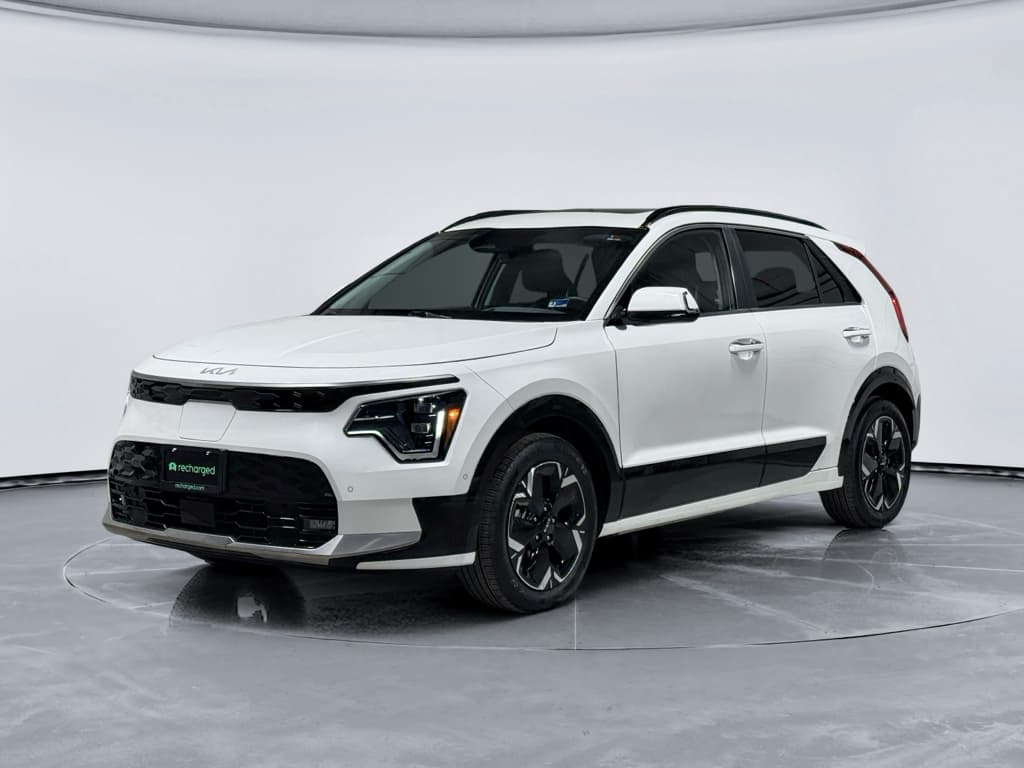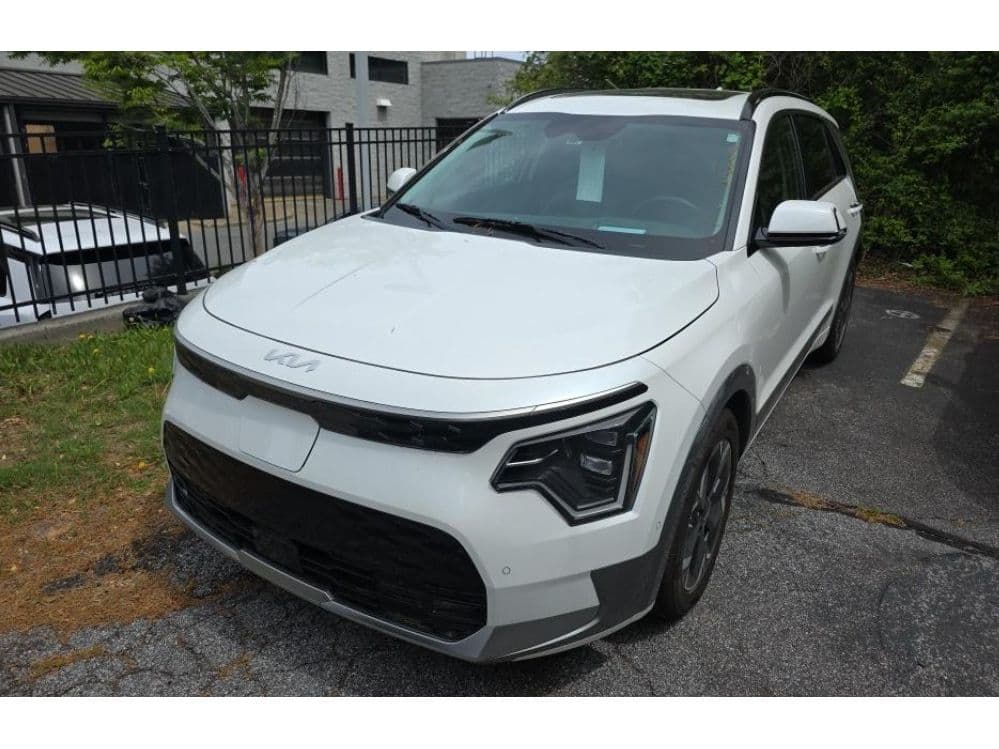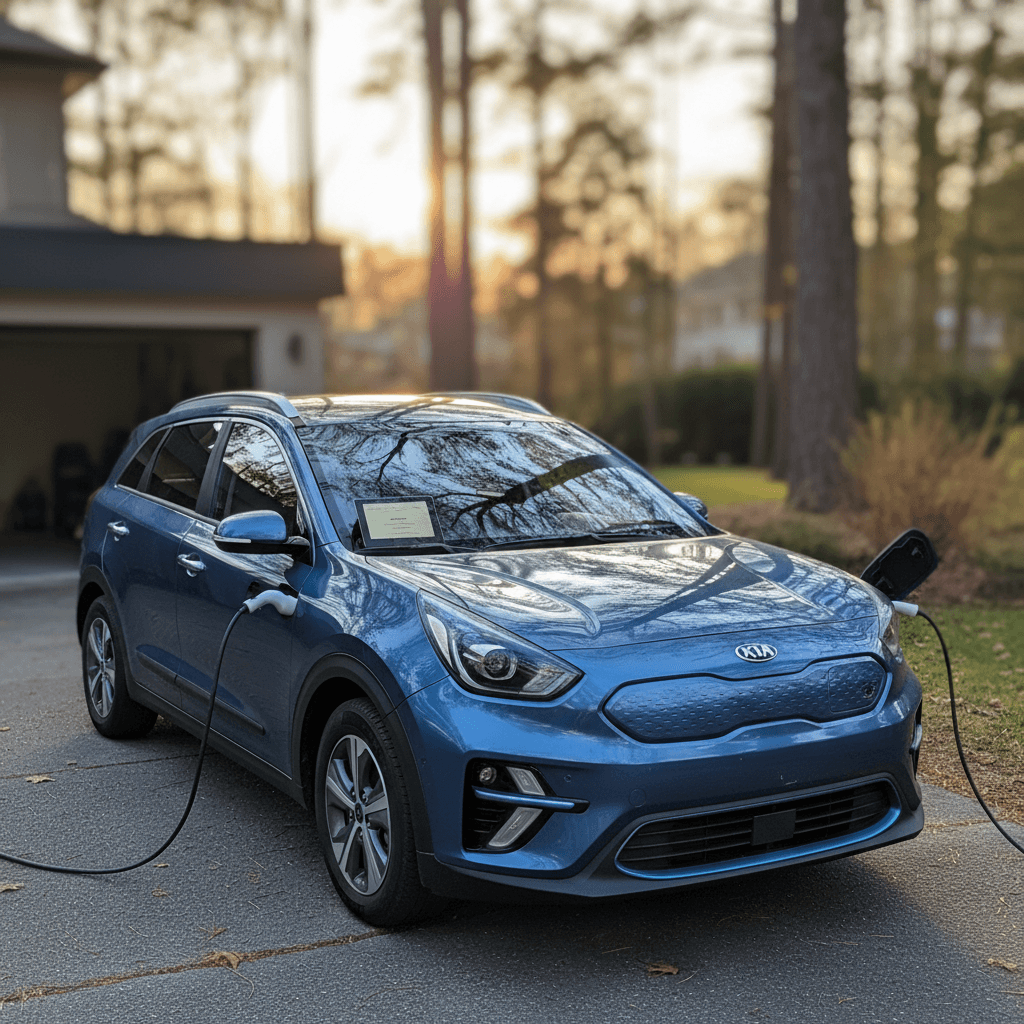
If you’re shopping used EVs, the question **“is the 2020 Kia Niro EV a good buy?”** comes up a lot. On paper it’s a practical, efficient electric crossover with real‑world range that still holds up in 2025–2026. In practice, it’s also an early‑generation mass‑market EV with some quirks, a modest fast‑charging curve, and the usual used‑car caveats. Let’s separate the spec‑sheet fantasy from the driveway reality.
Model names to know
Quick answer: is the 2020 Kia Niro EV a good buy?
2020 Kia Niro EV: the 30‑second verdict
Strong fundamentals, aging tech, and a price‑sensitive value story.
The good
- EPA‑rated 239 miles of range from a 64‑kWh pack, still competitive for daily use.
- Historically very low battery degradation reported by high‑mileage owners.
- Compact‑SUV practicality: usable rear seat and cargo space, easy to park.
- Often cheaper than comparable Chevy Bolt EUV, Kona Electric, or Model 3.
The compromises
- DC fast charging tops out around the mid‑70 kW range, so road trips are slower than in newer EVs.
- Interior tech and design feel several generations old next to 2024–2026 rivals.
- Not all cars got the same warranty terms once resold; coverage varies by market and owner history.
So, is it a good buy?
For a commuter, city runabout, or second car, a clean 2020 Niro EV with a healthy battery and fair price is one of the smarter used‑EV buys today. If you’re dreaming of 800‑volt road‑trip heroics, you’ll be happier with a newer model.
Rule of thumb
Key specs & real‑world range for the 2020 Niro EV
Before you can judge whether the 2020 Kia Niro EV is a good buy, you need to understand what you’re actually getting. On spec, it looks conservative, but in the real world it punches above its weight where it counts: range and efficiency.
2020 Kia Niro EV key specs (U.S. long‑range model)
How the 2020 Niro EV is configured from the factory.
| Category | Spec |
|---|---|
| Battery capacity (usable) | ~64 kWh lithium‑ion |
| EPA‑rated range | 239 miles |
| Motor output | 201 hp, 291 lb‑ft torque |
| Drivetrain | Front‑wheel drive |
| 0–60 mph (approx.) | 7–8 seconds |
| Onboard AC charger | Up to 7.2 kW (Level 2) |
| DC fast‑charge peak | Roughly 70–77 kW |
| Body style | Compact crossover (5‑door) |
Specs shown are for the 64‑kWh Niro EV sold in North America in the 2020 model year.
In mixed driving, many owners report **real‑world range in the 210–250 mile band** depending on temperature, speed, and how aggressively they drive. Driven gently at suburban speeds, the Niro EV’s efficiency is almost boringly good; driven like you stole it at 80 mph into a headwind, it will behave like every other brick‑shaped crossover and burn electrons accordingly.
Cold‑weather reality check
How 2020 Niro EV range feels in daily life
Battery health, degradation & longevity
Battery life is the whole ballgame for a used EV. The good news is that the 2020 Kia Niro EV has quietly built a reputation as a **battery overachiever**. High‑mileage owners reporting well over 60,000 miles, and in some cases past 100,000 miles, often see **single‑digit percentage loss** in usable capacity. That’s about as reassuring as it gets for a mass‑market EV of this vintage.
- The Niro EV’s pack is relatively large for its class (64 kWh), so your daily cycles are shallow, good for longevity.
- Kia’s software keeps a buffer at the top and bottom of the pack, meaning “100%” on the dash is not absolute full charge.
- Many owners primarily charge on Level 2 at home, which is gentler than constant DC fast charging.
Battery durability: a strong point
Where you need to be cautious is with cars that have lived their lives as fleet vehicles, taxis, or high‑utilization commuters doing daily DC fast‑charge sessions. Those can still be fine, but you want data, not vibes. That’s where a structured health check matters.
Battery health checks for a used 2020 Niro EV
1. Get an objective SOH reading
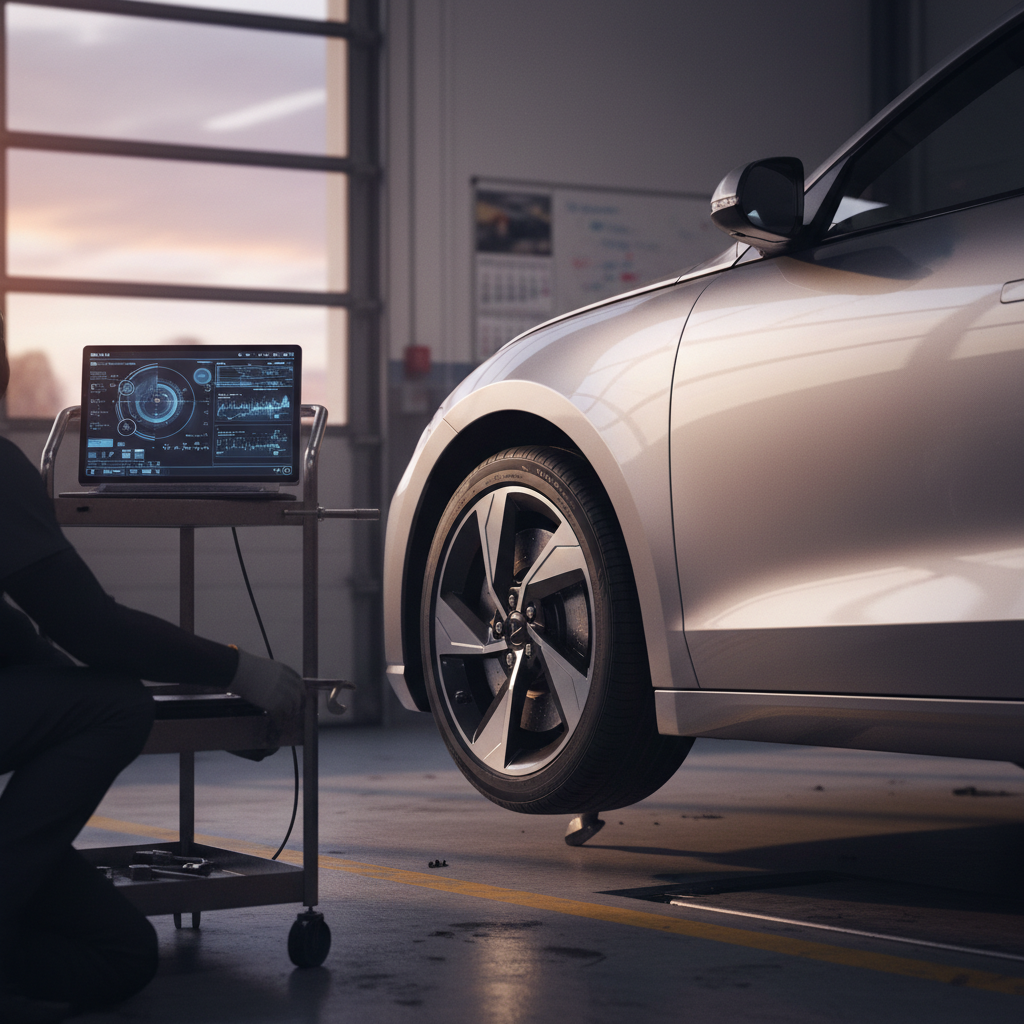
Ask for a **battery health report** from a trusted diagnostic tool, not just “it still shows 230 miles.” On Recharged, every Niro EV listing includes a Recharged Score with a verified SOH so you’re not guessing.
2. Look at lifetime efficiency
Cars with very high Wh/mi over their life may have been driven hard or fast, which tends to mean more heat and more stress on the pack.
3. Ask about charging habits
If the prior owner lived on DC fast charging, you want to see that reflected in a still‑strong SOH, or walk away if the data doesn’t add up.
4. Test a near‑full charge
On a test drive, charge the car well past 80% at least once and watch for any unusual tapering, error messages, or wild jumps in the estimated range.
Don’t buy on range display alone
Reliability, issues & recalls to know about
Mechanically, the Niro EV is simpler than a gas Niro, no engine, no transmission in the traditional sense, but it’s not immune to annoyances. The pattern that emerges by 2025–2026 is a car that’s **solid in fundamentals** (battery, motor, structure) with spotty experiences around electronics, infotainment, and service quality.
Common owner complaints on 2020 Niro EVs
Not deal‑breakers for everyone, but worth knowing before you buy.
Drivetrain / gear noise
Infotainment glitches
Dealer experience
What about recalls?
The broader reliability picture is quietly reassuring: there are high‑mileage 2020 Niro EVs running around with well over 100,000 miles, original packs, and no major drive‑unit drama. But because Kia’s U.S. dealer body didn’t grow up on EVs the way Tesla did, your ownership experience will be very zip‑code dependent.
How much should you pay for a 2020 Niro EV?
Used EV pricing in the U.S. has been a roller coaster since 2022. Newer, longer‑range crossovers and aggressive lease deals have pushed values of earlier models like the 2020 Niro EV down to the point where they’re often **meaningfully cheaper than equivalent gas crossovers**, and far less expensive than a new EV with similar range.
Factors that push price up
- Low mileage (under ~40,000 miles).
- Single private owner with full service records.
- Battery SOH near new and mostly home‑charged.
- EX Premium trim with nicer audio and larger screen.
- Clean accident history and no paintwork.
Factors that push price down
- High mileage (80,000+ miles), even with a healthy battery.
- Cosmetic issues, curb rash, or interior wear.
- Fleet or rental history.
- Out‑of‑warranty status on major components.
- Missing DC fast‑charge usage history or incomplete records.
Use battery health to negotiate
In today’s market, the 2020 Niro EV tends to occupy a sweet spot: cheaper than many 2022+ EV crossovers, but with enough range that it doesn’t feel obsolete. If the asking price is too close to a newer Niro EV or a longer‑range competitor with faster charging, that’s your cue to keep scrolling.
Charging speed & road‑trip usability
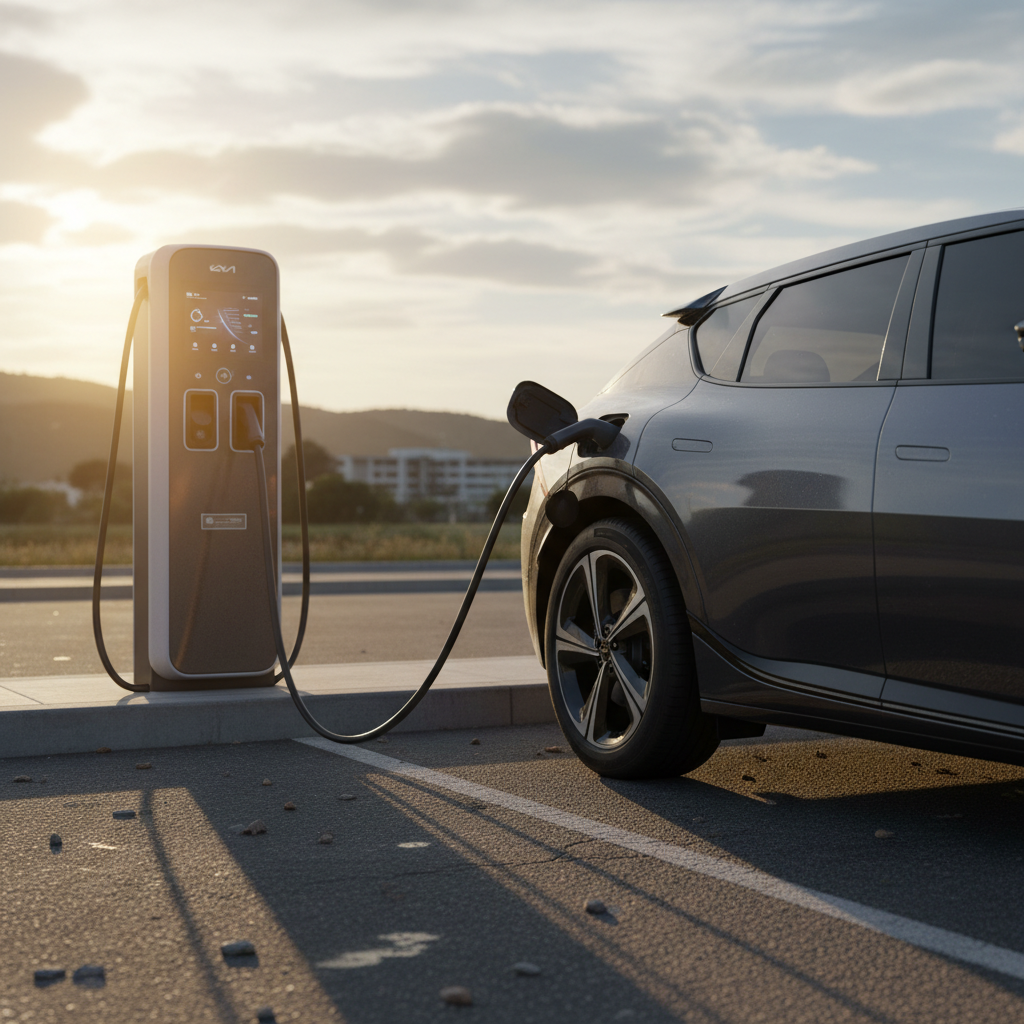
Here’s where the 2020 Niro EV begins to show its age. The 64‑kWh pack is efficient, but the **DC fast‑charging curve is modest** by modern standards. Peak power is in the roughly 70–77 kW ballpark, and it doesn’t hold that peak very long. Translated into human terms: road trips are entirely doable, just not rapid‑fire.
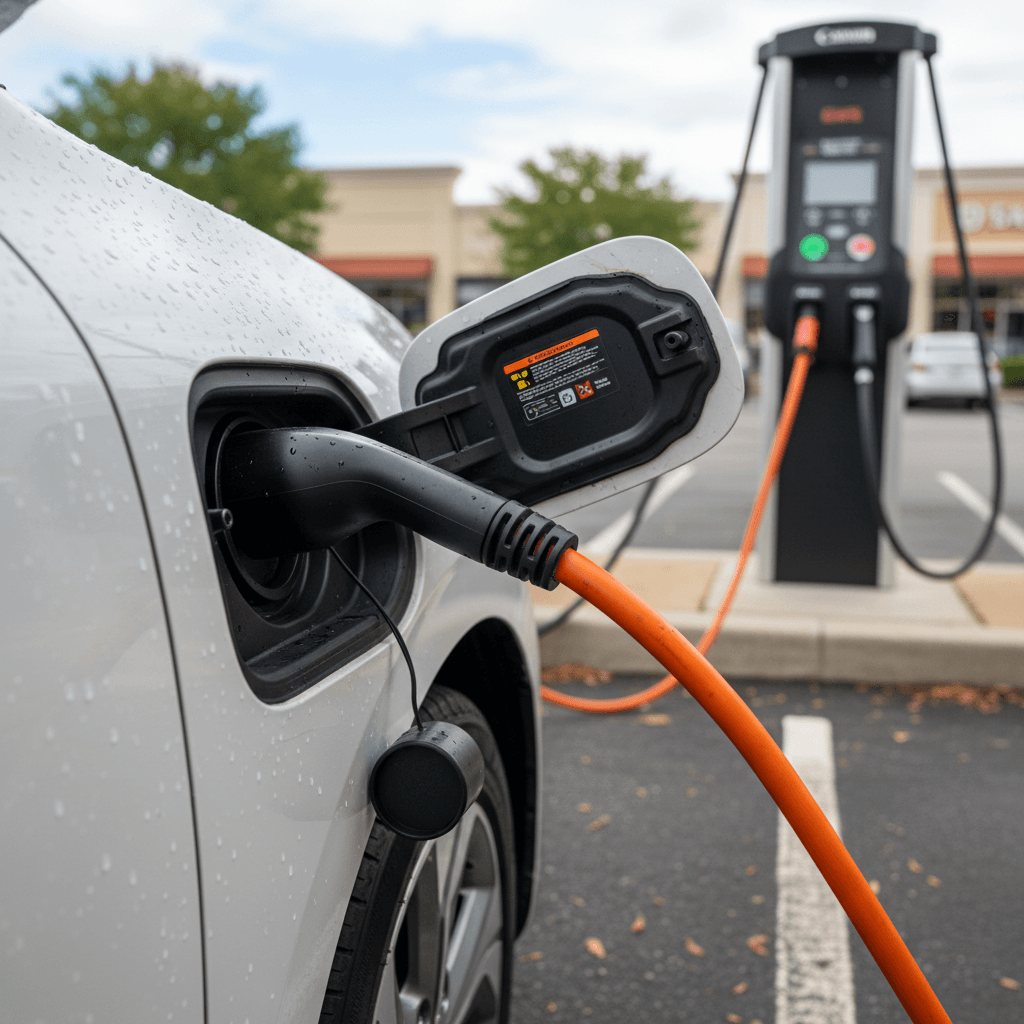
- On a typical 50–75 kW DC fast charger, going from ~10% to 80% charge will often take **around 35–45 minutes** if conditions are ideal.
- From 80% to 100%, charging slows dramatically. For road trips, you’re usually better off hopping from **10–80% windows** instead of topping all the way up.
- At home on a 240‑volt Level 2 charger (around 7 kW), a near‑empty pack will be back to full **overnight without drama**.
Not built for Supercharger‑style pit stops
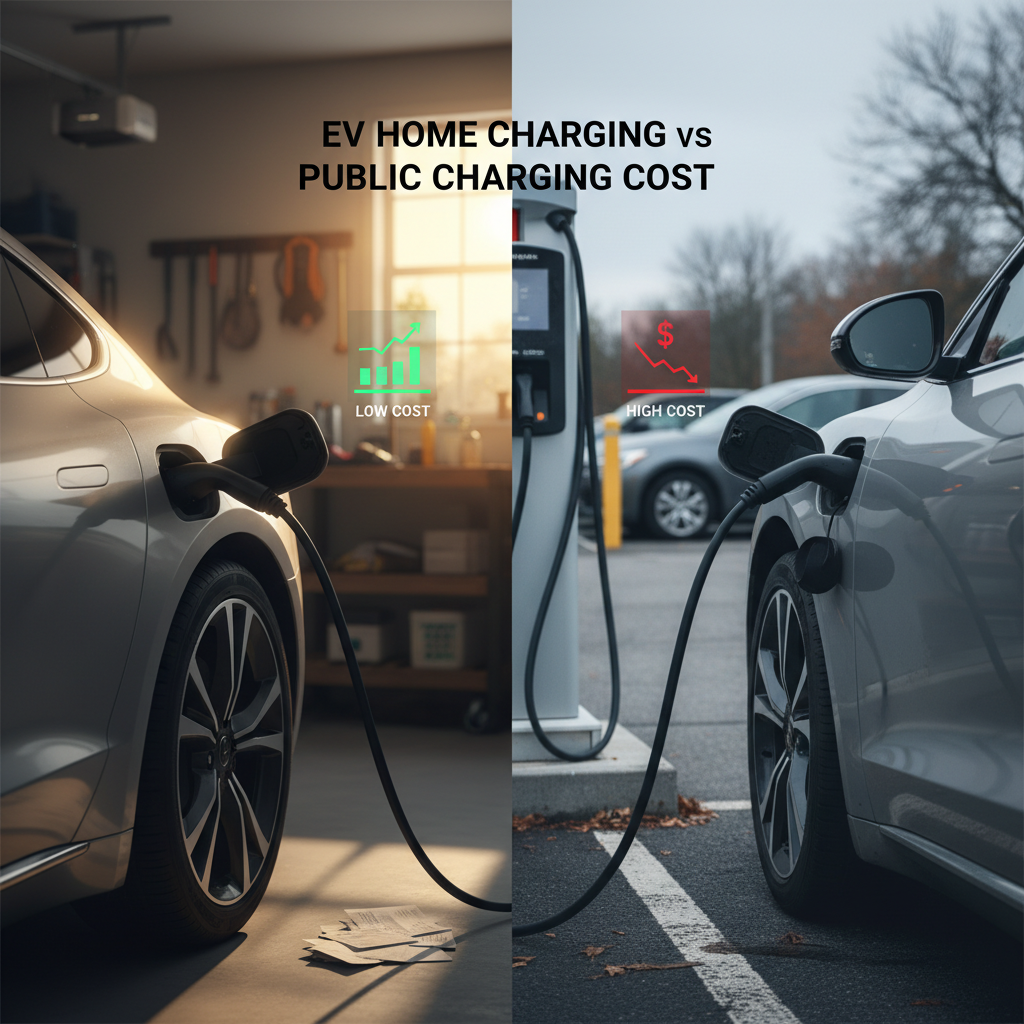
For most owners, though, the charging experience is almost entirely a **home‑charging story**: you plug in at night, wake up with more range than you plan to use, and ignore public charging for weeks at a time. In that context, the 2020 Niro EV is quietly excellent.
Who the 2020 Niro EV is (and isn’t) right for
Is the 2020 Niro EV a good buy for your life?
Match the car to your use case, not the other way around.
Great buy for…
- Urban and suburban commuters with predictable daily mileage.
- Households that can install Level 2 home charging.
- Drivers who value efficiency, a higher seating position, and decent cargo space.
- EV‑curious buyers stepping up from a gas compact SUV or hatchback.
- Budget‑conscious shoppers who care more about battery health than bleeding‑edge tech.
Probably not for…
- People doing frequent long‑distance highway road trips who hate 30–40‑minute stops.
- Drivers without reliable at‑home or workplace charging.
- Tech obsessives who want the latest driver‑assist and infotainment features.
- Anyone who lives far from a competent Kia EV service center.
Used 2020 Kia Niro EV buying checklist
When you’re standing in a lot, or scrolling listings at midnight, it helps to have a brutally practical checklist. Here’s how to evaluate whether a specific 2020 Niro EV is a good buy, not just the model in general.
10 things to check before you buy a 2020 Niro EV
1. Verify trim and equipment
Confirm whether you’re looking at **EX or EX Premium**. The Premium brings nicer audio and a larger screen, but both share the same battery and drivetrain.
2. Pull a full history report
Look for accidents, branded titles, fleet or rental use, and mileage consistency. A clean history is especially important on EVs because hidden damage can affect the high‑voltage system.
3. Get a real battery health report
Don’t rely on the guess‑o‑meter. Use a professional diagnostic scan or a marketplace like Recharged that includes a **Recharged Score battery health report** with every car.
4. Inspect tires and brakes
Heavy EVs can be harder on tires and brakes. Uneven wear may point to alignment issues or a hard prior life that the odometer alone won’t reveal.
5. Listen for drivetrain noise
On your test drive, roll windows up, turn the stereo off, and listen between 20–50 mph. Whines, howls, or grinding under steady throttle deserve investigation.
6. Test all charging modes
At minimum, plug into Level 2. If you can, also test a **DC fast charge session** to confirm the car initiates and sustains charging without error codes.
7. Check HVAC performance
Weak heat or AC can wreck your comfort and your effective range. Make sure the climate system gets hot and cold quickly and stays there.
8. Stress‑test the infotainment
Pair your phone, try Android Auto or Apple CarPlay, test steering‑wheel controls, and cycle through screens. Lag is one thing; hard freezes are another.
9. Confirm warranty coverage
Depending on original in‑service date and region, portions of the **battery and powertrain warranty** may still apply. Have the seller show documentation and confirm with a Kia dealer if needed.
10. Price it against alternatives
Compare against similar‑mileage Chevy Bolt EUVs, Hyundai Kona Electrics, and newer Niro EVs. The 2020 only makes sense if it’s priced to reflect its slower charging and older tech.
How Recharged helps you shop used Niro EVs with confidence
Buying a used EV doesn’t have to feel like guessing the ending of a movie you’ve never seen. At Recharged, we built the entire experience around taking the uncertainty out of cars like the 2020 Niro EV.
Why shop a 2020 Niro EV through Recharged?
Less guesswork, more data, and EV‑specialist support from start to finish.
Recharged Score battery report
Financing & trade‑in support
Nationwide delivery & in‑person help
Charging guidance
Fair pricing benchmarks
Less risk, more transparency
Ready to find your next EV?
Browse VehiclesFAQ: 2020 Kia Niro EV as a used buy
Frequently asked questions about the 2020 Kia Niro EV
Bottom line: should you buy a 2020 Kia Niro EV?
If you strip away the marketing, the 2020 Kia Niro EV is a fundamentally honest car. It won’t wow your neighbors with bleeding‑edge screens or 350‑kW charging, but it will quietly deliver **200‑plus real‑world miles**, sip electricity, and haul kids, dogs, or groceries without complaint. The pack is aging gracefully in the real world, and that alone makes it a standout in the early‑EV used market.
So, **is the 2020 Kia Niro EV a good buy?** For the right driver, someone with home charging, modest road‑trip ambitions, and an eye for value, it’s more than good; it’s one of the best under‑the‑radar used EVs you can choose. Just be ruthless about battery health, charging behavior, and price. And if you’d rather have data, not guesswork, start with a Niro that comes with a **Recharged Score** and let the numbers, not the badge, make the case.