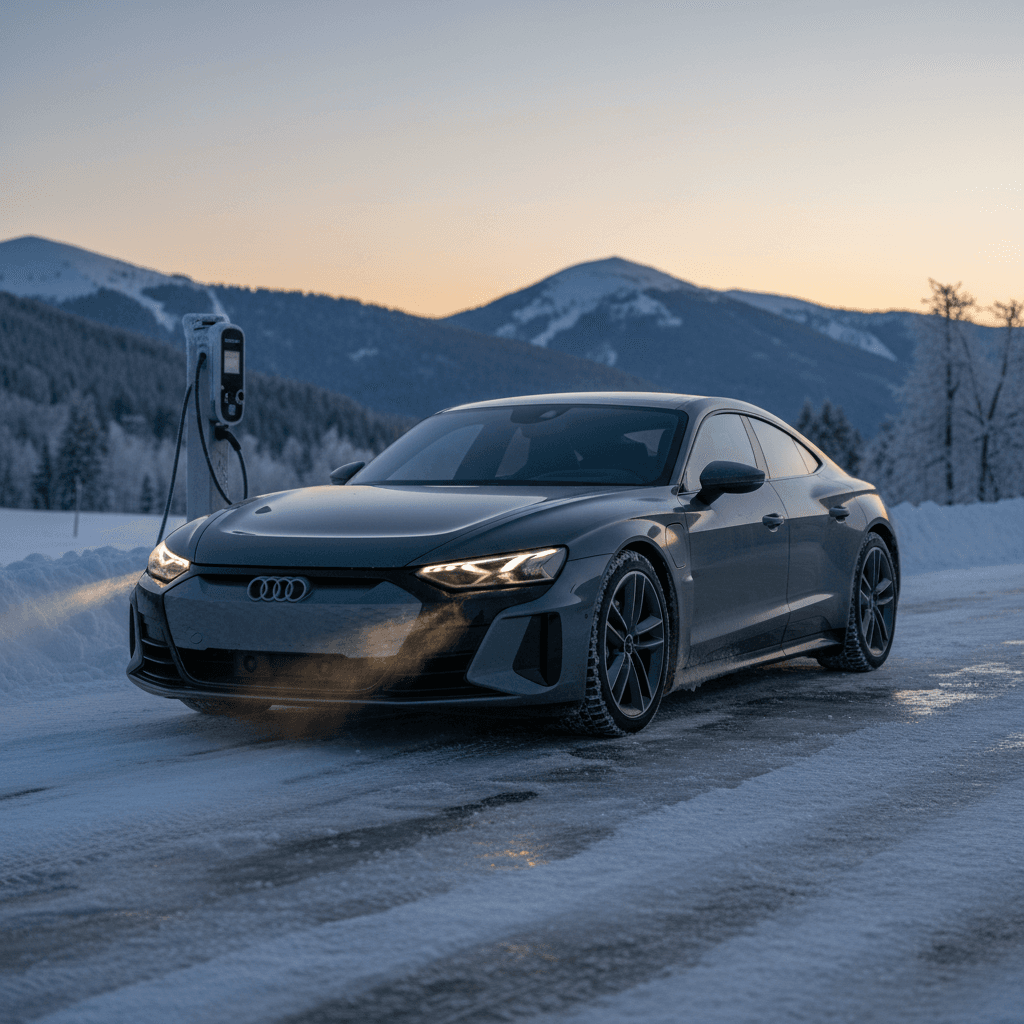
If you’re eyeing an Audi e-tron GT or already own one, winter range loss is probably on your mind. The good news: the e-tron GT is one of the stronger cold‑weather performers among EVs, but you should still expect a noticeable hit to range when temperatures plunge. This guide breaks down how much Audi e-tron GT winter range loss you’re likely to see, why it happens, and what you can do to keep your real‑world range predictable.
Quick takeaway
Audi e-tron GT range basics before winter hits
Before you worry about cold‑weather penalties, you need a baseline. Recent Audi e-tron GT models use a roughly 93–97 kWh battery pack, with EPA‑rated ranges in the 240–300 mile ballpark depending on year, trim and wheel size. For example, a 2024 e‑tron GT with 20‑inch wheels carries about a 249‑mile EPA rating, while newer models stretch a bit closer to 300 miles on smaller wheels.
- Battery size: ~93–97 kWh usable capacity (model year dependent)
- Typical EPA combined range: roughly 240–300 miles
- Realistic mixed‑driving range in mild weather: ~210–260 miles at highway speeds for most drivers
- DC fast charging: 5–80% in about 20 minutes on a high‑power charger, making winter top‑ups practical on road trips
EPA vs reality
How winter usually affects EV range
How much winter range loss to expect
You’ll see a lot of scary anecdotes online about EVs “losing half their range in winter.” That can happen in the worst‑case scenario, think sub‑zero temps, high speeds, no preconditioning and lots of short trips, but it’s not representative of day‑to‑day life for most Audi e‑tron GT owners.
Audi e-tron GT winter range loss: typical vs worst case
These are realistic planning numbers, not marketing claims.
Cool weather (40–60°F)
Expected loss: ~5–10%
- Rain and denser air add drag
- Cabin heat used occasionally
- Range hit is noticeable but modest
Freezing (20–35°F)
Expected loss: ~15–25%
- Battery chemistry slows down
- Cabin heat and seat heaters running
- Most U.S. winter driving falls here
Deep cold (below 15°F)
Possible loss: 30–40%+
- Short, stop‑and‑go trips
- No preconditioning
- Snow tires + slush + headwinds
Quick planning rule
Why the e-tron GT handles cold better than you think
Audi’s EVs have quietly built a reputation as solid winter performers. Earlier e‑tron SUVs tested in large real‑world datasets retained roughly 87% of their range in freezing temps, better than many rivals. The e‑tron GT shares core thermal‑management DNA, including a sophisticated liquid‑cooled battery and heat‑pump‑based climate control on many trims.
- Battery thermal management helps keep the pack in its preferred temperature window, improving both efficiency and fast‑charging performance in cold weather.
- A heat pump HVAC system (if equipped) is far more efficient than older resistive heaters, using less energy to keep the cabin comfortable.
- Audi’s quattro all‑wheel drive and traction control help you use power efficiently instead of just spinning tires in snow.
- Smart software strategies, preconditioning, eco climate modes and route‑based planning, let you trade a little convenience for noticeably better winter range.
The narrative that all EVs are helpless in winter is outdated. Some do struggle, but cars with modern thermal systems and heat pumps increasingly lose barely more range than gas cars in the same conditions.
Realistic winter range scenarios for daily driving
Abstract percentages aren’t very helpful when you’re just trying to get to work and back. Here are practical scenarios that line up with how many Audi e‑tron GT owners actually use their cars in colder U.S. climates.
Sample Audi e-tron GT winter range scenarios
Assumes a roughly 250–260‑mile mild‑weather real‑world range for an e‑tron GT driven at U.S. highway speeds.
| Scenario | Conditions | Driving Pattern | Estimated Usable Winter Range |
|---|---|---|---|
| Suburban commuter | 25–35°F, dry roads | 30–40 miles/day, mix of surface streets and 55–65 mph | 200–215 miles |
| Urban short‑trip use | 20–32°F, frequent stops | Multiple 5–10 mile trips with cold soaks in between | 170–190 miles |
| Interstate road trip | 28–34°F, light wind | 70–75 mph, steady highway cruising | 185–205 miles |
| Deep cold snap | 0–15°F, snow tires | Short trips, heavy heater use, ungaraged overnight | 150–180 miles |
These are planning estimates, not guarantees. Your results will vary with terrain, speed, wind and how you use climate controls.
Headwinds matter
Driving habits that make or break winter range
Two e‑tron GTs can drive the same route on the same winter day and see very different range results. The difference often comes down to speed, climate‑control choices and how you schedule charging and preconditioning.
Habits that hurt winter range
- High sustained speeds (75–80 mph+) dramatically increase aerodynamic drag.
- Cranking cabin heat to 75–78°F rather than using seat and wheel heaters.
- Lots of short trips from a cold soak, so the car repeatedly warms up the cabin and battery.
- Parking outside in freezing temps without preconditioning from shore power.
- Heavy snow tires or under‑inflated tires increasing rolling resistance.
Habits that help winter range
- Keeping speeds near 65–70 mph on longer highway stretches.
- Relying on seat and wheel heaters with a modest cabin set point (66–70°F).
- Preheating the cabin and battery while plugged in, especially before highway drives.
- Ending charges near departure time so the pack is warm and full.
- Checking tire pressures regularly as cold air drops PSI.
Use scheduled departure
Techniques to cut Audi e-tron GT winter range loss
You can’t beat physics, but an Audi e‑tron GT gives you a lot of levers to make winter range loss manageable. Think of it less as chasing an EPA number and more as managing energy like you’d manage fuel on a mountain pass in a gas car.
Practical steps to improve e-tron GT winter range
1. Precondition while plugged in
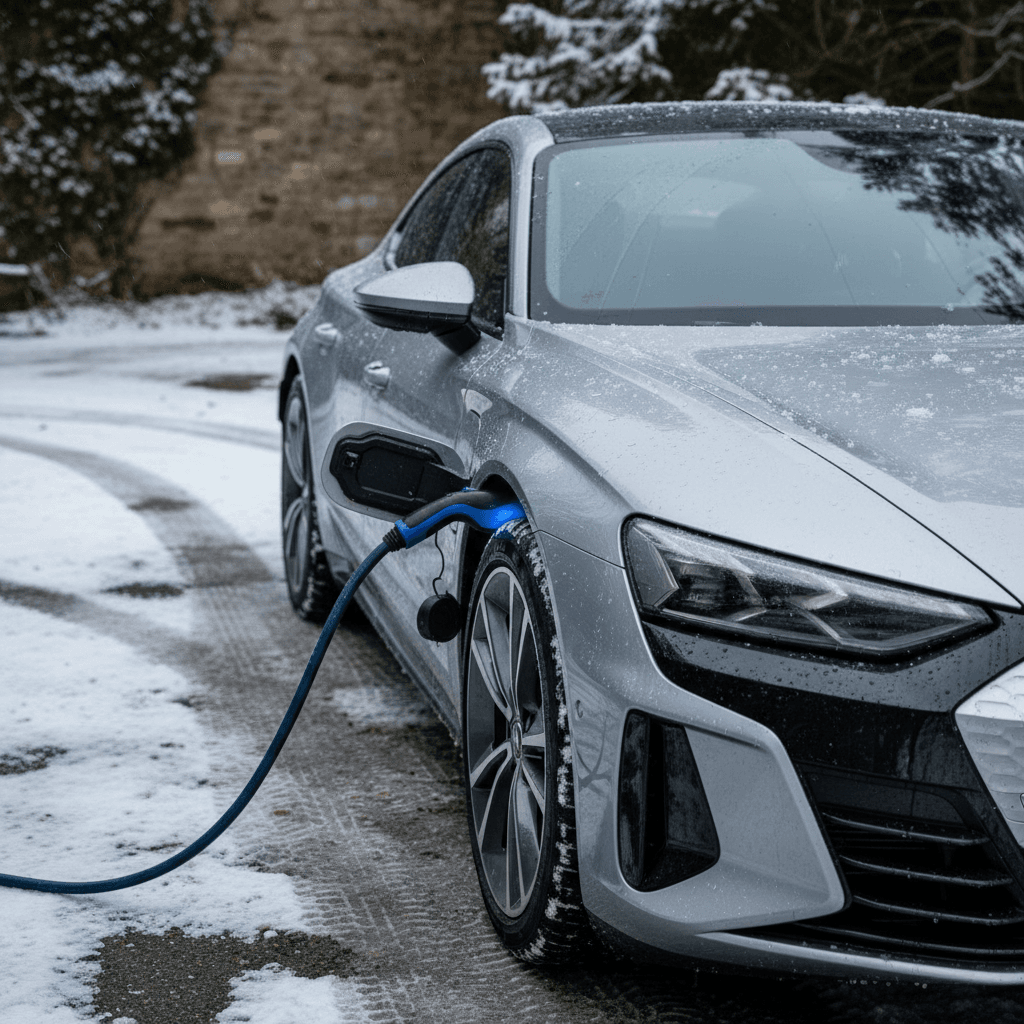
Use the app or in‑car scheduler to warm the cabin and battery before departure, especially before highway drives. This front‑loads energy use to the charger instead of your battery.
2. Prioritize seat and wheel heaters
Heated seats and steering wheel consume far less energy than blasting cabin air. Many drivers are comfortable with the cabin a few degrees cooler when these are on.
3. Use range or efficiency mode when needed
Eco‑oriented drive modes soften throttle response and can tame HVAC power draw. Use them for longer winter drives where you’re tight on range.
4. Avoid unnecessary fast charging on a cold pack
If the pack is ice‑cold, DC fast charging may be slower or use extra energy to warm the battery. A short preconditioning drive or scheduled fast‑charge stop on‑route helps.
5. Keep tires and alignment in check
Proper tire pressure and alignment reduce rolling resistance. Winter tires are fine, and often necessary, but cheap, aggressive treads can add drag.
6. Plan realistic buffers
On a 180‑mile winter trip, don’t plan to arrive with 0%. Aim to reach your charger with 15–20% remaining so wind, traffic or detours don’t become stressful.
Good news for road trips
Protecting battery health in cold weather
Cold weather is actually gentler on battery wear than extreme heat, but how you charge in winter still matters, especially if you’re thinking about resale value or shopping the used market. Range loss from weather is temporary; long‑term battery degradation is not.
- Avoid leaving the car at 100% charge for days on end, even in winter. Charge to full shortly before long trips, not every night.
- Deep cold slows chemical reactions, so don’t panic if winter range sags; it generally rebounds as temperatures warm.
- Use DC fast charging when you need it, but try to rely on Level 2 home or workplace charging for daily use.
- If the car will sit for weeks in the cold, store it around 40–60% charge, not full or empty.
How Recharged helps on the used side
Shopping used e-tron GT: range questions to ask
If you’re considering a used Audi e‑tron GT, winter range should be part of the conversation, but not a deal‑breaker if you shop smart. You’re balancing three things: original EPA rating, actual battery health today, and your local climate and driving pattern.
Key winter-range questions for a used e-tron GT
Use these to calibrate expectations before you sign anything.
1. What’s the current battery health?
Ask for data, not vibes. A diagnostic like the Recharged Score can estimate remaining capacity based on real‑world usage, not just a dash guess.
2. How cold is your climate, really?
Someone in Atlanta will see very different winter behavior than someone in Minnesota. Think about your coldest typical month, not the occasional polar vortex.
3. What’s your actual daily route?
Map out your longest regular winter day: commute + errands + kids’ activities. Compare that to a conservative winter range estimate with buffer.
4. Where will the car sleep and charge?
Garage + Level 2 charging + preconditioning is winter easy mode. Outdoor parking and only public charging deserve more planning.
Leverage expert help
FAQ: Audi e-tron GT winter range loss
Frequently asked questions about e-tron GT winter range
Bottom line: Should winter range scare you off an e-tron GT?
If you’re used to gas cars, winter range behavior in an EV takes some adjustment. But the Audi e‑tron GT starts from a solid efficiency baseline and, thanks to robust thermal management and available heat‑pump HVAC, it handles cold far better than early‑generation EVs. For most drivers in typical U.S. winters, you’re looking at a manageable 15–25% winter range loss, not a catastrophic halving of range.
If that kind of winter performance fits your daily routes, and you’re willing to adopt a few EV‑specific habits like preconditioning and realistic buffers, the e‑tron GT remains a compelling year‑round grand tourer. And if you’re considering a used example, working with Recharged gives you objective battery health data and expert EV support, so winter range is a known quantity, not a leap of faith.