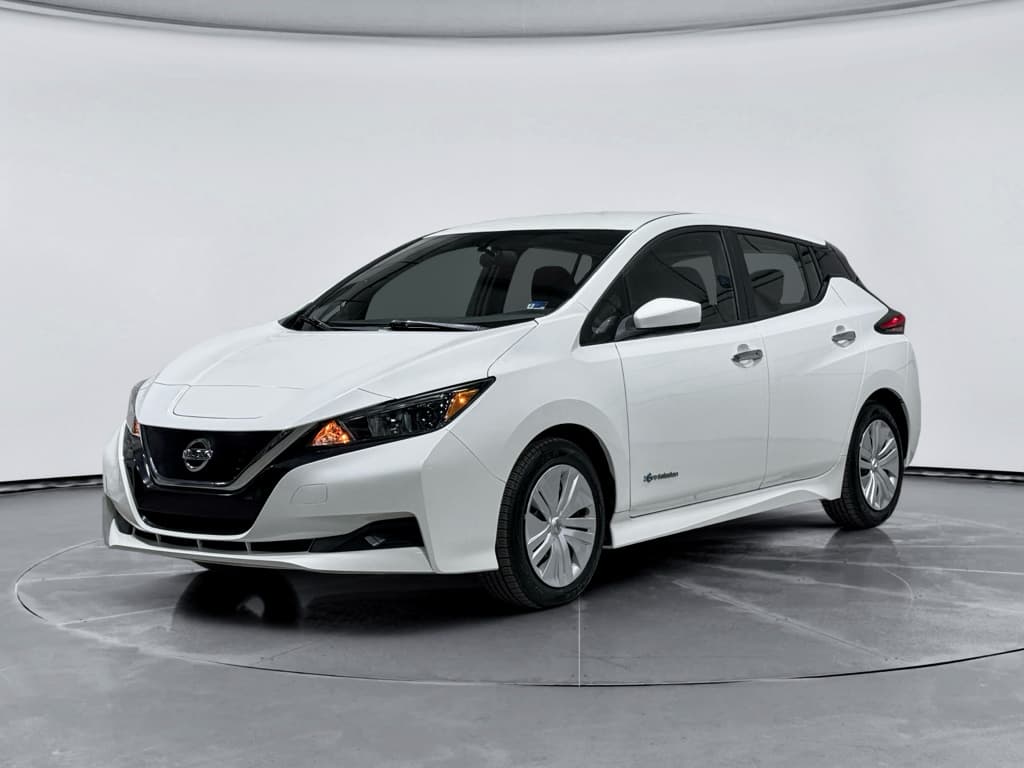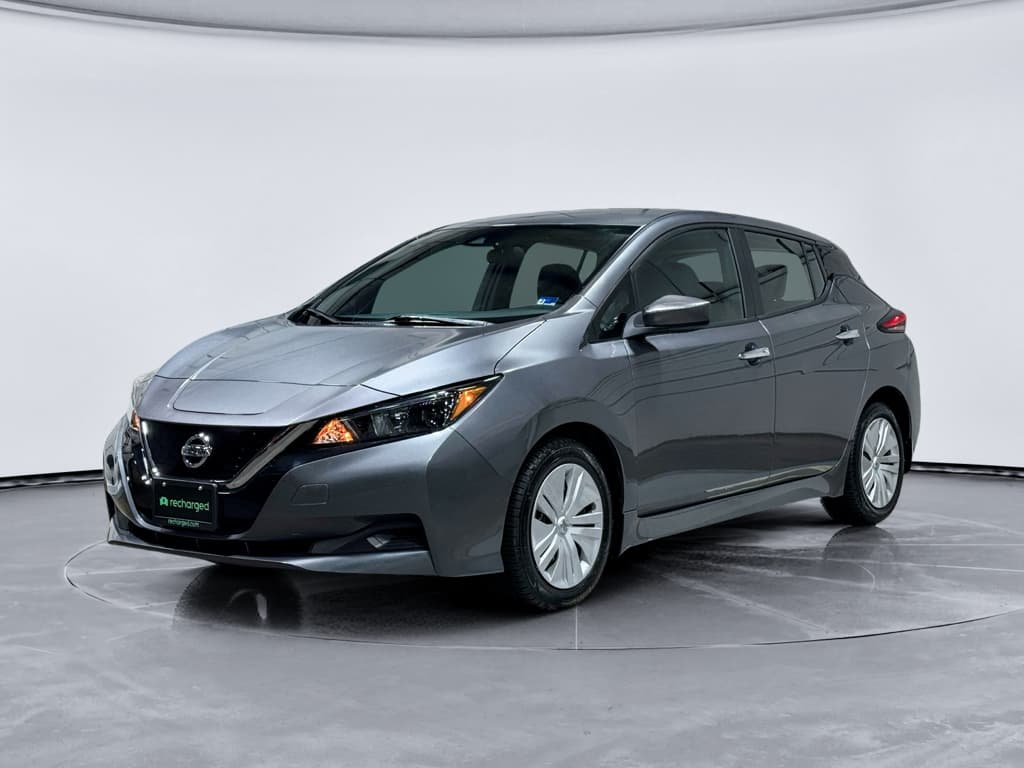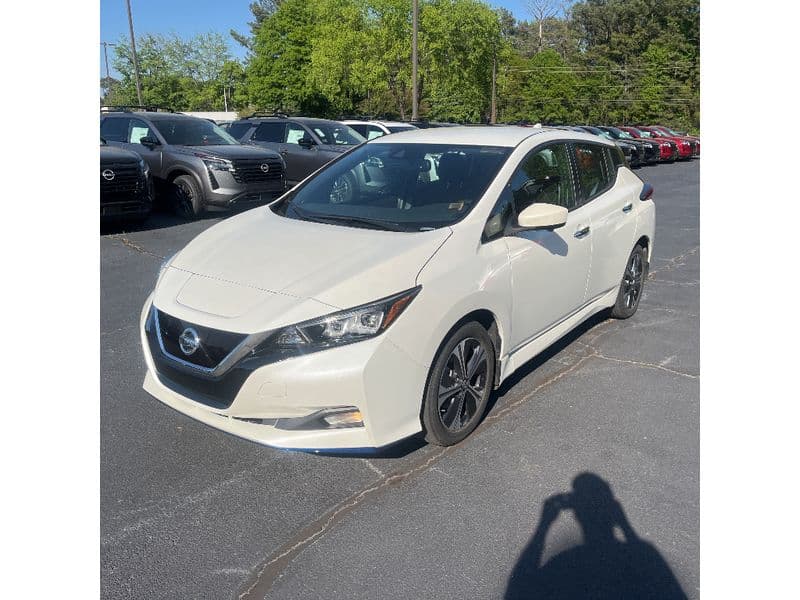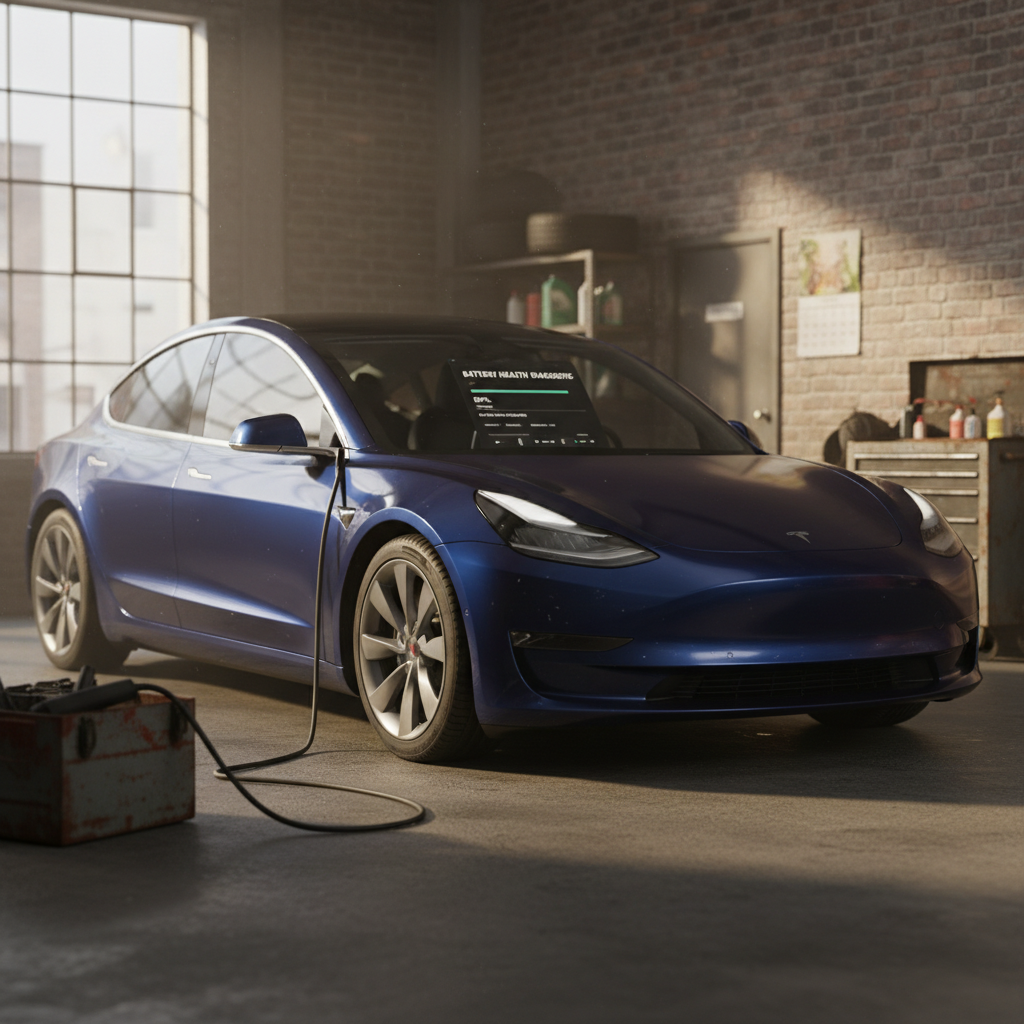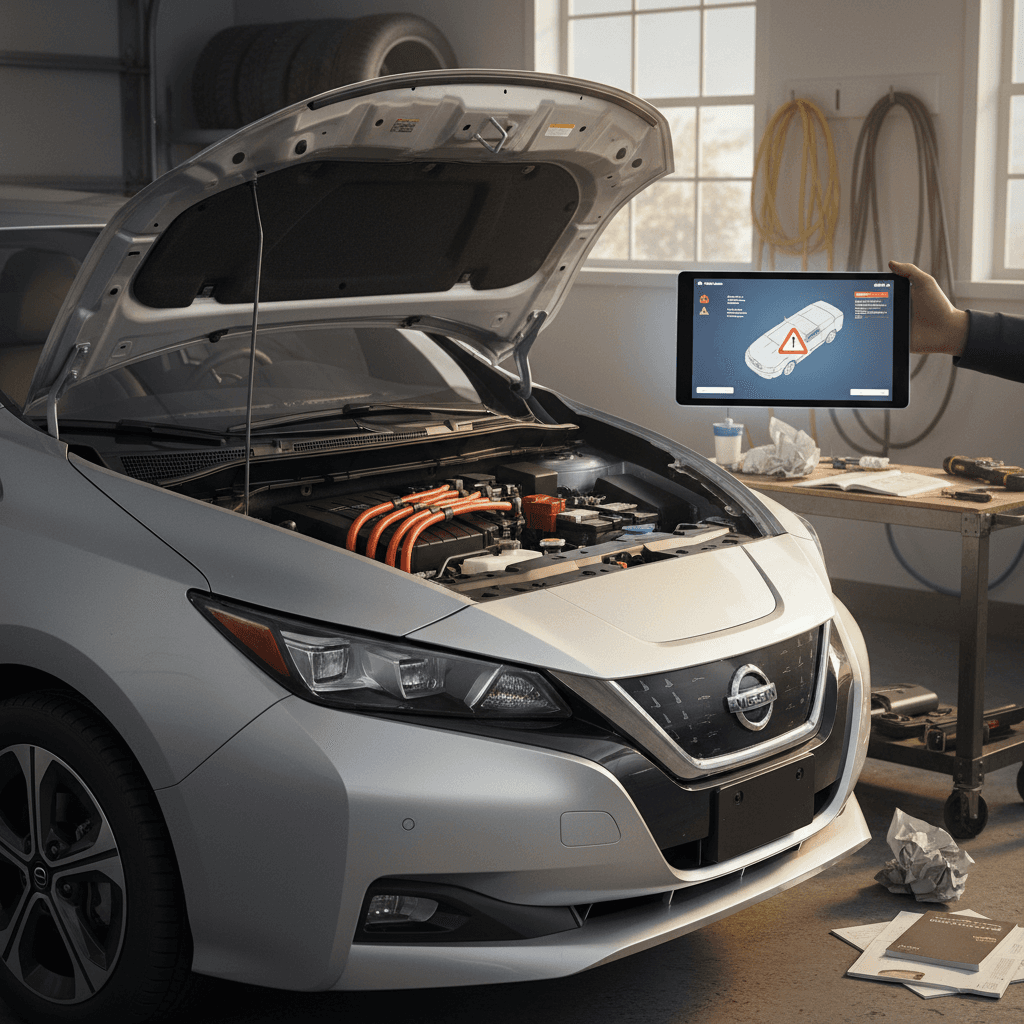
If you drive, or are thinking about buying, a 2024 Nissan Leaf, you’ve probably heard about recent Nissan Leaf battery and fast‑charging recalls on earlier model years. Searching for a clear, up‑to‑date 2024 Nissan Leaf recalls list can feel like wading through alphabet soup of campaign numbers and half‑answers. Let’s untangle what’s been recalled, what hasn’t, and what that means for you as an owner or used‑EV shopper.
Quick Snapshot
Overview: Are There 2024 Nissan Leaf Recalls?
Let’s start with the big question you came for: **is the 2024 Nissan Leaf itself under recall right now?** Based on currently available recall data and model‑year summaries, the answer looks reassuring: no U.S. safety recalls are listed for the 2024 Leaf model year as of April 2026. Some reliability trackers even give the 2024 Leaf a perfect recall score, noting zero official campaigns or logged complaints for this model year so far.
That doesn’t mean you can ignore recall news entirely. The 2024 Leaf is mechanically related to earlier second‑generation Leafs, and those cars have been swept up in serious campaigns involving lithium‑ion battery overheating during DC fast charging and a separate issue around potential unintended acceleration. If you own a 2024 Leaf or are shopping used, you want to understand those patterns and keep an eye on future updates.
Important Context
Recent Nissan Leaf Recall History (2019–2024)
Nissan Leaf Recall Landscape, 2019–2024
To understand why shoppers keep asking about a **2024 Nissan Leaf recalls list**, you have to look back a few years. Nissan’s pioneering EV has been remarkably durable in some ways, but it’s also been dragged into a string of high‑profile safety campaigns tied to its aging battery tech and quick‑charge hardware.
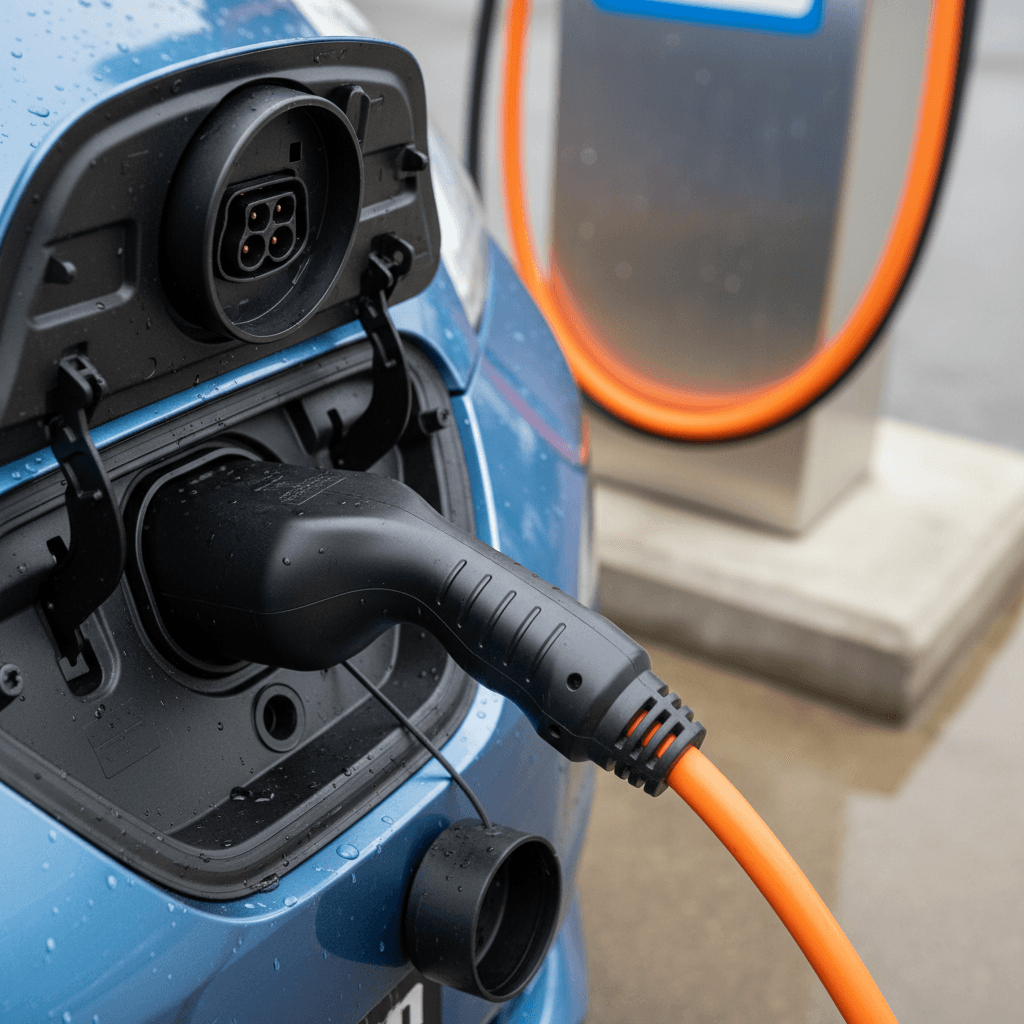
- **Battery overheating / fire‑risk recalls (2019–2022):** Nissan filed multiple recalls covering tens of thousands of Leafs from model years 2019–2022, focused on lithium‑ion battery cells that could overheat and in rare cases ignite during high‑power DC fast charging via the CHAdeMO port.
- **DC fast‑charging usage restrictions:** As a temporary “remedy” while Nissan and suppliers worked on a fix, many affected owners were bluntly told to **avoid Level 3 / DC fast charging altogether** until further notice. That’s like being told you can’t use gas stations on a road‑trip car, technically drivable, but practically hamstrung.
- **Unintended acceleration concern:** A separate, earlier campaign covered a wide swath of Leafs built from late 2017 through early 2023 to correct software behavior that, in very specific conditions, could lead to unintended acceleration. Nissan reported no field crashes or injuries, but regulators required a remedy all the same.
CHAdeMO vs. Newer Standards
Detailed 2024 Nissan Leaf Recalls List & Campaigns
Because recall campaigns are written in dense legalese, it helps to translate them into plain English. Below is a simplified look at the **major recent U.S. Nissan Leaf recall campaigns that shoppers ask about when researching 2024 models**. Remember: most of these campaigns target earlier model years, but they shape how you should think about any Leaf purchase.
Key Nissan Leaf Recall Campaigns Relevant to 2019–2023 Cars
This table summarizes the big Nissan Leaf recalls that often come up when people search for 2024 Leaf safety information. Campaign numbers and details are simplified for readability.
| Recall Focus | Approx. Model Years | Main Risk | Typical Interim Advice | Does It Include 2024 Leaf? |
|---|---|---|---|---|
| Battery overheating during DC fast charging | 2019–2020 | Battery may overheat and, in rare cases, catch fire during repeated or extended Level 3 charging | Avoid DC fast charging until remedy is available; use Level 1 or Level 2 instead | No, as of April 2026 this campaign does not list 2024 Leafs |
| Expanded battery fire‑risk campaign | 2021–2022 | Similar overheating risk in certain battery cells built through ~May 2022 | Same: avoid or strictly limit DC fast charging; await inspection or module replacement | No, it targets earlier build dates before the 2024 model year |
| Unintended acceleration software issue | 2018–2023 (build dates roughly Sept 2017–Mar 2023) | In rare conditions the car could accelerate more than expected | Dealer software reflash to refine control logic | No, campaign build window ends before 2024 model year |
| Misc. component / hardware recalls (regional or low‑volume) | Various | Items like seat belts, labels, or hardware on small VIN ranges | Quick dealer service visit, often 1–2 hours | None currently published for 2024 Leafs |
Always confirm the latest status for your specific VIN on the official NHTSA or Nissan recall lookup before making decisions.
How to Decode Recall Language
Because the 2024 Leaf rides on the same basic platform as those 2019–2022 cars, engineers may have made quiet running changes behind the scenes, revised cell chemistry, updated control software, stricter thermal limits, specifically so regulators would sign off on the later model years without rolling them into the earlier recalls. That’s good news for you, but it’s still wise to treat DC fast charging with respect and to follow Nissan’s thermal‑management guidance in the owner’s manual.
How to Check Your 2024 Nissan Leaf for Open Recalls
Even though **no 2024 Nissan Leaf recalls** are currently listed, you should treat recall checks like changing smoke‑detector batteries: a simple habit that can save you a world of trouble. Here’s how to confirm your car’s real‑time status in a couple of minutes.
Step‑by‑Step: Verify Your Leaf’s Recall Status
1. Find your VIN
Stand outside the car and look at the base of the windshield on the driver’s side, or open the driver’s door and check the door jamb label. The **17‑character Vehicle Identification Number** is what NHTSA and Nissan use to check recall status.
2. Run a VIN search on NHTSA.gov
Go to the official recall lookup on **NHTSA.gov** and enter your VIN. This tool shows all **open** safety recalls that still need a fix on your specific car. If it says “0 unrepaired recalls associated with this VIN,” you’re clear for now.
3. Cross‑check on Nissan’s recall site
Nissan also hosts a branded recall lookup on its own website. Plug in the same VIN. Occasionally a campaign will appear on one system a bit earlier than the other, so it pays to double‑check.
4. Call your Nissan EV‑certified dealer
If anything looks confusing, or a recall shows as “open” without a clear remedy, call a **Nissan certified Leaf dealer**. Ask for the service department, give them your VIN, and request the status and next steps in writing (email is fine).
5. Keep records of completed work
Whenever recall work is done, ask for a **detailed service invoice** showing the campaign number and repair description. Keep it with your title and warranty paperwork; it’s proof for future buyers and for any warranty disputes.
6. Set a calendar reminder
Recalls can appear years after a car is built. Set a twice‑a‑year reminder to run your VIN through NHTSA and Nissan again, especially before long road trips or selling the car.
Good News for 2024 Owners
Living With a Recalled Nissan Leaf: What It’s Really Like
If you’re cross‑shopping older Leafs against a 2024 model, the real‑world impact of these recalls matters. Owners of 2019–2022 cars caught up in the DC fast‑charging campaigns have described months of limbo: being told not to quick‑charge, watching promised repair dates slip, and feeling like their electric hatchback suddenly shrank to “around‑town only” duty.
Everyday driving
For most Leaf owners, the **daily commute on Level 2 home charging** remains completely normal, even under a recall. The car still starts, drives, and charges overnight just as it always has. The limitations show up when you try to stretch its legs.
If you rarely or never use DC fast charging, the day‑to‑day impact of a battery recall can feel small, but it’s still a safety issue that needs a proper remedy.
Road‑trip reality
Tell a Leaf owner they can’t safely use DC fast charging and you’ve effectively **shrunk their map**. Spontaneous weekend trips, cross‑state drives, or even emergency top‑ups on a busy day get much harder. That’s why these campaigns aren’t just paperwork, they go to the heart of how an EV is used.
Buying a 2024 Leaf that’s not subject to those quick‑charging restrictions is a genuine quality‑of‑life advantage.
Don’t Ignore Battery Fire Advisories
Used 2024 Nissan Leaf: What Buyers Should Check
Shopping for a **used 2024 Nissan Leaf** can be a smart way into EV ownership, especially if you’re drawn to its simplicity and relatively low prices compared with newer long‑range models. Here’s how to weave recall awareness into your shopping checklist so you don’t inherit someone else’s headache.
Key Checks Before You Buy a Used 2024 Leaf
Recalls are only one part of the puzzle, but they’re a big one.
1. Confirm zero open recalls
Ask the seller for the VIN and run it through both NHTSA and Nissan recall lookups before you even schedule a test drive. A clean report for a 2024 Leaf is what you should expect right now.
2. Evaluate battery health
Recalls focus on safety, not normal degradation. For a 2024 Leaf, you want to see **strong remaining capacity** and even cell behavior. At Recharged, every car gets a Recharged Score that includes detailed battery diagnostics, not just guesswork from the dash gauge.
3. Test DC fast charging
If possible, take the car to a CHAdeMO fast charger during your test drive. Verify that it connects, ramps up to expected power, and doesn’t throw warnings. Keep the session short; you’re looking for signs of obvious misbehavior, not pushing the pack to its limits.
Paper Trail & Questions to Ask the Seller
Ask for recall and service records
A careful owner should have invoices showing **recall completion** for any prior campaigns, even if they applied to an earlier car they traded in. For a 2024 Leaf, you mainly want proof of routine maintenance and any software updates.
Clarify how the car was charged
Gently ask how often the owner used DC fast charging vs. Level 2 at home. Heavy fast‑charging use isn’t an automatic red flag, but combined with hot climates and high mileage, it can accelerate battery wear.
Look for software update notes
Nissan sometimes bakes safety or thermal improvements into control‑unit software updates, separate from formal recalls. A service history that shows **regular dealer software updates** is a plus.
Have an independent EV specialist inspect it
If you’re not buying from an EV‑focused retailer, consider a **third‑party EV inspection**. At Recharged, this is built into the process, our team runs comprehensive diagnostics and backs every car with a transparent Recharged Score Report.
How Recalls Affect Value and the Recharged Score
Recalls don’t automatically ruin a car’s value. In fact, a safety campaign that’s been properly completed can be a sign that a manufacturer and prior owner took maintenance seriously. But open recalls, especially serious ones involving high‑voltage batteries, absolutely belong in your pricing and peace‑of‑mind calculus.
How recalls play into resale value
- Completed safety recalls are usually neutral for value, and sometimes mildly positive if they involve upgraded components.
- Open, high‑severity recalls (like fire‑risk campaigns with no remedy yet) can depress prices because they limit how buyers can use the car.
- For a 2024 Leaf with no active recalls, you’re avoiding that drag on future resale.
Where the Recharged Score fits in
Every EV sold through Recharged comes with a Recharged Score Report that rolls **battery health, recall status, pricing data, and inspection findings** into one transparent summary. If a car has ever been under a safety campaign, that history is part of the story we tell you up front.
That means you’re not left guessing whether the Leaf you’re eyeing quietly lived through a battery overheating scare or missed an important software update.
Leaning Toward a 2024 Leaf?
FAQ: 2024 Nissan Leaf Recalls
Frequently Asked Questions About 2024 Nissan Leaf Recalls
Bottom Line on 2024 Nissan Leaf Recalls
The 2024 Nissan Leaf sits in an interesting spot. On one hand, its earlier siblings, especially 2019–2022 cars, have been pulled into serious recall campaigns around battery overheating and DC fast charging. On the other, **the 2024 model year itself currently shows no active U.S. safety recalls**, making it one of the cleaner bets in the Leaf family from a recall standpoint.
If you already own a 2024 Leaf, your job is straightforward: **check your VIN regularly**, follow Nissan’s charging guidance, and file away any future recall paperwork. If you’re shopping used, fold recall history into the bigger picture: battery health, charging behavior, service records, and price. A 2024 Leaf with a clean recall slate, strong battery diagnostics, and documented maintenance can be a quietly excellent everyday EV.
And if you’d like a head start on that homework, consider browsing Leafs that already come with a **Recharged Score Report**, expert EV inspection, and transparent pricing. It’s one less mystery to solve when you slide behind the wheel and press the start button.