When you’re shopping for a used electric vehicle, that little “AS-IS – NO WARRANTY” box on the window sticker can be the most expensive line of text you’ll see all day. With gas cars, as-is is already a gamble. With EVs, where a single battery failure can run five figures, an as-is used EV purchase shifts a huge amount of risk onto you.
Quick definition
What “As-Is” Really Means for a Used EV
On a federal level, dealers must use the FTC’s Buyers Guide on used vehicles. If the AS-IS box is checked, the dealer is telling you they don’t plan to cover repairs after the sale. But that’s only half the story for an electric car.
- You’re accepting the car in its current condition, including issues you haven’t discovered yet.
- The dealer is trying to avoid responsibility for future failures, even expensive ones like the traction battery or onboard charger.
- You’re often waiving the safety net of “this car must be reasonably fit to drive,” unless your state still enforces certain implied warranties.
Where EVs differ is the scale of the unknown. A rough transmission on a gas car is expensive; a degraded or failing high-voltage battery in an EV can be the difference between a great deal and a vehicle that’s financially totaled.
As-is does NOT mean dealers can lie
Why As-Is Is Riskier With EVs Than Gas Cars
Key Differences Between As-Is EVs and Gas Cars
On paper the forms look similar. Under the skin, the risk profile is very different.
1. Battery dominates value
2. More electronics, more complexity
3. Charging-related risks
4. New depreciation patterns
About those horror stories you’ve heard
The Big One: Battery Health and Replacement Costs
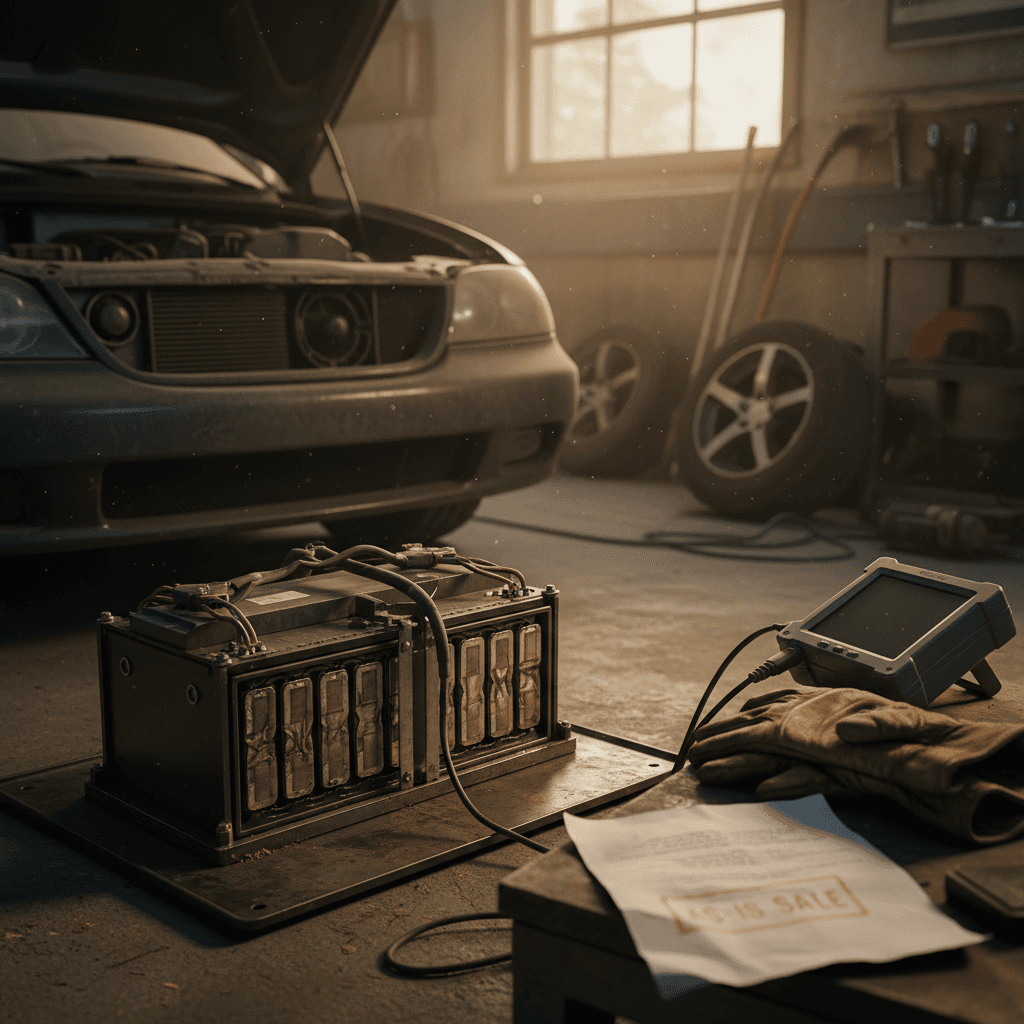
Battery health is to a used EV what engine compression is to a high-mileage gas car, except the battery is usually much more expensive, and you can’t judge it by ear. An as-is sale without a proper battery health report is effectively asking you to roll the dice on the most important component in the car.
EV Battery Reality Check (2024–2025 Snapshot)
Here’s the uncomfortable truth: on a lot packed with as-is used EVs, two cars that look identical on the surface can have wildly different remaining battery life. Without instrumentation, you can’t see whether one pack has 90% of its original capacity and another is down to 65%.
The nightmare scenario
Warranty Traps When You Buy a Used EV As-Is
EV shoppers sometimes assume that because the battery had an 8-year warranty from new, any used EV in that window is “safe.” An as-is label is your cue to slow down and read the fine print.
Common Warranty Traps on As-Is Used EV Sales
Questions to ask any seller before assuming you’re covered by the original EV battery or powertrain warranty.
| Risk | What It Looks Like | Why It Matters |
|---|---|---|
| High mileage car | 2019 EV with 135,000 miles, still within 8 years | Many battery warranties cap at 100,000–150,000 miles. You might be past the limit even if the car is only 5–6 years old. |
| Commercial use | Prior life as rideshare, fleet, or rental | Some OEMs reduce or exclude coverage for commercial duty cycles, which can be harder on batteries. |
| Salvage or rebuilt title | Car was in a serious accident or flood | Manufacturers often void high-voltage battery warranties on salvage vehicles, exactly the time you’d want that coverage. |
| Out-of-network repairs | Third-party pack work without OEM guidance | Non-approved repairs can void remaining coverage, leaving you fully exposed on future failures. |
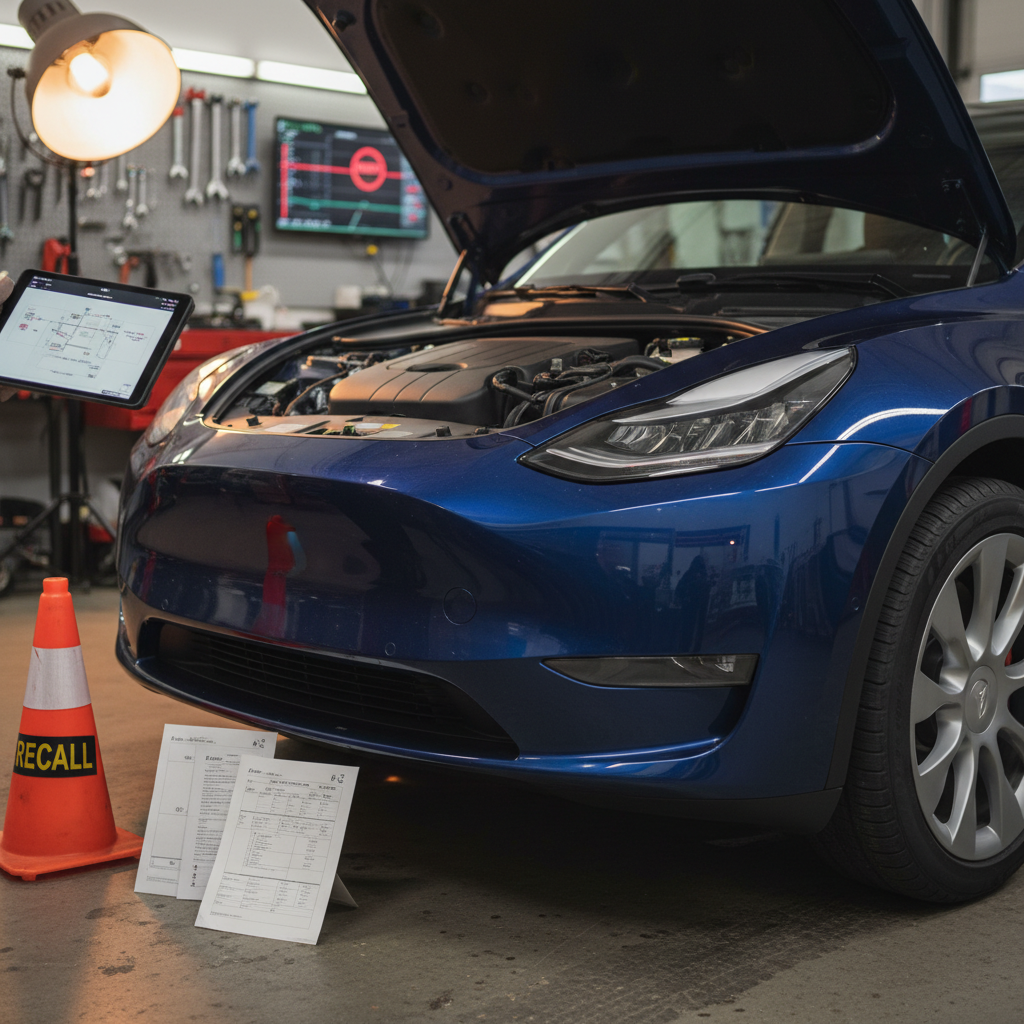
| Missed recall or campaigns | Open battery or charging recalls | If critical updates weren’t completed, you may inherit both a safety risk and a headache trying to restore eligibility. |
Don’t assume the factory battery warranty is still intact just because the calendar says it should be.
As-is doesn’t erase factory warranties, but it can hide issues
Other Common As-Is Used EV Surprises
Battery risk gets the headlines, but it’s not the only way an as-is used EV can cost you more than you expect. Because EVs are still relatively new to many shops, even non-battery issues can turn into long, expensive repair odysseys.
- DC fast charging that doesn’t work: The car may charge fine on Level 2 at home but repeatedly faults on public fast chargers, an issue that’s easy to miss in a quick test drive.
- Limited or missing software features: Prior owners may have lost access to connected services, driver-assist features, or app-based controls that were advertised when the car was new.
- Hidden thermal system problems: Weak cooling or heating for the battery can quietly accelerate degradation, especially in very hot or cold climates.
- Weak 12V system: EVs still rely on a conventional 12V battery for most electronics; chronic low-voltage issues can cause strange, intermittent failures that are hard to trace.
- DIY modifications: Home-brew charging solutions, aftermarket suspension, or electronics changes can look harmless but confuse the car’s energy management or safety systems.
Don’t skip the boring stuff
State Laws, Implied Warranties, and Limits on As-Is
Here’s another wrinkle: whether a dealer can truly sell you a used EV “as-is” at all is partly a state law question. The FTC Buyers Guide sets the basic disclosure format, but your state may add important protections on top.
Implied warranties in many states
Some states recognize an implied warranty of merchantability on used cars sold by dealers, essentially a promise that the vehicle is reasonably safe and usable for normal driving.
Often, dealers can only disclaim this protection if they follow specific steps and clearly spell out which parts or systems aren’t covered. Simply slapping an as-is sticker on the window may not be enough to erase your rights.
States that limit or ban as-is sales
Other states limit when a dealer can disclaim warranties at all, or require minimum coverage on certain used vehicles. Some even have special rules for EVs or high-voltage components.
The key is that the same as-is language can mean very different things in California versus, say, Washington or Massachusetts. Always check your state’s consumer protection site or attorney general’s office guidance before you sign.
Why this matters for EVs
How to Protect Yourself Before Buying an As-Is EV
There are situations where an as-is used EV can still be a smart buy, usually when the price correctly reflects the risk and you’ve done serious homework. The key is to treat that as-is box like a bright yellow warning label and respond with a structured plan, not hope.
Pre-Purchase Checklist for Any As-Is Used EV
1. Get objective battery health data
Ask for a <strong>pack health report</strong> from a reputable diagnostic tool, not just dash-estimated range. If the seller can’t provide one, pay an independent EV shop to scan the car before you buy.
2. Verify warranty status directly
Call the manufacturer or check their owner portal with the VIN to confirm remaining battery and powertrain coverage, and whether the car has a salvage title, open recalls, or coverage exclusions.
3. Demand a real charging test
Don’t just plug into a 120V outlet. If possible, test the car on a <strong>Level 2 charger and a DC fast charger</strong>, and note any slow rates, fault codes, or overheating.
4. Review service and title history
Look for repeated HV battery, inverter, or charging system repairs, flood or collision damage, or long periods off the road. These can all hint at lurking issues.
5. Get a pre-purchase inspection from an EV specialist
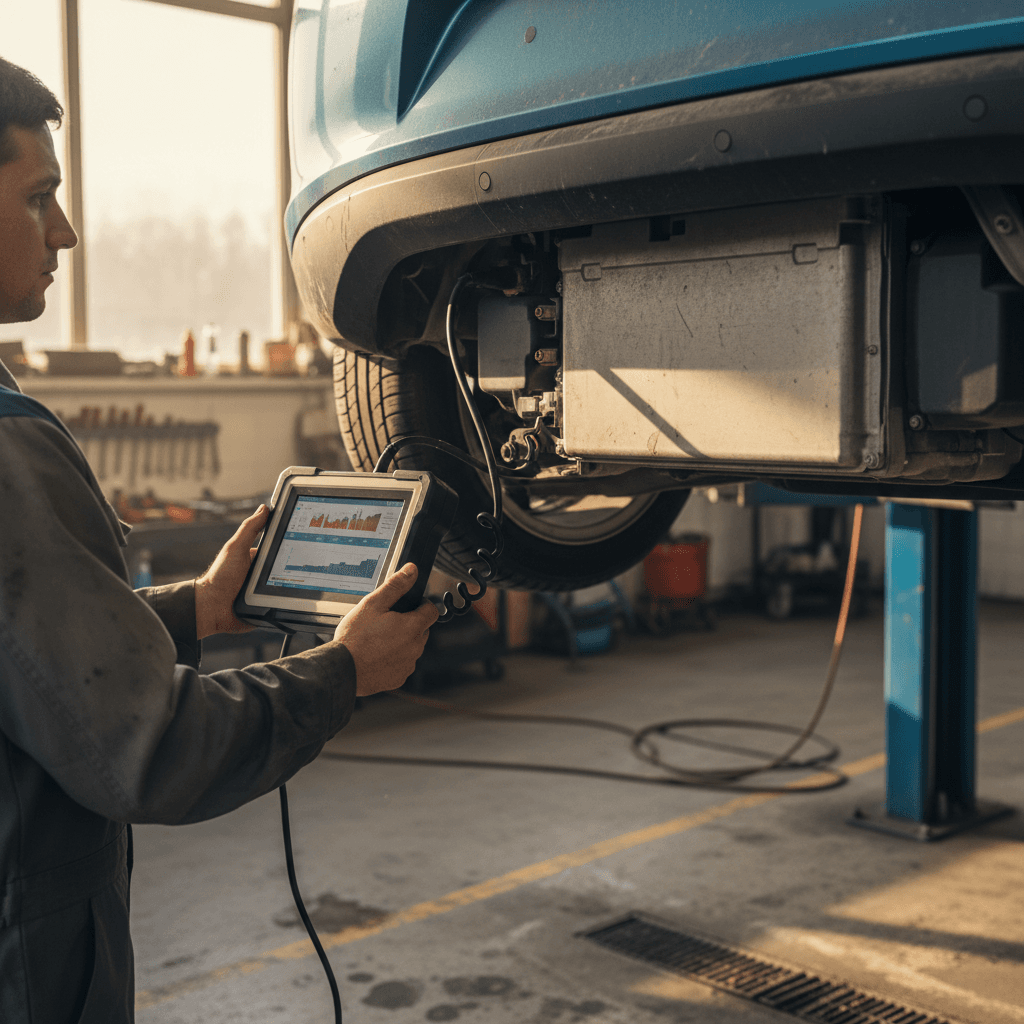
Traditional used-car inspections often ignore or can’t access high-voltage systems. Use a shop or service center with proper HV training and tooling.
6. Price in a real risk budget
If the car is cheap because it’s as-is, decide up front how much you’re truly willing to risk on a worst-case repair and whether you can walk away if something big fails soon after purchase.
A safer alternative: start with transparent cars
How Recharged Handles Used EV Risk Differently
Traditional dealers often treat EVs like just another used car on the lot. At Recharged, the whole model is built around the realities of EV risk, especially for buyers trying to avoid the worst outcomes of an as-is purchase.
What You Get With a Recharged Used EV
Instead of rolling the dice on an anonymous as-is car, you start with data, context, and support.
Recharged Score Report
EV-specialist inspection
Fair pricing & financing
Nationwide delivery
Guided support, not pressure
Transparent risk, not hidden fine print
Ready to find your next EV?
Browse VehiclesIf you’re already looking at an as-is car elsewhere, you can use Recharged listings as a calibration tool. Compare price, mileage, battery health, and included information. If the as-is deal only looks good because it’s hiding data, that’s a sign to walk.
As-Is Used EV Risks: FAQ
Frequently Asked Questions About As-Is Used EV Purchases
Bottom Line: When Does an As-Is EV Ever Make Sense?
An as-is used EV purchase isn’t automatically a mistake, but it is a very different bet than buying a gas car the same way. With high-voltage batteries, complex electronics, and software-driven features, the range of outcomes is wider and the downside can be dramatically more expensive.
If you’re a technically savvy buyer with access to good diagnostics and you’re being compensated with a truly compelling price, an as-is EV can be an opportunity. For most shoppers, though, the safest path is to buy where battery health, warranty status, and condition are already transparent, and where you have specialists in your corner, exactly what Recharged was built to provide.
Before you sign anything with an as-is box checked, ask yourself one question: “If this car needs a $10,000 repair in the next 12 months, could I absorb it?” If the honest answer is no, you don’t just need a good deal, you need the right partner and the right information before you buy.