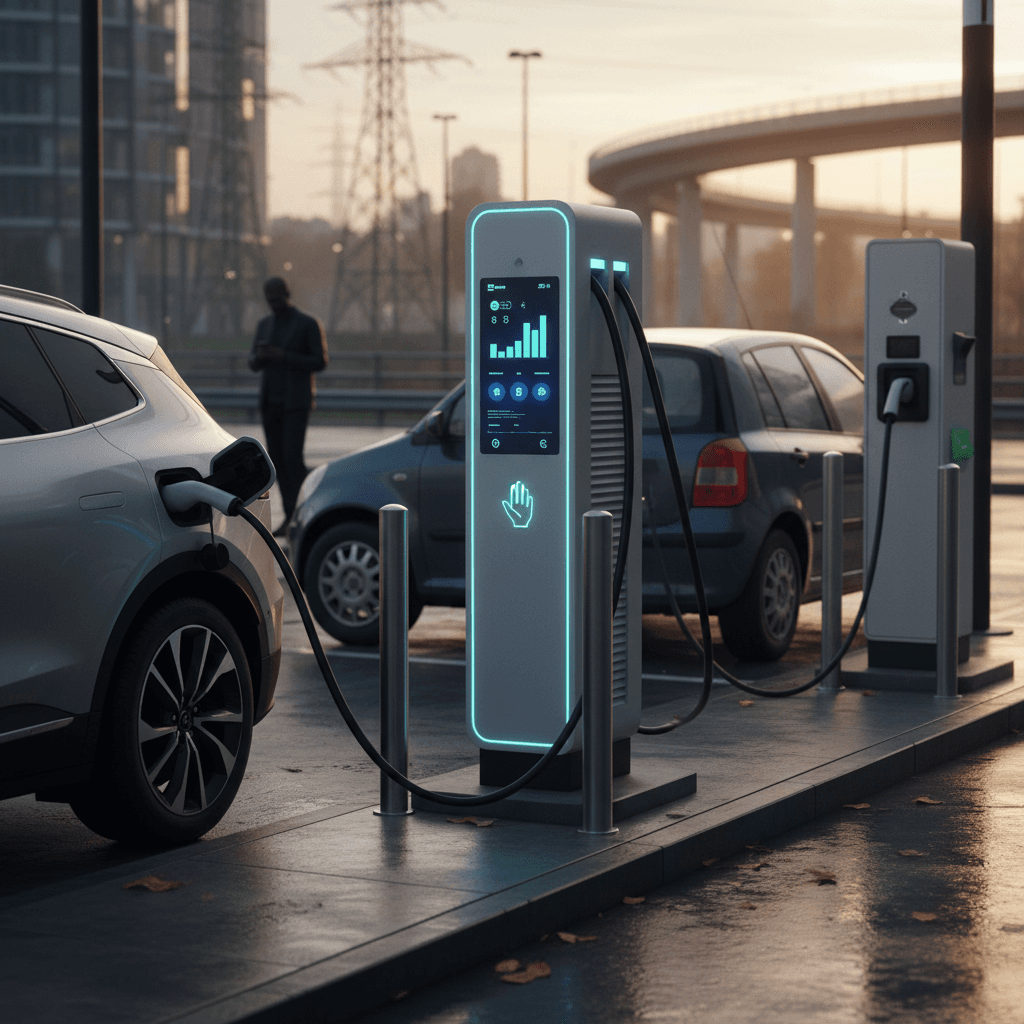
If you’re new to EVs, it’s natural to wonder: are electric charging stations free, like the Wi‑Fi at a coffee shop, or do they work more like gas pumps? Ten years ago you could find a surprising number of free plugs. In 2025, the story is very different, most public charging isn’t free anymore, but there are important exceptions, and plenty of ways to keep costs low.
Big picture
Short answer: Are electric charging stations free?
- No, most public electric charging stations are not free. They charge by the kilowatt-hour (kWh), by the minute, or per session.
- Some chargers are free as a perk, for example at workplaces, dealerships, certain retailers, municipal projects, or during limited-time promotions.
- Home charging is almost never "free" unless it’s bundled into your rent or HOA fees. You’re paying for electricity somewhere, even if it’s buried in your utility bill.
- Free fast charging that used to come with some new EVs (especially Teslas) is now rare and usually time‑limited.
Watch out for the “free” trap
How EV charging pricing actually works
To understand why electric charging stations usually aren’t free, it helps to see how operators think about costs and pricing. A charging provider has to pay for hardware, installation, ongoing maintenance, networking, and the underlying electricity, then add a margin. The way they pass that on to you shows up in a few common pricing models.
Common EV charging pricing models
Most networks mix and match these approaches
Per kWh
Per minute
Session + fees
Home vs public pricing
Where charging might be free (or close to it)
Even though “free forever” public charging is fading, there are still several places where you can plug in at no additional cost. The catch is that these are usually perks tied to some other relationship, your employer, a hotel stay, or a retail visit.
Typical places you’ll still find free EV charging
Think of these as perks, not guaranteed fueling
Workplace chargers
Retail & hospitality
Municipal or utility programs
Promotions & included charging
How to find free chargers
Where you should expect to pay to charge
Anywhere charging is designed as a core business, rather than a side benefit, you should assume you’ll pay. That includes most highway fast charging and an increasing share of Level 2 stations at public parking facilities.
- DC fast charging networks like Electrify America, EVgo, Tesla Superchargers, and other corridor networks along interstates.
- Paid Level 2 networks in city parking garages, universities, and office parks that use systems like ChargePoint, Flo, Blink, or utility‑run networks.
- County or city‑owned chargers that started free and later added fees once usage and electricity costs increased.
- Most Tesla Superchargers, even for Tesla drivers, unlimited free Supercharging is now a legacy perk tied to older vehicles only.
Pricing can change overnight
How much does public EV charging cost in 2025?
Costs vary a lot by state, network, and charger speed, but we have enough data in 2025 to talk about realistic ranges. Below is a simplified snapshot to answer the question behind “are electric charging stations free?” with actual numbers.
Typical U.S. EV charging costs in 2025
Typical EV charging cost ranges by location (2025)
Approximate prices for a mainstream EV with a 60–80 kWh battery. Your exact cost will depend on your utility rates, vehicle efficiency, and how low you run the battery.
| Charging location | Typical speed | How you pay | Typical price range |
|---|---|---|---|
| Home (Level 2) | 25–40 mi/hr | Electric bill (¢/kWh) | $5–$12 for a full charge |
| Workplace Level 2 | 15–30 mi/hr | Often free, or same as home | Free to similar to home rates |
| Public Level 2 | 15–30 mi/hr | Per kWh, per hour, or session | Roughly $0.20–$0.40/kWh or $1–$3/hr |
| Public DC fast charger | 150–250+ kW | Per kWh or per minute | Around $0.30–$0.60/kWh or $10–$25 per session |
| Premium urban DC hubs | 150–350+ kW | Per kWh + idle fees | Often at the high end of the range, especially in expensive power markets |
Charging cost ranges are estimates, not guaranteed prices. Always check live pricing in your charging app.
Costs vary widely by state
Free vs paid charging: What actually makes financial sense?
If you find free charging, it’s tempting to treat it like an all‑you‑can‑eat buffet. But your time, convenience, and battery health matter too. The smartest strategy usually blends cheap, predictable home charging with opportunistic free charging when it doesn’t cost you extra time or hassle.
When free charging makes sense
- You’re already going to be parked there for an hour or more (work, hotel, long shopping trip).
- The station is reliable and not chronically full or broken.
- You don’t have to aggressively detour or babysit the car.
- It’s Level 2 and you can add a meaningful amount of range during your stop.
When paying is smarter
- You’d have to significantly change your route or wait in a long line for the free station.
- You’re on a tight schedule and need DC fast charging to stay on track.
- Your time is worth more than the $5–$10 you’d save waiting around.
- Free stations are slow enough that you’d arrive home or at your destination nearly empty anyway.
Rule of thumb
Smart strategies to lower your EV charging costs
Whether or not you ever plug into a free charger, you have a lot of control over what you spend to fuel an EV. Most U.S. EV drivers do the majority of their charging at home or work, and a few simple choices can cut your costs dramatically compared with always fast charging on the road.
Practical ways to pay less for EV charging
1. Maximize home charging with a Level 2 setup
If you can install a Level 2 charger or use a 240‑volt outlet at home, you’ll typically pay the lowest per‑kWh price and wake up full. This dramatically reduces how often you need expensive DC fast charging.
2. Use off‑peak or EV‑specific utility rates
Many utilities offer discounted overnight or EV‑only rates. Scheduling charging after 9–10 p.m. can shave a meaningful percentage off your fuel cost, especially in high‑cost states.
3. Treat DC fast charging as a road‑trip tool
Save public fast charging for road trips and rare emergencies. Regularly fast‑charging from 10–80% not only costs more, it can be harder on your battery over the long term.
4. Take advantage of workplace and hotel charging
If your employer or hotel offers free or cheap charging, plug in, but don’t hoard the spots. Think of it as a supplement to your home setup, not a replacement.
5. Watch for network memberships and promos
Some charging networks offer subscriptions or member discounts that meaningfully lower cost per kWh if you use them often. Run the math before subscribing, occasional users are usually better off on pay‑as‑you‑go.
6. Plan routes with pricing in mind
Use apps that display live pricing and station status. Sometimes a station a few miles down the road is cheaper, faster, and more reliable than the obvious choice right off the freeway.
Don’t ignore idle fees
What this means if you’re shopping for a used EV
Charging economics are a huge part of total EV ownership cost, especially if you’re comparing a used electric car to a similarly priced gas model. Whether charging is free is less important than where and how you’ll actually charge most of the time.
Charging questions to ask before buying a used EV
These matter more than chasing free charging
Home setup
Daily pattern
Battery and range
At Recharged, every vehicle listing includes a Recharged Score battery health report, transparent pricing, and guidance on how that specific EV will fit your daily driving and charging options. If you’re not sure whether an EV will work for your commute, or how much you’d spend on charging, our EV specialists can help you model real‑world costs before you ever sign anything.
Financing with charging in mind
Ready to find your next EV?
Browse VehiclesFAQs: Are electric charging stations free?
Frequently asked questions about free EV charging
So, are electric charging stations free? In 2025, the honest answer is: usually not, and that’s OK. What matters more is that you understand where you’ll charge most often, what it will cost, and how to design a charging strategy that fits your life. If you’re considering a used EV, taking a few minutes to think through your home, workplace, and public charging options will pay off for years. And if you want help running the numbers or choosing a car that matches your charging reality, Recharged is set up to make that part simple, transparent, and, unlike public charging, predictable.