Electric cars have a reputation for being expensive. Scroll through new-car listings and it’s easy to see why: many electric models still carry higher sticker prices than comparable gas cars. But the real question isn’t just “is an electric car expensive?”, it’s “expensive compared to what, and over how many years?”
Quick answer
Why electric cars feel expensive today
When people say an electric car is expensive, they’re usually reacting to the price on the windshield. And they’re not wrong: EVs pack big batteries, powerful electric motors, and complex software, all of which cost money to engineer and build. Even though battery prices have fallen dramatically over the last decade, most new EVs in the U.S. still carry higher MSRPs than their gasoline twins or rivals.
EV costs vs gas cars: 2025 snapshot
The perception problem
Sticker price: EV vs gas in 2025
Let’s start with the obvious: purchase price. On average, new electric vehicles in the U.S. still list and sell for several thousand dollars more than similar gasoline models. In many lineups, the EV is positioned as the premium choice, more power, more tech, often nicer trim, so you’re naturally pushed up the price ladder.
Representative 2025 new-car price comparisons
Illustrative comparisons of popular segments. Actual prices vary by trim, options, and region.
| Segment & pair (example) | Typical new gas price | Typical new EV price | Upfront difference |
|---|---|---|---|
| Compact SUV (gas vs EV) | $32,000 | $40,000 | ≈ $8,000 more for EV |
| Midsize sedan vs electric | $30,000 | $37,000 | ≈ $7,000 more for EV |
| Half-ton pickup vs electric | $40,000 | $55,000 | ≈ $15,000 more for EV |
| Entry hatchback vs small EV | $24,000 | $30,000 | ≈ $6,000 more for EV |
In many lineups, the electric version sits a notch higher in price and performance than the gas equivalent.
What changed in 2025
So yes, taken in isolation, the sticker price of an electric car is usually higher. That’s why so many shoppers stop the math right there and say, “EVs are too expensive.” But it’s only half the story.
Total cost of ownership: when EVs are cheaper, when they’re not
Automakers and advocates love to talk about the total cost of ownership, what you spend over several years including fuel, maintenance, insurance, taxes, and depreciation. That’s the right way to compare an electric car to a gas car, but it also explains why the answer to “are EVs more expensive?” is often “it depends.”
Scenario A: EV wins on cost
- You drive 12,000–15,000 miles a year.
- You can charge at home most nights at reasonable electricity rates.
- You plan to keep the car at least five years.
- You qualify for remaining incentives or buy a well‑priced used EV.
In this world, your EV’s higher price can be offset, and sometimes more than offset, by fuel and maintenance savings over five years.
Scenario B: Gas still cheaper
- You drive relatively little each year.
- You mostly rely on public DC fast charging at high per‑kWh prices.
- You plan to sell or trade in after 2–3 years.
- You buy a pricey new EV that doesn’t qualify for incentives.
Here, it’s harder for the EV to earn back its higher purchase price before you move on.
Think in monthly terms
Where electric cars save you money
The case for EV affordability isn’t built on the purchase price; it’s built on how cheaply they run. Two line items do the heavy lifting: energy and maintenance.
The main places EVs claw back their higher price
If you can take advantage of these, an electric car stops looking so expensive.
1. Cheaper “fuel”
At the national average, many drivers spend about $2,000+ per year on gasoline. Typical home-charged EV drivers can see that drop to a few hundred dollars, depending on local electricity prices and miles driven.
Translation: It’s not unusual to save four figures per year just on energy if you drive a lot and rarely use DC fast charging.
2. Lower maintenance
No oil changes. No spark plugs. No complicated multi‑gear transmission. Regenerative braking even stretches brake life.
Studies consistently show 30–40% lower routine maintenance costs for EVs over five years compared with similar gas vehicles.
3. Smooth, efficient drivetrains
This one’s more about value than dollars. EVs deliver instant torque and quiet operation, which can make modestly priced EVs feel like premium cars.
When you compare a well‑equipped EV to a similarly refined gas car, the price gap often shrinks.
Where EVs clearly shine
The hidden cost: electric car depreciation
Depreciation, the value a car loses over time, is where EVs have taken it on the chin. Rapid technology changes, price cuts on new EVs, and uncertainty about long‑term battery life mean many electric models have lost value faster than their gas siblings. That’s part of why some cost-of-ownership studies still show more than half of current EVs ending up pricier to own than gas cars over five years.
- Rapid tech progress makes older EVs feel outdated faster, and buyers know it.
- Price cuts on new EVs push used values down across the board.
- Some models have limited range by today’s standards, which shrinks the pool of used‑car shoppers.
- Uncertainty about battery replacement costs makes some buyers cautious.
Why this matters to you
Is a used electric car still expensive?
Here’s the twist: that very same depreciation that hurts new‑EV buyers can make a used electric car surprisingly affordable, sometimes thousands less than a comparable used gas car, especially for early‑generation models or vehicles with shorter range.
Why used EVs are the value play right now
Especially if you have predictable daily driving and home charging.
Lower upfront price
Many three‑ to five‑year‑old EVs have already taken their biggest depreciation hit. That means you can often buy a used EV for far less than it cost new, sometimes less than an equivalent gas model with similar mileage and features.
Battery warranties & diagnostics
Most EVs came with 8–10 year battery warranties. On a used EV, you’re often buying a car with years of coverage remaining.
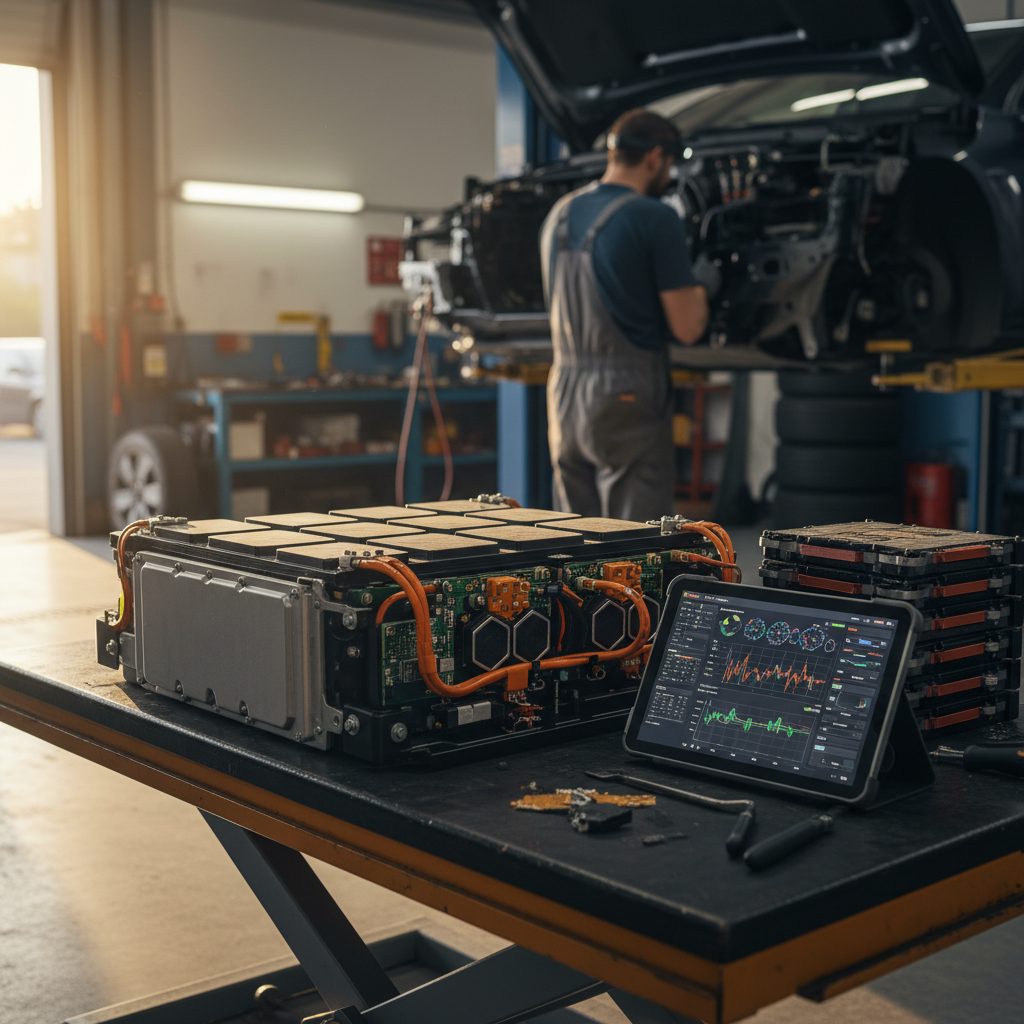
At Recharged, every vehicle includes a Recharged Score Report with verified battery health, so you can see how much capacity is left before you sign anything.
The catch, of course, is knowing which used EVs are good value and which ones are cheap for a reason. That’s where independent battery health checks, transparent pricing data, and model‑specific research matter.
Pro move for budget shoppers
How to tell if an EV’s price is actually fair
“Expensive” is relative. A $28,000 electric hatchback might be a bargain if it saves you $150 a month in fuel and maintenance. A $55,000 EV crossover could be overpriced if you rarely drive and pay premium rates for public charging. Here’s how to sanity‑check the price of any electric car you’re considering.
EV price sanity‑check
1. Compare it to a real gas alternative
Don’t compare a well‑equipped EV to the cheapest base‑model gas car. Look at similarly equipped, similarly sized gas vehicles and note the real price gap you’d be paying for electric.
2. Estimate your annual miles
Grab last year’s odometer reading from your current car or insurance form. If you drive 12,000–15,000 miles per year, EV savings add up fast. If you’re under 7,500 miles, the math is tighter.
3. Map out your charging mix
Can you charge at home most nights? Or will you rely on public fast charging? Home charging is the secret weapon that makes an EV much cheaper to run. If public charging is your main option, factor in those higher rates.
4. Look at battery health and warranty
On a used EV, this is non‑negotiable. Ask for a battery health report and check how many years and miles remain on the high‑voltage battery warranty. On Recharged, this lives in the Recharged Score Report.
5. Check realistic resale value
Use current used‑EV listings for the same model that are 3–5 years old. That gives you a clue about what your car might be worth down the road and how much depreciation to expect.
6. Run the monthly budget
Take your estimated payment, add insurance, then subtract your best estimate of fuel and maintenance savings. If the monthly number works for you, the car may not be “expensive” in the way that actually matters, your cash flow.
How Recharged helps here
Financing, insurance, and incentives: the fine print
There are three more levers that can make an electric car feel more, or less, expensive: how you finance it, what you pay to insure it, and what incentives are available where you live.
Financing
Because EVs often cost more, your monthly payment can be higher even when the interest rate is the same. Stretching to a longer term lowers that payment but increases total interest.
At Recharged, you can apply for financing online and compare offers for used EVs so you see the full picture before you commit.
Insurance
Insuring an EV can cost more than insuring a similar gas car, mainly because parts and specialized repairs can be pricier.
Some recent analyses put EV insurance premiums roughly 20–25% higher on average, though that gap varies widely by model and location.
Incentives
Federal EV tax credits are winding down in late 2025, but many states and utilities still offer rebates, discounted charging rates, or HOV‑lane access.
Those perks don’t show up on the sticker price, but they do affect how expensive an EV feels once you’re living with it.
Don’t forget utility programs
When an electric car is worth the extra cost
So when does it make sense to pay more up front for an EV? The answer has less to do with national averages and more to do with your life. Here are a few common profiles.
Who gets the most value from an electric car?
High‑mileage commuters
Drive 60–100 miles a day, mostly predictable routes.
Have access to home or reliable workplace charging.
Can keep the car at least five years.
Result: Fuel and maintenance savings often outweigh a higher purchase price.
Two‑car households
Keep a gas or hybrid vehicle for road trips or towing.
Use the EV as the main city and commuting car.
Can choose a slightly shorter‑range, lower‑priced EV.
Result: EV handles 80–90% of your driving at low cost while the gas car covers the rest.
Value hunters in the used market
Shop for 2–5‑year‑old EVs with solid range and remaining battery warranty.
Rely on verified battery health reports, like the Recharged Score.
Use financing to keep monthly costs predictable.
Result: Enjoy EV driving for a used‑car price, skipping the worst of the depreciation.
Apartment dwellers
Limited or no home charging, rely on workplace or public charging.
Need to study local public charging prices carefully.
May lean toward a plug‑in hybrid if fast chargers are scarce or expensive.
Result: EV can still work, but do the homework; a PHEV may be cheaper overall.
Remember the non‑financial upside
FAQ: Is an electric car too expensive for me?
Frequently asked questions about EV costs
Bottom line: are electric cars expensive?
When you look beyond the sticker and out over five or more years, the story gets a lot more nuanced than the usual “electric cars are expensive” headline. New EVs still tend to cost more up front and can lose value quickly, especially if you sell early. But for the right driver, with decent annual mileage and access to home charging, those extra dollars at purchase can be paid back through lower fuel and maintenance costs.
Where things get genuinely interesting is in the used EV market. Depreciation has pushed many capable electric cars into price territory that would have been unthinkable a few years ago. If you pair that with verified battery health, fair market pricing, and smart financing, an electric car doesn’t have to be the expensive option at all, it can be the savvy one.
That’s the space Recharged operates in: used EVs only, each backed by a Recharged Score Report and expert EV support from first click to delivery. If you’re EV‑curious but wary of the cost, starting with a well‑vetted used electric car can be the easiest way to find out that “expensive” might not mean what you thought it did.