If you’re looking at a Cadillac Lyriq, new or used, you’re probably wondering what its real charging speed looks like. On paper you’ll see numbers like 11.5 kW or 19.2 kW at home and up to 190 kW on DC fast chargers, but what does that actually mean in hours, minutes, and miles of range? This Cadillac Lyriq charging speed guide breaks down the specs, the real‑world times, and how to set up charging that fits your life.
Quick answer
Cadillac Lyriq charging speed overview
Cadillac Lyriq headline charging numbers
Across recent model years, the Cadillac Lyriq uses GM’s Ultium battery platform with a pack around 102 kWh usable. That’s a big battery, which is great for range, but it also means you move a lot of energy when you charge. The Lyriq supports Level 1 (120V), Level 2 (240V), and DC fast charging, and different trims get either an 11.5 kW or upgraded 19.2 kW onboard AC charger for home and workplace charging.
Spec sheet vs. reality
Lyriq battery and onboard charger basics
Ultium battery pack
- Recent Lyriq models use a roughly 102 kWh usable battery pack.
- 400‑volt architecture rather than 800‑volt like some newer EVs.
- That voltage level partly explains why the Lyriq’s peak DC power looks competitive but its average charge rate is closer to ~90–110 kW over a 10–80% session.
Onboard AC charger
- Most trims: 11.5 kW onboard charger (up to 48A at 240V).
- Some Dual Motor AWD / higher trims: 19.2 kW onboard charger option, when paired with a capable wall unit and circuit.
- The onboard charger is the bottleneck for Level 2 speed, installing a 19.2 kW wall box on an 11.5 kW Lyriq won’t make it charge faster.
How to tell which Lyriq you have
Home charging speeds: Level 1 and Level 2
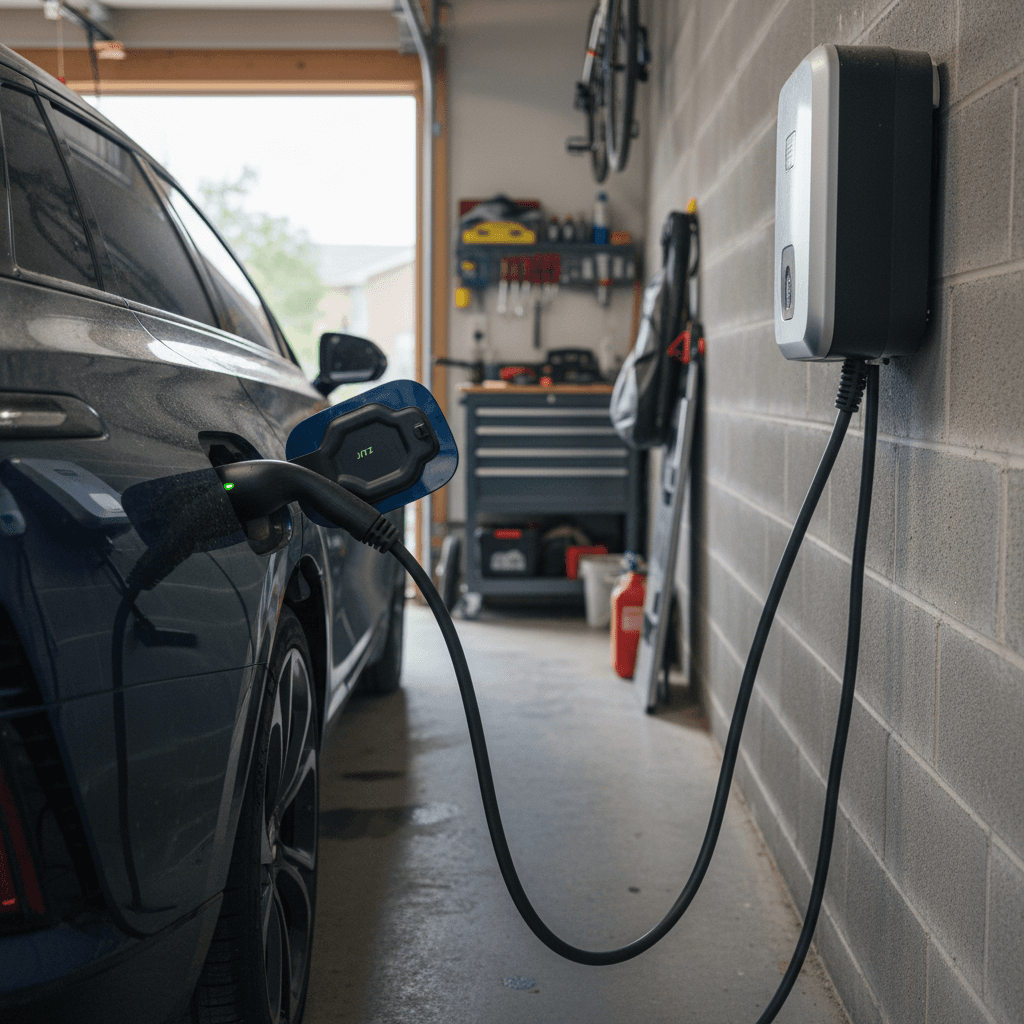
At home, your Cadillac Lyriq will spend most of its life sipping power from Level 1 or Level 2 AC charging. This is where understanding charging speed in miles of range per hour really matters for day‑to‑day living.
Cadillac Lyriq home charging speed breakdown
Approximate charging speeds for a Lyriq on common home setups. Real‑world results vary with weather, battery state, and driving efficiency.
| Charger type | Power to car | Approx. miles of range per hour | Best use case |
|---|---|---|---|
| Level 1, 120V wall outlet (included cordset) | ~1.2–1.4 kW | ~3–4 mi/hr | Emergency use, very low‑mileage drivers, topping off overnight on trips |
| Level 2, 240V, 32A (hard‑wired or dryer outlet) | ~7.7 kW | ~18–22 mi/hr | Apartments or older homes with limited capacity |
| Level 2, 240V, 40A (typical 50A circuit wall box) | ~9.6 kW | ~23–27 mi/hr | Most suburban owners; plenty for overnight full charges |
| Level 2, 240V, 48A (max for 11.5 kW onboard) | ~11.5 kW | ~28–32 mi/hr | Rural drivers or high‑mileage commuters wanting faster turnarounds |
| Level 2, 240V, 80A (for 19.2 kW onboard) | ~19.2 kW | ~35–40+ mi/hr | AWD Lyriq with 19.2 kW option; big homes, frequent long drives, or multiple EVs sharing one charger |
Use this as a planning tool, not a promise, your exact numbers will bounce around from session to session.
Overnight reality check
Set up home charging the smart way
1. Confirm your panel capacity
Before you fall in love with 19.2 kW charging, have an electrician check that your service panel and wiring can safely support a 60A, 80A, or higher circuit alongside the rest of your home’s loads.
2. Match charger output to onboard charger
If your Lyriq tops out at 11.5 kW, a 48A wall box is all you need. Paying extra for a 19.2 kW‑capable charger won’t make the car charge faster, though it could future‑proof for a different EV later.
3. Think about parking habits
If you back into the garage or park nose‑in, choose a charger location and cable length that keeps the cord off the floor and within easy reach of the Lyriq’s charge port.
4. Use the Lyriq’s charge scheduling
Set preferred charging times in the car so most of your charging happens during off‑peak rates if your utility offers time‑of‑use pricing.
DC fast charging: how quick is the Lyriq on road trips?
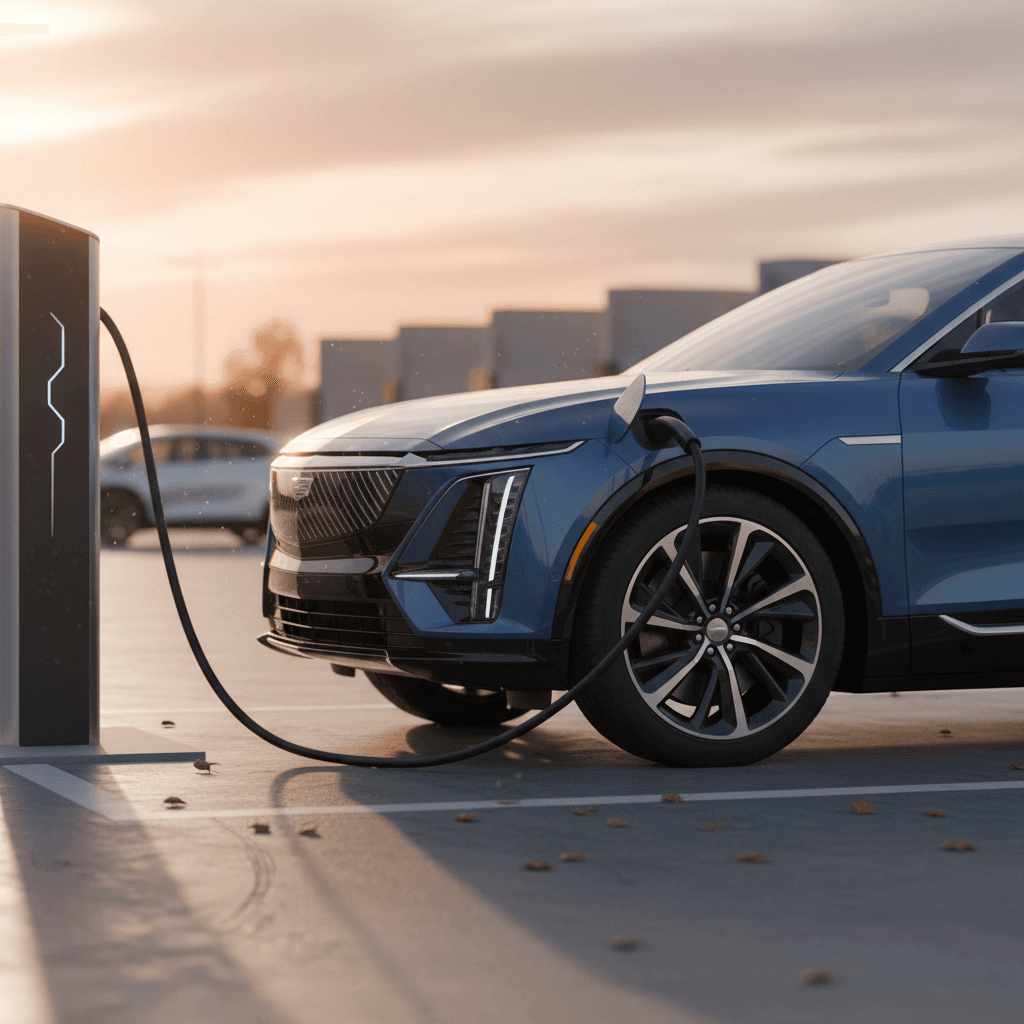
On a good DC fast charger, the Cadillac Lyriq can accept up to 190 kW of power when the battery is at a low state of charge and properly warmed up. That peak happens in a relatively narrow “sweet spot,” usually between about 10% and 40% state of charge (SoC), and then the curve tails off to protect the battery.
- Best‑case sessions with a warm battery often see 10–80% in roughly 35–40 minutes.
- Average real‑world owners report more like 40–50 minutes for 10–80% if the charger is busy, the weather is cold, or the session starts above 20%.
- The Lyriq’s 400‑volt system means it looks a little slower next to the very latest 800‑volt EVs that can do 10–80% in 20–25 minutes, but it’s still perfectly workable for road‑trip pacing.
Sweet spot for road trips
What to expect at different DC fast charger power levels
How much real benefit you get from 50 kW, 150 kW, and ultra‑fast stations
50 kW DC fast
Older or lower‑power stations.
- Expect roughly 10–80% in ~75–90 minutes.
- Useful if it’s your only option, but treat it like a long meal stop.
150 kW DC fast
Common on many networks today.
- Lyriq can usually hold 120–150 kW for a chunk of the session.
- Think 10–80% in ~40–50 minutes in average conditions.
350 kW “ultra‑fast”
Headline chargers at major highway sites.
- Lyriq can’t use full 350 kW, but it can hit its 190 kW peak.
- Often the best choice when you want your quickest stop.
Real‑world 10–80% times and what changes them
If you spend much time in Lyriq owner forums, you’ll see a pattern: people quote the same 190 kW spec, but their actual 10–80% times range from about 35 minutes to just over an hour. The car isn’t broken, there are a lot of variables at work.
Factors that make charging faster
- Warm battery: After an hour or two of driving, or when you use the Lyriq’s DC fast‑charge preconditioning, the pack is closer to its ideal temperature.
- Lower starting SoC: Starting near 10% lets the charger hit peak power quickly.
- Strong, uncongested station: Newer 150–350 kW hardware with good site power can feed the car everything it can handle.
Factors that slow things down
- Cold weather: In winter, even with preconditioning, you may see much slower rates, especially at the beginning of the session.
- High starting SoC: Plugging in at 40–50% means you blow past that peak‑power window; expect a gentler curve.
- Charger limitations: Some “150 kW” units are power‑limited when two cars share the cabinet, and the Lyriq only gets part of the headline number.
Winter charging expectations
Choosing the right home charging setup for your Lyriq
There’s a big difference between crawling along on Level 1 and waking up every morning to a full battery. For most Lyriq owners, the sweet spot is a correctly sized Level 2 charger matched to the onboard charger and your driving habits.
Which home charging speed matches your life?
Use these profiles as a sanity check before you over‑ or under‑buy hardware
Urban / low‑mileage driver
Daily driving: 10–30 miles
Recommendation: 32A or 40A Level 2 (7.7–9.6 kW)
You’ll easily recover your daily use overnight and can often skip a night or two without stress.
Suburban commuter
Daily driving: 30–70 miles
Recommendation: 40–48A Level 2 (9.6–11.5 kW)
This mirrors how many Lyriq owners actually drive. Overnight, you can go from low to 80% without drama.
High‑mileage / rural
Daily driving: 80–150+ miles
Recommendation: 48A Level 2 at minimum; consider 19.2 kW onboard + 80A circuit if available.
If you regularly drain a large chunk of the pack in a day, the higher‑power combo gives you shorter turnarounds.
Where Recharged fits in
Ready to find your next EV?
Browse VehiclesCharging settings and smart strategies
Cadillac gives the Lyriq a fairly deep set of charging controls, but they’re not always intuitive when you first live with the car. A few smart tweaks can make your charging both faster and cheaper without you thinking about it every night.
Dial in your Lyriq charging settings
Set a daily charge limit
For most drivers, setting the Lyriq to stop around <strong>80–85%</strong> for everyday use balances range with long‑term battery health. Save 100% charges for big trips.
Use “charge by” scheduling
Instead of just setting a start time, use the Lyriq’s ability to be ready by a specific time in the morning. The car will back‑schedule the session to finish close to departure, which helps keep the pack warm in winter.
Align with off‑peak rates
If your utility has cheaper overnight rates, set your preferred charging window so most of the session happens in those hours. It won’t change the kW, but it will absolutely change your bill.
Precondition before fast charging
When you navigate to a DC fast charger in the system, use the battery preconditioning feature so the pack is closer to its ideal temperature on arrival. That’s how you get closer to those headline 190 kW peaks.
Watch for software updates
GM has already tweaked charging behavior via software on Ultium vehicles. Periodically check for updates that may improve scheduling quirks or charging curves.
Charging speed vs. battery health
Fast charging is like sprinting: your Lyriq can do it, but you don’t want your whole life to be a sprint. The car’s software protects the pack from the worst abuse, yet your habits still matter over 8–10 years of ownership.
Good habits for long battery life
- Use Level 2 at home for the majority of your charging.
- Keep everyday charging in the 20–80% window when you can.
- Plug in for shorter, more frequent sessions instead of big deep cycles.
- In extreme heat, try not to leave the car sitting at 100% for days.
When to lean on DC fast charging
- Road trips and weekends away are exactly what DC fast charging is for, don’t be afraid to use it.
- If you live in an apartment and rely on public fast charging, just recognize that long‑term battery wear may be a bit higher than a home‑charging owner’s, and factor that into resale expectations.
Avoid this common mistake
Used Lyriq buyers: what to check about charging
Shopping used is where getting specific about charging speed really pays off. Two Cadillacs that look identical on the lot may charge very differently once you plug them in.
Charging questions to ask when buying a used Lyriq
Does it have the 11.5 kW or 19.2 kW onboard charger?
Confirm the onboard charger spec. The 19.2 kW option is a real perk if your home electrical system can support it, but the 11.5 kW unit is perfectly adequate for most daily driving.
How has the car been charged?
Ask whether the previous owner relied mostly on home Level 2 or frequent DC fast charging. Moderate DC use is fine; heavy DC‑only use may contribute to faster long‑term degradation.
Any charging quirks or errors?
Have the seller disclose any issues with home charging, schedule behavior, or public fast‑charging errors. Intermittent problems have a way of resurfacing after the sale.
Can I see a recent fast‑charge session?
If possible, review a recent DC fast session on the infotainment screen or a third‑party app to sanity‑check that the car can approach its expected 100 kW+ average when conditions are right.
Review an independent battery/charging report
Buying through Recharged? Every Lyriq comes with a <strong>Recharged Score</strong> that includes verified battery health data and a charging history snapshot, so you’re not guessing about how those early miles were added.
Cadillac Lyriq charging speed FAQ
Frequently asked questions about Cadillac Lyriq charging speeds
Key takeaways
When you look past the spec‑sheet fireworks, the Cadillac Lyriq is a solid, easy‑to‑live‑with EV from a charging‑speed standpoint. A properly installed Level 2 charger at home will comfortably refill a typical day’s driving overnight, and a good DC fast charger will take you from 10–80% in about the time it takes to stretch, grab a snack, and check your messages.
The key is matching the right home setup to your driving, understanding what DC fast numbers actually mean, and building a few battery‑friendly habits into your routine. If you’re shopping used, Recharged can help you compare real vehicles, not just brochures, with a Recharged Score Report that covers battery health and charging history so you know exactly what kind of charging performance to expect from the Lyriq in your driveway.