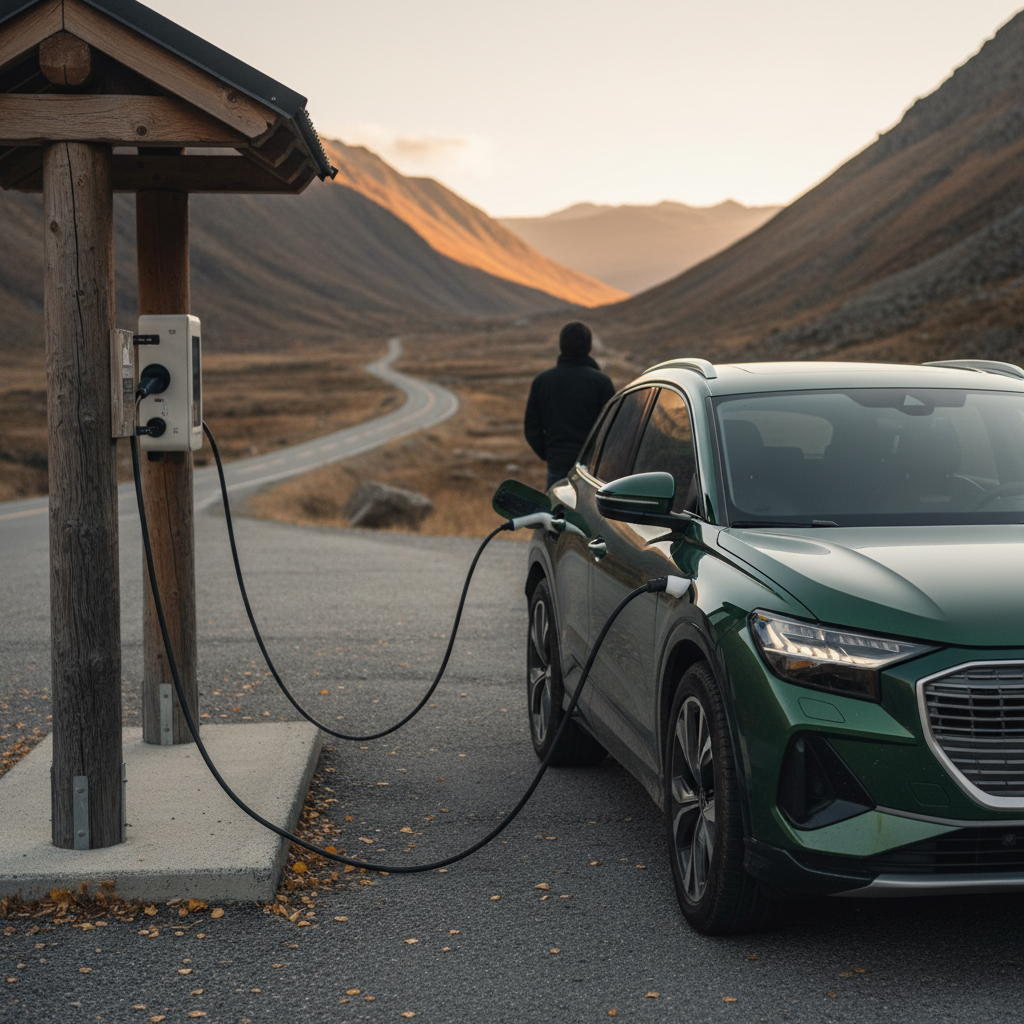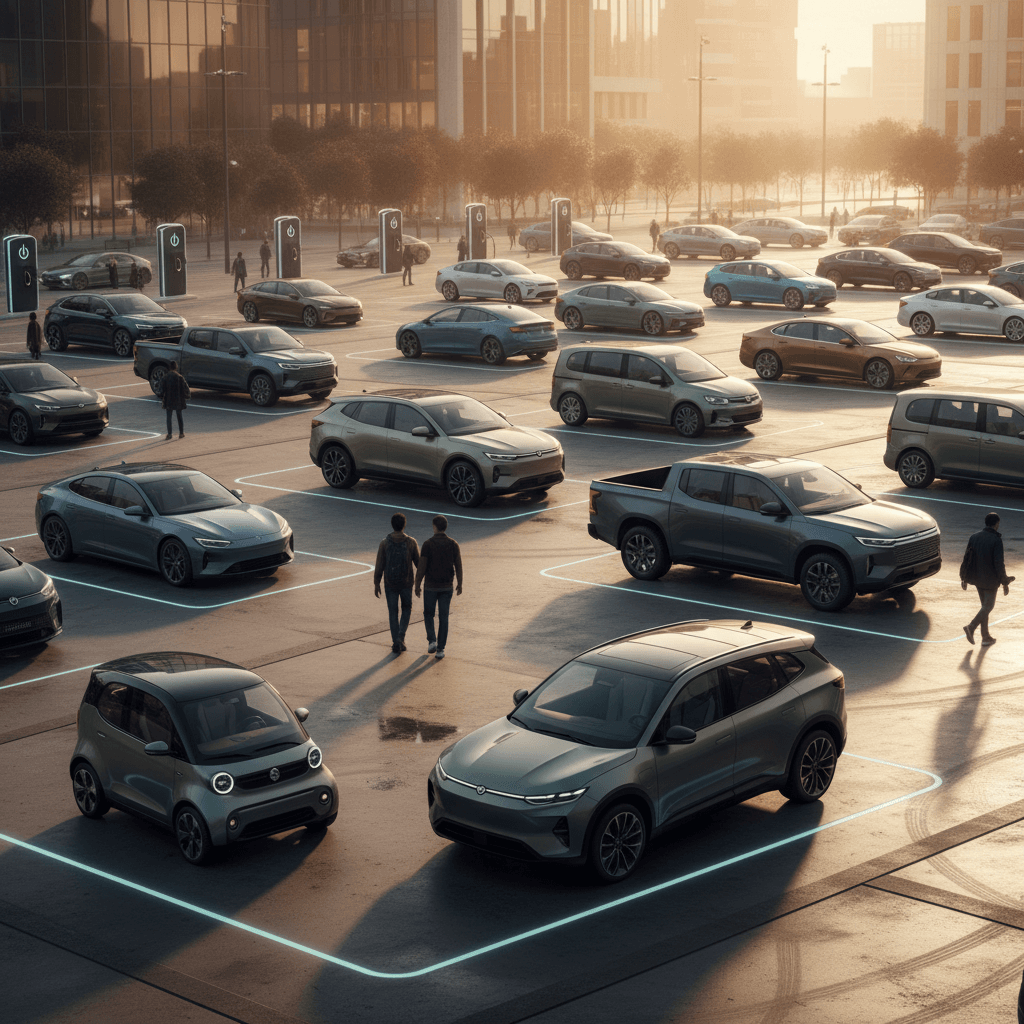
If you’ve tried to look up all electric cars on the market right now, you’ve probably fallen into a rabbit hole of half-updated lists, discontinued models, and alphabet‑soup acronyms. The good news: you don’t need a spreadsheet with every VIN ever built. What you need is a clear picture of the 2025 EV landscape, which segments are crowded or thin, and how to narrow that universe down to the few electric cars that actually fit your life and budget.
Why there’s no single perfect master list
The 2025 electric car market at a glance
Key numbers behind today’s EV market
After a burst of launches in 2021–2022, the U.S. EV market has settled into a different rhythm. There are dozens of electric SUVs and crossovers, a healthy mix of sedans and luxury models, and a smaller but growing set of electric pickup trucks and vans. The real shift going into 2025 is choice: shoppers no longer ask “is there an EV?” so much as “which of these EVs makes sense for me?”
Think “universe” first, “shortlist” second
How many all-electric cars are on the market?
Because models come and go, it’s more accurate to talk about a range than a single, frozen number. Across mainstream and luxury brands, the U.S. currently has well over 100 battery‑electric models and trims either on sale new, recently discontinued but still common on dealer lots, or widely available used. Model availability surged earlier in the decade, then leveled off in 2023–2024 as automakers focused on improving existing EVs rather than launching dozens of new nameplates.
- Tesla still accounts for a large share of EV sales, led by the Model Y and Model 3, but its market share is shrinking as competitors add solid options.
- Ford, GM, Hyundai, Kia and Honda now offer multiple EV nameplates each, especially in the popular crossover and SUV categories.
- Some early experiments, like certain low‑volume luxury EVs, are already being scaled back or discontinued, which is exactly why relying on a static list is risky.
Watch for discontinued but still‑great EVs
All electric cars on the market by segment
Instead of drowning you in an alphabetical list, let’s break all electric cars on the market into the segments shoppers actually cross‑shop. Within each, you’ll find examples you’re likely to see new on lots or in used‑EV inventories today.
Main types of electric cars you’ll see in 2025
Use this as your map before you dive into specific models.
Compact cars & hatchbacks
Best for city driving and budget‑conscious buyers.
- Examples: Chevy Bolt (new generation announced), Nissan Leaf (used), MINI Cooper SE, Hyundai Kona Electric.
- Typical range: 150–275 miles.
- Strengths: Easy to park, lower prices, efficient.
Sedans & liftbacks
Lower, more efficient bodies with familiar driving feel.
- Examples: Tesla Model 3, Hyundai Ioniq 6, BMW i4, Mercedes EQE sedan.
- Typical range: 250–360+ miles.
- Strengths: Quiet, comfortable commuters; many long‑range options.
Crossovers & SUVs
The heart of the EV market today.
- Examples: Tesla Model Y, Hyundai Ioniq 5, Kia EV6 & EV9, Ford Mustang Mach‑E, Chevrolet Equinox EV, Cadillac Lyriq, Nissan Ariya.
- Typical range: 230–320 miles.
- Strengths: Family‑friendly space, higher seating position, AWD options.
Pickup trucks
Electric workhorses and lifestyle trucks.
- Examples: Ford F‑150 Lightning, Tesla Cybertruck, Chevy Silverado EV, Rivian R1T, Ram 1500 REV (coming), GMC Hummer EV pickup.
- Typical range: 230–400 miles, heavily dependent on configuration.
- Strengths: Towing, payload, on‑board power, adventure‑ready.
Vans & people movers
Still a small but growing slice.
- Examples: Kia EV9 (3‑row SUV), Mercedes EQV in some markets, electric cargo vans like Ford E‑Transit and BrightDrop for commercial use.
- Strengths: Space for families or business, quiet operation.
Performance & luxury EVs
For drivers who want speed, comfort, or both.
- Examples: Porsche Taycan, Audi e‑tron GT and Q8 e‑tron, Mercedes EQS, BMW i7, Lucid Air.
- Typical range: 220–500+ miles depending on trim.
- Strengths: Serious performance, high‑end cabins, cutting‑edge tech.

Standout electric models shoppers ask about
Within each segment, a handful of EVs show up again and again on shopping lists because they mix range, pricing and everyday usability well. Here are categories and models you’re likely to bump into, whether you’re browsing new inventory or a used‑EV marketplace like Recharged.
Examples of notable EVs by shopper priority
These aren’t the only electric cars on the market, but they’re representative of what many U.S. shoppers consider first in late 2025.
| Shopper priority | Examples you’ll see often | Why they’re on so many shortlists |
|---|---|---|
| Best-sellers & familiarity | Tesla Model Y, Tesla Model 3, Ford Mustang Mach-E | High sales volume, strong charging support, lots of owner reviews and real‑world data. |
| Mainstream crossovers | Hyundai Ioniq 5, Kia EV6, Chevy Equinox EV, Nissan Ariya, Honda Prologue | Hit the sweet spot of space, range, and pricing for many families. |
| Three-row family haulers | Kia EV9, some trims of Tesla Model X, Volvo EX90 (rolling out) | Room for six or seven, road‑trip comfort, strong safety tech. |
| Electric trucks | Ford F-150 Lightning, Tesla Cybertruck, Chevy Silverado EV, Rivian R1T | Serious towing and payload, plus on‑board power for work or camping. |
| Entry-priced used EVs | Older Chevy Bolt EV/EUV, Nissan Leaf, Hyundai Ioniq Electric, BMW i3 | Great values on the used market; shorter range but bargain pricing for city driving. |
| Luxury & long-range | Lucid Air, Porsche Taycan, Mercedes EQS, BMW i7 | Big range numbers or big performance (often both) with upscale cabins. |
Always check exact specs, range and pricing for the model year and trim you’re considering.
Where Recharged fits in
Ready to find your next EV?
Browse VehiclesNew vs. used EVs: where the value is now
Why consider a new EV?
- Latest tech & safety: Newer EVs get better driver‑assist features, infotainment, and charging speeds.
- Longer warranties: Full new‑car coverage plus 8+ years on the battery pack from most brands.
- Fresh chemistries: Many 2024–2025 models use updated battery chemistry optimized for durability and fast charging.
If you drive a lot of highway miles or want the very latest driver aids, a new EV may pencil out despite higher upfront cost.
Why the used EV market is booming
- Big depreciation upfront: The first owner eats much of the price drop, so you get more car for the money.
- Tax‑credit hangover: Generous lease and purchase incentives earlier in the decade created a wave of off‑lease EVs now hitting used lots.
- Still‑long battery life: Many EVs retain the majority of their range well past 100,000 miles when cared for.
Platforms like Recharged lean into this value by inspecting battery health and pricing each EV against real‑time market data, then handling financing, trade‑ins and delivery.
Typical price windows in late 2025
Battery health, range and charging: what actually matters
With gasoline cars, you’re used to thinking in miles per gallon. With EVs, you’re suddenly juggling battery health, range and charging speeds. The trick is to focus on how the car will behave on your real routes, not on a headline number from the spec sheet.
Quick checklist for evaluating EV usability
1. Match range to your worst week, not your best day
If your longest regular day is 140 miles of mixed driving, look for 220–250 miles of rated range so weather, traffic and detours don’t turn into stress.
2. Look at DC fast‑charging speed
For road trips, a car that can charge from ~10–80% in 30 minutes or less feels very different from one that needs 60 minutes. Check kW ratings and real‑world test results.
3. Check battery health on used EVs
On a used EV, you want to know how much of the original capacity remains. Recharged’s <strong>Score Report</strong> uses diagnostics to give you a battery‑health score, not just a guess based on mileage.
4. Understand home charging reality
A 240‑volt Level 2 charger at home turns almost any EV into an easy daily driver. If you’ll rely on public charging, prioritize models with strong fast‑charging performance and robust station coverage where you live.
5. Don’t obsess over 0–60 times
Even the slowest modern EVs are quick enough for daily traffic. Unless you truly care about performance, prioritize range, comfort and charging over headline acceleration.
Don’t buy an EV blind to charging
How to choose the right electric car for you
Once you understand the broad landscape of all electric cars on the market, it’s time to narrow things down. Here’s a simple, practical process you can follow, whether you’re shopping dealer lots, scrolling manufacturer sites, or comparing used EVs on Recharged.
A simple path from "all EVs" to "my EV"
Daily commuter or city driver
Prioritize compact cars and small crossovers with 220–280 miles of range.
Look for efficient models like Chevy Bolt (new generation), Hyundai Kona Electric, Nissan Leaf (for shorter‑range needs).
Home Level 2 charging matters more than public fast charging here.
Used EVs can offer excellent value if battery health is verified.
Growing family
Shop compact and midsize crossovers plus three‑row SUVs like Tesla Model Y, Hyundai Ioniq 5, Kia EV9, Honda Prologue, Chevy Equinox EV.
Check rear‑seat room, cargo space with strollers, and ease of installing child seats.
Range around 260–320 miles gives breathing room for weekend trips.
Consider AWD and snow performance if you live in a four‑season climate.
Weekend adventurer & towers
Focus on electric trucks and adventure‑oriented SUVs: Rivian R1T/R1S, Ford F‑150 Lightning, Tesla Cybertruck, Silverado EV.
Pay close attention to towing‑with‑a‑trailer range; it can drop dramatically.
On‑board power outlets are a huge plus for camping and job sites.
Plan your charging stops carefully on long hauls, especially with a trailer.
Luxury & tech enthusiast
Consider Lucid Air, Porsche Taycan, Mercedes EQS/EQE, BMW i4/i7, high‑spec Tesla trims.
Test‑drive for ride quality, cabin noise and interface design; they vary widely.
Look for adaptive suspension, advanced driver‑assistance, and high‑quality audio if those matter to you.
Used luxury EVs can depreciate sharply, Recharged’s pricing and battery‑health data can help you spot genuine deals.
Use short test drives smartly
Common EV-shopping mistakes to avoid
- Chasing the highest range number on the internet instead of matching range to your actual driving patterns.
- Ignoring charging until after the purchase, discovering too late that your home can’t easily support Level 2, or that fast‑chargers are sparse in your area.
- Assuming all EVs drive the same. Some ride softly, some are firm and sporty; some have intuitive controls, others bury key features in menus.
- Overlooking total cost of ownership. A slightly higher purchase price may pencil out once you factor in lower fuel and maintenance costs.
- Buying a used EV without any battery‑health data or third‑party inspection.
- Getting hung up on a brand you know from gasoline cars instead of comparing the EVs that actually fit your needs.
About incentives and pricing volatility
All‑electric cars on the market: FAQ
Frequently asked questions about all electric cars on the market
Final thoughts: focus on the right EV, not every EV
There are more all electric cars on the market than any one shopper could realistically track, and that’s actually good news. It means you can be picky. Start with how you drive, where you’ll charge, and how much you want to spend. Then home in on the handful of segments and models that match, whether that’s an efficient commuter hatchback, a family crossover, a work‑ready truck, or a luxury long‑range cruiser.
From there, your job isn’t to memorize every EV, it’s to compare a short list intelligently. That’s where detailed battery‑health data, transparent pricing and human help from EV specialists become invaluable. If you’re leaning toward the used side of the market, that’s exactly the gap Recharged was built to fill.