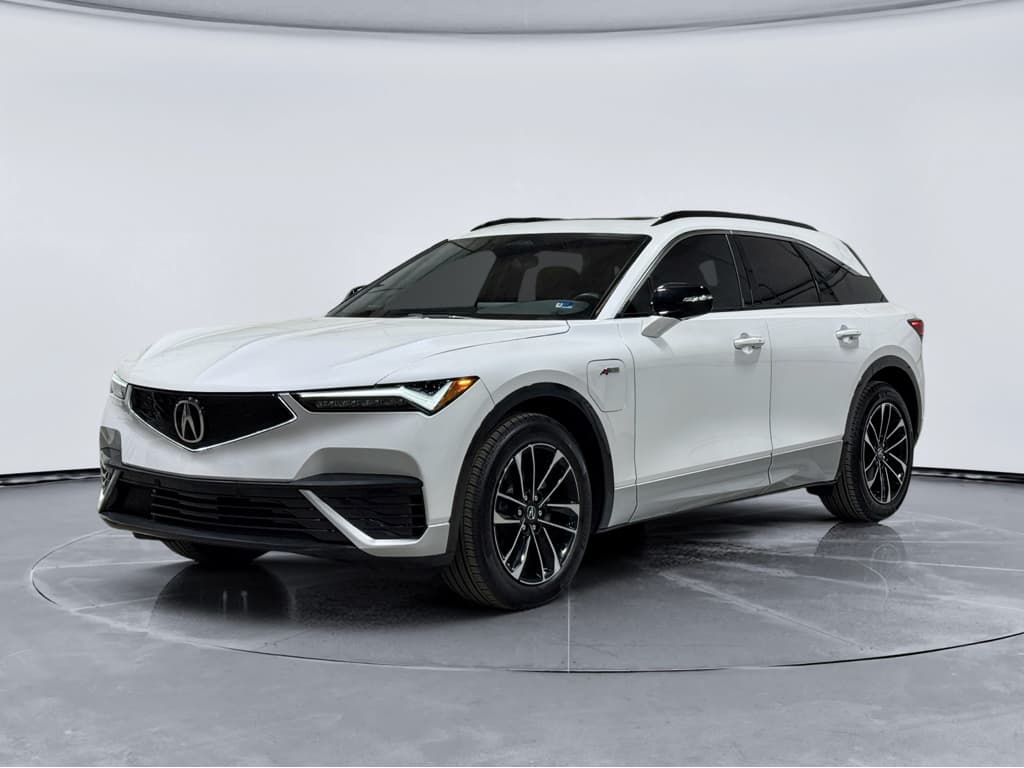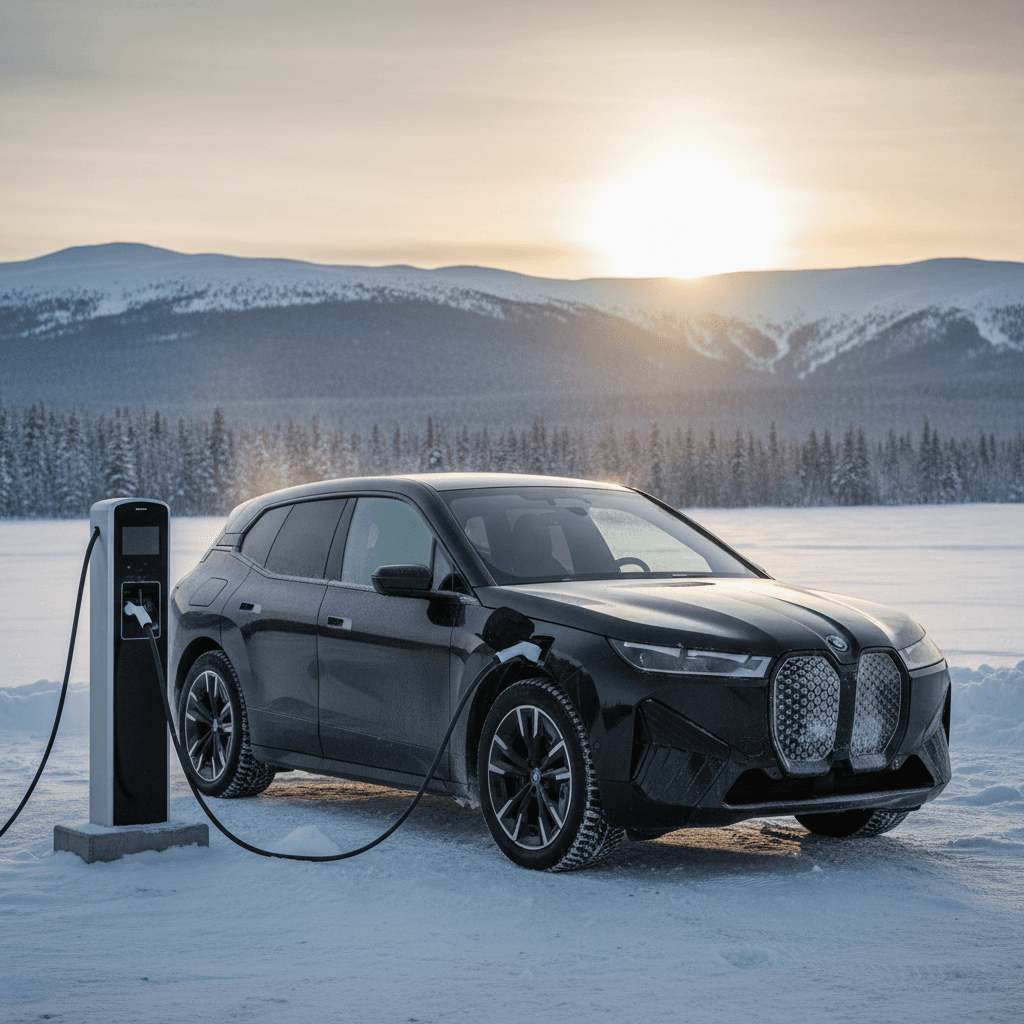
If you own or are considering an Acura ZDX, winter range loss is probably on your mind. EPA numbers like 313 miles (A-Spec RWD) or 304 miles (A-Spec AWD) look great on paper, but cold weather, highway speeds, and cabin heat can make those figures feel theoretical once temperatures drop below freezing.
Quick takeaway
Acura ZDX winter range loss: big picture
The ZDX rides on GM’s Ultium platform and shares a lot of DNA with the Cadillac Lyriq and Chevy Equinox EV. Independent winter testing of Ultium SUVs and broader EV fleet data show a clear pattern: modern EVs typically retain about 65–85% of their EPA range in freezing weather, depending on driving style, speed, and how much you use the heater.
Typical winter range impacts for EVs
Think in ranges, not a single number
EPA range vs real-world winter range on the ZDX
First, let’s anchor on the EPA-rated ranges for the 2024 Acura ZDX lineup, which all use a roughly 102 kWh usable battery pack:
2024 Acura ZDX EPA range by trim
Official EPA ratings are measured in idealized mixed driving at mild temperatures. Winter range will be lower.
| Trim | Drive | Wheel size | EPA rated range |
|---|---|---|---|
| A-Spec RWD | RWD | 20-inch | 313 miles |
| A-Spec AWD | AWD | 20-inch | 304 miles |
| Type S AWD | AWD | 22-inch | 278 miles |
| Type S AWD (perf tires) | AWD | 22-inch | 278 miles |
Use these EPA numbers as a starting point, then adjust down for your specific winter conditions.
Those numbers are achievable in mild weather, on mixed routes, at moderate speeds. In winter, three things change: you’re using a lot more energy to heat the cabin and battery, the air is denser (more drag at highway speeds), and tires and roads generate more rolling resistance. Translate that into ZDX terms and you get more realistic winter expectations:
Approximate real-world winter ranges for Acura ZDX
These are directional estimates for planning, not guaranteed numbers.
Mild winter (25–35°F)
A-Spec RWD: ~230–250 miles
A-Spec AWD: ~220–240 miles
Type S: ~200–220 miles
Deep cold (0–20°F)
A-Spec RWD: ~190–220 miles
A-Spec AWD: ~180–210 miles
Type S: ~160–200 miles
Short city trips
Lots of short hops with a cold battery are worst case. In very cold weather, effective range can feel like 50–60% of EPA if you’re repeatedly heating a cold cabin from scratch.
Don’t size trips off 100%
Why the Acura ZDX loses range in cold weather
The physics that cut range in winter are the same for the Acura ZDX as for a Tesla, Hyundai, or any other EV, but the details of its Ultium platform and climate control strategy shape how big the hit feels. The main culprits fall into four buckets:
- Cabin heating load: Warming air with electricity is energy intensive. If the ZDX relies heavily on resistive heating instead of a heat pump, winter HVAC can draw several kilowatts at full blast.
- Battery temperature: Cold cells have higher internal resistance, so they deliver less usable energy and accept charge more slowly. Until the pack warms up, you’re effectively driving a smaller battery.
- Aerodynamic drag: At 70–80 mph on a cold day, denser air and headwinds matter. A big, upright SUV like the ZDX will see a bigger penalty at highway speeds than a low sedan.
- Rolling resistance: Cold rubber, winter or all-season tires, snow, and slush all increase the energy needed just to keep rolling. This is especially noticeable on unplowed or slushy roads.
Why Ultium SUVs sometimes underperform in cold
How much winter range loss to expect with a ZDX
So what does all of this mean in practice if you’re actually living with a ZDX in a cold climate? It helps to break the question down by scenario: mild winter, deep cold, and worst-case behavior.
1. Typical winter commuting
If you’re in a place like the U.S. Midwest or Northeast, seeing temps between 20–35°F for months, a well-managed ZDX will usually lose about 20–30% of its EPA range.
- Use preconditioning while plugged in.
- Drive 60–70 mph instead of 75–80 mph.
- Rely more on seat and wheel heaters than blasting cabin heat.
Under those conditions, many owners will be perfectly comfortable planning around 200–230 winter miles on an 80–90% charge.
2. Deep cold or worst-case behavior
In extended cold snaps (single digits or below) or if you’re doing lots of short, cold-soak trips and always cranking the HVAC, you can see losses closer to 35–40% versus EPA.
- Repeatedly heating a cold cabin wastes energy.
- Snow mode and winter tires increase rolling resistance.
- Fast highway runs at 75–80 mph magnify drag losses.
In that use case, a ZDX that’s rated for ~300 miles can feel like a 160–190 mile EV between comfortable fast charges.
Watch your planning buffer
Owner reports: what ZDX drivers are actually seeing
Because the Acura ZDX is still a relatively low-volume EV and has already been canceled for future model years, there isn’t a decade of winter data the way there is for Teslas or Leafs. But early owner feedback from colder states lines up with what we’d expect from the physics and from other Ultium SUVs.
“I have my ZDX for 4 months and I hate it for one reason and that is the actual range I get is ridiculously low… Acura recommends charging only to 80% capacity… That gives me a range of 120 miles!!! I am in NJ and it has been very cold, but there is no excuse for this level of inefficiency.”
It’s important to unpack this kind of experience. An owner limiting themselves to 20–80% state of charge on a ~300‑mile EPA-rated ZDX is working with roughly 60% of the battery’s capacity by design. Layer on a 30–40% winter penalty and aggressive HVAC use, and an effective 100–150 mile comfort window between charges is exactly what the math predicts, unpleasant, but not surprising.
Perspective check
Driving strategies to reduce Acura ZDX winter range loss
You can’t change the laws of thermodynamics, but you can decide how hard you lean on them. The way you drive your Acura ZDX in winter easily swings your real-world range by 10–20% either way.
High-impact winter driving habits for ZDX owners
1. Slow down on the highway
Above about 60 mph, aerodynamic drag rises quickly. Dropping from 75 to 65 mph in a ZDX can save enough energy to add <strong>20–30 miles of winter range</strong> on a long leg.
2. Use Eco/Normal, not Sport/Snow when you can
Snow mode can dial back wheelspin but often increases energy use. If traction is good, stick with Normal or Eco. Save Sport for short bursts, not cruising.
3. Lean on seat and wheel heaters
Seat and steering wheel heaters sip power compared with cranking the cabin heat. Set the main HVAC a few degrees lower and use the surfaces to stay comfortable.
4. Avoid lots of short, cold-soak trips
Back-to-back 3–5 mile errands force the ZDX to repeatedly warm a cold cabin and pack. When you can, chain trips together so the car stays warm and efficient.
5. Coast and regen smoothly
Aggressive on/off driving wastes energy. Look ahead, ease off early, and let regen do more of the braking. You’ll stretch range and make winter driving smoother.
6. Clear snow and ice from the car
Snow piled on the hood, roof, and wheel wells increases drag and rolling resistance. A few minutes of clearing can save meaningful energy on longer drives.
What “good” winter efficiency looks like
Smart winter charging strategies for ZDX owners
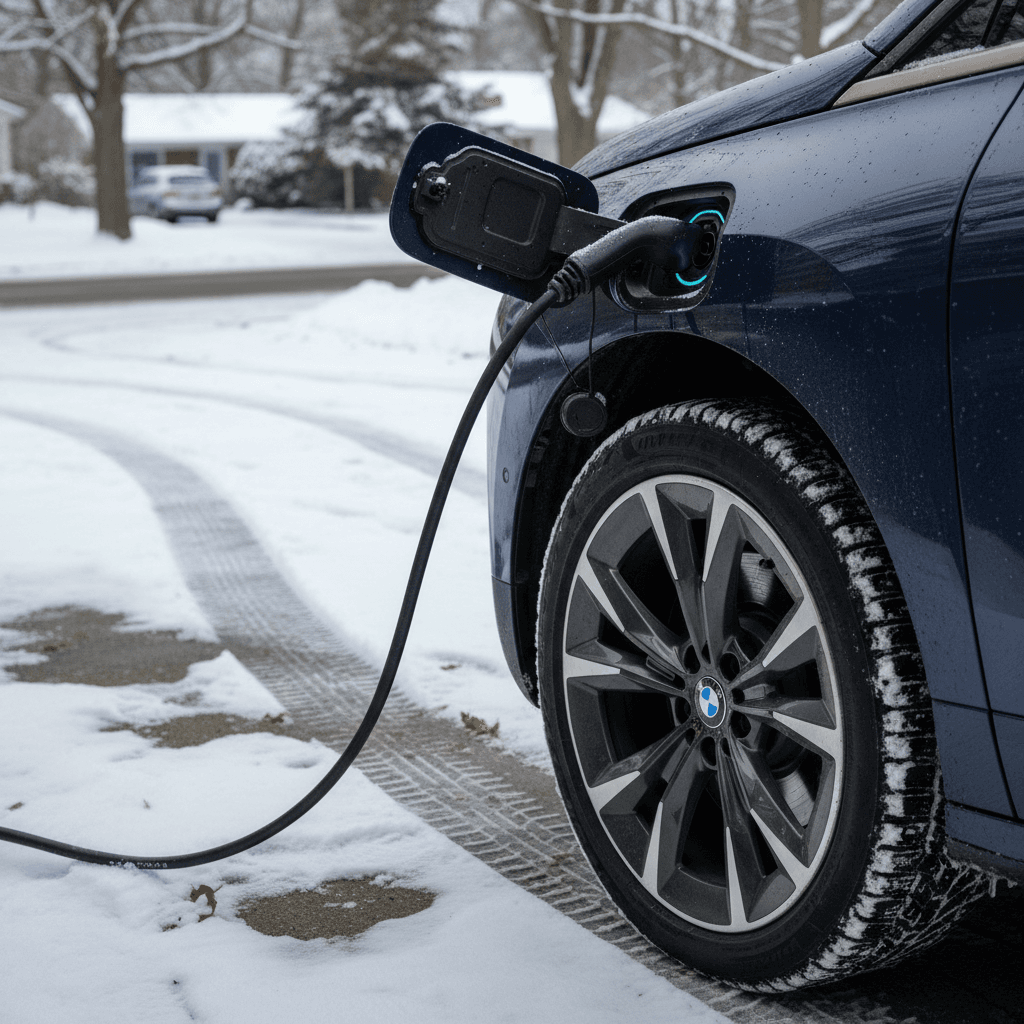
How and when you charge matters more in winter than in summer. Good charging habits don’t just protect battery health, they also reclaim a surprising amount of lost range and make the whole experience less stressful.
Winter charging moves that make a big difference
Focus on timing, preconditioning, and expectations.
Precondition while plugged in
Use the Acura app or in-car settings to warm the cabin and battery before you unplug. That way, the grid does the heavy lifting instead of your traction battery.
Finish charging before departure
Schedule home charging so it completes right before you leave in the morning. A battery that just finished charging will be warmer and deliver better power and range.
Plan for slower DC fast charging
In sub‑freezing temps, expect DC fast charging to be slower than the marketing numbers. Arrive with a warm battery when possible, after a highway leg, not a 5‑minute drive.
Avoid deep discharges in the cold
Planning winter road trips in an Acura ZDX
A lot of anxiety about winter range centers on road trips, not commuting. The Acura ZDX’s big battery gives you a generous buffer, but the combination of high speeds, cold air, and heater use will expose inefficiencies more starkly than a 15‑mile school run.
Rule-of-thumb leg lengths for winter ZDX road trips
Conservative leg planning makes winter EV travel calmer and more predictable.
| Scenario | Target SOC window | Suggested leg length (A-Spec RWD) | Suggested leg length (Type S) |
|---|---|---|---|
| Summer / mild temps | 10–80% | 180–210 miles | 160–180 miles |
| Typical winter (20–35°F) | 15–80% | 150–180 miles | 130–160 miles |
| Deep cold (0–15°F) | 20–80% | 120–150 miles | 100–130 miles |
These are starting points. Adjust up or down based on your own data, weather, and charger density.
Notice how much those numbers tighten up in deep cold. You’re no longer trying to stretch a single charge all day, you’re thinking in terms of two or three well-timed fast‑charge stops.
Winter road-trip checklist for Acura ZDX drivers
1. Build routes around reliable fast chargers
Use multiple apps (GM/Acura, PlugShare, A Better Routeplanner) to cross‑check charger reliability. In winter, a dead or busy charger is more than an inconvenience.
2. Add 10–15 minutes per stop to your plan
Cold packs charge slower. Don’t assume best‑case curves; assume you’ll spend a bit longer at each DC fast charger than in summer.
3. Keep an eye on elevation and headwinds
Climbing and strong headwinds can add 10–20% to energy use. If your consumption is higher than planned, dial back your speed sooner rather than later.
4. Have a backup charger at each stop
Before you depart, know your Plan B within 15–25 miles of every planned fast charger. In harsh weather, redundancy is peace of mind.
Is the Acura ZDX a good EV for cold climates?
Whether the Acura ZDX is a “good” winter EV depends less on the logo and more on how you drive and charge. Compared with the broader EV market, early evidence suggests the ZDX and its Ultium relatives fall into the middle of the pack for winter efficiency, not as stingy with electrons as the best heat‑pump sedans, but not dramatically worse than many competing SUVs either.
Winter strengths
- Big battery: ~102 kWh gives you margin to absorb winter losses and still have usable range.
- DC fast charging: When the pack is warm, the ZDX can add a lot of miles relatively quickly on long trips.
- All-wheel drive options: A-Spec AWD and Type S give confident traction in snow and slush.
Winter weaknesses
- Efficiency: Large, heavy SUV on wide tires is never going to match an aero-optimized sedan in cold-weather Wh/mi.
- HVAC strategy: If your use pattern is lots of short trips, HVAC overhead can make the ZDX feel particularly thirsty.
- Model future: With Acura canceling the ZDX after a short run, long-term software updates and optimization may be more limited than on higher-volume rivals.
How a used ZDX fits into the picture
FAQ: Acura ZDX winter range loss and cold-weather driving
Common questions about Acura ZDX winter range loss
Next steps if you’re considering a used ZDX
If you’re cross-shopping an Acura ZDX and you live somewhere with real winters, the key is to replace vague range anxiety with realistic numbers and a plan. Understand that EPA ratings are a starting point, expect a 20–35% winter haircut, and decide whether that still fits your life once you factor in your commute, charging options, and road-trip patterns.
How Recharged can help
At Recharged, every used EV we list comes with a Recharged Score Report that includes verified battery health and real-world range insights, not just the window-sticker EPA number. That makes it much easier to judge whether a used Acura ZDX (or any other Ultium SUV) will meet your winter needs today and years from now.
You can also talk to an EV specialist about your specific climate, commute, and charging options so you’re not guessing how winter will affect you.
Smart way to shop a winter EV
- Compare ZDX winter range expectations with other SUVs in your price range.
- Look at home and public charging options near you before you buy.
- Consider financing, trade-in, or consignment options to move out of a gas SUV into an EV that actually fits your winter use.
- If you’re range-sensitive, ask about models that consistently retain more of their range in freezing conditions.
Ready to see how a used ZDX stacks up?
Ready to find your next EV?
Browse Vehicles