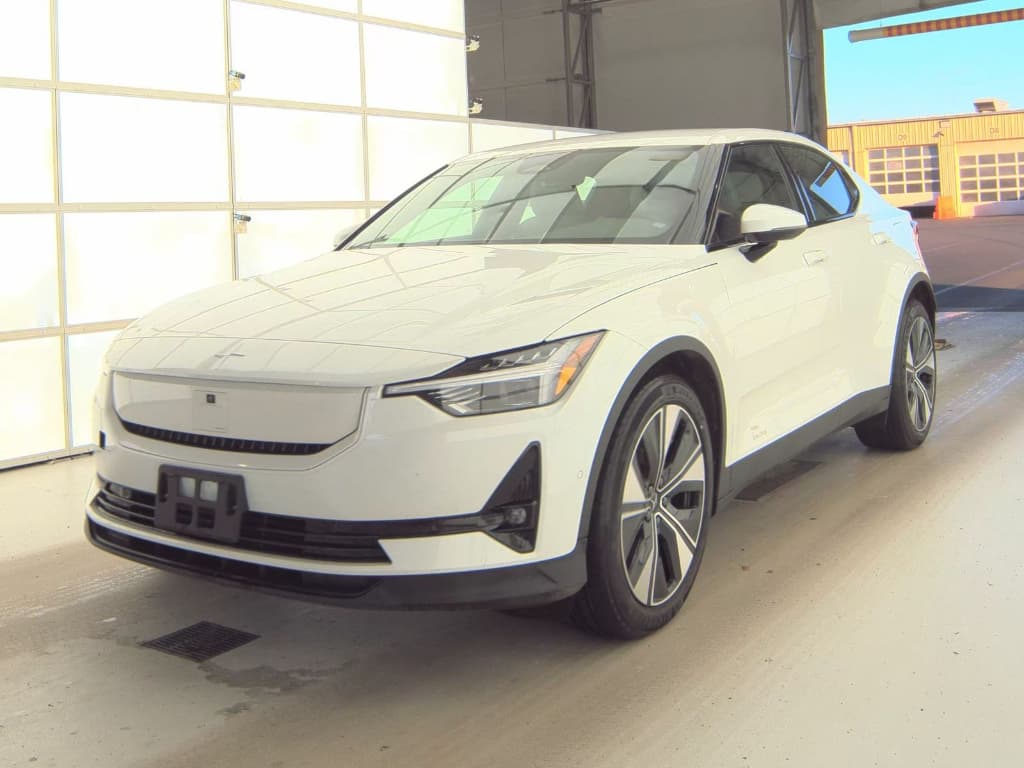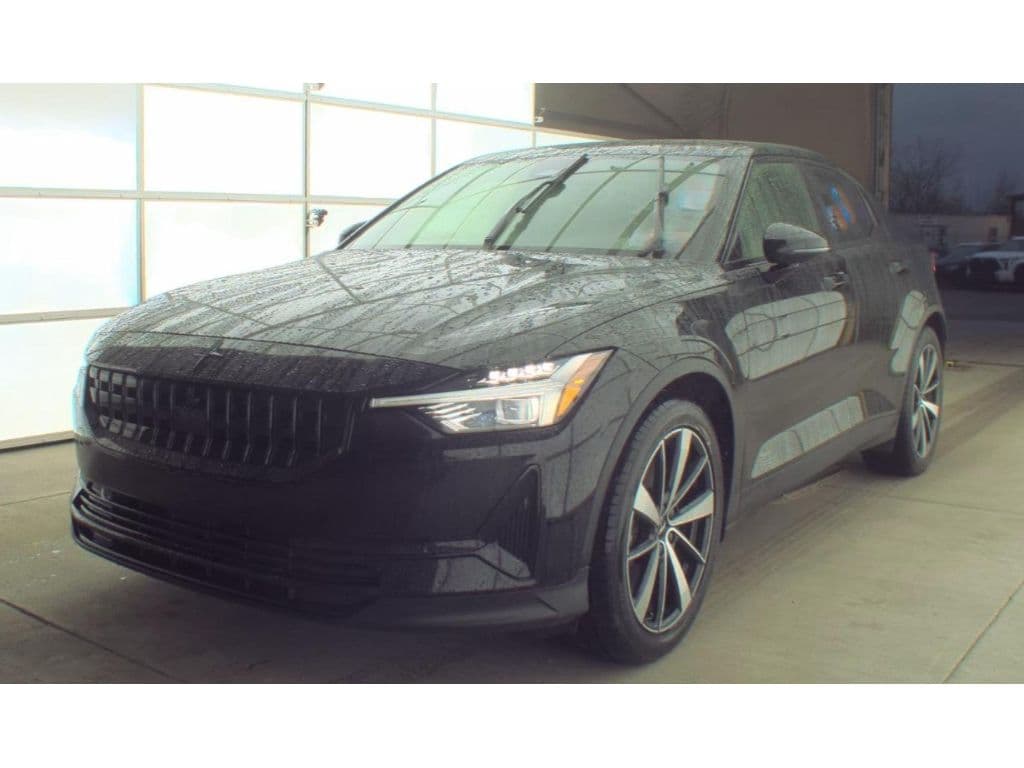
If you’re looking at range tests for the 2021 Polestar 2, you’re probably asking one thing: “What will I really get on a full charge?” Lab numbers are helpful, but real‑world 2021 Polestar 2 range tests, highway, city, winter, and with a few years of battery wear, tell a more honest story, especially if you’re shopping used.
Why range tests matter
2021 Polestar 2 range overview
The 2021 Polestar 2 launched with several configurations, but in the U.S. its headline figures were tied to the dual‑motor, all‑wheel‑drive version with a roughly 78 kWh usable battery. EPA‑rated range for that early car typically landed around the mid‑200‑mile mark depending on wheels and options. Single‑motor variants and software tweaks arrived later, nudging official ratings higher, but most 2021 cars on the used market today are dual‑motor.
Headline numbers for the 2021 Polestar 2 (dual‑motor AWD)
EPA range is not a guarantee
EPA ratings vs real‑world 2021 Polestar 2 range tests
Independent testers and owners have logged thousands of miles in 2021 Polestar 2s, and their range test results form a consistent pattern: the car can match or beat its rating in city‑heavy driving, but falls short at higher highway speeds, just like most EVs. When you read a “2021 Polestar 2 range test,” it’s important to note the test protocol.
EPA vs common real‑world 2021 Polestar 2 range test results
Approximate outcomes reported by reviewers and owners under different driving profiles, assuming a healthy battery and mild temperatures.
| Driving profile | Typical average speed | Approx. range from 100% to low‑state charge | How it compares to EPA |
|---|---|---|---|
| City / suburban mix | 25–40 mph | 220–250 mi | Often close to or slightly above EPA |
| Balanced commute (suburbs + highway) | 45–65 mph | 195–230 mi | Usually within ~10–20% of EPA |
| Highway road trip | 70–75 mph | 165–195 mi | Commonly 20–30% below EPA |
| Aggressive driving | Varies, many full‑throttle passes | 150–180 mi | Can be 25–35% below EPA |
Real‑world range depends heavily on how and where you drive, even with the same car and battery.
How to read range tests
City vs highway range: where the Polestar 2 shines
City and suburban driving
In stop‑and‑go or moderate‑speed suburban traffic, the 2021 Polestar 2’s efficiency looks its best. Regenerative braking recovers energy as you slow, and wind resistance is relatively low at 25–40 mph.
- Owners commonly see 3.0–3.5 mi/kWh around town.
- That translates to roughly 230–260 miles on a full charge in mild weather.
- One‑pedal driving helps you coast and recapture energy smoothly.
Highway driving
On the highway, especially above 70 mph, aerodynamic drag dominates. The Polestar 2 is no brick, but it’s a heavy, all‑wheel‑drive hatchback with performance‑oriented tires in many trims.
- Highway tests at 70–75 mph often land around 2.3–2.6 mi/kWh.
- That yields approximately 165–200 miles per full charge, depending on conditions.
- Dropping your cruising speed by 5–10 mph can easily add 20–30 miles of usable range.
Polestar 2 as a commuter
How winter and weather impact 2021 Polestar 2 range
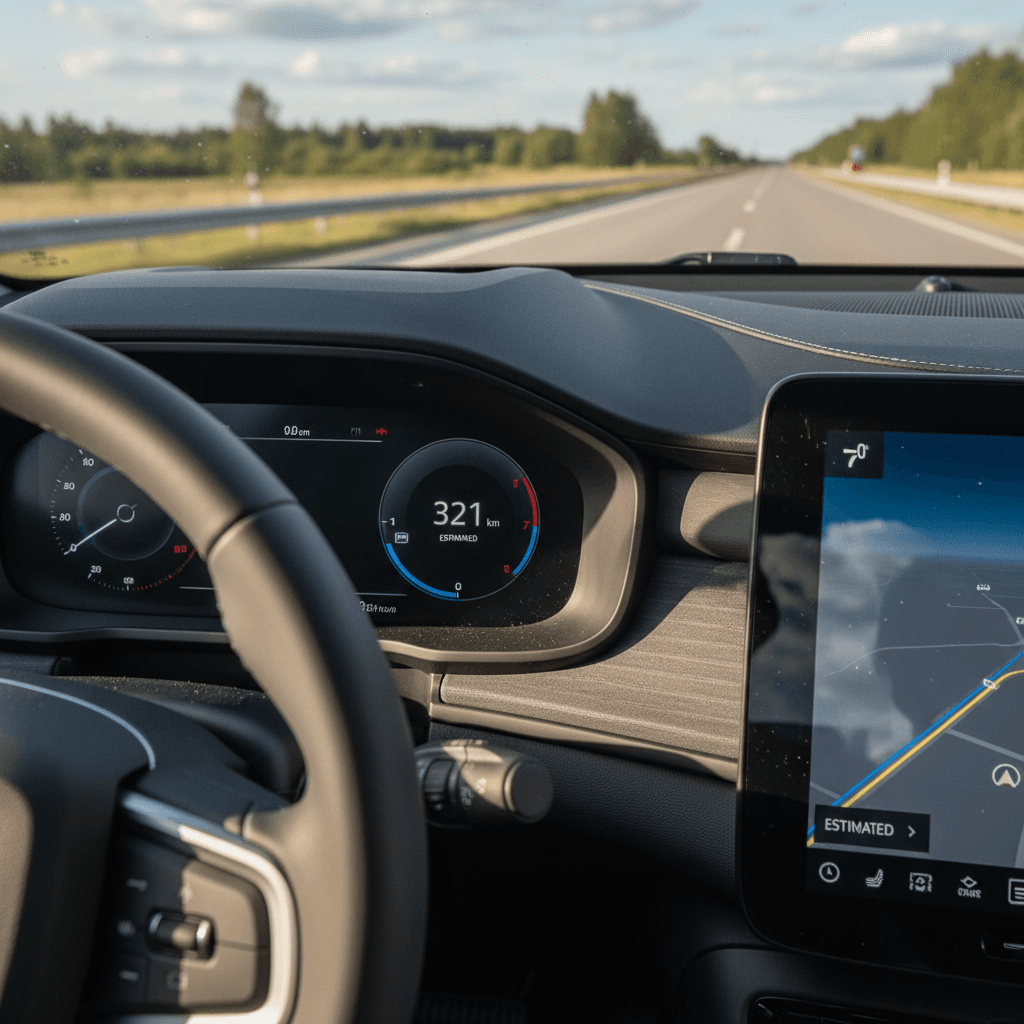
Cold weather is a stress test for every EV, and the 2021 Polestar 2 is no exception. Batteries are less efficient when cold, cabin heating draws a steady load, and snow or slush adds rolling resistance. Range tests in freezing conditions routinely show significant drops versus mild‑weather runs.
What different conditions do to 2021 Polestar 2 range
Approximate impacts compared with a mild‑weather, mixed‑driving baseline on a healthy battery.
Hot weather (A/C on)
In the 80s–90s °F, expect a modest hit:
- Roughly 5–10% lower range in city driving.
- Less impact on long highway runs once the cabin is cooled.
Cold but above freezing
In the 30s–40s °F, with heat use:
- 15–25% range loss is common.
- Short trips hurt more because the car keeps reheating cabin and pack.
Below freezing / snow
In the 20s °F and below:
- 25–35%+ range loss, especially on short city hops.
- Heavier tires, slush, and defrost use add even more drag.
Preconditioning is your friend
Battery degradation on 2021 Polestar 2 models
By 2026, a 2021 Polestar 2 is roughly five years old, and many cars have 40,000–70,000 miles. Naturally, shoppers worry about battery fade. The good news: modern EV packs, including Polestar’s, generally degrade slowly when they’re not abused. Early owner reports suggest that most 2021 Polestar 2s show only modest capacity loss so far.
Typical 2021 Polestar 2 battery health scenarios (5‑year snapshot)
These are broad patterns seen in the market; individual cars can be better or worse based on climate, fast‑charging habits, and storage.
| Usage pattern | Approx. mileage (5 years) | Likely capacity loss | What that means for range |
|---|---|---|---|
| Light commuter (garage kept) | 20k–35k miles | ≈3–7% | Maybe 5–15 miles less than new in everyday use |
| Average mixed use | 40k–70k miles | ≈5–10% | Plan for roughly a 10–25‑mile hit to your usual full‑charge range |
| Heavy fast‑charging, hot climate | 70k–100k+ miles | ≈10–15% or more | Shorter highway stints between fast charges; careful trip planning needed |
Even a 5–10% capacity loss usually doesn’t break daily usability, but it’s worth verifying on any used purchase.
How Recharged verifies battery health
Maximizing your Polestar 2 range day to day
You can’t change physics, but you can stack the deck in your favor. A few simple habits noticeably improve your range in a 2021 Polestar 2 without turning every drive into a hyper‑miling experiment.
Practical ways to stretch your 2021 Polestar 2’s range
1. Tame your cruising speed
Above about 65 mph, aerodynamic drag climbs quickly. Dropping from 75 to 68 mph on the highway can easily add 20–30 miles of range without changing anything else.
2. Use Eco/Range‑friendly drive settings
Dial back aggressive throttle maps and heavier steering where possible. Smooth, gradual inputs let the car stay in its most efficient operating window.
3. Lean on one‑pedal driving
Set regen to a higher level so more of your slowing is handled by regenerative braking instead of the friction brakes. You’ll capture more energy and reduce wear on pads and rotors.
4. Pre‑heat or pre‑cool while plugged in
If you can charge at home or work, pre‑condition the cabin so initial climate control energy comes from the wall, not the battery. This is especially important in winter.
5. Watch the live energy screen, not just miles
Use the Polestar 2’s energy graph and mi/kWh readout. If your efficiency drops, you’ll see it quickly and can adjust speed, HVAC settings, or route before range becomes an issue.
6. Keep tires properly inflated
Under‑inflated tires add rolling resistance and eat into efficiency. Check pressures monthly, especially when temperatures swing between seasons.
Think in mi/kWh, not just miles
Planning road trips in a 2021 Polestar 2
Range tests always spark the question: can you road‑trip a 2021 Polestar 2 comfortably? The answer is yes, but you’ll want to think in segments of 150–190 miles between DC fast‑charge stops if you’re driving at modern U.S. highway speeds.
Realistic highway legs
On a healthy battery in mild weather, many owners plan charging stops every 150–170 miles when cruising at 70–75 mph. That leaves a buffer for detours, weather, or unexpected closures.
- Start a leg at 80–90% instead of 100% to shorten charging time.
- Arrive near 10–15% before your next DC fast charge.
- Use your preferred charging app to cross‑check station reliability.
Charging strategy
The Polestar 2 can fast‑charge at competitive rates, but like every EV, it charges fastest between about 10% and 60–70% state of charge.
- Multiple short charges are often faster than one long 10–100% session.
- Plan meal or restroom breaks around 20–40‑minute charging windows.
- If you regularly road‑trip, consider route‑planning tools that factor in elevation and weather.
Don’t trust a single app blindly
Used 2021 Polestar 2: what range to expect
If you’re shopping for a used 2021 Polestar 2, the key question is what real‑world range you can expect today, not when the car was new. That depends on battery health, tire choice, software updates, and how the previous owner used the car. But we can outline some broad expectations for a typical, well‑maintained example.
Common used‑buyer range scenarios for a 2021 Polestar 2
Assuming a dual‑motor AWD model with average degradation and all‑season tires.
Urban commuter
Profile: 20–40 miles per day, mostly city streets.
Realistic range: 210–240 miles per full charge.
Experience: You’ll likely charge 1–2 times per week at home or work, with plenty of buffer.
Suburban + highway mix
Profile: 40–70 miles per day, some freeway, some surface streets.
Realistic range: 190–220 miles per full charge.
Experience: Comfortable daily use with overnight top‑ups; occasional DC fast‑charging on longer weekend drives.
Frequent road‑tripper
Profile: Regular 150–200‑mile highway stints at 70–75 mph.
Realistic range: 165–195 miles between efficient fast‑charge stops.
Experience: Totally workable, but you’ll plan routes around fast‑charging networks.
How Recharged de‑risks used EV range
Ready to find your next EV?
Browse Vehicles2021 Polestar 2 range test FAQ
Frequently asked questions about 2021 Polestar 2 range tests
Key takeaways for shoppers
A 2021 Polestar 2 range test can look very different depending on who’s driving, where, and in what weather, but a pattern emerges. In city and mixed use, the car behaves like a ~200‑plus‑mile EV even a few years in, and on the highway you’ll realistically plan around 165–190‑mile segments at modern interstate speeds. That’s competitive, practical range for most drivers, especially if you have reliable home or workplace charging.
If you’re considering a used 2021 Polestar 2, focus on battery health, your daily route, and the kind of trips you actually take, not just the EPA window sticker. At Recharged, every vehicle includes a Recharged Score Report with verified battery diagnostics, transparent pricing, and EV‑specialist guidance, so you can match a specific car’s real‑world range to your lifestyle before you ever sign paperwork. That’s how used EV shopping, and range anxiety, should feel in 2026.